Buying NFT Gaming Assets
 by
by 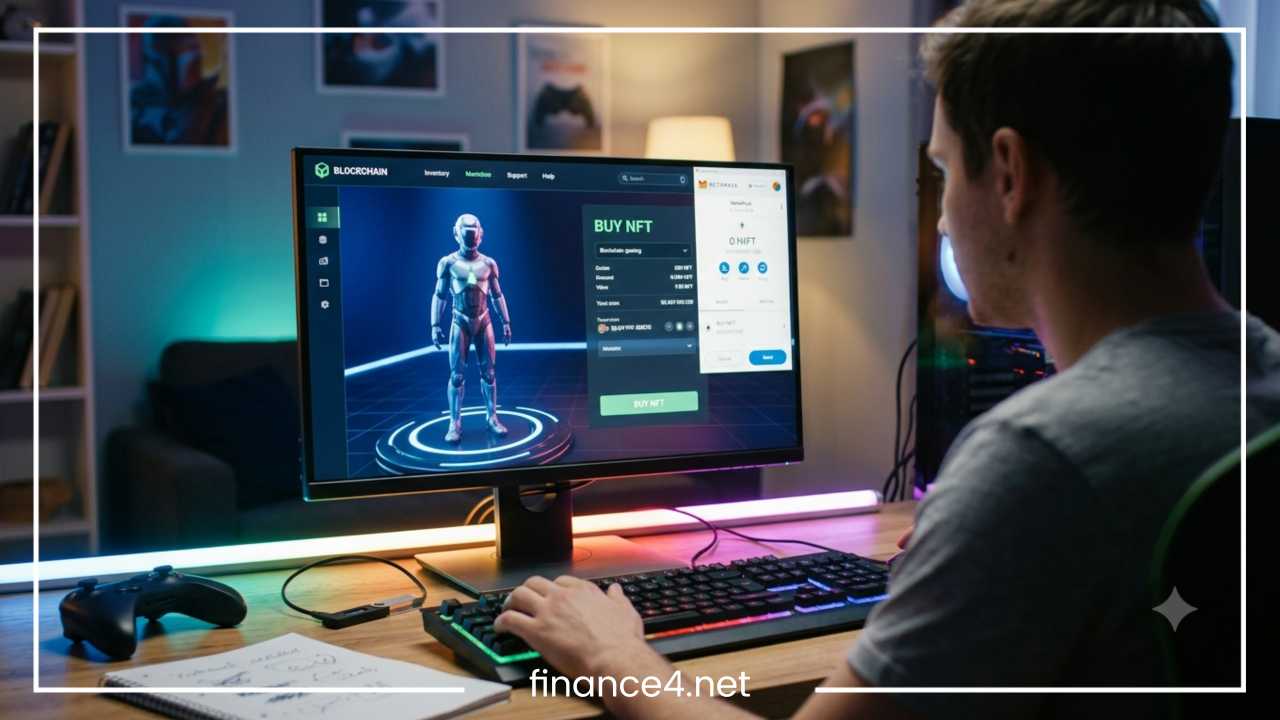
How to Start Buying NFT Gaming Assets: Beginner’s Guide
For decades, video games have operated on a closed-loop financial model. Players spent countless hours earning rare equipment, grinding for character skins, or building virtual property, only to realize that every asset remained tied to the game publisher’s servers. If a developer shut down the game or updated terms of service, years of accumulated progress and monetary investment could vanish overnight.
The rise of blockchain gaming has disrupted this dynamic by introducing true digital ownership to the gaming world. Through non-fungible tokens, players can own, trade, and monetize their in-game items outside the confines of a single game studio. When you buy NFT gaming assets, you are purchasing digital property backed by verifiable blockchain records.
This comprehensive guide breaks down everything you need to know about navigating the world of play-to-earn titles and decentralized item markets. You will learn what these digital items are, why they hold value, how to configure a crypto gaming wallet, how to safely evaluate projects, and how to execute your very first purchase.
What Are NFT Gaming Assets?
To understand gaming NFTs, it helps to start with the fundamental technology. A non-fungible token is a unique digital record stored on a blockchain. Unlike cryptocurrencies such as Bitcoin or traditional currency, where every unit is identical and interchangeable, each NFT possesses unique metadata, identification codes, and property traits that distinguish it from any other token.
In the context of interactive media, this technology converts virtual items into verifiable property. When a developer mints an item as an NFT, the ownership record is written to a public ledger rather than stored on a private corporate server.
Types of In-Game NFT Assets
Gaming ecosystems utilize tokenized assets across various categories:
-
Characters and Avatars: In many blockchain games, playable characters themselves are NFTs. These tokens track attributes, level progression, custom cosmetic gear, and earned skill sets.
-
Weapons and Gear: Swords, armor, vehicles, and firearms exist as individual items with specific stats, durability, and rarity tiers.
-
Skins and Cosmetics: Aesthetic modifications alter visual design without impacting competitive stats, catering to fashion-focused collectors.
-
Virtual Land: Games like metaverse platforms sell geographic plots where landholders can build facilities, host events, or rent space to other players.
-
Trading Cards: Digital card games represent spells, creatures, and actions as individual tokens that can be built into competitive decks.
Traditional In-Game Purchases vs. NFT Gaming Assets
| Feature | Traditional In-Game Items | NFT Gaming Assets |
| Ownership | Microtransaction license held by developer | True ownership held in user crypto wallet |
| Interoperability | Locked inside a single game ecosystem | Potential use across multiple titles and platforms |
| Secondary Market | Prohibited or heavily restricted by publisher | Free secondary trading on external marketplaces |
| Asset Lifespan | Tied directly to game server uptime | Permanent record on decentralized blockchain |
| Supply Limits | Controlled arbitrarily by developers | Fixed, transparent supply verified by smart contracts |
Why Buy NFT Gaming Assets?
The decision to purchase tokenized gaming items stems from several advantages that traditional microtransactions cannot offer.
True Digital Ownership and Resale Potential
When you purchase a skin or weapon in a standard centralized game, you buy a revocable license to access that asset. You cannot legally sell that item for fiat currency, trade it outside the publisher’s approved portal, or transfer it to another account.
NFT assets reverse this model. Because ownership details reside on a public blockchain, you retain control of the asset even when logged out of the game. If you decide to move on to a new game, you can sell your existing inventory on a secondary marketplace to recoup costs or lock in profits.
Play-to-Earn Opportunities
Many Web3 titles feature play-to-earn or play-and-earn structures where gameplay directly translates to digital rewards. Holding specific assets may unlock entry into high-reward competitive tournaments, yield native crypto tokens through daily play, or grant access to exclusive resource-farming zones. Players view these items not merely as entertainment expenses, but as functional tools that enhance earn potential within a digital economy.
Interoperability Across Ecosystems
Though still an emerging frontier, blockchain technology enables cross-game utility. An asset minted in one title can potentially be recognized by a different game developer, granting cosmetic or functional perks across entirely separate applications.
Community Governance and DAO Access
Holding high-tier assets often doubles as a voting key within a Decentralized Autonomous Organization. DAOs give token holders a direct say in future development roadmaps, rule adjustments, prize pool distributions, and economy balance patches.
Essential Setup Before You Buy
Before purchasing your first item, you must establish the necessary digital infrastructure. This involves selecting a compatible network, configuring a self-custody wallet, and securing cryptocurrency for transactions.
Choosing the Right Blockchain Network
Blockchain games run on various network infrastructures, each offering distinct speed, fee structures, and market liquidity profiles:
-
Ethereum: The most secure and liquid network, hosting high-profile legacy collections. However, high transaction fees can make frequent low-value purchases impractical.
-
Polygon: A Layer 2 scaling solution built alongside Ethereum, offering low transaction fees and fast speeds while maintaining compatibility with Ethereum tools.
-
Solana: A high-throughput Layer 1 network known for low fees and quick confirmation times, making it popular for real-time multiplayer titles.
-
Immutable X: A specialized Layer 2 platform purpose-built for Web3 games, offering zero gas fees for peer-to-peer trades alongside fast processing speeds.
Wallet Setup Guide: Setting Up MetaMask
A self-custody wallet is your identity, storage vault, and primary login mechanism across Web3 platforms. MetaMask is one of the most widely supported options for Ethereum and Polygon games.
To create and configure your wallet, follow these foundational steps:
-
Download the official extension from the official MetaMask website for your chosen web browser.
-
Launch the application and select the option to create a brand-new wallet.
-
Establish a strong, unique local account password.
-
Record your 12-word Seed Phrase (Secret Recovery Phrase) manually on paper. Store this offline in a physical location.
-
Confirm the phrase within the app by selecting the words in the exact sequential order requested.
-
Verify that your wallet address displays properly in the top navigation bar.
Crucial Security Warning: Never store your Secret Recovery Phrase in text files, cloud storage, email drafts, or photos. Anyone who obtains this phrase gains immediate control over all linked assets.
Acquiring Crypto and Funding Your Wallet
Purchasing assets requires payment in the native cryptocurrency of the network hosting the game (such as ETH, MATIC, or SOL) or specific in-game governance tokens.
-
Create and verify an account on a reputable centralized cryptocurrency exchange.
-
Complete identity verification procedures as required by local regulators.
-
Link a traditional payment method (bank transfer or debit card) and purchase your chosen asset.
-
Navigate to the withdrawal section of the exchange.
-
Paste your public wallet address into the recipient field. double-check every character.
-
Select the correct network matching your target wallet and confirm the transfer.
Understanding Gas Fees
Every interaction that writes data to a blockchain—including buying, transferring, or listing an item—requires computational work performed by network validators. The fee paid to reward these operators is called a gas fee.
Gas fees fluctuate dynamically based on network congestion. Transacting during peak hours results in higher costs. When buying assets on networks like Ethereum mainnet, factor gas fees directly into your budget, as high network traffic can occasionally drive gas fees above the price of the asset itself.
Choosing an NFT Marketplace
Just as traditional gamers purchase digital goods through centralized storefronts, blockchain collectors use decentralized marketplaces. These platforms fall into two main categories: general marketplaces and game-specific portals.
General Marketplaces
-
OpenSea: The largest cross-chain marketplace, supporting Ethereum, Polygon, Solana, Klaytn, and Arbitrum. It offers robust filtering options based on item traits and overall volume stats.
-
Magic Eden: Originally built for Solana, this platform has expanded across multiple chains, serving as a primary hub for gaming launches and secondary trading.
-
Rarible: A multi-chain ecosystem emphasizing community governance and decentralized operation, offering tools to browse and trade diverse collections.
Game-Specific Marketplaces
Many established titles host native marketplaces directly on their official websites.
-
Axie Marketplace: Designed specifically for trading characters, land plots, and items within the Axie Infinity universe.
-
The Sandbox Marketplace: Dedicated to user-created voxel assets, equipment, and land parcels designed for use inside The Sandbox.
-
Gods Unchained Marketplace: Tailored for seamless trading of individual digital strategy cards with minimal fees.
Core Comparison Criteria
When evaluating platforms, weigh these crucial factors:
-
Transaction Fees: Platform fee percentages typically range from 0.5% to 2.5% per completed sale.
-
Royalty Enforcement: Some platforms enforce creator royalties (percentages paid back to the original developer on secondary sales), while others leave royalties optional.
-
Supported Chains: Ensure the marketplace integrates natively with your network and digital wallet.
-
Liquidity and Volume: Higher trading volume makes it easier to buy items at fair market value and sell them quickly when needed.
Step-by-Step: Buying Your First Gaming NFT
Once your wallet is funded and you have chosen a platform, you are ready to make a purchase.
Step 1: Connect Your Crypto Gaming Wallet
Navigate to your selected marketplace website. Click the “Connect Wallet” button in the upper corner, select your wallet application (such as MetaMask), and sign the connection request. Connecting your wallet allows the platform to read your public address and present relevant purchasing options.
Step 2: Research and Filter Assets
Search for the verified collection page of your chosen game. Avoid using general search bars without double-checking security badges, as impersonator accounts can exist. Use the sidebar filters to isolate specific criteria:
-
Rarity attributes and cosmetic traits
-
In-game stats or functional levels
-
Price limits matching your target budget
-
Fixed price versus auction listing status
Step 3: Select a Purchase Method
Marketplaces generally offer three primary transaction structures:
-
Buy Now (Fixed Price): The seller lists the asset for a set amount. Purchasing it executes the deal instantly at that listed rate.
-
Timed Auction: The asset goes to the highest bidder when a preset timer expires.
-
Make an Offer: You place a custom bid on an item that is not actively listed or propose an offer below the current fixed asking price. The owner can accept or reject this bid at their discretion.
Step 4: Confirm the Transaction and Verify Ownership
When you click the purchase button, your wallet extension opens a popup confirmation window detailing the item price, estimated gas fee, and final total cost.
Review these details carefully, then click “Confirm.” The transaction will process on the blockchain. Once confirmed by network nodes, the token transfers to your wallet address. You can view your new asset under the profile tab of the marketplace or directly within your connected game account.
How to Evaluate a Gaming NFT
Buying assets without proper research can lead to financial losses. Evaluating items requires looking closely at utility, tokenomics, market metrics, and team credibility.
In-Game Utility and Rarity Traits
In digital gaming economies, cosmetic appeal alone rarely sustains long-term item value. Evaluate how the asset functions within the actual game engine:
-
Competitive Advantage: Does the item improve character stats, lower cooldowns, or grant exclusive access to high-reward game modes?
-
Rarity Tier: Most items feature algorithmic rarity scales. Common, Rare, Epic, and Legendary tiers determine total supply. Items with lower supply and higher utility generally retain stronger demand.
-
Yield Generation: Can the asset be staked or rented to other players to earn passive in-game currency?
Analyzing Key Market Metrics
Before buying, evaluate the collection’s overall market metrics:
-
Floor Price: The lowest price for an item within a collection. A steadily declining floor price may signal waning community interest, while a stable or rising floor suggests healthy demand.
-
Trading Volume: Total historical trading activity. High daily volume indicates strong liquidity, meaning you can easily buy or sell without drastically moving the market price.
-
Unique Holder Ratio: The proportion of total items owned relative to unique wallet addresses. A collection with 10,000 items held by only 200 people poses concentration risk, as a few large holders could flood the market. Look for a healthy, distributed owner base.
Team Credibility and Development Roadmap
Examine the team developing the game:
-
Doxxed Teams: Publicly known developers with verified track records in traditional gaming or technology sectors present significantly lower risk than anonymous teams.
-
Consistent Progress: Check if the development team consistently meets roadmap goals, delivers playable updates, and maintains transparent communication.
-
Active Community: Join the project’s official Discord and monitoring channels. A healthy project features active discussions around gameplay mechanics rather than pure price speculation.
Costs to Expect
Budgeting for Web3 gaming extends beyond the sticker price of the asset. Keep all related operational expenses in mind:
| Cost Component | Description | Variability |
| Purchase Price | The agreed-upon cost of the item set by the seller | Fixed at time of sale |
| Gas Fees | Blockchain transaction fees paid to network operators | Highly variable based on network congestion |
| Marketplace Fees | Cut taken by the platform hosting the trade (typically 1%-2.5%) | Fixed percentage set by platform |
| Creator Royalties | Percentage routed back to developers on secondary sales (0%-5%) | Set by original creator |
| Currency Conversion Fees | Costs associated with swapping fiat to crypto or bridging networks | Varies by exchange and bridge protocol |
Staying Safe: Scams and Security
The decentralized nature of blockchain platforms offers complete self-sovereignty, but it also means there are no customer support desks to reverse fraudulent transactions. Protecting your digital inventory requires strict security hygiene.
Common Vectors and Scams
-
Phishing Links: Malicious links distributed via social media, fake ads, or direct messages that lead to mirrored marketplace websites designed to steal login credentials and wallet signatures.
-
Fake Mints: Scammers launch imitation sites promising early access or discounted mints for popular games, draining funds sent to their contracts.
-
Wallet Drainer Contracts: Malicious smart contracts disguised as normal transactions that, once signed, grant approval for attackers to drain all assets from your wallet.
-
Direct Message Scams: Fraudulent profiles posing as game support agents or moderators reaching out directly to assist with technical issues while requesting your seed phrase.
Wallet Security Best Practices
To safeguard your digital inventory:
-
Use a dedicated hardware wallet (cold storage) to store high-value items offline.
-
Maintain separate wallets: keep a “hot wallet” with minimal funds for everyday transactions and a secure vault wallet for long-term storage.
-
Revoke active allowance permissions regularly using smart contract approval tools.
-
Bookmark verified marketplace links directly; avoid clicking sponsored search result links.
-
Never share your 12-word recovery phrase with anyone under any circumstances.
Security Red Flags Checklist
| Red Flag Indicator | Risk Level | Correct Action |
| Direct messages offering unsolicited “help” or exclusive mints | Critical | Block user immediately and do not open links |
| Websites requesting your 12-word Seed Phrase | Critical | Close browser window immediately |
| Transaction popups demanding full access approval to all tokens | High | Reject transaction and inspect smart contract details |
| A drop item appearing unexpectedly in your wallet inventory | Moderate | Do not interact with or attempt to sell the token |
Key Risks to Understand
Entering Web3 gaming requires a clear understanding of market dynamics and technical risks.
High Market Volatility
Digital asset values fluctuate rapidly. The price of an in-game asset is tied both to player demand and the spot price of the underlying cryptocurrency used to price it. A broad market downturn can significantly decrease the fiat value of your inventory, even if the game itself remains popular.
Project Sustainability and Game Shutdowns
Web3 game development carries the same risks as traditional software development. If a game studio fails to deliver engaging gameplay, loses its player base, or runs out of development capital, the server infrastructure hosting the game client may shut down. While your NFT will remain safely on the blockchain, its actual utility within a functional game will disappear.
Illiquidity Hazards
Unlike major cryptocurrencies that can be traded instantly on high-volume exchanges, individual NFTs can be highly illiquid. If game interest wanes or your item features niche attributes, it may take days, weeks, or months to find a buyer willing to pay your asking price.
Evolving Regulatory Frameworks
Governments worldwide are continuously updating legal frameworks surrounding digital assets, play-to-earn token models, and secondary marketplace operations. Regulatory shifts can impact token availability, taxation requirements, or game mechanics in specific geographic regions.
Beginner Tips for Success
Navigating digital item trading smoothly comes down to disciplined habits and measured risk management.
-
Start Small: Begin your journey with low-value purchases to familiarize yourself with wallet approvals, network fees, and transaction confirmations before committing significant capital.
-
Explore Free-to-Play Options: Many modern Web3 games offer free starter assets or free-to-play entry points. Test the actual gameplay loop and community health before investing in premium assets.
-
Join Official Discord Communities: Active community channels offer real-time insights into game balance updates, tournament announcements, and market sentiment shifts. Observe the community for a few weeks to gauge developer responsiveness.
-
Diversify Across Ecosystems: Avoid allocating your entire budget to a single game or studio. Spreading involvement across various genres and underlying blockchains lowers risk if an individual project underperforms.
-
Keep Track of Transactions: Track purchase prices, sale revenues, and associated gas fees in a dedicated spreadsheet for easy tax reporting and financial tracking.
Final Thoughts
The shift toward true digital ownership represents a major evolution in how players interact with virtual worlds. By converting in-game items into blockchain-backed assets, players gain complete control over their digital gear, opening up opportunities for secondary market trading and active participation in virtual economies.
Starting your journey does not require a massive initial investment. By setting up a secure crypto gaming wallet, understanding basic network fees, conducting thorough research, and practicing disciplined security habits, you can confidently buy NFT gaming assets and explore the emerging landscape of decentralized gaming. Start small, focus on games you genuinely enjoy playing, and build your digital inventory step by step.
Frequently Asked Questions (FAQ)
What is the safest wallet to use when buying NFT gaming assets?
The safest setup for buying NFT gaming assets combines a software wallet like MetaMask, Phantom, or Coinbase Wallet with a physical hardware wallet like a Ledger or Trezor. The software wallet connects to marketplaces to browse and execute transactions, while the hardware wallet keeps your private keys offline, requiring physical confirmation for every purchase or transfer. Never share your 12-word secret recovery phrase or type it on any website, regardless of who requests it.
How do gas fees work when buying in-game NFTs on Ethereum versus Polygon?
Gas fees represent the computational cost paid to network validators to process your transaction on the blockchain. On the Ethereum mainnet, high network congestion can cause gas fees to spike significantly, sometimes costing tens or hundreds of dollars for a single purchase. Polygon operates as a Layer 2 scaling solution alongside Ethereum, allowing you to buy, sell, and mint in-game NFTs with sub-cent transaction fees and much faster processing speeds.
Can you sell NFT gaming assets back for real money?
Yes, you can sell NFT gaming assets for real money by listing them on secondary marketplaces like OpenSea, Magic Eden, or official game-specific portals. When another player buys your asset, you receive cryptocurrency (such as ETH, SOL, or MATIC) directly in your wallet. You can then transfer that cryptocurrency to a centralized exchange, sell it for your local fiat currency (like USD or EUR), and withdraw the funds directly to your bank account.
How can beginners tell if a play-to-earn game NFT is a scam?
Beginners can identify scam projects by checking for critical warning signs before connecting a wallet:
| Danger Sign | Scam Indicator | Safe Alternative |
| Anonymous Team | Unverified developers with no public history or social proof | Doxxed teams with proven backgrounds in gaming or tech |
| Unsolicited Direct Messages | Links sent via Discord, Twitter, or Telegram offering “free mints” | Official links bookmarked directly from project sites |
| Aggressive Price Promises | Guarantees of high daily returns or instant price spikes | Focus on actual gameplay mechanics and sustainable economics |
| Suspicious Smart Contracts | Wallet popups asking for total control or unlimited token approvals | Standard approval requests limited strictly to the item price |
What happens to my gaming NFTs if the game developer shuts down?
Because NFTs exist on a public, decentralized blockchain, the token itself remains permanently inside your personal crypto wallet even if the developer closes the project. However, if the game’s servers shut down, the central application that renders the asset in 3D, reads its stats, and allows you to play with it will no longer function. While you still legally own the token, its actual utility and resale value will likely drop to zero unless another developer builds cross-game compatibility for it.