Bridging BNB Chain to Arbitrum
 by
by 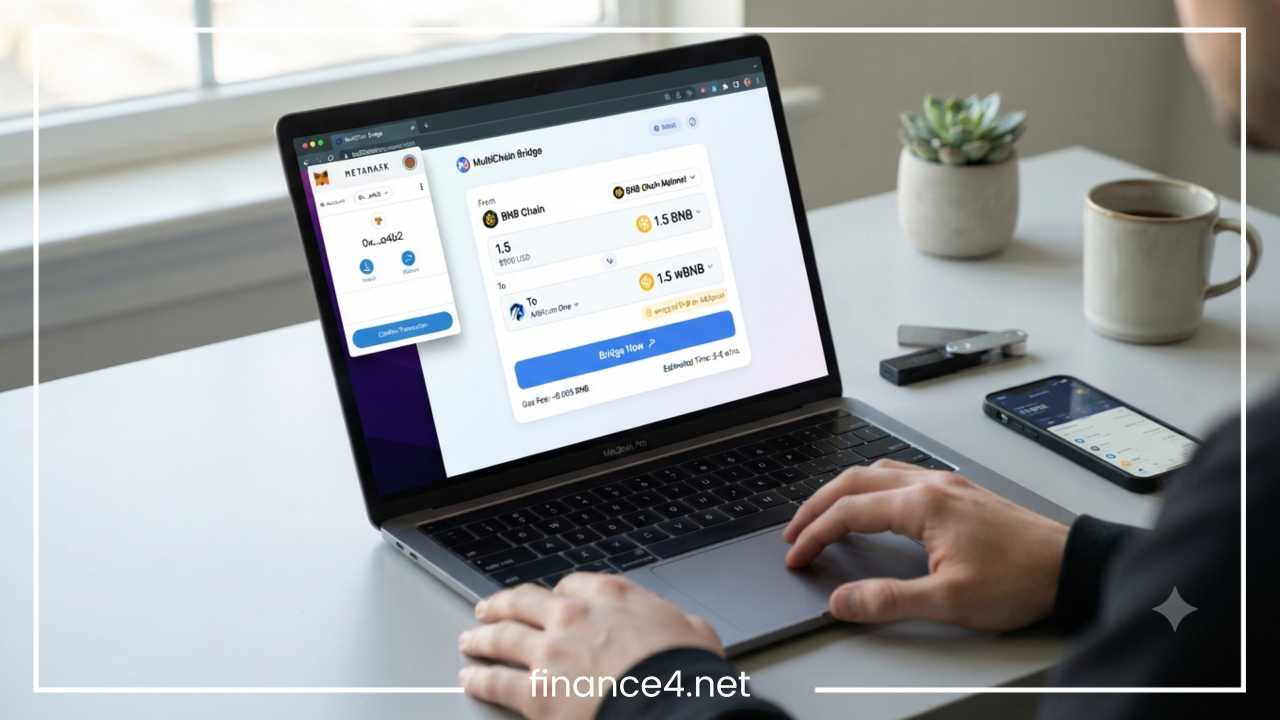
Bridging BNB Chain to Arbitrum: Step-by-Step Guide
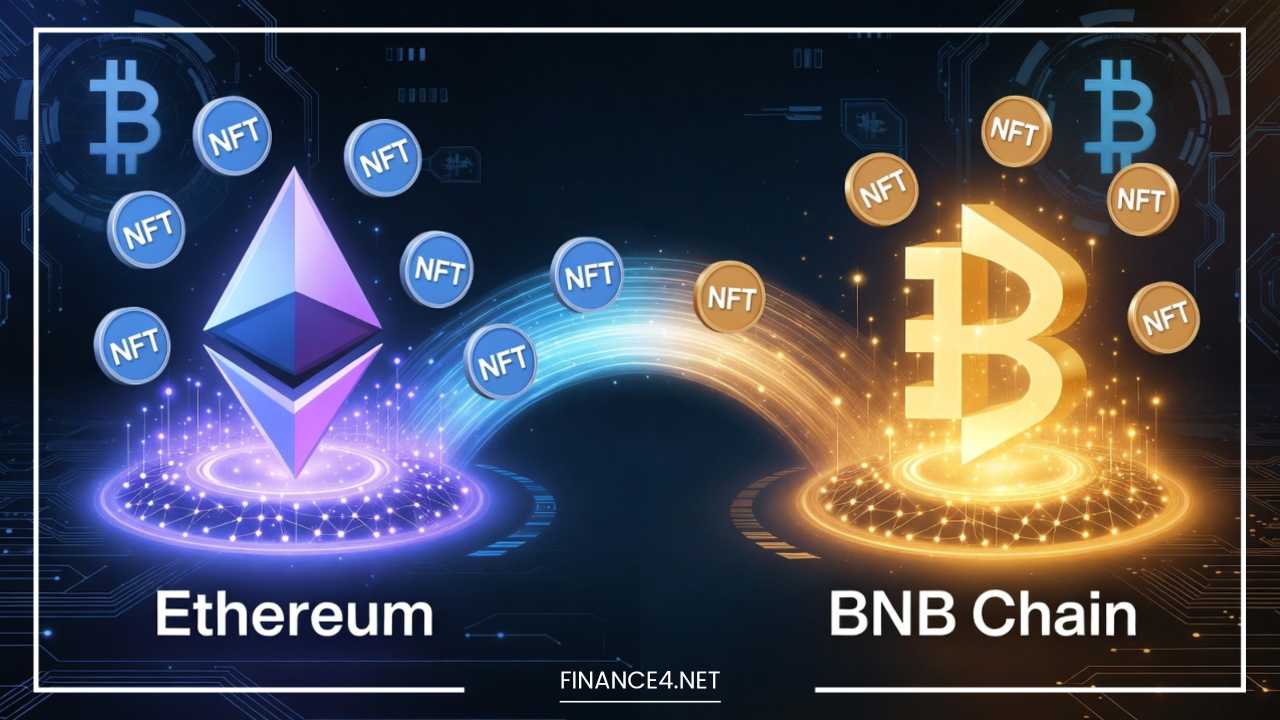
The modern blockchain landscape is characterized by a multi-chain reality where hundreds of distinct networks operate independently. While this modular approach fosters innovation and scalability, it creates a challenge: assets and liquidity are often siloed within specific networks. This is where cross-chain bridging comes into play. A cross-chain bridge is a protocol or mechanism that allows users to transfer tokens, data, and information from one blockchain network to another, effectively dissolving the barriers between isolated ecosystems.
Many crypto users and decentralized finance participants routinely seek to move crypto from BNB Chain to Arbitrum. BNB Chain is widely recognized for its high transaction throughput and low operational costs, making it an ideal environment for retail trading, high-frequency decentralized applications, and early-stage project launches. However, the Ethereum Layer 2 ecosystem, led by Arbitrum, offers unmatched access to blue-chip decentralized finance protocols, deep liquidity pools, advanced derivatives platforms, and robust institutional backing, all while inheriting the security guarantees of the Ethereum mainnet.
Understanding how to bridge BNB Chain to Arbitrum safely and efficiently is a fundamental skill for anyone looking to optimize their portfolio across networks. Throughout this guide, readers will learn the mechanics behind blockchain bridges, the structural differences between BNB Chain and Arbitrum, the practical incentives for executing a cross-chain transfer, and a detailed walkthrough of the entire procedure. Additionally, this guide covers essential security practices, potential troubleshooting steps, and an analysis of associated fees and transaction speeds to ensure a seamless experience.
What Is a Blockchain Bridge?
A blockchain bridge is a technological infrastructure that connects two different blockchain networks, allowing the transfer of assets or data between them. Because independent blockchains operate on separate consensus rules, native tokens from one chain cannot natively exist or be spent on another. Bridges solve this interoperability problem by establishing a secure communication channel across distinct cryptographic environments.
To understand how bridges work, it helps to examine their primary operational models: lock-and-mint and liquidity-based bridges. In a lock-and-mint model, when a user wants to transfer a token from a source chain to a destination chain, the bridge smart contract locks the original token in a secure vault on the source chain. Once the lock is verified, an equivalent wrapped or synthetic asset is minted on the destination chain. When the user wishes to return the asset, the wrapped token is burned on the destination chain, and the original asset is unlocked on the source chain. Conversely, liquidity-based bridges utilize pools of pre-funded assets on both networks. When a user deposits tokens into the source chain pool, a corresponding amount of tokens is released to the user from the liquidity pool on the destination chain.
Bridges exist primarily to solve the fragmentation of liquidity and utility in the blockchain space. They allow users to capitalize on the unique strengths of various networks without being restricted to a single ecosystem. The benefits of using a bridge include enhanced capital efficiency, access to a wider array of decentralized applications, and the ability to leverage specialized layer solutions. However, limitations and risks also exist. Bridges are complex pieces of smart contract infrastructure, making them prime targets for malicious exploitation if code vulnerabilities are present. Furthermore, users must navigate network congestion, variable service fees, and the operational friction of managing native gas tokens across multiple chains.
Understanding BNB Chain and Arbitrum
Navigating a cross-chain transfer requires a solid understanding of both the originating network and the destination network. Each chain possesses unique architectural designs, economic models, and developer communities.
BNB Chain
BNB Chain is an EVM-compatible blockchain ecosystem that combines high-performance infrastructure with low transaction costs. It utilizes a Proof of Staked Authority consensus mechanism, which allows for fast block times and predictable, highly affordable gas fees measured in fractions of a cent. Because of its cost efficiency and speed, BNB Chain has become a massive hub for retail traders, meme coin speculation, yield farming protocols, and decentralized exchanges. Its active community and broad developer adoption have established it as one of the most heavily utilized layers in the broader blockchain industry.
Arbitrum
Arbitrum is a leading Layer 2 scaling solution designed to enhance the capabilities of Ethereum. Built using optimistic rollup technology, Arbitrum processes transactions off the Ethereum mainnet, bundles them together, and posts the compressed transaction data back to Ethereum for final settlement. This architecture allows Arbitrum to deliver significantly lower gas costs and faster execution times compared to the Ethereum mainnet, while simultaneously inheriting Ethereum’s robust security and decentralization guarantees. Arbitrum hosts a thriving ecosystem of decentralized finance protocols, perpetual exchanges, lending markets, and advanced smart contract applications.
Why bridge between them?
Bridging assets between BNB Chain and Arbitrum allows users to bridge BNB Chain to Arbitrum to capture the best of both worlds. A user might accumulate capital, participate in early-stage token launches, or farm high-yield opportunities on BNB Chain, and subsequently move those funds to Arbitrum to engage in institutional-grade decentralized finance, leverage sophisticated trading platforms, or interact with Ethereum-native applications without paying prohibitive mainnet gas fees. Utilizing an Arbitrum bridge or a specialized cross-chain transfer mechanism bridges the gap between these two powerhouse ecosystems.
Reasons to Bridge Assets from BNB Chain to Arbitrum
The decision to move crypto from BNB Chain to Arbitrum is typically driven by strategic financial, utility, and portfolio management goals. Understanding these motivations helps users determine the right timing and asset allocation for their cross-chain activities.
- Access Ethereum DeFi: Arbitrum is home to some of the most established decentralized finance protocols in the industry. Moving assets via a BNB Chain to Arbitrum bridge unlocks participation in advanced lending markets, borrowing platforms, and decentralized exchanges that may not have direct equivalents on BNB Chain.
- Lower Fees Than Ethereum Mainnet: While Ethereum offers deep liquidity, interacting directly with its base layer can be cost-prohibitive during periods of high network congestion. Arbitrum provides a high-performance alternative with dramatically reduced gas fees while retaining Ethereum ecosystem connectivity.
- Better Liquidity and Asset Depth: Arbitrum features deep liquidity pools for major assets like Ethereum, USD Coin, and wrapped tokens, making it easier to execute large trades with minimal price impact and slippage.
- NFT Marketplaces and Gaming: The Arbitrum ecosystem hosts vibrant non-fungible token marketplaces and blockchain gaming projects that attract dedicated communities and unique digital asset economies.
- Yield Farming Opportunities: Yield farmers often rotate capital between networks to chase sustainable yields, staking rewards, and liquidity-mining incentives. Bridging assets to Arbitrum opens up diverse yield-generating strategies.
- Portfolio Diversification: Maintaining exposure across multiple leading blockchain networks reduces single-chain risk and allows users to diversify their holdings across different technological stacks and community bases.
What You Need Before Bridging
Before initiating a cross-chain transfer, thorough preparation ensures that the process goes smoothly and prevents common pitfalls such as stuck transactions or stranded funds. Meeting these prerequisites is essential for a successful transaction.
- Compatible Wallet: You need a non-custodial Web3 wallet that supports both EVM-compatible networks and the specific bridge you intend to use. Wallets like MetaMask, Rabby, or any WalletConnect-compatible application are standard choices.
- Native BNB for Gas: To initiate a transaction on BNB Chain, your wallet must hold a small amount of native BNB to pay for the source network gas fees. Without BNB, you cannot approve or execute the initial bridge transaction.
- ETH on Arbitrum for Future Transactions: Once your assets arrive on Arbitrum, you will need native Ethereum on Arbitrum to pay for gas fees when swapping, staking, or withdrawing those funds. It is vital to ensure you have a small amount of ETH on Arbitrum waiting for your arrival.
- Stable Internet Connection: A stable, secure internet connection prevents interruptions during critical steps such as wallet signing and smart contract interactions.
- Correct Token Denomination: Ensure you hold the specific tokens you want to transfer, and check whether the bridge supports them as native assets or wrapped representations.
- Official or Reputable Bridge: Research and select a trusted BNB Chain bridge or cross-chain bridge provider with a proven security track record to minimize smart contract risks.
- Verify Network Compatibility: Confirm that your wallet is correctly configured with the RPC settings for both BNB Chain and Arbitrum before starting the transfer process.
Step-by-Step Guide to Bridge BNB Chain to Arbitrum
This section provides a clear, sequential walkthrough for executing your cross-chain transfer. Follow each step carefully to ensure your funds move accurately and securely from BNB Chain to Arbitrum.
Step 1: Choose a Trusted Bridge
Selecting the right cross-chain bridge is the most critical decision in the transfer process. Evaluate potential bridges based on several core factors:
- Supported assets: Ensure the bridge explicitly supports the token you wish to transfer.
- Fees: Compare protocol fees, service charges, and estimated gas costs.
- Security: Look for bridges with audited smart contracts, decentralized validator sets, and a clean operational history.
- Speed: Review estimated transfer times, as some bridges finalize transactions in minutes while others take longer depending on finality requirements.
Step 2: Connect Wallet
Navigate to the official website of your chosen bridge. Locate the connect wallet button, usually found in the top-right corner of the interface. Select your wallet provider—such as MetaMask, Rabby, or WalletConnect—and approve the connection request in your wallet pop-up window. Ensure you are connected to the correct account containing your funds.
Step 3: Select Source and Destination Networks
Within the bridge interface, configure the network selection parameters:
- Source network: Set this to BNB Chain. This tells the protocol where your funds are currently located.
- Destination network: Set this to Arbitrum. This indicates where you want your assets to be delivered.
- If the interface allows automatic network switching, the application may prompt your wallet to switch to BNB Chain immediately.
Step 4: Choose Token and Amount
Select the specific cryptocurrency you want to transfer from the drop-down menu provided by the bridge interface. Pay attention to the following details:
- Supported tokens: Common choices include stablecoins like USDC or USDT, wrapped Bitcoin, or native-equivalent assets.
- Minimum bridge amounts: Check if the bridge enforces a minimum transfer threshold.
- Balance checks: Ensure your wallet balance exceeds the intended transfer amount to account for gas fees on the source chain.
Step 5: Review Fees
Carefully examine the transaction breakdown before proceeding. This summary typically displays:
- Bridge fee: The service charge retained by the protocol operator or liquidity providers.
- Gas fee: The estimated cost in native BNB required to execute the transaction smart contract on BNB Chain.
- Slippage or price impact: Applicable if the bridge involves a decentralized exchange swap during the routing process.
Step 6: Approve Token
Before the bridge smart contract can move your funds, you must grant it spending approval. Click the approve button on the bridge interface and confirm the prompt in your wallet. This transaction requires a tiny amount of native BNB for gas. Once the approval transaction is confirmed on BNB Chain, the bridge is authorized to access the specified amount of your token.
Step 7: Confirm Bridge Transaction
With approval secured, click the transfer, bridge, or swap button to initiate the actual cross-chain transfer. Your wallet will prompt you to sign the transaction. Review the gas fee and details one last time before confirming. Once signed, the transaction is broadcast to BNB Chain, and you will enter a waiting period while the bridge validators or relayers verify the deposit and initiate the release on the destination network.
Step 8: Receive Assets on Arbitrum
After the waiting period concludes, the transfer will finalize. To verify receipt of your funds:
- Switch your wallet network from BNB Chain to Arbitrum.
- Check your wallet balance for the transferred asset.
- If the token does not appear automatically, use the official token contract address on Arbitrum to add the token manually to your wallet asset list.
Common Problems When Bridging and How to Solve Them
Even with careful preparation, users occasionally encounter technical hurdles during cross-chain transfers. Understanding these common issues and their solutions can save time and prevent unnecessary anxiety.
- Pending Transaction: If a transaction remains stuck in a pending state on BNB Chain, it is usually due to network congestion or gas prices being set too low. You can often speed up or cancel the transaction using your wallet interface by submitting a replacement transaction with a higher gas fee.
- Wrong Network Selected: If the bridge interface or your wallet is set to the incorrect network, the transaction will fail to initialize. Always double-check that your wallet is actively connected to BNB Chain when initiating the bridge.
- Insufficient Gas: Running out of native BNB on BNB Chain or native ETH on Arbitrum will halt transactions. Always maintain a small reserve of native tokens on both chains specifically designated for gas expenses.
- Bridge Maintenance: Occasionally, bridges undergo scheduled upgrades or experience technical downtime. If you encounter errors, check the official social media channels or status pages of the bridge provider to confirm operational status.
- Token Not Visible in Wallet: If your transfer is complete on the blockchain explorer but your wallet balance shows zero, the token has not been imported into your wallet interface. Simply copy the official token contract address for Arbitrum and use the custom token import feature in your wallet.
- Wrong Wallet Address: Sending funds to an incorrect destination address is generally irreversible due to the immutable nature of blockchain transactions. Always verify recipient addresses before confirming, and use your own connected wallet whenever possible.
- RPC Issues: Outdated or congested Remote Procedure Call endpoints can cause syncing errors. Switch to a reliable public or private RPC endpoint in your wallet settings to restore normal functionality.
- Transaction Failed: If a transaction fails outright, review the error log on the block explorer. Common causes include slippage tolerance being exceeded or smart contract execution errors. Adjust your parameters and try again after ensuring sufficient gas.
Security Best Practices
Security is paramount in decentralized finance and cross-chain operations. Because bridges interact with multiple smart contract environments, practicing rigorous digital hygiene protects your capital from exploits and malicious actors.
- Use Official Bridge URLs: Always access bridge platforms through verified links provided by official project documentation, reputable aggregators, or trusted community channels. Avoid clicking sponsored search engine advertisements, which frequently lead to sophisticated phishing replicas.
- Double-Check Wallet Address: Verify all transaction details, destination chains, and receiving addresses before signing any smart contract interaction.
- Beware of Phishing: Be highly skeptical of unsolicited direct messages on social media platforms offering technical support or claiming to resolve stuck bridge transactions. Legitimate support staff will never ask for your private keys or seed phrase.
- Never Share Seed Phrase: Your recovery seed phrase and private keys must remain strictly confidential. No bridge protocol, decentralized application, or support representative will ever require your seed phrase to process a cross-chain transfer.
- Test with a Small Amount First: When using a new bridge or executing a complex transfer route for the first time, always send a small test amount to verify that the entire pipeline functions correctly before moving larger volumes of capital.
- Verify Token Support: Ensure you are bridging recognized, canonical token versions rather than unverified or malicious replicas created by scammers.
- Monitor Bridge Status Pages: Keep track of transaction hashes using block explorers such as BscScan and Arbiscan to independently verify the progress of your funds.
- Keep Wallet Software Updated: Ensure your browser extensions, mobile wallet applications, and hardware wallet firmware are updated to the latest secure versions released by their developers.
Fees and Transaction Times
Navigating the financial and temporal aspects of cross-chain transfers helps users optimize their capital efficiency and manage expectations regarding transfer duration.
Network gas fees represent the cost of executing smart contract instructions on the blockchain. When you bridge BNB Chain to Arbitrum, you pay a small gas fee in native BNB to cover the source chain transaction, alongside a bridge service fee charged by the protocol to maintain liquidity pools or validator networks. Additionally, users must account for future gas costs on the destination network, which are paid in native Ethereum on Arbitrum.
Congestion effects can influence both transaction fees and completion times. During periods of peak network activity across the broader crypto market, gas prices on BNB Chain may rise, and bridge validation queues may experience temporary slowdowns.
Typical completion times for a standard cross-chain transfer range from a few minutes to roughly fifteen minutes. This duration is primarily determined by the finality requirements of BNB Chain and the operational speed of the bridge’s relayer or validator network. Once the bridge confirms the deposit on the source chain and broadcasts the release transaction on Arbitrum, the funds become fully accessible for decentralized finance activities, trading, or yield generation.
Final Thoughts
Bridging assets between BNB Chain and Arbitrum is an essential capability for modern cryptocurrency users, providing a seamless pathway to combine the high speed and low cost of BNB Chain with the deep liquidity, advanced decentralized finance protocols, and robust security of the Ethereum Layer 2 ecosystem. Throughout this guide, we explored the foundational mechanics of blockchain bridges, examined the structural advantages of both networks, and detailed the core motivations for moving capital across chains.
Executing a successful transfer requires careful attention to detail, adherence to security best practices, and a clear understanding of the step-by-step process. By choosing a reputable cross-chain bridge, maintaining sufficient native tokens for gas expenses on both networks, and verifying every transaction parameter, users can navigate the multi-chain environment with confidence. For anyone preparing to move crypto between networks, starting with a small test transfer remains the gold standard for ensuring a smooth, secure, and stress-free bridging experience.