NFT Avatar Customization Tools
 by
by 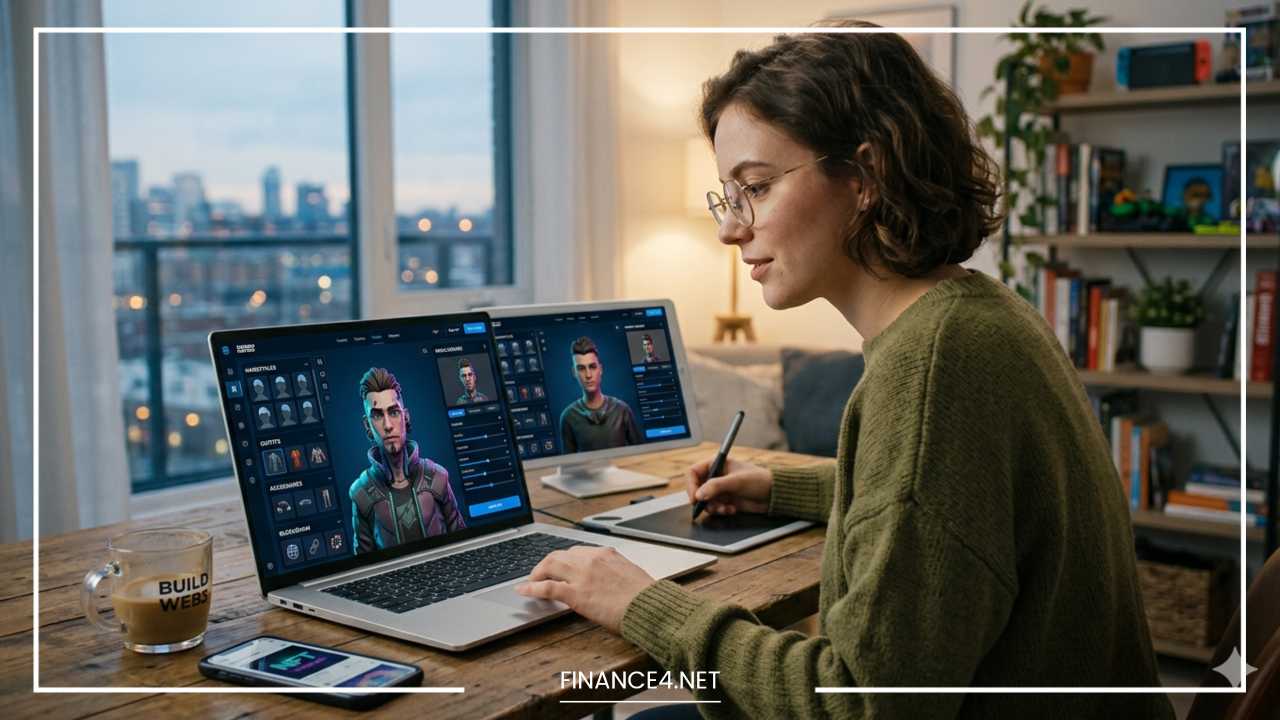
NFT Avatar Customization Tools: Create, Edit & Personalize Digital Avatars
The digital landscape is undergoing a fundamental shift in how we perceive and project our identities. In the early days of the internet, a username and perhaps a grainy 100×100 pixel thumbnail were the extent of our digital presence. Today, we are entering the era of the “Digital Twin” and the “Metaverse Identity.” At the heart of this revolution are NFT avatars—unique, blockchain-backed representations of ourselves that carry value, utility, and a sense of ownership.
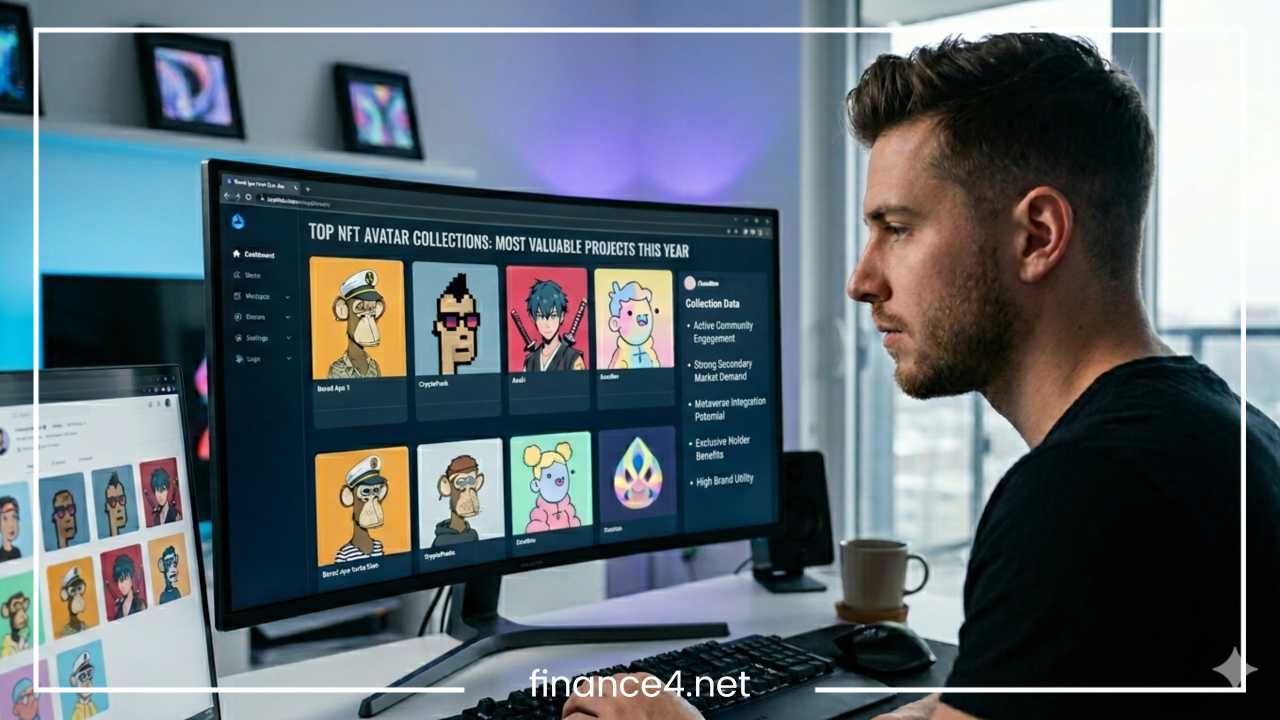
However, as the market for Non-Fungible Tokens (NFTs) matures, the “one-size-fits-all” approach is fading. Users no longer want to be just another “Bored Ape” or “CryptoPunk” variant that looks exactly like a thousand others. The demand for NFT avatar customization tools has surged, allowing individuals to become the architects of their own digital personas. This guide explores the tools, technologies, and strategies used to create, edit, and personalize digital avatars in a decentralized world.
What Are NFT Avatars?
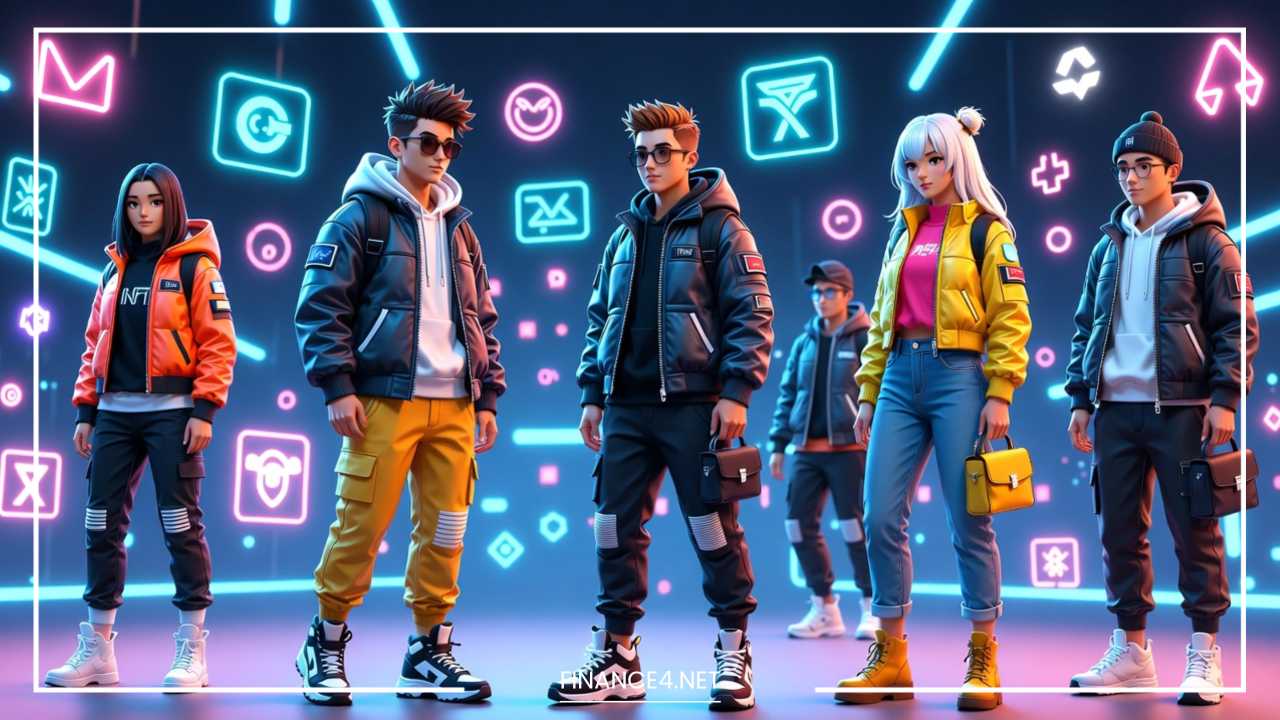
To understand customization, we must first define the canvas. An NFT avatar is a digital character, usually in a square “profile picture” (PFP) format or a full-body 3D model, whose metadata is stored on a blockchain (such as Ethereum, Polygon, or Solana).
The Evolution from Static to Dynamic
In the first wave of the NFT craze, avatars were largely static. When you bought an NFT, you bought a finished piece of art. If the character had a red hat, it stayed red forever.
The current wave, however, introduces customizable and generative avatars. These are built using modular “traits.” An avatar is not just one image; it is a collection of layers—backgrounds, bodies, heads, eyes, headwear, and accessories—that can be swapped, upgraded, or even “burned” (destroyed) to mint a new version of the character.
Core Use Cases
-
Social Media PFPs: On platforms like X (formerly Twitter) and Instagram, verified NFT avatars serve as digital status symbols and community badges.
-
Virtual World Presence: In Decentraland, The Sandbox, or Somnium Space, your avatar is your physical body. It is how you walk, talk, and interact with others.
-
Gaming Assets: Modern “Play-to-Earn” (P2E) and “Play-and-Own” games use NFT avatars as playable characters. Customization here often impacts gameplay, with different outfits providing different “buffs” or statistics.
Why NFT Avatar Customization Matters
Customization is more than just a fun aesthetic choice; it is a critical component of the Web3 economy for several reasons:
Personal Identity and Psychological Ownership
Psychologically, we value things more when we have a hand in creating them. This is known as the “IKEA Effect.” By choosing the specific eye color, clothing brand, or hairstyle of an NFT avatar, a user moves from being a mere “speculator” to a “creator.” This fosters long-term loyalty to a project.
The “Rarity” Economy
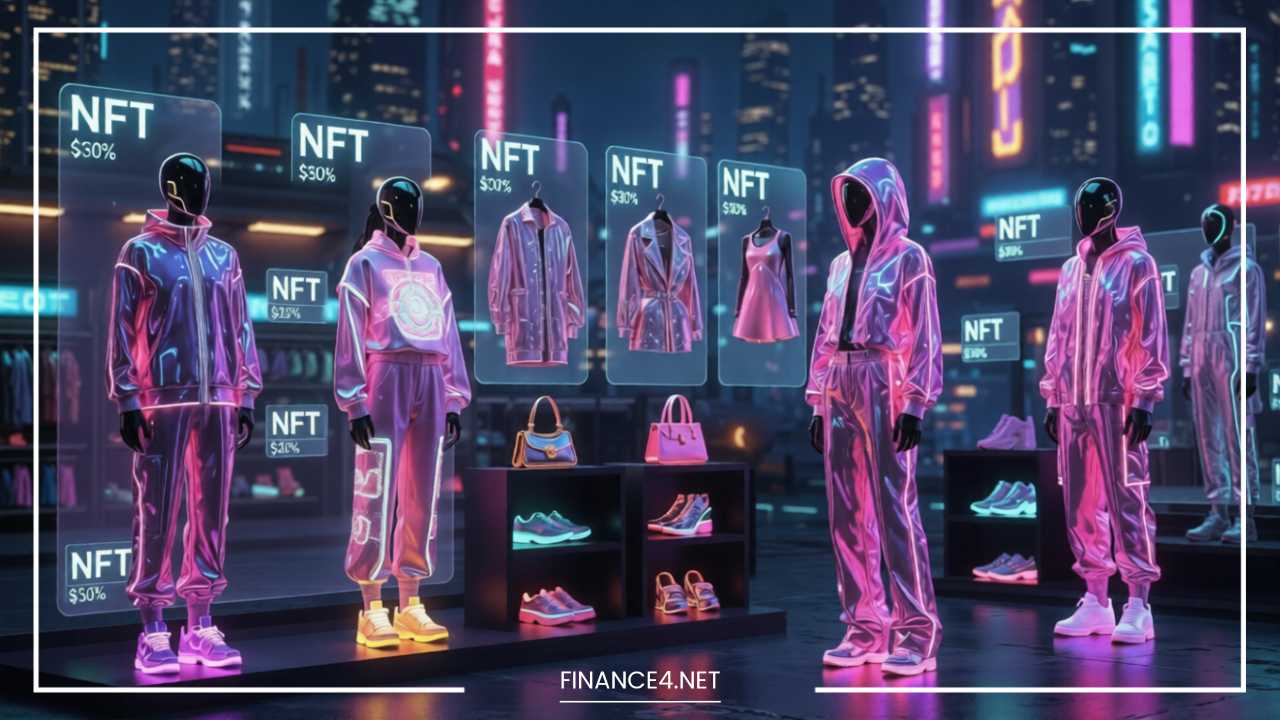
In the NFT world, rarity often equals value. Customization tools allow users to play with rarity. Some platforms allow you to “craft” rare items by combining common ones, or to purchase limited-edition “wearables” that can be equipped to an existing avatar. This creates a secondary market for accessories, independent of the base character.
Branding for Influencers and Professionals
As professional meetings migrate to virtual spaces, having an avatar that reflects one’s professional brand is essential. An influencer might want their avatar to wear digital replicas of their real-world merchandise, blurring the lines between physical and digital branding.
Types of NFT Avatar Customization Tools
The ecosystem of tools can be categorized by when and how the customization occurs.
1. Pre-Mint Avatar Generators
These are the industrial-strength tools used by developers and artists to launch large-scale collections (e.g., 10,000 units).
-
How they work: You upload folders of different traits (e.g., 20 hats, 20 glasses, 20 shirts). The software uses a mathematical algorithm to combine these layers so that no two avatars are identical.
-
Key Tool: Bueno or NFT-Inator.
2. Post-Mint “Equippable” Tools
This is a more advanced form of customization where the NFT is “dynamic.” The smart contract is written so that the metadata can be updated.
-
How they work: You own a “Base” NFT. You then purchase a “Hat” NFT. Through a customization portal, you “equip” the hat. The blockchain records the change, and the image of your NFT actually updates on marketplaces like OpenSea.
3. AI-Powered Personalization
Artificial Intelligence has lowered the barrier to entry. Instead of needing to be a master of Photoshop or Blender, users can now use text-to-image prompts to generate unique avatars.
-
How they work: Tools like NightCafe or Midjourney allow you to input prompts like “cyberpunk warrior, realistic 3D, gold armor.” These images can then be minted as unique avatars.
4. 3D Metaverse Builders
These tools focus on the “Z-axis.” They create characters that have volume and can move.
-
How they work: Using a “vrm” or “glb” file format, these tools allow you to sculpt a body, rig it for animation (so it can dance or run), and export it to multiple virtual worlds.
-
Key Tool: Ready Player Me.
Key Features to Look for in NFT Avatar Tools
If you are a creator or an enthusiast looking for the right platform, keep these technical requirements in mind:
Layer Logic and Conflicts
A good tool must handle “logic.” For example, if your avatar is wearing a “Full Space Suit,” the tool should automatically disable the “Necktie” trait to prevent the graphics from overlapping (clipping).
Metadata and Provenance
The tool must generate a JSON file for every avatar. This file contains the “DNA” of the NFT—listing every trait and its rarity percentage. Without proper metadata, your avatar is just a picture, not a functional NFT.
Smart Contract Integration
Top-tier tools offer “no-code” smart contract deployment. This allows you to move your customized creation from the tool directly onto the blockchain without writing a single line of Solidity code.
Interoperability (The Holy Grail)
Does the tool export files that are “cross-platform”? A truly valuable customization tool creates an avatar that can move from an Ethereum-based game to a Polygon-based social space without losing its customized traits.
Comprehensive Review of Best NFT Avatar Tools
1. Ready Player Me
Ready Player Me is the industry leader for 3D avatars. Their philosophy is “one avatar, many worlds.”
-
Key Features: Selfie-to-avatar generation, vast library of branded clothing (from companies like Adidas and Nike), and a robust API for developers.
-
Pros: Works in over 3,000 apps; very easy for beginners.
-
Cons: The “art style” is fixed; you cannot create a pixel-art or highly abstract character.
-
Ideal for: Metaverse users who want a consistent look across different platforms.
2. Bueno
Bueno has become the go-to for 2D generative art. It is famous for its “Vibe Check” feature, which lets you preview how a collection looks before minting.
-
Key Features: Drag-and-drop layer management, rarity tokens, and a dedicated “Art Engine.”
-
Pros: Incredible user interface; no coding required; handles large-scale 10k collections easily.
-
Cons: Subscription-based or fee-per-mint model can be expensive for hobbyists.
-
Ideal for: Artists launching their first major NFT collection.
3. NFT-Inator
A powerful, browser-based tool that is excellent for rapid prototyping.
-
Key Features: Real-time preview, support for GIF and Video avatars, and an easy metadata editor.
-
Pros: Offers a generous free tier; supports multiple chains (Ethereum, Solana, Polygon).
-
Cons: The interface can be overwhelming with many toggles and buttons.
-
Ideal for: Technical creators who want granular control over their metadata.
4. Avatar SDK
For those who want hyper-realism, Avatar SDK uses AI to create lifelike 3D heads from 2D photos.
-
Key Features: Advanced facial recognition, blend shapes for animation, and support for Unity/Unreal Engine.
-
Pros: Highest level of realism available in the consumer market.
-
Cons: Requires technical knowledge to implement in games.
-
Ideal for: Professional game developers and high-end VR creators.
5. Blender (The Advanced Route)
Blender is not a dedicated NFT tool, but it is the “gold standard” for 3D modeling.
-
Key Features: Total creative freedom; every pixel and polygon can be manipulated.
-
Pros: Free and open-source; limitless potential.
-
Cons: Extremely steep learning curve; requires months to master.
-
Ideal for: Professional 3D artists.
Step-by-Step: Creating Your Custom NFT Avatar
If you are ready to start, here is the standard workflow for creating a personalized NFT avatar:
Step 1: Conceptualization
Determine the “Vibe.” Is it 8-bit pixel art? A 3D realistic human? Or a 2D “doodle” style? This choice dictates whether you use a tool like Bueno (2D) or Ready Player Me (3D).
Step 2: Asset Creation
If using a generative tool, you must create your “Layers.”
-
Base: The body or face.
-
Variable Layers: At least 5 categories (Eyes, Mouth, Hair, Clothing, Background).
-
Tip: Ensure all assets are the same canvas size (e.g., 2000×2000 pixels) so they align perfectly when stacked.
Step 3: Importing and Logic
Upload your folders to an Art Engine (like NFT-Inator). Set your rarity. If you want “Laser Eyes” to be ultra-rare, set it to 1%. If you want “Blue Shirt” to be common, set it to 30%.
Step 4: Metadata Generation
The tool will generate a folder of images and a folder of JSON files. Do not lose the JSON files. They are the brain of your NFT.
Step 5: Minting
Upload your files to a decentralized storage provider (like IPFS) and use a smart contract to “mint” them. Once minted, they appear in your wallet.
Benefits of Using Customization Tools
Why bother with these tools instead of hiring a freelancer?
-
Speed to Market: You can generate 5,000 variations in seconds rather than months.
-
Cost Efficiency: No-code tools cost a fraction of what a full-stack developer would charge to build a custom minting engine.
-
Scalability: You can easily add “Expansion Packs” (new hats, new shoes) later to keep the community engaged.
-
Consistency: The software ensures that every combination of traits “fits” correctly, preventing awkward visual glitches.
Challenges & Limitations
Despite the advancements, there are hurdles to overcome:
-
Gas Fees: Minting a highly customized, high-resolution avatar on the Ethereum mainnet can cost significantly in transaction fees. Layer-2 solutions like Polygon are often preferred for this reason.
-
Intellectual Property (IP): If you use an AI tool to generate an avatar, who owns the copyright? The law is still catching up to AI-generated art.
-
File Size: High-fidelity 3D avatars can be large files. Storing these “on-chain” is impossible; they are usually stored on “off-chain” servers, which creates a slight risk of link rot over decades.
Future Trends in Avatar Personalization
The future of NFT avatars is dynamic and interactive.
Dynamic Metadata
In the future, avatars won’t be static images. They will be “state machines.” If your avatar “dies” in a game, its eyes might turn into crosses on its OpenSea profile. If it wins a tournament, it might gain a “Champion’s Aura” automatically.
AI-Driven Personalities
We are moving toward avatars you can talk to. By integrating Large Language Models (LLMs), your NFT avatar could become an AI-driven representative of yourself, chatting with people in the metaverse while you are offline.
Augmented Reality (AR) Integration
With the rise of AR glasses, your custom NFT avatar won’t just live on a screen. You will be able to “wear” your avatar as a digital overlay in the real world, allowing others with AR lenses to see your customized “skin” as you walk down the street.
Tips for Choosing the Right Tool
To avoid wasting time and money, ask yourself these four questions:
-
Is it for one or many? If you just want one avatar, use an AI generator or Ready Player Me. If you want to start a business, use Bueno or NFT-Inator.
-
What is my budget? Factor in the tool’s subscription fee PLUS the blockchain’s gas fees.
-
Does it support my chain? Ensure the tool exports to the blockchain where your community lives.
-
How steep is the learning curve? Don’t start with Blender if you’ve never done 3D modeling; start with a no-code web tool.
Final Thoughts
The transition from “user” to “creator” is the defining characteristic of the modern web. NFT avatar customization tools have democratized the ability to build a digital identity. No longer reserved for elite programmers or big-budget studios, the ability to create a unique, blockchain-verified persona is now available to anyone with an internet connection.
As the metaverse expands, your avatar will become your most valuable digital asset. It is your face, your brand, and your entry key to new worlds. By choosing the right tools today, you are not just making a picture—you are claiming your space in the future of the digital frontier.