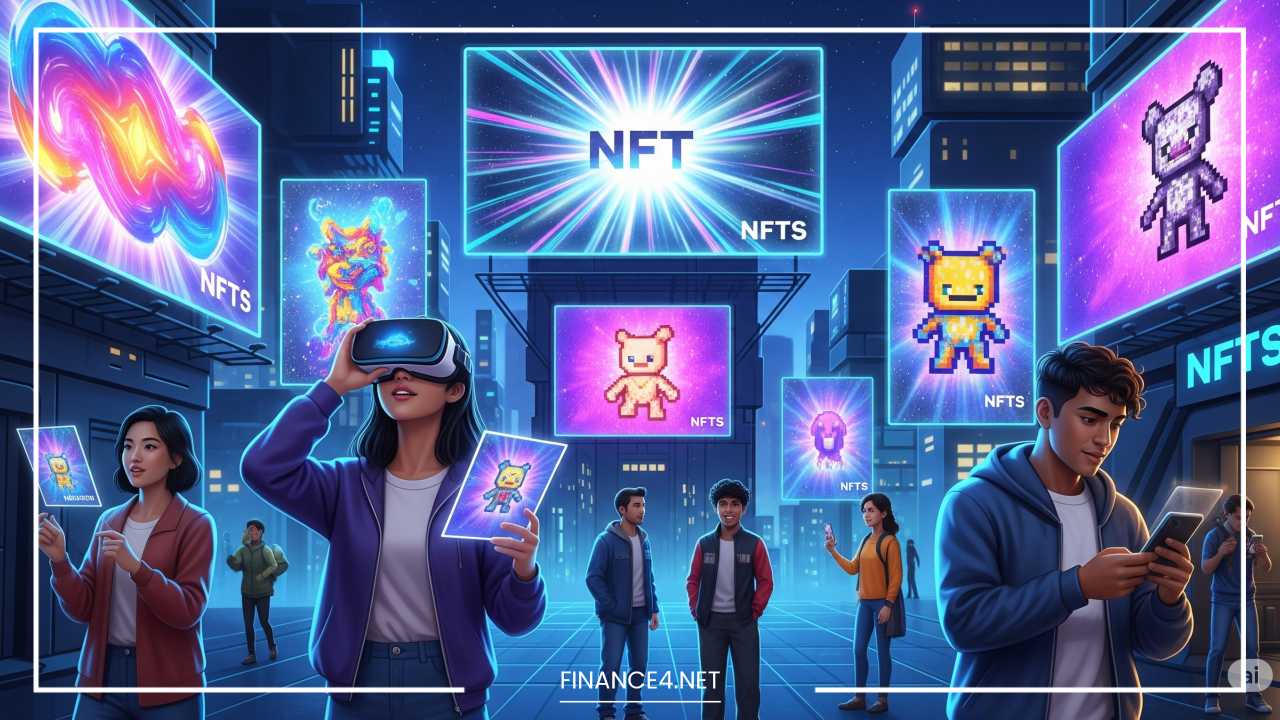
Tips for Successful NFT Drops
 by
by 
Tips for Successful NFT Drops: Navigating the Digital Gold Rush
The Non-Fungible Token (NFT) space has evolved into a cultural and financial juggernaut, disrupting traditional paradigms of ownership, creativity, and even financial assets.
NFTs, once a niche concept primarily of interest to tech enthusiasts and blockchain developers, have since expanded into a global phenomenon that commands attention from artists, brands, influencers, and entrepreneurs alike.
For creators looking to capitalize on this exciting, ever-growing landscape, launching an NFT drop can serve as both a creative and financial milestone, one that can catapult a project into the digital stratosphere—provided the execution is right.
However, as the NFT space becomes more saturated, distinguishing oneself and running a successful drop has become increasingly complex.
To avoid being just another flash in the pan, creators must combine art, technology, community-building, and marketing into a cohesive and strategic plan.
A successful drop isn’t just about minting a series of unique tokens and hoping for the best—it requires careful planning, a deep understanding of the NFT ecosystem, and a focus on the long-term trajectory of the project.
In this guide, we’ll take a deep dive into key considerations and actionable tips for running a successful NFT drop.
Whether you’re an artist, a brand, or an entrepreneur, this article offers a comprehensive roadmap to help you navigate the thrilling and occasionally tumultuous waters of the NFT world.
1. Laying the Foundation: Pre-Drop Planning is Paramount
Before diving into the technical and artistic components of an NFT drop, it’s critical to establish a strong foundation.
This pre-drop phase is arguably the most important step in the process and can significantly impact the success of your project.
Pre-drop planning allows creators to establish a clear vision, align their objectives, and begin building an audience even before the artwork is ready for sale.
Define Your Project and Value Proposition
Every successful NFT project has a clearly defined vision. In a sea of projects clamoring for attention, distinguishing your collection starts with the “why” behind it. Is your project meant to push the boundaries of digital art? Does it offer tangible benefits, such as exclusive access or real-world utility?
Crafting a compelling value proposition will help potential collectors understand what they are buying beyond just the digital image.
Consider whether your project will cater to collectors who value scarcity and rarity, those who are driven by the art itself, or those who want functional, utility-driven NFTs that offer membership perks, access to future drops, or other exclusive features.
By clearly articulating your mission and vision from the outset, you ensure that collectors know what they’re investing in, fostering trust and loyalty from the start.
Identify Your Target Audience
Knowing your audience is crucial for tailoring your NFT drop to meet their needs and expectations. Who is your ideal collector?
Are you catering to tech-savvy crypto enthusiasts, collectors of digital art, gamers, or individuals interested in the broader
Web3 ecosystem? Understanding your audience will help you design a project that appeals directly to their interests and desires.
Beyond understanding demographic factors, consider the behaviors and expectations of your audience. Do they value transparency and direct communication, or are they primarily motivated by scarcity and investment potential?
Do they engage on specific platforms, such as Discord or Twitter, or are they more likely to follow you through your website or other social channels?
Crafting a strategy that aligns with your target audience’s interests is key to building the momentum needed for a successful launch.
Develop a Compelling Roadmap and Utility
Today’s collectors are increasingly looking for more than just a beautiful piece of art. They want projects that offer utility, long-term value, and engagement.
A compelling roadmap can elevate the attractiveness of your NFT collection by outlining the project’s future plans and ensuring buyers that their purchase will have lasting value.
Your roadmap should clearly state the phases of your project, whether it’s future NFT drops, planned community events, or collaborations with other creators or brands. Moreover, consider adding tangible utility that enhances the real-world value of your NFTs.
This might include things like access to private events, exclusive merchandise, or even in-game items for virtual environments. The more utility you can provide, the stronger the case for why people should buy into your drop.
Build a Strong and Engaged Community
Community is the heartbeat of the NFT world. Building a community is not just a side project—it’s an essential part of any successful NFT launch.
Engage with potential collectors early on by sharing behind-the-scenes content, holding Q&A sessions, and offering sneak peeks of the artwork. Platforms such as Discord and Twitter are vital tools for creating and growing a community.
Be authentic in your interactions. Share your story, explain your creative process, and involve your audience in the journey.
Your community should feel invested in the project’s success, not just as buyers but as long-term supporters.
Community engagement helps foster loyalty and encourages word-of-mouth marketing, which is often the most effective form of promotion in the NFT space.
Legal and Technical Due Diligence
While NFTs are largely associated with creativity and innovation, there are also significant legal and technical components that cannot be overlooked.
Before launching, ensure you have a thorough understanding of the legal implications involved, including intellectual property rights, licensing, and compliance with any relevant regulations.
Additionally, NFT creators must ensure that their smart contracts are secure and properly audited. A smart contract is the backbone of an NFT drop, governing how the tokens are minted, sold, and transferred.
Failure to properly audit a smart contract can lead to costly vulnerabilities, including hacks or unintended consequences. Work with legal and blockchain professionals to ensure everything is set up securely and correctly.
2. Crafting the NFT Collection: Art, Rarity, and Metadata
Once you’ve laid the groundwork, the next step is creating the NFT collection itself. The artwork, rarity mechanics, and metadata associated with your NFTs will play a large role in determining how collectors perceive and value your project.
Artistic Excellence and Uniqueness
The quality of your art can significantly influence the success of your drop. Whether you’re working with 2D artwork, 3D models, generative art, or something entirely different, your creations should stand out and resonate with your audience.
The concept behind the artwork is just as important as the visual appeal. Is your collection telling a story? Does it have cultural or social significance?
The more connected collectors feel to the art, the more likely they are to purchase and engage with your collection.
Investing time and effort into crafting a unique artistic style will help differentiate your NFTs from others in a crowded market.
Strategic Rarity and Attribute Design
Rarity is one of the core components of NFT collectibility. It’s essential to carefully plan the rarity of different traits within your collection, whether that’s color schemes, outfits, backgrounds, or other visual elements.
By designing NFTs with varying levels of rarity, you create a sense of scarcity that can drive demand. Some buyers will seek the most rare or exclusive items, while others may simply be drawn to specific attributes that resonate with their personal preferences.
Tools and algorithms are available to help automate the process of generating NFTs with randomized attributes, making it easier to create collections with varied rarity structures.
Metadata and Smart Contracts: Ensuring Functionality and Authenticity
Metadata is the information stored alongside each NFT that defines its attributes, such as the name, description, and traits associated with the item. It’s critical to ensure that your metadata is well-organized and that each NFT is uniquely identifiable.
In addition to metadata, smart contracts need to be tested, audited, and optimized to ensure they function as intended.
These contracts govern how your NFTs are minted, traded, and transferred, and any technical issues can significantly harm the reputation of your drop.
Ensure that you are working with trusted developers who can ensure that your code is both secure and efficient.
3. Marketing and Promotion: Getting the Word Out Effectively
No matter how well-designed your NFTs are, they won’t sell themselves. An effective marketing and promotional strategy is vital to driving interest and demand for your drop.
Leverage Social Media Platforms
Social media is the primary tool for reaching potential buyers and creating buzz around your drop. Twitter, Instagram, TikTok, and Discord should be central to your promotional efforts.
Regularly post updates, sneak peeks, and behind-the-scenes content to keep your audience engaged and informed.
Develop a consistent content strategy and be responsive to your followers. Interactive content, such as polls, AMAs, or live streams, can help strengthen your relationship with your community and keep the excitement building toward your drop day.
Engage with Influencers and Collaborators
Collaborations can significantly expand your reach. Engaging with influencers in the NFT and crypto space, as well as collaborating with other artists, can introduce your project to new audiences.
Whether through joint promotions or co-created artwork, collaborations provide valuable cross-promotion opportunities and can lend credibility to your project.
Content Marketing and Storytelling
Create high-quality content to tell the story of your NFT collection. Blog posts, podcasts, videos, and even articles can provide depth to your project, explain your vision, and educate potential collectors about NFTs in general. Educating your audience helps build trust and reinforces the value proposition of your drop.
4. The Drop Itself: Execution and Logistics
The day of your NFT drop is where everything comes together. From pricing to platform selection, the execution of your drop must be seamless to ensure the best possible user experience.
Choose the Right Platform
The platform where you choose to launch your NFT collection will influence your success. Consider the platform’s audience, fees, blockchain compatibility, and user experience when making your decision.
Platforms like OpenSea, Rarible, and Foundation are popular, but niche platforms may better cater to your specific audience.
Pricing Strategy
Price your NFTs carefully. Consider using different pricing strategies, such as a fixed price, Dutch auction, or open bidding, based on what suits your project and audience best. Research comparable drops and market trends to set a competitive price.
Minting and Technical Support
Make sure your minting process is smooth and accessible. Be transparent with potential buyers about the minting process, including gas fees and transaction times. Providing dedicated technical support on drop day can also help mitigate any issues that may arise.
In conclusion, launching a successful NFT drop involves far more than just creating beautiful art. Strategic planning, community building, careful marketing, and technical preparedness are essential components to ensure that your drop stands out in the competitive world of NFTs.
By following these tips and considering all the necessary factors, you’ll be better positioned to turn your NFT collection into a lasting success.
5. Post-Drop Engagement and Long-Term Vision
While the excitement of an NFT drop is a thrilling milestone, the journey doesn’t end there. The most successful projects in the NFT space thrive not just because of their initial launch but because they continuously build on their momentum, actively engage with their community, and keep evolving.
A thriving community and long-term growth require sustained effort, transparent communication, and a clear vision.
By focusing on post-drop engagement, maintaining trust, and innovating as the market shifts, creators can ensure that their NFT project has lasting value.
Deliver on Your Roadmap and Utility Promises
One of the biggest promises you make to your community when launching an NFT project is the roadmap.
This blueprint for the future of the collection not only outlines what the creators intend to deliver but also sets expectations for the value and engagement collectors can look forward to. The initial excitement of the drop can easily fade if those promises are not followed through.
For long-term success, it is essential to honor the commitments laid out in your roadmap. Whether this includes regular content updates, new drops, community events, or utility features like access to exclusive experiences or metaverse integrations, meeting these milestones is crucial.
Failing to do so can damage trust and alienate your supporters, who may feel deceived or let down. On the other hand, consistently delivering on promises builds credibility and fosters loyalty, making it much easier to sustain interest in future projects.
To effectively maintain this relationship, keep the community informed about the progress of your roadmap and any changes along the way. Provide regular updates through social media, newsletters, and other communication channels.
Transparency and accountability are vital; if there are delays or changes, explain the reasons and adjust timelines accordingly. This level of openness creates a more engaged, understanding, and trusting community.
Maintain Active Community Engagement and Communication
Once the dust has settled after the drop, the hard work of community engagement continues. The foundation you’ve built through pre-drop efforts should be nurtured post-launch.
Ongoing communication with your community is the key to retaining their interest, encouraging future investment, and creating a strong network of advocates for your project.
Engage actively with your community on platforms like Discord, Twitter, and Telegram. These spaces serve as hubs for discussions, announcements, and feedback.
Continue to respond to questions, offer clarification when needed, and, most importantly, listen to the needs and desires of your collectors.
Community involvement should be a two-way street. Regular AMAs (Ask Me Anything sessions), live chats, or informal hangouts can help you stay connected and keep the excitement alive.
In addition to the ongoing conversations, use your platforms to maintain buzz around your project. Share behind-the-scenes content, new collaborations, future plans, and even success stories from your community members.
Highlighting individuals who have used your NFTs for exciting or creative purposes can further reinforce the value of your collection.
Make sure your supporters feel seen and appreciated, whether through shoutouts, rewards for active engagement, or exclusive content.
Explore Continuous Development and Innovation
In the fast-paced and ever-changing world of NFTs, staying stagnant is not an option. The NFT space is continuously evolving, with new trends, tools, and technologies emerging at a rapid pace. For your project to stay relevant and continue to grow, you must be open to innovation.
One way to keep your project fresh is by launching new collections or limited-edition drops that expand on the original concept.
This could include rare or highly requested features, collaborations with other creators, or thematic extensions that resonate with your community. New drops also provide an opportunity to attract fresh attention and re-engage previous collectors.
Moreover, don’t limit yourself to just digital art. Explore cross-industry possibilities such as integrating NFTs with virtual reality (VR) or the metaverse, offering token-gated experiences, or developing new utilities like staking or rewards.
These features can help establish your NFTs as not just collectible items but integrated assets with real-world value.
Innovation isn’t just about new collections—it’s about pushing the boundaries of what NFTs can represent and how they can be used.
Staying ahead of the curve will solidify your project’s place as a leader in the space and keep your community excited about what’s to come.
Build a Lasting Brand
The most successful NFT projects often have one thing in common: they’ve cultivated a strong and recognizable brand.
A brand is more than just a logo or a name—it’s the essence of your project, the values it stands for, and how it interacts with its community.
Establishing a brand identity that resonates with your target audience helps you create a long-term presence in the NFT space.
Building a lasting brand requires consistency. This means being consistent in your messaging, design aesthetics, and tone of communication.
The way you engage with your community, the features you prioritize in your NFT collections, and even your approach to sustainability should align with your brand values.
As you grow, ensure that your community can always recognize your core mission and purpose, even as you expand or evolve.
A strong brand also creates differentiation in a crowded market. When collectors know what your project stands for, they are more likely to stick with you and advocate for your project in the long run.
Whether your brand focuses on premium art, cutting-edge technology, social impact, or entertainment, it’s important to communicate this clearly and live up to your promises.
A lasting brand can help you achieve a loyal following and establish your place in the rapidly expanding Web3 ecosystem.
6. Common Pitfalls to Avoid
In the quest for a successful NFT drop, it’s important to be aware of the common pitfalls that many creators face. Here are some key mistakes to avoid when navigating the post-drop phase of your project.
Lack of Planning and Transparency
One of the most dangerous mistakes you can make post-drop is to stop planning. You may have had a successful drop, but if you fail to deliver on the promises outlined in your roadmap, or if your communication drops off after the initial hype, your community’s trust will quickly erode.
Being transparent and staying engaged even after the drop ensures that your community feels like they’re part of the journey.
Poor Art or Lack of Utility
If your NFTs were initially purchased due to the art, don’t rest on your laurels once the drop is complete. Buyers want more than just pretty pictures—they’re looking for long-term value.
If your collection lacks utility, whether it’s in the form of access, future opportunities, or some form of real-world interaction, demand will quickly diminish.
Continuously enhance and innovate the utility of your NFTs to meet the evolving needs of your collectors.
Weak Community Building
Don’t make the mistake of neglecting your community once your drop is over. The NFT space thrives on social interactions, and an abandoned community will lose interest. Regular engagement is essential to keep your supporters loyal.
Foster a sense of belonging and ownership among your collectors, and provide them with incentives for continued involvement.
Technical Issues Post-Drop
While it’s common to encounter technical issues during the drop itself, you must also be prepared to address any post-launch issues that arise.
Be proactive in providing customer support, monitoring your platforms for any bugs or security vulnerabilities, and keeping your technology up-to-date to ensure that your community’s experience remains seamless.
Ignoring Feedback from the Community
Feedback is invaluable, especially in a space that is as dynamic and community-driven as NFTs. Ignoring or dismissing your community’s concerns, suggestions, or criticisms can create frustration.
By listening and responding to feedback, you show that you value your community’s input, and you create a more loyal, invested group of supporters.
Unrealistic Expectations and Lack of Sustainability
While it’s tempting to set grand financial expectations, especially after a successful drop, it’s important to remain grounded. Unrealistic projections can lead to burnout or disappointment if goals aren’t met.
Moreover, it’s essential to develop a long-term sustainability plan for your project. Sustainability isn’t just about making money—it’s about continually providing value to your community, staying innovative, and evolving with the market.
Final Thoughts: Navigating the NFT Frontier with Strategy and Vision
A successful NFT project is not a one-hit wonder. It’s a marathon, not a sprint. Navigating the complex world of NFTs requires careful attention to community engagement, innovation, and the ability to adapt as the ecosystem evolves.
By fulfilling promises, maintaining consistent communication, and pushing the boundaries of what NFTs can offer, creators can build lasting value for their collectors and ensure that their project stands the test of time.
In this ever-expanding digital frontier, those who can combine strategy, vision, and genuine community engagement are the ones who will thrive.
The NFT space is full of opportunities, but success requires dedication, foresight, and an unwavering commitment to your audience. As the digital gold rush continues, only the most innovative and community-focused projects will leave a lasting impact.