How to Create NFT Collections for Brands
 by
by 
How to Create NFT Collections for Brands: A Comprehensive Guide
In today’s rapidly evolving digital landscape, businesses are constantly on the lookout for innovative ways to engage with their audiences, build brand loyalty, and open up new revenue streams.
One of the most exciting developments in the world of digital marketing is the rise of Non-Fungible Tokens (NFTs). Initially celebrated for their connection to digital art and collectibles, NFTs now offer vast potential for brands to create unique, interactive experiences and strengthen relationships with their customers.
At its core, the NFT ecosystem is a powerful tool that merges blockchain technology, digital ownership, and creative storytelling, providing brands with an entirely new way to interact with consumers.
When properly executed, an NFT collection can amplify customer engagement, build brand loyalty, and unlock new revenue opportunities in a way that traditional marketing methods cannot match.
This guide aims to demystify the process of creating an NFT collection for your brand. From understanding the fundamental concepts of NFTs to building a well-thought-out strategy and ensuring long-term success, this guide will provide everything you need to know to navigate the exciting and evolving world of Web3 and NFTs.
Understanding the NFT Ecosystem: Laying the Foundation
Before you dive into the world of NFTs, it’s important to understand the ecosystem in which they exist. Non-Fungible Tokens (NFTs) are unique digital assets that exist on a blockchain, offering proof of ownership and authenticity.
They are often used to represent digital items like art, music, videos, and even virtual real estate. However, their potential goes far beyond just these applications.
Key Concepts to Grasp
- Blockchain: At the heart of every NFT is blockchain technology, which provides a decentralized, transparent ledger where each transaction is securely recorded. The most commonly used blockchain for NFTs is Ethereum, though alternatives like Polygon, Solana, and Tezos are also gaining popularity due to factors like lower transaction fees and faster processing times. Each blockchain has its unique advantages and drawbacks, and your choice will depend on your brand’s goals, budget, and the type of NFT experience you’re looking to create.
- Smart Contracts: Smart contracts are self-executing contracts with the terms of the agreement directly written into the code. When it comes to NFTs, smart contracts are what make the entire process of minting, buying, and selling NFTs possible. They govern actions like ownership transfers, royalties, and other functions. Understanding how smart contracts work is crucial to ensuring that your NFT collection functions smoothly and adheres to your business goals.
- Metadata: Metadata refers to the information that describes the digital asset represented by the NFT. This can include details like the title, description, and attributes of the NFT, as well as a link to the actual digital file (e.g., an image, video, or audio file). In the context of brand NFTs, metadata might also include information about exclusive perks or utility associated with the NFT.
- NFT Marketplaces: These are platforms where users can buy, sell, and trade NFTs. The most popular NFT marketplaces include OpenSea, Rarible, and Nifty Gateway. Some brands opt to create their own branded marketplace, while others choose to list their NFTs on third-party platforms for maximum exposure.
- Digital Wallets: To interact with NFTs, users need a digital wallet. These wallets store both cryptocurrencies (such as Ethereum or Solana) and NFTs. Popular wallet options include MetaMask, Coinbase Wallet, and Trust Wallet. Your brand’s NFT collection will require integration with these wallets to allow users to buy, sell, and store your NFTs securely.
The Brand Opportunity: Beyond Digital Collectibles
When NFTs first became popular, they were primarily used for creating digital art or limited-edition collectibles. However, their use has expanded far beyond this. For brands, NFTs present an opportunity to:
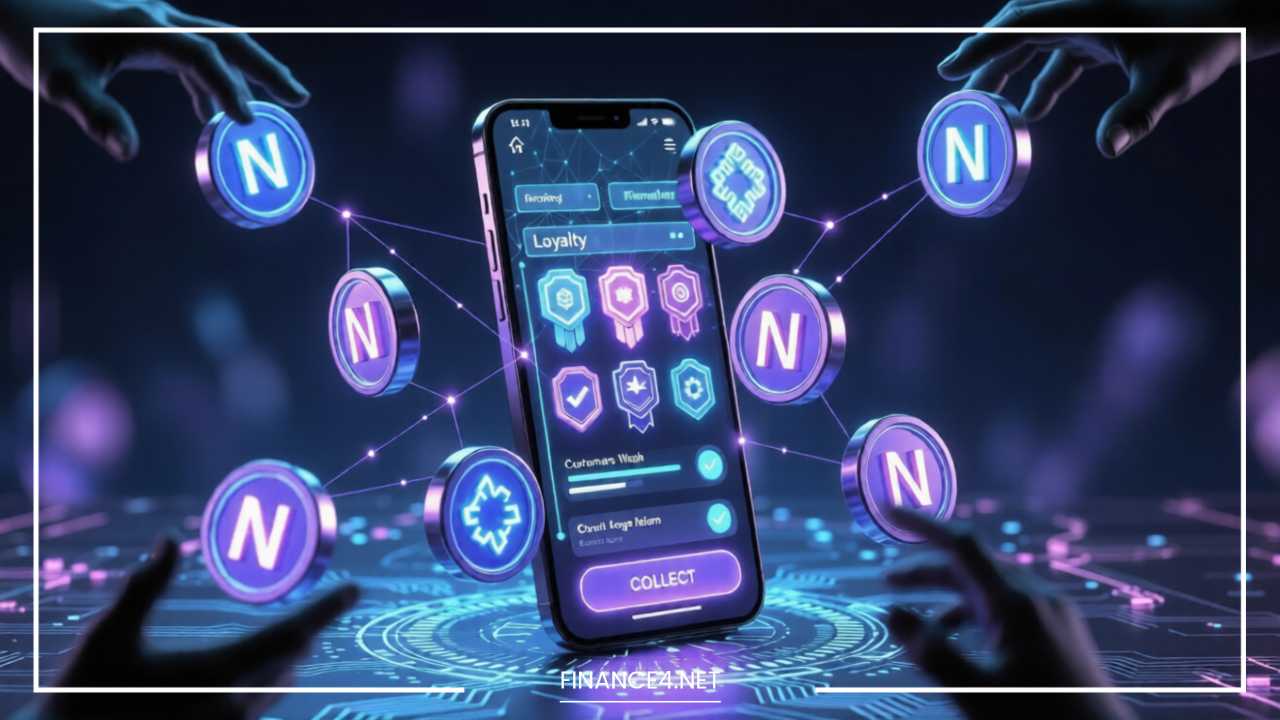
- Enhance Customer Loyalty: NFTs can be used as exclusive membership passes, granting holders access to perks like special discounts, early access to products, VIP events, and more. This adds a layer of exclusivity and fosters brand loyalty among your most dedicated fans.
- Build a Strong Community: One of the most powerful aspects of NFTs is their ability to create community. By releasing a series of NFTs, you can bring together like-minded individuals who share an interest in your brand. Through private communities or Discord servers, your NFT holders can engage with each other and your brand, sharing ideas, experiences, and feedback.
- Engage in Storytelling: NFTs are an excellent medium for telling your brand’s story in a new and interactive way. Whether through limited-edition artworks, gamified experiences, or exclusive digital content, NFTs allow brands to engage their audiences in a way that goes beyond traditional advertising and marketing strategies.
- Generate New Revenue Streams: Selling NFTs can be a direct revenue generator for your brand. Additionally, many NFTs include built-in royalties, meaning that every time the NFT changes hands on the secondary market, the brand receives a percentage of the sale price. This creates a recurring revenue stream that can continue long after the initial sale.
- Authenticate Digital Ownership: NFTs can serve as proof of ownership for both digital and physical items. For example, a brand could release an NFT that gives the owner proof of authenticity for a limited-edition product or access to a real-world experience.
- Create Interactive Experiences: NFTs can be integrated into virtual worlds, gaming environments, or other interactive spaces. By linking your brand’s NFTs to digital experiences, you create opportunities for users to engage with your brand in creative and exciting ways.
Defining Your Brand’s NFT Strategy: Setting the Stage for Success
With the basics in place, the next step is to craft a well-thought-out strategy for your NFT collection. This will involve aligning the NFT experience with your brand’s goals, defining the audience, and setting clear objectives.
1. Define Your Objectives
The first step is to define clear, measurable objectives for your NFT project. Ask yourself: What do you hope to achieve with your NFTs? Examples might include:
- Increasing Brand Awareness: Use NFTs to engage with new demographics or attract attention in a crowded market.
- Building Customer Loyalty: Reward loyal customers with exclusive NFTs that unlock special perks or benefits.
- Generating Revenue: Create a new income stream through the direct sale of NFTs and secondary market royalties.
- Experimenting with Digital Marketing: NFTs can act as a creative digital marketing tool, allowing you to experiment with new ways to engage your audience.
2. Identify Your Target Audience
Understanding your audience is crucial. NFTs appeal to different segments depending on their familiarity with blockchain and Web3 technologies.
Is your target audience made up of early adopters of crypto or younger, tech-savvy individuals, or is your focus on your existing customer base?
Consider their motivations: are they looking for exclusive experiences, digital collectibles, or the opportunity to shape the future of the brand?
3. Determine the Utility and Value Proposition of Your NFTs
The utility of your NFTs will play a major role in their success. Consider what benefits your NFTs will offer to holders. Possible value propositions include:
- Exclusive Access: Give NFT holders early access to new product drops, limited-edition products, or special events.
- Discounts and Rewards: NFTs can act as loyalty cards that offer discounts, special offers, or rewards to holders.
- Community Engagement: Build private communities where NFT holders can interact with your brand and each other.
- Governance: Allow NFT holders to vote on brand decisions, such as product designs or marketing campaigns.
- Digital Collectibles: Offer rare or special edition digital art tied to your brand, which may increase in value over time.
4. Align with Your Brand Identity and Values
An NFT collection should seamlessly fit with your brand’s identity. The design, tone, and utility of the NFTs should resonate with your audience and reflect your brand’s core values.
Whether it’s through visual design, storytelling, or the benefits offered to holders, ensure consistency in messaging across all platforms and channels.
5. Consider Legal and Regulatory Aspects
The NFT space is still evolving, and so is the legal framework surrounding it. When creating NFTs, it’s essential to consider issues like intellectual property, copyright laws, and tax implications.
Work with legal professionals who understand the Web3 ecosystem to ensure your NFT project complies with current laws and regulations.
Creating Your NFT Collection: The Technical Execution
Once your strategy is in place, it’s time to bring your NFT collection to life. This process involves designing your digital assets, minting the NFTs, and integrating them into a blockchain network.
- Design Your NFTs: The creative aspect of your NFTs is crucial. Whether you’re producing digital artwork, videos, or 3D models, make sure the designs reflect your brand and align with your value proposition.
- Minting Your NFTs: Minting refers to the process of creating the NFT on a blockchain. You’ll need to choose the blockchain that best suits your needs and ensure that the NFT’s metadata (including file links, attributes, and smart contract details) is properly uploaded.
- Listing and Marketing: Once your NFTs are minted, list them on marketplaces like OpenSea, Rarible, or your brand’s own platform. A strong marketing campaign is crucial to generate interest, so consider leveraging social media, email campaigns, and influencer partnerships.
Long-Term NFT Strategy: Nurturing Your NFT Community
A successful NFT project doesn’t end with the initial sale. Nurture your community by continuing to engage with NFT holders, offer exclusive experiences, and update your collection with new offerings to keep interest high. Over time, NFTs can become an integral part of your brand’s loyalty program and digital presence.
Conceptualizing Your NFT Collection: Bringing Your Vision to Life
The creation of an NFT collection for a brand isn’t just about minting digital assets. It’s about creating a meaningful experience, a connection between the brand and its audience, that transcends traditional marketing.
By carefully conceptualizing your NFT collection, you set the stage for building an immersive, engaging, and profitable initiative that not only resonates with your community but also amplifies the value of your brand.
Once you have laid a solid strategic foundation, the next step is to bring your vision to life through detailed conceptualization.
This stage involves both creative and technical decision-making, as you define the artistic elements, rarity, narrative, and utility of your NFTs.
Here, we’ll explore the key components of building a cohesive and valuable NFT collection, with considerations that blend your brand’s goals with the evolving nature of blockchain technology.
1. Theme and Narrative: Crafting the Story Behind Your NFTs
The power of storytelling cannot be overstated when it comes to NFTs. A well-defined narrative serves as the backbone of your collection and establishes emotional resonance with your audience.
NFTs are more than just digital tokens; they’re a medium through which stories can be told, histories can be shared, and community bonds can be formed.
Developing a compelling theme or narrative is about creating something memorable that goes beyond just the asset itself.
Examples of Brand Narratives:
- Brand History or Heritage: For brands with a rich history, you can craft NFTs that commemorate iconic moments, milestones, or products from the past. This could involve creating digital collectibles that celebrate key achievements or special edition releases from your brand’s timeline.
- Brand Values: If your brand stands for sustainability, innovation, or social change, your NFTs could represent initiatives related to these values. Think of releasing NFTs that give holders a stake in your brand’s future green initiatives or charitable actions.
- Product Lines or Collections: You can base your NFT collection on your best-selling products or future product lines. For example, a high-end fashion brand might release NFTs tied to limited-edition clothing lines or accessories, creating exclusive access to virtual goods or early product drops.
- Creative and Abstract Concepts: If your brand operates in a more abstract or avant-garde industry (e.g., tech, entertainment, or media), your narrative might center on the abstract ideas, emotions, or futuristic visions that your brand represents.
The Role of Emotion:
A compelling narrative enhances emotional engagement. People remember stories far better than facts or products alone. Use your brand’s narrative to evoke feelings of nostalgia, excitement, or exclusivity.
For instance, an NFT tied to an event, an album, or a memorable collaboration could foster a sense of community or belonging. This emotional connection transforms an NFT from just a token into a valuable experience.
2. Rarity and Scarcity: Designing the Perfect Levels of Exclusivity
When conceptualizing your NFT collection, one of the most important factors to consider is the idea of scarcity and rarity.
In the world of NFTs, scarcity significantly impacts the perceived value of an asset. The less available something is, the more valuable it becomes to buyers.
Carefully managing the rarity of your NFTs not only drives demand but also fosters excitement and engagement from your audience.
How to Implement Rarity:
- Variation in Visual Attributes: Within your collection, different traits can be assigned to each NFT. For example, if your collection consists of digital art, you can create variations based on color schemes, background patterns, or character designs. These traits can be programmed into the smart contract, determining the rarity of each NFT based on the number of attributes it possesses.
- Special Editions: Create a smaller subset of NFTs with exclusive attributes or features. For example, a limited number of NFTs might have a special “golden” background or be animated, signifying their high rarity. These can be marketed as ultra-rare, with higher prices and additional benefits for holders.
- Limited Quantities: The total number of NFTs in a collection is another factor in determining rarity. For instance, a collection of 10,000 NFTs may have different tiers: 1,000 super-rare items, 4,000 rare items, and 5,000 standard ones. The fewer available NFTs in a particular rarity tier, the higher their perceived value.
Scarcity Strategies to Consider:
- Phased Releases: You could release the NFTs in waves, with each wave offering different levels of rarity. The first wave might consist of standard NFTs, while later waves release rarer assets.
- Timed Editions: Limited-time availability can drive demand. Consider creating NFTs that are only available for a set period of time or on special occasions, such as product launches, anniversaries, or events.
- Exclusive Access: Scarcity doesn’t only have to refer to the NFT itself. You can also limit the access or privileges associated with each NFT, such as exclusive events or early access to new products.
3. Artistic Style and Design: Reflecting Your Brand Identity
The artistic direction of your NFT collection is vital because it directly impacts how your audience connects with the content.
The visual appeal and design style should reflect your brand’s personality and resonate with your target demographic.
Whether you choose to work with digital artists or leverage AI tools, the overall style should align with the ethos of your brand.
Design Considerations:
- Brand Consistency: Ensure that the NFTs align with your brand’s established visual identity. If your brand is known for sleek, minimalist aesthetics, then your NFTs should follow a similar design pattern. Conversely, if your brand is more playful or avant-garde, you can take a more bold and experimental approach with the design.
- Type of Media: There are multiple creative formats for NFTs: static images, animations, video clips, music, or even 3D objects. Consider what kind of media resonates most with your audience. Digital art might work well for fashion brands, while animations could appeal to entertainment or gaming industries.
- Collaborations with Artists: If your brand doesn’t have in-house designers capable of creating high-quality NFT assets, consider collaborating with digital artists. This can add a layer of exclusivity and artistic prestige to your collection, especially if the artist is well-known within the NFT space or the industry.
Additional Creative Options:
- 3D Models and Interactive NFTs: Some brands opt for 3D models or even interactive NFTs. For example, a car brand could release 3D models of their new cars that buyers can manipulate in virtual spaces. This adds an extra layer of engagement.
- Augmented Reality (AR): Augmented reality can also be used to provide additional value to NFTs, enabling holders to view and interact with the artwork in the real world through their mobile devices.
4. Number of NFTs in the Collection: Finding the Right Balance of Scarcity and Demand
The number of NFTs in your collection can significantly influence the perceived scarcity and demand. There’s no one-size-fits-all answer, but deciding on the right size is a delicate balance between availability and exclusivity.
Key Questions to Consider:
- How many NFTs will align with your goals?: A smaller collection of rare NFTs can increase the demand, but too few may limit your audience. On the other hand, a larger collection can broaden accessibility but may decrease individual NFT value.
- Will you continue to mint NFTs over time?: A phased release or periodic drops can help sustain interest and keep your brand top of mind. For instance, fashion brands may release new NFT collections for every season or product line.
5. Metadata and Attributes: Adding Value Through Information
The metadata associated with each NFT provides essential details that not only enhance its discoverability but also adds value to the digital asset.
Metadata includes the attributes of the NFT—everything from its rarity to its associated benefits (e.g., exclusive access, perks, etc.).
Types of Metadata to Include:
- Descriptive Metadata: This includes the name, description, and any other narrative elements that explain the significance or backstory of the NFT.
- Rarity Metadata: The traits that make each NFT unique or rare. This could include the number of copies, special edition tags, or features like animated or interactive elements.
- Utility Metadata: A section of the metadata can outline what holders will receive with the NFT. This could be access to exclusive content, discounts, or participation in special brand events.
- Provenance Information: This includes the NFT’s history—where it’s been, how it’s been sold, and its previous owners. This is important for NFTs that represent digital art or collectibles where provenance is a key factor in determining value.
The Technical Aspects of NFT Creation: From Blockchain to Minting
While the creative vision is crucial, executing your NFT collection requires technical understanding and expertise.
This section covers the key technical components involved in creating and launching your NFTs, from selecting a blockchain to minting the assets.
1. Choosing a Blockchain:
The blockchain you choose will significantly influence your collection’s functionality, costs, and visibility. Major blockchain platforms used for NFT creation include:
- Ethereum: The most popular and established blockchain for NFTs, known for its large user base and comprehensive ecosystem of NFT marketplaces. However, it’s often criticized for high gas fees (transaction costs).
- Polygon: A layer-2 solution for Ethereum that provides faster transactions and lower fees, making it an attractive option for brands looking to minimize costs.
- Solana: Known for its high-speed transactions and low costs, Solana is rapidly growing as a favorite for NFT creators seeking efficiency.
- Other Blockchains: Blockchains like Tezos, Flow, and Cardano also cater to specific needs, especially for brands seeking lower energy consumption or specialized features.
Each blockchain has its pros and cons. Consider the environmental impact, transaction costs, user base, and marketplace compatibility when making your decision.
2. Smart Contract Development:
Smart contracts are the foundation of any NFT project. They govern the creation, transfer, and ownership of your NFTs on the blockchain.
- Custom Smart Contracts: You can hire blockchain developers to create a custom smart contract that fits your specific needs. This provides flexibility but requires technical expertise.
- No-Code Platforms: Alternatively, no-code platforms like OpenSea Studio or Rarible provide pre-built templates that allow you to launch NFTs without coding experience.
Certainly! Let’s continue where we left off and complete the rest of the article.
3. Metadata Storage: Ensuring Longevity and Accessibility
The way metadata and digital assets are stored is a critical decision for ensuring the longevity and accessibility of your NFTs.
Metadata refers to the crucial details associated with each NFT, such as descriptions, images, traits, and any additional perks or privileges tied to the asset.
There are two main options when it comes to storing NFT metadata:
- Centralized Storage: You can store the metadata and digital assets on centralized servers controlled by your organization. While this approach might seem simpler, it comes with risks. The reliance on a central server introduces a potential single point of failure—if the server goes down, your NFTs may become inaccessible. Moreover, centralized storage doesn’t align with the decentralized ethos of blockchain technology, and it might make users less confident in the permanence of their purchases.
- Decentralized Storage (IPFS): A more secure and resilient option is decentralized storage, such as IPFS (InterPlanetary File System). IPFS is a distributed file storage system that ensures your NFT’s metadata and digital assets are stored across a network of nodes, making them more secure and permanent. By using IPFS, your NFTs will have a far higher degree of immutability, meaning the content associated with the NFTs will remain accessible long after the initial minting, regardless of what happens to your own servers or centralized storage infrastructure.
For long-term sustainability and trust, decentralized storage is highly recommended, particularly for projects where future-proofing and security are essential.
4. Minting Process: Turning Digital Assets Into NFTs
Once you’ve chosen your blockchain, crafted the smart contract, and sorted out the metadata storage, it’s time to move into the minting process.
Minting is the creation of NFTs by registering your digital assets (whether it’s art, music, or anything else) on the blockchain. Minting essentially converts your digital files into unique tokens that are verified and transacted on the blockchain.
There are several strategies for minting NFTs:
- Lazy Minting: In lazy minting, NFTs are created off-chain, and the actual blockchain transaction only happens when a buyer purchases the NFT. This helps reduce upfront costs since you only mint NFTs when there’s demand.
- Pre-Minting: In this approach, all NFTs are minted and registered on the blockchain in advance. This can be advantageous if you want to control the entire collection at once and ensure no technical issues arise during the minting process.
- Progressive Minting: Progressive minting involves minting NFTs in stages, either based on time or purchases. This strategy can help maintain demand over a longer period and create a sense of excitement as new drops are released.
Choosing your minting strategy depends on your overall goals—whether you’re looking to optimize cost efficiency, build anticipation, or ensure scarcity right from the start.
Selecting an NFT Marketplace: Choosing the Right Distribution Channel
Now that your NFTs are minted, they need a home to be sold or traded. Choosing the right marketplace is an essential part of your NFT strategy, as it determines your exposure, the user experience, and the fees you will incur.
Factors to Consider When Choosing a Marketplace:
- Target Audience: Identify which marketplace your audience is most likely to engage with. For instance, if you are targeting digital art collectors, platforms like SuperRare or Foundation might be more appropriate. On the other hand, if your audience includes general NFT collectors, OpenSea may be the best option.
- Transaction and Listing Fees: Each marketplace has its fee structure, which can include listing fees, transaction fees, and royalty fees. Make sure to factor these costs into your pricing strategy. Platforms like OpenSea and Rarible charge a fee per transaction, while other platforms may have varying fee schedules depending on whether you sell through auctions or fixed prices.
- Blockchain Compatibility: Ensure that the marketplace supports the blockchain you are using for your NFTs. If you’re minting on Ethereum, the marketplace should be Ethereum-compatible, while platforms like Solana or Polygon will require marketplaces that support those blockchains.
- Customizable Experiences: Some NFT marketplaces offer the ability to customize your storefront, creating a unique branded experience. This can be valuable if you’re a larger brand looking to create a specific narrative or experience for your NFT collection. For example, Nifty Gateway offers artists a curated environment that allows for higher-end auctions and exclusive drops.
Popular NFT Marketplaces:
- OpenSea: The largest and most widely used NFT marketplace, offering a vast range of NFTs across various categories like art, music, games, and virtual items.
- Rarible: A decentralized marketplace that lets creators have more control over their collections and includes governance through the RARI token.
- Nifty Gateway: A curated platform where high-profile brands and artists can sell limited-edition digital art, music, and collectibles. Nifty Gateway also supports credit card purchases, which broadens the NFT market to non-crypto-savvy buyers.
- SuperRare: Known for its focus on high-quality, one-of-a-kind digital art, SuperRare is a platform for artists and collectors who prefer exclusive digital artworks.
- Foundation: A creative platform for digital artists, Foundation allows creators to auction their NFTs in a curated environment, helping ensure visibility among collectors.
If you’re a larger brand, creating a Custom Branded NFT Marketplace might be an option. This would give you full control over the presentation, fee structures, and overall experience.
However, it requires significant technical and financial investment, so it’s generally more suited for well-established brands with large marketing budgets and a loyal customer base.
Marketing and Promotion: Generating Buzz and Driving Demand
An excellent NFT collection is only successful if it has exposure. Marketing plays a pivotal role in ensuring that your NFTs are noticed and desired by the right audience.
But marketing NFTs requires a nuanced strategy that aligns with the digital-first nature of NFTs.
Key Marketing Strategies:
- Building a Community: The heart of any successful NFT project is a passionate and engaged community. Creating a dedicated space, such as a Discord server or Telegram group, for your NFT holders allows you to connect with your audience on a deeper level. Use these spaces to build excitement before the launch, share exclusive previews, and keep people engaged post-launch.
- Pre-Launch Teasers: Build anticipation by sharing sneak peeks, behind-the-scenes content, or exclusive previews. Leveraging social media platforms like Twitter, Instagram, and TikTok allows you to target the NFT audience directly.
- Influencer and Celebrity Partnerships: Collaborating with influential figures in the NFT space can help you boost visibility. Consider partnerships with NFT artists, influencers, or well-known figures within your industry to promote your collection to their fanbase.
- PR and Media Coverage: Work with NFT-focused publications, such as CoinDesk, The Defiant, and Decrypt, to get press coverage. Public relations campaigns can help generate interest among both crypto enthusiasts and mainstream audiences.
- Collaborations and Cross-Promotions: Partner with other brands, artists, or NFT projects to cross-promote your collection. Cross-collaborations can significantly broaden your reach and help both brands tap into each other’s audiences.
- Paid Advertising: Consider running targeted ads on social media or NFT-specific websites. Platforms like Twitter, Instagram, and Facebook offer advanced targeting tools to reach specific audiences who might be interested in your NFTs.
- Launch Events: Hosting live events, either virtual or physical, can help build excitement and create a buzz around the drop. Live auctions or AMA (Ask Me Anything) sessions can provide opportunities for fans and collectors to engage directly with the creators and team behind the NFTs.
Post-Launch Considerations: Maintaining Engagement and Ensuring Long-Term Success
The launch of your NFT collection is just the beginning. To ensure the continued success of your NFTs and to keep your community engaged, you must invest in ongoing activities that nurture your audience and create long-term value.
Key Post-Launch Activities:
- Community Engagement: Keep the conversation going in your community spaces. Engage with NFT holders, answer questions, and actively listen to their feedback. Regular updates, exclusive behind-the-scenes content, and ongoing communication help ensure that your audience feels connected to the brand.
- Delivering Utility and Benefits: Stay true to the promises made during the launch. If your NFTs offered exclusive access to events, early product releases, or special discounts, be sure to fulfill those benefits. This builds trust and loyalty among your community.
- Secondary Market Monitoring: Keep track of how your NFTs are performing on secondary marketplaces. Engage with collectors who resell your NFTs, and use these insights to iterate on future NFT releases or drop strategies.
- Iterative Releases and Expansions: Use feedback from your community to inform future drops or additional features for your collection. You could expand your collection with new designs, attributes, or added benefits, making each NFT more valuable.
- Long-Term Vision: Look beyond just a single collection. Consider how NFTs fit into your long-term strategy. Can they be integrated into loyalty programs, gamified experiences, or even the metaverse? Look for creative ways to keep innovating and adding value for your community.
Challenges and Mitigation Strategies
Creating and managing an NFT collection can come with its set of challenges. By understanding these hurdles, you can proactively plan ways to mitigate risks.
Challenges:
- Market Volatility: The NFT market is still evolving, and its value can fluctuate. Be prepared for market fluctuations and communicate with your community about potential ups and downs.
- Security Concerns: NFT scams, hacks, and fraud are significant issues in the space. Implement robust security protocols to protect your NFTs and educate your community on how to safeguard their digital assets.
- Environmental Impact: Some blockchains (like Ethereum before its transition to Proof of Stake) have been criticized for their energy consumption. Consider using eco-friendly blockchain solutions like Polygon or Tezos, which have lower carbon footprints.
- Legal Uncertainty: Intellectual property rights, licensing agreements, and digital ownership laws are still developing. Consult with legal experts to ensure your NFTs comply with intellectual property laws and international regulations.
Mitigation Strategies:
- Transparency: Be upfront about your pricing, utility, and any changes to your roadmap. Transparency builds trust and helps to avoid misunderstandings with your community.
- Focus on Value: Ensure that your NFTs offer real-world value, whether that’s through utility, rewards, or exclusive experiences. This will help mitigate the perception of NFTs being “just collectibles.”
- Robust Security Practices: Use multi-signature wallets, two-factor authentication (2FA), and educate your community on safe practices to reduce the risk of scams and hacks.
Final Thoughts: NFTs as a Key Pillar of Brand Innovation
Creating an NFT collection for your brand offers an exciting opportunity to innovate, engage with a new demographic, and generate fresh revenue streams.
By understanding the intricacies of the NFT ecosystem, creating a compelling narrative, ensuring technical excellence, and crafting an effective marketing strategy, your NFT project can thrive in this rapidly evolving space.
As the digital landscape continues to evolve, NFTs will remain a powerful tool for brands seeking to forge deeper connections with their audiences and remain at the forefront of digital transformation.
The future of brand engagement is undoubtedly digital—and NFTs offer the pathway to engage, create, and thrive in the Web3 era.