
Multi-Chain Wallet Advantages
 by
by 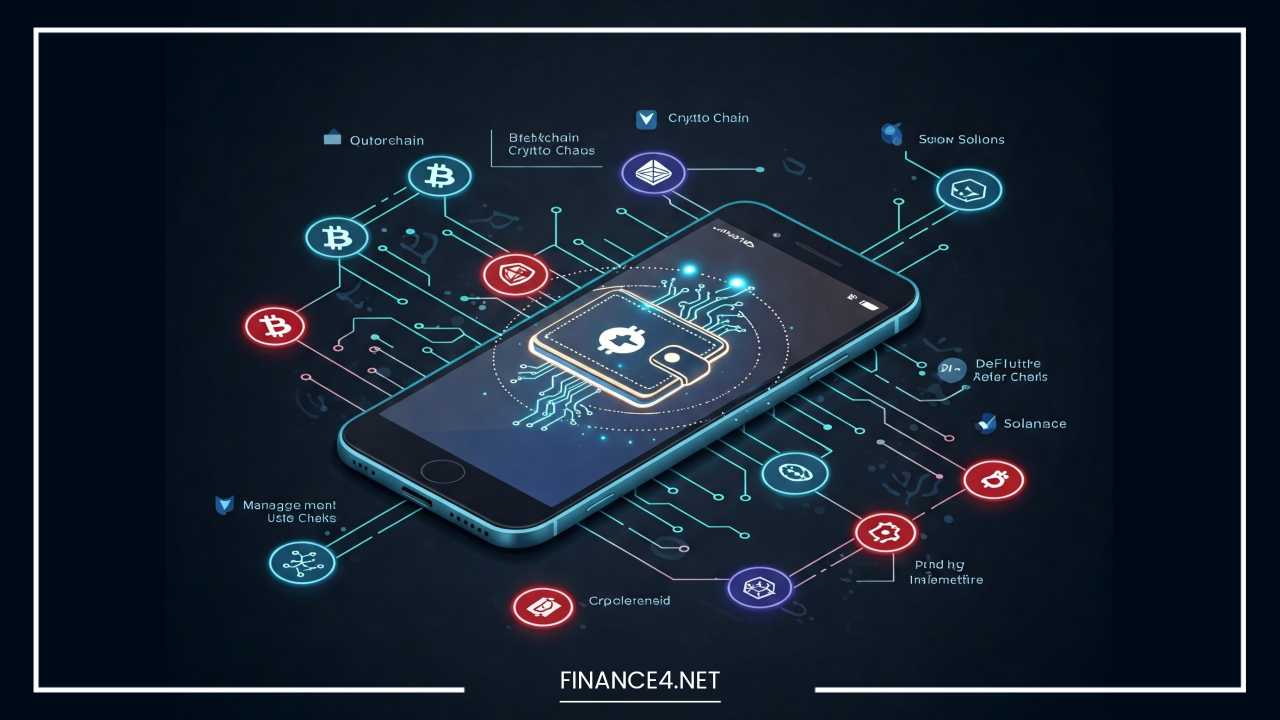
The Dawn of Seamless Digital Asset Management: Unpacking the Advantages of Multi-Chain Wallets
A New Era in Digital Asset Management
In the world of Web3, blockchain technology continues to evolve at a rapid pace, fostering new ecosystems, decentralized applications (dApps), and digital assets. As the number of blockchain networks grows, each offering unique features and capabilities, users are increasingly faced with the challenge of managing assets across multiple chains.
Historically, this fragmentation has made the user experience cumbersome, especially for those holding a diverse portfolio of digital assets spread across various networks.
Enter the multi-chain wallet—a solution designed to consolidate the management of digital assets across different blockchains into one seamless interface.
More than just a tool for storing cryptocurrencies and tokens, multi-chain wallets are transforming how users interact with Web3, offering unparalleled convenience, enhanced security, and increased accessibility to a broader array of decentralized services.
This article will explore the numerous benefits of multi-chain wallets, shedding light on why they are becoming an indispensable tool for anyone navigating the complex Web3 ecosystem.
The Challenge of Managing Assets Across Multiple Chains
As the blockchain space has expanded, so has the need for interoperability between different networks. While Ethereum remains the dominant blockchain for decentralized finance (DeFi) and NFTs, other chains like Solana, Binance Smart Chain,
Avalanche, and Polygon are gaining popularity, each offering distinct advantages such as faster transactions, lower fees, or specialized use cases.
For users holding assets on multiple blockchains, managing these assets can quickly become overwhelming. Traditional single-chain wallets are limited to supporting one blockchain at a time.
To hold assets across various chains, users would need separate wallets, each requiring its own backup and recovery phrase. This creates several challenges:
- Fragmentation of Assets: Users must maintain multiple wallets and addresses, complicating portfolio management.
- Increased Risk of Errors: Managing different sets of private keys and recovery phrases increases the chances of losing access to assets.
- Time Consuming: Switching between wallets and interfaces to interact with different networks can be tedious and inefficient.
Multi-chain wallets address these issues by consolidating all of a user’s digital assets into one platform, regardless of the underlying blockchain.
This unified approach eliminates the complexity associated with multiple wallet setups, offering a more streamlined experience for users engaging with decentralized finance, NFTs, and other Web3 applications.
What is a Multi-Chain Wallet?
At its core, a multi-chain wallet is a digital wallet that can manage assets from different blockchains simultaneously. Unlike single-chain wallets that support only one specific network (e.g., Bitcoin or Ethereum), multi-chain wallets are designed to interact with various blockchain protocols.
Whether a user holds Bitcoin on the Bitcoin network, Ethereum-based tokens like Ether (ETH) or ERC-20 tokens, or assets on other chains like Binance Smart Chain (BNB), Solana, or Avalanche, a multi-chain wallet provides a unified interface for managing them all in one place.
These wallets typically function by supporting multiple blockchain protocols, allowing users to store, send, and receive assets from various chains.
Multi-chain wallets achieve this functionality through sophisticated technical architectures that are capable of interacting with the distinct protocols and transaction models of each supported blockchain.
By breaking down the silos that exist between chains, multi-chain wallets empower users to manage and transact across a diverse array of networks without needing to switch between different platforms.
The Advantages of Multi-Chain Wallets
1. Unparalleled Convenience and Streamlined Asset Management
The most immediate benefit of multi-chain wallets is the unparalleled convenience they provide. Managing digital assets across several blockchains often requires separate wallets, each with its own recovery phrase and user interface.
This fragmentation can make it difficult for users to track their portfolios or interact with different assets seamlessly.
A multi-chain wallet solves this problem by consolidating all assets into a single interface. Users can view balances, initiate transfers, and interact with their portfolios across different chains from one unified platform.
The ability to manage multiple assets and networks from a single wallet simplifies the user experience, saving time and reducing the complexity associated with navigating different blockchain ecosystems.
For example, an investor holding Bitcoin, Ethereum, and Binance Coin (BNB) on separate networks can use a multi-chain wallet to manage all three assets under one roof.
With the added benefit of portfolio tracking and market data integration, users can easily monitor the performance of their investments across multiple chains.
2. Enhanced Interoperability and Access to the Broader Web3 Ecosystem
The rise of decentralized applications (dApps) and decentralized finance (DeFi) protocols has introduced a level of complexity to the blockchain space.
These protocols are often built on different blockchain networks, meaning that users with single-chain wallets are limited in their ability to interact with dApps and DeFi services across multiple networks.
Multi-chain wallets are designed with interoperability in mind. They allow users to connect to a wide variety of dApps and protocols spread across different blockchain ecosystems.
Whether it’s staking tokens on Solana, lending on Avalanche, or minting NFTs on Flow, a multi-chain wallet enables users to access a broader Web3 ecosystem without the need for multiple wallets or complex bridging solutions.
This increased interoperability opens up a wealth of opportunities for users. For example, a multi-chain wallet can enable users to participate in DeFi protocols across Ethereum, Binance Smart Chain, and Polygon without needing to set up separate wallets for each chain.
As Web3 continues to grow and diversify, multi-chain wallets will play a crucial role in making these diverse ecosystems more accessible.
3. Facilitating Diversification and Strategic Portfolio Management
Diversification is a key strategy in managing risk and maximizing returns in any investment portfolio, and the world of cryptocurrencies is no exception.
Holding assets across multiple blockchains not only provides exposure to different tokens but also to different ecosystems and opportunities within the Web3 space. However, managing a diversified portfolio across multiple wallets can be a logistical nightmare.
Multi-chain wallets streamline this process by allowing users to hold and manage assets from different chains in one place.
This makes it easier for users to track their holdings, rebalance their portfolios, and make informed investment decisions.
Instead of having to log into several wallets to monitor the performance of assets on different chains, users can view their entire portfolio from a single dashboard.
Moreover, many multi-chain wallets integrate with decentralized exchanges (DEXs) and offer built-in token swaps, allowing users to rebalance their portfolios or take advantage of market opportunities without needing to leave the wallet interface.
This feature is especially useful for those who want to take advantage of cross-chain trading opportunities without relying on centralized exchanges.
4. Enhanced Security Through Consolidated Management
Security is a top concern for anyone involved in the world of cryptocurrencies. Managing multiple single-chain wallets increases the risk of losing access to assets due to forgotten recovery phrases, mismanagement of private keys, or the potential for security breaches.
With a multi-chain wallet, users can consolidate the management of all their private keys and recovery phrases into a single, secure platform.
Multi-chain wallets typically use a single master seed phrase to control assets across multiple chains. This reduces the need to keep track of multiple backup phrases, lowering the risk of loss or mismanagement.
Moreover, leading multi-chain wallets implement robust security features, including:
- Hierarchical Deterministic (HD) Wallets: These wallets generate multiple addresses from a single master seed, enhancing privacy and simplifying the backup process.
- Two-Factor Authentication (2FA): Adding an additional layer of security for user accounts and transactions.
- Multi-Signature (Multi-Sig) Support: Requiring multiple approvals for transaction authorizations, adding an extra layer of protection for shared wallets or institutional users.
- Hardware Wallet Integration: For the highest level of security, multi-chain wallets often integrate with hardware wallets, ensuring that private keys are stored offline and protected from potential online threats.
These features work together to offer users a more secure experience when managing assets across different blockchains, reducing the likelihood of loss or theft.
5. Simplified Onboarding and Improved User Experience
One of the key barriers to entry for newcomers to the blockchain and cryptocurrency space is the complexity involved in setting up and managing wallets.
Each blockchain network has its own wallet interface, recovery phrase, and unique requirements, which can be overwhelming for beginners. A multi-chain wallet simplifies the onboarding process by providing a single point of entry into the world of Web3.
With a multi-chain wallet, users only need to set up one application, manage one recovery phrase, and learn one user interface to access a wide range of assets and networks.
This reduces the friction for new users, making it easier for them to explore the full potential of decentralized finance, NFTs, and other Web3 services.
Additionally, the user interface of multi-chain wallets is often designed to be intuitive and user-friendly.
Many wallets offer features such as real-time portfolio tracking, integrated DeFi tools, and one-click token swaps, all of which enhance the user experience and make navigating the complex Web3 landscape much more accessible.
6. Future-Proofing and Adaptability to the Evolving Web3 Landscape
The blockchain space is rapidly evolving, with new networks, protocols, and use cases emerging regularly.
As more blockchain networks are launched and gain adoption, multi-chain wallets have the ability to integrate support for these new chains.
This adaptability allows users to continue managing their assets and participating in new opportunities without needing to switch wallets or migrate their holdings.
For example, when a new blockchain network like Optimism or Arbitrum becomes popular, a reputable multi-chain wallet may integrate support for that network, enabling users to interact with the new ecosystem without setting up a separate wallet.
This future-proofing ensures that users are not left behind as the Web3 space continues to evolve.
7. Enabling Cross-Chain Operations and DeFi Participation
One of the most significant advantages of multi-chain wallets is their ability to facilitate cross-chain operations.
Many DeFi protocols are spread across different blockchains, each offering unique benefits such as lower fees or faster transaction speeds. Multi-chain wallets allow
users to seamlessly move assets between different chains, enabling participation in DeFi activities such as yield farming, lending, and liquidity provision.
For example, a user might want to lend assets on Aave (Ethereum), provide liquidity on PancakeSwap (Binance Smart Chain), or trade tokens on Uniswap (Polygon).
Without a multi-chain wallet, this would require using separate wallets for each chain and potentially complex bridging solutions.
With a multi-chain wallet, users can move assets between supported chains directly within the wallet interface, simplifying the process of engaging with cross-chain DeFi protocols.
8. Unified Identity and Reduced Address Management
When interacting with multiple blockchain networks, users must manage different wallet addresses for each chain.
This can lead to confusion, especially when sending assets or interacting with smart contracts. Multi-chain wallets simplify this by abstracting the complexity of managing different addresses.
They provide a unified interface where users can select the asset and destination address, and the wallet takes care of the underlying technicalities of the transaction.
Some advanced multi-chain wallets are even moving towards the concept of “chain abstraction,” where users can interact with multiple networks without needing to think about specific chains at all.
This further reduces the complexity of managing different addresses and makes the user experience more seamless.
Challenges and Considerations of Multi-Chain Wallets
While multi-chain wallets offer numerous benefits, it’s essential to consider the challenges and limitations that come with these innovations.
While they simplify the user experience and provide enhanced functionality, the technology behind them requires careful attention to ensure both security and reliability.
Below are some of the primary challenges and considerations users and developers should be aware of when using or building multi-chain wallets:
1. Complexity of Development
Building and maintaining a multi-chain wallet is an immense technical challenge. Unlike single-chain wallets, which interact with only one blockchain protocol, multi-chain wallets need to integrate with multiple protocols, each with its own set of rules, structures, and quirks.
Each blockchain network operates differently—Ethereum, Bitcoin, Solana, Avalanche, and other chains use distinct consensus mechanisms, transaction formats, and governance models. Incorporating all of these into a single user-friendly interface without causing crashes, inconsistencies, or user experience problems is no small feat.
Moreover, the blockchain space is rapidly evolving, with frequent network updates, forks, or upgrades to protocols (e.g., Ethereum’s transition from Proof of Work to Proof of Stake).
Developers of multi-chain wallets must continuously ensure that their platforms are compatible with these changes and can handle network upgrades seamlessly. Failure to do so could result in broken functionality, making the wallet unreliable and potentially risking users’ assets.
2. Security Risks (if not implemented correctly)
One of the primary concerns with any digital wallet is security, and multi-chain wallets are no exception.
These wallets, by virtue of managing assets across multiple blockchains, could potentially introduce new attack vectors if not designed properly. Each blockchain comes with its own set of security considerations—what works for one blockchain may not work for another.
If a multi-chain wallet’s integration between different chains isn’t robust enough, users might be exposed to security vulnerabilities such as:
- Smart Contract Exploits: In a multi-chain wallet, smart contracts interact with assets across different chains. If these contracts aren’t adequately audited or developed, hackers could exploit them.
- Private Key Management Risks: Multi-chain wallets typically manage multiple private keys, which increases the risk of key exposure. If these keys are not stored securely, attackers could gain access to assets across multiple chains simultaneously.
- Bridge Vulnerabilities: Many multi-chain wallets rely on bridges to facilitate asset transfers across different blockchains. However, bridges have been targets for large-scale hacks, with several high-profile incidents in the past. If these bridges are not designed with the highest security standards, it can lead to asset theft.
For these reasons, it’s crucial for users to choose reputable multi-chain wallets that prioritize security. Well-established wallet providers typically undergo thorough code audits, implement robust encryption measures, and follow best practices to safeguard user assets.
3. Transaction Fees
While multi-chain wallets improve convenience, users should still consider the transaction fees involved. Transactions made on blockchain networks typically incur gas fees, which can vary depending on the network’s congestion, speed, and protocol.
For instance:
- Ethereum is notorious for its high gas fees, especially during times of network congestion.
- Solana, on the other hand, offers extremely low fees but may not be as widely used for DeFi applications as Ethereum.
- Cross-chain transactions may also come with additional costs, especially if the wallet uses a bridging mechanism to move assets between networks.
Users of multi-chain wallets must understand that the fees are still network-dependent. Even though the wallet provides a unified experience, each transaction made on a specific blockchain will still be subject to the costs of that network.
Additionally, cross-chain operations may involve additional bridging fees, which can add up, especially when interacting with multiple blockchain ecosystems.
4. User Education
One of the key selling points of multi-chain wallets is their ability to simplify the user experience by consolidating multiple blockchains into one interface. However, simplifying the experience does not mean eliminating the need for education.
Users still need to understand several underlying concepts to use multi-chain wallets effectively:
- Blockchain Fundamentals: A solid understanding of the different blockchain networks (their consensus mechanisms, transaction structures, and use cases) is crucial to making informed decisions when managing assets.
- Gas Fees: Users need to know that different blockchains have different gas fee structures. For example, executing a transaction on Ethereum is far more expensive than doing so on Binance Smart Chain or Solana.
- Cross-Chain Transfers: While multi-chain wallets simplify asset management across chains, users must understand how cross-chain bridges work and be cautious of the risks involved in using these systems.
Additionally, securing the wallet itself—especially the master seed phrase—is of paramount importance. Loss or theft of the recovery phrase can result in the permanent loss of assets, and without a proper understanding of how to safeguard these keys, users could inadvertently expose themselves to risk. Therefore, education is essential, particularly for new users entering the Web3 space.
The Future is Multi-Chain
The future of blockchain technology is undoubtedly multi-chain. As new blockchain networks continue to emerge, each offering unique functionalities, the need for seamless interaction between these chains will only increase.
This creates a growing demand for multi-chain wallets, which serve as the gateway to a more interconnected decentralized ecosystem.
We are already seeing an increasing number of blockchain networks with specialized use cases, such as scalability-focused chains (like Polygon or Avalanche) or privacy-centric networks (like Monero).
As these networks continue to grow, users will require wallets that allow them to seamlessly interact with multiple ecosystems without being constrained by the limitations of a single-chain wallet.
In the future, multi-chain wallets will likely evolve in several key ways:
- Greater Abstraction: As blockchain networks become more diverse and complex, multi-chain wallets will continue to abstract away the technical intricacies of individual blockchains. Concepts like account abstraction could help make blockchain accounts behave more like traditional web accounts, simplifying the user experience even further.
- Deeper Integration with Cross-Chain Protocols and dApps: Multi-chain wallets are already becoming integral to decentralized finance (DeFi) and decentralized applications (dApps) across multiple chains. Future developments will likely include deeper integrations with DeFi protocols, allowing users to interact with a wide range of services from a single interface.
- Improved User Interfaces: One of the biggest obstacles for mass adoption of Web3 technologies is the user experience. Future multi-chain wallets will likely focus on creating more intuitive and visually appealing interfaces, ensuring that even novice users can navigate the complexities of the multi-chain world with ease.
Final Thoughts
Multi-chain wallets represent a major advancement in digital asset management, offering users an intuitive and convenient way to interact with multiple blockchain networks.
They enable seamless access to decentralized applications, DeFi protocols, and a range of digital assets across various blockchains.
The potential for multi-chain wallets to streamline asset management, enhance security, and provide interoperability across blockchain ecosystems is undeniable.
However, challenges remain, particularly in terms of security, development complexity, and user education.
As blockchain technology evolves and multi-chain wallets continue to mature, these issues will likely be addressed, leading to even more user-friendly, secure, and feature-rich solutions.
In a multi-chain future, users will need to adapt to an interconnected blockchain ecosystem. Multi-chain wallets are poised to be a key enabler of this transition, offering the tools needed to unlock the full potential of decentralized finance, NFTs, and beyond.
For anyone looking to engage with the broadening opportunities in the world of blockchain, multi-chain wallets are no longer a luxury, but a necessity, opening the doors to a more connected, efficient, and decentralized Web3 universe.