How to Manage Your Cross-Chain Assets in One Wallet
 by
by 
Navigating the Multichain Landscape: How to Manage Your Cross-Chain Assets in One Wallet
The burgeoning world of blockchain technology, while promising a decentralized future, has also presented a significant challenge: fragmentation.
With a rapidly increasing number of independent blockchains, each hosting unique assets and applications, managing digital wealth has become a complex endeavor.
Users often find themselves juggling multiple wallets, each tied to a specific network, leading to a cumbersome and often insecure experience.
However, the evolution of the crypto ecosystem is paving the way for a more streamlined approach. The concept of managing cross-chain assets within a single, unified wallet is transitioning from a niche idea to a practical necessity.
This article explores the intricacies of navigating the multichain landscape and how a single wallet can become your command center for diverse digital assets.
The Challenge of Fragmentation: A Multitude of Wallets
A Historical Look at Wallet Evolution
In the early days of cryptocurrency, a Bitcoin wallet was sufficient for managing your digital holdings. As Ethereum introduced smart contracts and the ability to create various tokens (ERC-20, NFTs), users needed a separate wallet compatible with the Ethereum Virtual Machine (EVM).
The subsequent explosion of Layer 1 blockchains like Solana, Binance Smart Chain (now BNB Chain), Avalanche, Polygon, and many others, each with its own architecture and token standards, further exacerbated this issue.
Real-Life Portfolio Complexity
Imagine an investor holding Bitcoin on the Bitcoin blockchain, Ether and several ERC-20 tokens on Ethereum, SOL on Solana, and various assets on Polygon for lower transaction fees.
Traditionally, this would require at least four different wallet applications or browser extensions. This not only creates a disjointed user experience but also increases the risk of errors, such as sending assets to the wrong network, and makes it difficult to get a holistic view of one’s entire portfolio.
Furthermore, interacting with decentralized applications (dApps) across different chains necessitates switching between wallets, interrupting workflows and adding layers of complexity for activities like trading on decentralized exchanges (DEXs), participating in yield farming on different protocols, or managing NFTs across various marketplaces.
The Promise of a Unified Approach: The Rise of the Multi-Chain Wallet
Benefits of Multi-Chain Wallets
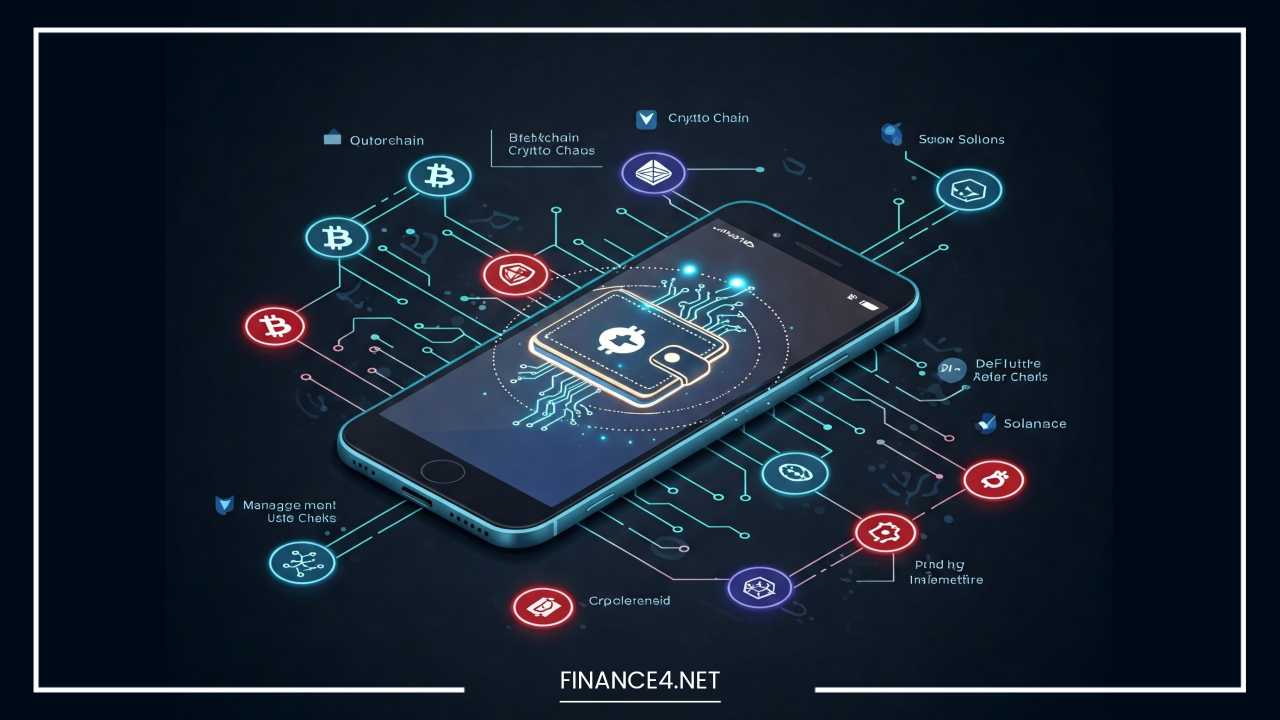
The answer to this fragmentation lies in the evolution of cryptocurrency wallets towards multi-chain compatibility. A multi-chain wallet is designed to interact with multiple independent blockchain networks from a single interface.
This means a user can store, send, receive, and often interact with dApps on various blockchains without needing a separate wallet for each.
The benefits of this unified approach are numerous and transformative:
- Simplified Asset Management: The most immediate advantage is the ability to view and manage all your digital assets, regardless of the blockchain they reside on, in one place. This provides a clear overview of your total portfolio, making tracking and analysis significantly easier.
- Enhanced User Experience: No more switching between different applications or extensions. Accessing and managing assets across chains becomes a seamless and intuitive process.
- Increased Accessibility to DeFi and NFTs: Multi-chain wallets open up a wider world of decentralized finance and NFT opportunities. Users can easily access and interact with dApps on different networks to find the best yields, trading opportunities, or NFT collections without being limited by their wallet’s chain compatibility.
- Streamlined Cross-Chain Transactions: While not all multi-chain wallets have built-in bridging capabilities, they serve as the essential interface for utilizing cross-chain solutions like bridges and atomic swaps, making it easier to move assets between networks when needed.
- Reduced Risk of Errors: A unified interface and simplified process can help reduce the likelihood of user errors, such as sending funds to the wrong address or selecting the incorrect network.
- Improved Security (Potentially): While the underlying security of the blockchains themselves remains paramount, managing private keys for fewer wallets can, in theory, reduce the attack surface compared to maintaining multiple separate wallets. However, the security of the multi-chain wallet itself becomes a critical factor.
How Do Multi-Chain Wallets Work? Technologies Underpinning Interoperability
Multi-Chain Communication Architecture
The ability of a single wallet to interact with multiple, often fundamentally different, blockchain networks is a marvel of ongoing technological development in the Web3 space. Several key technologies and approaches enable this cross-chain functionality:
- Support for Multiple Blockchain Protocols: At its core, a multi-chain wallet integrates the necessary software development kits (SDKs) and application programming interfaces (APIs) to communicate with the nodes of various blockchains. This allows the wallet to understand the specific transaction formats, address structures, and consensus mechanisms of each supported network.
- Hierarchical Deterministic (HD) Wallets: Most modern wallets, including multi-chain ones, are HD wallets. This means they generate a single seed phrase from which all private and public keys for multiple cryptocurrencies and blockchains can be derived. This is crucial for multi-chain management as a user only needs to back up and secure one seed phrase to control assets across different networks.
- Cross-Chain Bridges: While not always directly integrated into the core wallet functionality, multi-chain wallets often provide seamless access to cross-chain bridges. Bridges are protocols that facilitate the transfer of assets or information between two different blockchains. This typically involves locking assets on the source chain and minting an equivalent representation on the destination chain, or utilizing liquidity pools.
- Atomic Swaps: This technology allows for the peer-to-peer exchange of cryptocurrencies on different blockchains without the need for a trusted third party. While still not widely implemented directly within most user-friendly wallets, it represents a trustless method for cross-chain value transfer that future multi-chain wallets may increasingly leverage.
- Interoperability Protocols: Projects like Polkadot and Cosmos are building ecosystems specifically designed for interoperability, where different blockchains (parachains in Polkadot, zones in Cosmos) can communicate and exchange assets natively. Multi-chain wallets can integrate with these ecosystems to provide seamless access to the networks within them.
- Layer 2 Solutions: While not strictly cross-chain in the sense of bridging independent Layer 1s, multi-chain wallets often support Layer 2 scaling solutions built on top of Layer 1s (like Polygon on Ethereum). Managing assets on these Layer 2s within the same wallet as the native Layer 1 assets contributes to a unified experience.
- WalletConnect and Similar Protocols: These protocols enable wallets to connect to and interact with dApps across different networks through a secure, encrypted connection, often by scanning a QR code. Multi-chain wallets leverage these to provide users with broad dApp accessibility.
Types of Multi-Chain Wallets
Choosing Between Wallet Interfaces
Multi-chain wallets come in various forms, each with its own characteristics and trade-offs:
- Software Wallets (Mobile and Desktop): These are applications installed on your smartphone or computer. They offer a good balance of convenience and accessibility for managing cross-chain assets and interacting with dApps. Examples include Trust Wallet, MetaMask (increasingly adding multi-chain support), Exodus, and CoinStats Wallet.
- Browser Extension Wallets: These wallets integrate directly with your web browser, providing easy access to web-based dApps. MetaMask is a prime example, though its native multi-chain support is primarily focused on EVM-compatible chains and Layer 2s. Newer extensions are emerging with broader native support.
- Hardware Wallets: Considered the most secure option for storing cryptocurrency, hardware wallets store your private keys offline. Leading hardware wallet manufacturers like Ledger and Trezor have added support for a wide range of cryptocurrencies across multiple blockchains, often used in conjunction with their own software or third-party multi-chain software wallets for managing assets and initiating transactions.
- Web3 Wallets: This is a broader category encompassing wallets designed for the decentralized web, often integrating features beyond simple asset storage, such as identity management and access to various Web3 services. Many modern multi-chain wallets fall under this umbrella.
Choosing the Right Multi-Chain Wallet
Factors That Influence Wallet Decisions
Selecting the best multi-chain wallet depends on your individual needs and priorities. Consider the following factors:
- Supported Blockchains: Ensure the wallet supports all the blockchains on which you currently hold or plan to hold assets. The number and variety of supported chains vary significantly between wallets.
- Security Features: Look for wallets with robust security measures, including strong encryption, multi-factor authentication, and a clear process for backing up and restoring your wallet using a seed phrase. Hardware wallet integration is the gold standard for security.
- User Interface and Experience: A clean, intuitive interface is crucial for easy navigation and management of assets across multiple chains. Consider how easy it is to view your portfolio, send/receive assets, and interact with dApps.
- dApp Compatibility: If you plan to actively use decentralized applications, check which dApps and networks the wallet seamlessly integrates with. WalletConnect support is a key indicator of broad dApp compatibility.
- Built-in Features: Some multi-chain wallets offer built-in features like token swapping (including cross-chain swaps), staking, and NFT management. These can enhance convenience but also introduce potential points of failure if not implemented securely.
- Reputation and Trust: Choose a wallet from a reputable provider with a strong track record in the industry. Look for reviews, community feedback, and information about the team behind the wallet.
- Custodial vs. Non-Custodial: Understand whether the wallet is custodial (the provider holds your private keys) or non-custodial (you control your private keys). For true ownership and control, a non-custodial wallet is recommended, aligning with the decentralized ethos of cryptocurrency. Multi-chain wallets discussed in the context of self-custody are typically non-custodial.
Challenges and Risks of Managing Cross-Chain Assets in One Wallet
Understanding the Trade-offs
While multi-chain wallets offer significant advantages, it’s crucial to be aware of the potential challenges and risks:
- Security Vulnerabilities: A multi-chain wallet, by its nature, interacts with a larger attack surface. A vulnerability in the wallet’s code or its integration with a specific blockchain could potentially expose assets across all connected networks. The security of cross-chain bridges, which wallets often rely on for asset transfers, has also been a significant concern in the past, with numerous high-profile hacks occurring in this area.
- Complexity of Underlying Technology: While the wallet interface aims to simplify the user experience, the underlying cross-chain technologies can be complex. Issues with bridges, oracles, or interoperability protocols can lead to transaction delays, failures, or even loss of assets.
- Transaction Fees: Performing transactions across different chains will still incur the native transaction fees of each network. While some multi-chain operations might optimize costs, users still need to be mindful of gas fees and network congestion on individual blockchains.
- Information Overload: While a unified view is beneficial, managing a large and diverse portfolio across many chains within a single interface can still be overwhelming for some users.
- Dependence on Wallet Provider: While non-custodial wallets give you control of your private keys, you are still reliant on the wallet provider for the software interface and its continued support for various blockchains and features.
- Regulatory Uncertainty: The regulatory landscape for cryptocurrency is still evolving, and the complexities of cross-chain interactions could introduce additional regulatory considerations for both users and wallet providers in the future.
Practical Tips for Managing Cross-Chain Assets with a Single Wallet
Best Practices for Security and Efficiency
To effectively and securely manage your cross-chain assets using a multi-chain wallet, consider the following practical tips:
- Do Your Research: Before choosing a multi-chain wallet, thoroughly research its features, supported chains, security measures, and reputation. Read reviews and understand how it handles private keys and cross-chain interactions.
- Understand the Technology: While you don’t need to be a blockchain expert, having a basic understanding of how the wallet interacts with different chains and the technologies it utilizes (like bridges) can help you navigate potential issues and understand the risks involved.
- Secure Your Seed Phrase: Your seed phrase is the master key to your wallet and all the assets within it, regardless of the chain. Store it offline in a secure location and never share it with anyone.
- Enable Extra Security Features: Utilize all available security features offered by your wallet, such as multi-factor authentication, biometric login, and setting strong passwords.
- Start Small: If you are new to multi-chain management, start by transferring a small amount of assets to your multi-chain wallet to familiarize yourself with the process and the interface before moving larger sums.
- Verify Addresses Carefully: Always double-check the recipient address and the selected network before initiating any transaction, especially when sending assets across chains.
- Be Cautious with New dApps and Protocols: When interacting with decentralized applications or protocols on different chains through your wallet, exercise caution, especially with new or unaudited platforms. Understand the smart contracts you are interacting with.
- Stay Informed About Network Conditions: Be aware of the transaction fees and congestion levels on the different blockchains you are using, as this can impact transaction times and costs.
- Consider Hardware Wallet Integration: For enhanced security, especially for larger holdings, consider using a multi-chain software wallet that supports integration with a hardware wallet. This keeps your private keys offline even when interacting with online dApps.
- Regularly Update Your Wallet: Keep your multi-chain wallet application or browser extension updated to the latest version to ensure you have the latest security patches and features.
- Monitor Your Portfolio: Regularly review your asset holdings and transaction history within the multi-chain wallet to stay informed about your financial position across all connected networks.
- Understand Cross-Chain Transfer Methods: If you need to move assets between chains, understand the method the wallet or integrated service uses (e.g., bridging, swapping) and the associated fees and risks.
The Future of Cross-Chain Asset Management
What Lies Ahead
The development of multi-chain wallets is a crucial step towards a more interconnected and user-friendly blockchain ecosystem.
As interoperability technologies mature and become more robust, we can expect multi-chain wallets to become even more sophisticated, offering seamless cross-chain swaps, integrated access to a wider range of dApps across various networks, and enhanced portfolio management tools.
The vision of a truly interoperable Web3, where assets and data can flow freely between different blockchains, is still under construction.
However, multi-chain wallets are at the forefront of this movement, providing users with the tools to navigate this complex landscape and manage their digital wealth more effectively.
As the technology continues to evolve, the experience of managing cross-chain assets in a single wallet will likely become the standard, unlocking the full potential of a multichain future.
Managing cross-chain assets in one wallet is no longer a futuristic concept but a present reality, albeit one that is continuously improving.
By understanding the underlying technologies, choosing the right wallet for your needs, and following best practices for security and usage, individuals can confidently participate in the expanding multichain universe and unlock new opportunities in the decentralized world.