Managing Multi-Chain Crypto Portfolios
 by
by 
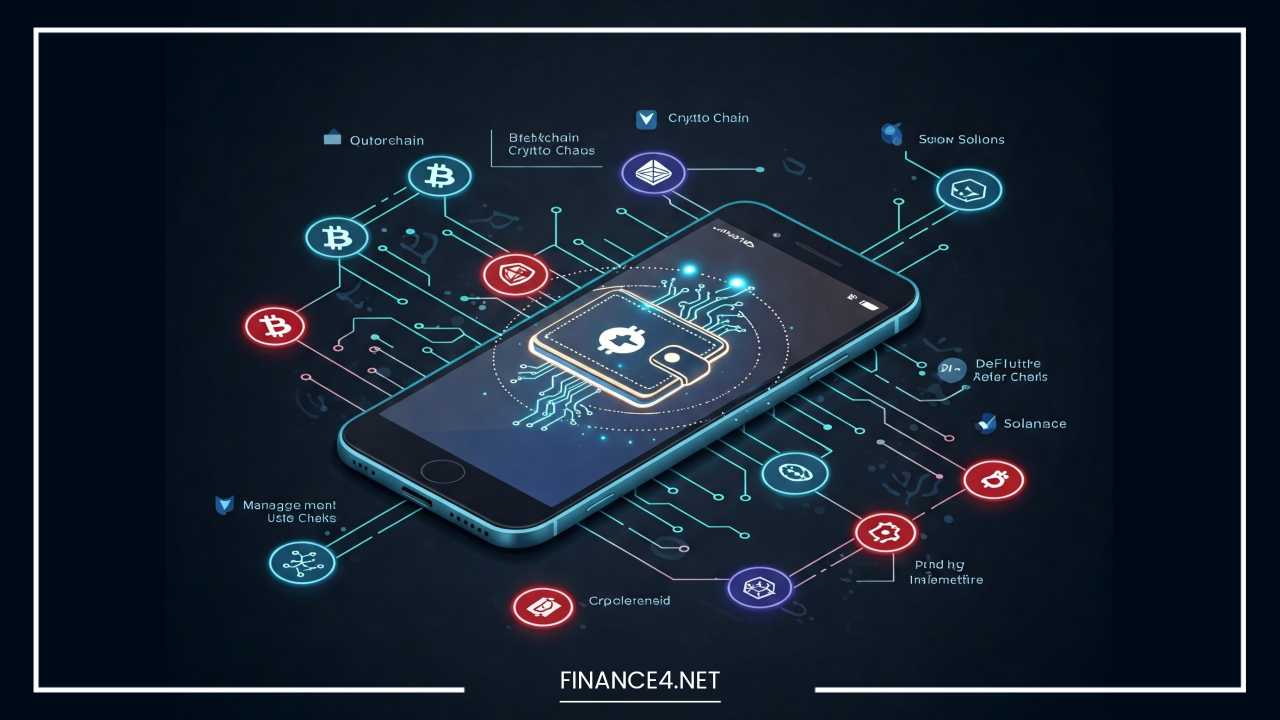
A Comprehensive Guide to Managing Multi-Chain Crypto Portfolios
The cryptocurrency landscape is rapidly evolving beyond the confines of single blockchains. As innovation flourishes across various networks – from the established giants like Ethereum and Bitcoin to the burgeoning ecosystems of Solana, Polygon, Avalanche, Cosmos, and countless others – investors are increasingly diversifying their holdings across multiple chains.
This shift towards a multi-chain paradigm, while offering exciting opportunities for enhanced returns and broader participation in decentralized finance (DeFi) and Web3, introduces a new layer of complexity.
Managing a portfolio scattered across disparate networks presents unique challenges that necessitate a specialized approach.
This article delves into the intricacies of managing multi-chain crypto portfolios, exploring the tools, strategies, risks, and best practices essential for navigating this increasingly interconnected digital asset space.
As the crypto ecosystem matures, we are witnessing a shift from tribal, single-chain loyalty toward a pragmatic, chain-agnostic investment approach.
Multi-chain portfolio management is fast becoming a core competency for serious crypto investors, especially as newer chains emerge with distinct value propositions and vibrant communities.
The ability to harness these diverse opportunities while maintaining control, security, and visibility over assets is now a competitive advantage in the Web3 era.
The Rise of the Multi-Chain Investor
The early days of cryptocurrency were largely dominated by Bitcoin and then Ethereum, with most activity concentrated on these single protocols.
However, the limitations of these early networks, such as scalability issues and high transaction fees (particularly on Ethereum during periods of high congestion), spurred the development of alternative layer-1 blockchains and layer-2 scaling solutions.
Each of these networks often boasts unique features, faster transaction speeds, lower costs, and specialized ecosystems catering to specific niches like DeFi, NFTs, or gaming.
For investors, this proliferation of chains translates to a wider array of investment opportunities. Yield farming on Binance Smart Chain, exploring burgeoning NFT markets on Solana, participating in new protocol launches on Avalanche, or leveraging the interoperability of the Cosmos ecosystem all become possibilities.
To capitalize on these diverse opportunities, investors naturally expand their presence across multiple chains, leading to the formation of multi-chain portfolios.
This evolution is also driven by the increasing composability of protocols and the growth of interchain communication technologies.
As protocols develop cross-chain integrations, investors are no longer confined to isolated ecosystems. Instead, they can now seamlessly interact with protocols across chains through bridges and interoperability solutions, unlocking higher capital efficiency and novel strategies that weren’t possible even a few years ago.
The Challenges of a Fragmented Landscape
While the potential rewards of multi-chain investing are significant, the operational complexities can be substantial.
Unlike managing assets on a single blockchain, a multi-chain portfolio requires navigating a fragmented technical and informational landscape. Some of the primary challenges include:
Wallet Management
Each blockchain typically requires a compatible wallet. Managing multiple wallets, each with its own set of private keys or seed phrases, increases the risk of loss or compromise. Ensuring the security of numerous access points becomes paramount.
This also creates additional cognitive load. Users must not only manage keys but also understand the nuances of wallet functionality across chains, including transaction signing methods, UI/UX design, and the need to switch networks manually in many interfaces. This can lead to costly errors if not managed properly.
Tracking and Overview
Gaining a holistic view of assets spread across different blockchains and various decentralized applications (dApps) on those chains is difficult. Manually tracking holdings, transactions, and performance across multiple wallets and platforms is time-consuming and prone to errors.
Without centralized tracking, investors may make uninformed decisions due to incomplete data. Missed airdrops, inaccurate yield assumptions, or inefficient capital deployment are common symptoms of poor visibility in a multi-chain portfolio.
Transaction Complexity and Costs
Interacting with different blockchains involves understanding and managing varying transaction fees (gas fees) and confirmation times. Moving assets between chains often requires the use of cross-chain bridges, which add complexity and introduce additional costs and risks.
Moreover, high fees can significantly erode returns, especially for smaller portfolios or frequent traders. Understanding when and where to transact becomes a skill in itself.
Information Silos
Data and information about assets, protocols, and market movements are often siloed within individual blockchain ecosystems. Staying informed about developments and opportunities across all relevant chains requires significant effort.
This creates a reliance on fragmented sources like Twitter threads, Discord announcements, and blockchain-specific forums. Investors must actively curate their information diet to avoid missing out on critical updates or alpha.
Tax Reporting
Accurately tracking transactions, cost bases, and taxable events across multiple chains and platforms for tax reporting purposes is a major headache for multi-chain investors.
The decentralized nature of DeFi adds to this complexity with issues like token rebasing, staking rewards, and wrapped assets, which may not be easily understood or categorized by traditional accounting tools.
Security Risks
The expanded attack surface due to interactions with multiple wallets, platforms, and cross-chain bridges increases exposure to various security threats, including phishing attacks, smart contract vulnerabilities, and bridge exploits.
Each interaction presents a potential threat vector. Investors need to be constantly vigilant and maintain best security practices, especially when engaging with newer or unaudited protocols.
Liquidity Fragmentation
While overall crypto liquidity has grown, it remains fragmented across different chains. Executing large trades or accessing specific DeFi opportunities might require navigating liquidity pools on various networks.
This also complicates price discovery and slippage management. Protocols like aggregators and decentralized exchanges with multi-chain capabilities are emerging to address this, but fragmentation still persists.
Essential Tools for Multi-Chain Portfolio Management
Effectively managing a multi-chain portfolio necessitates the use of specialized tools designed to address the challenges of a fragmented ecosystem. These tools can be broadly categorized as:
Multi-Chain Wallets
These wallets are designed to support assets across a variety of blockchains within a single interface. They simplify the management of private keys and provide a unified platform for interacting with different networks. Examples include popular software wallets like MetaMask (which has expanded its support beyond Ethereum to include various EVM-compatible chains), Trust Wallet, and Coin98 Wallet, as well as hardware wallets like Ledger and Trezor, which offer secure offline storage for assets on numerous chains.
When choosing a multi-chain wallet, consider factors like the number of supported chains, security features (e.g., multi-factor authentication, hardware integration), user interface, and compatibility with dApps.
The best wallets are now evolving into multi-chain dApp browsers, offering built-in swapping, bridge integrations, and support for NFTs and DeFi dashboards directly in the wallet interface.
Multi-Chain Portfolio Trackers
These platforms aggregate data from various wallets, exchanges, and blockchain addresses to provide a consolidated view of an investor’s entire portfolio across multiple chains. They offer real-time price tracking, performance analysis, asset allocation breakdowns, and transaction history.
Popular multi-chain portfolio trackers include CoinStats, Delta Investment Tracker, CoinMarketCap Portfolio, and Zerion. Advanced trackers can even integrate with DeFi protocols to display staked assets, liquidity pool positions, and yield farming rewards.
Look for trackers with broad chain and platform support, robust analytics, and ideally, features that assist with tax reporting.
Emerging solutions are also starting to include AI-powered alerts, transaction categorization, and behavioral insights that allow users to refine their strategies in real time.
DeFi Dashboards and Aggregators
For investors actively participating in DeFi across multiple chains, specialized dashboards and aggregators provide a unified interface to view and manage their positions in various protocols.
These platforms can display lending and borrowing positions, yield farming stakes, and staked assets across different networks, often allowing for direct interaction with these protocols from the dashboard. Examples include Zerion, DeBank, and Ape Board (though the landscape of DeFi dashboards is constantly evolving).
Advanced dashboards now offer risk scoring, gas optimization tools, and strategy automation – helping users maximize returns while minimizing manual effort.
Cross-Chain Bridges
While not strictly management tools, cross-chain bridges are essential infrastructure for moving assets between different blockchains. Understanding how they work and the risks involved is crucial for multi-chain investors.
Bridges utilize various mechanisms, such as lock-and-mint or burn-and-mint models, to facilitate asset transfers. It’s vital to use reputable and audited bridges and be aware of the potential security vulnerabilities associated with them.
Bridge aggregators are also emerging, allowing users to find the cheapest and fastest route for asset transfer between any two supported chains, factoring in fees, slippage, and bridge reliability.
Blockchain Explorers
While not multi-chain by nature, proficiency in using individual blockchain explorers (like Etherscan for Ethereum, BscScan for Binance Smart Chain, and Polygonscan for Polygon) is still necessary for verifying transactions and understanding on-chain activity on specific networks.
For advanced users, these explorers can also be used to monitor smart contract behavior, decode input data, and assess wallet risk exposure through contract interactions.
Strategies for Optimizing Multi-Chain Portfolios
Beyond simply tracking assets, managing a multi-chain portfolio effectively involves implementing strategies to optimize returns and manage risk across different ecosystems.
Diversification
The most fundamental strategy in a multi-chain world is intelligent diversification not just across different assets but also across different blockchains and protocols. This helps mitigate risks associated with the failure or underperformance of a single chain or protocol.
Diversification also enables participation in various niches like GameFi, NFTs, L2 DeFi, or real-world assets (RWA) that are emerging across different chains. Investors should analyze correlations between ecosystems to better manage systemic risk and ensure that diversification truly reduces volatility.
Yield Farming and Liquidity Mining
Different blockchains offer varying yield farming and liquidity mining opportunities with different risk profiles and potential returns. Multi-chain investors can strategically allocate capital to seize the most attractive yield opportunities across various networks, being mindful of gas costs and impermanent loss.
The evolution of “Yield Farming 2.0” introduces concepts like protocol-owned liquidity and auto-compounding vaults, which can further influence strategy.
Advanced users may also employ delta-neutral or hedged farming techniques, utilizing synthetic assets or perpetuals to manage exposure while maximizing yield. Automation platforms can help execute complex farming strategies across multiple chains in real-time.
Lending and Borrowing
Utilizing decentralized lending and borrowing protocols on different chains can provide opportunities to earn interest on idle assets or borrow funds against existing holdings to pursue other investment opportunities. Comparing interest rates and collateral requirements across chains is key.
Certain chains may also offer unique collateral types or innovative mechanisms like isolated lending markets or real-world asset (RWA) integrations, which can be advantageous depending on your portfolio structure.
Arbitrage Opportunities
Price discrepancies for the same asset on different exchanges or across different chains can present arbitrage opportunities. Multi-chain capabilities allow investors to potentially capitalize on these differences, although this requires speed and an understanding of transaction costs and bridge fees.
Bots and MEV-aware strategies are increasingly being used to exploit these inefficiencies. However, manual arbitrage is still viable for niche or illiquid tokens, especially in newly launched ecosystems.
Rebalancing
As the value of assets and the attractiveness of opportunities shift across different chains, periodic rebalancing of the multi-chain portfolio is crucial to maintain a desired asset allocation and risk exposure.
Rebalancing also offers a chance to lock in profits, reduce exposure to underperforming chains, and optimize yield across newer, higher-potential ecosystems. Tools that automate rebalancing using predefined rules are increasingly accessible.
Exploring Emerging Ecosystems
The multi-chain landscape is constantly expanding with new and innovative blockchains and protocols. Actively researching and strategically allocating a portion of the portfolio to promising emerging ecosystems can lead to significant early-mover advantages.
Beta-testing platforms and participating in testnets, airdrops, or governance initiatives can provide not just investment returns but also reputation and social capital within new communities.
Gas Fee Optimization
Understanding the gas fee structures of different blockchains and strategically timing transactions or utilizing layer-2 solutions can significantly reduce transaction costs, especially for frequent trading or yield farming activities.
Batching transactions, using gas relayers, and leveraging account abstraction can further improve efficiency. It’s essential to compare the cost-benefit ratio of executing strategies on various chains before committing capital.
Risks and Security Best Practices in a Multi-Chain World
Investing across multiple blockchains inherently increases exposure to a wider range of risks. Understanding and mitigating these risks is paramount for protecting your digital assets.
Cross-Chain Bridge Risks
As highlighted by numerous high-profile hacks, cross-chain bridges are a significant vulnerability in the multi-chain ecosystem. These exploits often target vulnerabilities in smart contracts, private key management, or the consensus mechanisms used by bridges. Risks include loss of funds, delayed transactions, and potential manipulation.
Best Practice: Use reputable and audited bridges, understand the technology behind the bridge, and be cautious of newly launched or unaudited bridges. Diversify the bridges you use and avoid keeping substantial amounts of assets on a bridge for extended periods.
Redundancy is key: consider using different bridges for different assets and transactions. Research bridge security mechanisms like optimistic vs. zk-based validation and monitor for audits or bug bounty programs.
Smart Contract Risk
Interacting with dApps on various blockchains exposes investors to the risk of vulnerabilities within the smart contracts powering these applications. Bugs or malicious code in smart contracts can lead to the loss of deposited funds.
Best Practice: Before interacting with a dApp, research the protocol’s reputation, check if its smart contracts have been audited by reputable firms, and understand the protocol’s mechanics. Start with smaller amounts when exploring new or less-established protocols.
Additionally, explore insurance options where available (e.g., Nexus Mutual, InsurAce), and consider favoring protocols that implement timelocks and multisig governance over critical functions.
Wallet Security
Managing multiple wallets increases the potential points of failure.
Best Practice: Use strong, unique passwords for each wallet and exchange account. Enable two-factor authentication (2FA) wherever possible, preferably using authenticator apps rather than SMS. Store seed phrases offline in multiple secure locations and never share them with anyone. Consider using hardware wallets for storing significant amounts of crypto. Be wary of phishing attempts and fake wallet applications.
Further protection can include setting up separate hot and cold wallets for different chains and activities. Some users even create dedicated wallets per chain to isolate risks in case of a breach.
Phishing and Scams
The complexity of the multi-chain environment can be exploited by scammers. Malicious websites, fake dApps, and deceptive social engineering tactics can trick users into revealing their private keys or sending funds to fraudulent addresses.
Best Practice: Double-check URLs before connecting wallets or signing transactions. Be skeptical of unsolicited messages or offers that seem too good to be true. Verify the authenticity of dApps and protocols through official channels.
Avoid connecting wallets to unknown front-ends or clicking links shared via private messages, especially on Discord, Telegram, or Twitter. Use browser extensions that detect malicious domains when possible.
Regulatory Risk
The regulatory landscape for cryptocurrencies is still evolving and varies significantly across jurisdictions. New regulations could impact the usability or legality of certain assets or protocols on specific chains.
Best Practice: Stay informed about regulatory developments in the regions relevant to your investments.
It’s advisable to work with crypto-savvy tax professionals and consider using compliant DeFi interfaces where required, especially in jurisdictions with strict reporting laws.
Information Overload and Analysis Paralysis
The sheer volume of information across multiple chains can be overwhelming, leading to poor decision-making or missed opportunities.
Best Practice: Utilize portfolio trackers and news aggregators to stay organized and informed. Develop a clear investment strategy and stick to it.
Joining curated newsletters, forums, and analyst communities can help filter the noise. Create a personal knowledge base or dashboard to consolidate updates from your preferred ecosystems.
Complexity and User Error
Navigating different wallet interfaces, blockchain explorers, and dApps on various chains increases the likelihood of user error, such as sending funds to the wrong address or approving unintended transactions.
Best Practice: Always double-check transaction details before confirming. Start with small test transactions when using a new wallet or interacting with a new protocol.
Tools like transaction simulators and hardware wallets that show contract details on screen before confirmation can reduce these errors significantly.
The Future of Multi-Chain Management
The multi-chain future is still in its early stages, and the tools and infrastructure for managing cross-chain portfolios are continuously improving. We can expect to see:
More Sophisticated Multi-Chain Wallets
With enhanced features like built-in cross-chain swapping, integrated portfolio tracking, and improved security measures such as account abstraction, wallets are evolving from simple key managers to powerful gateways for multi-chain interaction.
We may also see native support for intent-based transactions and programmable automation, allowing users to set conditions for actions (e.g., auto-claim rewards, auto-bridge funds) without manual input. Wallets could act more like smart agents than static storage solutions.
More Comprehensive and User-Friendly Portfolio Trackers
These tools will provide deeper insights into DeFi positions, NFT holdings, and overall portfolio performance across an even wider range of chains.
Future trackers might offer AI-driven insights, behavioral analysis, automatic categorization of DeFi activities, and social portfolio comparisons to benchmark performance. Integration with accounting tools and regulators may also become standard for tax compliance and reporting.
Improved and More Secure Cross-Chain Bridge Technologies
Expect greater decentralization, faster transfers, more robust security audits, and even bridge insurance offerings. Innovations in cryptography and interoperability standards (e.g., zk-bridges, optimistic relays, and trustless oracles) will reduce the need to rely on custodial or semi-centralized solutions.
We may also see a rise in generalized message-passing bridges that allow not just asset transfers but smart contract interactions across chains, further blurring the boundaries between ecosystems.
Increased Standardization and Interoperability
More protocols and infrastructure providers are adopting interoperability standards (e.g., IBC, LayerZero, Chainlink CCIP), making it easier to move assets and data seamlessly between networks.
This trend will accelerate the rise of application-specific rollups, modular chains, and appchains that can plug into the broader ecosystem without sacrificing sovereignty. Investors will benefit from more seamless DeFi and NFT experiences across all major networks.
Decentralized Identity Solutions
These tools will allow users to maintain a single identity across multiple chains, simplifying user onboarding, reputation tracking, and interaction with dApps.
Features like multi-chain soulbound tokens (SBTs), reputation layers, and zk-based privacy credentials could enable better access to credit scoring, whitelisting, and even regulatory KYC requirements—all while preserving user control and anonymity where needed.
Final Thoughts
The advent of a multi-chain cryptocurrency ecosystem presents both exciting opportunities and significant challenges for investors.
While the potential for diversification, higher yields, and participation in a wider range of decentralized applications is compelling, the complexities of managing assets across disparate networks require a proactive and informed approach.
By understanding the inherent challenges, leveraging the growing suite of multi-chain tools and platforms, implementing sound investment strategies tailored to a cross-chain environment, and prioritizing robust security practices, investors can effectively navigate this evolving landscape.
The key to success lies not only in adopting tools but also in cultivating a mindset of continuous learning and adaptability.
As the technology matures and the infrastructure becomes more seamless, managing multi-chain crypto portfolios will become increasingly accessible, unlocking the full potential of a truly interconnected Web3 future.
For now, diligence, continuous learning, and the smart application of available tools are the keys to success in the fascinating and complex world of multi-chain crypto investing.
Investors who can master this skill set will be well-positioned to thrive in the next evolution of the blockchain economy.