Building a Cross-Chain NFT Marketplace for Music
 by
by 
Building a Cross-Chain NFT Marketplace for Music | Web3 Music Platform Development
The digital landscape is undergoing a profound transformation, with Web3, Non-Fungible Tokens (NFTs), and the music industry converging to redefine ownership, distribution, and fan engagement. This revolutionary intersection promises to empower artists, foster direct fan-to-creator relationships, and unlock new revenue streams. However, the current Web3 ecosystem, while vibrant, is characterized by fragmentation, high transaction fees, and limited interoperability, hindering its full potential. This article will delve into the critical need for a cross-chain NFT marketplace for music, exploring the technological underpinnings, design considerations, and strategic approaches required to build such a platform. It’s intended for a broad audience, including developers eager to build the next generation of decentralized applications, entrepreneurs seeking to innovate in the music tech space, and music tech startups looking for strategic insights.
The State of Music NFTs Today
The journey of music NFTs has been a compelling one, evolving rapidly from niche experiments to a burgeoning sector within the broader NFT market. Early pioneers demonstrated the viability of tokenizing music, allowing artists to sell unique editions of songs, albums, and even royalty rights directly to their fans. Platforms like Catalog and Sound.xyz have emerged as prominent players, enabling artists to mint and sell their music as NFTs, often bundled with exclusive content, experiences, and community access.
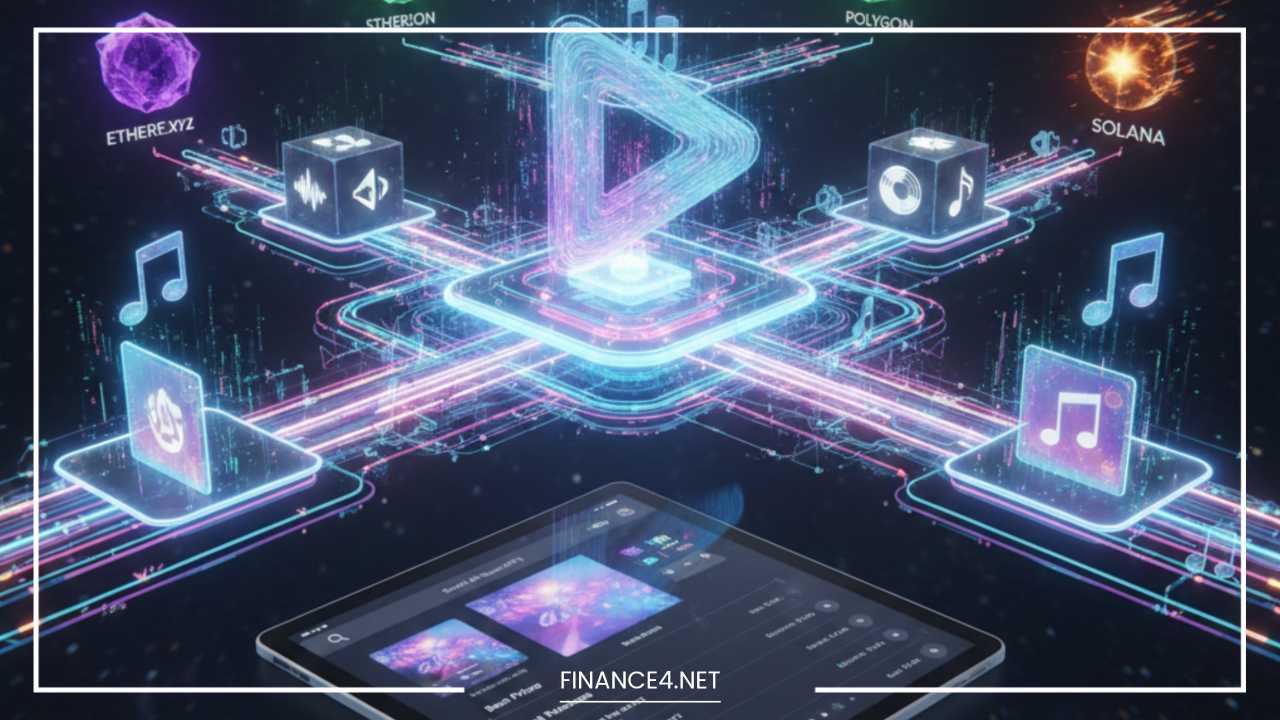
Despite this progress, several significant challenges impede widespread adoption. Fragmentation is a primary concern, with music NFTs often siloed on specific blockchains, limiting discoverability and liquidity. An NFT minted on Ethereum, for instance, might not be easily discoverable or tradable by a collector primarily active on Solana. This leads to limited chain support for many artists and collectors, forcing them to choose a single ecosystem rather than leveraging the strengths of multiple. Furthermore, high transaction fees (gas fees), particularly on popular chains like Ethereum, can be a barrier for both artists minting their work and fans purchasing NFTs, especially for lower-priced items. The global Music NFT Market has shown significant growth potential despite these challenges.
Why Go Cross-Chain?
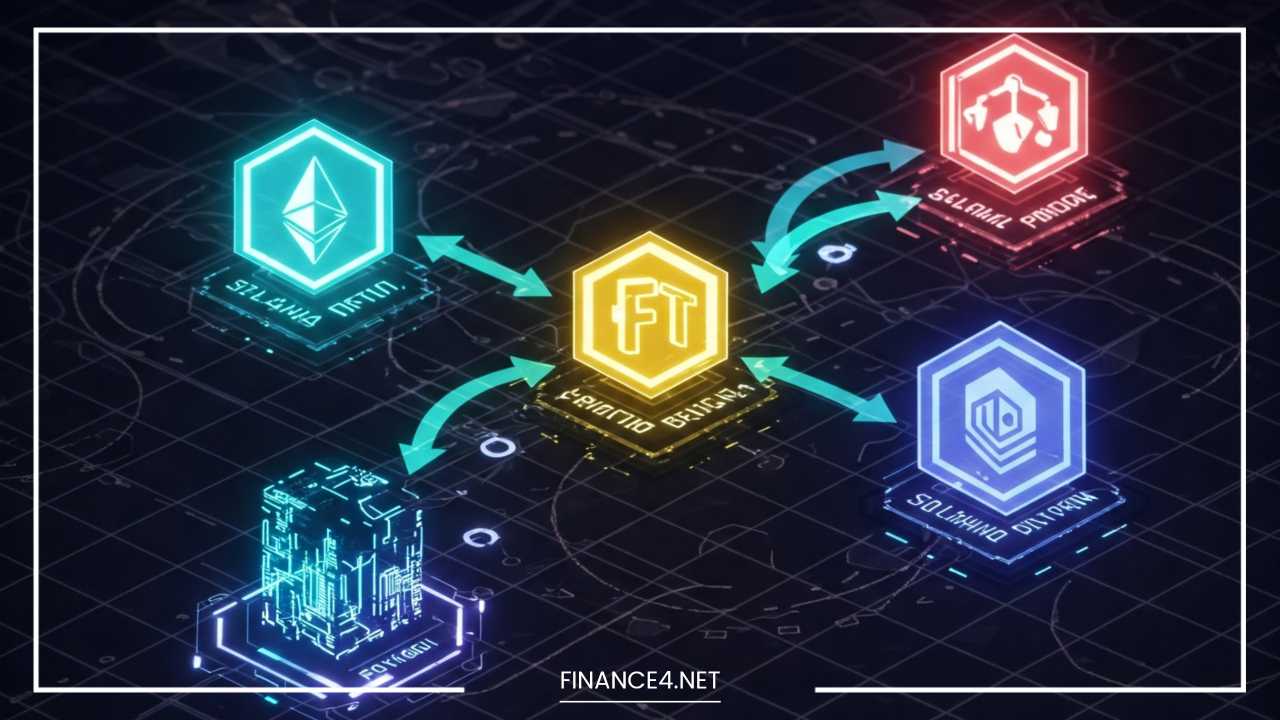
The limitations of single-chain environments necessitate a cross-chain approach. Cross-chain technology refers to the ability to transfer assets, data, and even smart contract calls between different blockchain networks. This interoperability is crucial for unlocking the full potential of Web3, and particularly for a vibrant music NFT ecosystem.
The benefits of going cross-chain are manifold:
- Improved Liquidity: By allowing NFTs to be bought, sold, and traded across multiple blockchains, a cross-chain marketplace significantly increases liquidity. This means artists have a larger potential buyer pool, and collectors have more options for acquiring and reselling music NFTs.
- Access to Broader Audiences: Different blockchains attract different user bases, often with varying preferences for transaction costs, speed, and ecosystem features. A cross-chain platform allows artists to reach a wider audience without being confined to a single chain’s user base. For example, an artist might mint a limited edition NFT on a low-cost chain like Polygon for wider accessibility, while simultaneously offering a premium version on Ethereum for collectors prioritizing established security and liquidity.
- Interoperability and Composability: Cross-chain capabilities enable greater interoperability, allowing music NFTs to be used in diverse Web3 applications across different chains. This could include using a music NFT as collateral in a DeFi protocol on one chain, or gaining access to an exclusive metaverse experience hosted on another, all while the NFT’s core ownership remains verifiable across the interconnected networks.
- Reduced Transaction Costs: By leveraging various Layer-2 solutions and alternative Layer-1 blockchains with lower gas fees, a cross-chain marketplace can significantly reduce the cost of minting and trading music NFTs, making the ecosystem more accessible to a wider range of artists and fans.
However, embracing cross-chain technology also presents significant challenges:
- Security Risks: Bridging assets across chains introduces new attack vectors. Cross-chain bridges have historically been targets for sophisticated hacks, emphasizing the need for robust security audits and decentralized bridge designs.
- Standardization: Ensuring seamless interoperability requires a degree of standardization in NFT metadata, royalty enforcement, and smart contract functionalities across diverse blockchain ecosystems. This is an ongoing challenge in the rapidly evolving Web3 space.
- User Experience (UX) Complexity: Managing assets and transactions across multiple chains can be daunting for users unfamiliar with blockchain technology. Simplifying this complexity is paramount for mass adoption.
Core Components of a Cross-Chain NFT Marketplace for Music
Building a robust cross-chain NFT marketplace for music requires a sophisticated architecture comprising several key components:
Smart Contracts
The backbone of any NFT marketplace, smart contracts define the rules and logic for minting, transferring, and managing NFTs. For music NFTs, these contracts need to incorporate specific functionalities:
- Minting: Smart contracts for minting should support widely adopted NFT standards like ERC-721 (for unique, one-of-a-kind music NFTs, e.g., a single track edition) and ERC-1155 (for semi-fungible tokens, suitable for issuing multiple editions of a song or fan passes).
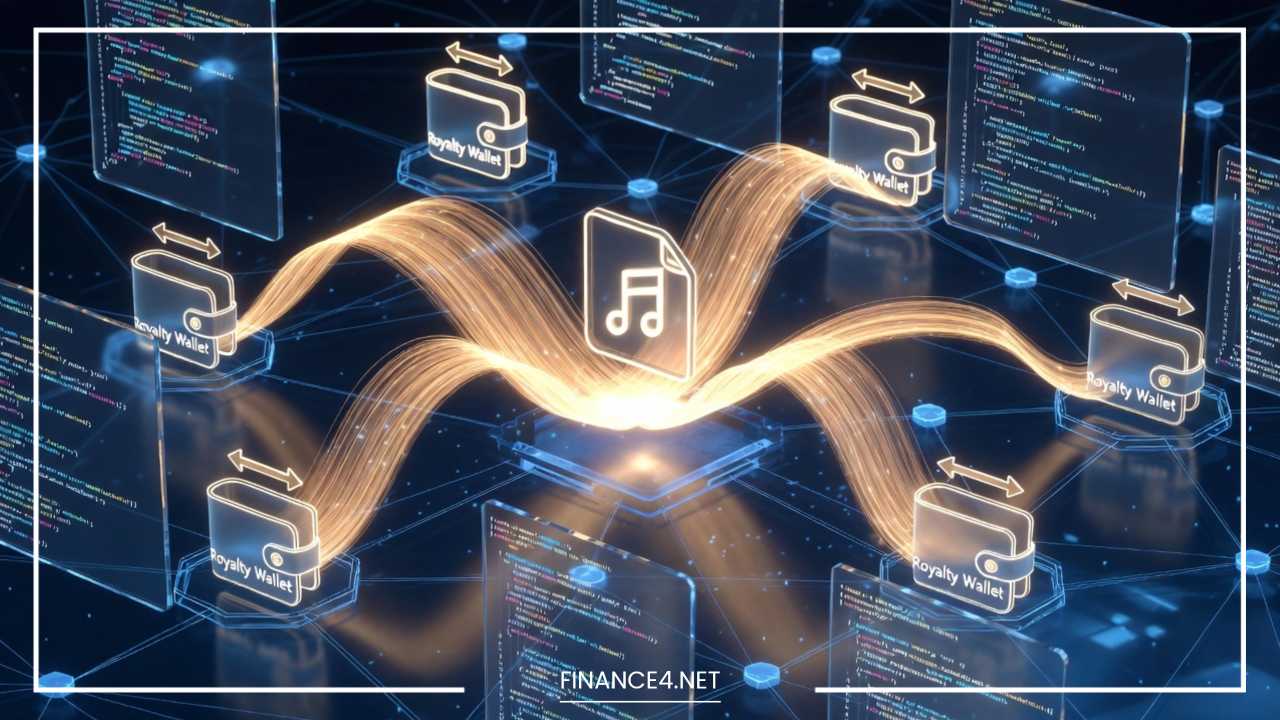
- Royalties: Crucially, smart contracts must embed on-chain royalty mechanisms, automatically distributing a predefined percentage of secondary sales to the original creator and any designated collaborators. This ensures artists benefit from the long-term value appreciation of their work.
- Metadata Standards: Beyond basic NFT metadata (title, artist, artwork), music NFTs require enriched metadata that includes audio file links, licensing terms, genre, release date, and potentially even tracklist information for albums. Adhering to standards like ERC-777 (for advanced token functionalities) or extending existing metadata schemas is vital for discoverability and functionality across platforms.
Cross-Chain Protocols
To achieve true interoperability, a cross-chain music NFT marketplace must integrate with robust cross-chain protocols. These protocols facilitate the secure and efficient transfer of data and assets between disparate blockchains. Leading examples include:
- LayerZero: A generalized messaging protocol that enables secure and arbitrary message passing between blockchains, making it suitable for cross-chain NFT transfers and smart contract calls.
- Wormhole: A powerful cross-chain messaging protocol that allows for the transfer of tokens and arbitrary data, supporting a wide array of blockchains.
- Axelar: A universal overlay network that connects all blockchains, enabling seamless asset transfers and general message passing. Axelar’s focus on secure, programmable interoperability makes it a strong candidate for complex cross-chain interactions like royalty distribution.
- Other emerging solutions like Connext and Socket also offer compelling options for cross-chain liquidity and communication.
Token Standards and Metadata for Music NFTs
Beyond the foundational ERC-721/1155, music NFTs demand specific considerations for their embedded data:
- Embedding Audio: While the NFT itself doesn’t typically store the large audio file, its metadata should contain a secure and persistent link to the audio. Decentralized storage solutions like IPFS (InterPlanetary File System) and Arweave are ideal for this, ensuring the audio content remains censorship-resistant and permanently accessible.
- Licensing Information: Clear and machine-readable licensing terms should be embedded in the NFT metadata, detailing usage rights for collectors (e.g., personal listening, remixing rights, commercial use). This is crucial for navigating the complexities of music intellectual property.
- Additional Data: Fields for song lyrics, album art, producer credits, and even concert access codes can be integrated into the metadata, enriching the NFT’s value and utility.
User Wallets and Multi-Chain Support
A seamless user experience hinges on robust wallet integration that supports multiple blockchains.
- MetaMask: The most widely used Web3 wallet, essential for Ethereum and EVM-compatible chains (Polygon, Avalanche, BNB Smart Chain).
- WalletConnect: A crucial protocol that enables dApps to connect to a vast array of mobile wallets, broadening accessibility for users on the go.
- Native Wallet Integrations: For non-EVM chains like Solana, supporting wallets like Phantom is vital. The marketplace should abstract away the complexities of managing different wallets for different chains, offering a unified interface or guiding users through the necessary wallet switching.
Payment Gateways
To facilitate transactions, the marketplace must support various cryptocurrencies across different chains.
- Direct Crypto Payments: Supporting native tokens like ETH, SOL, MATIC, BNB, and others relevant to the integrated blockchains.
- Stablecoin Support: Integrating stablecoins (e.g., USDC, USDT) across chains provides price stability for transactions.
- Fiat On-Ramps: For broader accessibility, integrating fiat on-ramps (e.g., through partnerships with services like MoonPay, Transak, or Banxa) allows users to purchase cryptocurrencies directly with traditional currency.
Music Streaming/Preview Integration
For music NFTs, the ability to preview or stream the underlying audio is paramount.
- Decentralized Storage (IPFS/Arweave): As mentioned, these are key for storing the actual audio files, which can then be streamed directly from these decentralized networks within the marketplace interface.
- Audius APIs: Integrating with existing decentralized music streaming platforms like Audius can provide a robust and scalable streaming infrastructure for previews and playback, potentially offering additional discovery avenues for artists.
- Custom Streaming Solutions: For a fully integrated experience, the marketplace might develop its own streaming player, fetching audio directly from IPFS/Arweave links embedded in the NFT metadata.
Royalty Management and Licensing
Effective royalty management across chains is a cornerstone of a fair and sustainable music NFT ecosystem. Smart contracts are instrumental here, enabling automated and transparent royalty distribution.
- On-Chain Royalty Enforcement: Royalties, typically a percentage of secondary sales, are programmed directly into the NFT’s smart contract. Whenever the NFT is resold on a compliant marketplace, the specified percentage is automatically routed to the creator’s wallet. This eliminates the need for intermediaries and ensures artists receive continuous income from their work.
- Multi-Recipient Royalty Splits: For collaborative music projects (e.g., songs with multiple songwriters, producers, or featured artists), smart contracts can be designed to automatically split royalties among predefined recipients based on agreed-upon percentages. This simplifies complex revenue sharing agreements.
- Ensuring Compliance and Respecting IP Rights: While Web3 prioritizes decentralization, it’s crucial to acknowledge and respect existing intellectual property (IP) laws. The marketplace should encourage artists to clearly define licensing terms within their NFT metadata. Future developments might involve more sophisticated on-chain licensing frameworks that interact with traditional copyright databases or legal entities.
- Cross-Chain Royalty Aggregation: This is where cross-chain protocols become vital. If an NFT is minted on one chain and then bridged and resold on another, the royalty mechanism must seamlessly track these transactions and ensure the correct distribution back to the original creator, regardless of the chain of resale. This requires sophisticated integration with cross-chain messaging and token transfer protocols.
User Experience Design for a Multi-Chain Audience
A successful cross-chain music NFT marketplace must prioritize a frictionless user experience, especially for those new to the complexities of blockchain.
- Simplified Onboarding:
- Clear and Concise Guides: Provide easy-to-understand tutorials on setting up wallets, acquiring cryptocurrency, and navigating the marketplace.
- Interactive Demos: Offer simulated environments where users can experiment with minting and buying without using real crypto.
- Progressive Disclosure: Introduce complex concepts gradually, revealing advanced features only when the user is ready.
- Wallet Abstraction: This is a critical area for improving UX. Instead of requiring users to manage multiple distinct wallets for different chains, wallet abstraction solutions aim to provide a single, unified interface that handles the underlying complexity of multi-chain interactions. This could involve:
- Account Abstraction (ERC-4337): Allows for programmable smart contract wallets, enabling features like gasless transactions, social recovery, and multi-signature approvals, significantly simplifying the user experience.
- Integrated Multi-Chain Wallets: Wallets that natively support assets across numerous chains and present them within a single dashboard.
- Gas Fee Management: High and unpredictable gas fees are a major deterrent.
- Gas Fee Previews: Transparently display estimated gas fees before a transaction is confirmed.
- Gas Station Networks: Allow users to pay for gas in stablecoins or even have gas sponsored by the platform for certain actions (e.g., lazy minting where the buyer pays the minting fee).
- Layer-2 Integration: Promote and default to Layer-2 solutions (e.g., Polygon, Arbitrum, Optimism) for lower transaction costs whenever possible.
- Fiat On-Ramps: Seamless integration with fiat on-ramps allows users to purchase crypto directly within the marketplace using traditional payment methods (credit cards, bank transfers), eliminating the need to go to a separate exchange.
- Clean UX for Artists and Collectors:
- Intuitive Minting Process: A streamlined, guided flow for artists to upload their music, set prices, define royalty splits, and select chains for minting.
- Rich Discovery and Listening Experience: For collectors, a visually appealing interface with robust search and filtering options, high-quality audio playback, and clear display of NFT details, including rarity, provenance, and embedded licensing.
- Community Features: Integration of social elements like comments, likes, artist profiles, and direct messaging to foster a vibrant community.
Developer Stack and Tools
Building a sophisticated cross-chain music NFT marketplace requires a powerful and versatile developer stack.
Blockchain Development
- Smart Contract Languages:
- Solidity: The primary language for developing smart contracts on Ethereum and EVM-compatible chains (Polygon, Arbitrum, Optimism, Avalanche, BNB Smart Chain).
- CosmWasm: For blockchains built on the Cosmos SDK (e.g., Injective, Secret Network), enabling interoperable smart contracts within the Cosmos ecosystem.
- Substrate: For developing custom blockchains (parachains) within the Polkadot ecosystem, offering high customizability and native cross-chain capabilities.
- Rust: Increasingly popular for performance-critical blockchain development, particularly on Solana and Near Protocol.
- Development Frameworks:
- Hardhat: A flexible and extensible Ethereum development environment for compiling, deploying, testing, and debugging smart contracts.
- Foundry: A blazing fast, portable and modular toolkit for Ethereum application development, written in Rust.
- Truffle Suite: A well-established set of tools for dApp development, including a development environment, testing framework, and asset pipeline.
Frontend Development
- Frameworks:
- Next.js: A React framework for building fast, scalable, and SEO-friendly React applications, ideal for server-side rendering and static site generation for improved performance.
- React: A popular JavaScript library for building user interfaces, offering a component-based architecture that simplifies complex UI development.
- Vue.js: Another progressive JavaScript framework for building user interfaces, known for its approachability and performance.
- UI Libraries: Tools like Chakra UI, Material UI, or Ant Design can accelerate UI development.
Backend Tools and Infrastructure
While much of the logic resides on-chain, off-chain components are necessary for indexing, querying, and enhancing the user experience.
- The Graph: A decentralized indexing protocol that allows developers to query blockchain data efficiently. Essential for building performant dashboards, search functionalities, and historical data analysis for NFTs and transactions across chains.
- Moralis: A Web3 development platform that provides a suite of APIs and SDKs for building dApps, including functionalities for wallet integration, NFT data fetching, and real-time event listening.
- Alchemy: A leading blockchain developer platform offering robust infrastructure, APIs, and developer tools for various blockchains, including enhanced API endpoints and WebSockets for real-time data.
- Infura/QuickNode: Node providers that offer reliable and scalable access to blockchain networks, essential for interacting with smart contracts.
- IPFS/Arweave Gateways: For serving the decentralized audio content associated with music NFTs.
Cross-Chain SDKs & APIs
These are crucial for orchestrating cross-chain interactions:
- LayerZero SDKs/APIs: For sending arbitrary messages and initiating asset transfers between connected chains.
- Wormhole SDKs/APIs: For building applications that leverage Wormhole’s cross-chain messaging capabilities.
- Axelar SDKs/APIs: For integrating with Axelar’s universal interoperability network, enabling seamless cross-chain asset and data transfers.
- WalletConnect SDK: For enabling multi-wallet support and connecting to various mobile and desktop wallets across chains.
- Ethers.js/Web3.js: JavaScript libraries for interacting with Ethereum and EVM-compatible blockchains, forming the foundation for most on-chain interactions.
Launch Strategy & Community Building
A successful launch for a cross-chain music NFT marketplace hinges on a well-executed strategy that builds momentum and fosters a vibrant community.
- Engaging Musicians Early:
- Artist Partnerships: Collaborate with established and emerging artists to launch exclusive NFT collections. This creates buzz and attracts their existing fan bases.
- Artist Advisory Board: Involve artists in the platform’s development, gathering feedback on features, royalties, and user experience.
- Grants and Funding: Offer grants or incentives for artists to mint their music on the platform.
- Engaging Fans and Crypto Communities:
- Exclusive NFT Drops: Announce limited-edition NFT drops from popular artists to create scarcity and demand.
- Whitelisting Campaigns: Reward early supporters and community members with exclusive access to NFT drops.
- Community Governance Models (DAOs): Implement a Decentralized Autonomous Organization (DAO) structure, giving early adopters and NFT holders a say in the marketplace’s future development, curation, and even revenue sharing. This fosters a strong sense of ownership and loyalty.
- Social Media Marketing: Active engagement on platforms like Twitter, Discord, and Telegram to disseminate information, answer questions, and build excitement.
- Content Marketing: Create educational content about music NFTs, Web3, and the benefits of the platform to onboard new users.
- Importance of Education and Transparency:
- Clear Documentation: Provide comprehensive and easy-to-understand documentation for artists and collectors.
- Webinars and Workshops: Host sessions to educate potential users on how to navigate the platform, understand NFT ownership, and manage crypto assets.
- Transparent Fee Structures: Clearly outline all fees (platform fees, gas fees, royalty percentages) to build trust.
- Security Audits: Publicize results of smart contract security audits to reassure users about the safety of their assets.
Challenges and Future Opportunities
The road to a fully realized cross-chain music NFT marketplace is not without its hurdles, but also presents immense opportunities for innovation.
Challenges:
- Scalability: While cross-chain solutions aim to alleviate single-chain congestion, the overall scalability of the underlying blockchain infrastructure remains a challenge, particularly for truly mass adoption. Layer-2 solutions and sharding are continuously evolving to address this.
- User Experience (UX): Despite efforts towards simplification, the inherent complexity of blockchain technology can still deter mainstream users. Further advancements in wallet abstraction, gas fee management, and fiat on-ramps are crucial.
- Regulation: The regulatory landscape for cryptocurrencies and NFTs is still evolving globally. Compliance with varying legal frameworks regarding ownership, licensing, and financial instruments will be a continuous challenge.
- Interoperability Standards: While cross-chain protocols are advancing, a universal and seamless standard for NFT representation and cross-chain interaction across all blockchains is still under development.
- Orphaned Assets: In highly complex cross-chain scenarios, there’s a risk of assets getting “stuck” or becoming inaccessible if a bridge or underlying chain experiences issues. Robust error handling and recovery mechanisms are vital.
Future Opportunities:
- AI-Generated Music NFTs: The rise of AI in music creation opens up possibilities for NFTs representing unique, AI-generated musical compositions. These could be dynamic, evolving based on user interaction or external data.
- Dynamic NFTs (dNFTs): Music dNFTs could change over time based on real-world events (e.g., an artist’s song reaching a certain streaming milestone, or a specific concert occurring). This could unlock new forms of interactive fan engagement and evolving digital collectibles.
- Decentralized Music Curation: Beyond simple marketplaces, future platforms could implement decentralized curation mechanisms, allowing the community to vote on trending music, discover new artists, and even collectively fund music projects through DAOs. This shifts power from centralized gatekeepers to the collective.
- Integration with Metaverse and Gaming: Music NFTs can become integral to metaverse experiences, acting as virtual concert tickets, in-game items, or even ambient music that dynamically changes based on user location within a virtual world.
- Fractional Ownership: Allowing fractional ownership of high-value music NFTs could democratize investment in music royalties, enabling more fans to participate in the success of their favorite artists.
- Enhanced Licensing Frameworks: Blockchain could enable more granular and verifiable licensing, allowing for micro-licensing of specific musical components or rights for different use cases.
Final Thoughts
Building a cross-chain NFT marketplace for music is an ambitious yet incredibly promising endeavor. It stands at the forefront of Web3 innovation, offering a powerful paradigm shift for the music industry. By addressing the critical challenges of fragmentation, high fees, and limited reach through cross-chain technology, these platforms can unlock unprecedented liquidity, foster broader audiences, and empower artists with greater control and revenue.
While complexities related to security, standardization, and user experience persist, the continuous evolution of blockchain technology, cross-chain protocols, and user-centric design principles provides the tools to overcome these hurdles. The future of music is increasingly decentralized, digital, and directly connected. Whether you’re a seasoned blockchain developer, a visionary entrepreneur, or a musician eager to explore new frontiers, now is the time to get involved in shaping this exciting new chapter for music in the Web3 era. The symphony of innovation is just beginning.