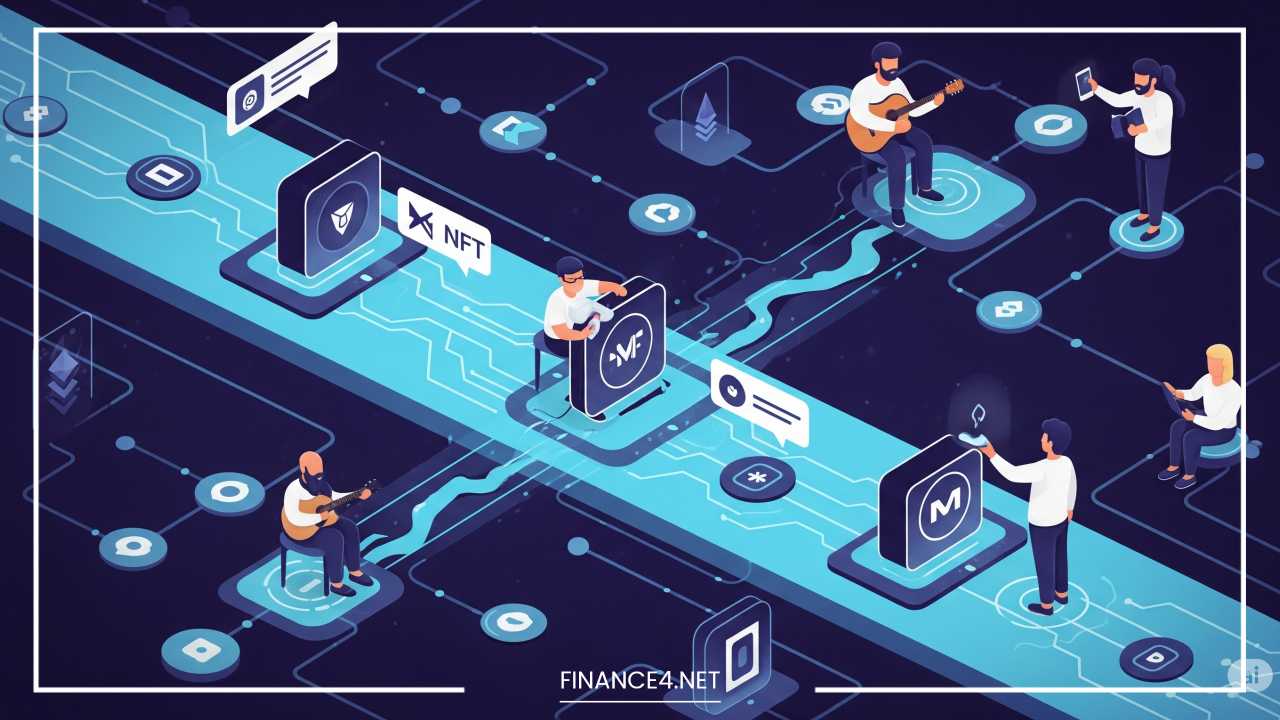
NFT Music Albums and How They Work
 by
by 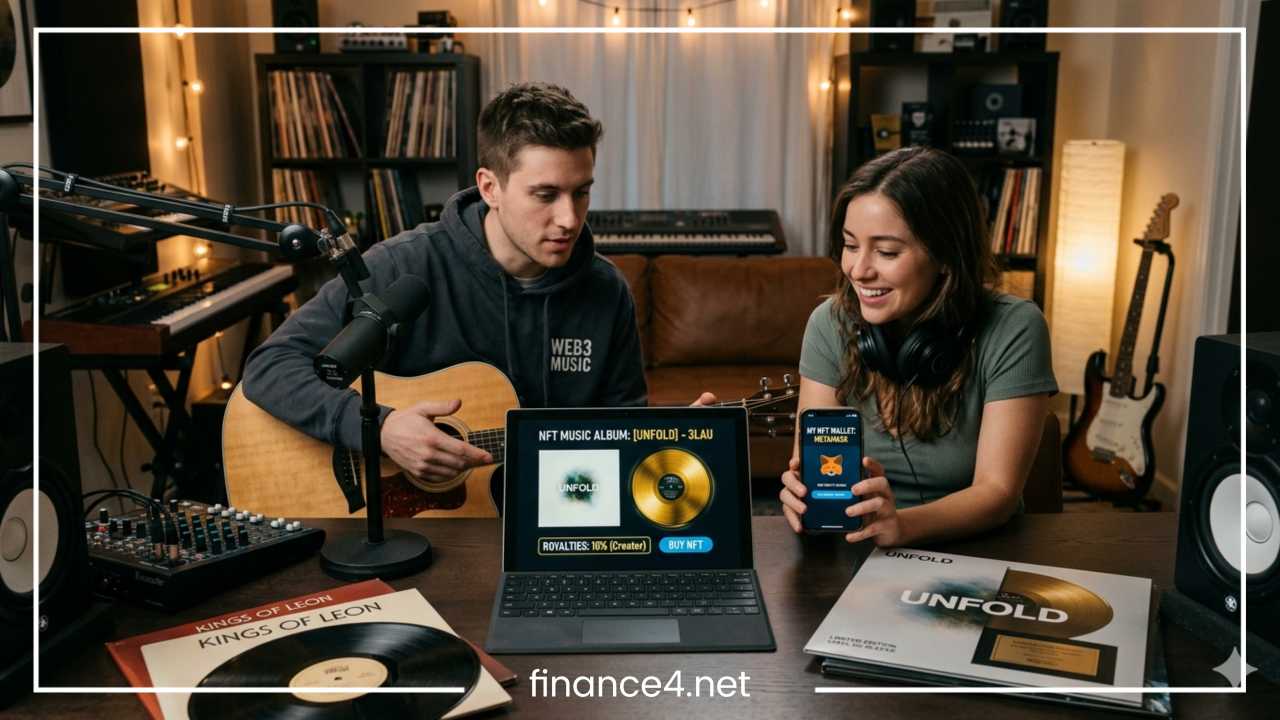
NFT Music Albums and How They Work | A Comprehensive Guide
The music industry has undergone several seismic shifts over the last century, moving from physical vinyl records to cassettes, CDs, and eventually the digital revolution of MP3s and streaming services. While streaming offered unprecedented convenience and access, it also fundamentally changed the economics of music, often leaving artists with fractional payouts for their work. In recent years, a new technological frontier has emerged: the NFT music album.
An NFT music album is a digital collectible that uses blockchain technology to prove ownership and authenticity of musical content. Unlike a digital file on a streaming platform, which a user effectively “rents” for a monthly fee, an NFT album is an asset that a fan can truly own, trade, or sell. This shift represents a transition from a service-based economy to an ownership-based economy, potentially re-balancing the relationship between creators and their audience. High-profile artists like Kings of Leon and Grimes have already pioneered this space, demonstrating that the future of music might be decentralized.
What Are NFTs?
To understand how an NFT music album works, one must first grasp the foundational concepts of Non-Fungible Tokens (NFTs). At its core, an NFT is a unique digital identifier recorded on a blockchain that is used to certify ownership and authenticity. It cannot be copied, substituted, or subdivided.
The term non-fungible is best understood through comparison. A “fungible” asset is something like a dollar bill or a Bitcoin; if you trade one for another, you have exactly the same thing. They are interchangeable. A “non-fungible” asset, however, is unique. Original paintings, real estate deeds, and even birth certificates are non-fungible. In the digital world, NFTs allow us to apply this concept of uniqueness to files that were previously infinitely replicable.
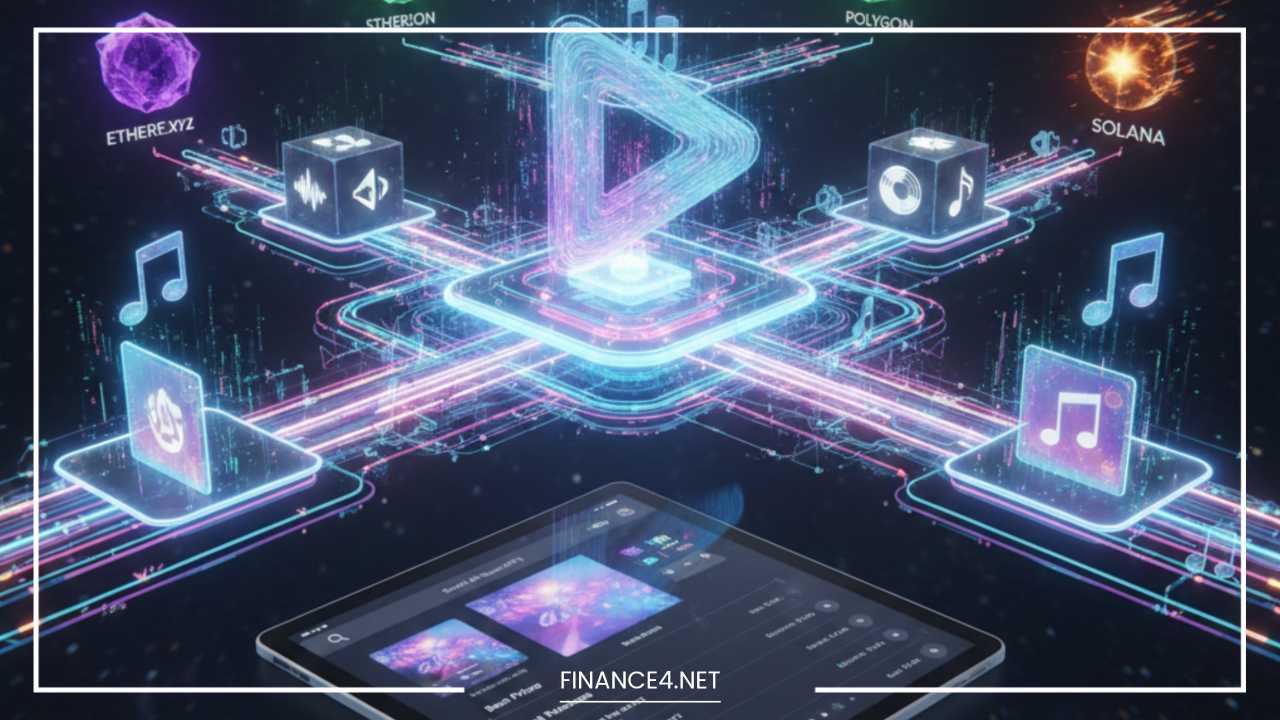
These tokens exist on a blockchain, which is a distributed, decentralized ledger. While Ethereum is the most prominent blockchain for NFTs, others like Solana, Polygon, and Tezos also host significant ecosystems. The magic of the NFT lies in the smart contract. This is a self-executing contract with the terms of the agreement between buyer and seller directly written into lines of code. In the context of music, smart contracts automate everything from the transfer of ownership to the distribution of royalties.
It is crucial to distinguish between ownership and access. When you buy an NFT music album, you own the token representing that specific copy or edition of the music. You do not necessarily own the underlying copyright or the master recording rights (unless explicitly stated), and your ownership does not stop others from listening to the music on streaming platforms. Instead, you own the “original” digital artifact, similar to owning a signed first-edition book while others read the mass-market paperback.
What Is an NFT Music Album?
An NFT music album is the “tokenization” of a collection of songs. Instead of releasing an album solely through a label or a streaming distributor, an artist “mints” the album onto a blockchain. This process creates a digital certificate of the album that includes metadata pointing to the music files, artwork, and other associated benefits.
There are several ways an artist might structure an NFT release:
-
Full Album NFTs: The entire collection of songs is sold as a single token or a small batch of identical tokens.
-
Individual Track NFTs: Each song on the album is released as a separate NFT, allowing fans to collect specific pieces of a larger project.
-
Limited Edition Drops: Artists may release different “tiers” of an album. For example, a “Gold” tier might include the music and digital art, while a “Platinum” tier includes a physical vinyl and a lifetime pass to concerts.
When a fan purchases an NFT album, they typically receive a package of digital assets. This usually includes high-fidelity audio files (WAV or FLAC), digital cover art (often animated or interactive), and “unlockable content.” This bonus content is a major draw, ranging from digital booklets and behind-the-scenes videos to real-world perks like backstage passes, merchandise discounts, or early access to future releases.
How NFT Music Albums Work
The lifecycle of an NFT music album involves several technical and creative steps that differ significantly from traditional distribution.
1. Creation and Minting
The process begins with “minting.” Once the music and artwork are ready, the artist uploads the files to a decentralized storage provider (like IPFS) to ensure the data remains accessible even if a specific website goes down. The artist then uses an NFT platform to create the token on the blockchain. This process requires a “gas fee”—a payment to the network to process the transaction.
2. Platform Selection
Artists must choose where to host their work. General marketplaces like OpenSea or Rarible offer broad reach, but music-specific platforms like Catalog or Sound.xyz provide tools tailored to the needs of musicians, such as specialized audio players and community-building features.
3. Smart Contract Setup
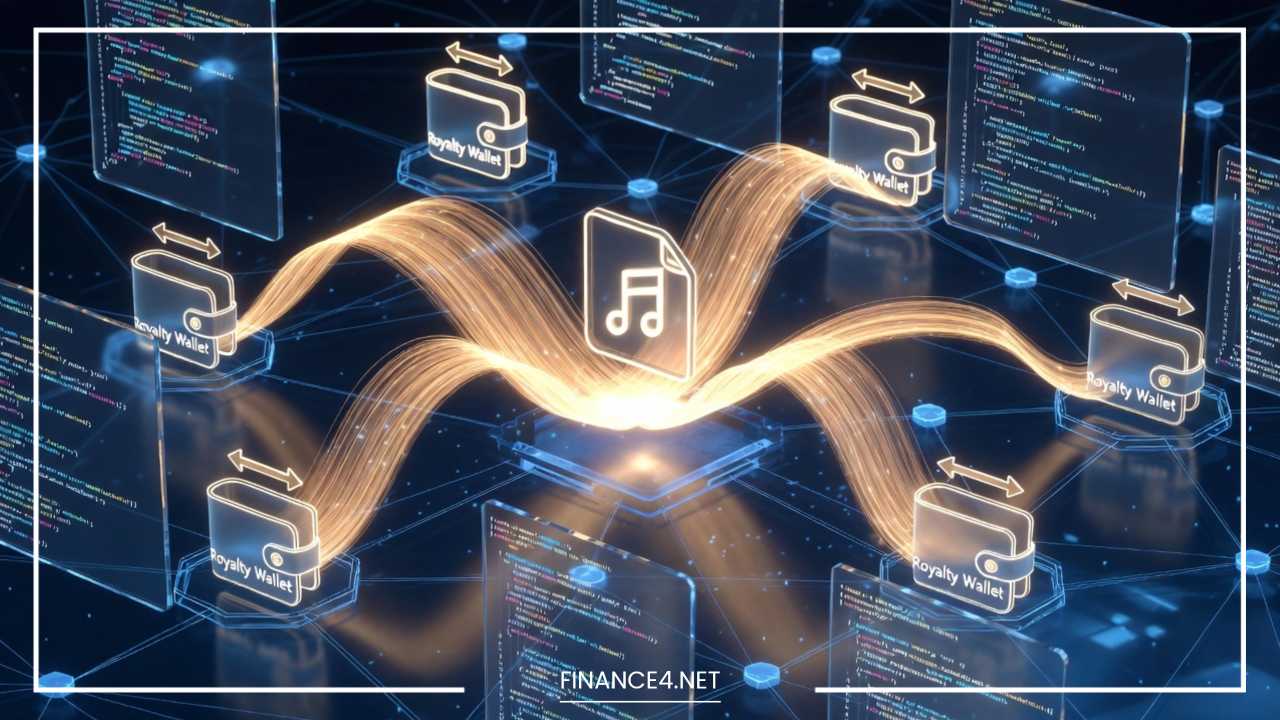
This is perhaps the most revolutionary part of the process. The artist programs the smart contract to dictate the rules of the NFT. Most importantly, they can include a secondary royalty percentage. This means that every time a fan sells the NFT to someone else on a secondary market, a percentage of that sale (often 5% to 10%) is automatically sent back to the artist’s wallet instantly.
4. The Purchase Process
To buy an NFT album, a fan needs a digital wallet, such as MetaMask. They must fund this wallet with the specific cryptocurrency required by the blockchain (e.g., Ether for Ethereum). Once the wallet is connected to a marketplace, the fan can purchase the NFT. The transaction is recorded on the blockchain, and the NFT is transferred to the fan’s wallet.
5. Ownership and Storage
The blockchain serves as a public, immutable record of who owns which NFT. The owner can view their collection in their wallet or on various gallery platforms. Because the record is decentralized, the owner’s proof of purchase is not dependent on any single company staying in business.
6. Resale and Secondary Markets
If the artist’s popularity grows, the value of the limited-edition NFT might increase. The owner can list the NFT for sale on a secondary market. When a new buyer purchases it, the smart contract executes the transfer, pays the seller, and sends the royalty to the original artist, all without the need for a middleman or lawyer.
Benefits for Artists
The traditional music industry is often criticized for its “middleman-heavy” structure. Record labels, distributors, and streaming platforms all take a cut before the money reaches the artist. NFTs offer a compelling alternative.
Direct-to-Fan Monetization is the primary benefit. By selling directly to their core audience, artists can capture a much higher percentage of the revenue. For an independent artist, selling 100 NFT albums at $50 each can generate $5,000—a sum that would require millions of streams on traditional platforms to achieve.
Built-in Royalties solve a historical problem in the arts. Traditionally, an artist only makes money on the first sale of a physical record. If that record becomes a rare collector’s item and sells for thousands of dollars years later, the artist sees none of that profit. With NFTs, the artist is a lifelong participant in the value of their work.
Creative Control and Engagement are also enhanced. NFTs allow artists to experiment with format and delivery. They can build a “token-gated” community where only NFT holders can access a private Discord server or exclusive live-streamed performances. This fosters a deeper sense of connection and loyalty among fans, who become stakeholders in the artist’s success.
Benefits for Fans and Collectors
For the fan, the move toward NFT music albums is about moving from being a passive listener to an active collector.
True Ownership is a significant draw. In the streaming era, if you stop paying your monthly subscription, your library disappears. If a platform loses the rights to an artist’s catalog, those songs vanish from your playlists. With an NFT, you have a permanent digital asset that cannot be taken away from you.
Exclusive Access and Perks turn a music purchase into an experience. Owning an NFT might act as a “digital key” to a physical world. Some artists have used NFTs as lifetime tickets to their shows, or to give fans the right to vote on future setlists or album titles.
There is also the Investment Potential. While music should primarily be enjoyed for its artistic value, the scarcity of NFT albums creates a secondary market. Fans who support an artist early in their career may find that their digital collectibles become valuable assets as the artist gains mainstream fame. This aligns the financial incentives of the fan with the artist.
Challenges and Criticisms
Despite the potential, the NFT music space faces significant hurdles.
Environmental Concerns have been a major point of contention. Some blockchains use a “Proof of Work” consensus mechanism that requires vast amounts of electricity. While many networks have transitioned to “Proof of Stake”—which is significantly more energy-efficient—the carbon footprint of digital assets remains a sensitive topic for both artists and fans.
Market Volatility and Speculation can distract from the art. The prices of cryptocurrencies and NFTs can fluctuate wildly, leading to “bubbles” where people buy assets solely to flip them for a profit rather than out of an appreciation for the music. This speculation can price out genuine fans.
The Accessibility Barrier is another challenge. Setting up a crypto wallet, managing private keys, and understanding gas fees is currently too complex for the average consumer. For NFT albums to go mainstream, the “user experience” needs to be as simple as clicking “play” on a smartphone.
Finally, Legal and Regulatory Uncertainty looms over the industry. Copyright law is still catching up to blockchain technology. Questions about how performance rights organizations (PROs) collect royalties on NFT sales, and how to prevent bad actors from minting music they don’t own, are still being debated in courts and legislatures.
Real-World Examples of NFT Music Albums
Several artists have already proven the viability of the NFT album model.
Kings of Leon were among the first major acts to embrace the technology with their album When You See Yourself. They offered three types of NFTs: one for a special album package, one for live show perks (like front-row seats for life), and one for exclusive audiovisual art. The release generated millions in sales and provided a blueprint for other stadium-level acts.
Tory Lanez released his album When It’s Dark as an NFT, selling one million copies at $1 each. The release sold out in less than a minute, demonstrating that the NFT model doesn’t always have to be about high-priced “whales”; it can also work for mass-market, low-cost distributions.
Snoop Dogg has been one of the most vocal proponents of Web3 music. Since acquiring Death Row Records, he has signaled a move toward making the label an NFT-first operation. He has integrated his music into virtual worlds and released “Stash Box” NFTs that offer fans a variety of digital and physical rewards.
These examples show that NFTs are not a “one size fits all” solution. They can be used for elite collectibles, mass-market releases, or as the foundation for an entire record label’s business model.
NFT Music Platforms and Ecosystem
The ecosystem for NFT music is growing rapidly, with different platforms catering to different niches.
General Marketplaces:
-
OpenSea: The largest general NFT marketplace. It is a good place for discovery but lacks music-specific features.
-
Rarible: A community-owned platform that supports multiple blockchains and offers easy minting tools.
Music-Specific Platforms:
-
Sound.xyz: Focuses on “drops” where fans can comment on specific parts of a song, creating a “social” listening experience tied to ownership.
-
Catalog: A platform for 1-of-1 digital records, positioning music as fine art.
-
Audius: A decentralized streaming protocol that allows artists to share their music and earn tokens, bridging the gap between streaming and Web3.
These platforms are part of the broader Web3 movement, which aims to create a more decentralized internet where users, not corporations, own their data and digital assets.
How to Buy an NFT Music Album: A Step-by-Step Guide
If you are interested in starting a digital record collection, here is a simplified process:
-
Set Up a Wallet: Download a browser extension or mobile app like MetaMask or Coinbase Wallet. This will be your “digital pocket” for your crypto and NFTs.
-
Buy Cryptocurrency: You will need to purchase the native currency of the blockchain the album is hosted on (usually Ethereum). You can buy this through an exchange and send it to your wallet address.
-
Choose a Marketplace: Visit a site like Sound.xyz or OpenSea and connect your wallet using the “Connect” button on the site.
-
Evaluate the NFT: Before buying, look at the “provenance” (history) of the NFT to ensure it was actually minted by the artist. Check what “utilities” or perks come with the purchase.
-
Purchase and Store: Click “Buy” or “Place a Bid.” Once the transaction is confirmed, the NFT will appear in your wallet. It is essential to keep your “seed phrase” (your wallet’s password) safe and never share it with anyone.
The Future of NFT Music Albums
Looking ahead, the integration of NFTs with other emerging technologies will likely deepen.
The Metaverse and Virtual Concerts: In the future, your NFT album might not just be a file on your phone; it could be a physical object your avatar displays in a virtual home, or a “ticket” that allows you to enter a private virtual concert hall.
Token-Gated Communities: We are moving toward a “social token” model where owning an artist’s NFT makes you part of a private club. This could replace traditional fan clubs, providing a more secure and transparent way to manage memberships.
AI and Generative Music: There is growing interest in NFTs that change over time. Imagine an NFT album that uses AI to subtly change the arrangement of a song based on the time of day you listen to it, or a “generative” album where every buyer gets a slightly unique version of the tracks.
While mainstream adoption will require easier interfaces and lower costs, the core value proposition—returning power to artists and true ownership to fans—is a powerful force that is unlikely to disappear.
Comparison: Streaming vs. NFT Ownership
| Feature | Streaming Services | NFT Music Albums |
| Ownership | User rents access; no ownership | True digital ownership |
| Artist Pay | Fractions of a cent per stream | Large upfront payment + resale royalties |
| Resale | Not possible | Can be sold on secondary markets |
| Scarcity | Infinite copies available | Limited, verifiable editions |
| Extras | Audio only (usually) | Audio, art, and “unlockable” perks |
| Access | Requires monthly subscription | One-time purchase |
Final Thoughts
NFT music albums represent a significant evolution in how we value and consume art in the digital age. By leveraging blockchain technology, they address long-standing issues of artist compensation, digital scarcity, and fan engagement. While the technology is still in its early stages and faces challenges regarding complexity and regulation, the shift toward a decentralized music economy offers an optimistic vision for the future.
For artists, it is a tool for independence and sustainable income. For fans, it is a way to truly “hold” a piece of music history and support the creators they love in a meaningful way. As the digital and physical worlds continue to blur, the NFT album stands as a bridge toward a more equitable and interactive musical landscape.
Glossary of Terms
-
Blockchain: A digital, decentralized ledger that records all transactions across a network of computers.
-
Gas Fees: The cost paid to the blockchain network to process a transaction or “mint” an NFT.
-
Minting: The process of turning a digital file into a unique token on the blockchain.
-
Smart Contract: A self-executing code on the blockchain that manages the rules of an NFT (like royalty splits).
-
Wallet: A digital tool that allows users to store and manage their cryptocurrencies and NFTs.
Frequently Asked Questions
Does owning an NFT mean I own the copyright?
Generally, no. You own the specific digital copy, but the artist usually retains the copyright and the right to distribute the music elsewhere unless the contract specifically transfers those rights.
Can I listen to an NFT album without an internet connection?
Yes, most NFT albums allow the owner to download high-quality audio files (like WAV or MP3) to their local devices for offline listening.
What happens if the marketplace goes out of business?
Because the ownership record is on the blockchain and the files are typically stored on decentralized systems like IPFS, your proof of ownership remains intact even if the website where you bought it disappears.