How to Manage Multi-Chain Liquidity
 by
by 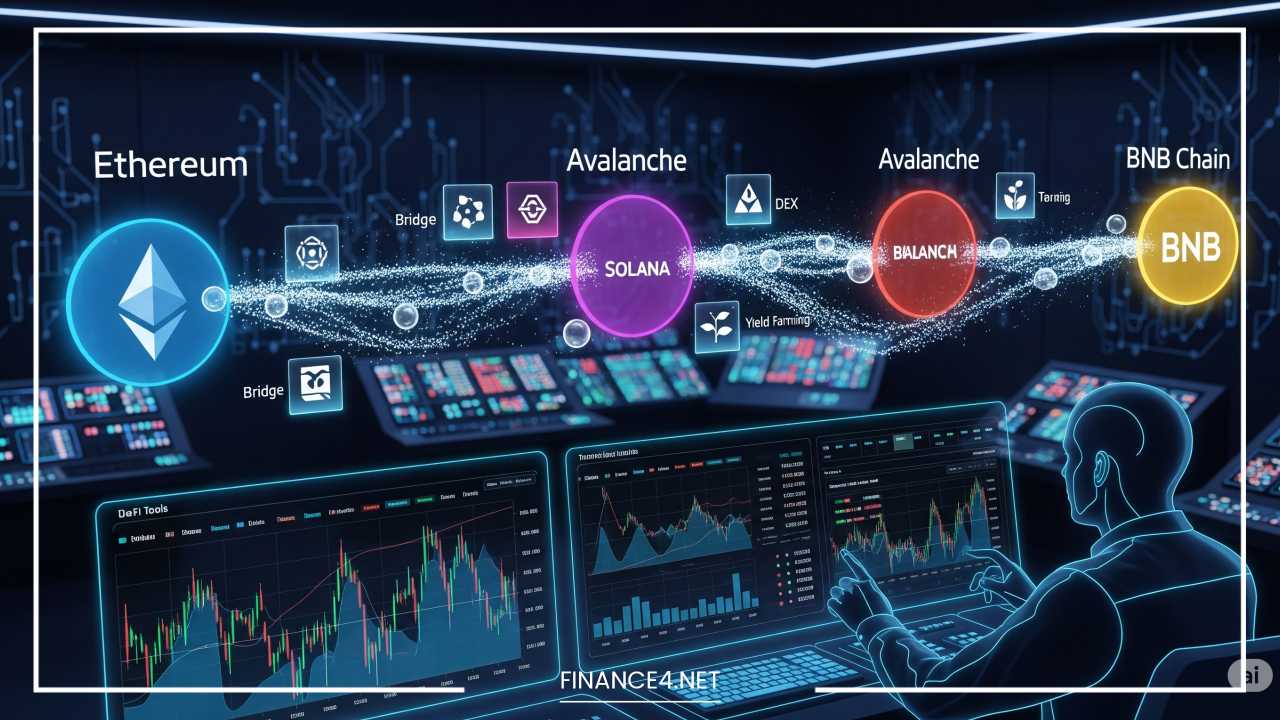
How to Manage Multi-Chain Liquidity | Strategies for Cross-Chain DeFi
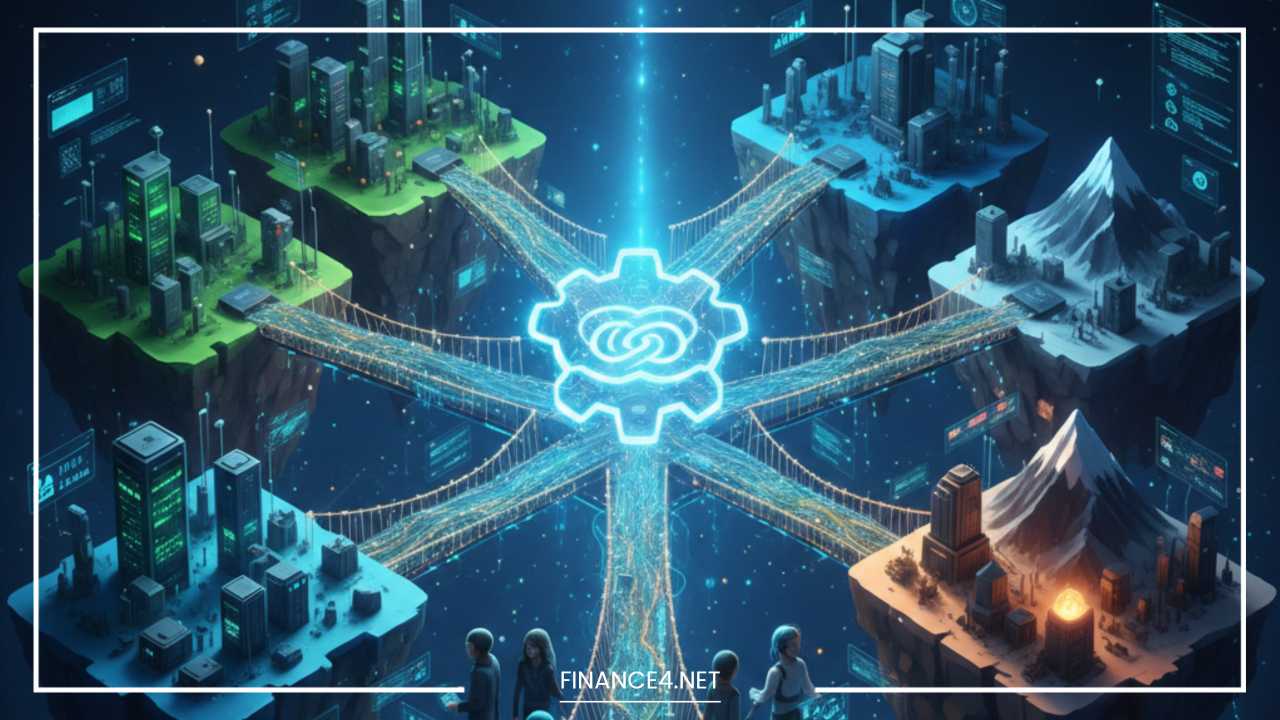
The world of decentralized finance (DeFi) is rapidly expanding, moving beyond its Ethereum-centric roots to a vast, multi-chain ecosystem. With the emergence of high-performance chains like BNB Chain, Solana, and Avalanche, as well as Layer 2 (L2) scaling solutions such as Arbitrum and Optimism, the once-unified liquidity of DeFi has become fragmented across dozens of independent networks. This fragmentation presents both a major challenge and a significant opportunity. For a user, it means navigating a complex maze of bridges and protocols, each with its own risks and high costs.
For a liquidity provider or a protocol, it means an inability to efficiently deploy and utilize capital where it’s needed most. Mastering the art of managing multi-chain liquidity is no longer a niche skill but a fundamental requirement for anyone looking to thrive in the modern DeFi landscape.
What is Multi-Chain Liquidity?
At its core, liquidity in DeFi refers to the ease with which a crypto asset can be converted into another without a significant change in price. On a decentralized exchange (DEX), this is made possible by liquidity pools—smart contracts that hold a pair of tokens, like ETH and USDC, to facilitate trades. Liquidity providers (LPs) deposit these tokens into a pool and earn a portion of the trading fees generated.
The problem arises from the siloed nature of blockchains. Each chain, with its unique consensus mechanism and security model, acts as an independent island. When a DeFi protocol or a DEX launches on a new chain, it has to create a new, separate liquidity pool. This leads to liquidity fragmentation, where the total value locked (TVL) for a given asset is scattered across multiple chains. For example, there isn’t one universal pool for wrapped Bitcoin (wBTC); instead, there are separate pools on Ethereum, Arbitrum, Solana, and others. This differs from cross-chain liquidity, a more advanced concept where a single, unified pool of liquidity can be accessed and utilized across multiple chains simultaneously. While true cross-chain liquidity is still in its infancy, the tools and protocols discussed below are building the infrastructure to make it a reality.
The importance of managing multi-chain liquidity cannot be overstated. For traders, fragmented liquidity leads to slippage—the difference between the expected price of a trade and the price at which it’s executed—especially for large orders. For LPs, it means they must constantly monitor different chains to find the best yield opportunities, often locking up capital inefficiently. For protocols, it hinders their ability to grow and offer competitive services to a global user base.
Key Challenges in Managing Multi-Chain Liquidity
The multi-chain world, while full of opportunity, is also fraught with risk and complexity. Understanding these challenges is the first step toward effective management.
- Bridging Risks: The most common way to move assets between chains is via a bridge. These can be either centralized (relying on a trusted third party) or decentralized (using a network of validators or a smart contract-based lock/mint mechanism). Both have been major targets for hackers, with billions lost in exploits. Centralized bridges are vulnerable to single points of failure, while decentralized ones can have vulnerabilities in their smart contracts or validator networks. Due diligence is essential before using any bridge.
- Impermanent Loss Across Chains: Impermanent loss (IL) is a well-known risk for LPs, but it’s compounded in a multi-chain environment. The price of a token can fluctuate differently on each chain due to arbitrage and varying liquidity. This means an LP who moves assets from one chain to another might experience greater impermanent loss than if they had simply held their assets.
- Smart Contract Vulnerabilities: The more protocols and bridges you interact with, the higher your exposure to smart contract risk. An unaudited or poorly coded contract can be a ticking time bomb, leading to the loss of all deposited funds. This risk is particularly acute with new or lesser-known protocols that may not have undergone rigorous security audits.
- Gas Fees and Network Congestion: Navigating between chains often involves high transaction costs, particularly on Ethereum mainnet. If you need to bridge assets and then deposit them into a liquidity pool on another chain, the cumulative gas fees can eat significantly into your potential profits, especially for smaller capital amounts.
- Slippage and Arbitrage Issues: Liquidity fragmentation creates a breeding ground for arbitrage opportunities. While this is a healthy market mechanism, it can be detrimental to LPs and traders. A large trade on one chain can cause the price of an asset to change, and if liquidity isn’t deep enough, a user can experience significant slippage, only for the price to be quickly rebalanced by an arbitrage bot.
Tools & Protocols for Multi-Chain Liquidity Management
Fortunately, a new generation of protocols is emerging to solve these fragmentation issues. These tools can be broadly categorized as bridges, cross-chain DEXes, and liquidity aggregators.
- Bridging and Interoperability Protocols:
- Synapse Protocol: A cross-chain communication network that enables the seamless movement of assets and data between different chains. It uses a trust-minimized, optimistic model for validating transactions.
- Hop Protocol: Designed for fast, low-cost asset transfers between Ethereum and its L2s. Hop uses a network of “bonders” who provide liquidity to facilitate rapid transfers, earning fees in the process.
- LayerZero: A generalized messaging protocol that allows dApps to communicate with each other across chains. It enables protocols to build their own cross-chain functionality, such as unified liquidity pools, without relying on a centralized intermediary.
- Axelar: A decentralized network designed to connect all blockchains. It uses a proof-of-stake consensus mechanism with a network of validators who relay and validate cross-chain messages, allowing for generalized cross-chain communication.
- Cross-Chain DEXes & Aggregators:
- Osmosis: A sovereign DEX built on the Cosmos SDK. It specializes in inter-chain swaps, allowing users to trade assets from different Cosmos-based blockchains without bridging.
- UniswapX: An emerging solution that introduces a new order-routing mechanism. It allows users to make gas-free swaps that are filled by a network of “fillers,” who can route the trade across multiple chains to get the best price.
- LI.FI: A bridging aggregator that finds the most efficient and secure routes for cross-chain swaps. It acts as a single interface, allowing users to transfer assets between hundreds of chains by routing through the most optimal bridge or DEX.
- Rango Exchange: A similar aggregator that finds the best path for a multi-chain swap. It connects to various bridges and DEXes, offering users a single interface to execute complex cross-chain transactions while minimizing costs and slippage.
These protocols work in concert to address liquidity fragmentation. Bridges and interoperability protocols create the foundational layers for communication, while cross-chain DEXes and aggregators provide the user-facing tools to execute trades and manage liquidity efficiently.
Strategies for Managing Liquidity Across Chains
Navigating the multi-chain landscape requires a strategic approach to maximize returns and mitigate risks.
- Using Bridges Effectively and Securely: Before moving assets, always do your homework. Check the bridge’s security audits, TVL, and recent activity. For large amounts, it’s often wise to use well-established bridges with proven track records. A key strategy is to use a bridge aggregator like LI.FI, which abstracts away the complexity and automatically selects the most secure and liquid route for your transaction.
- Deploying Capital Efficiently Across Chains: The days of simply farming on one chain are over. A successful multi-chain LP needs to be agile, deploying capital where demand and yield are highest. This requires constant monitoring of on-chain data and analytics. You may find that a new L2 is offering high incentives for a specific token pair, making it worthwhile to bridge your assets and participate.
- Liquidity Provisioning on Cross-Chain DEXes: Protocols like Osmosis and the upcoming UniswapX are making it easier to be a cross-chain LP. Instead of a manual bridging process, you can provide liquidity in a unified or “omnichain” pool. This allows your capital to be used for trades across different networks, earning you a share of the fees from multiple sources.
- Automated Liquidity Rebalancing: Manually rebalancing your liquidity across chains is time-consuming and expensive due to gas fees. Automated tools, often in the form of yield vaults or bots, can do this for you. Protocols like Yearn Finance or Beefy Finance offer vaults that automatically move your liquidity to the highest-yielding opportunities across a number of chains. This abstracts away the complexity and high costs of manual management.
- Arbitrage Strategies and Risks: Savvy users can take advantage of price inefficiencies across different DEXes and chains. An arbitrage bot can detect a price difference for a token on two different chains, bridge the token, and execute a trade to profit from the spread. While potentially lucrative, this is a high-risk, high-skill endeavor that requires significant technical knowledge and capital.
Yield Farming & Staking Across Chains
The pursuit of yield is a major driver of multi-chain activity. By participating in yield farming and staking, you can put your crypto to work and earn passive income.
- Finding High-Yield Opportunities: The first step is to identify where the best returns are. Tools like DeFi Llama and APY.vision are invaluable for this. They provide a comprehensive overview of the TVL and APR/APYs of protocols across various chains, allowing you to compare returns and find the most attractive opportunities.
- Risks of Yield Chasing: While high APRs can be tempting, they often come with significant risks. New protocols offering sky-high yields may be unaudited and susceptible to hacks or “rug pulls.” A rug pull is a malicious act where developers drain the liquidity from a protocol, leaving LPs with worthless tokens. Always prioritize security and stick to reputable, well-audited protocols, even if the yields are slightly lower.
- Monitoring Tools: In a multi-chain world, it’s easy to lose track of your assets. Dedicated portfolio trackers like Zapper or DeBank provide a unified dashboard to monitor your holdings, positions, and rewards across multiple chains and protocols. This is critical for making informed decisions and managing your risk exposure.
Risk Management & Security Best Practices
Security is the most critical aspect of managing multi-chain liquidity. The fragmented nature of the ecosystem introduces new attack vectors and vulnerabilities.
- Due Diligence on Bridges and Protocols: Never interact with a bridge or protocol without thorough research. Check if the code has been audited by a reputable firm like CertiK or PeckShield. Look for signs of a strong community and a transparent team. Avoid protocols with anonymous teams or those that promise unrealistic, unsustainable returns.
- Using Hardware Wallets and Multisigs: For any significant amount of capital, a hardware wallet is non-negotiable. It keeps your private keys offline, protecting them from online threats. For protocols or teams, a multi-signature (multisig) wallet adds another layer of security by requiring multiple approvals for any transaction, preventing a single point of failure.
- Insurance Protocols: Even with the best security practices, smart contract risks persist. Protocols like Nexus Mutual offer decentralized insurance for smart contract failures. You can purchase coverage for your deposits in a liquidity pool or a lending protocol, providing a financial safety net in case of a hack.
- Monitoring Tools for Cross-Chain Activity: Tools that provide real-time monitoring of on-chain activity are becoming increasingly important. Setting up alerts for large transactions or unusual contract interactions can give you an early warning sign of a potential exploit.
The Future of Multi-Chain Liquidity
The current multi-chain landscape, while complex, is a necessary step toward a truly interoperable Web3 ecosystem. The future is being built today, and it will be defined by three key trends.
- Growth of Interoperability Protocols: The evolution from simple bridges to generalized messaging protocols like LayerZero and Chainlink’s CCIP is a major step forward. These protocols will enable a future where dApps can communicate and share liquidity natively, without needing to create new instances on every chain.
- The Role of L2s and Rollups: L2s are changing the game by offering a cost-effective way to scale Ethereum. As more L2s emerge, interoperability between them will become a core focus. Solutions like ZK-Rollups, which provide cryptographic proofs of cross-chain activity, will enhance security and efficiency.
- Emergence of Unified Liquidity Layers: The ultimate goal is a user experience that abstracts away the underlying chain. This concept, sometimes called “chain abstraction”, means a user can interact with an application and a single liquidity pool without even knowing which chain their funds are on. This will be made possible by unified liquidity layers and protocols that can seamlessly route transactions and access liquidity from anywhere in the ecosystem. This future promises to make DeFi more accessible, more efficient, and more secure than ever before.
Final Thoughts & Key Takeaways
Managing multi-chain liquidity is a complex but essential skill for anyone serious about DeFi. The challenges of fragmentation, bridging risks, and security vulnerabilities are real, but a new wave of protocols and strategies are providing the tools to overcome them.
To succeed, you must embrace a mindset of constant research and vigilance. Start small, experiment with reputable protocols, and always prioritize security over chasing the highest yield. The current multi-chain world is in a state of flux, and by staying informed about the latest tools and best practices, you can confidently navigate this exciting and ever-evolving landscape. The future of DeFi is multi-chain, and those who master its complexities will be at the forefront of the decentralized financial revolution.