Top NFT Metaverse Events
 by
by 
Top NFT Metaverse Events | Best Virtual Experiences & Gatherings
The digital landscape is undergoing a profound transformation, driven by the convergence of two revolutionary technologies: Non-Fungible Tokens (NFTs) and the Metaverse. Once confined to the realm of science fiction, the Metaverse is rapidly evolving into a shared, persistent virtual space where users can interact, socialize, and conduct business. At the heart of this burgeoning digital economy are NFTs, unique digital assets that provide verifiable ownership and authenticity. This fusion has given rise to a new frontier of digital interaction: NFT metaverse events. These events transcend the limitations of physical gatherings, creating immersive experiences that are reshaping everything from art exhibitions and fashion shows to music festivals and business conferences.
They represent a paradigm shift in how we engage with content, build communities, and create value in a decentralized world. For both creators and consumers, these virtual events are not just a trend—they are the new frontier of digital culture and commerce.
What Are NFT Metaverse Events?
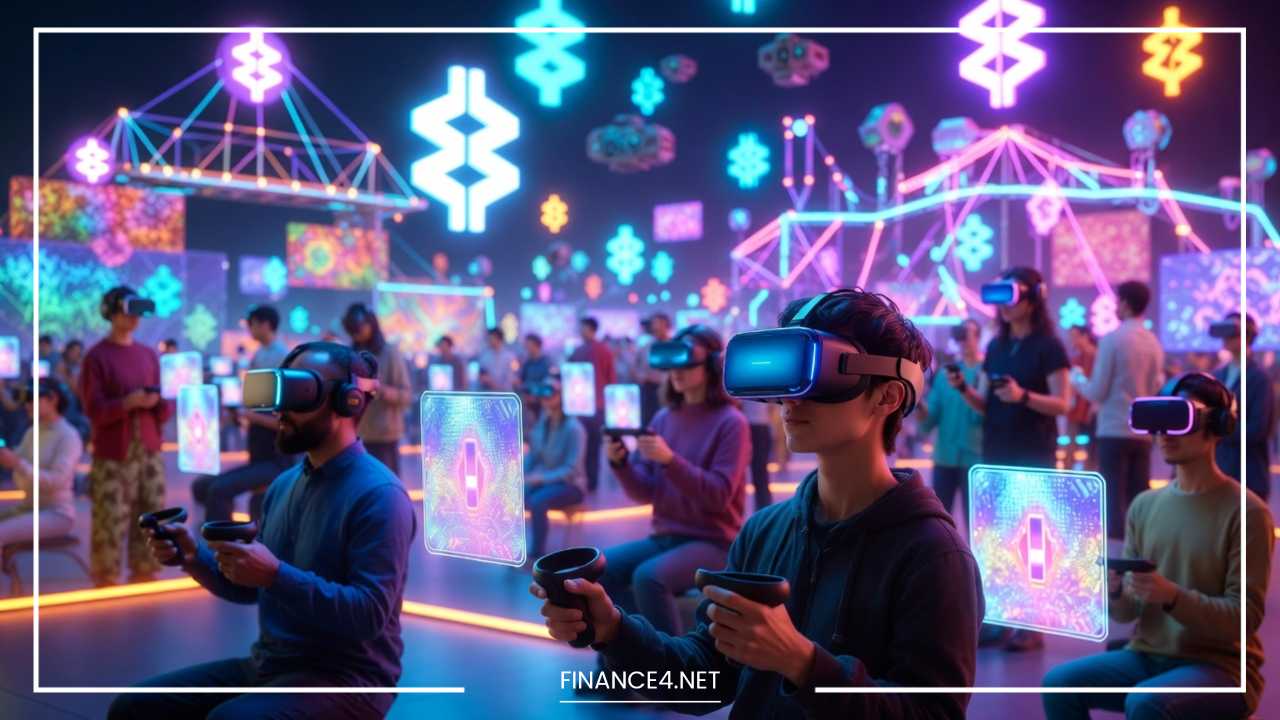
NFT metaverse events are interactive, real-time gatherings held within a shared virtual world. Unlike traditional online events, they offer a sense of presence and immersion, allowing participants to use personalized avatars to explore virtual venues, interact with others through spatial audio, and engage with digital assets. These events are powered by blockchain technology, with NFTs playing a central role in their functionality. The most common types of NFT metaverse events include:
- Virtual Concerts and Music Festivals: Artists perform for a global audience in a digital venue, often selling exclusive NFT merchandise or access passes.
- Art Exhibitions and Gallery Openings: Digital artists showcase their work in virtual galleries, where visitors can view and purchase NFTs directly from the platform.
- Fashion Shows: Major brands present digital clothing lines and accessories that can be bought as NFTs and worn by avatars.
- Conferences and Trade Shows: Businesses and creators host virtual booths, present keynote speeches, and network with attendees in a gamified environment.
- Land and Property Auctions: Virtual real estate in platforms like Decentraland and The Sandbox is often sold through competitive auctions, where each plot of land is a unique NFT.
These events are designed to be engaging and interactive, blurring the lines between passive consumption and active participation.
Why Attend NFT Metaverse Events?
Attending these events offers benefits that go beyond a simple screen-based experience. They provide a unique blend of networking, exclusivity, and immersive learning opportunities.
- Networking: The spatial and social nature of the metaverse facilitates organic networking. Attendees can approach and chat with others in real-time, just as they would at a physical event, making it easier to forge connections with artists, collectors, developers, and fellow enthusiasts from around the globe.
- Exclusive Access: Many events use NFTs as digital tickets or VIP passes. Owning a specific NFT can grant you exclusive access to private concerts, behind-the-scenes content, limited-edition digital wearables, or special meet-and-greets with creators. This creates a tiered system of access and rewards, adding a layer of gamified value for participants.
- Educational and Immersive Benefits: Metaverse events serve as a living laboratory for the future of the internet. They offer firsthand experience with Web3 technologies, allowing users to learn about blockchain, NFTs, and virtual economies in an engaging, hands-on manner. The immersive nature of these events, often experienced through VR headsets or desktop clients, makes learning more memorable and impactful than a flat, two-dimensional webinar.
Popular Metaverse Platforms Hosting NFT Events
The rise of metaverse events is intrinsically linked to the platforms that host them. Each platform offers a unique aesthetic and set of tools for creators and users.
- Decentraland: One of the most prominent decentralized virtual worlds, Decentraland is famous for its large-scale events. Built on the Ethereum blockchain, it has hosted major annual festivals like the Metaverse Festival, featuring performances from real-world musical artists. It’s a popular hub for art galleries, including the Museum of Digital Art (MoDA), and has even hosted a full-fledged Metaverse Fashion Week where major brands showcased their collections. The platform’s open nature allows for a wide variety of user-created events.
- The Sandbox: Known for its voxel-based, blocky aesthetic reminiscent of Minecraft, The Sandbox has become a go-to platform for brand collaborations and artist showcases. It has partnered with major brands like Adidas and celebrities to create custom experiences and virtual lands. Artists often host showcases in their own LAND parcels, and The Sandbox team regularly organizes game jams and contests with NFT rewards, encouraging creators to build and monetize their own experiences.
- Cryptovoxels (now Voxels): With its simpler, more accessible building tools, Cryptovoxels has long been a favorite for individual artists and small communities. It’s a thriving hub for digital art galleries and impromptu events. Its focus on user-generated content and a more minimalist design makes it a great entry point for those looking to host or attend a more intimate metaverse gathering.
- Somnium Space: This platform is notable for its VR-first approach, offering a highly immersive experience. Users can build their own custom worlds and avatars, and its events often feel more like a true virtual reality gathering. Somnium Space has hosted everything from musical performances to developer meetups, leveraging its advanced graphics and VR integration to create a more realistic sense of presence.
- Other Notable Platforms: Newer platforms like Spatial and Horizon Worlds are also gaining traction, with Spatial focusing on creating professional and collaborative spaces, and Horizon Worlds (by Meta) aiming for a more social and community-driven experience. These platforms are expanding the reach of metaverse events to a broader audience.
Top NFT Metaverse Events in 2024-2025
The past two years have seen a surge in high-profile metaverse events that have captured the global imagination. These gatherings are not just a virtual replica of their physical counterparts; they are entirely new experiences, pushing the boundaries of technology and creativity.
1. NFT.NYC (Virtual Component): While NFT.NYC is primarily a physical event, it has successfully integrated a robust virtual component within the metaverse. This hybrid model allows for global participation, extending the reach of keynotes, panel discussions, and art showcases to a worldwide audience. In 2024, the virtual arm of NFT.NYC hosted talks on topics ranging from the future of decentralized identity to the role of AI in generative art. Attendees could navigate a virtual New York City, dropping into different virtual venues to watch livestreams of the main stage, network with other avatars, and explore digital art exhibitions. The 2025 event is expected to further enhance this integration, with more exclusive virtual-only content and interactive elements.
2. Metaverse Fashion Week (MVFW): This annual, multi-day event in Decentraland has quickly become a landmark in the digital fashion world. It’s a spectacular showcase where both traditional luxury houses and digital-native brands unveil their latest collections. For the first time, major names like Dolce & Gabbana, Tommy Hilfiger, and Forever 21 have presented virtual runway shows. Avatars of attendees filled the front rows, and the digital garments shown were often available for purchase as NFTs, allowing users to “wear” the new looks on their avatars. The 2025 MVFW is anticipated to introduce even more advanced virtual reality features, interactive showrooms, and a wider range of brands, from high couture to streetwear.
3. Decentraland’s Metaverse Festival: As one of the earliest and most successful metaverse festivals, Decentraland’s Metaverse Festival has set the standard for virtual music events. Previous iterations have featured performances from big-name artists like Grimes, Paris Hilton, and Deadmau5. The festival is more than just a series of concerts; it’s a full-scale cultural event complete with a main stage, VIP lounges, and digital art installations. Attendees could create and customize their avatars, explore the festival grounds, and interact with the environment. The 2024 festival built on this success with an even larger lineup and a focus on token-gated experiences, where specific NFTs granted access to exclusive areas and after-parties.
4. The Sandbox Artist Showcases: The Sandbox has become a hotbed for individual creators and brands to host smaller, but highly impactful, showcases. Their events are often focused on the platform’s unique voxel style, with artists building intricate, immersive experiences. For example, the “Voxelverse” showcases bring together a community of builders and artists to display their creations, from detailed architectural builds to interactive games. These events are not about a single large performance, but rather a series of smaller, community-driven gatherings that highlight the creativity of the platform’s user base. The Sandbox has also used these showcases to launch partnerships, such as their collaboration with The Smurfs, which saw the creation of an entire Smurf-themed village and adventure game within the metaverse.
5. Other Notable Events:
- The NFT Awards: This event, often a hybrid of physical and virtual components, recognizes the best projects, creators, and community members in the NFT space. The virtual ceremony in the metaverse allows for a more interactive and global celebration.
- VRLA (Virtual Reality Los Angeles): While not exclusively an NFT event, VRLA has a significant metaverse and Web3 presence. It is a key gathering for developers and enthusiasts to test new VR technologies and discuss the future of immersive content, including how NFTs will integrate with next-generation experiences.
- “The Otherside” by Yuga Labs: This may not be an event in the traditional sense, but the highly anticipated launch of Yuga Labs’ “Otherside” metaverse, which included a series of interactive demonstrations and NFT drops, was one of the most significant moments in the space. It demonstrated the power of a major NFT collection to create a deeply engaging, lore-driven metaverse experience for its community.
These top events illustrate the diversity and maturity of the metaverse event space. They show that virtual gatherings can be just as, if not more, engaging and impactful than their physical counterparts, especially when combined with the unique ownership and community-building capabilities of NFTs.
How to Participate in NFT Metaverse Events
Participating in a metaverse event might seem daunting at first, but the process has become more streamlined. Here’s a basic guide to get you started:
- Set Up a Cryptocurrency Wallet: Your wallet is your identity and your key to the metaverse. MetaMask is the most common choice, as it is a non-custodial wallet that can connect to most platforms. You will need to fund it with the native cryptocurrency of the platform you plan to visit (e.g., MANA for Decentraland, SAND for The Sandbox).
- Create an Avatar and Profile: Once your wallet is set up, you can connect it to the platform of your choice. Most metaverses allow you to create a free avatar and a simple profile. This digital representation of you will be your primary means of interaction. You can often customize your avatar with NFT wearables, which you can purchase or earn.
- Navigate the Platforms: Before a major event, take some time to explore the platform. Use the in-world map to find event venues and key locations. Learn the basic controls for movement and interaction. Many platforms have a “walk-through” or tutorial for new users.
- Obtain Tickets and Access: For some events, all you need to do is show up. For others, particularly exclusive ones, you may need an NFT “ticket” or “pass.” These are often sold on platforms like OpenSea. You can also follow event organizers on social media and Discord for announcements and free NFT drops that grant access. Keep in mind that for many events, you don’t need a VR headset; most can be accessed directly from a desktop browser.
The Role of NFTs in Shaping Metaverse Events
NFTs are far more than just digital collectibles in the metaverse; they are the fundamental building blocks of its economy and social structure.
- Economic Models: NFTs enable a true digital economy. Creators can mint and sell virtual goods, from clothing and art to tools and land, allowing them to monetize their work directly. This creates a creator-centric ecosystem where value flows from person to person without a centralized intermediary. Events, in particular, become key moments for these economic exchanges, driving demand for new and exclusive NFT drops.
- NFT Ticketing and Merchandise: This is one of the most powerful use cases for NFTs in the event space. An NFT ticket is a verifiably unique, unforgeable digital asset. It not only grants access but can also serve as a collectible memento of the event, and even provide ongoing benefits like future discounts or access to a closed community. Artists can also sell exclusive NFT merchandise, such as digital posters or album art, that can be showcased in an attendee’s digital wallet.
- Creator Monetization: NFTs empower artists and developers to earn royalties on secondary sales of their digital assets. This ensures that a portion of the value of an item returns to its original creator every time it is resold, providing a sustainable income stream and incentivizing long-term creativity. This model is a significant departure from traditional digital sales, where a creator’s income is often limited to the initial transaction.
Success Stories and Highlights
The history of NFT metaverse events is already filled with memorable moments and groundbreaking collaborations.
- Snoop Dogg’s “Snoopverse” Party: Snoop Dogg famously collaborated with The Sandbox to create “Snoopverse,” a virtual world where he hosted a party. The event was a massive success, with fans paying to attend and owning virtual land adjacent to his plot. This showcased how a major celebrity could leverage the metaverse to create a unique, monetizable experience that extends their brand into the digital realm.
- Gucci and The Sandbox: Luxury fashion house Gucci has made a significant impact in the metaverse. In a notable collaboration with The Sandbox, they created the “Gucci Vault” experience, an immersive space where users could purchase rare, vintage Gucci items as NFTs. The partnership demonstrated how high-end brands can translate their exclusivity and value into the digital world.
- The World’s First Metaverse Wedding: In a testament to the platform’s social potential, a couple held the world’s first-ever metaverse wedding on Decentraland. Guests from around the world attended in avatar form, and the virtual ceremony and after-party were a viral sensation. This event highlighted the human connection and community-building potential of these platforms.
Challenges and Criticisms
Despite their rapid growth, NFT metaverse events are not without their challenges.
- Technical Issues: A seamless experience can be difficult to achieve. Server lag, connectivity issues, and complex interfaces can be a major barrier, particularly for new users. As platforms scale to accommodate thousands of concurrent users, maintaining a stable and responsive environment is a constant struggle.
- Entry Barriers: The high cost of entry can be a significant deterrent. This includes not only the price of purchasing a VR headset but also the expense of acquiring the native cryptocurrency and potentially expensive NFTs for access or digital assets. This financial barrier limits the widespread adoption and makes the space feel exclusive to a select few.
- Environmental Concerns: The energy consumption of certain blockchains, particularly Ethereum’s previous proof-of-work model, has been a major point of criticism. While many platforms are moving to more energy-efficient proof-of-stake models, the environmental impact of large-scale virtual worlds remains a concern for some users and creators.
Future of NFT Metaverse Events
The future of NFT metaverse events is poised for remarkable growth and innovation.
- Growth Predictions: Analysts predict a massive increase in the number and scale of metaverse events in the coming years. As technology improves and more brands enter the space, these virtual gatherings will become a standard part of the marketing and community-building strategies for a wide range of industries, from entertainment and retail to education and corporate training.
- Technological Innovations: We can expect to see major leaps in technology, including more realistic graphics, haptic feedback suits for a true sensory experience, and more seamless interoperability between different platforms. AI will play an increasingly important role, powering intelligent avatars and creating dynamic, personalized experiences for attendees.
- Digital Economy Integration: The metaverse will become more deeply integrated with the real-world economy. We will see more instances of NFTs acting as bridges between the digital and physical worlds—for example, an NFT ticket that grants you both virtual access and a real-world concert ticket, or a digital wearable that comes with a physical twin.
Final Thoughts
NFT metaverse events are a testament to the power of a decentralized, creator-driven internet. They are not just an alternative to physical events; they are a new medium of expression and interaction, offering unparalleled opportunities for global networking, creative monetization, and immersive experiences. While challenges related to technology, cost, and environmental impact persist, the ongoing innovation and growing adoption of these platforms signal a bright future. The convergence of NFTs and the metaverse is a powerful force, creating a new digital frontier where creativity is rewarded, ownership is verifiable, and communities can gather in ways previously unimaginable. These events are the pulse of this new digital age, showcasing a world where virtual dreams can become a reality.