Top Bridging Solutions for NFTs
 by
by 
Top Bridging Solutions for NFTs: Enabling Cross-Chain Interoperability in Web3
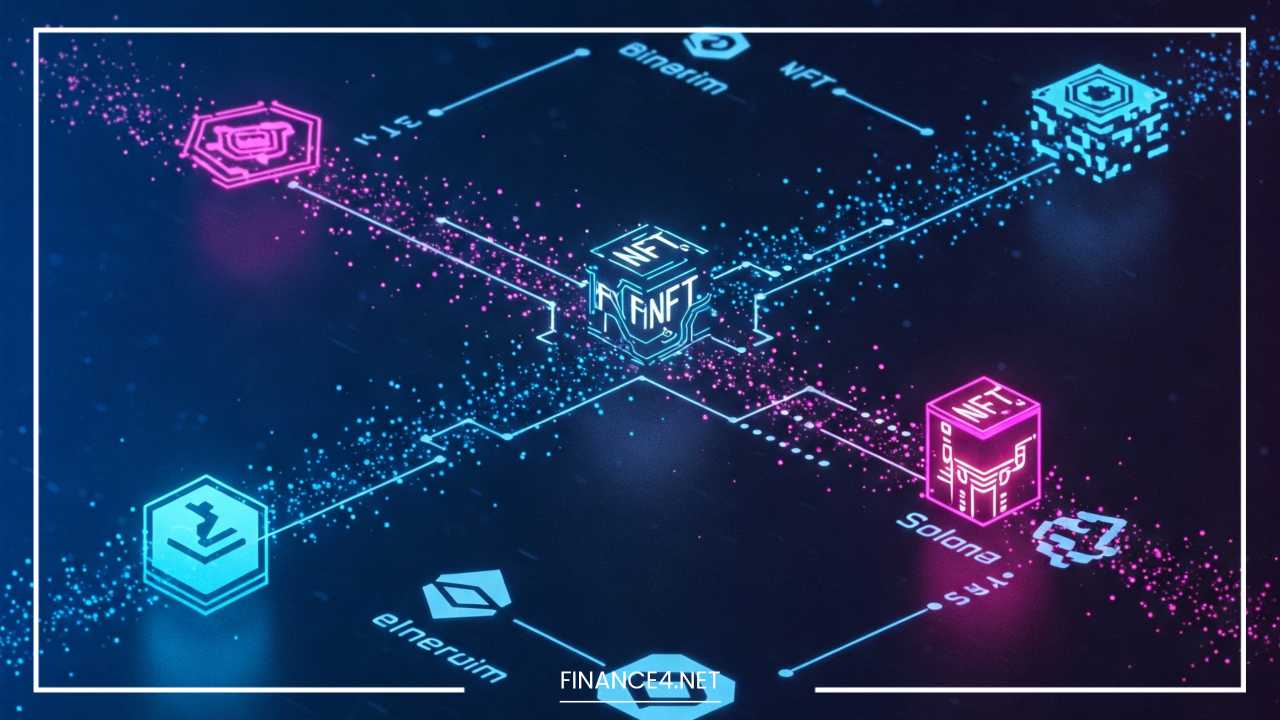
The world of Non-Fungible Tokens (NFTs) is a vibrant, rapidly expanding ecosystem, but it’s not a single, unified space. Instead, it’s a collection of many different blockchains, each with its own community, marketplaces, and unique strengths. This fragmentation, however, presents a significant challenge: an NFT on Ethereum is, by default, stuck on Ethereum. This is where NFT bridging comes in. In simple terms, NFT bridging is the process of moving an NFT from one blockchain to another, enabling it to exist and be utilized in a new ecosystem.
This article will dive deep into the technical and strategic importance of NFT bridging, explore the leading solutions in the space, and examine the future of this crucial technology.
Why NFT Bridging Matters
The current blockchain landscape is a collection of “walled gardens.” Ethereum, Solana, Polygon, and others are powerful, independent networks, but they don’t natively “talk” to each other. An NFT from a collection like the Bored Ape Yacht Club, which lives on Ethereum, cannot be used directly in a game built on Solana without a bridging solution. This creates a problem of siloed NFT ecosystems.
Bridging solves this by unlocking several key benefits:
- Liquidity Expansion: By allowing an NFT to be moved to multiple chains, you open it up to a wider market. An artist who mints a collection on a high-fee network like Ethereum can bridge it to a low-fee chain like Polygon or Solana, making it accessible to a new class of buyers who are priced out of high gas fees. This increases potential trading volume and overall market liquidity.
- Cross-Chain Utility: Bridging enables new, exciting use cases. Imagine a character NFT from an Ethereum-based game that you can bridge to a different, Solana-based metaverse to use as your avatar. Or a digital deed to virtual land on one chain that can be used as collateral for a loan on another. This interoperability is crucial for the future of multi-chain metaverses, gaming, and decentralized finance (DeFi).
- Improved User Experience: For many users, navigating different wallets and marketplaces on various chains is cumbersome. Bridging solutions simplify this process, allowing a single NFT to have a presence across multiple platforms, creating a more seamless and less fragmented experience.
- Foundation for the Future: As the Web3 ecosystem matures, the demand for truly interoperable assets will only grow. Bridging is a foundational technology that allows for the creation of “omnicha”in NFTs that are not bound to a single network, paving the way for a more connected and fluid digital world.
How NFT Bridging Works (Technical Overview)
The process of bridging an NFT is more complex than simply “transferring” it. Blockchains are immutable ledgers, and you can’t simply “drag and drop” an asset from one to another. Instead, bridges use a secure, multi-step process to ensure that the asset’s ownership and integrity are maintained.
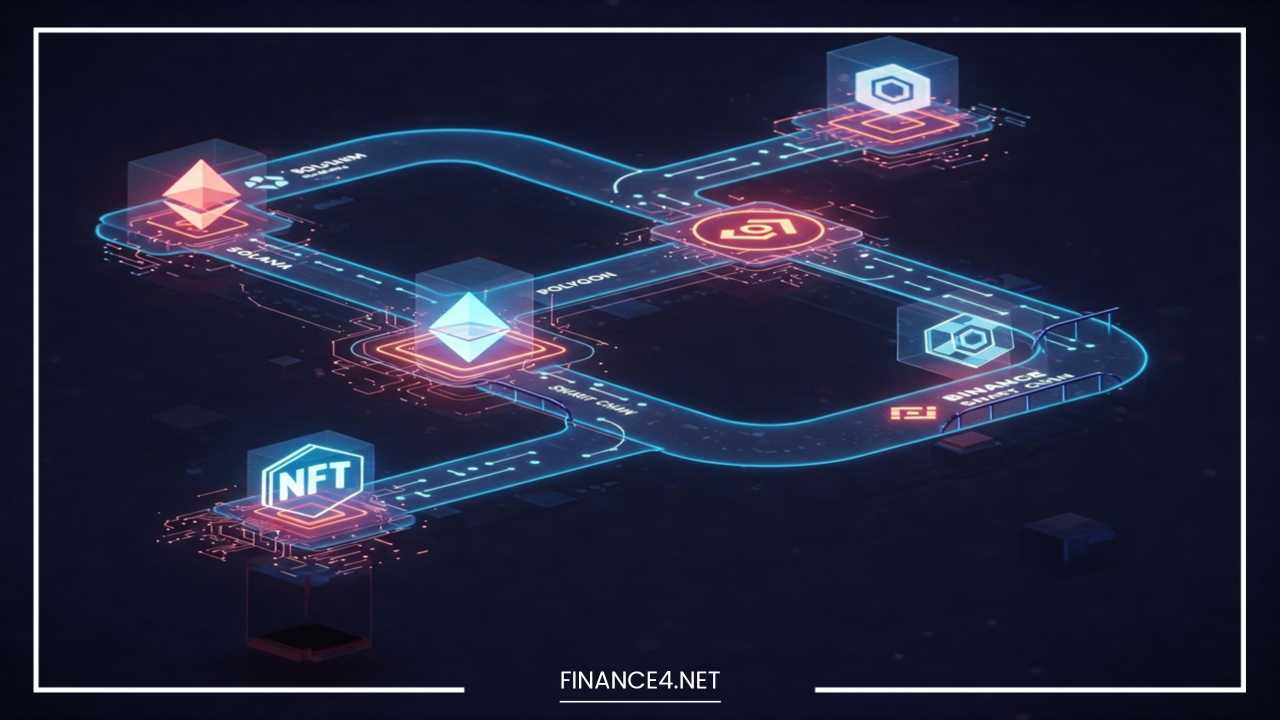
The most common model for NFT bridging is the “lock-and-mint” approach. Here’s a simplified breakdown:
- Lock on the Source Chain: When a user decides to bridge an NFT, they send it to a smart contract on the original blockchain (the “source chain”). This contract locks the NFT, essentially taking it out of circulation on that network.
- Verify and Mint on the Destination Chain: A network of validators or oracles associated with the bridge protocol detects this “lock” event. Once a sufficient number of these validators confirm the event, a new, identical “wrapped” NFT is minted on the target blockchain (the “destination chain”). This wrapped NFT is a new token that represents the locked, original NFT. The wrapped NFT has the same metadata, image, and properties as the original.
- Use the Wrapped NFT: The user can now use this wrapped NFT on the destination chain. They can trade it, use it in a game, or list it on a different marketplace.
- Burn to Return: To bring the NFT back to its original chain, the user must send the wrapped NFT to a smart contract on the destination chain, where it is “burned,” or destroyed. This event signals the validators to “unlock” and release the original NFT back to the user’s wallet on the source chain.
An alternative, though less common, model is “burn-and-mint,” which is typically used for native, first-party bridging solutions. In this model, the original NFT is burned on the source chain and a new, native NFT is minted on the destination chain.
The challenges in this process are significant. The bridge must ensure:
- Metadata Preservation: The new, wrapped NFT must accurately reflect all the metadata, traits, and properties of the original.
- Authenticity: The bridge must guarantee that the new NFT is a legitimate representation of the original, not a counterfeit.
- Royalties: A crucial and often overlooked aspect is ensuring that creator royalties from secondary sales are properly routed, regardless of which chain the sale occurs on.
Key Features to Look for in NFT Bridges
Not all bridges are created equal. When considering a solution, a user or developer should evaluate several key features:
- Security and Audit History: This is the most critical factor. Bridges are high-value targets for hackers. Look for bridges that have undergone multiple, rigorous security audits by reputable firms and have a strong track record of protecting assets.
- Chain Support: Does the bridge support the chains you need? Many are EVM-centric (Ethereum, Polygon, BNB Chain, etc.), while a select few also support non-EVM chains like Solana, Aptos, and Tezos.
- UI/UX Simplicity: The process of bridging can be intimidating for new users. A good bridge will have a clean, intuitive user interface that makes the process straightforward.
- Cost and Speed: Gas fees and transaction times can vary greatly. A bridge that is cheap and fast will be more attractive to users.
- Community Support and Integrations: A bridge with a large, active community and many integrated projects (e.g., games, marketplaces, DeFi protocols) is often a sign of a reliable and well-established solution.
Top NFT Bridging Solutions
The NFT bridging landscape is dominated by several key players, each with a unique approach to interoperability.
1. Wormhole
Overview & Supported Chains: Wormhole is a leading interoperability protocol that has become the backbone for many cross-chain applications. While it’s known for bridging tokens, its capabilities extend to NFTs through its messaging protocol. Wormhole supports a vast number of chains, including major EVM chains like Ethereum, Polygon, Arbitrum, and Avalanche, as well as non-EVM networks like Solana, Aptos, and Sui.
Key Features: Wormhole’s core strength is its generic message-passing protocol. This allows developers to send not just assets, but any kind of data between chains, enabling complex cross-chain logic. Its security model relies on a decentralized network of validators called “Guardians” who observe and sign off on cross-chain events.
Use Cases: Wormhole has been instrumental in major NFT migrations, such as the DeGods and y00ts collections moving from Solana to Ethereum and Polygon, respectively. This demonstrated its ability to handle large, high-value collections and entire communities.
Pros & Cons:
- Pros: Widespread chain support, generic message passing for custom dApps, strong developer community.
- Cons: The protocol’s history includes a significant hack in early 2022, which, while the funds were restored, highlights the inherent risks in these systems.
2. LayerZero / Stargate
Overview & Supported Chains: LayerZero is a powerful omnichain interoperability protocol that enables seamless, trustless communication between different blockchains. It is not a bridge in the traditional sense, but a communication protocol that bridges are built on top of. Stargate is an application-specific bridge that leverages LayerZero’s technology for token transfers.
How LayerZero Enables Omnichain NFTs: LayerZero’s innovation lies in its “Ultra Light Node” (ULN) architecture. Instead of relying on a third-party validator network, it uses oracles and relayers to securely transmit messages. This enables the concept of Omnichain NFTs (ONFTs). An ONFT is a single token contract that can exist on multiple chains simultaneously, allowing it to be transferred between networks without being “wrapped.” A famous example is the Gh0stly Gh0sts collection, which was the first project to implement the ONFT standard, allowing holders to seamlessly move their NFTs between chains.
Integration with Collections: LayerZero has become a go-to for projects seeking true omnichain functionality. It allows projects to launch on one chain while having their assets be instantly interoperable across others, fundamentally changing the user experience from “bridging” to “teleporting.”
3. XP.Network
Overview: XP.Network is a bridge specifically designed for NFTs, with a focus on supporting a wide range of chains, including non-EVM networks that are often overlooked. It’s built to be a user-friendly, multi-chain bridge.
Multi-Chain Support: A key differentiator for XP.Network is its support for a diverse array of blockchains beyond the usual suspects. This includes networks like Tezos, Elrond (MultiversX), and NEAR Protocol, in addition to major EVM chains and Solana. This makes it a valuable tool for projects on less-common chains looking to expand their reach.
Focus on NFT-centric Bridging: XP.Network’s architecture is tailored to the specific needs of NFTs, including preserving metadata and ensuring a smooth user flow. It’s a dedicated solution, which can provide a more streamlined experience compared to general-purpose bridges.
4. deBridge
Overview: deBridge is a cross-chain infrastructure protocol that emphasizes security and a “zero-TVL” (Total Value Locked) model. While it is primarily a protocol for generic messaging and fungible token transfers, it has developed solutions for NFT interoperability.
Security-First Approach: deBridge’s architecture is designed to minimize risk by avoiding large liquidity pools that can be targeted by hackers. Its protocol relies on a network of validators that approve transactions in a decentralized manner. This security-first approach is a major selling point.
EVM Chain Focus: While deBridge is expanding, its primary focus remains on connecting EVM-compatible chains, offering a reliable and secure solution for assets within that ecosystem.
5. Portal (by Wormhole)
Overview: Portal is a user-centric, front-end application built on the Wormhole protocol. It simplifies the bridging process, abstracting away the underlying technical complexities.
UX-Centric Bridging: Where Wormhole is the underlying infrastructure, Portal is the user-facing product. It provides a clean, intuitive interface for bridging both tokens and NFTs between a wide array of chains. Its design prioritizes ease of use, making it a good entry point for users who may be new to cross-chain technology.
6. ChainPort / MultiChain (legacy or still active?)
Historical Perspective: It’s important to mention legacy players like ChainPort and MultiChain (formerly Anyswap). MultiChain, in particular, was a dominant force in the early days of cross-chain bridging. However, it faced significant security issues and ultimately ceased operations following a major hack. Its downfall serves as a cautionary tale about the immense security risks in this sector. ChainPort, on the other hand, continues to operate, focusing on providing a secure bridge for fungible and non-fungible assets, but its prominence has been eclipsed by newer, more technologically advanced protocols like Wormhole and LayerZero.
Real-World Use Cases
The impact of NFT bridging is already being felt across the Web3 space.
- NFT Collection Expansion: A common use case is when an NFT collection launches on a specific chain and then uses a bridge to expand its ecosystem. For example, a gaming studio might launch a collection on Polygon to take advantage of low fees, then use a bridge to enable those NFTs to be used as profile pictures on Ethereum or to be traded on a Solana-based marketplace.
- In-Game Assets: This is perhaps the most compelling use case. A game built on a low-latency, high-throughput chain like Avalanche can have its in-game assets (e.g., weapons, armor) bridged to an NFT marketplace on a different chain, allowing players to sell their items to a wider audience. This creates a more dynamic and liquid market for in-game assets.
Risks and Limitations
Despite their immense potential, NFT bridges are not without risks.
- Bridge Hacks: The history of Web3 is littered with bridge hacks. These protocols often hold vast amounts of locked assets, making them prime targets for malicious actors. The Wormhole hack of 2022, which resulted in a loss of over $320 million, is a stark reminder of these vulnerabilities. The security of a bridge is only as strong as its weakest link.
- Metadata Corruption or Mismatches: A technical flaw in the bridging process can lead to the new wrapped NFT having incorrect or corrupted metadata, which can devalue the asset and create a poor user experience.
- Centralization Concerns: Some bridges rely on a small, centralized set of validators or multisig wallets. A compromise of these few entities could lead to the loss of all locked assets, undermining the decentralized ethos of Web3.
Future of NFT Bridging
The future of NFT bridging is evolving rapidly, with new technologies and standards emerging.
- Composability and Omnichain NFTs: The trend is moving away from the “lock-and-mint” model towards a more integrated, omnichain approach. LayerZero’s ONFT standard is a prime example, where a single asset can be seamlessly “teleported” between chains, maintaining a single, canonical identity.
- Standards like LayerZero’s ONFT v2: The development of standardized protocols for omnichain assets will make it easier for developers to build interoperable dApps and will provide a more secure and reliable experience for users.
- ZK-Proof-Based Bridges: Zero-Knowledge (ZK) technology offers a promising path forward. ZK-proofs could allow bridges to verify the state of a transaction on a source chain without relying on a third-party validator network, significantly improving security and trustlessness. This is an area of intense research and development.
Final Thoughts
NFT bridging is a critical and transformative technology for the Web3 ecosystem. It is the key that unlocks interoperability, enabling NFTs to break free from their native chains and reach new audiences and use cases. While the technology is not without its risks, the solutions and standards are maturing. For users, the choice of a bridge should be based on a careful consideration of security, the chains supported, and the user experience. As the digital world becomes increasingly multi-chain, bridging solutions will not be a luxury but a necessity, driving the next wave of innovation in metaverses, gaming, and decentralized finance.