How to Evaluate New NFT Marketplaces
 by
by 
How to Evaluate New NFT Marketplaces: A Critical Framework for Creators and Collectors
The explosive growth of Non-Fungible Tokens (NFTs) has spurred a parallel boom in the platforms designed to host them. Today, the digital landscape is littered with new NFT marketplaces, each promising better features, lower fees, or a more curated community than its predecessors. For both seasoned collectors and new creators, navigating this crowded space is no longer just about finding the best price; it’s about safeguarding assets, maximizing returns, and aligning with a trustworthy platform.
Evaluating a new NFT marketplace is crucial. The stakes are high: the risk of falling victim to scams, suffering from poor user experience (UX), encountering technical vulnerabilities, or investing in a platform that simply fails to gain traction. This article provides a structured, in-depth framework for critically assessing any new NFT marketplace, guiding you through foundational, technical, operational, and financial considerations. By the end, you will possess a robust due diligence process to ensure your next digital destination is secure and successful.
Foundational Factors: The Who and Why
Before diving into the code and features, the first step is to understand the platform’s core identity and the people behind it.
What Is the Marketplace’s Niche?
The NFT world is diversifying rapidly. Marketplaces generally fall into two categories:
- General Marketplaces: Platforms like OpenSea or Rarible aim to host all types of NFTs—from profile pictures (PFPs) to generative art, utility tokens, and collectibles. They offer broad liquidity but can be overwhelming.
- Niche Marketplaces: These platforms focus on a specific vertical, such as gaming (e.g., Immutable X), high-end photography (e.g., SuperRare), or music rights (e.g., Catalog).
Evaluation Question: Does the marketplace’s focus align directly with your goals? A creator of high-quality, rare digital art might prefer a curated, niche platform that attracts serious collectors, while a creator launching a large PFP project might need the broad reach of a general platform. The value proposition of a niche market is a highly targeted audience, which can translate to better price discovery for specific asset classes.
Team & Founders: Transparency is Trust
In Web3, trust often begins with transparency about the team.
- Transparency of the Founding Team: Are the founders “Doxxed” (publicly identified)? A fully anonymous team should be a major red flag unless they have a verifiable, strong track record of successful anonymous projects, which is rare. Look for professional profiles (LinkedIn), credible interviews, and clear contact information.
- Backgrounds, Social Proof, and Prior Projects: What is the team’s history? Have they worked on successful crypto, Web3, or technology projects before? Are they known, reputable members of the NFT community? Cross-reference their claims with community discussions and third-party verification.
- Red Flags: An immediate warning sign is a team that lacks any digital footprint, uses generic stock images, or provides only vague descriptions of their experience. Lack of accessible customer support or community moderation is also highly suspect.
Backers & Partnerships: Validation from the Industry
A new marketplace is a high-risk venture. The involvement of reputable third parties provides a layer of external validation.
- Venture Capital (VC) or Known Investors: Has the platform secured funding from well-known blockchain VCs like Andreessen Horowitz (a16z), Paradigm, or Sequoia? Institutional investment often indicates a rigorous due diligence process has already taken place, assessing the team, technology, and market opportunity.
- Strategic Partnerships: Look for verifiable partnerships with established brands, major artists, or key blockchain infrastructure providers (e.g., Chainlink, major wallets). These alliances suggest the platform has successfully passed scrutiny and offers real-world utility or connections. Partnerships should be announced and confirmed by both parties, not just one.
Blockchain and Technical Infrastructure
The backbone of any NFT marketplace is its underlying technology. Technical stability, security, and efficiency are paramount.
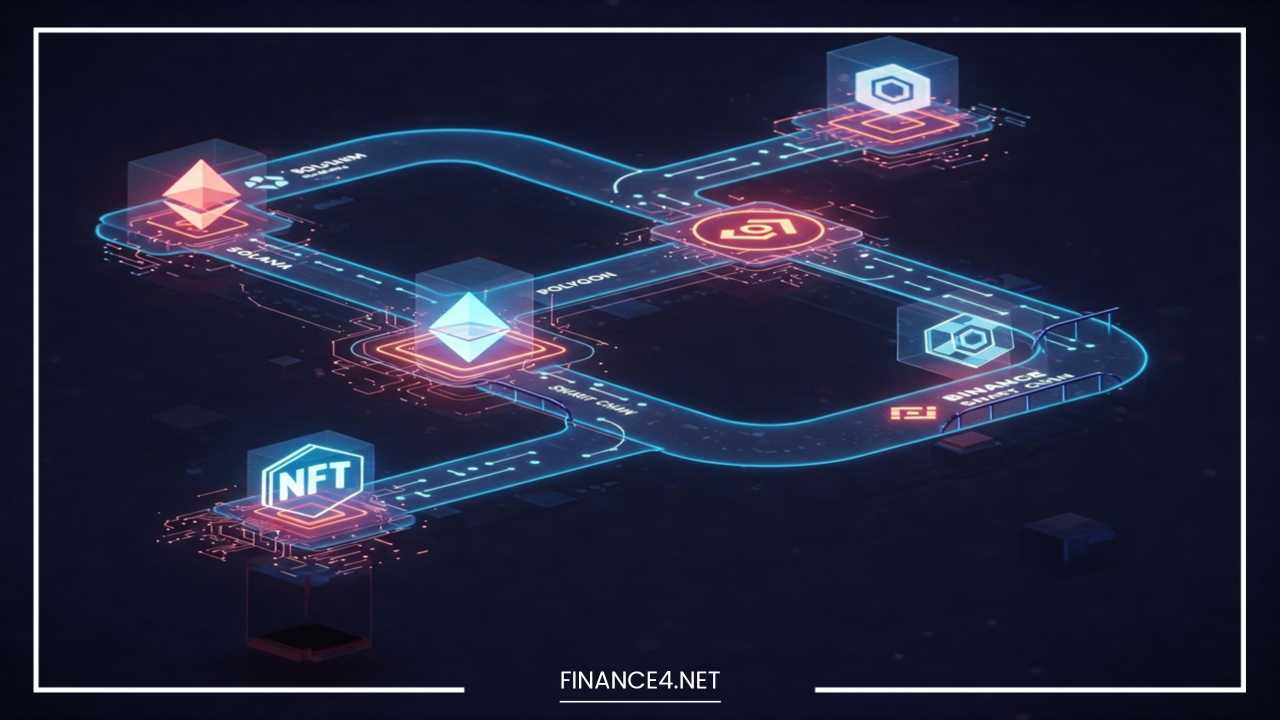
What Blockchain Is It Built On?
The choice of blockchain dictates the fundamental economics and experience of the marketplace.
- Ethereum (ETH): The original and most secure, but often associated with high Gas Fees and slower transaction times during peak network congestion. It offers the largest community and liquidity pool.
- Solana (SOL): Known for extremely fast transaction speeds and low fees, but has occasionally faced network stability issues. Popular in certain market segments like gaming.
- Polygon (MATIC): An Ethereum Layer 2 solution that offers low fees and fast transactions by batching transactions off-chain, leveraging Ethereum’s security. A good balance of speed and security.
- Other Chains (Tezos, Flow, Avalanche, etc.): Each offers unique trade-offs.
Evaluation: Your choice should reflect your priorities. If security and liquidity are paramount, Ethereum is the standard. If low transaction cost is key for high-volume trading or cheap mints, Layer 2 or competing chains like Solana may be superior.
Smart Contract Transparency & Audit Status
The smart contracts are the core logic governing all transactions, asset ownership, and security.
- Audit Status: The single most critical technical factor. Has the marketplace’s smart contract code been formally audited by a reputable third-party security firm (e.g., CertiK, ConsenSys Diligence, Trail of Bits)? A verified, recent audit report, preferably published publicly, is a non-negotiable sign of seriousness. An audit confirms that the code is secure and functions as intended, minimizing the risk of exploits.
- Open-Source vs. Closed-Source: Open-source code allows the community to review the contracts for vulnerabilities, which often leads to quicker bug discovery and patches. While closed-source doesn’t automatically mean insecure, it requires a higher degree of trust in the development team.
Wallet Integration
A seamless and secure connection to your digital assets is essential.
- Supported Wallets: Does the platform support a variety of popular wallets relevant to its chain? For Ethereum, MetaMask and Coinbase Wallet are standard. For Solana, Phantom is dominant. The more options, the more accessible the platform is.
- Onboarding Experience (Web2 to Web3): Look for marketplaces that offer user-friendly onboarding, especially for users new to Web3. Features like fiat on-ramps (buying crypto with traditional currency) or email-based sign-up (utilizing secure, embedded wallets) can drastically lower the barrier to entry. However, these convenience features must be scrutinized for their security and data privacy implications.
User Experience & Interface Design
A sophisticated technical backend is useless without a functional, enjoyable front end. A poor user interface (UI) not only causes frustration but can also lead to costly mistakes in transactions.
Ease of Navigation
- Clean Design: The site should be visually uncluttered. Can a new user quickly understand how to browse, filter, list an NFT, and buy/sell?
- Simple Onboarding Process: The initial steps—connecting a wallet, setting up a profile, or verifying an account—should be intuitive, with clear instructions and minimal friction.
- Intuitive Browsing: Listings should be organized logically, and key information (price, floor price, history) should be readily visible.
Search and Filter Functionality
The utility of a marketplace is directly tied to a user’s ability to find what they are looking for.
- Robust Filtering: Must include essential filters like Price Range, Trait Rarity, Collection, Artist, and Listing Status (Auction, Buy Now, Offer).
- Effective Search: Does the search function handle common misspellings or partial inputs well? Can you easily search across collections, or are you limited to one collection at a time?
- Activity Feed: A clear, real-time activity feed showing sales, listings, and transfers enhances market transparency.
Mobile Responsiveness
The world increasingly operates on mobile devices.
- Mobile-Friendly Site: At a minimum, the website must be fully responsive, meaning it renders correctly and is fully usable on a smartphone browser.
- Dedicated App: While not mandatory, a dedicated, high-quality mobile app for browsing and viewing is a significant plus, provided it maintains all security standards. Be wary of poorly rated or buggy apps.
Liquidity, Volume & Community Activity
A marketplace is only as good as the market it facilitates. Low activity means high-quality assets might not sell, and desired assets might not be available.
Daily/Monthly Trading Volume
This is a key metric for determining genuine market adoption.
- Actual Buying and Selling Activity: Does the platform boast high volume, or are the numbers inflated by “wash trading” (where a single entity trades with itself to create a false sense of activity)? Look for consistent, organic volume across multiple collections.
- Comparison with Competing Platforms: Benchmark the platform’s volume against established competitors. A new platform won’t match OpenSea overnight, but it should show a healthy, upward trend and a credible market share in its specific niche. Use third-party data aggregators (like Dune Analytics or CryptoSlam) for unbiased statistics.
Number of Active Users
Volume can be misleading; unique user data paints a clearer picture of adoption.
- Unique Wallets and Returning Users: A focus on the number of unique active wallets engaging in transactions is a better indicator of health than total transaction count. A growing number of returning users signals a positive user experience and stickiness.
- Engagement Metrics (Twitter, Discord, etc.): Assess the marketplace’s presence on social media. Are their accounts active? Are they attracting genuine followers and organic discussions, or are the comment sections filled with bots and generic engagement?
Community Strength
A strong, genuine community is a powerful asset in the Web3 space.
- Genuine Community Around the Marketplace: Do users talk about the platform positively in independent forums? Is the Discord or Telegram channel well-populated and active with meaningful discussions about NFTs, not just price speculation?
- Quality of Discussions, Moderation, and Support: Active, helpful moderation is critical for filtering out scams and misinformation. Test the responsiveness of the official support channels. A slow or absent support team is a major deterrent.
Creator and Collector Features
The features offered to the primary users—the artists/creators and the collectors—determine the platform’s utility and appeal.
Minting Tools
For creators, the ease and flexibility of bringing work to market are paramount.
- Easy Minting: Are the minting tools user-friendly, allowing artists to easily upload metadata and set parameters?
- Customizable Smart Contracts: Does the platform allow experienced creators to deploy their own, customized contracts, or are they restricted to a single, platform-wide contract? The latter reduces control but simplifies the process.
- Lazy Minting: This feature allows an NFT to be listed and created only upon its first sale, eliminating the upfront gas cost for the creator. This is a crucial feature for new or financially constrained artists.
Royalties and Revenue Sharing
This is a contentious and rapidly evolving area, particularly since late 2022.
- Honoring Artist Royalties: A major differentiator. Does the marketplace strictly enforce and automatically pay creator-set royalties on secondary sales? Or do they offer optional royalties, leaving it to the buyer/seller? Marketplaces that honor and prioritize creator royalties will attract more high-quality artists.
- Creator-Set Percentages: Can the creator easily set their desired royalty percentage (e.g., 5%, 10%, 15%) within the marketplace interface?
Collector Benefits
What value does the platform offer the buyer beyond just the transaction?
- Staking, Rewards, Early Access: Some platforms offer features where collectors can stake NFTs or the platform’s native token to earn rewards, get early access to exclusive drops, or receive discounts on fees.
- Membership Perks: Do loyal collectors receive unique benefits, such as reduced fees or governance voting power? These perks can foster a strong, loyal collector base.
Security, Fraud Prevention & Legal Compliance
Security is the foundation of trust, especially in a sector plagued by scams and hacks.
Marketplace Security Features
Protecting user assets and data must be a top priority.
- Two-Factor Authentication (2FA): 2FA for account log-ins (where applicable) is a must-have security measure.
- Contract Verifications: Does the platform visually flag or warn users about unverified or suspicious smart contracts before a transaction is executed?
- Scam Prevention Mechanisms: Look for clear, aggressive measures against phishing links, impersonator accounts, and listing fraudulent copies of popular NFTs. Transparency about how they vet collections is important.
IP Rights & Content Moderation
The handling of intellectual property (IP) is a critical long-term issue.
- Stolen Art or Copyright Issues: What is the platform’s official process for reporting and delisting stolen art or NFTs that violate copyrights (e.g., unauthorized use of copyrighted characters)? A clear, prompt DMCA (Digital Millennium Copyright Act) or equivalent policy demonstrates a commitment to creator rights.
- Content Moderation: Does the platform have clear guidelines on prohibited content (e.g., hate speech, illegal material)? This is essential for attracting brand partnerships and institutional interest.
Regulatory Compliance
The regulatory landscape is in constant flux. A marketplace must demonstrate an effort to comply with current and anticipated laws.
- KYC/AML (Know Your Customer/Anti-Money Laundering): If the marketplace supports fiat currency purchases (credit card, bank transfer), it is likely obligated to perform KYC/AML checks on users. This adds a layer of safety and indicates legal compliance, though some users may prefer a fully decentralized, anonymous experience.
- GDPR Compliance: For platforms dealing with European users, compliance with data protection laws like GDPR (General Data Protection Regulation) is a legal necessity.
- Country-Specific Restrictions: Be aware if the platform restricts access or features based on a user’s geographic location (e.g., sanctions compliance).
Tokenomics & Incentives (If Applicable)
Many new marketplaces launch with a native token to bootstrap liquidity and build community loyalty. This model requires careful evaluation.
Native Token Utility
If the marketplace has its own token, its value is directly tied to its utility.
- Token Use Case: What is the token used for?
- Staking: Locking tokens to earn rewards or secure the network.
- Governance: Allowing token holders to vote on platform upgrades, fee changes, or treasury management (DAO model).
- Discounts: Offering reduced transaction fees or preferential access to drops for token holders.
- Inflation/Deflation: Analyze the token’s distribution schedule. Is it highly inflationary (new tokens created quickly), or is there a strong burn/buyback mechanism to create scarcity and value?
Airdrops & Rewards
These are common methods to kickstart a marketplace.
- Incentives for Early Adopters/Loyal Users: Examine the reward mechanism. Are users incentivized through a fair, transparent rewards system (e.g., rewards for trading volume, timely staking)? Be wary of ambiguous reward structures designed primarily to enrich insiders.
- Creator Incentives: Are creators rewarded for listing or driving sales on the platform?
Governance
The shift to decentralization is a key Web3 promise.
- DAO Elements: Does the marketplace intend to evolve into a Decentralized Autonomous Organization (DAO)? True decentralization means users (token holders) have a tangible say in the platform’s future.
- Voting Power: Can users vote on meaningful proposals, or are the governance mechanisms merely for show? A healthy governance model should involve regular, well-debated proposals.
Comparative Analysis with Established Platforms
No new marketplace exists in a vacuum. It must offer a compelling reason to shift allegiance from the current giants.
Stack Up Against the Competition
- Against OpenSea, Blur, Rarible, Magic Eden: Conduct a feature-by-feature comparison. If the new platform is on Ethereum, how do its fees and royalty policies compare to Blur‘s aggressive low-fee model? If it’s on Solana, how does it differentiate itself from Magic Eden?
- Unique Value Proposition (UVP): What is the marketplace’s killer feature? Is it a hyper-specialized niche (e.g., tokenized real estate), a technological breakthrough (e.g., superior royalty enforcement), or a revolutionary fee structure? If the UVP is just a “better version” of a large competitor, it’s unlikely to succeed.
- Filling a Gap vs. Duplicating: The most successful new platforms fill a gap that the established players cannot or will not serve (e.g., Blur’s focus on professional traders, or niche platforms for certified luxury goods). Simple duplication with marginally better features rarely works.
Final Thoughts: The Due Diligence Imperative
The process of evaluating a new NFT marketplace is not a checklist to be completed once, but an ongoing process of due diligence. The landscape is dynamic, and even established platforms can change their fee structures, security protocols, or legal compliance overnight.
The key to navigating this space is to always DYOR (Do Your Own Research). Never take promotional material at face value. Actively seek out independent audits, look for community sentiment outside of the platform’s controlled channels, and scrutinize the team’s professional history.
Key Evaluation Factors Summary:
- Trust & Transparency: Is the team Doxxed and reputable?
- Security & Audit: Is the smart contract code publicly audited and verified?
- Liquidity: Is there consistent, organic trading volume and active users?
- Utility: Does the platform offer superior features for creators (royalties, minting) or collectors (UI, rewards)?
- Uniqueness: Does it offer a unique, sustainable value proposition compared to giants like OpenSea or Blur?
Final Tip: Never rush into a new platform, especially with high-value assets. Start by testing the platform with a small, disposable amount of funds. Monitor its performance, community health, and security for a few weeks before committing substantial assets or time. In the high-stakes world of NFTs, patience and diligence are the ultimate safeguards.