Top NFT Aggregator on BNB Chain
 by
by 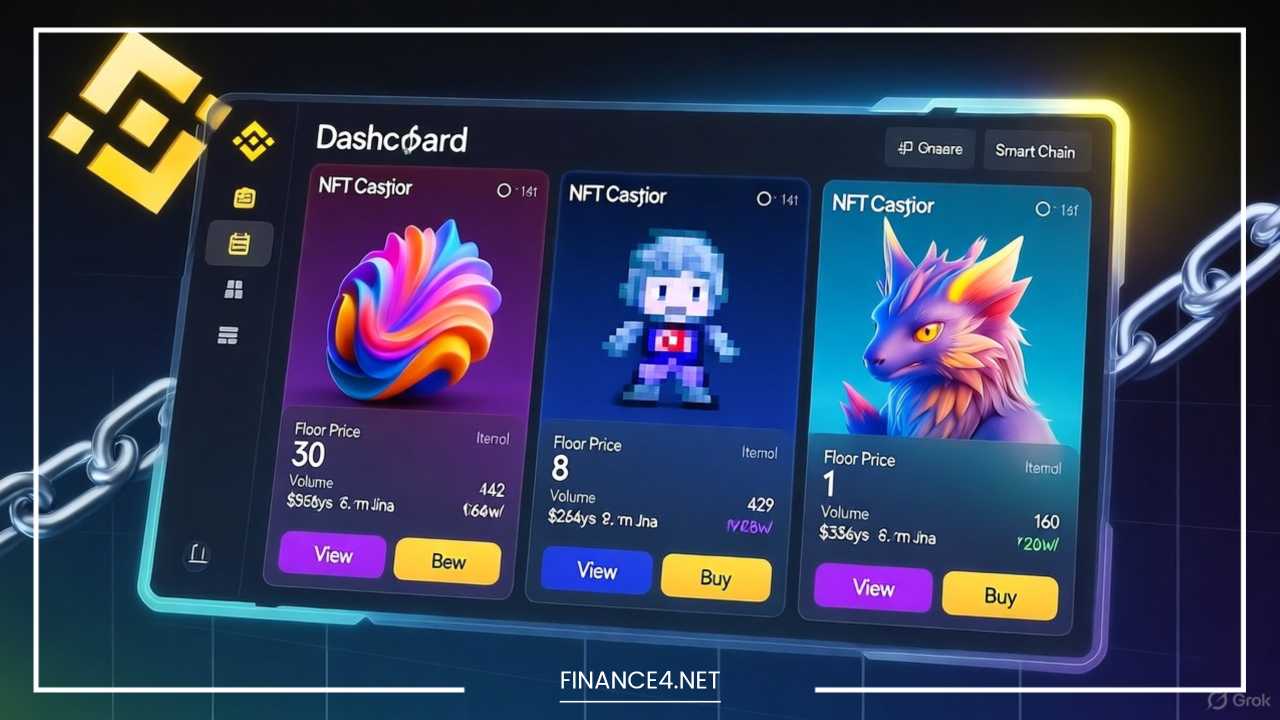
Top NFT Aggregator on BNB Chain | Discover, Trade & Earn with Ease
The landscape of digital ownership, revolutionized by Non-Fungible Tokens (NFTs), has quickly evolved from a niche concept into a multi-billion-dollar global market. At its core, an NFT represents verifiable, unique digital ownership—of art, music, in-game assets, or even real-world deeds—recorded on a blockchain. However, the sheer proliferation of NFT collections and the multitude of dedicated marketplaces across different blockchain networks have introduced a new challenge for collectors and professional traders: fragmentation. Assets are scattered across various platforms, making price discovery laborious and trading inefficient.
This is where the NFT aggregator steps in. An aggregator acts as the indispensable “Google of NFTs,” consolidating listings from numerous marketplaces into a single, seamless interface. It is a critical layer of infrastructure designed to bring efficiency, liquidity, and intelligence to a sprawling market. By offering a unified view, the aggregator transforms the experience from a scattered hunt across the digital sphere to a focused, strategic operation.
While the NFT market initially exploded on Ethereum, high gas fees and network congestion quickly drove innovation toward faster, cheaper alternatives. This shift has decisively elevated the BNB Chain (formerly Binance Smart Chain) into a powerhouse for decentralized applications (dApps) and, crucially, for NFTs. With its low transaction costs, lightning-fast finality, and immense backing from the Binance ecosystem, the BNB Chain has become a fertile ground for high-volume NFT trading, especially in the realms of GameFi and utility-based tokens.
The convergence of a massive, active NFT ecosystem and the inherent problem of market fragmentation makes the role of a top-tier NFT aggregator on the BNB Chain more vital than ever. This comprehensive article delves into the mechanism of these essential tools, explores the robust environment of the BNB Chain, identifies and analyzes the platforms defining the standard for aggregation, and provides a strategic guide for leveraging them to their full potential in the fast-paced world of digital collectibles.
Understanding NFT Aggregators
Definition: What is an NFT Aggregator?
An NFT aggregator is a decentralized application (dApp) that pools, or aggregates, NFT listings from multiple third-party marketplaces and displays them in one centralized dashboard. Essentially, it acts as a liquidity bridge, creating a single point of entry to a fragmented market. This model mirrors that of decentralized exchange (DEX) aggregators, like 1inch, which scout multiple DEXs to find the best crypto swap price.
Core Functions of an Aggregator
The functionality of a top-tier NFT aggregator extends far beyond simple listing consolidation:
- Aggregating Listings: This is the primary function, displaying collections and individual NFTs from all integrated marketplaces (e.g., Binance NFT, PancakeSwap NFT) on the BNB Chain.
- Unified Interface: Provides a standardized, user-friendly interface for browsing, searching, and filtering, regardless of the original source of the listing.
- Bulk Buying/Sweeping: Allows a user to purchase multiple NFTs from a single collection—potentially across different marketplaces—in a single transaction. This feature is a game-changer for “sweeping the floor” (buying the cheapest available NFTs) and is crucial for professional traders.
- Gas Optimization: Advanced aggregators employ smart contract logic to streamline transactions, often saving users on the total gas fee, even on low-fee chains like BNB.
- Rarity and Price Filters: Integration of rarity ranking tools and real-time data feeds allows users to filter NFTs by attributes, price, and rarity score, enhancing strategic buying.
Benefits for the Ecosystem
The adoption of aggregators is fundamentally beneficial to the entire NFT ecosystem:
- Saves Time: Collectors no longer need to jump between multiple marketplace tabs to compare prices, making the process faster and less cumbersome.
- Improved Liquidity: By making previously scattered listings visible to a broader audience, aggregators improve the overall liquidity and efficiency of the market.
- Better Price Discovery: Traders can instantly compare the floor price and item prices across every major marketplace, ensuring they get the best possible deal and mitigating price discrepancies between platforms.
- Enhanced Trading Strategy: Features like bulk buying and real-time rarity data allow for more sophisticated, high-volume trading strategies.
The utility is evident when compared to platforms on other chains, such as the once-dominant Gem (acquired by OpenSea) or the trading powerhouse Blur on Ethereum. These platforms validated the aggregator model, and the top players on BNB Chain are now applying this powerful formula to their own low-cost, high-speed ecosystem.
Overview of the BNB Chain Ecosystem
Short History and Structure
The BNB Chain is a blockchain ecosystem developed by the world’s largest crypto exchange, Binance. It originated as Binance Smart Chain (BSC), a parallel chain to the original Binance Chain (BC). It has since evolved into a multi-chain architecture known as the BNB Chain, which includes:
- BNB Smart Chain (BSC): The main EVM-compatible layer for smart contracts, dApps, and NFTs.
- opBNB: A Layer-2 scaling solution using Optimistic Rollups to further enhance speed and reduce fees, making it even more suitable for high-throughput applications like GameFi.
- BNB Greenfield: A decentralized storage infrastructure, crucial for the long-term, decentralized storage of NFT metadata.
Why NFT Projects Choose BNB Chain
The rapid adoption of the BNB Chain for NFTs is driven by a trifecta of technical and economic advantages:
- Low Fees (Economical Transactions): With average transaction fees often hovering around $0.01 to $0.02, the BNB Chain is orders of magnitude cheaper than high-gas alternatives. This makes micro-transactions, bulk buying, and high-frequency trading economically viable for the average user and professional trader alike.
- Fast Transaction Speed (Scalability): The network boasts a fast block finality time, resulting in near-instantaneous transaction confirmation. This speed is critical for time-sensitive activities like minting new collections or rapidly sweeping NFT floors during a high-demand event.
- Strong Developer and User Support: Backed by the immense resources of Binance, the chain benefits from continuous developer funding, infrastructure support, and, most importantly, one of the largest active user bases in the entire crypto space, ensuring a deep pool of potential buyers and sellers.
Growth of NFT Activity and Marketplaces
The low-fee environment has catalyzed the growth of specific NFT categories, namely:
- GameFi NFTs: The chain is a hub for play-to-earn (P2E) and Web3 gaming, where low fees are essential for frequent in-game item transactions (e.g., weapons, land, characters).
- Utility NFTs: Projects focused on utility, such as decentralized identity or token vesting NFTs, have seen significant volume spikes on BNB Chain due to the cost-efficiency of frequent transfers.
This activity is channeled through several major platforms that aggregators must integrate with:
- Binance NFT Marketplace: The primary, centralized marketplace supported by the exchange.
- PancakeSwap NFT Marketplace: The platform of the largest DEX on BNB Chain, offering a decentralized venue for NFTs.
- Element Market: A major multi-chain player that maintains a significant presence on the BNB Chain.
- NFTb, Galler.io, NFTKey: Other dedicated marketplaces and launchpads contributing to the fragmented liquidity.
The need to unify these diverse sources is precisely why the top NFT aggregators on BNB Chain have become indispensable tools for market participants.
Key Features to Look for in a Top NFT Aggregator
Selecting the best NFT aggregator is about more than just a list of features; it’s about optimizing efficiency, minimizing cost, and maximizing strategic advantage. A truly top-tier aggregator on the BNB Chain must excel in the following areas:
| Feature | Description | Value Proposition on BNB Chain |
| Broad Marketplace Integration | Aggregates listings from all major platforms on the chain: Binance NFT, PancakeSwap NFT, Element, NFTb, etc. | Ensures maximal liquidity and the widest selection of collections, guaranteeing the best price. |
| Intuitive User Interface (UI/UX) | A clean, fast, and responsive design that minimizes clicks and simplifies complex operations like bulk-sweeping. | A good UI/UX is paramount for speed and error reduction during rapid trading, especially when reacting to market shifts. |
| Bulk Buying/Selling | The ability to add multiple NFTs from a collection or multiple collections to a single “shopping cart” and execute the purchase with one transaction. | Gas Optimization: By combining multiple purchases into one smart contract call, the user saves on gas fees, compounding the inherent low-cost advantage of BNB Chain. |
| Real-Time Data & Analytics | Instant floor price updates, volume trackers, holder statistics, and integrated rarity filtering tools. | Provides the trader with the strategic intelligence needed for precise entry and exit points (e.g., identifying a mispriced rare NFT). |
| Portfolio & Wallet Management | A secure dashboard that displays all owned NFTs, their current floor value, and historical performance across all marketplaces. | Essential for asset management and quickly determining unrealized profit/loss. |
| Secure Wallet Support | Compatibility with the most popular wallets on the BNB Chain, such as MetaMask and Trust Wallet, using WalletConnect. | Ensures high user adoption and a seamless connection experience for the existing BNB Chain user base. |
| Cross-Chain Capability | While focused on BNB, the ability to view/trade assets on other integrated chains (e.g., Ethereum, Polygon) through the same interface. | Provides future-proofing and allows traders to manage their multi-chain portfolio from one application. |
The best platforms integrate these features to deliver a cohesive, powerful trading terminal rather than just a simple browser.
Top NFT Aggregators on BNB Chain
The BNB Chain NFT landscape is dominated by a few key players. While the overall volume may not match Ethereum’s during peak periods, the BNB ecosystem is characterized by utility, GameFi, and high transaction counts, making the aggregator’s role in efficiency critical. Our focus identifies Rareboard as the most BNB-centric pure aggregator, with Element Market serving as a crucial multi-chain alternative.
🥇 1. Rareboard: The BNB Chain Native Aggregator
Rareboard is explicitly engineered as an NFT marketplace aggregator for the BNB Smart Chain (BSC) ecosystem. Its primary mission is to solve the fragmentation problem by compiling and presenting data from all relevant, independent marketplaces on the chain.
Overview and Core Value Proposition
Rareboard distinguishes itself by being one of the first and most dedicated BNB Chain NFT aggregators. Its initial focus was purely on data, providing a “rarity dashboard” to help traders quickly assess the value of assets based on their traits, which is a foundational requirement for strategic NFT trading. It has since evolved into a full-service trading terminal.
Key Features and Tools
- Extensive BNB Chain Integration: Rareboard successfully aggregates listings from all major and secondary marketplaces on the BNB Chain, including Binance NFT, PancakeSwap NFT Marketplace, Galler.io, NFTb, and others. This unified view ensures the platform consistently offers the largest pool of liquidity for BNB Chain collections.
- Integrated Rarity Ranking: True to its name, Rareboard features a sophisticated rarity calculation tool. It displays the rarity rank of every listed NFT, saving traders the time and cost of using external tools. This is a massive advantage for flippers looking for under-priced, rare items.
- Bulk Buying (Floor Sweeping): As a core feature of any top aggregator, Rareboard allows users to identify the cheapest listings for a specific collection across all integrated marketplaces and purchase them in a single, gas-optimized transaction. This functionality is essential for high-volume traders.
- Real-Time Data Analytics: The platform provides comprehensive, real-time data on collections, including floor price movement, 24-hour volume, total sales, and historical pricing charts. This data is critical for market timing and sentiment analysis.
- User Experience (UX) Focused: Rareboard is known for its clean, fast interface designed for high-speed trading. It minimizes lag and load times, which are crucial when dealing with real-time market data on a fast chain like BSC.
Community Trust and Adoption
Rareboard’s adoption is strongly tied to the most active P2E and utility projects on BNB Chain. By focusing exclusively on the ecosystem, it maintains relevance and deep integration with community-driven projects. Its commitment to showcasing rarity and providing high-efficiency tools has earned it a reputation as the “go-to” tool for professional BNB Chain NFT traders.
Pros and Cons
| Pros | Cons |
| Native Focus: Deep integration with all BNB Chain marketplaces. | Single-Chain Focus: Less useful for traders who operate heavily outside the BNB ecosystem. |
| Rarity-First Design: Rarity rankings are integrated directly into the listings. | Market Cap Dependence: Its success is directly tied to the activity and volume on the BNB Chain, which can fluctuate. |
| Gas Optimization: Built specifically to leverage and minimize the already low costs on BSC. | Limited Non-Aggregator Features: Primarily focused on trading and data, with fewer features like staking or launchpads compared to multi-faceted platforms. |
🥈 2. Element Market: The Multi-Chain Powerhouse
While not exclusively focused on the BNB Chain, Element Market (often referred to simply as Element) is a premier multi-chain NFT trading platform that maintains a powerful and deeply integrated presence on the BNB Smart Chain. Its strength lies in its ability to offer a unified experience across multiple major ecosystems.
Features and Functionality
Element’s offering is built around high-efficiency trading, catering to the experienced NFT trader.
- Multi-Chain & Multi-Marketplace Integration: Element aggregates listings not just from major BNB Chain platforms (like PancakeSwap NFT) but also simultaneously from giants like OpenSea and Blur on Ethereum, and other marketplaces on Polygon, Arbitrum, and Avalanche. This multi-chain view is a key differentiator for global NFT traders.
- Bulk Purchase and Advanced Filters: Element provides an optimized “shopping cart” feature, allowing users to buy multiple NFTs from a collection across different marketplaces in one go. It boasts sophisticated filters by trait, price, and rank, making it an effective search engine.
- Gas Savings: Element is noted for its ability to save users on gas fees—a massive benefit on Ethereum, but still highly valuable on BNB Chain for high-frequency or bulk transactions. It achieves this through optimized contract interactions.
- Creator Support: Element often includes features that appeal to creators, such as zero-cost minting options and creator tools, fostering a complete ecosystem approach.
Unique Selling Point
Element’s unique selling point is its interoperability and sheer scale. For a trader who holds assets on Ethereum, Polygon, and BNB Chain, Element provides a single platform to view and manage their entire portfolio, making it a powerful contender for the professional, multi-chain NFT flipper. On the BNB Chain, it competes with native aggregators by providing a superior-tech, cross-chain bridge.
🥉 3. NFTb: The Aggregator-Adjacent Platform
NFTb, while often categorized as a marketplace and a launchpad, plays an important, adjacent role that incorporates aggregator-like features within its ecosystem.
DeFi and NFT Integration
NFTb’s core value is its integrated approach to NFTs and Decentralized Finance (DeFi). It offers:
- Launchpad Functionality: This platform is a primary source for new NFT projects on BNB Chain, providing early access to collections.
- Staking and Farming: Users can stake their native tokens or NFTs to earn yield, merging the worlds of NFT collecting and DeFi investing.
Aggregator Component
While not a pure-play aggregator like Rareboard, NFTb facilitates cross-chain and multi-marketplace trading and listings, acting as a portal for assets beyond its own launchpad. Its focus on “SocialFi” and creator tools provides unique value by nurturing the supply side of the NFT market. A trader might use Rareboard for a market sweep, but they would use NFTb to discover early-stage projects and utilize their NFTs as productive assets within the DeFi ecosystem.
How to Use an NFT Aggregator on BNB Chain (Step-by-Step Guide)
The beauty of an NFT aggregator is its simplicity, but understanding the steps ensures a secure and efficient trading experience on the BNB Chain.
Step 1: Connect Your Web3 Wallet
The first and most crucial step is linking your digital identity.
- Wallet Selection: Use a trusted, EVM-compatible wallet popular on the BNB Chain, such as MetaMask or Trust Wallet.
- Connect and Select Chain: Navigate to the aggregator’s website (e.g., Rareboard or Element). Click “Connect Wallet.” The wallet will prompt you to confirm the connection and, critically, ensure the network is set to BNB Smart Chain (BSC). The low gas fee on this chain will be immediately reflected in your transaction previews.
- Security Check: Always double-check the URL to ensure you are on the official platform to avoid phishing scams.
Step 2: Browse or Search for Collections
Once connected, you can begin the hunt for assets.
- Browse: Explore the “Trending,” “Top Volume,” or “New Collections” dashboards.
- Search: Use the search bar to find a specific project (e.g., PancakeSquad, CyberDragons).
Step 3: Filter by Price, Rarity, and Traits
This is where the power of the aggregator is leveraged.
- Rarity Filter: Apply the integrated rarity filter (e.g., “Top 5% Rarity”) to instantly isolate the most valuable assets in the collection across all integrated marketplaces.
- Price and Trait Filters: Use sliders to set a maximum price or specific trait filters (e.g., “blue background,” “laser eyes”). The aggregator will instantly display the filtered results, regardless of whether the listing originated from Binance NFT or PancakeSwap.
Step 4: Execute a Bulk Buy (Floor Sweep)
For strategic trading, the bulk buy feature is a must-use.
- Add to Cart: Select multiple NFTs from the filtered list by clicking a “Buy” or “Add to Cart” button. You can often select listings that originated from different underlying marketplaces.
- Review and Confirm: Navigate to the “Shopping Cart” or “Checkout” page. The aggregator’s smart contract will calculate the total purchase price and, crucially, the single, optimized gas fee for the combined transaction.
- Execute Transaction: Confirm the transaction in your wallet. The aggregator’s smart contract will then execute the necessary purchases across the different marketplaces in one go, transferring all assets to your wallet.
Step 5: Portfolio Management
Use the aggregator’s portfolio dashboard to track your newly acquired assets, monitor their floor price in real-time, and compare their current market value to your acquisition price. This continuous feedback loop is essential for closing the trading cycle.
Use Cases and Benefits for Different User Types
NFT aggregators on the BNB Chain offer tailored advantages for every type of market participant, optimizing their unique strategies.
For Collectors (HODLers)
- Price Assurance: Collectors, focused on acquiring a specific asset for its artistic or personal value, use the aggregator to ensure they pay the absolute lowest price across the entire market, often saving money by spotting a cheaper listing on a minor marketplace.
- Efficient Discovery: They can browse the widest selection of collections without having to manually check multiple launchpads and marketplaces.
For Flippers (Traders)
- Floor Sweeping Efficiency: This is the most crucial use case. Flippers use the bulk buying feature to sweep the floor of an NFT collection (buying the cheapest listings) in a single, fast, and gas-optimized transaction. This speed is vital for capitalizing on market opportunities.
- Rarity Advantage: The integrated rarity data allows flippers to quickly identify and purchase underpriced rare assets, providing an immediate edge.
For Creators and Project Founders
- Liquidity and Visibility: When a project is listed on multiple marketplaces, the aggregator ensures its total liquidity is visible in one place. This increased visibility and ease of access drive more volume, which benefits the entire community.
- Market Monitoring: Founders can use the aggregator’s data tools to monitor their project’s floor price, volume, and royalty earnings across all secondary markets in a unified view.
For DeFi + NFT Crossover Users
- Valuation for Collateral: Users looking to utilize their NFTs as collateral in DeFi lending protocols need accurate, up-to-date floor and rarity data. Aggregators provide the necessary transparency for proper valuation, making it easier to collateralize assets.
- Yield Integration: Platforms like NFTb demonstrate how aggregators can bridge the gap, allowing users to move seamlessly from trading an NFT to staking it for yield on a connected DeFi platform.
Risks and Considerations
While aggregators enhance efficiency, users must be aware of potential risks.
- Smart Contract Security: Aggregators introduce an additional layer of smart contract interaction. If the aggregator’s contract has a vulnerability, it could put the user’s transaction funds or NFTs at risk. Always use established platforms like Rareboard or Element that have undergone professional smart contract audits.
- Fake or Scam NFTs: While aggregators are good at showing listings, they inherit the risk of fake or duplicate NFTs listed on the underlying marketplaces. Traders must still verify the collection’s contract address and authenticity before purchasing, particularly with new or low-volume projects.
- Price Volatility and Lag: Although the data is near real-time, in periods of extreme market volatility, there can be a slight lag between the aggregator’s display price and the actual available price on the underlying marketplace. High-frequency traders must account for potential slippage.
- Aggregator Reliability: Aggregators are dependent on the APIs of the marketplaces they pull data from. Downtime or bugs on a third-party marketplace can temporarily affect the accuracy of the aggregator’s listings.
The Future of NFT Aggregators on BNB Chain
The future of NFT aggregation on the BNB Chain is poised for continued innovation, driven by the chain’s strengths in speed and affordability.
One major trend is the rise of Cross-Chain Aggregators. As chains become more interoperable (e.g., through bridging solutions), the top aggregators will move beyond simply viewing data from other chains to enabling seamless, low-cost asset swaps between them, creating a truly global NFT market. Element Market is already paving this road.
AI Integration is the next frontier. AI-powered tools will move beyond simple rarity ranking to offer predictive pricing, automatic arbitrage detection between marketplaces, and personalized market strategy recommendations. The goal is to provide a predictive trading advantage.
Furthermore, the growing focus on GameFi, SocialFi, and utility-based NFTs on the BNB Chain will demand more tailored aggregation tools. We will see aggregators integrate directly into Web3 game interfaces and metaverse platforms, making the trading experience native to the application rather than a separate activity. The success of opBNB will further reduce transaction costs, potentially pushing the envelope for the frequency of in-game NFT trading that aggregators must support. The aggregator will evolve from a simple search engine to the operating system of the entire Web3 asset economy.
Final Thoughts
The NFT aggregator has cemented its status as one of the most transformative innovations in the digital asset space since the advent of the decentralized exchange. On a chain as dynamic, fast, and high-volume as the BNB Chain, this tool is not merely a convenience—it is a necessity.
The combination of BNB Chain’s sub-penny transaction costs and the strategic efficiency provided by a top-tier aggregator like Rareboard or the multi-chain power of Element Market creates a highly competitive environment for digital ownership and trading. For the collector, it offers price confidence; for the flipper, it offers the surgical precision needed to outperform the market.
As the NFT market continues its relentless march towards integration with DeFi and the metaverse, the aggregator will be the crucial infrastructure layer ensuring liquidity, transparency, and a high-quality user experience. The advice remains clear: dive into the BNB Chain NFT ecosystem, but do so with research and caution. Connect with a trusted aggregator, leverage their data and bulk-trading tools, and transform your scattered market search into a centralized, powerful trading strategy. The best deals on the BNB Chain are waiting to be swept.