Best Multi-Chain NFT Tools
 by
by 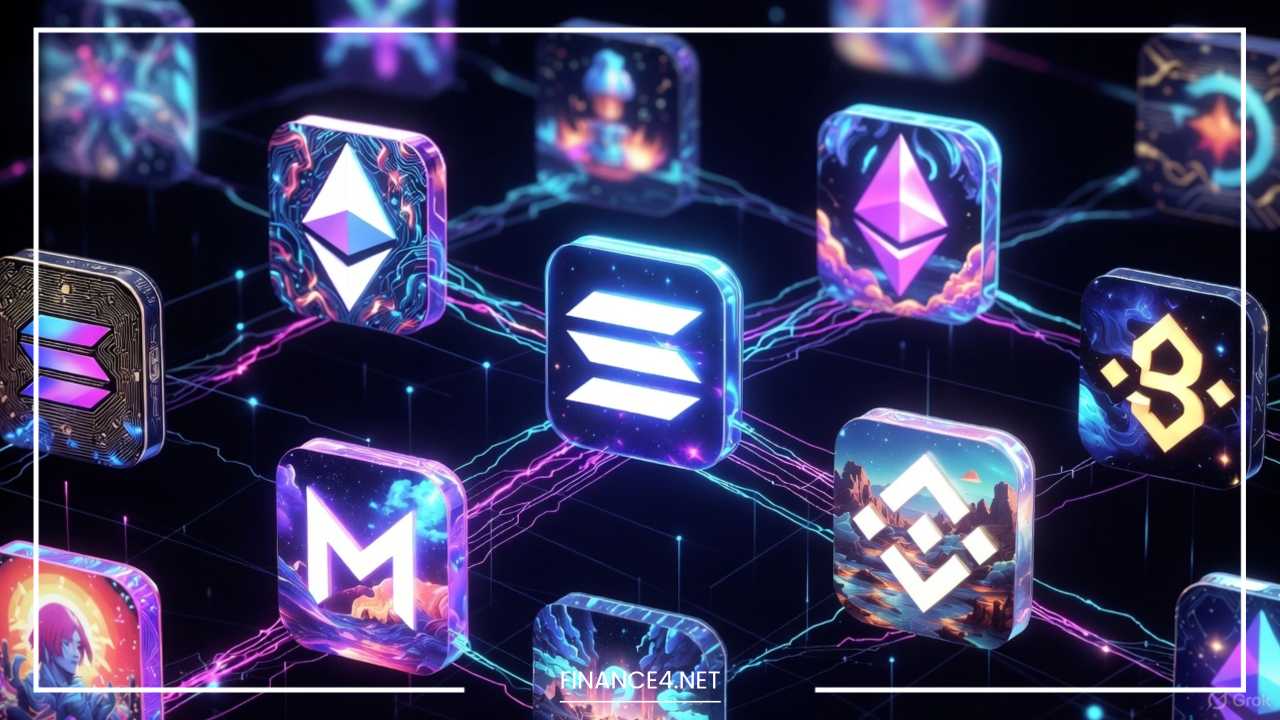
Best Multi-Chain NFT Tools | Top NFT Platforms & Resources
The world of Non-Fungible Tokens (NFTs) is no longer confined to the Ethereum network. The industry has rapidly evolved, shifting from single-chain ecosystems to a sprawling, interconnected, multi-chain universe. This transition is driven by the need for greater scalability, lower transaction costs, and broader community reach. For creators, collectors, and developers to thrive in this new landscape, relying on specialized multi-chain NFT tools is not just an advantage—it is a necessity.
This comprehensive guide dives deep into the top platforms and essential resources that are powering this multi-chain revolution. We will explore the tools that enable seamless creation, trading, tracking, and management of NFTs across diverse blockchains, giving you the critical knowledge needed to succeed in the decentralized digital asset space.
What Are Multi-Chain NFTs?
To understand the tools, one must first grasp the underlying technology.
Definition and Explanation
An NFT is a unique digital asset whose ownership is recorded on a blockchain. A single-chain NFT is one that exists solely on its native blockchain, such as an Ethereum-based NFT. In contrast, a multi-chain NFT is an asset that can be seamlessly transacted, viewed, or utilized across multiple different blockchain networks.
This is often achieved in one of two ways:
-
Native Multi-Chain Minting: The NFT project launches identical or interconnected collections on several chains (e.g., creating a version on Ethereum and a parallel version on Polygon).
-
Bridged NFTs: The NFT is “locked” on its source chain, and a corresponding, wrapped version is “minted” on the destination chain using a specialized protocol known as an NFT Bridge.
Benefits of Multi-Chain NFTs
The shift away from single-chain dominance offers profound advantages for the ecosystem:
-
Interoperability: This is the core benefit. Multi-chain NFTs can be used in different decentralized applications (dApps) across various chains. For example, a gaming asset minted on Polygon could potentially be used in a metaverse built on Solana, vastly increasing its utility.
-
Lower Fees: High gas fees on networks like Ethereum were a significant barrier to entry for many users. By supporting cheaper chains like Polygon, Base, or Avalanche, multi-chain tools make the buying, selling, and minting of NFTs accessible to a global audience.
-
Larger Audience and Liquidity: By not being restricted to one blockchain’s community, projects can tap into multiple pools of buyers and collectors, leading to greater exposure, increased trading volume, and enhanced overall liquidity.
Challenges: Fragmentation and Complexity
Despite the benefits, the multi-chain world is not without its hurdles:
-
Fragmentation: Spreading liquidity across multiple chains can dilute the market for a single collection, making accurate price discovery difficult.
-
Complexity and User Experience: The process of bridging assets, managing different network settings in a wallet, and tracking value across diverse ecosystems can be overwhelming for novice users.
-
Security Concerns: Blockchain bridges, which are central to multi-chain functionality, are often complex smart contracts and have historically been targets for major exploits. Users must trust the security of the underlying bridging technology.
Key Features to Look for in Multi-Chain NFT Tools
A top-tier multi-chain tool must solve the complexity of a fragmented ecosystem, providing a streamlined and secure experience. When evaluating any platform, be it a marketplace, an analytics dashboard, or a wallet, look for these critical features:
Cross-Chain Compatibility and Aggregation
The primary feature is the sheer number of supported blockchains. A truly multi-chain tool should cover the major ecosystems, including:
-
Ethereum (ETH): The established, blue-chip network.
-
Solana (SOL): Known for speed and low cost.
-
Polygon (MATIC): A popular Ethereum Layer 2 solution.
-
BNB Smart Chain (BSC): Offers low fees and a large user base.
-
Layer 2s: Emerging networks like Arbitrum, Optimism, Base, and zkSync.
-
Emerging L1s: Networks like Avalanche, Aptos, or Sui.
The best platforms don’t just support these chains; they aggregate data and listings from them into a single, unified interface.
Wallet Integration and Security
Seamless connectivity is vital. The tool should support a wide array of non-custodial wallets that handle multiple chains (e.g., MetaMask, Phantom, Coinbase Wallet). Furthermore, look for advanced security features:
-
Non-Custodial: The platform should never hold your private keys.
-
Spam/Scam Filtering: Automated mechanisms to hide malicious or fraudulent “airdropped” NFTs.
-
Transaction Simulation: A feature that shows the potential outcome of a transaction before you sign it, mitigating “blind signing” risks.
Analytics and Portfolio Tracking
For investors and serious collectors, robust, multi-chain analytics are non-negotiable. Key capabilities include:
-
Unified Portfolio View: Tracking the real-time fiat value of all your NFTs and crypto assets across all connected blockchains in one dashboard.
-
Cross-Chain Price Discovery: Aggregating floor prices, trading volumes, and historical data for a single collection across different chains to find the best deal.
-
Whale Tracking: Monitoring the activity of high-value collectors across the multi-chain landscape.
NFT Minting and Marketplace Support
For creators, the ideal tool minimizes technical barriers and maximizes reach. It should offer:
-
One-Click Deployment: Simple, low-code/no-code deployment of smart contracts to multiple chains (e.g., Ethereum, Polygon, Avalanche).
-
Lazy Minting: The option to postpone the gas fee payment until the NFT is sold, reducing the creator’s upfront costs.
-
Direct Marketplace Integration: Automatic listing of newly minted NFTs on the most popular corresponding marketplaces.
User-Friendly Interface and Community Support
Ultimately, the best tool is the one that simplifies complexity. A clean, intuitive interface is essential, especially when dealing with cross-chain swaps and transfers. Strong community support, detailed documentation, and prompt customer service further validate a platform’s long-term viability.
Best Multi-Chain NFT Marketplaces
Marketplaces are the trading floors of the NFT world. The most dominant platforms have already evolved into multi-chain aggregators, providing a single hub for global liquidity.
OpenSea: The Global Aggregator
OpenSea, historically the titan of the Ethereum NFT market, has reinvented itself into a massive, multi-chain crypto trading aggregator.
-
Key Multi-Chain Feature: OpenSea now supports a vast number of blockchains, including Ethereum, Polygon, Klaytn, Arbitrum, Optimism, and emerging chains like Base and zkSync. Its new model focuses on aggregating tokens and NFTs across these 22+ blockchains, positioning itself as a universal liquidity hub.
-
Pros: Deepest Liquidity, most recognizable brand, and a comprehensive, aggregated view of collections across Ethereum and its Layer 2s. Its pivot toward a broader crypto trading hub makes it a one-stop-shop.
-
Cons: Historically higher platform fees (though now competitive), can still feel heavily skewed toward Ethereum’s top collections, potentially overlooking niche multi-chain projects.
-
Unique Feature: Model Context Protocol (MCP) integration, allowing AI agents direct, real-time access to NFT and wallet data across multiple blockchains, paving the way for advanced automated portfolio management.
Rarible: Cross-Chain NFT Minting Pioneer
Rarible was one of the earliest advocates for multi-chain functionality, focusing heavily on empowering creators with cross-chain minting capabilities.
-
Key Multi-Chain Feature: Rarible allows users to select a desired blockchain—such as Ethereum, Polygon, or Flow—when creating an NFT. They also support multi-chain wallet integration, enabling users to manage assets from various networks within the platform.
-
Pros: Excellent for creators due to its easy-to-use minting process and support for both native and lazy minting options on different chains. It offers a more community-driven, decentralized feel than OpenSea.
-
Cons: Trading volume is generally lower than OpenSea and Magic Eden, meaning liquidity for certain collections can be thin.
-
Unique Feature: The RARI token grants holders voting rights on platform upgrades and policies, fostering a decentralized governance model over its multi-chain expansion.
Magic Eden: From Solana to Multi-Chain Powerhouse
Magic Eden, which began as the dominant marketplace for the Solana ecosystem, has rapidly transformed into a major cross-chain competitor.
-
Key Multi-Chain Feature: It has successfully integrated support for Ethereum, Polygon, Bitcoin (Ordinals), and emerging EVM-compatible chains like Base, BeraChain, and ApeChain. Its architecture allows it to maintain Solana’s characteristic speed and low fees while accessing Ethereum’s vast liquidity.
-
Pros: Exceptional speed and low fees, especially for Solana-based transactions. It boasts a strong Creator Launchpad for new collections across all supported chains and an intuitive, clean user interface. The launch of its $ME token further incentivizes cross-chain trading.
-
Cons: While expanding rapidly, its Ethereum liquidity is still developing compared to OpenSea.
-
Unique Feature: Bitcoin Ordinals Support, offering a trading hub for the unique NFT-like assets native to the Bitcoin blockchain, a feature few major competitors have fully integrated.
Other Emerging Platforms
-
Objkt: A significant, community-driven marketplace primarily focused on the Tezos ecosystem, known for its focus on fine art and lower transaction fees.
-
Binance NFT: Integrated with the massive Binance ecosystem, supporting Binance Smart Chain (BNB) and Ethereum, leveraging the exchange’s vast user base.
Multi-Chain NFT Minting Tools
For creators, the tools used to deploy the underlying smart contract are paramount. The best tools offer flexibility, cost-efficiency, and instant compatibility across chains.
Thirdweb: The Developer’s Multi-Chain Toolkit
Thirdweb is not just a minting tool; it’s a comprehensive web3 development kit that makes deploying entire decentralized applications (dApps) across multiple chains accessible.
-
Core Functionality: It provides pre-built, audited smart contracts (including ERC-721 and ERC-1155 standards) that can be deployed to over 2,500 different blockchains and testnets with just a few clicks or simple lines of code.
-
Ease of Use: It offers a user-friendly dashboard for no-code contract deployment alongside a powerful Software Development Kit (SDK) for developers, covering everything from minting to user authentication and in-app wallets.
-
Fees/Cost: Thirdweb operates on a tiered subscription model, with a free “Starter” plan for basic features and scaling plans for production-grade apps, making it highly cost-effective for teams looking to build multi-chain from day one.
-
Integration: Its contracts are instantly compatible with major marketplaces and wallets, ensuring maximum visibility for minted collections.
Mintable: The Gasless Creator Solution
Mintable positions itself as a streamlined, user-focused platform for selling and minting digital assets.
-
Core Functionality: It champions “gasless” minting (lazy minting), allowing creators to deploy their NFTs to the blockchain only after a buyer is found, eliminating upfront gas costs. It supports Ethereum and Immutable X.
-
Ease of Use: Extremely beginner-friendly, providing a guided, step-by-step process for uploading art and setting collection details.
-
Fees/Cost: Charges a percentage-based fee on sales (which varies depending on the type of minting and listing), making it purely success-fee based for creators who use lazy minting.
-
Integration: Connects to standard EVM wallets like MetaMask and Coinbase Wallet.
Cargo: Enterprise-Grade NFT Creation
Cargo is geared toward brands, businesses, and large-scale projects that require bespoke, feature-rich NFT ecosystems.
-
Core Functionality: Offers multi-chain support and focuses on utility-based NFTs. It provides robust tools for creating and managing collections, including features like NFT memberships and fractional ownership.
-
Ease of Use: While having a more technical feature set, it provides API access and a dashboard that enables sophisticated use cases beyond simple art creation.
-
Focus: It emphasizes the creation of contracts that are highly customizable and secure, suitable for corporate or major brand NFT drops.
NFT Analytics and Tracking Tools
For collectors and investors, navigating the volume and price discovery challenges of multi-chain NFTs requires sophisticated, unified data tools.
DappRadar: The Cross-Chain Data Aggregator
DappRadar is a veteran platform that tracks not just NFTs, but the entire decentralized application (dApp) ecosystem.
-
Key Multi-Chain Metrics: It is invaluable for tracking overall market health, volume, and user activity across major blockchains (Ethereum, BNB Chain, Polygon, Solana, etc.). You can see which chains are currently hosting the most popular dApps and NFT activity.
-
Tools: Offers NFT valuation tools, portfolio tracking that encompasses tokens and NFTs across chains, and a ranking system for both individual collections and the chains themselves.
-
Importance: Crucial for top-down market analysis—understanding where the capital and users are flowing in the multi-chain universe.
NFTGo: The Unified Portfolio and Whale Tracker
NFTGo focuses heavily on market trends, whale activity, and comprehensive portfolio management across chains.
-
Key Multi-Chain Metrics: Provides a powerful NFT search engine and ranking system. Its main advantage is its unified portfolio management, allowing users to connect multiple wallets and track their combined NFT value and performance across networks like Ethereum, Polygon, and Immutable X.
-
Tools: Whale Tracking is a standout feature, allowing users to monitor the purchases, sales, and cross-chain transfers of the largest NFT holders, providing early signals on potential market movements.
-
Importance: Excellent for investors who need to track multiple wallets and analyze the buying patterns of influential market players across various ecosystems.
Icy.tools: Real-Time Trending Collections
Icy.tools is highly valued for its speed in detecting real-time trends and floor price movements.
-
Key Multi-Chain Metrics: Its strength is its Trending Collections leaderboard, which can be filtered by short timeframes (e.g., 15 minutes or 30 minutes) to catch the start of a hype cycle or market frenzy. It primarily focuses on Ethereum and EVM-compatible chains.
-
Tools: Provides detailed volume, sales history, and floor price charts, with a focus on quick, actionable data for traders.
-
Importance: A must-have for active traders looking to identify and capitalize on the rapid shifts in cross-chain NFT collection interest before they hit major marketplaces.
NFT Wallets Supporting Multi-Chain Assets
The wallet is the gateway to the multi-chain world. It must be capable of securely managing private keys, displaying assets, and connecting to dApps across diverse blockchain architectures.
Wallet Functionality for Multi-Chain NFTs
A true multi-chain wallet does more than just hold multiple currencies; it must understand and correctly display the NFT metadata from different chains and standards (e.g., ERC-721 on Ethereum, Metaplex on Solana). This includes:
-
Network Switching: Easy and secure switching between different network configurations (e.g., switching from the Ethereum Mainnet to the Polygon network).
-
Unified Display: An integrated NFT gallery that correctly renders assets from all connected chains, even if they use different underlying standards.
-
Transaction Clarity: Clear, concise details about the gas fees and asset destination for cross-chain transactions.
Recommended Wallets
-
MetaMask (ETH, EVM Chains): The long-standing standard for the Ethereum ecosystem. While not natively supporting Solana or Bitcoin, it is essential for managing assets on Ethereum and all major EVM-compatible chains like Polygon, Arbitrum, Optimism, and Avalanche C-Chain. Its broad dApp connectivity is unmatched.
-
Phantom (Solana, Ethereum, Polygon): Originally the definitive wallet for Solana, Phantom has aggressively expanded its multi-chain capabilities to include Ethereum and Polygon. It is highly praised for its sleek user interface, integrated NFT gallery, and ease of connecting to Magic Eden and other marketplaces.
-
Coinbase Wallet (Beginner-Friendly, Multi-Chain): An excellent choice for users seeking simplicity. It supports a growing list of chains, including Ethereum, Polygon, BNB Chain, and Base, and offers a robust security framework. It’s often recommended for beginners due to its clear design and connection to the regulated Coinbase exchange.
-
Zengo (MPC Security): A cutting-edge, non-custodial wallet that utilizes Multi-Party Computation (MPC) technology to eliminate the vulnerability of a single seed phrase. It supports NFTs on Ethereum and Polygon and is consistently ranked as one of the most secure software wallets for multi-chain asset storage.
Security Tips and Best Practices
In the multi-chain world, security risks multiply. Always adhere to these practices:
-
Never Share Your Seed Phrase: This is the master key to all your assets across all chains.
-
Use Hardware Wallets (Cold Storage): For significant holdings, use cold storage devices like Ledger or Trezor, which integrate with hot wallets like MetaMask or Phantom.
-
Audit Permissions: Regularly check and revoke permissions you have granted to dApps (especially NFT marketplaces or minting sites) via tools like Revoke.cash.
-
Verify Contract Addresses: Double-check that the contract address of any NFT collection you are interacting with matches the official, verified source, as scam collections are often deployed on cheaper chains to mislead users.
Additional Resources and Tools
The multi-chain ecosystem relies on foundational infrastructure beyond just marketplaces and wallets.
NFT Bridges for Cross-Chain Transfers
Bridges are the critical middleware that allows an NFT to move from one chain to another.
-
Wormhole: A leading cross-chain messaging protocol that supports the transfer of tokens and NFTs across over 30 blockchains, including Solana, Ethereum, Polygon, and BNB Chain. It uses a decentralized network of validators (Guardians) to secure asset transfers and is a foundational technology for many multi-chain projects.
-
Allbridge: A highly respected protocol that facilitates the bridging of assets, including NFTs, between various EVM and non-EVM chains like Solana, Polygon, and Fantom. It is known for its wide chain support and focus on stablecoin transfers, which helps in cross-chain NFT settlements.
The user experience for bridging is becoming more streamlined, with many projects now using these protocols as an integrated, one-click feature within their own dApps.
NFT Communities and Educational Resources
The technical complexity of the multi-chain space makes reliable information and community vital:
-
Discord and X (Twitter): These remain the primary communication hubs. Follow reputable leaders, developers, and official project channels. Look for communities that focus on multi-chain developments, Layer 2 scaling, and interoperability protocols.
-
Reputable Blockchain News Sites: Regular reading of specialized news sources ensures you stay updated on the latest multi-chain developments, security exploits, and platform launches.
Automation and Management Tools
For high-volume traders or creators managing large collections:
-
Dune Analytics/Footprint Analytics: Platforms for building custom SQL queries to extract multi-chain data on trading volume, unique buyers, and gas fees that standard dashboards might miss.
-
Bulk Listing Tools: Some marketplaces (or third-party tools) offer batch listing and sweeping tools that allow traders to execute multiple buy or sell orders across a single chain or even multiple chains simultaneously, dramatically increasing efficiency.
Future of Multi-Chain NFT Ecosystem
The multi-chain paradigm is not the final state, but a critical stepping stone toward a fully integrated, chain-agnostic future. The global cross-chain NFT market is projected to grow at a Compound Annual Growth Rate (CAGR) of over 33% from 2025 to 2035, underscoring the irreversible nature of this trend.
Interoperability and Token Standards
The focus will shift from bridging assets to native interoperability. New token standards, such as those used by Wormhole’s Native Token Transfers (NTT), aim to allow a token to exist natively across multiple chains with a unified supply, eliminating the need for wrapped or pegged assets, which will make cross-chain NFT utility seamless.
Gaming NFTs and Metaverse Integration
The gaming and metaverse sectors are the largest drivers of multi-chain demand. Future gaming assets (e.g., swords, skins, land) will need to be instantly transferable between different virtual worlds and different underlying blockchains. The focus will be on the utility of the NFT, not the chain it currently resides on. Tools will evolve to provide a single, universal inventory view, regardless of which game or chain the item is on.
Mass Adoption and Simplicity
The ultimate goal is to abstract away the blockchain altogether. Future multi-chain tools will aim to make the user experience as simple as traditional Web2 applications. This will involve:
-
Account Abstraction: Allowing users to pay gas fees using any token or even having dApps subsidize the fees, further simplifying cross-chain transactions.
-
Simplified Wallets: Wallets will auto-detect the required network, manage all tokens/NFTs, and handle the bridging process seamlessly in the background, eliminating the need for manual network configuration.
Final Thoughts
The multi-chain universe represents the maturation of the NFT market. It addresses the fundamental limitations of single-chain ecosystems—high cost and limited reach—by leveraging the strengths of diverse blockchain technologies.
For creators, the best tools are those that simplify deployment across multiple chains (like Thirdweb), ensuring their art and utility can reach the largest possible audience while minimizing upfront costs. For collectors and investors, success is defined by superior information. Platforms like OpenSea and Magic Eden provide the market access, while analytics tools like NFTGo and DappRadar provide the vital, unified cross-chain data required to navigate complex liquidity and trend dynamics. Finally, secure, MPC-based, or aggressively multi-chain-supporting wallets like Phantom or Zengo are the trusted foundation for holding digital assets.
Embrace these top multi-chain NFT tools and resources today. The future of digital ownership is interconnected, and leveraging these platforms is the key to unlocking the full, borderless potential of the web3 ecosystem.
Would you like me to take any of these platforms and dive deeper into their current fee structures or provide a step-by-step tutorial on multi-chain minting?