Top Multi-Chain NFT Staking Solutions
 by
by 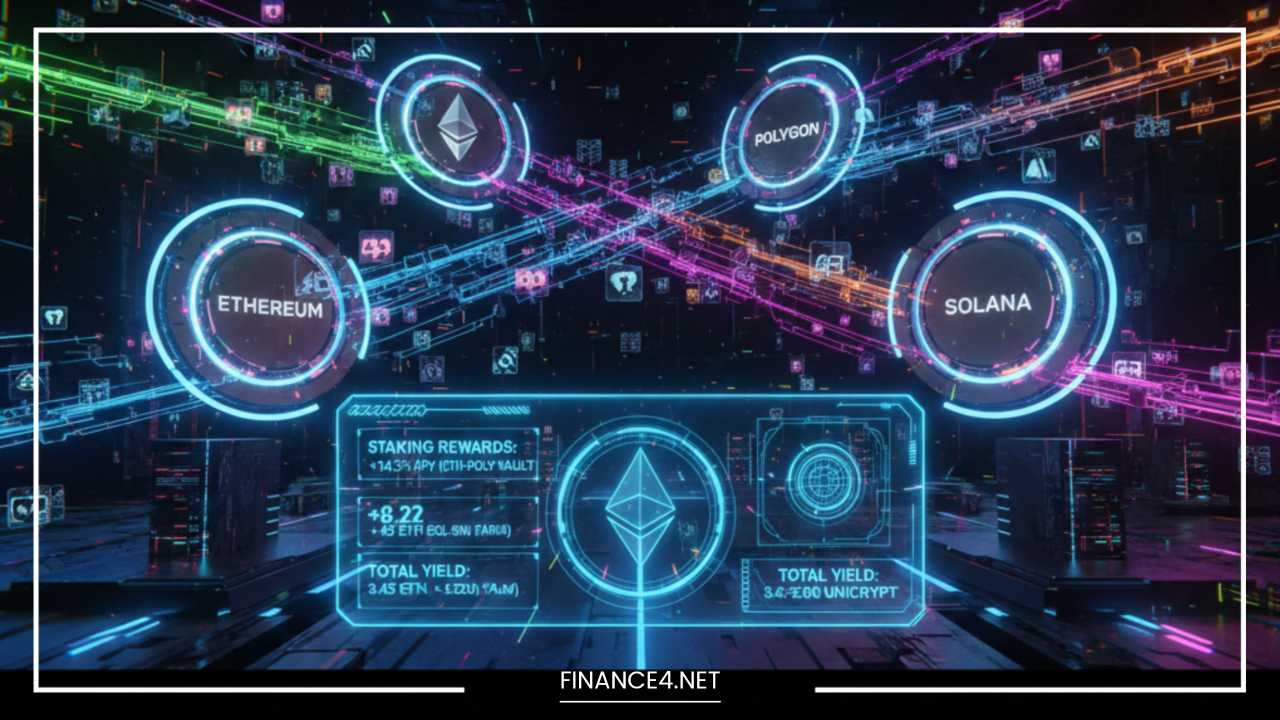
Top Multi-Chain NFT Staking Solutions | Best Cross-Chain NFT Yield Platforms
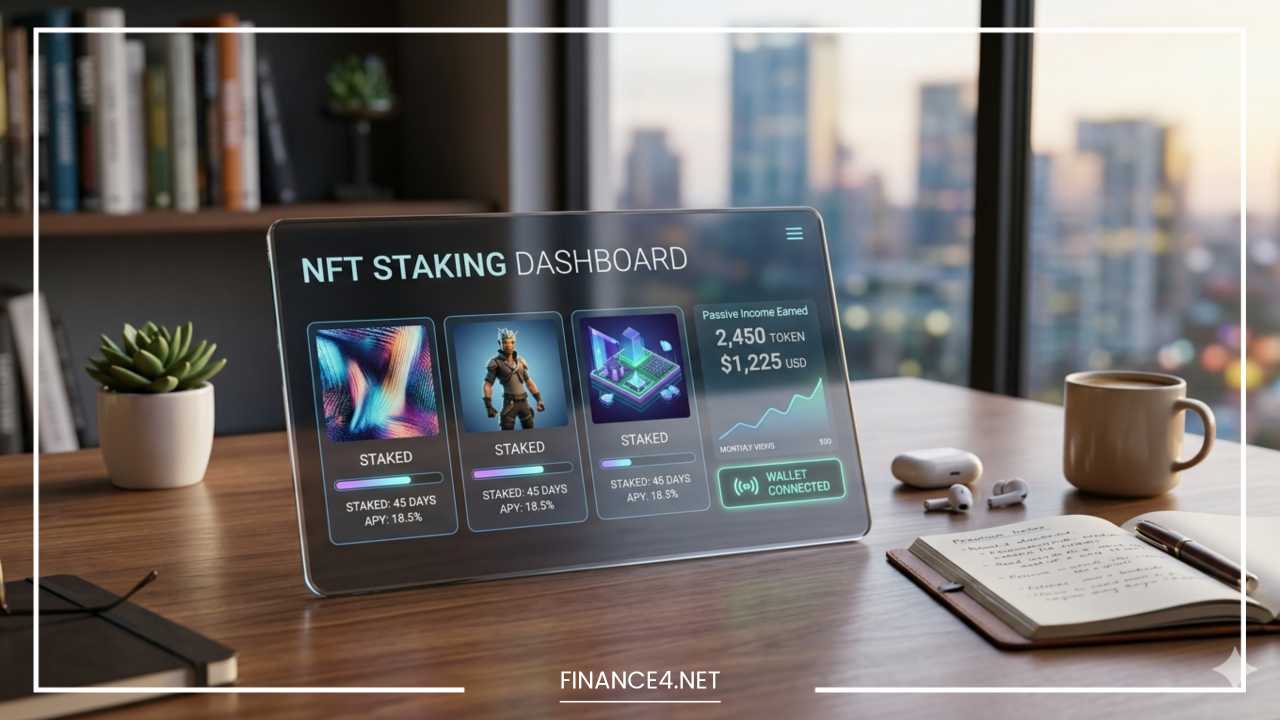
The world of Non-Fungible Tokens (NFTs) has rapidly evolved from simple digital art collectibles to complex assets with measurable utility and yield potential. Central to this evolution is NFT staking, a mechanism that allows token holders to lock their NFTs on a platform or protocol to earn passive rewards, often in the form of the platform’s native cryptocurrency or other utility tokens.
However, the initial fragmentation of the blockchain landscape—where NFTs were confined to a single network like Ethereum or Solana—severely limited their utility and liquidity. Today, the crypto space is witnessing a powerful shift: the emergence of multi-chain and cross-chain NFT ecosystems. This next phase allows NFTs to be staked, transferred, and utilized across various blockchains, unlocking vastly greater opportunities.
The benefits are clear: higher yields, increased flexibility in asset management, reduced dependence on a single network’s potentially high gas fees, and improved cross-chain liquidity. This article dives deep into the architecture, benefits, and the top platforms leading the charge in this interoperable future of NFT staking.
Understanding Multi-Chain NFT Staking
What Is Multi-Chain NFT Staking?
Multi-chain NFT staking is the process of locking an NFT on a platform that supports multiple underlying blockchain networks (e.g., Ethereum, Polygon, BNB Chain). This is achieved through sophisticated cross-chain smart contracts and bridging mechanisms that securely lock the original NFT on its native chain while a representation of it (often a wrapped or synthetic version) is used to interact with the staking vault on a different, often cheaper and faster, network.
The core technical achievement lies in the interoperability layer, which allows the asset’s ownership and characteristics to be verified and utilized across disparate blockchain environments. This greatly enhances the NFT’s economic potential, allowing it to earn rewards from protocols operating in different ecosystems.
Single-Chain vs. Multi-Chain Staking
The contrast between the two models highlights the advantages of cross-chain solutions:
| Feature | Single-Chain Staking | Multi-Chain Staking |
| Network Restriction | Limited to one blockchain (e.g., Ethereum only). | Accesses multiple chains (ETH, Polygon, BSC, Avalanche). |
| Fees | Highly dependent on the native chain’s congestion (e.g., high gas fees on Ethereum L1). | Offers flexibility to use lower-fee networks (e.g., Polygon, BSC). |
| Yield & Liquidity | Restricted to yield opportunities and liquidity pools on a single chain. | Accesses a broader range of yield platforms, increasing capital efficiency. |
| Interoperability | Minimal. | High, enables NFT utility across different dApps and games. |
Multi-chain staking effectively addresses the issues of lower fees, better rewards, greater liquidity, and improved interoperability, making it the superior model for yield generation.
Why Multi-Chain Matters for NFT Projects
For NFT collection creators and issuers, supporting multi-chain functionality is rapidly becoming a necessity, not a luxury.
-
Broader User Access: By being available on, say, both Ethereum and Polygon, a project can onboard users restricted by Ethereum’s high transaction costs, thereby growing its community and market reach.
-
Enhanced Utility: Staking on a cheap chain allows NFT holders to frequently lock and unlock their assets or use them in rapid GameFi interactions, giving the NFT a deeper, more frequent utility than if it were costly to move.
-
Scaling and Performance: Integrating with Layer 2 solutions and fast L1s (like Solana or Avalanche) ensures that the NFT ecosystem can scale without hitting network bottlenecks or price barriers.
Benefits of Cross-Chain NFT Staking
The adoption of cross-chain staking delivers tangible advantages for the NFT holder, moving the asset from a static collectible to a dynamic, income-generating piece of property.
-
Ability to Stake NFTs Across Chains: The primary benefit is the geographic flexibility to stake NFTs originally minted on one chain (e.g., Ethereum) into yield contracts operating on others (e.g., Avalanche or Fantom). This allows users to follow the highest APYs regardless of the asset’s origin.
-
Reduced Gas Fees: By migrating the NFT’s utility (via a secure bridge) to alternative networks, users can interact with staking contracts, claim rewards, and adjust positions for fractions of the cost incurred on congested L1 chains.
-
More Yield Options: Multi-chain platforms open the door to diverse yield strategies, including participation in liquidity pools on different DEXs or earning unique reward tokens specific to a new ecosystem.
-
Increased NFT Utility: Staking transforms a dormant asset into a productivity tool. The earned rewards often provide passive income, essentially “renting out” the NFT’s value to the protocol for securing its ecosystem.
-
Better Flexibility and Portfolio Management: Cross-chain support allows for efficient diversification, letting investors spread their risk across multiple blockchain economies and easily rebalance their portfolio without being locked into a single ecosystem.
Key Features to Look for in Multi-Chain Staking Platforms
Navigating the multi-chain landscape requires a keen eye for quality and security. The best platforms demonstrate specific, non-negotiable features:
-
Security and Smart Contract Audits: This is paramount. Look for evidence of rigorous audits from reputable firms like Certik, Hacken, or PeckShield. The cross-chain nature introduces more complex smart contract risk.
-
Multi-Chain Bridge Support: A robust platform must utilize or integrate with a battle-tested and secure interoperability protocol (bridge) capable of handling the lock/mint/burn sequence for NFTs (ERC-721/ERC-1155).
-
APY Transparency and Sustainability: High APYs can often signal risk. Sustainable yield comes from actual protocol revenue (e.g., trading fees, lending interest), not just inflationary token emissions. Look for clear documentation on the source of the yield.
-
Supported Networks and NFTs: The platform should support the chains where your assets are, and the staking vaults should be compatible with established or highly anticipated NFT collections.
-
Reward Token Stability and Utility: The earned reward token should have genuine utility (e.g., governance, fee discounts, or burning mechanisms) to maintain its long-term value, rather than being a pure inflationary incentive token.
-
Ease of Integration for Creators: For projects launching new NFT collections, the platform should offer simple SDKs or no-code tools to create staking vaults and reward schedules.
-
DeFi Compatibility and Liquidity: The best platforms blend NFT staking with DeFi primitives, allowing staked assets to potentially be used as collateral or pooled to generate maximum yield.
Top Multi-Chain NFT Staking Solutions
The market for multi-chain NFT staking is dynamic, with various protocols focusing on different niches—from general aggregators to GameFi ecosystems and decentralized lending.
1. StationX (Example of Multi-Chain Staking Aggregator)
StationX is positioned less as a single staking protocol and more as an on-chain capital coordination protocol that enables communities and DAOs to manage and deploy capital across chains. While its core focus is DAO tooling, it natively supports the creation of NFT staking vaults for collective investment or rewards distribution.
-
Multi-Chain Support: StationX integrates with several key EVM-compatible networks, enhancing accessibility and interoperability for its “Stations” (Decentralized Autonomous Organizations).
-
NFT Staking Vaults: Users can set up permissionless, customizable vaults where membership (and thus voting/reward eligibility) can be gated by holding a specific NFT. The staking mechanism secures the asset within the DAO’s collective governance.
-
Reward Model: Rewards are defined by the DAO’s treasury and strategy, offering flexible incentive structures that are less reliant on a single platform token and more focused on the collective investment success of the community.
-
Pros/Cons: Pro: Highly flexible, DAO-centric, supports complex strategies. Con: Requires active governance and collective decision-making, which can be slower than automated protocols.
2. UNCX Network (Formerly UniCrypt)
UNCX Network is a veteran multi-chain decentralized services provider, primarily known for its token and liquidity lockers essential for new project launches. It has expanded its robust security-focused approach to encompass NFT staking and vesting solutions.
-
Known for Cross-Chain Locking: UNCX provides the fundamental trust layer for countless tokens by locking their liquidity and team tokens across various chains. This trust is extended to their NFT features.
-
Multi-Chain Support: UNCX supports a wide array of networks, including Ethereum, BNB Chain, Polygon, Avalanche, Arbitrum, Optimism, and Fantom, making it a truly multi-chain utility provider.
-
NFT Staking: Projects can utilize UNCX’s smart contracts to deploy staking mechanisms for their NFT collections, rewarding stakers with native platform tokens or project-specific utility tokens.
-
Security-Focused: Its reputation is built on audited, immutable smart contracts for locking, giving users a high degree of confidence in the security of the underlying mechanism holding the staked NFTs.
3. Drops DAO
Drops DAO aims to utilize otherwise idle NFTs as productive assets within the DeFi lending and borrowing ecosystem. It operates on the principle that the liquidity value of NFTs should be unlocked, and multi-chain is key to achieving this large-scale liquidity.
-
Lend and Borrow Using NFTs: The core utility is enabling users to use their staked NFTs as collateral to borrow stablecoins or native crypto assets, effectively turning NFTs into productive collateral.
-
Multi-Chain Integrations: By supporting multiple EVM chains, Drops ensures that high-value NFTs can access liquidity pools and stablecoin markets across different ecosystems, maximizing the available capital.
-
NFT Staking Vaults (NFT-Backed Loans): The act of “staking” an NFT into the protocol’s vault allows it to be appraised (often using oracle-fed floor price data) and used for borrowing, generating “yield” in the form of access to immediate liquidity.
-
Strong DeFi Positioning: Its focus is entirely on composability within the broader DeFi space, integrating seamlessly with existing yield strategies on platforms like Aave or Compound.
4. Oddz / Gamified Multi-Chain NFT Staking (Example)
Oddz is primarily a multi-chain options and derivatives trading platform. Its inclusion here represents a growing trend: the integration of NFT staking into specialized financial or gamified DeFi products.
-
NFT Staking Integrated with Prediction Markets: In models like this, NFTs might grant holders access to specialized options vaults, or their rarity/traits could provide multipliers on trading fees or staking rewards within the prediction market ecosystem.
-
Multi-Chain Liquidity Support: As a derivatives platform, Oddz natively operates on multiple chains (BNB Chain, Polygon, Ethereum) to reduce trading latency and fees, extending this multi-chain infrastructure to any attached NFT utility.
-
Yield Mechanics: Yield can be highly dynamic, earned not just from passive token rewards but from successful trades, discounted fees, or winning specific prediction rounds, based on the NFT’s utility within the platform.
5. MOBOX (BSC + Multi-Chain Extensions)
MOBOX is a leading GameFi ecosystem that was initially built on the BNB Chain (BSC) but has a strong vision for cross-chain interoperability, centralizing the utility of its unique MOMO NFTs.
-
GameFi Ecosystem: MOBOX combines yield farming with gaming NFTs in a free-to-play, play-to-earn model.
-
NFT Staking (“MOMO NFTs”): Users stake their MOMO NFTs (unique digital collectibles with varying rarity and hash power) into Smart Contracts to earn the platform’s native token, MBOX, through passive farming.
-
Cross-Chain Expansion: While the core farm lives on BSC, MOBOX has been actively developing cross-chain bridges and integrations to allow MOMO NFTs to be utilized or transferred to other major chains like Ethereum, increasing their overall utility and liquidity.
-
Rewards Structure: The yield is based on the hash power of the staked MOMO, creating a tiered reward structure that rewards rarer, higher-powered NFTs. This is a common and sustainable model in GameFi staking.
6. NFTrade
NFTrade brands itself as the first cross-chain and blockchain-agnostic NFT platform, focusing on being a complete aggregator for the entire NFT lifecycle—from creation and trading to utility.
-
Offers Cross-Chain NFT Marketplace + Staking: Unlike dedicated staking platforms, NFTrade combines an aggregator marketplace with integrated utility features, making it a one-stop-shop for NFT holders.
-
Supports Multiple Chains: NFTrade has a vast multi-chain reach, actively supporting ecosystems like Ethereum, BNB Chain, Polygon, and Avalanche, and working to expand.
-
NFT Farming: The staking mechanism is often referred to as “NFT farming,” where users stake specific, integrated NFT collections to earn the NFTrade native token, NFTD, or other project-specific rewards.
-
Unique Feature: It offers features like trustless P2P cross-chain swapping, meaning users can exchange an NFT on Polygon for an NFT on Avalanche through a secure escrow contract, demonstrating deep cross-chain utility.
7. Multichain.xyz (as Infrastructure for Cross-Chain NFT Movement)
While not a direct staking platform, Multichain (formerly Anyswap) is critical infrastructure that enables the entire multi-chain NFT staking movement.
-
Essential Infrastructure: Multichain is a decentralized cross-chain router protocol that enables the seamless movement of assets, including NFTs, between different blockchains.
-
Bridges Enabling Multi-Chain NFT Staking: Multi-chain staking relies on the ability to move the NFT (or its wrapped representation) to the destination chain. Protocols like Multichain provide this core capability using a secure lock-and-mint or burn-and-mint mechanism.
-
Why it Matters: A staking platform might utilize a Multichain bridge behind the scenes to facilitate the deposit of an Ethereum-based NFT into a Polygon staking vault. The security and reliability of this underlying bridge directly dictate the safety of the entire cross-chain staking process.
How Multi-Chain NFT Yield Platforms Work
Multi-chain staking is complex, but the user experience is designed to be streamlined, masking the underlying technology.
Process Overview
-
Connect Wallet: The user connects their wallet (e.g., MetaMask) to the staking platform, which detects the user’s available NFT collections.
-
Deposit or Bridge NFT:
-
Same Chain Staking: If the staking vault is on the same chain as the NFT, the NFT is simply deposited into the staking smart contract.
-
Cross-Chain Staking (Bridging): If the user wants to stake an Ethereum NFT on Polygon: The user first approves the transfer. The NFT is then locked in the bridge’s smart contract on Ethereum. A wrapped/synthetic version of the NFT (e.g., wNFT) is then minted on the Polygon network.
-
-
Choose Chain/Staking Pool: The user selects the appropriate staking pool on the target chain (e.g., the high-yield Polygon pool).
-
Stake and Earn Rewards: The wrapped NFT is staked into the yield contract, and the user begins accruing rewards, usually paid out in real-time or via periodic distributions.
Smart Contract Automation
The process relies heavily on the interaction between several specialized smart contracts:
-
Multi-Chain Bridges: These contracts handle the secure lock/mint process. They must verify that the original asset is held securely before issuing a new representation on the destination chain.
-
Lock-and-Mint vs. Burn-and-Mint:
-
Lock-and-Mint: Used for bridging existing assets. The original asset is locked, and an equivalent wrapped version is minted. When the user bridges back, the wrapped asset is burned, and the original is unlocked. This is common for NFTs.
-
Burn-and-Mint: Used for assets where the source chain asset is destroyed and a new native asset is created on the destination chain. Less common for unique NFTs, but used for native tokens.
-
Reward Types
Yield platforms generate revenue through various mechanisms, which determine the type of reward distributed:
-
Native Platform Tokens: The most common, where stakers earn the platform’s governance or utility token (e.g., staking a MOBOX MOMO for MBOX).
-
Utility Tokens: Tokens specific to an associated GameFi or DAO ecosystem, granting in-game benefits or voting rights.
-
Stablecoin-Based Yields: Platforms integrated with lending protocols (like Drops DAO) can offer yields paid out in stablecoins (e.g., USDC, DAI), providing non-volatile returns.
Risks and Challenges
While offering immense potential, multi-chain NFT staking introduces complexity, magnifying certain risks that users must be aware of.
-
Smart Contract Vulnerabilities: Every staking vault, bridge, and reward contract is susceptible to bugs or exploits. A flaw in any one of these contracts can lead to the permanent loss of the staked NFT or the reward tokens.
-
Bridge Exploits (Most Common Attack Vector): The act of bridging is the highest-risk activity in the multi-chain world. If the cross-chain bridge’s security mechanism (e.g., the underlying multi-party computation/MPC network) is compromised, the locked NFTs can be stolen, or unauthorized wrapped assets can be minted, devaluing the entire ecosystem.
-
Impermanent Loss (If Paired with Liquidity Pools): If the NFT staking mechanism involves pairing the NFT’s liquidity token with another volatile asset in a decentralized exchange (DEX) liquidity pool, the user risks impermanent loss if the price ratio between the two assets changes dramatically.
-
Market Volatility of Reward Tokens: The APY is calculated based on the current price of the reward token. If a reward token is purely inflationary with low utility, its price can crash, turning a theoretically high APY into a low or even negative real return.
-
Fraudulent Staking Platforms (Rug Pulls): Scammers can launch staking platforms with artificially high APYs to lure users, then drain the staked NFTs or liquidity pools after significant capital has been deposited.
Best Practices for Choosing a Multi-Chain NFT Staking Platform
Prudent due diligence is essential before committing valuable NFTs to a multi-chain yield platform.
-
Always Check Audits (Certik, Hacken, PeckShield): Look beyond a simple “audited” claim. Find the audit reports themselves and verify they are recent and cover the specific staking and bridging contracts being used.
-
Research Project Team Credibility: Is the team fully public (doxxed)? Do they have a long-standing reputation in the crypto space? Anonymous teams introduce greater risk of rug pulls.
-
Ensure Bridge Security and Reliability: Investigate which bridge infrastructure the platform uses. Is it a proven bridge like LayerZero, Multichain, or a custom solution? Custom bridges are inherently riskier unless they have been extensively battle-tested.
-
Compare APYs and Real Yield Sustainability: Treat overly high, unsustainable APYs (e.g., 1000%+) as a red flag. Look for platforms where a portion of the yield comes from protocol revenue (e.g., trading fees, interest) rather than 100% token inflation.
-
Review Community Feedback and Social Presence: Check Discord and Telegram communities. Is the team responsive? Are there widespread reports of bugs, slow withdrawals, or customer support issues?
-
Diversify Staking: Never put all your valuable NFTs onto a single platform. Diversifying staking across multiple, distinct, audited platforms and different blockchain networks minimizes exposure to a single point of failure (e.g., a bridge exploit on one network).
Future of Multi-Chain NFT Staking
The technology powering multi-chain NFTs is still in its nascent stages, promising a future of truly seamless, omnichain asset utility.
-
Rise of Omnichain NFTs (LayerZero, deBridge, ZetaChain): Protocols are moving beyond simple “lock-and-mint” bridges toward omnichain standards. Technologies like LayerZero allow NFTs to be transferred without the need for a wrapped asset, while platforms like ZetaChain focus on creating a universal smart contract layer that can natively coordinate utility across all chains.
-
Interoperable NFT Standards (ERC-5169, ERC-721X): New Ethereum Improvement Proposals (EIPs) are being developed to standardize multi-chain utility. ERC-5169 proposes a standard for multi-chain token contracts, making it easier to manage a single asset across multiple networks, which is crucial for staking platforms.
-
More DeFi + NFT Blending: Expect deeper integration of NFTs into core DeFi primitives. Staked NFTs will increasingly be used as a primary form of collateral for stablecoin minting or low-interest lending protocols.
-
Cross-Chain Gaming Economies: GameFi assets will be fully portable, allowing a character NFT earned on Polygon to be staked for yield on Avalanche, and then used to play a game built on Arbitrum—all without friction.
-
Institutional Adoption Possibilities: As regulatory clarity increases and security standards mature, tokenized real-world assets (RWA) and institutional-grade NFTs will require robust, cross-chain staking mechanisms for compliance and yield generation, driving massive growth and liquidity.
Final Thoughts
The trajectory of NFTs is inexorably linked to the concept of interoperability. Multi-chain NFT staking has moved the ecosystem past the limitations of single-network utility, transforming static collectibles into dynamic, yield-bearing assets.
The top platforms are those that successfully navigate the complex challenge of secure bridging while offering sustainable, high-utility yields. As protocols like UNCX, Drops DAO, and NFTrade continue to build out deep cross-chain functionality, the utility and potential of NFTs are only set to expand.
While the risks, particularly those associated with bridge security, remain real, the future points toward a truly seamless omnichain NFT economy. For the investor, the mandate is clear: embrace the multi-chain future, but always prioritize audited, proven platforms to maximize returns and protect valuable digital assets.