NFT Staking Platform Reviews
 by
by 
NFT Staking Platform Reviews and Top Picks
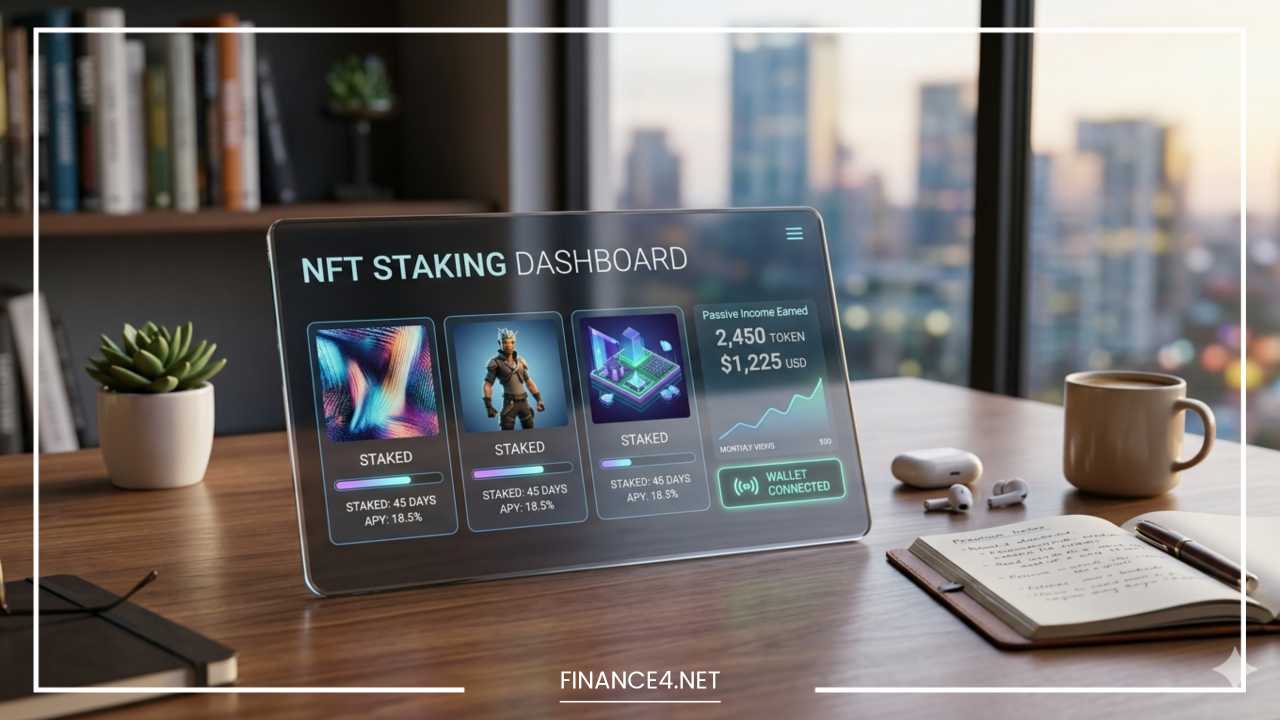
The digital asset landscape has evolved far beyond simple buying and selling. As the non-fungible token (NFT) market matures, collectors are no longer content with letting their digital art sit idle in a crypto wallet. This shift has given rise to NFT staking—a financial mechanism that allows holders to put their assets to work. By locking their unique digital items into smart contracts, users can generate passive income, much like earning interest in a traditional savings account or yield farming in decentralized finance (DeFi).
NFTs, or non-fungible tokens, are unique digital identifiers recorded on a blockchain that certify ownership and authenticity of a specific asset, ranging from digital art and music to in-game items and virtual real estate. NFT staking specifically refers to the process of attaching these tokens to a platform or protocol in exchange for staking rewards. These rewards often come in the form of the platform’s native utility tokens, which can sometimes be traded for other cryptocurrencies or used within a specific ecosystem.
The popularity of this practice is surging because it solves a major pain point in the NFT space: illiquidity. Unlike fungible tokens like Bitcoin or Ethereum, which can be traded instantly, an NFT is only worth what a specific buyer is willing to pay at a specific moment. Staking provides a way to extract value from an asset without having to find a buyer and part ways with the piece itself.
This article is designed for long-term investors, dedicated collectors, and passive income seekers who want to maximize the utility of their digital portfolios. In the following sections, we will provide a comprehensive breakdown of how staking works, the criteria for evaluating different protocols, and an in-depth review of the top platforms currently leading the market.
What is NFT Staking?
At its core, NFT staking is the process of “locking up” a digital asset on a blockchain-based platform for a predetermined period. During this time, the owner cannot sell or transfer the NFT, but they retain legal ownership of the underlying asset. In return for providing this “liquidity” or commitment to the project’s ecosystem, the staker receives rewards.
How it Differs from Crypto Staking
While the concept is similar to staking fungible cryptocurrencies (like ETH or SOL), the mechanics differ significantly. In traditional Proof of Stake (PoS) blockchains, you stake tokens to help secure the network and validate transactions. In NFT staking, you are usually participating in a specific project’s micro-economy. You aren’t necessarily securing the entire blockchain; rather, you are demonstrating long-term loyalty to a project or providing assets to a liquidity pool that others can use for trading or gaming.
Common Staking Models
-
Time-Locked Staking: The most straightforward model where you lock an NFT for a set duration (e.g., 30, 60, or 90 days). Longer lock-ups generally yield higher returns.
-
Yield Farming with NFTs: Some platforms allow you to use your NFT as a multiplier for standard DeFi yield farming. Holding a specific rare NFT might boost the interest rate you earn on your deposited crypto tokens.
-
Liquidity Pool Integration: Platforms like NFTX allow users to deposit their NFTs into a pool. The platform then issues a fungible vToken representing a claim on any NFT in that pool, which can then be staked in a DEX (Decentralized Exchange) to earn trading fees.
Types of Rewards
The “yield” from staking is rarely paid out in blue-chip coins like Bitcoin. Instead, rewards usually manifest as:
-
Native Tokens: Utility tokens unique to the project (e.g., $SLP for Axie Infinity or $SKP for Splinterlands).
-
Governance Tokens: Tokens that give the holder voting rights on the future direction of the platform.
-
Additional NFTs: Some projects reward stakers with “airdrops” of new, exclusive NFT collections or booster packs.
How NFT Staking Platforms Work
Understanding the technical layer of staking is essential for any investor. The process is governed entirely by smart contracts—self-executing pieces of code that live on the blockchain. When you stake an NFT, you are essentially sending it to a smart contract address that holds the asset in escrow until the conditions of the staking agreement are met.
The Step-by-Step Process
-
Connect Wallet: Users must connect a compatible Web3 wallet (such as MetaMask, Trust Wallet, or Phantom) to the staking platform.
-
Collection Verification: The platform scans the wallet to see if the user holds any NFTs from supported collections.
-
Locking the Asset: The user selects the NFT they wish to stake and approves the transaction. This usually involves a small gas fee to interact with the smart contract.
-
Earning Rewards: Once confirmed, the NFT is moved from the user’s wallet to the escrow contract. Rewards begin accruing immediately, usually calculated on a block-by-block basis.
APY and Lock-up Periods
The Annual Percentage Yield (APY) in NFT staking is often dynamic. It is influenced by the rarity of the NFT (rarer items often earn more) and the total number of people staking in the pool. If too many people stake, the individual rewards may dilute. Lock-up periods vary; some platforms offer “soft staking” where the NFT stays in your wallet but is “flagged” as staked, while others require a hard lock where the asset is physically moved.
Blockchain Networks and Fees
The choice of blockchain significantly impacts the cost of staking.
-
Ethereum: Home to the most valuable NFT collections but plagued by high gas fees. Staking an NFT on Ethereum might cost $20-$50 in transaction fees, making it less viable for low-value assets.
-
Polygon and BNB Chain: These networks offer much lower fees (often less than $1), making them the preferred choice for gaming NFTs and high-frequency reward claiming.
Key Factors to Evaluate NFT Staking Platforms
Not all staking platforms are created equal. Because you are handing over control of your asset to a smart contract, the stakes are high. Before committing your most valuable jpegs, evaluate the following criteria:
Security and Smart Contract Audits
This is the most critical factor. A platform should have its smart contracts audited by reputable firms like CertiK, Hacken, or OpenZeppelin. An audit does not guarantee 100% safety, but it proves that the code has been checked for common vulnerabilities that hackers use to drain funds.
Supported NFT Collections
Many platforms are “closed,” meaning they only allow you to stake NFTs from their own specific project. Others are “aggregators” or “market-wide” platforms that support dozens of external collections (like Bored Ape Yacht Club or Azuki). Ensure the platform actually supports the specific assets you own.
Reward Structure and Sustainability
High APY figures (e.g., 500%+) are often a red flag. You must ask: where is the money coming from? If a platform simply prints its own token to pay stakers, and that token has no use case, the token price will eventually crash, making your “rewards” worthless. Look for platforms where the rewards are tied to platform revenue, marketplace fees, or genuine in-game utility.
Liquidity and Exit Flexibility
Check the “unstaking” rules. Some platforms have a “cooldown period” (e.g., 7 days) after you click unstake before you get your NFT back. Others may charge a “penalty fee” if you withdraw your asset before the lock-up period ends.
Platform Reputation and Team
Research the founders. Are they “doxxed” (publicly known), or are they anonymous? A team with a history of successful projects in the crypto space is generally more trustworthy than a brand-new, anonymous team. Community sentiment on Discord and X (formerly Twitter) can also serve as an early warning system for potential issues.
Top NFT Staking Platforms
The following platforms represent the most established and widely used options in the current market. They range from massive centralized exchanges to niche gaming protocols.
1. Binance NFT Staking
Overview:
Binance, the world’s largest cryptocurrency exchange, provides a centralized “PowerStation” for NFT staking. This is often the first stop for beginners because it removes the technical complexity of interacting with DeFi protocols.
Features:
Binance allows users to stake NFTs from specific high-profile projects (like ApeCoin or the Bored Ape Yacht Club) directly within the exchange interface. Users earn rewards in tokens like APE without needing to pay Ethereum gas fees for the staking process itself once the NFT is on the platform.
-
Pros: Highly secure, user-friendly interface, zero gas fees for internal staking.
-
Cons: Centralized (you don’t hold your keys), limited selection of supported collections.
-
Best For: Beginners and those who already use the Binance ecosystem.
2. NFTX
Overview:
NFTX is a decentralized protocol that creates liquidity for NFTs. It allows users to deposit their NFTs into a “vault” and mint a fungible token (vToken) that represents the value of those NFTs.
Features:
Once you have vTokens, you can stake them in liquidity pools on exchanges like SushiSwap to earn trading fees. This is a “double-layered” staking model. You aren’t just earning a flat reward; you are providing the infrastructure that allows others to instantly buy and sell NFTs from that collection.
-
Pros: Deep liquidity, allows for “instant sell” of NFTs, decentralized and permissionless.
-
Cons: Very complex for beginners, risk of “impermanent loss” if staking in liquidity pools.
-
Best For: Advanced DeFi users and those holding floor-price NFTs.
3. MOBOX (MBOX)
Overview:
MOBOX is a “GameFi” platform that combines yield farming with gaming NFTs. The ecosystem uses “MOMOs”—square-shaped NFT characters that have “hash power.”
Features:
By staking MOMO NFTs, users provide hash power to the platform, which mines the MBOX governance token. The rarer and more powerful your MOMO, the more MBOX you earn. This creates a direct link between the rarity of your digital asset and your daily earnings.
-
Pros: Proven track record, fun interactive elements, rewards have genuine utility within the game.
-
Cons: The game can be competitive and expensive to enter for high-tier rewards.
-
Best For: Gamers and those looking for a “play-to-earn” experience.
4. Splinterlands
Overview:
Splinterlands is one of the most active blockchain-based trading card games. It has a robust economy where nearly every asset—cards, land, and tokens—can be staked.
Features:
Players can stake the native SPS (Splintershards) token, but the platform also allows for the “renting” of NFTs, which acts as a form of staking. By listing your cards for rent, you earn daily income from other players who need those cards to compete in higher ranks.
-
Pros: Extremely high user activity, low barriers to entry, rewards paid out daily.
-
Cons: The economy is complex and requires significant time to understand.
-
Best For: Tactical gamers and small-scale investors.
5. Axie Infinity
Overview:
As the pioneer of the P2E (Play-to-Earn) movement, Axie Infinity has transitioned into a more sophisticated staking model with the launch of its Ronin Network staking dashboard.
Features:
While the primary focus is on staking the AXS governance token, the ecosystem rewards NFT holders through land staking. Holders of “Lunar Landing” plots can stake their land to earn AXS rewards, contributing to the development of the “Project K” metaverse.
-
Pros: Massive community, high-value rewards, Ronin network is very fast and cheap.
-
Cons: The entry cost for land is very high; the ecosystem has seen high volatility in the past.
-
Best For: High-net-worth NFT investors and dedicated fans of the Axie lore.
6. R-Planet
Overview:
R-Planet is a “crafting” game on the WAX blockchain. It was one of the first platforms to allow users to stake NFTs from other projects to earn a utility token called AETHER.
Features:
If you have “junk” NFTs from abandoned projects on the WAX blockchain, R-Planet often allows you to stake them to earn AETHER. This token can then be used to buy “elements” to craft new items in their game.
-
Pros: Gives utility to otherwise “dead” NFTs, very low transaction fees on WAX.
-
Cons: AETHER token price has historically been very volatile; the crafting game is niche.
-
Best For: Users with large collections of WAX-based NFTs.
Best NFT Staking Platforms by Category
To simplify your decision-making process, we have categorized the top picks based on specific investor goals.
-
Best Overall: NFTX. For those who want the most “crypto-native” experience, NFTX offers the best combination of decentralization and financial utility.
-
Best for Beginners: Binance NFT Staking. If you are uncomfortable with hardware wallets and gas fees, the custodial safety of Binance is the logical starting point.
-
Best for Gaming NFTs: Splinterlands. Its internal economy is one of the few that has survived multiple market cycles with a consistently active player base.
-
Best for High Potential Rewards: MOBOX. The combination of NFT rarity and hash power provides a clear path for those willing to invest in high-tier assets.
-
Most Secure: Binance. While decentralization advocates might disagree, the sheer scale of Binance’s security infrastructure makes it the safest against individual wallet hacks.
Risks of NFT Staking
While the prospect of passive income is enticing, NFT staking is far from a “risk-free” investment. Transparency is key to long-term success in this space.
NFT Price Volatility
This is the primary risk. If you lock your NFT for 90 days to earn a 20% yield, but the “floor price” of the NFT collection drops by 50% during that time, you have lost money in dollar terms. Staking prevents you from selling quickly during a market crash.
Illiquidity Risk
When your NFT is in a staking contract, it is illiquid. If a sudden “hype cycle” occurs and prices spike, you may not be able to unstake your asset in time to sell at the peak.
Smart Contract Vulnerabilities
Even audited contracts can be exploited. If a hacker finds a “logic error” in the staking contract, they could potentially drain all the NFTs held in escrow. This has happened to several high-profile projects in the past.
Reward Token Inflation
Many projects pay staking rewards in a token that they create out of thin air. If there is no “burn mechanic” or reason for people to buy that token, the supply will eventually overwhelm demand, causing the token price to trend toward zero.
Rug Pulls and Platform Shutdowns
The NFT space is unfortunately rife with “rug pulls,” where developers abandon a project after collecting funds. If you stake your NFTs on a platform that suddenly goes offline, you may lose access to your assets forever.
Tips for Choosing the Right NFT Staking Platform
To navigate this landscape safely, follow these professional guidelines:
-
Do Your Own Research (DYOR): Never rely solely on a platform’s self-reported APY. Look for independent reviews and check their GitHub for active development.
-
Check Community Activity: A healthy project has an active, sometimes critical, community. If the Discord is “only hype” or, conversely, a “ghost town,” proceed with caution.
-
Avoid Unrealistic Promises: If a project promises a guaranteed 1,000% APY, it is likely a Ponzi scheme or has a highly inflationary token model that will fail.
-
Diversify Your Assets: Don’t stake all your valuable NFTs on a single platform. Spread them across different protocols and blockchains to mitigate the risk of a single contract exploit.
-
Start Small: Test the staking and unstaking process with a low-value NFT first. Ensure the rewards are actually claimable and the gas fees don’t eat up your profits.
Future of NFT Staking
The concept of NFT staking is still in its infancy. We are moving toward a future where NFTs are seen as “productive assets” rather than just collectibles.
Integration with DeFi
We are seeing the emergence of “NFT-Fi,” where NFTs can be used as collateral for loans. In the future, you might be able to stake an NFT to earn yield while simultaneously using it as collateral to borrow stablecoins.
Gaming and the Metaverse
As virtual worlds expand, staking will become a core mechanic for “land ownership.” Owners might stake their virtual land to “grow” resources that other players need to purchase, creating a fully functioning digital economy.
Cross-Chain Staking
Currently, most staking is siloed on a single blockchain. The next frontier is cross-chain staking, where you can stake an Ethereum-based NFT on a Layer 2 or a different chain (like Solana or Avalanche) to take advantage of lower fees and different reward ecosystems.
FAQs
Is NFT staking profitable?
It can be, provided the value of the reward tokens and the NFT itself remains stable or increases. However, if the NFT’s floor price drops significantly, the staking rewards rarely compensate for the loss in capital value.
Can you lose money staking NFTs?
Yes. Loss can occur through NFT price depreciation, reward token crashes, smart contract hacks, or high gas fees that exceed the value of the rewards earned.
What NFTs can be staked?
Only NFTs supported by a specific platform can be staked. Most gaming projects allow staking of their own assets, while platforms like NFTX or Binance support specific “blue-chip” collections.
Do I keep ownership while staking?
Legally and on the blockchain, yes. However, technically, the NFT is held by a smart contract. You retain the right to reclaim it according to the contract’s rules, but you cannot move it until it is unstaked.
What’s the minimum investment?
There is no set minimum, but transaction fees (especially on Ethereum) mean that staking NFTs worth less than a few hundred dollars is often not mathematically viable.
Final Thoughts
NFT staking represents a significant leap forward in the utility of digital assets. It transforms “static” collectibles into “active” financial instruments, allowing holders to earn rewards, participate in governance, and support their favorite ecosystems. From the user-friendly environment of Binance to the deep liquidity of NFTX and the immersive worlds of Splinterlands and Axie Infinity, there is a platform for every type of investor.
However, the primary rule of the blockchain remains: with great opportunity comes great risk. Success in NFT staking requires a balance of greed and caution. By prioritizing security audits, researching team reputations, and understanding the underlying tokenomics, you can turn your NFT collection into a consistent source of passive income. As the “NFT-Fi” sector continues to innovate, those who learn to navigate these platforms now will be best positioned for the future of the digital economy.