Top Multi-Chain NFT Aggregator Apps
 by
by 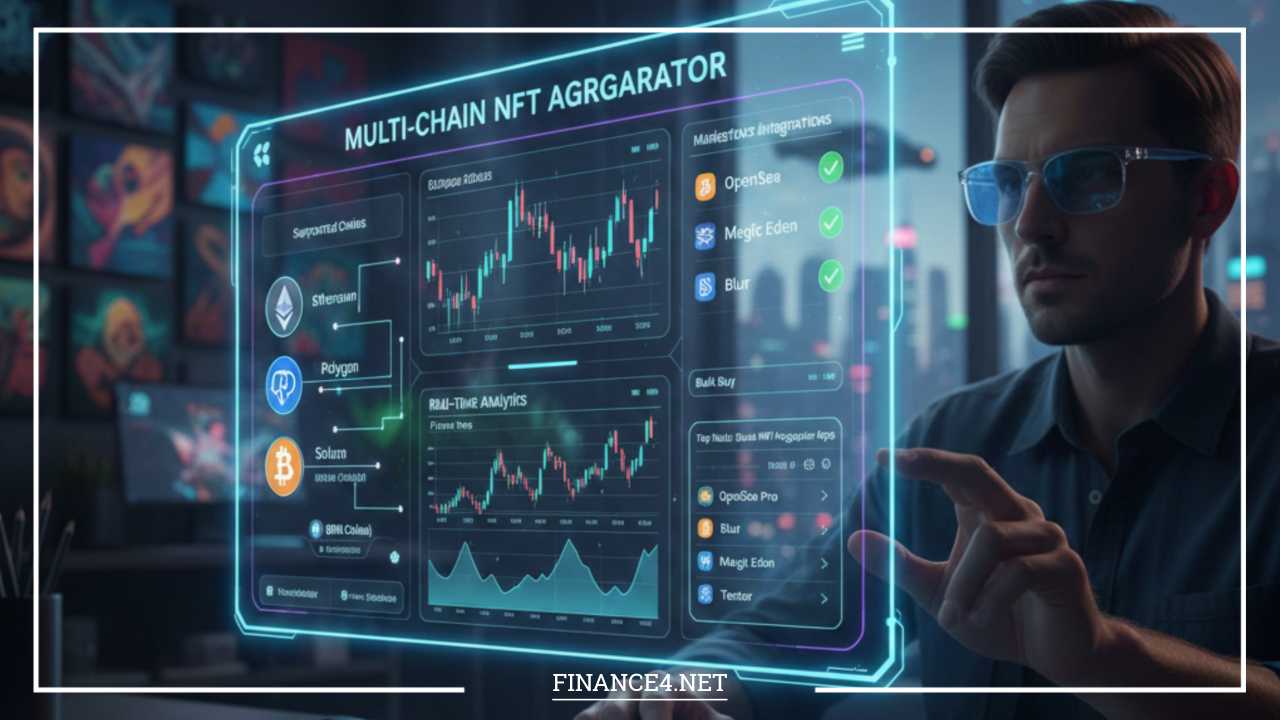
Top Multi-Chain NFT Aggregator Apps
The digital asset landscape has undergone a profound transformation with the rise of Non-Fungible Tokens (NFTs). Initially a niche market dominated by the Ethereum blockchain, the ecosystem has exploded across dozens of chains—from high-throughput platforms like Solana and Polygon to newer, specialized environments like Arbitrum and Base. This expansion, while creating immense opportunity, has led to a significant problem: market fragmentation.
The world of NFTs is no longer a single town square, but a sprawling, multi-city metropolis. A rare NFT might be listed on OpenSea (Ethereum) at one price, while an identical or complementary asset is listed on Magic Eden (Solana) at a completely different valuation. This disconnect creates inefficient markets, hinders price discovery, and forces collectors to juggle multiple wallets, marketplaces, and high, often redundant, gas fees.
Enter the Multi-Chain NFT Aggregator. These sophisticated platforms act as a unified hub, indexing listings, orders, and sales data from numerous marketplaces across multiple disparate blockchains. By funneling vast amounts of liquidity into a single interface, multi-chain aggregators have become indispensable tools for the modern collector and professional NFT trader. They offer critical features like gas-fee optimization, bulk purchasing, and advanced real-time analytics, unifying the fragmented ecosystem into a coherent, tradable whole. This article delves into the premier multi-chain NFT aggregator apps shaping the future of digital asset commerce.
What Is a Multi-Chain NFT Aggregator?
A Multi-Chain NFT Aggregator is a decentralized application (dApp) that pools, displays, and facilitates transactions across multiple independent NFT marketplaces and different blockchain networks from a single user interface.
Definition: At its core, an aggregator’s function is to collect and standardize data—specifically NFT listing and sales data—from diverse sources.
The key distinction lies in the multi-chain capability. A single-chain aggregator (like early versions of some tools) focuses only on one ecosystem, typically Ethereum, indexing marketplaces like OpenSea, LooksRare, and X2Y2 to allow for bulk buying and gas savings within that chain. A multi-chain aggregator expands this functionality to cover Ethereum, Solana, Polygon, Bitcoin (Ordinals), BNB Chain, and more.
They operate via advanced indexing and order routing protocols. When a user places an order, the aggregator’s smart contract automatically routes it to the marketplace and blockchain offering the best price or the lowest transaction fee, often bundling multiple purchases into one transaction for maximum gas efficiency. This mechanism benefits buyers with better prices and lower fees, sellers with broader exposure, and traders with essential, unified liquidity.
Why Multi-Chain Support Matters in 2025
The shift to multi-chain infrastructure is the single most significant factor driving the evolution of Web3, and for NFTs, it is a matter of necessity.
-
Market Fragmentation: The NFT market is no longer a monopoly. High Ethereum gas fees spurred the rise of alternative chains. Today, major collections launch simultaneously or exclusively on chains like Solana (Magic Eden, Tensor), Polygon, or Bitcoin (Ordinals). If a trader only monitors one chain, they are missing up to 80% of the total market liquidity and potential trading opportunities.
-
Price Discovery Issues: Without a consolidated view, genuine price floors are difficult to establish. An asset might be undervalued on one chain and overvalued on another. Aggregators instantly resolve this by providing a unified view of the global supply across all supported marketplaces and chains.
-
Gas Fee Arbitrage and Optimization: Transaction costs vary wildly. A simple transaction on Ethereum can cost significantly more than an equivalent action on Polygon or Base. Multi-chain aggregators allow traders to strategically manage where and how they transact, often leveraging optimized smart contracts to execute trades at a fraction of the cost, even on the most expensive chains.
-
Cross-Chain Interoperability Trends: Advanced bridging solutions like LayerZero and Wormhole, alongside Layer-2 rollups, are making cross-chain movement easier. Multi-chain aggregators are the user-facing layer of this trend, making the underlying complexity of these protocols invisible to the end-user and unifying the fractured ecosystem into a single, seamless trading environment.
Key Features to Look for in a Multi-Chain NFT Aggregator
The utility of a top-tier aggregator extends far beyond simply showing listings. Professional tools and core functionalities determine a platform’s true value.
-
Supported Chains: This is the foundational feature. The best aggregators cover Ethereum (ETH) and its main Layer-2s (Polygon, Arbitrum, Optimism, Base), plus major non-EVM chains like Solana and Bitcoin (Ordinals).
-
Marketplace Integrations: Breadth matters. An aggregator must pull liquidity from the largest marketplaces on each supported chain, including OpenSea, Blur, Magic Eden, Rarible, LooksRare, and Tensor. The more integrations, the deeper the liquidity, and the better the pricing.
-
Sniping Tools, Bulk Buying, and Bidding: Essential for power users.
-
Bulk Buying/Sweeping: Buying multiple NFTs from a collection across various marketplaces in a single, gas-optimized transaction.
-
Sniping: Fast execution to grab underpriced assets (mislistings or quick flips) the moment they are listed.
-
Collection Bids: Placing a single bid that applies to all NFTs within a collection, often across multiple integrated marketplaces.
-
-
Real-Time Analytics and Rarity Tools: Traders need instant data. Features should include:
-
Real-time floor price changes.
-
Trait rarity calculations and rankings.
-
“Whale” wallet tracking to monitor large holder activity.
-
Detailed collection activity charts (sales, listings, bids).
-
-
Wallet Compatibility: Seamless connection is crucial. Support for major wallets on each chain (MetaMask, Phantom, WalletConnect, Ledger) is non-negotiable.
-
Security Considerations: Aggregators should use audited, non-custodial smart contracts, meaning the user always maintains control of their assets.
-
User Experience (UX) and UI: The interface must be fast, responsive, and intuitive, especially for high-speed trading and complex analytics.
Top Multi-Chain NFT Aggregator Apps
The landscape of NFT aggregation is highly competitive, with platforms continually adding new chains and advanced features. The following applications represent the current leaders in the multi-chain aggregation space.
1. OpenSea Pro (Formerly Gem.xyz)
OpenSea Pro is the professional-grade aggregator product acquired and developed by OpenSea, the dominant general-purpose NFT marketplace. Its predecessor, Gem.xyz, established the benchmark for bulk-buying tools on Ethereum.
-
Supported Chains: Primarily focused on Ethereum and Polygon. While OpenSea itself supports more chains, OpenSea Pro’s aggregation tools are strongest within the EVM ecosystem.
-
Key Features:
-
Superior Gas Optimization: A core feature allowing users to sweep (bulk buy) the floor of a collection across numerous marketplaces in one transaction, leading to up to 40% gas savings on Ethereum.
-
Marketplace Integration: Aggregates liquidity from all major Ethereum marketplaces (OpenSea, LooksRare, X2Y2, etc.).
-
Unified Inventory: Allows users to manage and list their NFT portfolios across multiple marketplaces from a single dashboard.
-
Advanced Order Filters: Enables precise searching for listings based on specific criteria, rarity, and price.
-
-
Pros & Cons:
-
Pros: Best-in-class gas efficiency for bulk buys on Ethereum; trusted brand (OpenSea); comprehensive market integration.
-
Cons: Multi-chain support (Solana, Bitcoin) is often managed through the broader OpenSea interface, not the Pro aggregation features directly; can feel less focused on pure speed than competitors like Blur.
-
-
Best for: Serious Ethereum and Polygon collectors focused on floor sweeping and gas savings.
-
Fees: Generally, the transaction fees of the underlying marketplace apply. OpenSea Pro does not add its own trading fee, but may route trades to venues that do.
2. Blur Marketplace & Aggregator
Blur revolutionized the high-volume NFT trading world with its speed, professional-grade analytics, and unique loyalty-based token distribution model. While primarily an Ethereum marketplace, its aggregator function is foundational to its user experience.
-
Supported Chains: Predominantly Ethereum. The platform is the key liquidity hub for the ETH ecosystem.
-
Key Features:
-
High-Speed Sweeping: Designed for maximum trading velocity, allowing traders to “sweep the floor” of collections faster than almost any competitor, crucial for profiting from market volatility.
-
Pro Analytics and Data: Offers a highly detailed ‘Trader View’ with real-time price feeds, deep market order books, and integrated rarity data essential for professional traders.
-
Lending Protocol Integration (Blend): Features native integration with the Blur Lending Protocol, enabling traders to borrow capital against their NFTs or use them as collateral.
-
Maximized Royalties Control: Gives users precise control over the royalty payments they wish to enforce/pay.
-
-
Pros & Cons:
-
Pros: Unmatched trading speed; highly liquid Ethereum ecosystem; advanced tools for professional traders and market makers.
-
Cons: Almost exclusively focused on Ethereum; UI/UX can be overwhelming for beginners; highly competitive (requires significant market knowledge to succeed).
-
-
Best for: Professional Ethereum NFT traders, flippers, and market makers prioritizing speed and deep market data.
-
Fees: Zero marketplace trading fees for NFTs, making it highly attractive for volume traders, though gas fees still apply.
3. Magic Eden (Cross-Chain NFT Platform)
Magic Eden has successfully pivoted from being the dominant Solana NFT marketplace to a true cross-chain powerhouse, building an ecosystem that rivals the largest players in the space.
-
Supported Chains: Solana, Ethereum, Polygon, Bitcoin (Ordinals), and emerging EVM chains like Base. This broad support makes it one of the most genuinely multi-chain platforms.
-
Key Features:
-
Native Cross-Chain Experience: Offers a seamless experience to switch between different chains, managing assets from a single interface.
-
Launchpad and Creator Tools: Features a highly sought-after Launchpad that helps creators mint and promote new collections across multiple supported blockchains, ensuring verified projects.
-
Bitcoin Ordinals Integration: An early leader in integrating the Bitcoin Ordinals ecosystem, giving users access to the new wave of ‘NFTs’ on the most secure blockchain.
-
In-App Analytics: Provides robust, easy-to-use analytics, including rarity filtering and portfolio tracking across its supported chains.
-
-
Pros & Cons:
-
Pros: Exceptional multi-chain coverage (especially Solana and Bitcoin); excellent user experience; strong focus on creator and launchpad support.
-
Cons: Aggregation depth on Ethereum can sometimes be lower than dedicated Ethereum aggregators like OpenSea Pro or Blur.
-
-
Best for: Collectors and traders seeking broad exposure across multiple distinct ecosystems (Solana/Bitcoin/Ethereum).
-
Fees: Standard marketplace fees apply (typically 2% on Solana), but the platform is constantly innovating its fee model and offers optional royalty structures.
4. Tensor
Tensor is Solana’s premier NFT trading platform and the most popular choice for dedicated Solana traders. While primarily Solana-focused, its evolution into aggregation and data integration signals a multi-chain future.
-
Supported Chains: Primarily Solana, with increasing multi-chain data integration via partnerships.
-
Key Features:
-
Advanced Trading Interface: Features a highly granular, responsive interface reminiscent of a cryptocurrency exchange, with real-time order books, candlestick charts, and deep on-chain data.
-
Aggregates Solana Liquidity: Pulls listings from all major Solana marketplaces, ensuring the best possible price execution on the Solana chain.
-
High-Volume Loyalty: Rewards high-frequency traders and platform loyalists through its unique ecosystem and token.
-
-
Pros & Cons:
-
Pros: The fastest and most professional interface for Solana trading; deep liquidity on the Solana ecosystem; excellent real-time data and analytics.
-
Cons: Currently less direct, native aggregation on other chains compared to Magic Eden or Element. Primarily a Solana power-tool.
-
-
Best for: Professional Solana NFT traders and market makers requiring the highest speed and detailed order book data.
-
Fees: Highly competitive, often lower-than-average marketplace fees to encourage volume trading.
5. Rarible Aggregator
Rarible has evolved from being one of the first multi-chain marketplaces to developing a multi-chain protocol and aggregator toolset, focusing on empowering creators and decentralized communities.
-
Supported Chains: Supports a wide range of chains including Ethereum, Polygon, Tezos, Flow, and more, through its underlying protocol and user interface.
-
Key Features:
-
Protocol-Driven Aggregation: Rarible provides an open-source SDK and API that powers many third-party NFT projects and markets, making its aggregation capability a decentralized service.
-
Multi-Chain Marketplace: Users can browse and trade assets native to several different chains directly through the Rarible UI.
-
Creator-Focused Tools: Strong tools for minting, managing royalties, and launching collections on various blockchains.
-
-
Pros & Cons:
-
Pros: Excellent blockchain diversity (covering unique chains like Tezos and Flow); open-source protocol allows for ecosystem growth; good for creators minting multi-chain assets.
-
Cons: Aggregation depth and speed on high-volume chains (like Ethereum) may not match specialized aggregators like Blur.
-
-
Best for: Creators and collectors interested in non-EVM blockchains and the decentralized marketplace model.
-
Fees: Varies by chain and transaction type.
6. Element Market
Element Market is an aggressive multi-chain aggregator that has rapidly expanded its supported networks and features, focusing on gas efficiency and extensive EVM-chain coverage.
-
Supported Chains: Extensive coverage including Ethereum, BNB Chain, Polygon, Arbitrum, Avalanche, Base, Linea, zkSync, and Bitcoin (Ordinals).
-
Key Features:
-
Aggregates Multiple Marketplaces: Pools liquidity from OpenSea, LooksRare, X2Y2, and more, across all supported EVM networks.
-
Advanced Gas-Saving Functionality: Emphasizes gas-optimized smart contracts for bulk purchases and transactions, making it one of the most cost-effective aggregators for cross-chain EVM trading.
-
Real-Time Whale Tracking: Provides detailed data on the activities and portfolios of large-volume traders.
-
Multi-Market Listing: Users can list their NFTs simultaneously on Element and other major integrated marketplaces.
-
-
Pros & Cons:
-
Pros: Very deep support for EVM Layer-2s, offering cheap trading alternatives; strong focus on gas optimization and cost savings.
-
Cons: Less established reputation compared to industry giants like OpenSea Pro or Magic Eden.
-
-
Best for: Traders focused on Layer-2 ecosystems who need gas efficiency and comprehensive market coverage across secondary EVM chains.
-
Fees: Highly competitive and often offers low or zero protocol fees.
7. NFTea / Mintify / Other Emerging Aggregators
Beyond the established players, a new generation of aggregators is emerging, placing a heavy focus on data, AI, and comprehensive portfolio management.
-
Mintify (Multichain Analytics & Terminal):
-
Focus: A professional trading terminal designed for multi-chain analysis.
-
Key Features: AI-based data scoring for collection performance, customizable trading interfaces, real-time analytics, and a multi-chain portfolio dashboard. It acts as an intelligence layer on top of other aggregators and marketplaces.
-
Best For: Data-driven traders who require an analytical edge before making a purchase.
-
-
NFTea (Emerging Analytics): While still developing, the trend for these newer apps is to embed more predictive and complex analytical models directly into the trading experience.
-
The Trend: These platforms represent the future, where raw aggregation is augmented by machine learning and predictive tools to identify profitable opportunities across the fragmented chain landscape.
Comparison Table
| Aggregator App | Primary Supported Chains | Marketplaces Integrated | Best Feature | Best Use Case |
| OpenSea Pro (Gem) | ETH, Polygon | OpenSea, LooksRare, X2Y2, etc. | Best-in-Class Gas Optimization (Bulk Sweeps) | High-volume floor sweeping on Ethereum/Polygon. |
| Blur | Ethereum | OpenSea, LooksRare, Blur Market, etc. | High-Speed Trading & Professional UI | Arbitrage and high-frequency trading on Ethereum. |
| Magic Eden | Solana, ETH, Polygon, Bitcoin | In-house, OpenSea (ETH), Tensor (SOL) | Native Cross-Chain Ecosystem Support | Broad collector/creator who values Solana/Bitcoin access. |
| Tensor | Solana | All Solana Marketplaces | Real-Time Order Book & Exchange UI | Professional Solana market making and sniping. |
| Element Market | ETH, BNB Chain, Polygon, Arbitrum | OpenSea, LooksRare, X2Y2, etc. | Extensive EVM Layer-2 Support & Low Gas | EVM chain traders focused on cost-effective, multi-L2 liquidity. |
| Rarible | ETH, Polygon, Tezos, Flow | In-house, Protocol Partners | Deep Creator Tools & Blockchain Diversity | Creators and collectors on niche, non-EVM chains. |
How to Choose the Right Multi-Chain NFT Aggregator
Selecting the ideal aggregator depends entirely on your trading strategy, risk tolerance, and the assets you choose to collect.
-
Chain Preference Dictates Choice:
-
If you primarily trade high-value, blue-chip Ethereum NFTs, Blur (for speed) or OpenSea Pro (for gas-efficient bulk buys) are essential.
-
If you are heavily invested in the Solana or Bitcoin Ordinals ecosystems, Magic Eden is the mandatory starting point.
-
If you trade frequently on Layer-2 chains like Arbitrum or BNB Chain to save on fees, Element Market offers the broadest and most optimized L2 coverage.
-
-
Trading Style and Tools:
-
Beginner/Collector: Look for a platform with a simple UX and integrated portfolio tracking, like Magic Eden or OpenSea Pro.
-
Professional Trader/Flipper: Prioritize speed, deep order book data, and sniping tools, making Blur or Tensor the clear choice.
-
Data Scientist/Analyst: Platforms like Mintify offer the analytical depth needed for pre-trade research and AI-driven insights.
-
-
Security and Reputation: Always verify that the platform has successfully passed smart contract audits. Platforms backed by industry giants (like OpenSea Pro) or those with years of community trust (like Magic Eden) generally offer a higher degree of security assurance.
-
Trading Frequency and Volume: If you trade frequently and in high volume, the zero-fee structure or optimized gas contracts offered by contenders like Blur and Element Market will result in significant long-term cost savings.
Future of Multi-Chain NFT Aggregation
The current state of aggregation, while advanced, is only the beginning. The future of the space points toward even deeper integration and intelligence.
-
Cross-Chain Liquidity Unification: The next major leap will be true, permissionless, atomic swaps between chains. Aggregators will evolve into sophisticated cross-chain routers, executing a trade for an Ethereum NFT by dynamically swapping funds from a Solana wallet and bridging the asset in a single, near-instantaneous transaction.
-
Role of AI in NFT Discovery: AI will move beyond simple rarity scoring. Future aggregators will use large language models and machine learning to analyze social sentiment, smart money inflows, creator reputation, and on-chain metrics to provide predictive data scores, giving traders an immense advantage in discovering the next blue-chip collection.
-
NFT Finance (NFTfi) Integration: Expect tighter integration with decentralized finance (DeFi). Aggregators will enable users to not only buy and sell assets but also instantly use them as collateral for a loan, enter a yield-bearing pool, or provide liquidity for an NFT perpetuals market, all from the same unified interface.
-
On-Chain Indexing Improvements: Faster, more granular indexing of real-time block data will enable zero-latency trading, virtually eliminating the gap between an asset being listed on a marketplace and its appearance on the aggregator.
Final Thoughts
The era of single-chain NFT trading is definitively over. The sheer breadth of innovation and liquidity across Ethereum, Solana, Bitcoin, and dozens of Layer-2 networks makes the adoption of a multi-chain NFT aggregator not a luxury, but a fundamental requirement for anyone serious about digital asset collecting and trading.
Platforms like OpenSea Pro and Blur dominate the Ethereum-centric professional space, while Magic Eden provides the essential bridge to the high-speed Solana and emerging Bitcoin Ordinals markets. Element Market and the new wave of analytics-focused terminals are ensuring that the trading experience is both cost-efficient and intelligence-driven across the diverse EVM landscape.
As the underlying blockchain infrastructure continues to integrate, these aggregators will increasingly serve as the ultimate, indispensable hub, providing unified access, optimized pricing, and critical real-time data to help you navigate the increasingly complex, but richly rewarding, world of decentralized digital assets.