Best Aggregator for Cross-Chain NFT Listings
 by
by 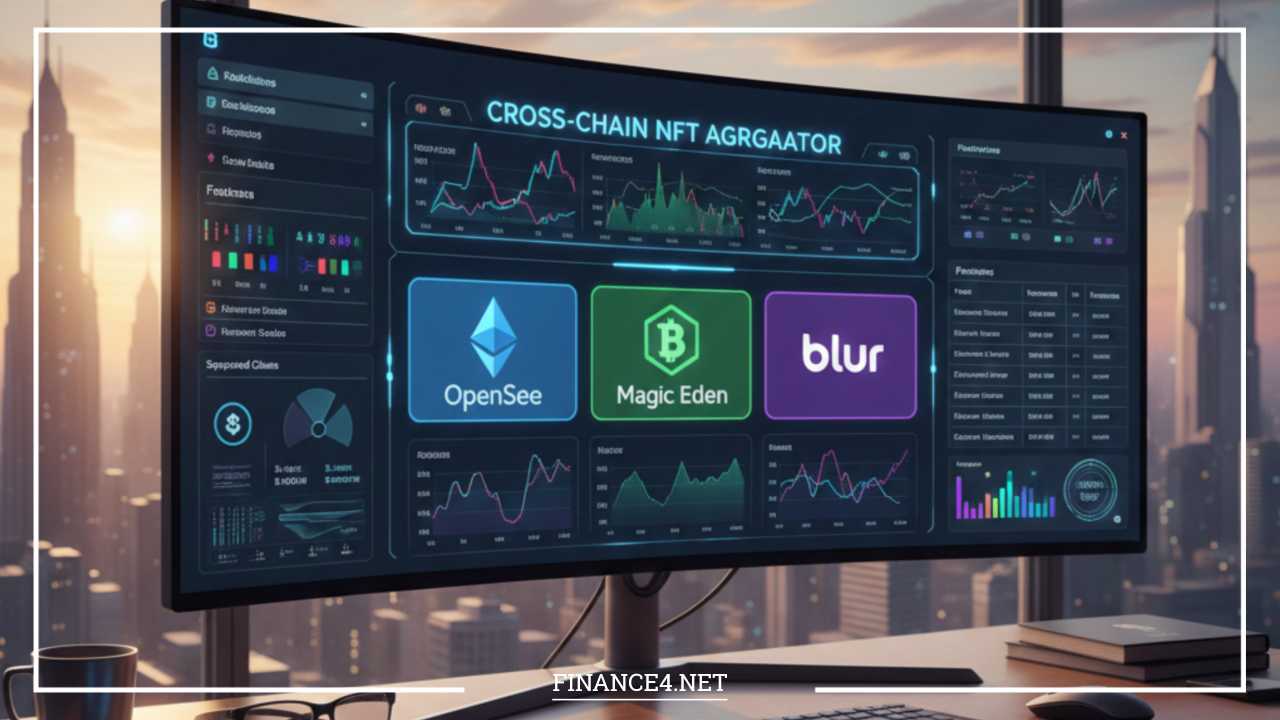
Best Aggregator for Cross-Chain NFT Listings | Compare NFT Platforms
The digital art revolution, powered by Non-Fungible Tokens (NFTs), has fundamentally reshaped ownership in the internet age. From profile picture collections and digital art to in-game assets and virtual real estate, NFTs have exploded in popularity, creating a multi-billion dollar market. However, this burgeoning ecosystem has a significant problem: fragmentation.
NFTs do not exist on a single, unified blockchain. Instead, they are scattered across dozens of distinct, incompatible networks—primarily Ethereum, but also rapidly growing ecosystems like Solana, Polygon, Base, and Bitcoin. For a collector or a professional trader, tracking all relevant listings across these disparate chains becomes a complex, time-consuming, and often impossible task. This market fragmentation means that a great deal on a Solana-based PFP could be missed by a trader focused solely on Ethereum floor prices, or an arbitrage opportunity between different listings of the same asset on two different marketplaces goes unnoticed.
The solution to this critical issue is the Cross-Chain NFT Aggregator. These platforms act as a single, unified dashboard, pulling listing data from multiple marketplaces and across various blockchains into one streamlined view. They transform a scattered, chaotic market into an organized, navigable ecosystem.
The goal of this comprehensive article is to dive deep into the world of cross-chain NFT aggregators. We will define their function, explain why they are essential for success in today’s multi-chain environment, detail the key features to look for, and provide an in-depth comparison of the leading platforms, helping you choose the best tool to elevate your NFT trading and collecting strategy.
What is a Cross-Chain NFT Aggregator?
An NFT aggregator is a platform that combines the listings and liquidity from multiple NFT marketplaces (such as OpenSea, Magic Eden, LooksRare, etc.) into one user interface. Instead of checking six different websites, a user can check one aggregator and see all available listings for a specific NFT collection.
The crucial evolution of this concept is the Cross-Chain NFT Aggregator.
Defining “Cross-Chain”
The term “cross-chain” refers to the ability of a platform to operate across, connect, and process data from different, independent blockchain networks. The crypto world is no longer a monolith dominated by Ethereum; it is a multi-chain universe.
Why is this necessary? Different blockchains specialize in different things:
-
Ethereum (ETH): High security, main hub for blue-chip collections.
-
Solana (SOL): High speed and low transaction costs, popular for quick trading and gaming.
-
Polygon (MATIC) & Layer-2s (Arbitrum, Optimism): Scalability solutions offering lower gas fees for high-volume activity.
-
Bitcoin (BTC) (via Ordinals/Runes): A new, high-value chain for digital artifacts.
A traditional, Ethereum-only aggregator is blind to the entire Solana ecosystem, the gaming NFTs on Polygon, or the newest artifacts on Bitcoin. A cross-chain NFT aggregator solves this by integrating data streams from multiple chains, making it the true central source of NFT discovery.
Benefits of Using an Aggregator
The utility of a cross-chain aggregator is immediate and profound, offering several core advantages:
-
Single Dashboard for Multiple Chains: The most obvious benefit. Instead of constantly switching wallets, network settings, and websites, all market data is presented in one place.
-
Better Price Comparison: Easily identify the cheapest listing (the floor price) for an NFT, regardless of which marketplace or which blockchain it is listed on. This is essential for arbitrage and finding the best entry point.
-
Improved Liquidity Tracking: Get a holistic view of a collection’s liquidity across the entire market, not just one marketplace, leading to better-informed buying and selling decisions.
-
Easier Trading and Collecting: Platforms often allow bulk buying (sweeping) and listing across aggregated marketplaces, drastically improving trading efficiency and reducing the number of transactions needed.
Why Cross-Chain NFT Tracking is Important
In the fast-moving, high-stakes NFT market, information is power. The inability to see the full market picture—the market fragmentation—is the greatest inhibitor to profitable trading.
Market Fragmentation Across Chains
Imagine a scenario where a major NFT collection launches its “sister project” on Solana to take advantage of the chain’s faster and cheaper transactions.
-
An Ethereum-only trader: They are completely unaware of the new collection, missing the opportunity to get in early.
-
A cross-chain aggregator user: They see the volume spike for the new Solana collection immediately in their dashboard, allowing them to research and act instantly.
The proliferation of Layer-2 solutions like Arbitrum and Optimism, and high-performance Layer-1s like Solana and Avalanche, means that new and exciting projects are constantly diversifying their launch strategies. Limiting your market visibility to a single chain is equivalent to trading global stocks by only monitoring a single country’s exchange.
Missing Out on Deals
Cross-chain tracking is not just about discovery; it’s about price efficiency.
-
Arbitrage Opportunities: Sometimes, due to slow data syncs or different fee structures, an NFT listed on Marketplace A (fed to the aggregator) is priced significantly lower than its equivalent on Marketplace B. A cross-chain aggregator immediately highlights this potential price difference, enabling a quick purchase and potential resale.
-
Price Discovery: The true floor price of a collection is the lowest available listing across all chains and all marketplaces. Relying on a single marketplace’s floor price could lead you to overpay by a substantial amount.
In essence, cross-chain tracking provides the time-saving and efficiency advantages required to compete with high-volume, professional traders. It automates the tedious work of market monitoring, allowing the user to focus on strategy and execution.
Key Features to Look for in an Aggregator
Choosing the right cross-chain aggregator depends on your trading style and the ecosystems you frequent. The top platforms distinguish themselves through a combination of technological excellence and user-centric design.
1. Cross-Chain Support: Which Blockchains?
This is the most critical feature. The best aggregators cover the major ecosystems:
-
EVM Chains: Ethereum (ETH), Polygon (MATIC), Arbitrum, Optimism, BNB Chain.
-
Non-EVM Chains: Solana (SOL), Bitcoin (BTC via Ordinals/Runes), and potentially others like Avalanche (AVAX) or Flow.
-
Key Insight: Look for platforms that are actively expanding support, indicating a commitment to the multi-chain future (e.g., OpenSea 2.0 or Magic Eden’s expansion).
2. User Interface & Experience (UI/UX)
A cluttered, slow interface defeats the purpose of aggregation. A superior platform must offer:
-
Speed: Near-instant loading of market data.
-
Filtering: Advanced, multi-faceted filters (e.g., filter by price, rarity trait, and marketplace simultaneously).
-
Bulk Actions: Easy “floor sweeping” (buying multiple floor-priced NFTs at once) and bulk listing.
-
Wallet Compatibility: Support for multiple major wallets (e.g., MetaMask for EVM, Phantom for Solana).
3. Pricing & Fees Tracking
True cost transparency is vital. The aggregator should clearly display:
-
Net Price: The final price including marketplace fee, creator royalty, and estimated gas fee.
-
Fee Comparison: Showing the effective fee rates across different marketplaces it aggregates.
4. Real-Time Alerts and Notifications
Professional traders rely on instant information.
-
Floor Price Alerts: Notifications when a floor price drops below a set threshold.
-
Volume/Sale Alerts: Alerts for sudden spikes in collection trading volume or a significant sale.
-
Trait Sniping: The ability to set an alert for a rare trait listing below the expected market price.
5. Analytics & Historical Data
Moving beyond simple price charts, the best aggregators offer:
-
Historical Data: Detailed sales history, volume by day/hour, and liquidity depth.
-
Rarity Ranking: Integrated rarity tools to instantly check a token’s rank within its collection.
-
Wallet Profiling: Tools to track the activity and portfolio value of high-value wallets (whales).
6. Security and Trustworthiness
Since you connect your wallet to the platform and authorize transactions, security is non-negotiable.
-
Non-Custodial: Ensure the platform does not hold your funds (all top platforms are non-custodial).
-
Audits: Look for evidence of smart contract audits by reputable firms.
-
Brand Trust: Choose platforms with a proven track record and strong community reputation.
Top Cross-Chain NFT Aggregators
The landscape of NFT aggregation is competitive and constantly shifting, with market leaders evolving their models to achieve true cross-chain dominance. Here is an in-depth comparison of the platforms leading the charge in 2025.
1. OpenSea (OpenSea 2.0 / OS2)
OpenSea, the original behemoth of the NFT world, has aggressively shifted from being a multi-chain marketplace to a multi-chain hub with the launch of OpenSea 2.0 (OS2). Its strategy now heavily focuses on aggregation and cross-chain utility to compete with newer, trader-focused platforms.
-
Overview: OpenSea remains the most recognizable and beginner-friendly platform. OS2 represents a complete structural overhaul, integrating advanced trading tools and broad chain support. The platform is incentivizing usage through its Voyages XP system, designed to reward users for activity ahead of a potential $SEA token launch.
-
Supported Blockchains: OpenSea 2.0 supports a comprehensive list, including Ethereum, Polygon, Solana, Base, Arbitrum, Optimism, BNB Chain, and several others, totaling over 14 chains as of late 2025.
-
Unique Features:
-
Integrated Aggregator Tools: The advanced tools of its former separate aggregator platform, OpenSea Pro, have been integrated directly into the main OS2 interface, offering bulk buying and advanced analytics.
-
Cross-Chain Swapping: Allows users to purchase an NFT on one chain (e.g., Ethereum) using a token from another chain (e.g., MATIC from Polygon), solving a major liquidity problem.
-
Unified UI: A clean, simplified interface for both fungible tokens and NFTs, positioning it as a complete Web3 asset hub.
-
-
Pros & Cons:
-
Pros: Widest market penetration; most chains supported; excellent for beginners; integrated cross-chain swapping; strong security track record.
-
Cons: Platform fees (2.5% seller fee on NFTs) are generally higher than pure-aggregator competitors; sometimes lags in real-time speed compared to trader-specific tools.
-
-
Pricing: 2.5% seller fee on NFT sales.
2. Magic Eden
Magic Eden began as the dominant marketplace on Solana but has executed a successful strategy to become a powerhouse cross-chain aggregator, particularly in the non-EVM space.
-
Overview: Known for its speed and low transaction costs, Magic Eden’s expansion into EVM chains and, crucially, Bitcoin Ordinals and Runes has made it a key player for multi-chain collectors outside of the Ethereum bubble.
-
Supported Blockchains: Solana, Ethereum, Bitcoin (Ordinals/Runes), Polygon, Base, Arbitrum, Avalanche, and others. Its early and aggressive move into the high-value Bitcoin ecosystem gives it a distinct advantage.
-
Unique Features:
-
Solana/Bitcoin Dominance: Unmatched liquidity and trading tools for the Solana and Bitcoin NFT ecosystems.
-
Launchpad: A highly successful launchpad for new collections across multiple chains, often granting early access to the newest drops.
-
ME Token Buybacks: Revenue generated from trading is used for buybacks, aligning incentives with $ME token holders.
-
-
Pros & Cons:
-
Pros: Best-in-class for Solana and Bitcoin; fast and intuitive UI; strong developer/launchpad ecosystem; transparent fee structure.
-
Cons: Historically focused on non-EVM, its EVM presence is still playing catch-up to OpenSea/Blur in terms of sheer liquidity.
-
-
Pricing: Typically 2.0% platform fee on sales, plus creator royalties.
3. Blur
Blur is the quintessential NFT aggregator built by traders, for traders. It disrupted the market by prioritizing speed, low fees, and advanced features for high-frequency users.
-
Overview: Launched as an aggregator to pull listings from OpenSea and other marketplaces, Blur quickly gained massive volume by offering a zero-fee structure and an aggressive token incentive model ($BLUR airdrops/rewards). It is the preferred tool for ‘whale’ traders and liquidity providers due to its advanced bidding and sniping features.
-
Supported Blockchains: Primarily focused on Ethereum and related L2s (like Blast), with limited but evolving support for other major chains as an aggregator. Its primary strength remains its deep liquidity and analytics within the Ethereum ecosystem.
-
Unique Features:
-
Zero Marketplace Fees: Blur famously charges 0% platform fees for trading (users still pay gas and optional royalties). This is a massive cost-saver for high-volume traders.
-
Blend (Lending Protocol): An integrated peer-to-peer NFT lending protocol that allows users to leverage their assets to buy more, increasing liquidity and trading options.
-
Real-Time Data: The fastest, most granular real-time market analytics and sweeping tools available.
-
-
Pros & Cons:
-
Pros: Fastest data refresh and trading execution; 0% platform fees; advanced pro-trader tools (sweeping, sniping, lending); strong governance tokenomics.
-
Cons: User interface is highly complex and intimidating for beginners; heavily focused on Ethereum/EVM, making it less of a true cross-chain aggregator than OpenSea or Magic Eden.
-
-
Pricing: 0% platform fee (users pay optional creator royalties and gas).
4. LooksRare and X2Y2
These two platforms emerged as strong contenders to OpenSea, initially focused on incentivizing trading activity through token rewards and lower fees, often also functioning as aggregators. However, in 2025, they often serve more as specialized, Ethereum-focused marketplaces that are aggregated by platforms like Blur and OpenSea.
| Platform | Primary Focus | Supported Chains (2025) | Unique Features | Fee Structure |
| LooksRare (V2) | Ethereum Marketplace/Aggregator | Ethereum | LOOKS token staking rewards; Low 0.5% protocol fee; Pulls listings from OpenSea/Blur. | 0.5% protocol fee + optional royalty |
| X2Y2 | Ethereum Power User Marketplace | Ethereum | Highly efficient smart contracts; Bulk listing/buying; Community token governance. | 0.5%–1.5% fee + optional royalty |
-
Conclusion: While LooksRare and X2Y2 offer great pricing and rewards, they are not primarily cross-chain aggregators in the mold of OpenSea or Magic Eden. Their cross-chain utility is minimal; they are excellent Ethereum-native marketplaces that are key liquidity sources for the true cross-chain aggregators.
Comparison Table: Leading Cross-Chain Aggregators (2025)
| Feature | OpenSea 2.0 | Magic Eden | Blur |
| Primary Focus | Complete Web3 Asset Hub | Solana/Bitcoin & Multi-Chain Launchpad | High-Frequency Pro-Trader |
| Chains Supported | 14+ (ETH, SOL, Polygon, Base, etc.) | 10+ (SOL, ETH, BTC, Polygon, etc.) | Primarily ETH (with L2s like Blast) |
| Platform Fee | 2.5% (Seller) | 2.0% (Seller) | 0% (Seller) |
| Cross-Chain Buying | Yes (Buy ETH NFT with MATIC/Other) | Evolving/Chain-specific | Limited (Mostly ETH-native) |
| Best For | Beginners, Collectors, Broad Exposure | Solana/Bitcoin Traders, Launchpad Hunting | High-Volume ETH Whales/Arbitrageurs |
How to Use a Cross-Chain NFT Aggregator
Getting started with an aggregator is straightforward, but maximizing its potential requires strategic use of its advanced features.
Step-by-Step Guide for Beginners
1. Connect Your Wallet(s)
-
Most cross-chain platforms require you to connect wallets for each chain you want to trade on (e.g., MetaMask for Ethereum/Polygon, Phantom for Solana).
-
Connecting multiple wallets to a single interface is what enables the cross-chain portfolio view.
2. Select Chains and Marketplaces to Monitor
-
Navigate to the settings or a dedicated “Chains” tab.
-
De-select any chains you have no interest in to declutter the interface and improve speed.
-
For trading, ensure the aggregator is pulling data from all major marketplaces (OpenSea, LooksRare, Rarible, etc.) where applicable.
3. Set Filters (Price, Rarity, Collection)
-
Use the search bar to find a specific collection (e.g., Bored Ape Yacht Club).
-
Apply filters to refine your search:
-
Rarity: Use the platform’s integrated rarity ranking to only view NFTs in the top 1% or 5%.
-
Price: Set a maximum price to find a “sniping” opportunity.
-
Chain/Marketplace: Use the chain filter to compare the floor price of the same collection across different networks (if applicable).
-
4. Track Deals, Bids, or Floor Price Trends
-
Monitor the Activity Feed for real-time sales across all monitored marketplaces and chains. A sudden flurry of sales on a secondary chain might signal a hot trend.
-
Set Price Alerts for collections you are targeting (e.g., “Alert me if the floor drops below 5 ETH”).
-
Use the Floor Sweep tool to quickly buy multiple NFTs at the lowest listed price, which is far more efficient than buying one at a time on an individual marketplace.
Tips for Efficient Usage
-
Don’t Ignore Fees: Always look at the Net Price. A 0% marketplace fee on Blur might still be offset by high gas fees on Ethereum, while the same NFT on Polygon via OpenSea might have a slightly higher fee but negligible gas.
-
Track the “Whales”: Use the portfolio tracking feature (if offered) to monitor the buying/selling activity of known high-volume traders. Their movements often foreshadow market trends.
-
Integrate with Third-Party Tools: Many aggregators offer APIs or plugins that integrate with rarity tools (like Rarity Tools or Rarity Sniper) for instant valuation checks during a trade.
Benefits & Drawbacks of Using Aggregators
While the utility of a cross-chain NFT aggregator is immense, it is important to maintain a balanced view of both the benefits and the potential drawbacks.
Benefits
-
Saves Time and Effort: This is the primary value proposition. It eliminates the need to manually check multiple websites, network settings, and wallets, streamlining the workflow into a single, efficient dashboard.
-
Maximizes Price Transparency: By aggregating all listings, the platform instantly reveals the true market-wide floor price, preventing overpayment and exposing arbitrage opportunities across marketplaces and chains.
-
Increased Liquidity: Aggregators increase the effective liquidity of a collection by making all listings visible and accessible, which benefits both buyers (more options) and sellers (more potential buyers).
-
Access to Pro-Level Tools: Features like bulk buying (“sweeping”), instant rarity checking, and real-time market feeds, previously reserved for custom bots, are made accessible to the average user.
Drawbacks
-
Limited Chain Coverage: Despite the “cross-chain” label, no single aggregator covers every active blockchain. If a new ecosystem (e.g., a specific gaming L2) emerges, its listings may be temporarily unavailable until the aggregator integrates it.
-
Data Delays or Inaccuracies: Data feeds between marketplaces and the aggregator’s indexer can occasionally be slow or contain errors, leading to the display of an already-sold NFT or a slightly delayed floor price. In volatile markets, this slight delay can cost a lucrative trade.
-
Dependence on Aggregator Security: Connecting multiple wallets and authorizing transactions on a third-party platform means placing a degree of trust in the aggregator’s security. While top platforms undergo rigorous audits, any smart contract interaction carries inherent risk.
-
Complexity for Beginners: Advanced platforms like Blur, with their focus on high-speed execution and complex bidding strategies, can be overwhelming and lead to costly mistakes for newcomers.
Future of Cross-Chain NFT Aggregation
The evolution of cross-chain NFT aggregation is intrinsically linked to the broader development of blockchain interoperability. The tools available today are just the beginning of a truly seamless, borderless Web3 experience.
Emerging Technologies & Trends
-
Decentralized Indexing: Current aggregators rely on centralized servers to pull data from blockchains. The future lies in fully decentralized indexing protocols that provide tamper-proof, real-time data feeds, eliminating the risk of data delays or censorship.
-
Enhanced Cross-Chain Bridges & Protocols: Technologies like LayerZero, Axelar, and Cosmos IBC are making it easier and safer to transfer actual NFTs and tokens between chains. Future aggregators will likely integrate these tools directly, allowing a user to buy a Solana NFT with Ethereum funds and bridge the asset to their Ethereum wallet, all in one click.
-
AI for NFT Analysis: Artificial Intelligence will move beyond simple rarity ranking. AI will be used to analyze market sentiment, predict floor price movements based on wallet activity and social media buzz, and even suggest the optimal time and price for bulk sweeping or listing.
-
Expansion into Other Digital Assets: The concept of aggregation will broaden to include a wider array of digital assets beyond standard JPEGs. This will include:
-
Metaverse Items: Unified tracking of virtual land, wearables, and in-game cosmetics across different metaverse platforms (Decentraland, Sandbox, etc.).
-
Fungible Tokens: As seen with OpenSea 2.0, NFT platforms are merging with token swap platforms, creating a single hub for all on-chain assets.
-
Trends in Aggregator Competition and Innovation
Competition among platforms will drive continued innovation focused on cost and speed:
-
Zero-Fee Dominance: The success of the 0% fee model (pioneered by Blur) will pressure all competitors to reduce platform fees, shifting the competitive focus entirely to user experience and unique features (like lending or launchpads).
-
Mobile-First Aggregation: The next major leap will be a high-performance, feature-rich mobile app that allows professional trading, sniping, and sweeping on the go, making the market truly accessible 24/7.
-
Incentivized Usage: Token rewards, like those from Blur and OpenSea’s Voyages, will become the industry standard for attracting and retaining liquidity, transforming trading into a gamified, reward-earning activity.
Final Thoughts
The era of siloed NFT trading is over. In a multi-chain world where billions of dollars in digital assets flow across multiple ecosystems, the cross-chain NFT aggregator has evolved from a convenience tool into an absolute necessity for any serious collector or trader.
Platforms like OpenSea 2.0 offer the broadest support and the most beginner-friendly cross-chain functionality, making it the ideal choice for those seeking wide market exposure and ease of use. Magic Eden dominates the non-EVM landscape (Solana/Bitcoin) and is a must-have for those looking to capitalize on high-speed, low-cost chains. Meanwhile, Blur remains the gold standard for high-volume, professional Ethereum traders who prioritize speed and a 0% platform fee above all else.
Choosing the best aggregator means aligning the platform’s features—its supported chains, fee structure, and analytical tools—with your personal trading goals and the ecosystems you frequent. The future of NFT wealth is cross-chain, and the right aggregator is the compass that guides you to the best deals and the most efficient trades.
Don’t let market fragmentation limit your potential. Explore these leading platforms today, track NFTs smarter, and take control of your entire digital asset portfolio.