What is an NFT Roadmap?
 by
by 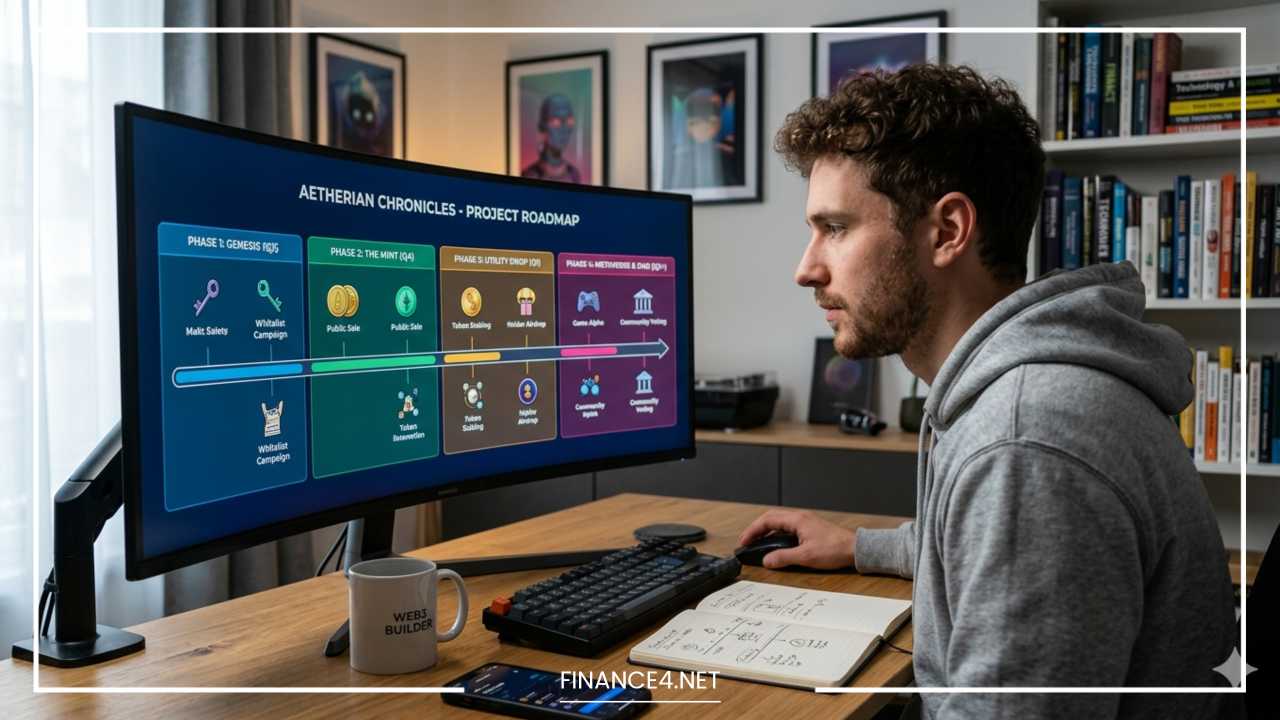
What is an NFT Roadmap? A Beginner’s Guide to Project Goals
The digital landscape has undergone a seismic shift with the rise of Non-Fungible Tokens (NFTs). While the initial headlines were dominated by multi-million dollar digital art sales and pixelated avatars, the underlying technology represents something far more profound: a new way to establish ownership, provenance, and community in a decentralized world. However, as the market moved past its experimental infancy, a critical question began to emerge from the lips of every serious participant: What comes next?
When an individual purchases an NFT, they are rarely just buying a JPEG or a 3D model. In most high-quality ecosystems, they are buying an entry pass into a vision. They are investing in future utility, a growing brand, and the technical milestones that the creators intend to reach. This strategic plan—the bridge between a digital asset and its long-term ecosystem—is known as the NFT Roadmap.
In a market characterized by extreme volatility and rapid innovation, the roadmap serves as the ultimate north star. It is the document that separates speculative “pump and dump” schemes from legitimate builders who intend to create lasting value. Understanding how to read, analyze, and critique an NFT roadmap is perhaps the single most important skill for any newcomer entering the space.
What is an NFT Roadmap?
At its most fundamental level, an NFT roadmap is a strategic document or visual timeline that outlines the goals, milestones, and long-term vision of an NFT project. It is the “business plan” of the Web3 world. While traditional startups might present a pitch deck to venture capitalists behind closed doors, NFT creators present their roadmaps to the public to attract a decentralized community of supporters.
A roadmap is usually broken down into distinct phases. These phases often track the project’s lifecycle, beginning with the conceptual “Pre-Launch” phase, moving through the high-intensity “Mint” or “Drop” phase, and extending into “Post-Launch” utility and “Long-Term” ecosystem expansion.
The Role of the Roadmap
An NFT roadmap acts as three distinct tools simultaneously:
-
A Vision Document: It explains what the project wants to become. Is it a fashion brand? A decentralized gaming studio? A private social club? The roadmap defines the identity of the project.
-
A Marketing Tool: In a crowded market, a roadmap is used to generate hype and interest. It shows potential buyers that there is a reason to hold the asset beyond just hoping the price goes up.
-
A Trust Signal: By laying out specific, measurable goals, the founding team puts their reputation on the line. It signals that they have a plan for the capital raised during the initial sale.
Roadmap vs. Whitepaper
It is important to distinguish a roadmap from a whitepaper. In the broader blockchain world, a whitepaper is a technical document that explains the underlying mechanics, mathematics, and protocols of a project. It is deep, academic, and focused on how things work. A roadmap, by contrast, is a high-level summary focused on when things will happen and what the milestones are. In the NFT space, roadmaps are often more visual and accessible than whitepapers, designed to be understood by a broad community rather than just developers.
Why NFT Roadmaps Matter
In a decentralized ecosystem where there are no physical storefronts and often no legal contracts between creators and buyers, the roadmap becomes the primary source of accountability. Without a roadmap, an NFT is a static asset; with one, it becomes a dynamic piece of a larger puzzle.
For Investors and Collectors
For those looking to acquire an NFT, the roadmap is the primary tool for due diligence. It helps evaluate the legitimacy of a project. If a roadmap is vague, filled with buzzwords, or lacks a clear path to execution, it is often a sign of a low-effort project. Conversely, a detailed roadmap allows an investor to signal the difference between “hype value” (temporary price increases driven by social media) and “fundamental value” (long-term growth driven by project delivery).
For Creators and Founders
For the team behind the project, a roadmap is a way to build credibility. By checking off milestones as they are reached, the team builds a track record of reliability. This transparency is essential for attracting a “diamond-handed” community—holders who believe in the long-term vision and are less likely to sell their assets during short-term market dips.
For the Community
NFTs thrive on community engagement. A roadmap gives the community a sense of shared purpose. When holders see that a “Merchandise Store” or a “Metaverse Land Purchase” is scheduled for the next quarter, it gives them something to discuss, anticipate, and promote. It transforms a passive buyer into an active participant in the project’s growth.
Key Components of an NFT Roadmap
A comprehensive roadmap covers every stage of a project’s life. While every project is unique, most successful roadmaps share a common structure divided into four key phases. Each phase requires specific resources, technical expertise, and community management.
1. Pre-Launch Phase: The Foundation
This is the stage where the “social contract” of the NFT is drafted. Before a single coin is spent, the foundation must be solid.
-
Concept and Art Development: This involves not just the final images, but the generative algorithm that ensures rarity and variety.
-
Team Building: A roadmap should highlight the experts involved—artists, blockchain developers, and marketing specialists.
-
Community Cultivation: Launching the official Twitter and Discord. A project with 100,000 followers but zero engagement in their Discord is a red flag; a roadmap should outline how they plan to grow organically.
-
Whitelist (Allowlist) Campaigns: These are designed to reward the “early believers.” By outlining a whitelist process, creators prevent a “gas war” where only those with the most money can afford the transaction fees.
2. Mint Phase: The Execution
The “Mint” is the birth of the project on the blockchain. The roadmap must address the logistics of this event to ensure fairness and transparency.
-
Mint Mechanics: Will it be a Dutch Auction (price starts high and drops), a Fixed Price sale, or a Free Mint? Each has different implications for the project’s treasury.
-
Pricing Strategy: The price must be high enough to fund the roadmap but low enough to remain accessible to the target community.
-
Gas Fee Optimization: Developers must use optimized smart contracts (like ERC-721A) to minimize the costs holders pay to the network.
3. Post-Mint Utility: Delivering Value
This is where many projects fail. Once the money is raised, the real work begins.
-
Staking and Soft-Staking: Rewarding holders for keeping their NFTs in their wallets. This reduces the “circulating supply,” which can help stabilize the price.
-
Airdrops: Sending “companion” NFTs or utility tokens to holders. This expands the ecosystem and rewards loyalty.
-
Exclusive Access: The NFT acts as a digital key. This could mean access to a private alpha-call group, physical merchandise, or real-world events.
-
IP Rights: Granting holders the legal right to use their specific NFT’s artwork for commercial purposes. This empowers the community to build their own brands on top of the project’s IP.
4. Long-Term Vision: The Legacy
This section looks years into the future.
-
Metaverse Integration: Creating 3D models of the NFTs that can walk and talk in digital worlds.
-
Game Development: Transitioning the art into a playable experience. This is the most difficult milestone to achieve and requires a dedicated gaming studio.
-
Brand Collaborations: Moving into the mainstream by partnering with fashion houses, movie studios, or toy manufacturers.
-
DAO Governance: Handing over the “keys to the kingdom” to the community. In a Decentralized Autonomous Organization, holders vote on how to spend the project’s treasury.
Types of NFT Roadmaps
As the industry matures, different “flavors” of roadmaps have emerged to suit different goals.
1. Utility-Driven Roadmaps
These focus on what the NFT does rather than how it looks. If an NFT gives you access to a suite of professional trading tools or a proprietary software platform, the roadmap will focus on software updates, API integrations, and technical features.
2. Art-Focused Roadmaps
Common in the 1/1 art scene or boutique collections. The roadmap might involve gallery showings in New York or London, physical prints for holders, and collaborations with other prestigious artists. Here, the “utility” is the cultural capital and the aesthetic value.
3. Gaming (Play-to-Earn) Roadmaps
These look remarkably like traditional video game development cycles. They include milestones for Alpha testing, Beta testing, and the eventual launch of a marketplace for in-game items. They are often the most ambitious and require the most capital.
4. Membership and Community Roadmaps
The goal is to create a “Digital Country Club.” The roadmap focuses on networking, exclusive parties, and high-level mastermind groups. The value is the quality of the other people in the Discord.
How to Evaluate an NFT Roadmap
A roadmap is a promise, but in the world of Web3, promises are easy to make. As a participant, you must become a skeptical analyst.
Realistic vs. Overpromising
If a team of three people promises to build a “Full-Scale Metaverse Engine” in three months, they are likely lying or delusional. Real software development takes time. A strong roadmap has modest, achievable goals in the short term, with more ambitious goals in the long term.
Technical Feasibility
Check the “Tech” section. Are they building on a stable blockchain? Do they have a plan for security audits? A roadmap that ignores the technical risks of smart contracts is a major red flag.
Transparency and “Doxing”
A roadmap is only as good as the people behind it. If the team is “doxed” (their real identities are known), they have “skin in the game.” If they are anonymous, you must look for a history of successful deliveries on other projects.
Red Flags to Watch For
-
“The Moon” Language: Excessive use of rocket ship imagery and promises of “generational wealth.”
-
Copy-and-Paste Designs: If the roadmap looks exactly like another project’s, the founders are likely just looking for a quick exit.
-
Vague Timelines: Phrases like “Soon” or “When the time is right” instead of specific quarters (Q1, Q2, etc.).
Common Mistakes in NFT Roadmaps
Even well-meaning creators often fall into traps that can doom their project.
The “Kitchen Sink” Approach
Some creators try to do everything: a game, a movie, a fashion brand, and a coin. By spreading themselves too thin, they end up delivering nothing. A focused roadmap is usually more successful than a broad one.
Ignoring the “Burn Rate”
Building a project costs money. If a roadmap is too ambitious and the project doesn’t have a plan for recurring revenue (like royalties or merchandise), they will run out of money before the milestones are hit.
Lack of Flexibility
The blockchain moves fast. A roadmap written six months ago might be obsolete today. The best roadmaps are “living documents” that the team updates based on market conditions and community feedback.
Examples of Strong NFT Roadmaps
While individual projects fluctuate, “Blue Chip” NFT projects—those that have maintained value and community over a long period—all share certain roadmap characteristics.
A strong roadmap is a Living Document. It isn’t a static image uploaded to a website and forgotten. Successful teams provide monthly updates, adjusting the roadmap as the market changes while staying true to the core mission.
For example, successful roadmaps often include:
-
Treasure Chests/Vaults: Allocating a percentage of initial sales specifically for future development, which is transparently tracked on the blockchain.
-
Incremental Wins: Instead of one giant goal two years away, they provide “micro-utility”—small rewards or features delivered every few weeks to keep the community engaged.
-
Governance Integration: Letting the holders help decide the direction of the roadmap. This creates a sense of “co-ownership” that is unique to the NFT space.
Future of NFT Roadmaps
The era of the “Simple Roadmap”—where a project promised just a t-shirt and a party—is coming to an end. As the market matures, the bar for roadmaps is rising.
Shift Toward “Under-Promise, Over-Deliver”
Sophisticated investors are moving away from “Vaporware.” The future belongs to projects that release their utility first and their roadmap second, or those who keep their goals modest and achievable.
Integration with DAO Governance
We are seeing a move toward “Dynamic Roadmaps.” Instead of a fixed path set by the founders, the community uses their NFTs to vote on the next milestone. This shift toward decentralized decision-making makes the roadmap a truly democratic document.
Increased Transparency and Auditing
Just as financial statements are audited in the corporate world, we may see the rise of “Roadmap Audits,” where third-party firms verify that a project has the funds and technical capability to reach its stated goals.
Final Thoughts
A roadmap is not a legal guarantee of success, nor is it a crystal ball. In the high-speed world of Web3, plans change, technologies evolve, and markets shift. However, for a beginner, the roadmap remains the most powerful tool for navigating the NFT ecosystem.
A well-crafted roadmap is a sign of a team that respects its community and understands the weight of its responsibility. It provides a framework for growth, a reason for community members to stick together during market downturns, and a clear path toward creating value that transcends a simple digital image.
Before you buy your next NFT, look past the art. Find the roadmap. Ask the hard questions about feasibility, team experience, and long-term vision. Remember: An NFT is a piece of digital property, but the roadmap is the blueprint for the city that will be built around it. Invest in the blueprint, not just the picture on the wall.
Deep Dive: Anatomy of a Success Story
To truly understand a roadmap, one must look at how successful projects transitioned from a simple idea to a multi-million dollar ecosystem. In the early days, roadmaps were often “percent-based.” For example:
-
10% Sold: We pay back our moms.
-
50% Sold: We launch a merch store.
-
100% Sold: We start working on a game.
This model has largely been abandoned because it makes the project’s progress dependent on sales. Modern, high-quality roadmaps are time-based or milestone-based. They assume the project will sell out and focus entirely on the execution of the vision.
The Evolution of Utility
In the first wave of NFTs, “Utility” was often an afterthought. Today, it is the core of the roadmap. Utility can be divided into:
-
Passive Utility: Benefits you get just for holding (e.g., airdrops).
-
Active Utility: Benefits you get for doing something (e.g., attending a gated event).
-
Extrinsic Utility: Value derived from outside the project (e.g., using your NFT as collateral for a loan).
A roadmap that balances these three types of utility is far more likely to sustain long-term interest.
Community-Led Roadmaps
Some of the most resilient projects have moved toward “Decentralized Roadmaps.” In this model, the founders provide the “Seed” (the art and the initial smart contract), but the “Branches” (the future goals) are decided by the community. If the community wants a mobile app, they propose it, vote on it using their NFTs, and use the community treasury to hire developers to build it. This creates a project that can outlive its original founders.
The “Vibe” Roadmap
Interestingly, some highly successful projects have used “Minimalist Roadmaps.” They argue that by not promising anything specific, they avoid the “hype-crash” cycle. While this works for established artists with massive reputations, it is a very dangerous strategy for new projects. For a beginner, a lack of a roadmap should usually be viewed as a lack of a plan.
Technical Milestones: Beyond the JPEG
The roadmap should also address the “Stack.” Is the project using IPFS (InterPlanetary File System) to ensure the images don’t disappear if a website goes down? Is the contract “Renounced” or “Upgradeable”? These technical milestones are often hidden in the fine print but are vital for the longevity of the assets.
Final Takeaway for the Beginner
When you read an NFT roadmap, don’t just read the words. Look at the energy behind them. Are the founders active in the community? Do they answer questions about the roadmap honestly? A roadmap is a living promise between a creator and a collector. If the promise feels hollow, it probably is. If the promise is backed by a clear plan, a talented team, and a passionate community, you might just be looking at the next big thing in the digital world.