Best Bridging Tools for DeFi
 by
by 
10 Best Bridging Tools for DeFi: Ranked & Reviewed
In the early days of decentralized finance, blockchain ecosystems were isolated islands. If you held assets on Ethereum, they were locked within that ecosystem, unable to interact with the burgeoning world of Solana, Avalanche, or the various Layer 2 scaling solutions like Arbitrum and Optimism. This fragmentation created a significant barrier to entry, forcing users to rely on centralized exchanges as middleman hubs to move value between networks.
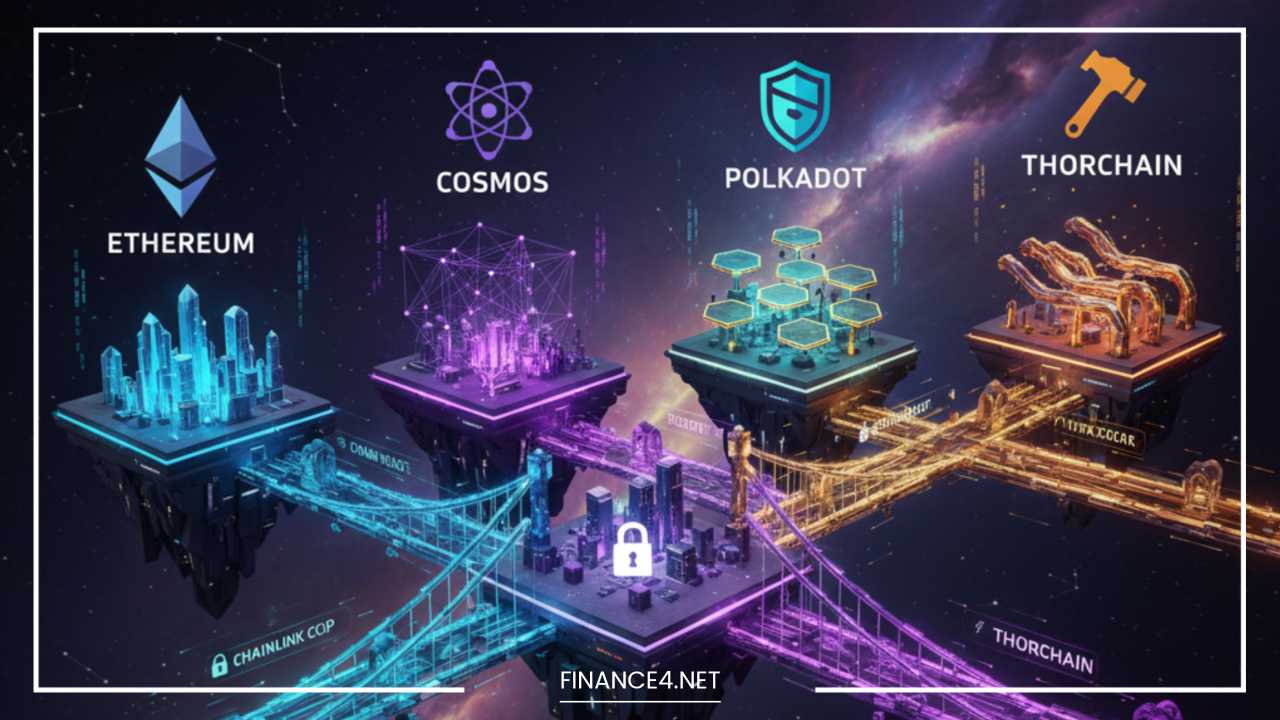
The rise of the multi-chain era changed everything. Today, decentralized finance (DeFi) exists across dozens of distinct protocols, each offering unique yield opportunities, lower transaction costs, or specialized applications. To navigate this landscape, cross-chain bridges have become the essential infrastructure of the modern Web3 economy.
These tools enable the seamless transfer of assets and information across disparate blockchains, allowing users to move capital to where it is most productive. Whether you are chasing a high-yield liquidity pool on a new Layer 2 or moving stablecoins to a high-speed network for trading, bridges are the pipelines that make it possible. However, not all bridges are created equal. Users frequently face a “bridging trilemma” where they must balance speed, cost, and security. As we move deeper into an interoperable future, choosing the right tool is the difference between a seamless swap and a costly, high-risk ordeal.
What Are DeFi Bridging Tools?
At its core, a cross-chain bridge is a protocol that allows two or more blockchains to communicate and share value. Since blockchains are inherently closed systems with different consensus mechanisms and data structures, they cannot “see” each other. A bridge acts as a translator and a transport layer.
How Bridging Mechanics Work
There are several primary architectural models used by the tools in this list:
-
Lock-and-Mint: This is the most traditional model. A user locks their native asset (e.g., ETH) in a smart contract on the source chain. The bridge then mints an equivalent “wrapped” version (e.g., wETH) on the destination chain. When the user wants to return, the wrapped tokens are burned, and the original assets are unlocked.
-
Liquidity Pool-Based: Instead of wrapping assets, these bridges maintain deep liquidity pools of native assets on both sides of the bridge. If you send USDC from Ethereum to Polygon, you are effectively depositing into the Ethereum pool and withdrawing from the Polygon pool. This avoids the risks associated with wrapped tokens.
-
Messaging Protocols: Modern infrastructure like LayerZero or Axelar doesn’t just move tokens; it moves “state.” These protocols allow a smart contract on one chain to trigger a function on another, enabling more complex cross-chain interactions like “omnichain” tokens that exist natively on multiple networks simultaneously.
Categories of Bridges
-
Trusted vs. Trustless: Trusted bridges rely on a central entity or a small group of validators to confirm transfers. Trustless bridges use smart contracts and mathematical proofs (like ZK-proofs) to ensure the security of the transfer without human intervention.
-
Intent-Based Bridges: A newer trend where users broadcast an “intent” (e.g., “I want 1 ETH on Arbitrum for my 1 ETH on Ethereum”). Professional market makers, known as solvers, compete to fill this request instantly using their own liquidity, later settling the transaction on-chain. This often results in the fastest and cheapest user experience.
Risks and Challenges of Bridging
While bridges provide immense utility, they are also among the most high-risk components of the DeFi ecosystem. Security is a paramount concern because bridges often hold massive amounts of locked collateral, making them “honeypots” for hackers.
Smart Contract Vulnerabilities
The complexity of bridging code is high. A single bug in the logic that handles locking or minting can lead to total loss. Historically, bridge exploits have accounted for billions of dollars in lost funds. Famous incidents involving the Ronin Bridge and the Nomad Bridge serve as cautionary tales regarding the risks of bridge architecture.
Validator and Guardian Risks
In “trusted” models, the security of the bridge is only as strong as the entities running the nodes. If a majority of validators are compromised, they can authorize fraudulent withdrawals. This is why many users now prioritize “decentralized” validator sets or protocols that use optimistic security models.
Liquidity and Slippage
For liquidity-pool-based bridges, “fragmentation” is a challenge. If a bridge does not have enough liquidity on the destination chain for a specific asset, users may experience high slippage or be unable to complete the transfer. Furthermore, high gas fees on source chains like Ethereum can sometimes make small transfers uneconomical.
How We Ranked the Best DeFi Bridges
To provide a comprehensive review, we evaluated dozens of protocols based on a strict set of criteria designed to reflect the priorities of real DeFi users.
-
Security: We prioritized protocols with multiple third-party audits, bug bounty programs, and a proven track record of uptime. Bridges with decentralized validator sets or trustless architectures scored higher.
-
Fees: This includes both the protocol fee (usually a percentage of the transfer) and the gas costs. We looked for tools that optimize for “gas-efficiency.”
-
Speed: We measured “time to finality”—the duration from the moment a user initiates a transaction to the moment the funds are usable on the destination chain.
-
Network Coverage: A great tool must support a wide range of ecosystems, including Ethereum, major Layer 2s (Arbitrum, Optimism, Base), and non-EVM chains like Solana and Sui.
-
User Experience (UX): We looked for clean interfaces, clear fee breakdowns, and the ability to track transactions in real-time.
1. Symbiosis Finance
Symbiosis is a decentralized multi-chain liquidity protocol that functions as both a bridge and a cross-chain AMM (Automated Market Maker). It is designed to solve the problem of liquidity fragmentation by aggregating liquidity across every supported network.
-
Overview: Symbiosis allows users to swap any token on one chain for any token on another in a single transaction. It eliminates the need for users to have gas tokens on the destination chain, which is a massive UX improvement.
-
Key Features: It uses a “stablecoin-intermediate” routing system. When you swap Token A on Chain X for Token B on Chain Y, Symbiosis routes the trade through stablecoin pools to ensure the best rates.
-
Pros: Supports a massive variety of chains (including ZK-rollups); no need for destination gas tokens; unified interface.
-
Cons: Can be slightly more expensive for very small transfers due to multi-hop routing.
-
Verdict: The best “all-in-one” solution for users who want to go from any asset to any asset without multiple steps.
2. Stargate Finance (LayerZero)
Stargate is the flagship bridge built on top of LayerZero, a leading cross-chain interoperability protocol. It is specifically designed to handle “native” asset transfers.
-
Overview: Stargate solves the bridging trilemma by providing instant guaranteed finality and unified liquidity. It focuses on stablecoins (USDC, USDT) and native ETH.
-
Key Features: Because it uses LayerZero’s messaging, it doesn’t rely on wrapped tokens. You receive real, native assets on the destination side.
-
Pros: Extremely high security; deep liquidity; integrated by dozens of other DeFi apps.
-
Cons: Limited token selection (mostly stables and ETH); supports mostly EVM-compatible chains.
-
Verdict: The gold standard for moving large amounts of stablecoins safely and efficiently.
3. Across Protocol
Across is an “optimistic” bridge that has gained massive popularity for its incredible speed and low costs, particularly between Ethereum and its Layer 2s.
-
Overview: Across uses an intent-based model. Instead of waiting for slow on-chain confirmations, a network of “relayers” fulfills your request instantly for a small fee. These relayers take on the risk and are reimbursed later.
-
Key Features: It is often the cheapest bridge for L2-to-L2 transfers. It also features a unique “bridge-and-swap” functionality.
-
Pros: Some of the lowest fees in the industry; near-instant transfers; highly decentralized security model.
-
Cons: Smaller range of supported chains compared to giants like Wormhole.
-
Verdict: The best choice for frequent Layer 2 users who prioritize speed and cost.
4. Wormhole / Portal
Wormhole is one of the most expansive interoperability protocols in existence, connecting over 30 different blockchains.
-
Overview: Portal is the user-facing bridge built on Wormhole. It is famous for being the primary link between the Ethereum and Solana ecosystems.
-
Key Features: It uses a network of “Guardians” to monitor and verify cross-chain messages. It supports everything from tokens to NFTs.
-
Pros: Unparalleled chain coverage (Solana, Cosmos, Sui, Aptos, etc.); massive institutional backing; supports NFT bridging.
-
Cons: Interface can be slightly more technical; users often receive “wrapped” assets which may need to be swapped for native ones.
-
Verdict: Essential for users moving value between non-EVM ecosystems like Solana and Ethereum.
5. Synapse Protocol
Synapse is a cross-chain network that powers frictionless interoperability between blockchains. It consists of a generalized messaging protocol and an optimistic settlement layer.
-
Overview: Synapse is well-known for its “Synapse Bridge,” which uses cross-chain AMM pools to facilitate swaps between native assets on different chains.
-
Key Features: It provides a “Synapse Explorer” to track every cross-chain message and transaction, offering high transparency.
-
Pros: Very user-friendly; supports a wide range of emerging L2s and sidechains; competitive fee structure.
-
Cons: In the past, it has faced challenges with liquidity depth on smaller networks.
-
Verdict: A solid, reliable middle-ground bridge that balances speed and ease of use.
6. Jumper (powered by LI.FI)
Jumper is technically a bridge aggregator, but it is so integral to the DeFi experience that it belongs on every “best of” list.
-
Overview: Jumper searches through dozens of bridges (including many on this list) to find the absolute cheapest and fastest route for your specific transfer.
-
Key Features: It integrates Dex aggregators as well, allowing for “any-to-any” swaps. If Bridge A is cheaper but Bridge B is 5 minutes faster, Jumper lets you choose.
-
Pros: Always finds the best price; handles the routing logic for you; supports nearly every chain.
-
Cons: Adding an aggregation layer can occasionally lead to slightly longer “routing” times before the transaction starts.
-
Verdict: The best starting point for any bridging transaction.
7. Hop Protocol
Hop was a pioneer in the Layer 2 bridging space, focusing on fast transfers between Ethereum, Arbitrum, Optimism, Polygon, and Gnosis.
-
Overview: Hop uses “hTokens” as an intermediary and a system of “Bonders” to provide liquidity on the destination chain.
-
Key Features: It is completely trustless and relies on the security of the underlying L1 (Ethereum).
-
Pros: Excellent security record; very simple and clean UI.
-
Cons: Fees can be higher than Across for certain routes; slower to add new, non-Ethereum chains.
-
Verdict: A legacy favorite for security-conscious users moving assets between established L2s.
8. Orbiter Finance
Orbiter Finance is a decentralized cross-rollup bridge for transferring Ethereum native assets. It is highly specialized for the Ethereum Layer 2 ecosystem.
-
Overview: Unlike other bridges that use complex smart contracts, Orbiter uses a “Maker” system that significantly reduces gas costs.
-
Key Features: It is optimized for “cross-rollup” transfers, making it incredibly cheap to move ETH between Arbitrum, Optimism, and ZK-sync.
-
Pros: Extremely low gas fees; support for almost all new ZK-rollups.
-
Cons: Primarily focused on ETH and stablecoins; limited support for non-EVM chains.
-
Verdict: The “go-to” tool for ZK-rollup enthusiasts and “L2 hunters.”
9. Axelar
Axelar is more than just a bridge; it is a full-stack infrastructure for cross-chain communication.
-
Overview: Axelar provides a decentralized network and tools that allow dApp developers to create cross-chain experiences. For users, the “Satellite” app is the primary bridging interface.
-
Key Features: It uses Proof-of-Stake security (the same as the chains it connects). It is a key bridge for the Cosmos (IBC) ecosystem.
-
Pros: Connects EVM chains to the Cosmos ecosystem; high security; supports general message passing.
-
Cons: The Satellite UI is functional but less “polished” than consumer-focused aggregators.
-
Verdict: The best choice for moving assets into or out of the Cosmos ecosystem.
10. Defiway
Defiway has emerged as a comprehensive ecosystem that includes a bridge, a wallet, and payroll solutions, with a strong focus on the Base network and other emerging chains.
-
Overview: It offers a streamlined bridging experience that supports not only standard EVM networks but also niche chains like Tron and TON.
-
Key Features: It emphasizes high-speed transactions and low commissions, often marketing itself toward business and professional use.
-
Pros: Simple UI; supports chains often ignored by other bridges (like TON); audited security.
-
Cons: Less “DeFi-native” feel compared to protocols like Stargate or Across.
-
Verdict: A great alternative for users looking to bridge to “non-standard” chains like Tron or Base with minimal friction.
Comparison Table
| Tool | Primary Type | Best For | Security Model | Speed |
| Symbiosis | Aggregator/AMM | Any-to-Any Swaps | Multi-party computation | 3-10 mins |
| Stargate | Native Asset | Large Stables/ETH | LayerZero Messaging | 1-5 mins |
| Across | Intent-Based | Speed & Low Fees | Optimistic / Relayers | < 2 mins |
| Wormhole | Messaging | Solana & Non-EVM | Guardian Network | 5-15 mins |
| Synapse | Liquidity Pool | Multi-chain UX | Optimistic | 3-5 mins |
| Jumper | Aggregator | Finding Best Route | Aggregated (Varies) | Varies |
| Hop | Cross-Rollup | L2 Security | Trustless hTokens | 2-5 mins |
| Orbiter | Cross-Rollup | L2 Gas Efficiency | Maker/Relayer | < 1 min |
| Axelar | Infrastructure | Cosmos Connectivity | Proof-of-Stake | 5-10 mins |
| Defiway | Ecosystem | Base & Tron | Smart Contract / Audited | 2-5 mins |
Bridge Aggregators vs. Direct Bridges
When you need to move assets, you have two choices: go directly to a bridge protocol (like Stargate) or use an aggregator (like Jumper or Squid Router).
Direct bridges are generally better for large, institutional-sized transfers where you want to minimize the number of smart contracts you interact with. By going directly to the source, you reduce “composable risk.” If you are moving $1 million in USDC, you likely want the battle-tested security of Stargate’s native liquidity.
Aggregators, on the other hand, are the superior choice for 90% of retail users. They abstract the complexity. An aggregator will tell you, “Bridge A is 20 cents cheaper, but Bridge B will arrive 4 minutes sooner.” They also handle the swap for you. If you have ETH on Ethereum but need JOE on Avalanche, an aggregator will bridge the ETH and then automatically swap it for JOE on the other side, saving you multiple manual steps.
Latest Trends in DeFi Bridging
The bridging landscape is moving away from “wrapping” and toward “chain abstraction.”
-
Intent-Based Bridging: Protocols like Across and Squid are leading the way. Instead of the user waiting for the bridge, a market maker fills the order immediately. This shifts the waiting time from the user to the professional liquid provider.
-
Chain Abstraction: The ultimate goal of DeFi is for the user to not even know which chain they are on. Emerging “omnichain” standards allow your balance to be reflected across all chains simultaneously, with the bridge working silently in the background.
-
Native Asset Standards: We are seeing a move toward Circle’s CCTP (Cross-Chain Transfer Protocol), which allows USDC to be burned on one chain and minted natively on another, removing the need for third-party liquidity pools entirely.
How to Choose the Right Bridge
To pick the right tool, ask yourself these four questions:
-
What is the asset? If it is USDC or ETH, use Stargate or Across. If it is a niche altcoin, use an aggregator like Symbiosis or Jumper.
-
What is the destination? If you are going to Solana, use Wormhole. If you are going to a Layer 2 like Arbitrum, use Orbiter or Across.
-
How much are you moving? For small amounts, gas fees are your biggest enemy—use Orbiter or Across. For large amounts, slippage and security are your enemies—use Stargate.
-
How fast do you need it? If you are in a rush to catch a price movement, intent-based bridges (Across, Squid) are your best bet.
Safety Tips When Using Bridges
-
Verify the URL: Phishing is rampant in DeFi. Always use official links from reputable aggregators or project Twitter accounts.
-
Start Small: Before moving a large sum, send a small “test” amount to ensure the route works and you receive the funds on the other side.
-
Revoke Permissions: After bridging, it is good practice to use a tool like Revoke.cash to remove the bridge’s permission to spend your tokens, especially if you used a less-known protocol.
-
Check for Audits: Never use a bridge that hasn’t been audited by reputable firms like Trail of Bits, OpenZeppelin, or PeckShield.
-
Monitor Network Health: If a network is undergoing an upgrade or experiencing congestion (like Solana sometimes does), bridging may be delayed or frozen. Check the bridge’s status page or Discord before sending.
Final Thoughts
The future of DeFi is undoubtedly multi-chain. As we move toward an era of chain abstraction, the friction of moving between networks will eventually disappear. For now, however, understanding the nuances of bridging is a critical skill for any DeFi participant.
By utilizing aggregators for daily swaps and direct, native bridges for large-scale capital movements, you can navigate the ecosystem with confidence. Always prioritize security over a few cents of savings, and stay informed about the latest intent-based protocols that are making the multi-chain world faster and more affordable than ever before.
Frequently Asked Questions
Which DeFi bridge has the lowest fees for Layer 2 transfers?
If you are moving assets between Ethereum Layer 2s like Arbitrum, Optimism, or Base, Across Protocol and Orbiter Finance consistently offer the lowest fees. Across uses an intent-based model that minimizes gas costs, while Orbiter’s direct cross-rollup transfer mechanism avoids the heavy smart contract execution fees found on larger liquidity-pool bridges.
How do I bridge crypto from Ethereum to Solana safely?
The most established route for moving assets to Solana is the Portal Bridge (powered by Wormhole). It is the most liquid path for wrapping ETH or ERC-20 tokens into Solana-compatible assets. Always ensure you have a small amount of native SOL in your destination wallet to pay for the initial transaction fees once your assets arrive.
What is the fastest cross-chain bridge for stablecoins?
For near-instant stablecoin transfers, Stargate Finance and Across are the top performers. Stargate is ideal for moving large amounts of USDC or USDT with “instant guaranteed finality,” meaning you don’t have to worry about a transfer getting stuck halfway due to lack of liquidity on the destination chain.
Are bridge aggregators better than using a single bridge?
For most retail users, bridge aggregators like Jumper or Squid Router are superior because they automatically scan multiple bridges to find the cheapest and fastest route. However, for institutional-sized transfers, using a direct bridge like Stargate or Axelar is often safer as it reduces “composable risk” by interacting with only one protocol’s smart contracts.
What are the risks of using wrapped tokens on a bridge?
When you use a “lock-and-mint” bridge like Wormhole, you receive a wrapped token (e.g., wETH). The risk is that if the original bridge contract on the source chain is hacked and the collateral is stolen, your wrapped tokens on the destination chain could become worthless because they are no longer backed 1:1. To avoid this, many users prefer “native-to-native” bridges like Stargate.
How can I bridge tokens without paying high Ethereum gas fees?
To avoid high L1 gas fees, use an L2-native bridge like Orbiter Finance to move directly from one Layer 2 to another (e.g., Optimism to Arbitrum) without touching the Ethereum mainnet. Alternatively, you can use a “gasless” bridge feature offered by some aggregators that allows you to pay the bridging fee using the token you are transferring.
Can I bridge NFTs across different blockchains?
Yes, but support is more limited than for standard tokens. Wormhole and Holograph are currently the leaders in cross-chain NFT interoperability. They allow you to “teleport” NFTs between chains while maintaining the original metadata, which is essential for cross-chain gaming and digital art collections.