Best Bridging Aggregator for Polkadot Parachains
 by
by 
Best Bridging Aggregator for Polkadot Parachains: Top Picks
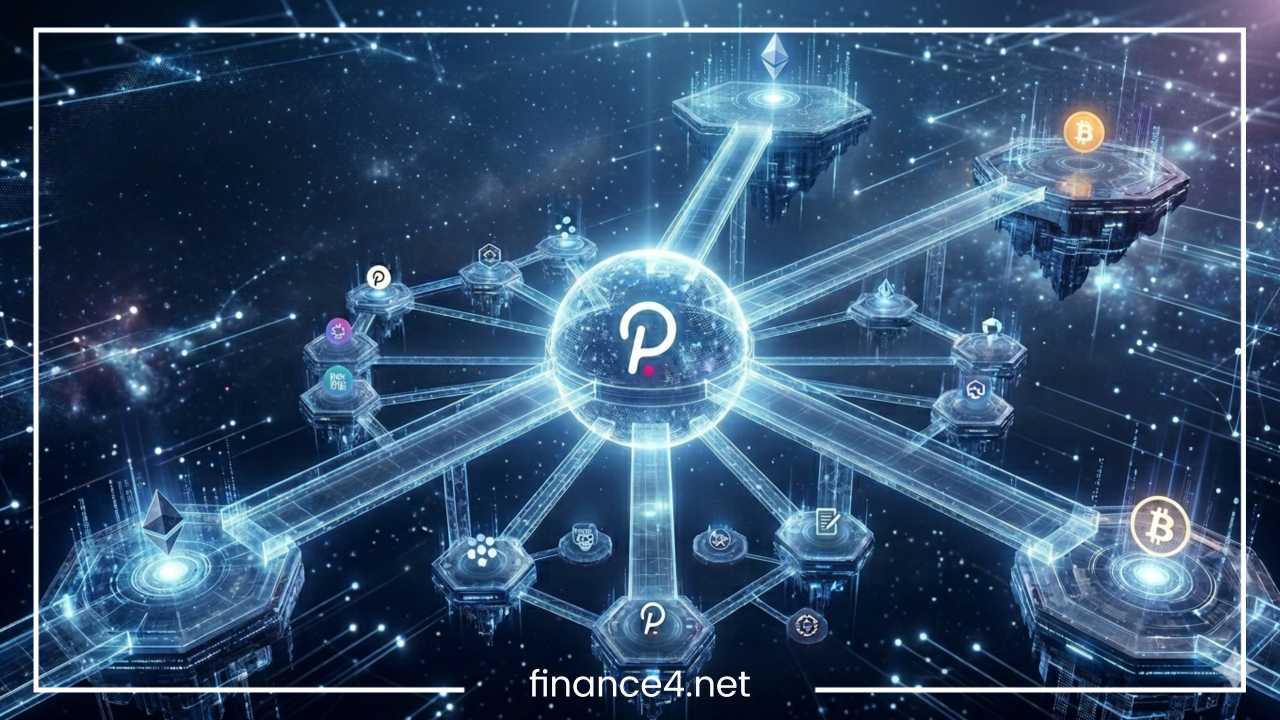
Polkadot was conceived with a singular, ambitious vision: to create a fully decentralized web where diverse blockchains can interoperate seamlessly. Unlike traditional siloed networks, Polkadot operates as a “layer zero” protocol, providing a foundation for specialized blockchains known as parachains. These parachains benefit from the shared security of the central Relay Chain while maintaining the flexibility to optimize for specific use cases, ranging from decentralized finance (DeFi) and gaming to identity management and supply chain logistics.
While the internal architecture of Polkadot allows parachains to communicate natively through Cross-Consensus Messaging (XCM), the broader Web3 landscape remains fragmented. Users often find themselves needing to move assets between the Polkadot ecosystem and external networks like Ethereum, Solana, or the Cosmos Hub. This necessity has birthed the bridging sector, a critical but often confusing part of the blockchain infrastructure. Moving assets across these boundaries is historically complex, involving multiple steps, varied security risks, and fluctuating gas fees.
As the number of bridges grows, so does the complexity for the end-user. This is where bridging aggregators become indispensable. A bridging aggregator acts as a meta-layer, scanning various cross-chain protocols to find the most efficient, cost-effective, and secure path for a transaction. Instead of a user manually checking three different bridges to see which one supports a specific parachain asset with the lowest slippage, an aggregator automates the process. They are the key to a frictionless cross-chain user experience, serving as the “Expedia” or “Skyscanner” of the decentralized world.
What Are Bridging Aggregators?
To understand aggregators, one must first distinguish between the underlying technologies they manage. Cross-chain bridges are the primary vehicles for moving assets; they typically use a “lock-and-mint” or “burn-and-mint” mechanism to represent a token from one chain on another. Cross-chain messaging protocols, on the other hand, are broader frameworks that allow for the transfer of arbitrary data and smart contract instructions across different ledgers.
A bridging aggregator sits atop these technologies. It does not necessarily build its own bridge; instead, it integrates multiple existing bridges and messaging protocols into a single interface. When a user wants to move USDT from Ethereum to an Astar or Moonbeam parachain, the aggregator evaluates all integrated routes. It looks at liquidity depth, current congestion, and relayer fees across various providers to present the user with the best possible options.
The mechanics involve sophisticated routing algorithms. Some aggregators focus on “smart routing,” which might split a single large transaction across multiple bridges to minimize price impact, or chain multiple swaps together if a direct bridge does not exist. The primary benefits are clear: a simplified user experience that hides the technical “plumbing” of Web3, access to superior pricing through competition between bridges, and a significant reduction in the time spent navigating disparate web applications. By providing a unified interface, aggregators lower the barrier to entry for users who want to explore the multi-chain potential of Polkadot without becoming technical experts in bridge architecture.
Why Polkadot Needs Bridging Aggregators
Polkadot’s unique architecture creates a specific set of needs for bridging. Within the ecosystem, interoperability is “native.” Parachains can talk to each other through the Relay Chain with high security and speed. However, Polkadot does not exist in a vacuum. To thrive, it must connect with the massive liquidity residing in the Ethereum Virtual Machine (EVM) ecosystem and other burgeoning networks.
Native Interoperability vs External Connectivity
The distinction between internal and external communication is vital. Native interoperability via XCM is trust-minimized because all parachains share the same security umbrella. However, connecting a Polkadot parachain to an external network requires an “outbound” bridge. These bridges often have different security assumptions than the Polkadot Relay Chain. Aggregators help bridge this gap by offering users a choice in how they want to handle that external risk.
Key Challenges in the Ecosystem
The Polkadot ecosystem faces several hurdles that make aggregators a necessity rather than a luxury. First is liquidity fragmentation. Because there are multiple bridges connecting Ethereum to Moonbeam or Interlay, the liquidity for a specific asset like USDC might be split across four different “wrapped” versions. This creates “bad” liquidity where slippage is high because no single pool is deep enough.
Furthermore, users often face “versioning” issues. A user might bridge ETH to a parachain via Bridge A and receive “A-ETH,” while a specific DeFi protocol on that parachain only accepts “B-ETH” from Bridge B. Aggregators help mitigate this confusion by identifying the most widely accepted asset versions or providing integrated “swap-and-bridge” functions. Without these tools, the user experience is a minefield of inconsistent fees, varying transaction times, and the constant risk of holding an illiquid synthetic asset.
Key Features to Evaluate
When selecting or integrating a bridging aggregator for the Polkadot ecosystem, several technical and functional pillars should be considered. These form a decision-making framework for both retail users and developers.
Security Model
Security is the most critical factor. Bridges are historically the most targeted infrastructure in Web3. You must evaluate whether the underlying bridges used by an aggregator are trustless (relying on light clients and mathematics) or trusted (relying on a multisig or a set of external validators). Trustless bridges are generally safer but more complex to build and often slower.
Chain Coverage and Asset Support
An aggregator is only as good as the destinations it can reach. For Polkadot users, this means not just supporting the Relay Chain, but having deep integration with major parachains like Moonbeam, Astar, HydraDX, and Centrifuge. The range of supported assets—including native DOT, stablecoins, and niche parachain tokens—is equally important.
Liquidity Depth and Routing
The core value of an aggregator lies in its routing algorithm. Does it simply find the cheapest bridge, or can it perform complex maneuvers? For example, if you want to move assets from a non-EVM chain to a Substrate-based parachain, the aggregator should be able to route through an intermediary liquidity hub if a direct path is unavailable. Deep liquidity ensures that large trades don’t suffer from massive slippage.
Fees, Speed, and User Experience
Every cross-chain move involves gas fees on the source chain, destination chain, and often a relayer fee. A good aggregator provides a transparent breakdown of these costs before the user signs the transaction. Speed is also a factor; some bridges offer “instant” finality via liquidity providers, while others require waiting for the underlying chain’s finality, which can take several minutes. Finally, the interface should be clean, providing real-time tracking so the user never feels like their funds have disappeared into a “black hole” during the transit.
Top Bridging Aggregators for Polkadot
The following platforms represent the leading edge of bridging and aggregation. While some are pure aggregators, others are interoperability layers that function as hubs for the Polkadot ecosystem.
LayerZero
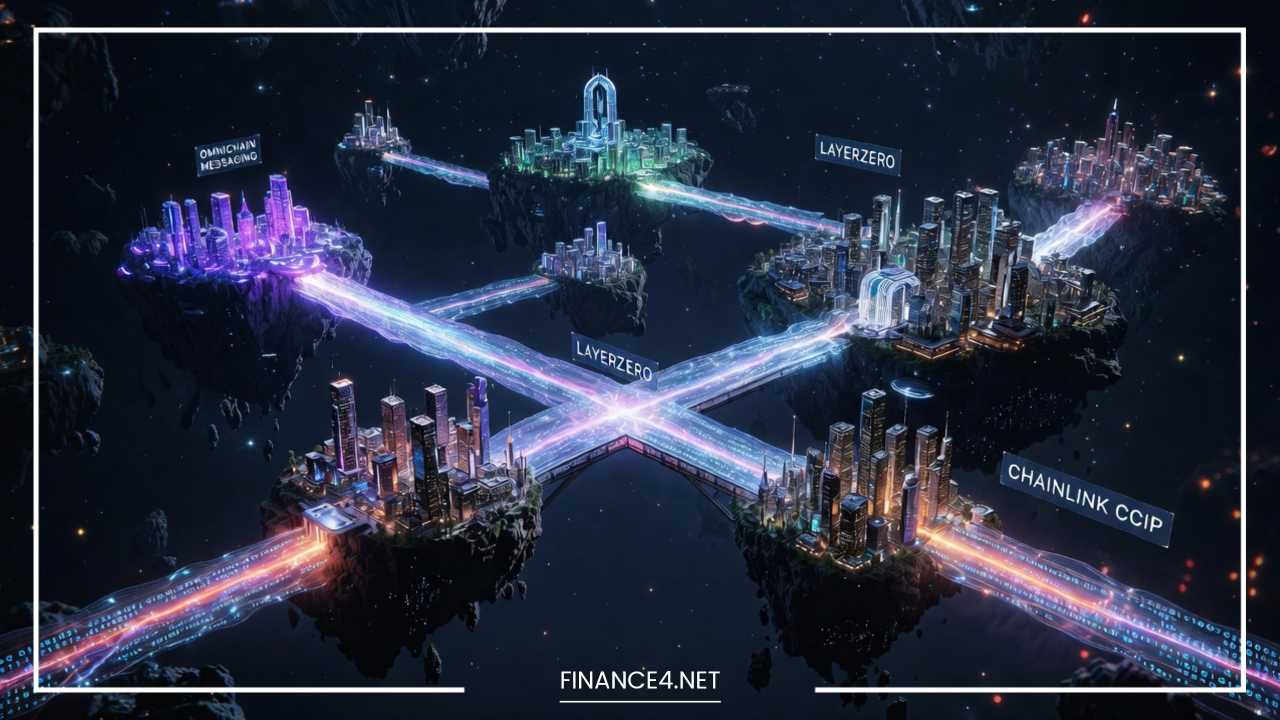
LayerZero is an omnichain interoperability protocol designed for lightweight messaging across chains. It uses an innovative approach involving “Oracles” and “Relayers” to verify transactions without the heavy overhead of running a full light client.
-
Strengths: Extremely high efficiency and low latency. It has seen massive adoption, meaning liquidity for LayerZero-based assets is often very deep. It allows for “Omnichain Fungible Tokens” (OFTs) which eliminate the need for wrapped assets.
-
Weaknesses: The security depends on the independence of the Oracle and the Relayer. If these two parties collude, the security of the bridge could be compromised.
-
Ideal Users: DeFi power users and developers looking to build cross-chain applications that need to move more than just assets (e.g., cross-chain governance).
Axelar Network
Axelar acts as a decentralized overlay network that connects different blockchain ecosystems. It uses a proof-of-stake consensus mechanism to validate cross-chain requests.
-
Strengths: Highly decentralized compared to multisig-based bridges. It offers “General Message Passing,” which allows Polkadot parachains to interact with any function on an Ethereum smart contract. Its integration with the Inter-Blockchain Communication (IBC) protocol also makes it a gateway to the Cosmos ecosystem.
-
Weaknesses: The overhead of an intermediate consensus layer can sometimes lead to slightly higher fees compared to direct point-to-point bridges.
-
Ideal Users: Developers who require robust, decentralized infrastructure for complex cross-chain logic.
deBridge
deBridge is a high-performance interoperability layer that facilitates the decentralized transfer of assets and data. It focuses heavily on the speed of execution and the reliability of its validator set.
-
Strengths: It offers “dePort,” a solution for creating interoperable representations of assets (wrapped assets) with high security. The fees are competitive, and the transfer speeds are among the fastest in the industry.
-
Weaknesses: While growing, its ecosystem of supported parachains is still expanding compared to some of the older incumbents.
-
Ideal Users: Arbitrageurs and DeFi users who prioritize execution speed and low latency.
Rango Exchange
Rango is a “true” aggregator in the sense that it focuses almost entirely on the end-user experience. It integrates dozens of bridges, decentralized exchanges (DEXs), and aggregators into one powerful interface.
-
Strengths: It has arguably the best “routing” in the industry for retail users. It can find paths that involve multiple hops across different ecosystems (e.g., Solana to Polkadot via Ethereum). It handles the complexity of swapping and bridging in a single click.
-
Weaknesses: Because it is a meta-aggregator, it adds another layer of smart contract risk, although the underlying bridges remain the primary point of concern.
-
Ideal Users: Retail investors who want a one-stop-shop for moving any asset to any chain without worrying about the technical path.
LI.FI
LI.FI is an API-first bridging power-house. It aggregates bridges and DEXs to provide a seamless “buy-and-bridge” experience. While it has a front-end (Jumper.exchange), its primary strength is its SDK for developers.
-
Strengths: Incredible developer support. Many wallets and dApps in the Polkadot ecosystem use LI.FI under the hood to power their “bridge” buttons. It provides excellent data on bridge health and insurance options for transfers.
-
Weaknesses: The interface can sometimes feel overwhelming due to the sheer number of options and data points provided.
-
Ideal Users: DApp developers who want to embed bridging directly into their products.
Router Protocol
Router Protocol is a modular interoperability layer that allows for the secure transfer of assets and data across multiple chains. It uses a mesh network of bridges to ensure there is never a single point of failure.
-
Strengths: Its modularity allows it to quickly add support for new chains, including various Polkadot parachains. It focuses on reducing “liquidity silos.”
-
Weaknesses: Smaller brand recognition compared to LayerZero or Axelar, which can lead to lower liquidity in its proprietary pools.
-
Ideal Users: Users looking for niche chain support that larger aggregators might overlook.
Celer cBridge
Celer’s cBridge is a decentralized non-custodial asset bridge that enables instant, low-cost transfers across a wide variety of chains, including many of Polkadot’s top-tier parachains.
-
Strengths: It uses a “State Channel” heritage to provide very fast transfers. It has a robust incentive program that ensures deep liquidity for popular assets like USDC, USDT, and ETH.
-
Weaknesses: The interface is more of a traditional bridge than a “multi-hop” aggregator, though it is often a core component within other aggregators.
-
Ideal Users: Users moving large amounts of stablecoins who need deep liquidity and predictable fees.
Stargate Finance
Built on LayerZero, Stargate is a fully composable liquidity transport protocol that lives at the heart of the “Omnichain” future. It solves the “bridging trilemma” by offering instant guaranteed finality, unified liquidity, and native asset transfers.
-
Strengths: It avoids wrapped assets entirely. If you bridge USDC, you get native USDC on the other side. This is a massive improvement for security and usability.
-
Weaknesses: It is limited to the chains that LayerZero supports and only handles specific high-volume assets (mostly stables and ETH).
-
Ideal Users: Conservative users who want to avoid the risks associated with wrapped/synthetic assets.
Hyperbridge
Hyperbridge is a newcomer specifically designed with the Polkadot and Kusama ecosystems in mind. It leverages the power of zk-light clients and storage proofs to provide what many consider the “gold standard” of secure bridging.
-
Strengths: It is architecturally built to be “trustless.” By using cryptographic proofs to verify the state of the source chain on the destination chain, it removes the need for a middleman or a multisig.
-
Weaknesses: Being a newer, highly technical solution, its user interface and broad asset support are still maturing.
-
Ideal Users: Security-conscious users who want to move assets between Polkadot and other ecosystems (like Ethereum or Avalanche) with minimal trust assumptions.
Snowbridge
Snowbridge is a specialized, trustless bridge specifically for connecting Ethereum and Polkadot. It is being developed as a common good bridge, meaning it aims to be a part of the Polkadot infrastructure itself.
-
Strengths: It is designed to be fully decentralized and trustless, using light clients. Once fully deployed, it will likely be the most secure way to move assets between Ethereum and the Polkadot Relay Chain.
-
Weaknesses: It is a specific “corridor” bridge (Ethereum to Polkadot only) rather than a general-purpose aggregator that can reach dozens of chains.
-
Ideal Users: Long-term Polkadot holders who need the highest level of security for moving ETH-based assets into the ecosystem.
Comparison Table
| Aggregator | Chains Supported | Security Model | Fees | Best For |
| LayerZero | 50+ (EVM, Polkadot) | Oracle/Relayer | Low to Moderate | Developers & OFTs |
| Axelar | 30+ (Cosmos, EVM) | PoS Consensus | Moderate | Cross-chain logic |
| Rango | 60+ (All major) | Meta-Aggregator | Varies (Optimized) | Retail Users / UX |
| LI.FI | 20+ (Deep EVM) | Meta-Aggregator | Low | DApp Integration |
| Stargate | 10+ (Mainstream) | LayerZero Based | Competitive | Native Asset Transfers |
| Hyperbridge | Polkadot, EVM | Trustless (Proofs) | Moderate | Security Purists |
Risks & Challenges
Despite the advancements in aggregation, bridging remains one of the riskiest activities in the digital asset space. Users must be aware of several critical challenges.
The most prominent risk is the “Bridge Hack.” Unlike a DEX where funds are swapped, many bridges hold vast amounts of collateral in a vault on one chain to back the “minted” assets on another. If the vault is compromised—whether through a smart contract bug or a stolen private key in a multisig—the wrapped assets on the destination chain can become worthless overnight.
Liquidity fragmentation also poses a functional risk. If an aggregator routes you into a version of a token that has no liquidity on the destination parachain, you might be stuck with an asset you cannot sell or use in DeFi. This is why “native” bridging solutions like Stargate or XCM-based transfers are preferred when available.
Finally, there is the risk of “Failed Transactions.” Moving assets across chains involves multiple blockchain states. If a gas spike occurs on the destination chain while your assets are “in flight,” the relayer might fail to execute the final step, leaving your funds in a pending state that requires manual intervention.
Future of Bridging in Polkadot
The future of bridging within the Polkadot ecosystem is moving toward “invisible” interoperability. The goal is for a user to interact with a Polkadot dApp and have the bridging happen automatically in the background, without the user ever knowing which bridge was used.
We are seeing a shift away from “trusted” bridges toward “trustless” solutions like Hyperbridge and Snowbridge. As zero-knowledge (ZK) technology matures, we will likely see bridges that use ZK-proofs to prove the validity of a transaction on another chain instantly and securely. This will eliminate the 7-day waiting periods seen in some optimistic bridge designs and the multisig risks seen in older models.
Furthermore, Polkadot’s evolution into “Polkadot 2.0” and the implementation of Coretime will likely change how parachains manage their connectivity. We may see more “system parachains” dedicated specifically to managing external bridge traffic, acting as a secure clearinghouse for the entire ecosystem.
How to Choose the Right Aggregator
The “best” aggregator depends entirely on your specific needs and technical comfort level:
-
For Beginners: Stick to tools like Rango Exchange. The interface is intuitive, it handles the “swapping” of tokens for you, and it provides clear step-by-step progress bars.
-
For Developers: LI.FI is the gold standard. Its documentation and SDK make it easy to give your users bridging capabilities without them ever leaving your website.
-
For Security-Focused Users: Prioritize Hyperbridge or Snowbridge. These are built on trust-minimized principles that align with the core philosophy of Polkadot.
-
For High-Volume DeFi Traders: Use Celer cBridge or Stargate. You need the deepest liquidity pools to ensure that your large trades don’t get eaten alive by slippage.
Final Thoughts
Bridging aggregators have evolved from simple convenience tools into essential infrastructure for the multi-chain era. For Polkadot to achieve its vision of being the “internet of blockchains,” it must be easily accessible from every other corner of the crypto world. Aggregators provide the map and the vehicle for this journey.
While the technology is still maturing and risks remain, the competition between platforms like LayerZero, Axelar, and Rango is driving a rapid improvement in security and user experience. As a user, your priority should always be a balance between security, cost, and the specific “version” of the asset you receive. By choosing the right aggregator, you can navigate the complex waters of the Polkadot parachain ecosystem with confidence, moving your capital to where it is most productive with minimal friction.
Frequently Asked Questions about Polkadot Bridging
What is the fastest bridge from Ethereum to Polkadot?
The speed of a bridge depends on the underlying verification mechanism. For those seeking near-instant transfers, Stargate Finance and Celer cBridge are often the fastest because they utilize liquidity pools rather than waiting for full chain finality. However, “trustless” bridges like Snowbridge may take longer as they require the synchronization of light clients between the Ethereum and Polkadot networks.
How do I move USDT from Binance Smart Chain to Moonbeam?
The most efficient way to move USDT across these ecosystems is through a multi-chain aggregator like Rango Exchange or LI.FI. These platforms will route your USDT from BSC through a bridge (like Celer or Axelar) and, if necessary, perform a swap on a Moonbeam decentralized exchange (DEX) to ensure you receive the correct native version of USDT on the parachain.
Are bridging aggregators safer than using a single bridge?
Aggregators do not necessarily increase security; they provide a unified interface to access existing bridges. The security risk still resides with the underlying bridge protocol (e.g., LayerZero or Axelar). However, aggregators like Hyperbridge help you select the most secure path by highlighting “trustless” options that do not rely on a centralized multisig.
Which Polkadot parachain has the most bridge liquidity?
Currently, Moonbeam and Astar Network hold the highest amount of bridged liquidity due to their EVM compatibility, which makes them the primary entry points for assets coming from Ethereum and other Layer 2 networks. HydraDX is also becoming a major liquidity hub within the Polkadot ecosystem through its “Omnipool” design.
Why do I see multiple versions of USDC on Polkadot?
This is a result of liquidity fragmentation. If you use Bridge A, you might receive “anyUSDC,” while Bridge B gives you “axlUSDC.” Using an aggregator helps solve this by identifying which version is the most “canonical” (widely accepted) on your destination parachain, preventing you from holding an illiquid asset that cannot be used in DeFi protocols.
What are the fees for bridging assets to Polkadot parachains?
Total fees typically consist of three parts:
-
Source Gas: The cost to send the transaction (e.g., ETH gas fees).
-
Relayer Fee: The fee paid to the service moving your data across chains.
-
Destination Gas: The cost to mint or unlock the asset on the parachain. Aggregators compare these costs across multiple providers to ensure you are getting the lowest total “effective” fee.
Can I bridge NFTs to Polkadot parachains?
While most aggregators currently focus on fungible tokens (ERC-20), protocols like Axelar and Router Protocol are expanding their “General Message Passing” capabilities to support cross-chain NFT transfers. Native Polkadot NFT standards are also being developed to allow seamless movement between parachains using XCM.