Top NFT Marketplace Aggregator
 by
by 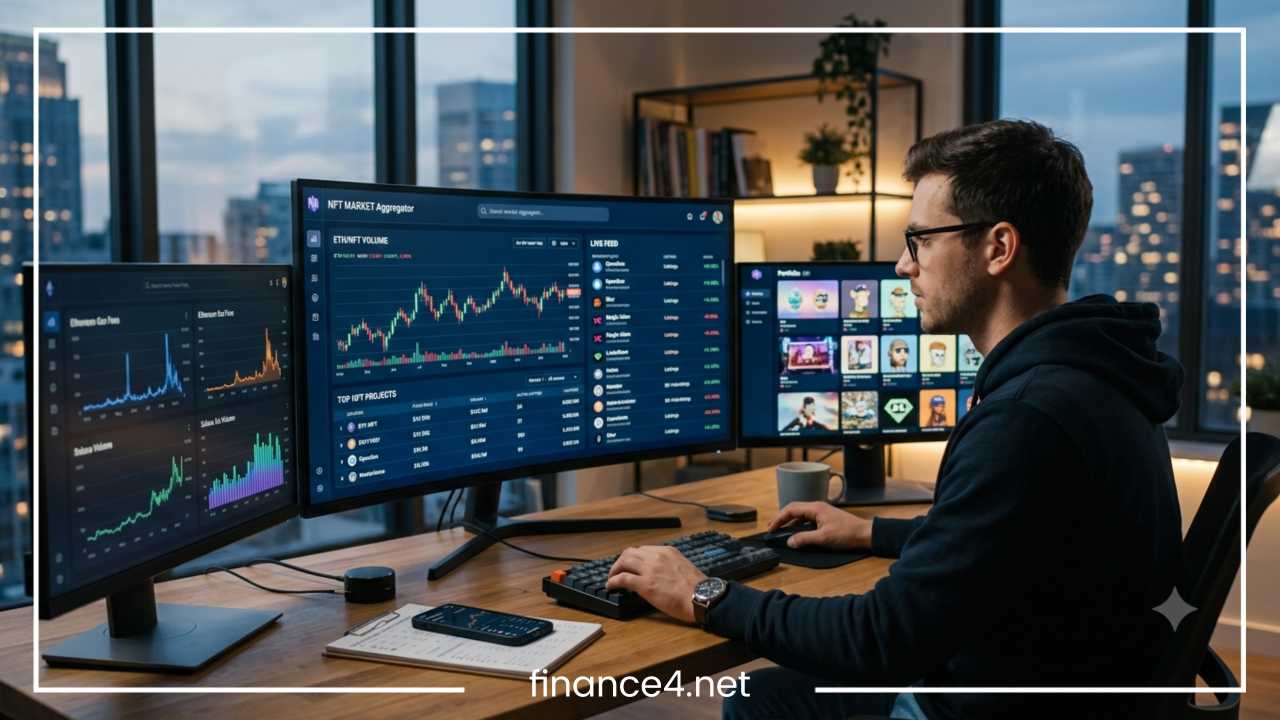
Top NFT Marketplace Aggregators: Compare the Best Sites
The landscape of digital collectibles has experienced massive expansion, moving far beyond a single dominant platform to an expansive, decentralized ecosystem spread across multiple blockchains. As the market grew, so did the number of platforms hosting these digital assets. Today, creators and collectors buy NFTs across a highly fragmented network of decentralized marketplaces, including platforms like OpenSea, Blur, Magic Eden, and LooksRare.
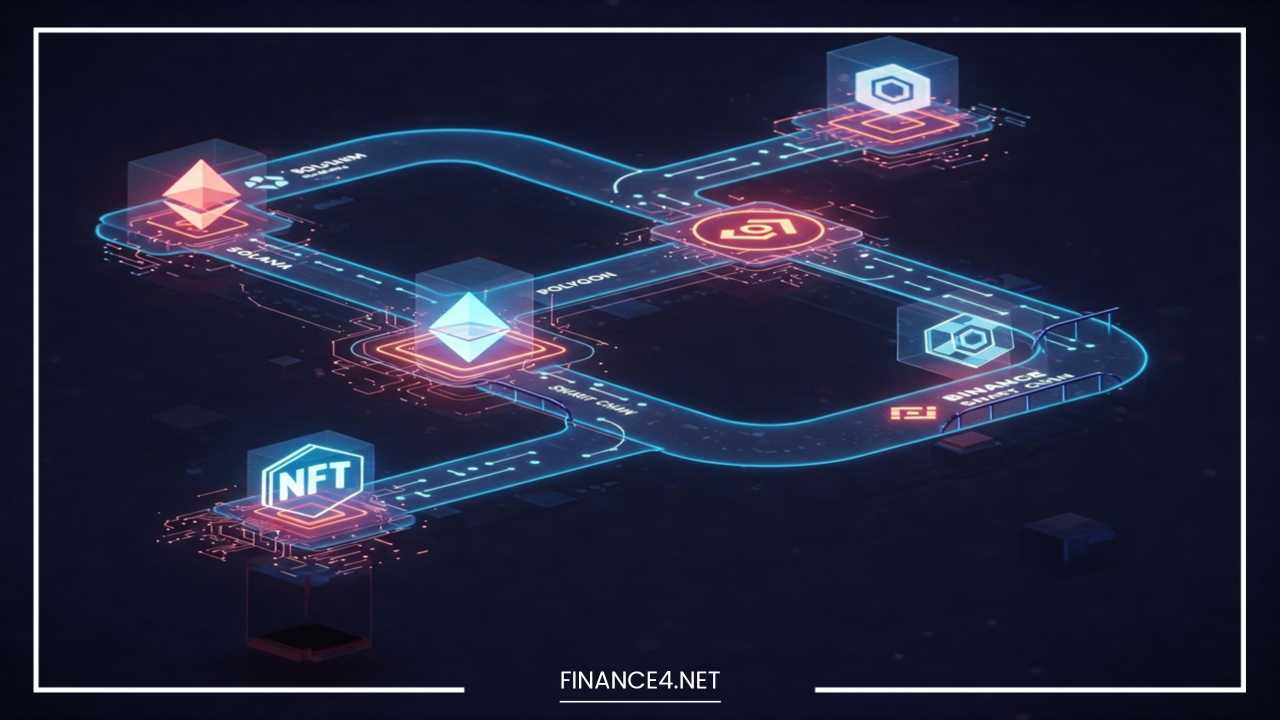
This fragmentation presents a significant hurdle for collectors and professional traders alike. Because liquidity is spread across so many distinct blockchain marketplaces, the same NFT collection might have vastly different floor prices, listing counts, and trading volumes depending on where you look. Manually opening dozens of browser tabs to check individual marketplaces is highly inefficient, time-consuming, and can cause you to miss out on time-sensitive deals or arbitrage opportunities.
To solve this exact issue, the Web3 ecosystem developed a specialized layer of infrastructure: the NFT marketplace aggregator. These powerful platforms serve as a unified gateway to the entire digital asset market, letting you view, analyze, and purchase tokens from multiple sources simultaneously.
This comprehensive guide breaks down everything you need to know about these trading platforms, analyzes how they work, and provides an in-depth comparison of the best options available today.
What Is an NFT Marketplace Aggregator?
An NFT marketplace aggregator is a specialized Web3 platform that pools listings, liquidity, and data from multiple individual NFT marketplaces into a single, cohesive user interface. Instead of forcing you to visit each decentralized marketplace independently, an aggregator acts as a search engine and order-routing system for the entire non-fungible token ecosystem.
To truly understand their value, it helps to look at how they differ from traditional primary or secondary marketplaces. A standard blockchain marketplace operates on its own proprietary smart contracts and hosts its own native order book. For example, if a user lists an asset on one specific site, that listing is natively visible only to users browsing that exact platform.
An aggregator, by contrast, does not rely solely on its own internal listings. Instead, it implements cross-market liquidity discovery. It pulls real-time data feeds, pricing charts, and order books from dozens of underlying protocols.
When you use an aggregator, you gain access to a unified buying interface that handles order aggregation behind the scenes. This means you can browse an entire collection, view every available listing across the entire internet, and execute trades without ever leaving the aggregator platform.
Furthermore, these tools introduce key programmatic features like best price routing, wallet integration for automated settlement, and batch purchasing, which significantly upgrades the standard consumer trading experience.
How NFT Marketplace Aggregators Work
The backend architecture of an NFT aggregator relies on a sophisticated combination of application programming interfaces, web scrapers, and highly optimized custom smart contracts. These systems work in real time to ensure that data remains accurate and transactions execute flawlessly across disparate networks.
The actual trading process follows a clear sequence of actions behind the scenes:
-
Wallet Connection: You begin by connecting a compatible crypto wallet to the aggregator web application. This grants the platform permission to propose transactions for your signature.
-
Search and Query: When you search for a specific NFT collection or individual token, the aggregator initiates a query.
-
Marketplace Scanning: The platform’s infrastructure immediately queries the public APIs and on-chain order books of all supported marketplaces simultaneously.
-
Listing Comparison: The system aggregates all active listings, filters out invalid or filled orders, and organizes them based on your preferences, such as sorting from lowest to highest floor price.
-
Price and Routing Optimization: The aggregator calculates the most cost-efficient path to acquire the chosen assets, taking into account the base list price, marketplace royalties, and estimated network transaction fees.
-
Transaction Execution: When you click buy, the aggregator packages the purchase requests into a single optimized smart contract call. Your wallet prompts you to sign the transaction, the funds are distributed to the respective underlying marketplaces, and the digital collectibles are routed directly back to your crypto wallet.
Through this workflow, aggregators minimize the friction of dealing with unique marketplace architectures. They also leverage advanced gas optimization techniques, batching multiple on-chain orders into a single transaction block to reduce the gas fees you would normally pay when buying items individually.
Benefits of Using NFT Aggregators
Switching from localized marketplaces to a comprehensive aggregator platform yields several distinct advantages for everyday collectors and institutional high-frequency traders alike.
Better Prices
The primary financial benefit of using an aggregator is the ability to find the absolute lowest listing instantly. Because sellers often list their assets across different platforms with varying fee structures, the floor price of a collection can fluctuate between websites. Aggregators reveal these discrepancies immediately, ensuring you never overpay for an asset simply because you checked the wrong platform first.
Save Time
Efficiency is a major competitive advantage in fast-moving digital asset markets. Aggregators eliminate the tedious loop of switching between different website layouts, managing multiple disconnected browser tabs, and manually cross-referencing token IDs. Everything you need to make an informed decision is presented inside a centralized dashboard.
Higher Liquidity
Liquidity refers to how easily an asset can be bought or sold without causing a drastic shift in its market price. By combining the order books of OpenSea, Blur, Magic Eden, and others, aggregators create a massive, synthetic pool of deep liquidity. This deep pool makes it much easier to enter or exit large positions within a single collection.
Batch Transactions
If you want to sweep the floor of a collection—meaning buying up the cheapest available items in bulk—doing so manually on a regular marketplace requires signing separate transactions for every single item. This is slow and leaves you vulnerable to front-running. Aggregators feature batch buying tools, allowing you to select dozens of tokens across completely different marketplaces and check them all out simultaneously in a single click.
Lower Gas Fees
Network congestion and gas fees can quickly eat into a trader’s profit margins, particularly on primary networks like Ethereum. Aggregators write custom, highly efficient smart contracts designed to batch operations. By combining multiple purchases into one transaction, they significantly lower the total computational overhead, saving you substantial amounts of crypto over time.
Better Analytics
Modern aggregators double as elite data science platforms. Instead of just showing basic historical sales, they provide comprehensive dashboards featuring real-time floor prices, historical volume trends, granular trait tracking, rarity ranking metrics, and broader market sentiment indicators. This data allows traders to spot macro trends and isolate mispriced assets instantly.
Top NFT Marketplace Aggregators Compared
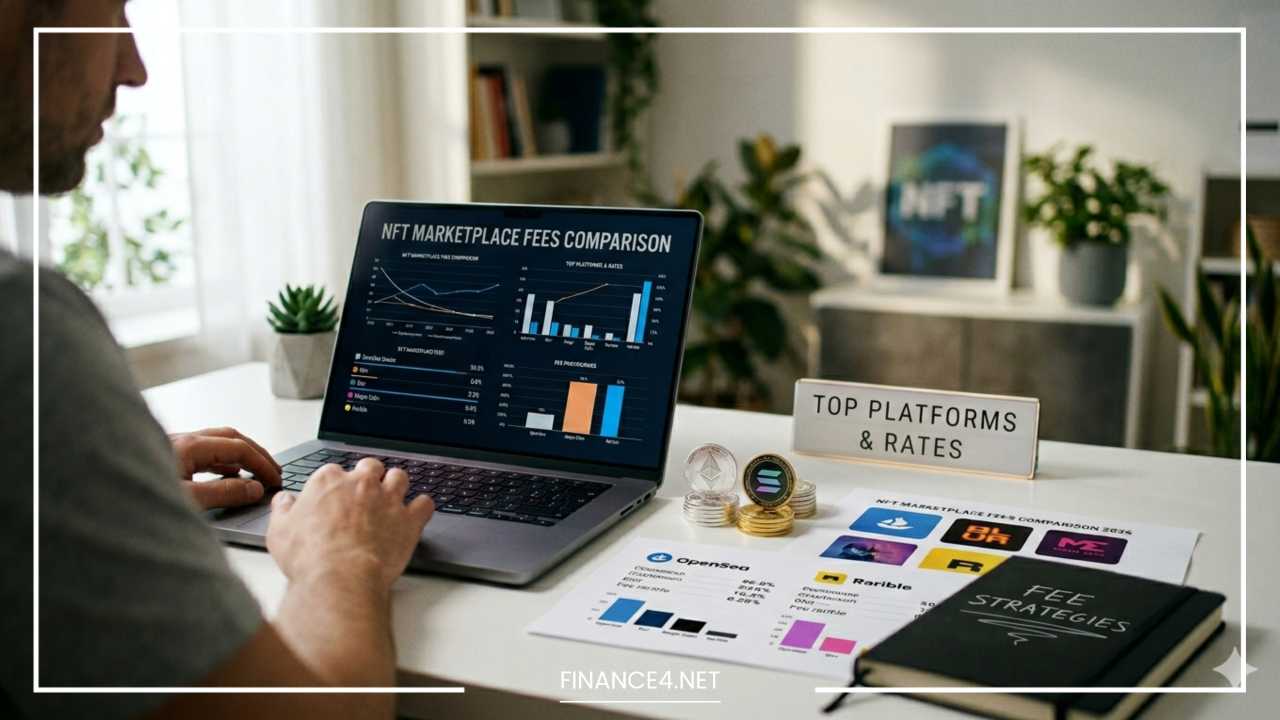
Navigating the various options requires looking closely at what each platform does best, which networks they support, and how they structure their operational fees. The table below provides an immediate high-level overview of the market leaders.
| Aggregator | Chains | Best For | Fees | Key Feature |
| Blur | Ethereum, L2s | Professional Traders | Zero Marketplace Fees | High-speed sweeping and bidding pools |
| OpenSea Pro | Ethereum, Polygon, L2s | Advanced Retail Traders | Variable Fee Structure | Deep integration with OpenSea ecosystem |
| Magic Eden Aggregator | Multi-chain (Solana, Bitcoin, Ethereum) | Multi-chain Collectors | Varies by underlying market | Cross-chain digital asset support |
| Reservoir | Multi-chain Ecosystem | Developers and Builders | Open-source / Free tier | Modular API and white-label tools |
| Tensor | Solana | Solana Power Users | Dynamic based on maker/taker | Real-time order books and AMM pools |
| Genie | Ethereum | Historical Milestone | Defunct / Integrated | The original pioneer of batch sweeping |
Blur
Blur launched with a clear, uncompromising mission: to build the fastest, most powerful trading platform for professional NFT traders. Rather than focusing on a casual browsing aesthetic, Blur looks and feels like an institutional terminal or Bloomberg workstation for digital collectibles. It focuses heavily on the Ethereum ecosystem and its prominent Layer 2 scaling networks.
The platform provides users with unparalleled speed, streaming real-time sales feeds and price updates faster than standard retail venues. Its interface is heavily optimized for portfolio management, allowing users to view their entire collection, track floor values, and monitor unrealized gains or losses across multiple wallets simultaneously. For execution, Blur includes advanced floor sweeping tools and a unique bidding architecture that allows traders to deploy liquidity across entire collections safely.
-
Pros: Blazing fast data updates; entirely zero marketplace fees; powerful native analytics tools; highly liquid bidding pools that facilitate rapid asset flipping.
-
Cons: The cluttered, complex interface can be incredibly overwhelming for casual collectors or absolute beginners; hyper-focused on financialized trading rather than art discovery.
-
Best For: Institutional high-frequency traders and high-net-worth portfolio managers who value speed and deep liquidity above all else.
OpenSea Pro
Originally built under the name Gem, this platform gained massive popularity as one of the very first highly functional batch-purchasing tools on Ethereum. Recognizing its incredible tech stack and growing market share, OpenSea acquired Gem and eventually overhauled and rebranded the product into OpenSea Pro. This move allowed the parent company to offer a dedicated venue for power users alongside its standard retail marketplace.
OpenSea Pro operates by aggregating listings from dozens of distinct digital asset venues across Ethereum, Polygon, and various Layer 2 rollups. It boasts incredibly robust wallet support and a refined user interface that seamlessly bridges the gap between raw data analysis and clean, understandable visuals. It allows users to browse complex trait combinations, track historical sales trends, and execute rapid multi-token acquisitions with heavily optimized gas consumption routines.
-
Pros: Backed by the immense security and resources of OpenSea; exceptional user experience design that balances depth with clarity; outstanding batch checkout stability.
-
Cons: Promotional fee structures fluctuate periodically; retains close ties to OpenSea’s centralized compliance policies, which some decentralized purists dislike.
-
Best For: Active intermediate and advanced retail collectors who want professional-grade sweeping tools without sacrificing a clean visual design.
Magic Eden Aggregator
Magic Eden began its journey as the undisputed king of the Solana digital asset ecosystem. However, realizing that the future of Web3 is inherently multi-chain, the platform aggressively expanded its engineering efforts. It built out an advanced aggregator layer capable of sourcing, filtering, and settling trades across Solana, Ethereum, Bitcoin (including Ordinals and Runes), and Polygon.
The Magic Eden Aggregator excels at unifying fundamentally different blockchain environments under one single browser application. Instead of forcing you to use separate wallet extensions and apps to buy an Ethereum-based profile picture and a Bitcoin Ordinal, Magic Eden provides a normalized experience. The platform includes native rarity charts, historical pricing statistics, and custom checkout flows tailored to the distinct technical requirements of each underlying network.
-
Pros: Unmatched cross-chain coverage; the premiere institutional destination for trading Bitcoin Ordinals and rare satoshis; highly intuitive interface for multi-network users.
-
Cons: Interacting across fundamentally different chains can lead to varying transaction finality speeds; fee calculations can sometimes feel complex due to differing underlying network structures.
-
Best For: Broad-market Web3 collectors who actively maintain portfolios across multiple layer-1 blockchains simultaneously.
Reservoir
Reservoir approaches the problem of fragmented Web3 liquidity from a completely different angle. Instead of focusing on building a consumer-facing retail website, Reservoir acts as a foundational developer infrastructure layer. It provides an institutional-grade, open-source aggregation engine that compiles cross-market order books and raw transaction endpoints into a clean, highly accessible suite of APIs and SDKs.
This developer-first design allows Web3 builders, crypto wallets, and indie gaming studios to easily stand up their own native trading experiences. With Reservoir, a developer can create a custom community portal or a white-label marketplace for a specific gaming project that automatically pulls in all active listings from OpenSea, Blur, and LookRare instantly.
-
Pros: Complete structural modularity; outstanding technical documentation; allows creators to spin up bespoke branded marketplaces with day-one global liquidity.
-
Cons: Not a plug-and-play website meant for casual everyday retail buyers; requires solid programming knowledge to fully deploy and leverage.
-
Best For: Web3 software engineers, decentralized application builders, and creative agencies looking to embed deep market liquidity directly into their own products.
Tensor
If Blur is the terminal for Ethereum, Tensor is the undisputed high-frequency terminal for the Solana blockchain. Built specifically to match the lightning-fast block times and ultra-low transaction costs of Solana, Tensor provides an elite, professional-grade interface packed with real-time automated order books, candlestick price charts, and hyper-reactive liquidity pools.
Tensor integrates deeply with every major decentralized marketplace and automated market maker protocol on Solana. It offers power users granular control over their trading strategies, featuring automated market-making settings, instant collection-wide bidding, and advanced algorithmic sweeping mechanics. Its deep data layer allows users to analyze historical distributions of traits, monitor whale wallet movements, and react to sudden spikes in trading volume within milliseconds.
-
Pros: Maximizes the high-throughput capabilities of Solana for near-instant execution; deeply embedded into the native Solana ecosystem; incredibly powerful automated trading options.
-
Cons: Completely restricted to Solana assets, making it useless for individuals looking to buy tokens on Ethereum or Bitcoin; highly complex professional aesthetic.
-
Best For: Dedicated Solana power users, day traders, and yield-maximizing liquidity providers.
Genie
No analytical look at this industry is complete without acknowledging Genie. Launched as the world’s absolute first dedicated NFT marketplace aggregator, Genie revolutionized the space by introducing the concepts of bulk purchasing and cross-market order routing to mainstream audiences. It proved that collectors had a massive appetite for buying multiple items across separate venues within a single on-chain transaction.
In mid-2022, the prominent decentralized exchange Uniswap acquired Genie as part of its grand strategy to bring both fungible ERC-20 tokens and non-fungible tokens under a single, unified decentralized trading framework. While Genie as an independent standalone website was eventually phased out and integrated directly into the core Uniswap interface, its historical significance cannot be understated. It laid the technological blueprint that every modern aggregator platform iterates upon today.
Features to Look for in an NFT Aggregator
When evaluating which platform to integrate into your daily trading workflow, you should cross-reference your specific needs against several critical operational metrics.
Supported Blockchains
A platform is only as valuable as the networks it connects you to. You must evaluate whether the aggregator supports the specific layer-1 blockchains and layer-2 scaling solutions relevant to your portfolio. While some traders stay exclusively within the bounds of Ethereum, others require robust access to Polygon, Solana, Bitcoin, Base, or Arbitrum.
Marketplace Coverage
An aggregator that only pulls data from two platforms isn’t providing a complete market picture. The best platforms maintain deep, active integrations with a wide list of venues—ranging from massive industry giants like OpenSea and Magic Eden to specialized decentralized protocols like LooksRare, X2Y2, and localized native launchpads.
Wallet Compatibility
Your chosen application must integrate smoothly with your existing Web3 security setup. Look for comprehensive wallet compatibility that spans industry standards like MetaMask, browser-specific extensions like Phantom for Solana, open-source connection protocols like WalletConnect, and hardware-backed solutions like Coinbase Wallet or Ledger integrations.
Gas Optimization
On-chain execution costs can add up quickly. High-tier aggregators dedicate massive engineering resources to refining their routing logic and smart contract structures. Choose platforms that utilize advanced coding standards to minimize gas fees, ensuring that your multi-item batch checkouts cost a fraction of traditional independent transactions.
Batch Buying
The inclusion of an intuitive, reliable batch buying and sweeping mechanism is non-negotiable. The interface should allow you to select multiple items from an overhead grid or list view, aggregate their costs instantly, check for any sudden price changes, and let you purchase the entire bundle within one single transaction block.
Portfolio Tracking
A premium aggregator should double as an command center for your digital asset wealth. Excellent platforms provide robust portfolio tracking pages that break down your holdings by collection, show current real-time floor valuations, display historical entry points, and calculate accurate net asset values across your connected addresses.
Advanced Filters
Finding the diamond in the rough requires powerful data slicing tools. Ensure the platform features instantaneous, server-side filtering options that let you sort massive collections by unique individual traits, combined trait scarcities, listing age, historical rarity scores, and granular pricing parameters.
Security
Because you are connecting your Web3 wallets and signing cryptographic messages, security is paramount. Prioritize platforms that utilize fully open-source, audited smart contracts, maintain transparent operational tracking, and feature built-in security alerts that warn you if you are accidentally interacting with an unverified or potentially malicious collection.
NFT Marketplace vs. NFT Aggregator
Understanding the distinct roles these two components play within the Web3 infrastructure helps clarify where you should execute your next transaction.
| Feature | NFT Marketplace | NFT Aggregator |
| Liquidity Source | Single localized platform | Multiple combined external platforms |
| Listing Volume | Limited to native users | Comprehensive cross-market inventory |
| Pricing Models | Static individual list prices | Real-time optimized best-price routing |
| Transaction Processing | One token per signature | Advanced multi-token batch purchasing |
| Comparison Tools | Manual tab switching required | Automated side-by-side dashboard analytics |
| Core Target Audience | Casual retail buyers and creators | Active collectors and professional day traders |
Are NFT Marketplace Aggregators Safe?
The short answer is yes, provided you understand the mechanics of Web3 permission management and maintain strict security hygiene. Aggregators utilize non-custodial smart contracts, meaning they never take permanent custody of your funds or your digital collectibles during the matching process. They simply act as an escrow router that safely swaps your crypto for the chosen token in a single, atomic transaction block.
However, using these platforms does introduce specific vectors of risk that you must actively mitigate:
-
Smart Contract Vulnerabilities: Like all software code deployed to a blockchain, there is an inherent risk that an aggregator’s custom routing contract could contain an undiscovered bug or exploit. Stick to established platforms whose core contracts have undergone rigorous, multi-firm security audits.
-
Wallet Permissions and Approval Management: When checking out, platforms will request permission to spend specific tokens or interact with your wallet. Always read the pop-up text inside your wallet extension carefully before hitting confirm. Never sign a message that grants blanket, unlimited control over your assets to an unverified or unknown smart contract address.
-
Phishing and URL Verification: Because aggregators deal with massive transaction volumes, bad actors frequently set up clone websites with near-identical designs and web domains. Always double-check the exact URL in your browser’s address bar. Bookmark the official domain paths, and never click on sponsored ad links at the top of search engines.
-
Scam and Copycat Collections: Because aggregators pull in data indiscriminately from the open web, malicious users can mint fake, lookalike versions of popular collections on smaller, unregulated marketplaces. Always look for official verification badges, cross-reference the contract address of the collection directly against blockchain explorers, and analyze historical volume data to ensure the items are legitimate.
-
Hardware Wallet Integration: For maximum peace of mind, pair your web-based wallet extension with a physical hardware wallet. This setup ensures that even if you accidentally navigate to a compromised frontend interface, no digital asset can leave your custody without a physical button press on your offline secure hardware device.
How to Choose the Right NFT Aggregator
There is no single best aggregator that fits every single person on Earth. The ideal platform depends heavily on your experience level, budget, and specific goals within Web3.
If you are a complete beginner or a casual retail collector who simply wants a straightforward, trusted way to buy an occasional digital asset, look toward platforms like OpenSea Pro. The user experience balances power with visual simplicity, making it very easy to comprehend without risking a critical mistake.
If your goals center around high-frequency day trading, maximizing capital efficiency, and executing rapid collection floor sweeps on Ethereum or its prominent Layer 2 networks, then Blur is your logical home. The extreme emphasis on speed, order-book depth, and zero platform fees creates a highly optimized playground for maximizing short-term profit margins.
For those who view the blockchain landscape through a multi-chain lens and want to maintain an active presence across diverse ecosystems, the Magic Eden Aggregator offers the most cohesive solution. Its ability to natively aggregate assets from Solana, Ethereum, and Bitcoin under a single unified dashboard completely removes the friction of jumping between competing network ecosystems.
If you are entirely focused on the fast-moving Solana ecosystem, Tensor provides the absolute gold standard for speed and granular data. Finally, if you are a programmer, platform founder, or creator looking to build custom community tools, Reservoir provides the ideal developer-first API infrastructure to power your unique application.
Future of NFT Aggregation
The technological evolution of NFT aggregation points toward an increasingly automated, seamless, and asset-agnostic future. As the underlying blockchain tech scales, aggregators will transform from simple listing scrapers into highly intelligent, predictive trading terminals.
One of the most significant macro shifts underway is the rise of intent-based trading frameworks. Instead of manually mapping out every single step of an acquisition, users will simply state an explicit desired outcome—such as buying the three rarest items in a collection within a set budget. The aggregator’s underlying AI-driven routing layers will then construct, optimize, and execute the complex multi-step transaction on your behalf behind the scenes.
We are also seeing deep cross-chain abstract layouts. Future systems will let you swap native assets from one blockchain to purchase a digital collectible listed on an entirely different network in a single checkout flow, completely hiding the messy bridge and wrapping operations from the end user.
Furthermore, the boundaries between decentralized finance and non-fungible tokens are blurring rapidly. Modern aggregators are integrating complex financial instruments directly into their interfaces. This includes built-in NFT lending protocols, fractionalized ownership vehicles, buy-now-pay-later financing options, and the ability to use digital asset portfolios as collateral to unlock instant liquidity. As real-world assets like real estate titles, financial securities, and luxury goods become increasingly tokenized, the aggregators that perfected their routing tech on digital art will scale up to handle the massive multi-trillion-dollar global asset markets.
FAQs
What is an NFT marketplace aggregator?
An NFT marketplace aggregator is a specialized Web3 interface that scans the internet to compile listings, pricing data, and order books from multiple independent NFT marketplaces into a single, centralized dashboard. This allows you to find the best prices and buy items across different platforms without visiting each site individually.
Which NFT aggregator has the lowest fees?
Blur and Tensor are widely recognized for offering some of the lowest operational fee structures in the industry, both featuring periods of zero marketplace platform fees to maximize capital efficiency for high-frequency day traders. Always verify the current fee schedules directly on their official platforms, as promotional models can change.
Is Blur better than OpenSea?
Neither platform is universally better; they target entirely different types of users. OpenSea is highly optimized for casual collectors, art discovery, and primary creators who value clean, straightforward visual storefronts. Blur is built specifically as an institutional trading terminal for professional power users who prioritize raw data speed, deep bidding pools, and rapid floor sweeping.
Are NFT aggregators free to use?
Yes, browsing data, analyzing historical charts, and viewing consolidated listings across aggregator websites is entirely free. The platforms generate revenue either through minor service fees embedded into the custom smart contract checkout flow, backend developer API usage tiers, or native ecosystem token models.
Do aggregators charge extra transaction fees?
Most mainstream aggregators do not add hefty premiums on top of standard listings. Instead, they pass through the exact base listing price, creator royalties, and native transaction fees set by the underlying marketplace where the asset originates. In fact, due to custom batch-routing contracts, they often save you substantial money on network gas costs.
Can I buy NFTs across multiple blockchains simultaneously?
Yes. Advanced multi-chain aggregators like Magic Eden allow you to view and interact with digital assets hosted across fundamentally different networks like Ethereum, Solana, and Bitcoin Ordinals within the same comprehensive browser application, though settling the transactions will still require the appropriate native crypto assets for each network.
Which NFT aggregator is best for beginners?
OpenSea Pro is widely considered the most accessible entry point for intermediate users and beginners looking to try out aggregation tools. It provides a highly stable, beautifully designed interface that avoids overwhelming you with the dense, chaotic text walls of raw data common on hyper-professional day trading terminals.
Are NFT aggregators safe to connect to?
Yes, legitimate audited aggregators are safe because they operate via non-custodial smart contracts that never hold your funds. However, safety depends on your personal habits: always double-check that you are using the official URL, thoroughly review all cryptographic permissions requested by your wallet extension, and never share your private recovery phrase.
Can I batch buy NFTs across different marketplaces?
Yes, batch purchasing is one of the core features of an aggregator. You can select an item listed on OpenSea, another listed on LooksRare, and a third on Blur, add them all to a single consolidated shopping cart, and buy the entire group in one single transaction block.
What wallets work with NFT aggregators?
The vast majority of modern aggregators support a broad selection of Web3 secure infrastructure, including browser extensions like MetaMask, Solana-centric applications like Phantom, universal open protocols like WalletConnect, and direct pairings with physical hardware wallets like Ledger.
Final Thoughts
The emergence of NFT marketplace aggregators represents a massive leap forward for the maturity of the digital asset ecosystem. By seamlessly consolidating fragmented liquidity, streaming real-time analytical data, and providing powerful gas-optimized batch purchasing engines, these platforms have transformed how collectors interact with public blockchains.
Instead of dealing with the massive inefficiency of manually tracking assets across separate, disconnected web stores, traders can now leverage these centralized command centers to secure the absolute lowest floor prices and execute complex portfolio maneuvers in seconds.
Choosing the ideal platform simply comes down to auditing your own personal trading style. Whether you need the hyper-fast institutional architecture of Blur, the refined multi-chain stability of OpenSea Pro, the cross-network expansiveness of Magic Eden, or the ultra-responsive Solana infrastructure of Tensor, there is a dedicated tool built precisely for your workflow. As the broader Web3 market marches toward an interconnected, multi-chain future, utilizing a top-tier aggregator is no longer just a luxury—it is an essential requirement for anyone serious about managing digital assets.