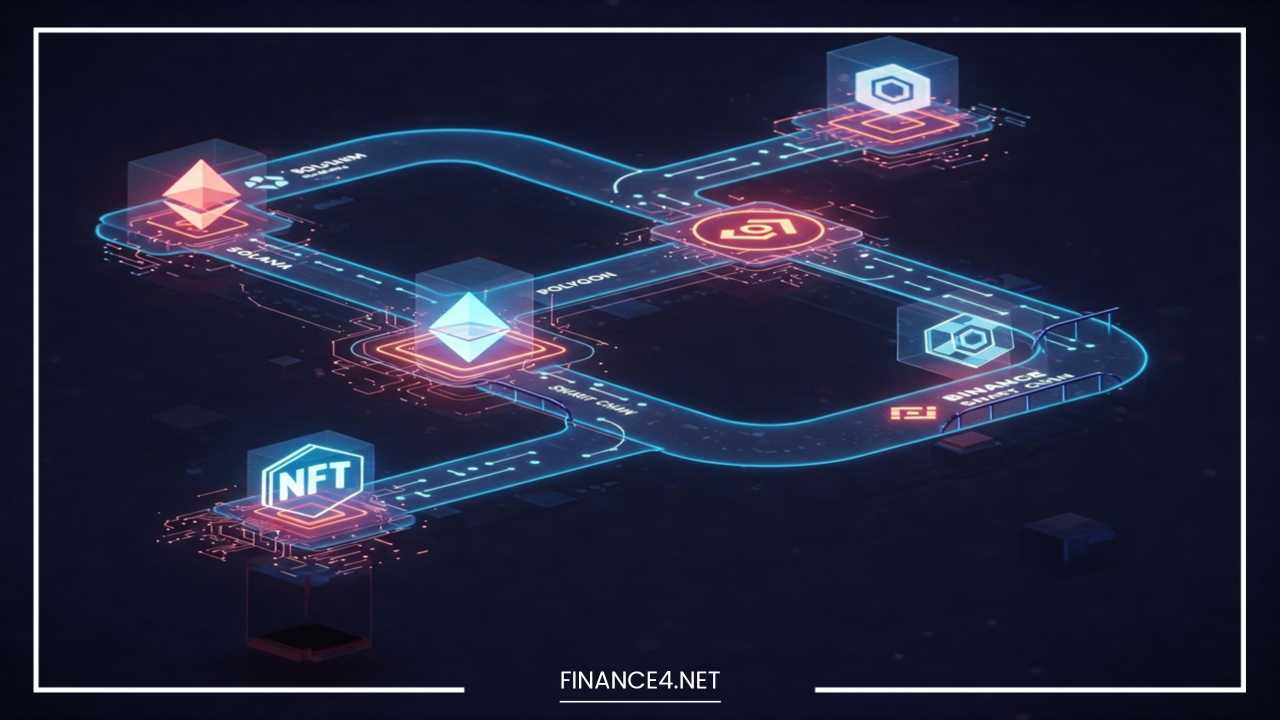
Bridging Polygon to Cardano
 by
by 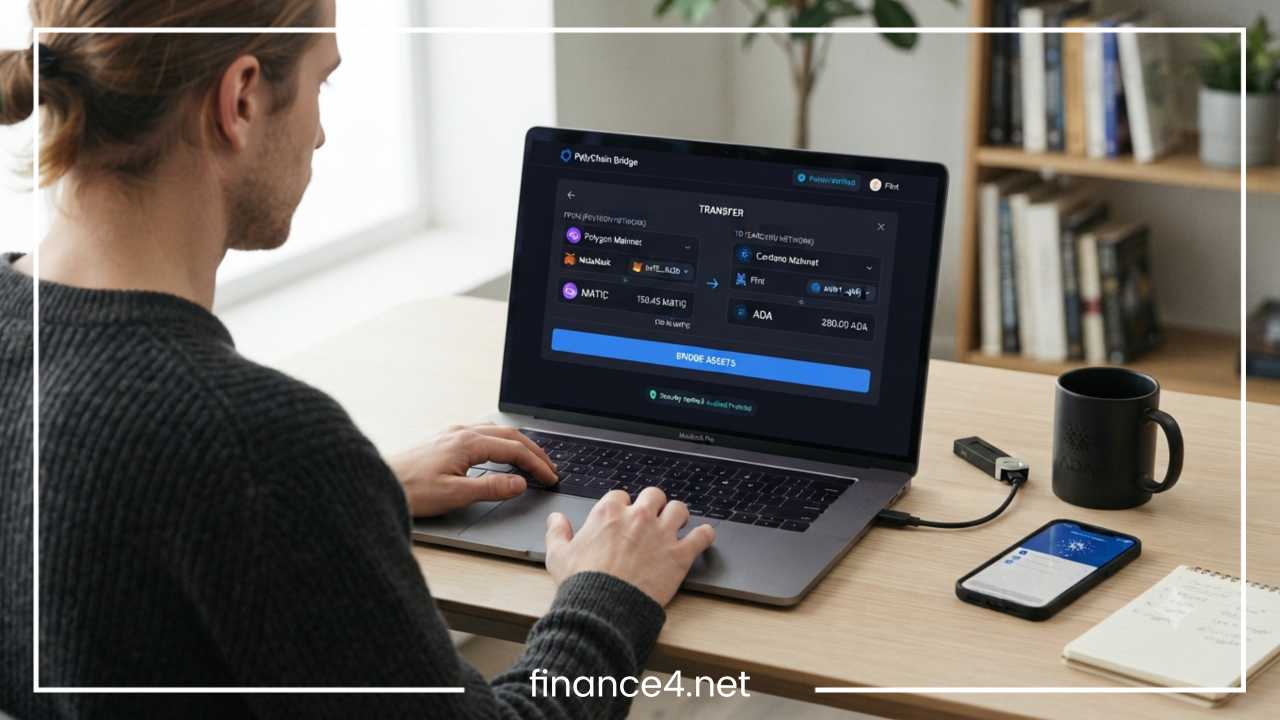
Bridging Polygon to Cardano: Complete Step-by-Step Guide
The modern blockchain landscape is defined by rapid innovation, high scalability, and an increasing need for interoperability. For years, blockchains operated as isolated digital silos, completely unable to communicate or transfer value directly with one another. A user holding assets on the Ethereum network or its scaling solutions could not easily interact with applications on alternative layer-one networks without utilizing centralized intermediaries. Today, blockchain bridges have fundamentally transformed this paradigm, serving as critical infrastructure that connects disparate ledgers, unifies liquidity pools, and allows seamless cross-chain asset transfers.
Users move assets across blockchains for a variety of compelling reasons. Some seek higher yields within emerging decentralized finance ecosystems, while others want to explore unique non-fungible token marketplaces, benefit from lower transaction costs, or simply diversify their portfolios across different consensus mechanisms. As the Web3 space matures, the importance of seamless interoperability continues to grow. Developers and users alike demand frictionless pathways to move value wherever it is utilized most efficiently.
This necessity brings two prominent networks into the spotlight: Polygon and Cardano. While Polygon has established itself as a cornerstone of Ethereum scalability with a massive decentralized finance and gaming community, Cardano has built a loyal following through its research-driven, peer-reviewed engineering approach and unique eUTXO accounting model. Bridging assets between these two powerhouse ecosystems opens up exciting new possibilities for traders, investors, and developers.
This comprehensive guide explores the mechanics of cross-chain asset transfer, the underlying architecture of both networks, and a meticulous, step-by-step walkthrough of how to safely bridge assets from Polygon to Cardano. By the end of this resource, readers will understand the ecosystem fundamentals, asset types, risk factors, security protocols, and troubleshooting strategies necessary to execute cross-chain transfers with confidence.
Understanding Polygon Blockchain
What is Polygon?
Polygon is a widely adopted layer-two scaling solution designed to address the inherent congestion and high gas fees associated with the Ethereum mainnet. Often described as an internet of blockchains for Ethereum, Polygon utilizes a modular, flexible framework that enables developers to build and deploy diverse scaling architectures. At its core, Polygon aims to achieve high transaction throughput while maintaining robust security guarantees by leveraging Ethereum as its ultimate settlement layer.
The architecture of Polygon is fully Ethereum Virtual Machine compatible, commonly referred to as EVM compatibility. This means that smart contracts written in Solidity and deployed on Ethereum can be migrated to or launched on Polygon with minimal code modifications. Developers can seamlessly utilize existing Ethereum developer tooling, such as MetaMask, Hardhat, Remix, and Ethers.js, making Polygon one of the most accessible and developer-friendly scaling environments in the entire blockchain industry.
Key Features
Polygon distinguishes itself through several prominent performance metrics and architectural choices that make it a favorite for high-frequency applications:
- Fast Transactions: Polygon networks can process thousands of transactions per second with block times measured in mere seconds, offering a user experience that rivals traditional centralized financial systems.
- Low Fees: Transaction fees on Polygon are fractions of a cent, enabling microtransactions and high-frequency trading strategies that would be financially prohibitive on the Ethereum base layer.
- Large DeFi Ecosystem: Polygon hosts billions of dollars in total value locked, featuring premier decentralized exchanges, lending markets, yield aggregators, and derivative protocols.
- NFT Support: The network supports massive non-fungible token ecosystems, hosting major global brands, gaming projects, and digital art marketplaces with minimal minting and trading costs.
- Popular dApps: Countless decentralized applications spanning decentralized finance, social media, gaming, and enterprise use cases choose Polygon for its reliable performance and massive user base.
Understanding Cardano Blockchain
What is Cardano?
Cardano is a third-generation, open-source blockchain platform built on a proof-of-stake consensus protocol known as Ouroboros. Founded by Charles Hoskinson, one of the co-founders of Ethereum, Cardano was conceptualized with a rigorous philosophy emphasizing academic rigor, formal mathematical verification, and peer-reviewed research. Unlike many blockchains that prioritize speed over security through iterative trial and error, Cardano undergoes extensive academic scrutiny before implementing core protocol upgrades.
The proof-of-stake consensus mechanism powering Cardano is exceptionally energy-efficient compared to legacy proof-of-work systems. Instead of relying on energy-intensive mining rigs, Cardano secures its network through stake pools operated by community members. ADA holders can delegate their tokens to these pools to earn passive staking rewards while simultaneously contributing to the decentralization and cryptographic security of the global ledger.
Cardano Ecosystem
The Cardano ecosystem has matured significantly, evolving from a simple value-transfer network into a vibrant, multi-faceted platform supporting complex decentralized logic:
- Native Assets: Unlike Ethereum, which requires custom smart contracts to issue tokens (such as ERC-20 or ERC-721 standards), Cardano treats all custom tokens as first-class citizens. Native assets on Cardano require no smart contract execution for basic transfers, drastically reducing transaction complexity and security risks.
- Smart Contracts: Following the Alonzo hard fork, Cardano fully integrated programmable smart contracts via Plutus, a smart contract development platform written in Haskell, and Marlowe, a domain-specific language for financial contracts.
- DeFi Applications: A growing suite of decentralized exchanges, automated market makers, decentralized stablecoins, and lending protocols provide deep liquidity and diverse financial instruments.
- NFT Ecosystem: Cardano features thriving digital art communities, collectible marketplaces, and utility-driven non-fungible token projects backed by unique native asset metadata standards.
- Staking Opportunities: Cardano offers one of the most flexible and secure native staking models in the industry, allowing users to earn rewards without locking their funds in third-party smart contracts.
Why Bridge Assets from Polygon to Cardano?
Bridging assets from Polygon to Cardano serves as a strategic move for participants looking to leverage the unique advantages of both ecosystems. While Polygon excels at high-speed transactions and Ethereum-adjacent liquidity, Cardano provides distinct structural benefits that attract long-term crypto participants.
One primary motivation is gaining access to Cardano decentralized finance. Users who hold capital on Polygon may wish to participate in emerging Cardano lending markets, liquidity pools, and synthetic asset platforms to diversify their yield-generation strategies. Because the economic cycles and yield opportunities across different blockchains fluctuate independently, moving funds cross-chain allows investors to capture unique market inefficiencies.
Another compelling reason is the acquisition of Cardano-native tokens. Certain unique tokens, governance assets, and specialized project utilities exist exclusively within the Cardano ecosystem. Bridging liquidity provides the purchasing power required to acquire these assets directly on Cardano decentralized exchanges without relying solely on centralized intermediaries.
Furthermore, participation in Cardano’s staking and governance mechanisms drives significant cross-chain traffic. Many users appreciate the non-custodial nature of Cardano staking, where delegating ADA or native assets never requires relinquishing custody of the underlying keys. Exploring Cardano NFT marketplaces also presents unique opportunities, as the community-driven art and utility spaces on Cardano boast dedicated collectors and innovative creator economies.
Portfolio diversification and cross-chain investing are broader macroeconomic drivers for bridging. Maintaining capital in a single blockchain ecosystem exposes a portfolio to the specific smart contract bugs, regulatory hurdles, or market dynamics of that single network. By spreading assets across robust ecosystems like Polygon and Cardano, investors hedge their systemic risks. Additionally, bridging helps alleviate network congestion pressures, allowing participants to utilize alternative execution environments when gas spikes occur on other chains, thereby supporting the broader vision of multichain expansion and ecosystem interconnectivity.
How Cross-Chain Bridges Work
Understanding the underlying mechanics of cross-chain bridges is essential for navigating asset transfers safely. Because Polygon and Cardano operate on entirely different cryptographic architectures, consensus algorithms, and state models, they cannot communicate natively. Bridges bridge this gap using specialized cryptographic mechanisms and architectural designs.
Lock-and-Mint Model
The lock-and-mint model is one of the most common approaches used by cross-chain bridges. When a user wishes to move an asset from Polygon to Cardano, they deposit their original token into a secure smart contract on the Polygon network. This smart contract locks the original token, removing it from active circulation on Polygon. Once the bridge validators confirm this lock event, an equivalent amount of wrapped or synthetic tokens is minted on the Cardano blockchain and delivered to the user’s designated Cardano wallet. When the user wants to return to Polygon, the process reverses: the wrapped tokens are burned on Cardano, unlocking the original assets on Polygon.
Burn-and-Release Model
Conversely, the burn-and-release model is typically utilized when moving assets that originated on one chain and were previously wrapped, or when native issuance allows for destruction mechanics. In this setup, tokens are permanently burned or destroyed on the source chain, signaling the destination chain to release an equivalent amount of pre-existing native tokens from a secure reserve pool. This model ensures that the total circulating supply across all connected blockchains remains strictly pegged to the underlying collateral.
Wrapped Assets
Wrapped assets are tokenized representations of native cryptocurrencies from one blockchain living on an entirely different blockchain. For example, a bridged asset originating from Polygon will exist on Cardano as a wrapped token. These wrapped tokens derive their value from the fact that they are backed one-to-one by the locked collateral sitting in the source chain smart contract. Users must always verify that wrapped tokens maintain a strict peg and that the underlying reserves are fully audited and secure.
Validators
Validators act as the foundational trust layer for most cross-chain bridges. These are independent nodes, multi-signature wallet committees, or decentralized validator networks that monitor both the source and destination blockchains. When a user initiates a transfer, the validators observe the event on Polygon, cryptographically attest to its validity, and sign off on the minting or release of funds on Cardano. The security of a bridge often scales directly with the decentralization and economic security of its validator set.
Liquidity Pools
Some advanced cross-chain protocols operate on a liquidity pool model rather than minting synthetic tokens. These protocols maintain pools of native assets on both Polygon and Cardano. When a user deposits Polygon tokens into the source pool, the protocol releases pre-existing native Cardano tokens from the destination pool. This model eliminates the risk of bad wrapped tokens and ensures immediate asset availability, provided that sufficient liquidity exists on both sides of the bridge.
Cross-Chain Messaging
Modern interoperability protocols increasingly rely on generalized cross-chain messaging layers. Instead of merely transferring tokens, these protocols allow smart contracts on Polygon to send arbitrary data payloads and instructions to Cardano. This enables complex cross-chain interactions, such as executing a trade, voting in a governance DAO, or managing multi-chain collateralized debt positions through a single unified interface.
Things to Prepare Before Bridging
Proper preparation is the single most effective way to prevent costly mistakes and ensure a smooth cross-chain transfer. Before interacting with any bridge interface, gather and verify all necessary tools and prerequisites.
- Polygon Wallet: Ensure you have a secure, non-custodial EVM-compatible wallet such as MetaMask, Rabby, or Coinbase Wallet installed and properly backed up.
- Cardano Wallet: Set up a reputable, native Cardano wallet such as Eternl, Lace, Nami, or Yoroi, and securely store your seed phrase offline.
- Network Tokens for Gas: You must have a small amount of native Polygon gas tokens (MATIC or POL) in your Polygon wallet to pay for transaction fees when initiating the bridge. Additionally, ensure your Cardano wallet has sufficient ADA to cover destination transaction fees and minimum UTXO requirements.
- Stable Internet: Use a stable, private internet connection. Avoid public or unsecured Wi-Fi networks when interacting with high-value financial protocols.
- Updated Wallet Software: Check that all browser extensions and mobile wallet applications are updated to their latest versions to prevent compatibility bugs or known security vulnerabilities.
- Correct Receiving Address: Double-check your Cardano receiving address. Cross-chain transfers are irreversible; sending funds to an incorrect address results in permanent loss.
- Supported Assets: Verify that the specific token you intend to bridge is officially supported by the bridge protocol you are utilizing.
- Small Test Transaction: Always plan to execute a small test transfer with minimal funds before moving your entire capital allocation across the bridge.
Step-by-Step Guide to Bridge Polygon to Cardano
Executing a cross-chain transfer requires careful execution of each sequential phase. Follow these steps methodically to move your assets from Polygon to Cardano.
Step 1: Choose a Trusted Bridge
Select a reputable, audited, and well-established cross-chain bridge or interoperability protocol that explicitly supports Polygon-to-Cardano routing. Review community feedback, security audits, and TVL metrics before selecting your provider.
Step 2: Connect Polygon wallet
Navigate to the official website of your chosen bridge. Locate the connect wallet button, select your Polygon-compatible wallet provider, and approve the connection request in your extension. Ensure you are connected to the correct Polygon network.
Step 3: Connect Cardano wallet
Once your Polygon wallet is linked, locate the prompt to connect your Cardano destination wallet. Select your specific Cardano wallet provider (such as Eternl or Lace) and authorize the connection so the bridge can read your receiving address.
Step 4: Select Token
Choose the specific asset you wish to transfer from the dropdown menu on the Polygon network. Confirm that the balance displayed matches the funds available in your source wallet.
Step 5: Enter Transfer Amount
Input the exact amount of tokens you wish to bridge. Pay close attention to minimum transfer limits and maximum caps enforced by the bridge protocol.
Step 6: Review Fees
Examine the fee breakdown provided by the interface. This will typically include Polygon gas costs, bridge protocol service fees, and estimated Cardano network delivery fees. Ensure you are comfortable with the total cost before proceeding.
Step 7: Approve Token
If this is your first time interacting with the bridge smart contract using that specific token, you will need to sign an approval transaction. This grants the bridge contract permission to interact with your token balance. Confirm this transaction in your Polygon wallet and wait for network confirmation.
Step 8: Confirm Bridge Transaction
After approval, initiate the actual transfer by clicking the bridge or swap button. Review all transaction details one last time and sign the transfer transaction in your Polygon wallet. Your original tokens will now be locked or burned on Polygon.
Step 9: Wait for Confirmations
Cross-chain transfers require time for validators to verify the source transaction and process the destination release. Depending on network congestion and bridge security thresholds, waiting times can range from a few minutes to several hours. Do not panic if funds do not appear instantly.
Step 10: Verify Funds in Cardano Wallet
Once the bridge execution completes, open your Cardano wallet interface. Verify that the wrapped or native assets have successfully arrived in your balance. You are now ready to utilize your funds within the Cardano ecosystem.
Types of Assets You Can Bridge
Cross-chain bridges support a wide array of digital assets, though compatibility varies significantly depending on the specific protocol and routing paths available.
- Stablecoins: Pegged digital currencies such as USD Coin or Tether are among the most frequently bridged assets, allowing users to transfer liquidity without exposure to crypto market volatility.
- Wrapped Tokens: Standardized representations of major assets like Ethereum or Bitcoin bridged onto alternative networks.
- Native Assets: Tokens natively issued on Polygon that find corresponding utility or representation within Cardano decentralized applications.
- Governance Tokens: Protocol utility and voting tokens used to participate in decentralized autonomous organization decisions across different networks.
- NFTs: Digital collectibles and art pieces, where supported by specialized cross-chain NFT bridging protocols that lock the original metadata and mint a faithful representation on Cardano.
- Liquidity Tokens: LP tokens representing shares in automated market maker pools, though bridging these complex financial derivatives carries higher smart contract risk.
It is critical to remember that not every bridge supports every asset. Attempting to bridge an unsupported token can result in permanent loss or stuck transactions. Always verify asset whitelists prior to initiating a transfer.
Common Risks of Cross-Chain Bridging
While bridges unlock tremendous utility, they also represent some of the most complex and vulnerable components of the decentralized finance architecture. Understanding these risks is vital for risk management.
Smart contract vulnerabilities are a constant concern in bridging architecture. Because bridges manage vast sums of locked capital across multiple distinct ledgers, a single logical flaw or unhandled edge case in the codebase can be exploited by malicious actors, leading to catastrophic drainage of funds.
Bridge hacks have historically accounted for some of the largest security incidents in cryptocurrency history. Attackers frequently target validator key management systems, cryptographic proof verifications, or proxy upgrade mechanisms to siphon assets from bridge reserve pools.
Human error remains a leading cause of lost funds. Entering an incorrect wallet address, selecting the wrong network, or misinterpreting interface prompts can result in irreversible transfers to unrecoverable destinations.
Unsupported tokens and network congestion introduce operational friction. Trying to force a transfer during periods of extreme market volatility can lead to failed transactions, stuck approvals, or excessive slippage where the final output amount is significantly lower than anticipated.
Liquidity shortages within the bridge protocol can also freeze transfers. If a bridge’s destination liquidity pool is completely depleted, outgoing transactions may be delayed indefinitely until liquidity providers replenish the pools. Temporary delays and unexpected gas spikes further complicate the bridging experience, reinforcing the need for patience and careful planning.
Security Best Practices
Mitigating the risks associated with cross-chain transfers requires disciplined adherence to established cybersecurity and operational best practices.
Always verify bridge URLs with extreme care. Phishing campaigns frequently purchase ad space on search engines or deploy lookalike domains designed to mimic legitimate bridge protocols. Bookmark official links from trusted aggregator sites or project documentation.
Use official, audited wallets and keep your recovery phrases completely offline. Never type your seed phrase into any website, browser extension pop-up, or chat support channel. Legitimate support staff will never ask for your private keys or seed phrase under any circumstances.
Always start with a small transfer when testing a new bridge or routing path. Confirming that a small test amount successfully traverses the network provides peace of mind before moving larger capital allocations.
Double-check wallet addresses character by character before signing transactions. Be wary of clipboard malware that replaces copied wallet addresses with attacker-controlled destinations.
Beware of social engineering attacks, unsolicited direct messages offering technical support, and fake token airdrops designed to drain wallet permissions. Monitor your transaction status exclusively through official block explorers and trusted interface dashboards.
Avoid conducting high-value financial transactions over public or unsecured Wi-Fi networks. Where possible, enable hardware wallet support (such as Ledger or Trezor) to add an extra layer of physical cryptographic security to your signing process. Finally, keep your wallets, browser extensions, and operating systems fully updated to patch known vulnerabilities.
Fees You Should Expect
Executing a cross-chain transfer involves multiple cost components distributed across different stages of the transaction lifecycle.
Polygon gas fees represent the cost of executing the initial lock or burn transaction on the Polygon network. Because Polygon is a high-throughput scaling solution, these fees are typically negligible, often costing fractions of a cent in MATIC or POL.
Bridge fees are charged by the protocol operators or liquidity providers to maintain the bridging infrastructure, secure validator networks, and cover operational overhead. These are usually calculated as a small percentage of the transferred volume or a flat fee per transaction.
Cardano network fees are required to process the final minting or release transaction on the Cardano ledger. Cardano utilizes a deterministic fee structure based on transaction size, ensuring predictable costs for users.
Liquidity fees and exchange rate differences may apply if the bridge involves automated market maker swaps or dynamic pricing models to convert between different asset standards during the cross-chain journey. Reviewing all fee prompts transparently displayed in the bridge interface prevents unexpected financial surprises.
Troubleshooting Common Bridge Problems
Even with meticulous preparation, users occasionally encounter technical hurdles during cross-chain transfers. Knowing how to troubleshoot these issues can save time and reduce anxiety.
If a transaction appears pending indefinitely, check the source network block explorer using your transaction hash to verify whether the transaction successfully executed on Polygon. Network congestion or low gas settings can cause transactions to stall.
If tokens do not appear in your Cardano wallet after the bridge indicates success, ensure that your Cardano wallet is configured to display custom native assets and wrapped tokens. Many wallets require you to manually toggle token visibility or check associated asset IDs.
Wallet connection issues can often be resolved by clearing your browser cache, restarting your browser, disconnecting and reconnecting your wallet, or switching RPC endpoints within your EVM wallet settings.
If you selected the wrong network or attempted to bridge an unsupported token, immediately halt further actions and consult the official support channels of the bridge protocol. Never attempt unauthorized recovery scripts found in unofficial forums.
When encountering bridge maintenance or failed transactions due to reverted smart contract calls, verify whether the protocol has paused operations due to security upgrades. Always utilize official support resources, such as verified Discord servers or customer support portals managed directly by the bridge project team.
Alternatives to Direct Bridging
Direct cross-chain bridging is not the only method for moving value from Polygon to ecosystem alternatives. Several viable alternatives exist, each with distinct advantages and disadvantages.
Centralized exchanges offer a straightforward alternative. Users can deposit Polygon-supported tokens into a centralized exchange account, trade or convert them, and subsequently withdraw native Cardano (ADA) directly to their Cardano wallet. While this eliminates complex bridge interactions, it requires KYC verification, relinquishing custodial control temporarily, and trusting a centralized entity.
Cross-chain swaps and decentralized exchange aggregators allow users to exchange assets across chains seamlessly within a single interface, routing trades through decentralized liquidity networks. While convenient, these often incur higher slippage and aggregator service fees.
Multi-chain wallets and native ecosystem transfers provide integrated pathways for managing assets across multiple ledgers without navigating external third-party bridge websites. However, these solutions may still rely on underlying bridge infrastructure behind the scenes, inheriting the same structural smart contract risks.
Final Thoughts
Bridging assets from Polygon to Cardano represents a powerful way to explore diverse blockchain ecosystems, access novel decentralized finance opportunities, and diversify crypto holdings across robust cryptographic architectures. By understanding the foundational mechanics of both Polygon and Cardano, recognizing the different models of cross-chain bridges, and preparing thoroughly with the right wallets and network tokens, users can navigate the multichain landscape effectively.
Security must always remain the highest priority when dealing with cross-chain transfers. Verifying official URLs, starting with small test transactions, safeguarding recovery phrases, and remaining vigilant against phishing attacks protect your capital from avoidable human error and malicious exploits. As blockchain interoperability continues to evolve, seamless pathways between scaling solutions like Polygon and layer-one networks like Cardano will play an increasingly vital role in unifying global liquidity and expanding the frontiers of Web3.
FAQ
How to bridge crypto from Polygon to Cardano securely without losing funds?
To bridge crypto safely, use an audited cross-chain protocol, ensure your source wallet has native gas tokens (POL or MATIC) for the initial transaction, and always execute a small test transfer before moving large amounts of capital. Double-check that your destination Cardano wallet address is entered correctly, as cross-chain transactions are completely irreversible.
What is the best cross-chain bridge for Polygon and Cardano transfers?
The best bridge depends on the specific asset you are moving and current liquidity routes. Look for decentralized bridges with strong multi-signature or validator security frameworks, transparent fee structures, and active community backing to ensure your wrapped or native tokens are properly supported on both networks.
How long does a cross-chain asset transfer take from Polygon to Cardano?
Transfer times typically range from a few minutes to several hours. The duration depends heavily on network congestion, the chosen bridge protocol, and the required confirmation block thresholds needed by validators to verify the lock or burn event on the Polygon network before releasing assets on Cardano.
What are the gas fees for sending tokens from Polygon to Cardano?
Fees are split across multiple stages, including minimal Polygon network gas costs (usually fractions of a cent), a protocol bridge service fee, and Cardano network delivery fees. Checking the interface preview window before signing allows you to evaluate the total expected expense accurately.
Can you bridge NFTs from Polygon to Cardano marketplaces?
NFT bridging is supported by select advanced cross-chain protocols that can lock original collection metadata on Polygon and mint a corresponding representation on Cardano. Always verify that the specific bridge platform explicitly whitelists the NFT standard or collection contract before attempting a transfer.
What should I do if my bridged tokens do not appear in my Cardano wallet?
If funds do not show up immediately, first verify your transaction hash on the Polygon block explorer to confirm the source transaction succeeded. Next, open your Cardano wallet interface and check whether you need to manually enable or display the custom native asset using the correct asset policy ID.