How to Buy Bitcoin?
 by
by 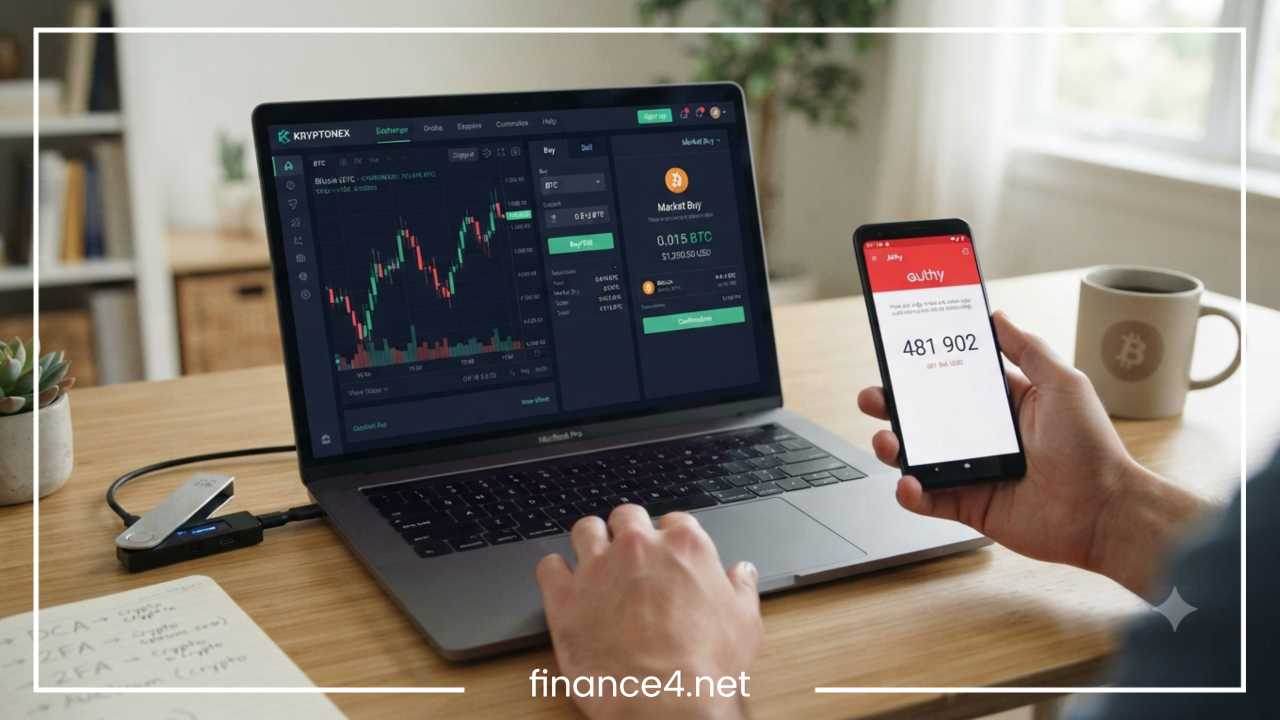
How to Buy Bitcoin: A Complete Beginner’s Guide
Bitcoin has transformed from an obscure cryptographic experiment into a pillar of modern global finance. As the world’s first and most prominent decentralized digital currency, it commands widespread attention from retail investors, institutional funds, corporate treasuries, and technology enthusiasts globally. Millions of people choose to buy Bitcoin for diverse reasons, ranging from long-term value preservation and portfolio diversification against macroeconomic inflation to a desire to participate in a transparent, censorship-resistant financial ecosystem.
Entering the digital asset landscape for the first time can feel overwhelming. Technical terminology, multi-layered security protocols, and a vast array of purchasing platforms often create friction for beginners who want to learn how to purchase Bitcoin safely. This comprehensive bitcoin buying guide is tailored specifically for those taking their first steps. Whether you are searching for where to buy bitcoin, figuring out how to buy bitcoin online with maximum efficiency, or trying to understand how to store bitcoin securely in private custody, this resource provides an exhaustive roadmap. By the end of this guide, you will understand the fundamental principles of Bitcoin, learn how to evaluate different exchange platforms, execute transactions seamlessly, and adopt the vital security practices required to protect your digital wealth.
What Is Bitcoin?
At its core, Bitcoin is a decentralized digital currency created by an anonymous developer or group of developers operating under the pseudonym Satoshi Nakamoto. Unlike traditional fiat currencies—such as the US Dollar, Euro, British Pound, or Japanese Yen—Bitcoin operates entirely independently of central banks, governments, and intermediary financial institutions. Transactions occur directly between users across a peer-to-peer computer network, validated through advanced cryptography and recorded onto a public, immutable digital ledger known as the blockchain.
The foundational innovation of Bitcoin relies on absolute scarcity and mathematical decentralization. While central banks and governments possess the authority to print unlimited quantities of fiat currency—frequently resulting in inflation and diminished purchasing power—Bitcoin features a hard-coded maximum supply limit of twenty-one million coins. New bitcoins are introduced into circulation through a transparent process called mining, where powerful distributed computers solve complex cryptographic problems to secure the network and validate transactions. This issuance rate halves approximately every four years, systematically reducing the influx of new supply over time.
People choose to invest in and hold Bitcoin for several compelling reasons. Many view the asset as digital gold, serving as an effective hedge against currency debasement and geopolitical uncertainty due to its fixed, unchangeable supply schedule. Others value its borderless architecture, which enables users to transfer value anywhere across the planet within minutes, entirely bypassing traditional banking hours, geographic barriers, and costly cross-border remittance fees. As global adoption accelerates, Bitcoin has cemented its status as a vital component of contemporary asset allocation.
Is Bitcoin Legal?
The legal status governing the purchase, sale, and ownership of Bitcoin varies across different sovereign jurisdictions. In the vast majority of developed nations—including the United States, Canada, the United Kingdom, members of the European Union, and Australia—Bitcoin is fully legal to own, trade, and hold. However, global regulatory frameworks remain diverse, with some countries embracing digital assets through comprehensive legal structures while others impose strict limitations or bans on crypto transactions and mining operations.
Tax authorities and financial regulators worldwide typically classify Bitcoin as property or a digital commodity rather than official legal tender. This classification implies that whenever you sell, trade, or exchange Bitcoin for goods and services, you may trigger a taxable event, such as capital gains tax. Maintaining meticulous records of your purchase prices, transaction dates, and disposal values is essential to ensure compliance with local tax reporting standards.
Furthermore, regulated financial platforms operating within compliant jurisdictions must adhere to rigorous Know Your Customer and Anti-Money Laundering regulations. These protocols require users to verify their personal identities using government-issued identification documents before depositing fiat currency and executing trades. Always review your local legislative guidelines to understand compliance standards, licensing rules, and reporting obligations enforced within your region.
Things You Need Before Buying Bitcoin
Preparing the necessary items and documentation before attempting to acquire digital assets will streamline your onboarding experience and prevent unnecessary delays. Proper preparation ensures a smooth setup process across any reputable exchange or broker application.
-
Government-Issued Identification: To satisfy regulatory compliance standards, platforms require identity verification. You will need a valid passport, driver license, or national identity card.
-
Email Address and Mobile Phone: A secure, dedicated email address and a mobile smartphone capable of receiving SMS codes or running authenticator applications are mandatory for account registration and security hardening.
-
Funding Source: Depending on your chosen platform, you will need a linked bank account, a debit card, a credit card, or an active account with a supported digital payment processor like PayPal, Apple Pay, or Google Pay.
-
Crypto Wallet: While optional for initial purchases—since you can store your assets temporarily on an exchange—setting up a personal software or hardware wallet is strongly recommended for long-term self-custody.
-
Reliable Internet Connection: A stable and secure internet connection is vital when accessing financial accounts and executing live market orders.
Gathering these resources in advance ensures that when you determine the best way to buy bitcoin, you can complete your account setup and verification without interruption.
Where Can You Buy Bitcoin?
Deciding where to buy bitcoin depends on your personal priorities regarding user interface simplicity, fee efficiency, accepted payment methods, and custody requirements. The modern market offers several distinct avenues for acquiring digital assets, each carrying unique benefits and trade-offs.
Cryptocurrency Exchanges
Cryptocurrency exchanges are specialized online marketplaces where individual buyers and sellers meet to trade digital assets in real time. They typically provide advanced charting tools, diverse order types, and deep market liquidity.
-
Pros: Highly competitive fee schedules, high market liquidity, advanced trading features, and access to a wide variety of trading pairs.
-
Cons: Steeper learning curve for absolute beginners; maintaining funds on exchanges exposes you to custodial risk if the platform experiences security issues.
-
Examples: Binance, Coinbase, Kraken, and OKX.
Broker Apps
Broker apps function as intermediaries that sell Bitcoin directly to users at a set retail price. They prioritize simplicity and clean user design, making them ideal for newcomers who want to buy bitcoin online quickly and with minimal friction.
-
Pros: Exceptionally user-friendly interfaces, streamlined purchasing flows, and straightforward account funding mechanisms.
-
Cons: Higher spreads and transaction fees compared to traditional spot order book exchanges.
-
Examples: Robinhood, Cash App, and Revolut.
Peer-to-Peer Platforms
Peer-to-peer platforms connect buyers and sellers directly, allowing individuals to negotiate trades using localized payment methods and custom pricing terms.
-
Pros: High privacy, availability of diverse payment methods, and accessibility in regions with restricted traditional banking infrastructure.
-
Cons: Elevated risk of encountering fraudulent actors, necessitating careful use of platform escrow systems and user reputation ratings.
Bitcoin ATMs
Bitcoin ATMs are physical kiosks located in retail establishments that allow users to purchase Bitcoin using cash or debit cards directly.
-
Pros: Immediate cash-to-crypto conversion and high accessibility without requiring complex online registration profiles.
-
Cons: Exorbitantly high transaction fees, sometimes exceeding ten percent per transaction, alongside strict daily purchase limits.
Exchange Traded Funds
For investors seeking price exposure through traditional brokerage accounts without managing private keys or digital wallets, Bitcoin Exchange Traded Funds provide an alternative vehicle.
-
Difference: Purchasing ETF shares means owning a financial security that tracks the market price of Bitcoin within a traditional brokerage account, whereas buying actual Bitcoin grants direct ownership of the underlying asset, which can be withdrawn to a personal wallet.
Step-by-Step Guide to Buying Bitcoin
Navigating the technical process of acquiring your first digital asset is straightforward when broken down into logical steps. Follow this structured framework to execute your purchase securely.
Step 1: Choose a Trusted Exchange
Research and select a reputable trading platform that matches your geographic location, regulatory requirements, and fee preferences. Look for platforms with solid security records, transparent fee tiers, and strong community feedback.
Step 2: Create an Account
Navigate to your chosen platform website or download their official mobile application. Register using your secure email address and establish a strong, complex password that is unique to that account.
Step 3: Complete Identity Verification
To comply with Know Your Customer laws, upload your government-issued identification documents. This typically involves submitting a clear photo of your ID alongside a live facial recognition scan.
Step 4: Enable Two-Factor Authentication
Never skip this vital security step. Link your account to an authenticator application like Google Authenticator or Authy. This ensures that even if your password is compromised, unauthorized parties cannot access your funds without your physical mobile device.
Step 5: Deposit Funds
Fund your exchange account using your preferred payment method. You can execute a standard bank wire or ACH transfer, use a debit or credit card, or utilize supported digital payment systems based on availability.
Step 6: Search for Bitcoin
Once your fiat deposit settles, navigate to the trading dashboard or search interface and locate the asset using its official ticker symbol, which is BTC.
Step 7: Choose Order Type
Select the order type that best fits your purchasing strategy:
-
Market Order: Executes your purchase instantly at the current prevailing market price. This is the fastest and most popular method for beginners.
-
Limit Order: Allows you to specify the exact price at which you are willing to buy. Your order will only execute if the market drops to your designated price level.
Step 8: Review Fees
Carefully examine the transaction breakdown, including exchange trading fees, conversion spreads, and any applicable deposit or network fees before finalizing your transaction.
Step 9: Confirm Purchase
Double-check your order specifications, including the fiat currency amount spent and the precise quantity of Bitcoin you will receive, then confirm the trade.
Step 10: Store Bitcoin Safely
Determine whether to leave your assets on the platform temporarily or withdraw them to a personal software or hardware wallet for maximum security and true self-custody.
Different Ways to Pay for Bitcoin
The payment method you choose influences transaction speed, convenience, and overall cost. Reviewing these options helps you select the most efficient funding route.
| Payment Method | Speed | Convenience | Typical Fees | Best For |
| Bank Transfer | Slow (1-5 Days) | Moderate | Low | Large purchases |
| Debit Card | Instant | High | Moderate | Quick, mid-sized buys |
| Credit Card | Instant | High | High | Emergency fast purchases |
| PayPal | Instant | High | Moderate to High | Users with existing balances |
| Apple/Google Pay | Instant | High | Moderate | Mobile-first buyers |
| Cash (ATM/P2P) | Variable | Low to Moderate | High | Privacy-focused users |
Bank transfers generally offer the lowest fee structure, making them ideal for investors looking to buy bitcoin online in larger amounts. Conversely, debit cards and mobile wallets offer instant settlement at the expense of slightly higher processing overhead.
How Much Bitcoin Should You Buy?
A common misconception among newcomers is that purchasing requires buying an entire Bitcoin. Because each coin is divisible down to eight decimal places, you do not need thousands of dollars to get started. The smallest unit of Bitcoin is called a satoshi, with one hundred million satoshis comprising a single Bitcoin. You can acquire fractions of a coin for small monetary amounts.
When deciding how much capital to allocate, sound risk management is essential. The foundational rule of investing in volatile asset classes is to commit only what you can comfortably afford to lose. Implementing a Dollar-Cost Averaging strategy—where you purchase a fixed monetary amount of Bitcoin at regular intervals regardless of short-term price fluctuations—helps reduce the psychological stress of volatility and eliminates the pressure of timing the market.
Bitcoin Wallets Explained
Understanding how digital storage works is critical for anyone learning how to store bitcoin securely. When you buy Bitcoin on a centralized exchange, the platform retains the private keys on your behalf. True ownership requires self-custody through a personal wallet.
Hot Wallets
Hot wallets are software applications connected to the internet, operating on mobile devices, desktop computers, or web browser extensions.
-
Pros: Highly convenient for frequent trading, quick to set up, and free to download.
-
Cons: Vulnerable to online exploits, malware, and phishing attempts due to continuous internet connectivity.
Cold Wallets
Cold wallets are physical hardware electronic devices or offline setups designed to store your private keys completely isolated from the internet.
-
Pros: Maximum security against remote hacks, making them exceptionally reliable for long-term storage of significant holdings.
-
Cons: Incur an initial hardware purchase cost and offer slightly less convenience for day-to-day trading activity.
Common Fees When Buying Bitcoin
Navigating fee structures ensures you maximize your purchasing power and avoid unexpected costs. Exchanges typically charge several categories of fees:
-
Trading Fee: A percentage charged by the exchange on every executed trade, often tiered downward based on your monthly trading volume.
-
Spread: The difference between the buying price and selling price quoted by broker apps and instant-buy services.
-
Deposit Fee: Charges incurred when transferring fiat currency from your bank account or payment provider to the exchange platform.
-
Withdrawal Fee: A flat fee charged by exchanges to cover blockchain network miner costs when sending Bitcoin out of your exchange account to a personal wallet.
To minimize fees, utilize advanced trading interfaces rather than instant-buy buttons, fund accounts via bank wires rather than credit cards, and execute wallet withdrawals during periods of low network congestion.
Risks of Buying Bitcoin
While the potential for long-term growth attracts millions of participants, purchasing digital assets carries inherent financial and operational risks that every investor must understand.
-
Market Volatility: Bitcoin prices experience sharp fluctuations over short timeframes, influenced by macroeconomic indicators, regulatory announcements, and market sentiment shifts.
-
Scams and Fraud: The decentralized and irreversible nature of cryptocurrency transactions makes them prime targets for malicious actors running phishing schemes and fake investment platforms.
-
Exchange Vulnerabilities: Centralized platforms can suffer technical outages, operational insolvency, or security breaches if robust internal controls are absent.
-
Regulatory Shifts: Unfavorable legislative changes or sudden policy restrictions in specific countries can impact market liquidity and short-term pricing dynamics.
-
Key Management Loss: In self-custody, losing your backup recovery phrase results in permanent, irrecoverable loss of access to your funds.
Security Tips for New Bitcoin Buyers
Adopting rigorous cybersecurity habits serves as your primary defense against theft and loss in the digital asset environment.
-
Enforce Strict Authentication: Always enable authenticator-based two-factor authentication across all exchange accounts and email portals.
-
Guard Your Recovery Phrase: Write down your wallet backup seed phrase on physical paper or stamp it onto metal. Never store it digitally in cloud storage, photos, or text files.
-
Verify Destination Addresses: Double-check recipient wallet addresses character-by-character before confirming any blockchain transfer, remaining vigilant against clipboard malware.
-
Avoid Public Networks: Refrain from accessing financial accounts or executing crypto transactions while connected to unsecured public Wi-Fi networks.
-
Keep Software Updated: Regularly update your operating systems, browser extensions, and hardware wallet firmware to patch known security vulnerabilities.
Common Mistakes Beginners Make
Recognizing common pitfalls accelerates your learning curve and protects your capital from preventable errors.
-
Buying Because of Hype: Purchasing assets purely based on social media FOMO near market peaks often results in panic selling during subsequent market corrections.
-
Ignoring Fee Structures: Failing to account for hidden spreads and withdrawal fees can significantly erode your investment returns over time.
-
Leaving Large Balances on Exchanges: Storing your entire portfolio on third-party custodial platforms exposes you to counterparty risk.
-
Failing to Back Up Wallets: Setting up a software or hardware wallet without properly recording and securing the backup recovery phrase.
-
Sending Funds to Wrong Networks: Attempting to transfer assets across incompatible blockchain networks, resulting in permanent token loss.
Final Thoughts
Buying Bitcoin is a straightforward process once you understand the foundational mechanics, select a reputable platform, complete identity verification, and prioritize account security. By choosing a trusted exchange, utilizing dollar-cost averaging, and taking personal responsibility for your asset custody through hardware wallets, you establish a secure foundation for digital asset ownership. Approach the market with patience, focus on long-term education rather than short-term price movements, and always prioritize security above convenience.
Frequently Asked Questions
How to buy Bitcoin safely without getting scammed?
Buying Bitcoin safely requires sticking to reputable, regulated exchanges that enforce strict identity verification and two-factor authentication. Always purchase through official mobile apps or verified desktop sites, and never share your private keys or backup recovery phrases with anyone. To protect long-term holdings, withdraw your Bitcoin from centralized exchanges into a personal hardware wallet.
What is the cheapest way to buy Bitcoin online?
The most cost-effective method to buy Bitcoin is using a spot cryptocurrency exchange via a bank transfer (such as an ACH transfer or wire). Avoid using instant-buy debit or credit card options on broker apps for large purchases, as they frequently carry higher conversion spreads and processor fees. Additionally, placing limit orders instead of market orders helps you secure better execution prices.
Can you buy less than one Bitcoin?
Yes, you do not need to purchase a whole Bitcoin to invest in the asset. Bitcoin is divisible down to eight decimal places, with the smallest unit called a satoshi. You can buy fractions of a coin on virtually any exchange or broker app for as little as ten or twenty dollars, making it accessible to investors at every budget level.
How to store Bitcoin securely for beginners?
For absolute beginners, storing small amounts temporarily on a reputable, secure exchange with two-factor authentication enabled is common. However, for long-term security and true self-custody, transferring your funds to a dedicated hardware wallet (cold storage) is the safest method. This keeps your private keys completely offline and immune to online exchange hacks.
How to buy Bitcoin with a bank account or debit card?
To buy Bitcoin with a bank account, register on a regulated exchange, complete your identity verification, and link your bank account details. Once verified, you can deposit fiat currency via bank transfer or use a linked debit card for instant purchases. Debit cards offer immediate settlement with moderate fees, whereas bank transfers take a few business days but offer lower overall costs.