How to Create NFT Badges for Events
 by
by 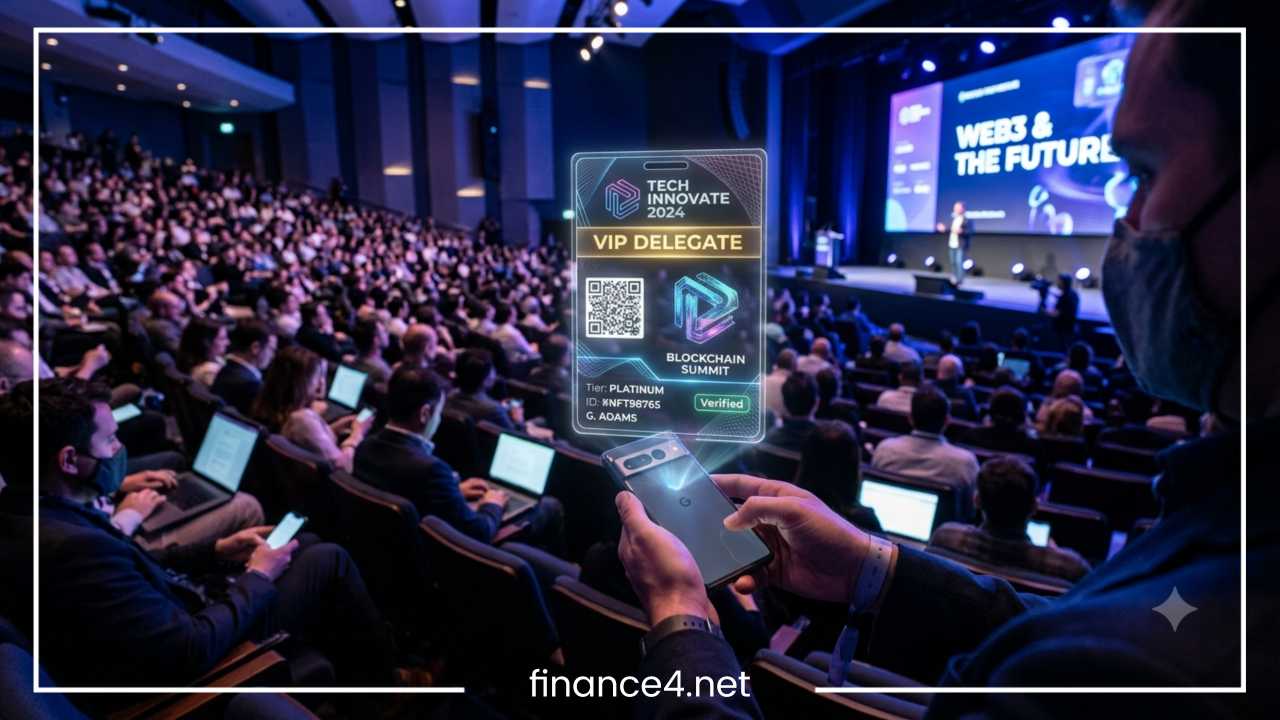
How to Create NFT Badges for Events: A Step-by-Step Guide
Why NFT Badges Are Changing Event Recognition
Event recognition is undergoing a fundamental transformation. For decades, event organizers relied on physical lanyards, paper certificates, plastic pass cards, and basic digital PDFs to prove attendance, acknowledge achievement, or grant access. While these traditional formats serve immediate functional purposes, they are easily lost, trivial to forge, and offer virtually no long-term utility once an event concludes.
Enter Non-Fungible Token (NFT) badges. Built on decentralized blockchain networks, NFT event badges offer a modern alternative that turns temporary event participation into a permanent, verifiable digital asset. An NFT badge serves as a digital proof of attendance, achievement, participation, or community membership. Unlike traditional physical or digital credentials, an NFT badge is cryptographically secure, instantly checkable on a public ledger, and permanently tied to an attendee’s digital identity.
By issuing blockchain-based credentials, organizers can bridge the physical and digital experience. Attendees gain a secure, tamper-proof collectible that sits safely in their digital wallet. Event organizers unlock new channels for post-event engagement, dynamic community building, and cross-event loyalty initiatives. Sponsors gain verifiable exposure to engaged audiences, while speakers and contributors receive immutable recognition for their contributions.
Whether hosting an intimate developer workshop, a multi-day international conference, a regional festival, or a global virtual summit, creating NFT badges allows you to modernize event operations and create lasting value. This step-by-step guide walks you through every phase of planning, designing, minting, distributing, and utilizing NFT badges for your next event.
What Is an NFT Badge for an Event?
At its core, an NFT badge for an event is a unique digital credential minted on a blockchain. Unlike fungible cryptocurrencies where every unit is identical and interchangeable, each NFT badge possesses unique identification metadata that sets it apart. It operates as a public, cryptographically secured receipt demonstrating that a specific individual participated in, spoke at, organized, or sponsored a given event.
Key Conceptual Distinctions
To understand how NFT badges function, it is helpful to contrast them with other credential formats and digital assets:
-
NFT Badge vs. Traditional Digital Badge: Traditional digital badges (such as standard PNGs or Open Badges hosted on centralized servers) rely entirely on the hosting company’s database. If the vendor shuts down, the badge link breaks and disappears. An NFT badge lives on an open, decentralized blockchain, ensuring it remains accessible independently of any single company or platform.
-
NFT Badge vs. NFT Ticket: While both use blockchain technology, an NFT ticket is primarily transactional and functional before or during the event, serving as an admission pass that is burned, scanned, or redeemed. An NFT badge is a commemorative, analytical, or status-driven credential issued during or after the event to signify recorded participation and achievements.
-
Public Ownership and Verifiability: Anyone can inspect a public blockchain ledger to verify that a specific wallet address holds a genuine badge issued by the official event organizers. This eliminates fraudulent claims of attendance or expert credentials.
Common Types of Event NFT Badges
Event organizers can design distinct tiers and styles of badges tailored to different participant roles:
-
Attendance Badges: Distributed to general attendees as proof of presence (often referred to as Proof of Attendance Protocols).
-
Achievement Badges: Awarded to participants who complete specific tracks, pass hackathons, attend workshops, or score high in event competitions.
-
Speaker Badges: Exclusive credentials issued to presenters and panelists, serving as an immutable, verifiable record of their professional speaking portfolio.
-
Volunteer and Staff Badges: Recognition distributed to crew members, moderators, and staff who helped execute the event.
-
Sponsor and Partner Badges: Issued to corporate sponsors and partner organizations, giving them verifiable tokens of partnership.
-
VIP Badges: High-tier badges given to premium ticket holders, unlocking special access areas, private networking sessions, or long-term perks.
-
Milestone Badges: Cumulative credentials given to users who attend multiple editions of an event series over time.
Do Attendees Need Crypto Knowledge?
A common misconception is that event attendees must be blockchain experts holding active crypto wallets to receive an NFT badge. Modern Web3 infrastructure allows organizers to abstract away technical complexity completely. Through smooth onboarding tools, social logins, and custodial or link-based claims, attendees can claim their NFT badges using standard email addresses or existing social accounts without needing prior crypto experience or native token holdings.
Why Create NFT Badges for Events?
Before jumping into technical implementation, event planners and community leaders must understand the strategic value of issuing NFT badges. Implementing blockchain credentials is not merely about using modern technology for its own sake; it is about building a scalable ecosystem of engagement, trust, and community retention.
Verifiable Proof of Participation and Authentic Credentials
Resumes, online profiles, and social media networks are filled with unverified claims of attendance, expertise, and participation. NFT badges solve this authentication problem. Because the minting event and issuer wallet are publicly recorded on an immutable ledger, anyone can instantly verify that an attendee was genuinely present at a specific workshop, masterclass, or summit. This makes NFT badges exceptionally powerful for educational institutions, technical bootcamps, and professional associations.
Memorable Digital Collectibles and Lasting Records
Physical merchandise like event T-shirts, plastic lanyards, and paper notebooks wear out, get misplaced, or end up discarded. An NFT badge serves as a permanent, pristine digital collectible. Attendees retain a permanent history of their professional development, personal interests, and social participation stored neatly within their personal digital profile.
Community Building Beyond the Event
Most traditional events suffer from a drop in engagement the moment the closing keynote ends. NFT badges provide an immediate digital bridge to maintain momentum. Organizers can use token-gated access tools to invite verified badge holders into private Discord channels, Telegram groups, or exclusive online portals. This transforms a temporary one-day or weekend event into a continuous, year-round community of verified peers.
Loyalty Programs and Cross-Event Benefits
NFT badges create a foundation for long-term attendee retention. Because smart contracts can query a user’s wallet history, organizers can reward repeat visitors automatically. For instance, holding the previous edition’s badge can automatically unlock discounted tickets, priority registration, or special merchandise for upcoming events.
Enhanced Value for Sponsors and Partners
Sponsors always seek measurable return on investment and direct connection with engaged participants. NFT badges offer brand partners unique avenues for post-event exposure. A sponsor can offer targeted discounts, exclusive digital assets, or early access products specifically to wallets holding a particular event badge, extending the sponsor’s marketing window well beyond the physical event boundaries.
The Value Principle: Utility Defines Worth
It is critical to note that simply issuing an NFT badge does not automatically make it desirable. Owning a digital token holds little value if the asset lacks visual appeal, meaningful utility, or community significance. The success of an NFT badge program depends on thoughtful planning, clear utility, and smooth execution.
Plan Your NFT Badge Before Creating It
Successful NFT badge campaigns are designed long before touching smart contract code or minting platforms. Careful planning ensures the credentials align with your event’s overall strategy and provide a seamless user experience.
Define the Purpose of the Badge
Begin by clarifying the core purpose of your NFT badge. Ask your team the following structural questions:
-
Is this badge strictly a digital souvenir proving presence?
-
Is it an educational or professional certificate acknowledging a skill mastered during a workshop?
-
Will it serve as a functional access pass to unlock gated digital content or future discounts?
-
Is it part of an ongoing loyalty program that accumulates value over several event editions?
Defining this objective dictates your design choices, technical requirements, and distribution channels.
Decide Who Receives the Badge
Determine the distribution scope early. Will you offer a single, universal badge to every registered participant, or will you segment badges into different categories? A multi-tiered badge strategy often generates higher engagement:
-
General Attendees: Standard attendance proof.
-
VIP Ticket Holders: High-tier badge with enhanced design elements.
-
Speakers and Keynotes: Custom badge acknowledging session contributions.
-
Sponsors: Co-branded partner badges.
-
Volunteers and Organizers: Staff credentials reflecting operational contributions.
Choose What Information to Include
The data associated with your badge must be explicit, accurate, and structured. Decide what information will be visually rendered on the image file and what details will be embedded inside the underlying digital metadata:
-
Official Event Title
-
Organizer or Host Organization Name
-
Date and Physical/Virtual Location
-
Badge Category or Achievement Tier
-
Individual Edition or Series Tracking
-
Unique Badge Serial or Identifier Number
Transferable vs. Non-Transferable (Soulbound) Credentials
A crucial decision is whether attendees should be permitted to transfer or sell their NFT badges to other wallets.
-
Transferable NFTs: Can be traded or sent from one user to another on public marketplaces. This makes sense for promotional collectibles or high-utility access passes where secondary trading is encouraged.
-
Non-Transferable (Soulbound) Credentials: Permanently bound to the initial recipient’s wallet address and cannot be transferred, sold, or gifted.
For official attendance records, professional achievements, and verified identity credentials, non-transferable badges are strongly recommended. Non-transferable functionality prevents individuals from buying badges for events they never attended, preserving the integrity and authenticity of the credential.
Choose a Blockchain and NFT Platform
Selecting the underlying technical infrastructure requires balancing cost, speed, environmental sustainability, user accessibility, and technical complexity.
Core Evaluation Factors for Event Organizers
When choosing a blockchain network for issuing event badges, evaluate the following factors:
-
Transaction Fees (Gas Costs): High minting or network fees can make issuing thousands of badges financially prohibitive. Look for networks offering fractional-cent transaction costs.
-
Transaction Speed and Scalability: The network must handle high throughput, allowing hundreds or thousands of attendees to claim badges simultaneously without network congestion or delayed confirmations.
-
Environmental Impact: Sustainable, Proof-of-Stake (PoS) blockchains are essential for modern organizations focused on environmental responsibility.
-
Wallet and Infrastructure Support: Ensure the network is supported by widely used web wallets, wallet-less onboarding platforms, and open-source infrastructure.
-
User Onboarding Friction: Choose ecosystems that support sponsored transactions (gasless minting), allowing organizers to cover network fees so attendees pay nothing.
Comparing Platform Creation Approaches
Event organizers have several operational paths for building and deploying NFT badges, depending on technical capacity and budget:
| Platform Category | Target Audience | Primary Advantages | Key Trade-offs |
| No-Code Web3 Platforms | Non-technical event planners, marketers | Easy dashboard setups, zero coding required, integrated gasless claims, email onboarding. | Limited customization of custom smart contract logic; potential platform fees. |
| Dedicated POAP Platforms | Community organizers, Web3 events | Standardized attendance protocols, simple QR distribution, pre-built ecosystem. | Rigid structural formats, less brand customization options. |
| Custom Smart Contracts | Enterprise events, dev teams, large summits | Absolute architectural control, custom loyalty logic, tailored soulbound mechanics. | Requires smart contract developers, thorough security audits, higher upfront cost. |
| Developer API & SDK Solutions | SaaS platforms, ticketing software firms | Seamless background integration into existing event apps and registration software. | Requires active software development resources to build and maintain UI. |
Design the NFT Badge
An event badge is a visual representation of your brand and an attendee’s experience. A poorly designed, low-resolution badge diminishes perceived value, while a polished, professional design encourages attendees to share their achievement across social networks and professional profiles.
Visual Components of an Effective Badge Design
When creating the artwork for your NFT badge, ensure the visual hierarchy clearly communicates key event details at a glance:
-
Brand Prominence: Feature the event’s official logo and distinct visual identity clearly.
-
Tier Identification: Use distinct color palettes, borders, or metallic accents (bronze, silver, gold) to differentiate general attendees, VIPs, speakers, and sponsors.
-
Typography and Readability: Use bold, legible typography. Remember that badges are frequently viewed as small thumbnails on mobile screens or inside wallet apps.
-
Date and Edition: Clearly showcase the event date and location so the credential’s context is immediately obvious.
-
Visual Structure: A clean layout flow works best: Event Logo -> Event Name -> Badge Category -> Date/Location -> Sponsor Co-Branding.
Format, Aspect Ratios, and File Specifications
Choose technical formats that render cleanly across mobile wallet apps, desktop browsers, and social media platforms:
-
Aspect Ratio: Square (1:1) or vertical portrait (4:5) aspect ratios render best inside standard wallet interfaces and social media cards.
-
File Formats: Standard static formats include PNG and JPEG. For animated badges, use optimized MP4 or WebM video files, or lightweight animated GIFs.
-
Dimensions and Quality: Standardize on 1080×1080 pixels (for square) or 1080×1350 pixels (for portrait). Keep file sizes optimized (ideally under 10MB) to ensure rapid loading over mobile networks.
Single Design vs. Dynamic and Tiered Variations
Decide whether every attendee receives the exact same visual asset or if you will generate variable artwork.
-
Static Single Design: One universal, high-quality design for all general attendees. Simple to produce and manage.
-
Tiered Visuals: Distinct designs customized for Speakers, VIPs, Staff, and Attendees.
-
Dynamic / Generative Badges: Unique visual elements programmatically generated based on attendee data, such as embedding the attendee’s name, unique seat number, or specific session tracks completed.
Prepare the NFT Metadata and Artwork
An NFT consists of two core components: the smart contract on the blockchain and the metadata file linked to it. The metadata is a structured file that stores the descriptive information, properties, and direct link to the badge’s media file.
Understanding Metadata Attributes and Traits
Metadata allows wallet apps, marketplaces, and verification tools to read the specific details of a badge. By structuring metadata into standardized attributes or traits, you make your badges searchable, filterable, and indexable.
Here is an explicit example of how metadata traits should be structured for an event badge:
| Attribute Key | Sample Attribute Value | Purpose |
| Event Name | Global Tech Summit | Names the specific overarching event. |
| Badge Type | Keynote Speaker | Differentiates participant roles. |
| Edition | Annual Conference | Identifies event series tracking. |
| Format | In-Person | Clarifies virtual vs. physical attendance. |
| Track / Topic | Artificial Intelligence | Highlights specific session focus. |
| Location | San Francisco | Notes event venue or city. |
| Verification Level | Identity Verified | Confirms credential rigor. |
Storing Media and Metadata via Decentralized Storage
To ensure your NFT badges remain permanently accessible, avoid hosting the image and metadata files on standard centralized web servers. If a corporate server goes offline or changes web address structures, the NFT will point to a broken link.
Instead, store artwork and metadata using decentralized storage networks like IPFS (InterPlanetary File System) or Arweave. These storage networks use content addressing (hashes) rather than location-based web addresses. This guarantees that as long as the network exists, the badge’s visual asset and underlying metadata remain unchanged and permanently linked to the token.
Set Up the NFT Collection or Smart Contract
Once your artwork and metadata are prepared, you must configure the overarching collection container on the blockchain.
Essential Smart Contract Parameters
When setting up your NFT badge collection, you will configure several fundamental parameters:
-
Collection Name: The primary title of the collection as displayed on block explorers and wallets (e.g., “Global Tech Summit Badges”).
-
Token Symbol: A short ticker symbol, usually 3 to 5 characters (e.g., “GTS”).
-
Collection Description: A concise explanation of the event, the purpose of the badges, and the issuing organization.
-
Base URI: The root IPFS or storage link pointing to the folder containing your metadata files.
-
Minting Permissions: Rules defining who can trigger token creation (e.g., only the contract owner wallet, or authorized claim platforms).
Configuring Royalties and Transfer Lock Logic
While commercial NFT art collections often enforce secondary sales royalties, event badges rarely focus on secondary market trading.
-
Royalties: Typically set to 0% for attendance and achievement credentials, as the objective is verification rather than financial speculation.
-
Transfer Locks: If creating non-transferable (soulbound) badges, ensure the underlying smart contract code explicitly disables the standard transfer functions, preventing tokens from moving out of the recipient’s wallet once claimed.
Testing on a Blockchain Testnet
Never deploy an unverified contract directly to a live blockchain network (mainnet). Always perform test deployments on a public testnet. Testnets mirror mainnet operations perfectly without spending real currency. Use testnet environments to verify that image rendering works, metadata attributes populate correctly, and claim functions execute smoothly.
Mint the NFT Event Badges: Step-by-Step
Minting is the formal process of writing the NFT’s cryptographic record onto the blockchain ledger. Below is the end-to-end operational sequence for creating and issuing your event badges.
Step 1: Finalize Badge Artwork
Produce high-resolution, optimized image or video files for each badge tier (e.g., Attendee, Speaker, Sponsor). Save them with standardized, consistent file names.
Step 2: Upload Media Assets to Decentralized Storage
Upload your visual assets to IPFS or Arweave using a pinning service. Record the unique CID (Content Identifier) hash generated for the folder containing your files.
Step 3: Construct and Format Metadata Files
Create matching metadata files referencing the secure media hashes, titles, descriptions, and explicit trait attributes for each badge type.
Step 4: Upload Metadata Files to Decentralized Storage
Upload the completed metadata files to IPFS or Arweave. Secure the master metadata CID link.
Step 5: Connect Admin Wallet and Deploy Contract
Connect your organizational crypto wallet (holding sufficient native network tokens for deployment fees) to your chosen no-code platform or development interface. Deploy the smart contract to the network.
Step 6: Configure Supply Limits and Issuance Rules
Define the maximum token supply (either capped at your exact attendee count or open for dynamic claiming during a limited time window). Enable gasless minting parameters if you intend to cover transaction costs for attendees.
Step 7: Execute a Test Mint
Mint a test badge to an internal staff wallet on the live network. Verify that the badge appears accurately inside common wallet interfaces, with correct imagery and metadata traits fully visible.
Step 8: Execute Batch Minting or Enable Claim Mechanics
Depending on your distribution strategy, pre-mint the badges directly to a list of known attendee wallets in a single batch transaction, or open the automated claim mechanism for attendees to trigger themselves.
Step 9: Verify On-Chain Records
Check the contract address on a public block explorer to confirm that all transactions were successfully recorded and that token metadata URIs resolve correctly.
Distribute NFT Badges to Event Attendees
Distribution is the most critical operational phase. A complex claim process leads to low pickup rates and frustrated participants. Choose a distribution methodology that matches the technical familiarity of your target audience.
| Distribution Method | Ideal Target Audience | Key Operational Advantage |
| Direct Wallet Airdrop | Web3 Native / Developer Summits | Zero effort required by attendee post-event. |
| Claim Links via Email | Corporate / Hybrid / Educational Events | Simple, highly familiar email distribution flow. |
| On-Site QR Codes | Physical Conferences / Festivals | Drives real-time venue engagement and excitement. |
| Custodial Social Onboarding | Mainstream / Non-Technical Audiences | No pre-existing crypto wallet required upfront. |
Method 1: Direct Wallet Airdrop (Pre-Collected Addresses)
If you collect attendee wallet addresses during registration, you can batch-airdrop the NFT badges directly to their wallets.
-
Pros: Requires zero action from the attendee post-event; badges appear automatically in their wallets.
-
Cons: Requires attendees to own and know their wallet addresses beforehand; high total gas fees paid upfront by the organizer if sending thousands of individual transactions.
Method 2: Unique Claim Links via Email
Organizers generate secure, single-use claim links and distribute them to verified participants via automated post-event emails.
-
Pros: Highly familiar distribution channel; ensures only verified, ticketed attendees receive the claim email.
-
Cons: Emails can land in spam folders; requires attendees to click through and complete a claim step.
Method 3: On-Site QR Code Claims
Display dynamic or location-restricted QR codes on presentation slides, physical banners, or exit doors at the event venue. Attendees scan the QR code using their smartphones to jump directly to a claim portal.
-
Pros: Drives immediate, enthusiastic engagement while attendees are still physically present at the venue.
-
Cons: Risk of attendees sharing QR code photos online with non-attendees unless protected by dynamic time-based codes or location geofencing.
Method 4: Passwordless / Social Custodial Onboarding
For audiences unfamiliar with blockchain technology, use web onboarding tools that create embedded custodial wallets using standard social logins (Google, Apple, or email magic links).
-
Pros: Removes all crypto friction; users claim their badge in seconds without managing seed phrases or installing browser extensions.
-
Cons: Users hold credentials within a managed service initially, though advanced users can transfer assets to self-custody wallets later.
Preventing Abuse and Fraudulent Claims
To ensure people who did not attend cannot claim badges, implement basic security safeguards:
-
Require authentication against your official ticketing system (e.g., ticket ID or registered email lookup).
-
Use time-limited claim windows that expire shortly after the event concludes.
-
Implement one-time-use claim tokens or dynamic, rotating QR codes on venue displays.
Add Utility to Your NFT Badges
An NFT badge should not be a passive digital image that sits forgotten in a wallet. To create genuine value for your participants, connect the badge to real-world and digital benefits.
Gate Digital Communities and Exclusive Content
Use token-gating integrations to transform your badge into an active passkey. Wallet-verification tools allow badge holders to unlock restricted digital spaces:
-
Private Discord or Telegram channels exclusive to verified event alumni.
-
High-resolution session recordings, slide decks, and whitepapers restricted to badge holders.
-
Private networking forums and direct messaging portals with speakers and fellow attendees.
Priority Access and Future Discounts
Reward loyalty by utilizing badges as dynamic registration credentials for future event editions:
-
Automatic early-bird registration access before tickets open to the general public.
-
Discounted ticket pricing triggered automatically when connecting a wallet holding past event badges.
-
VIP upgrades or exclusive lounge access at subsequent conferences.
In-Person Perks and Real-World Activation
Extend badge utility back into physical spaces during multi-day or recurring events:
-
Special fast-track check-in lines for holders of previous edition badges.
-
Exclusive physical merchandise claim booths (e.g., limited-edition shirts or pins verified via phone tap or wallet scan).
-
Access to private side events, speaker dinners, or VIP networking receptions.
Multi-Event Loyalty Pathways
Design a multi-tiered badge progression system across your organization’s event ecosystem. For example:
-
Level 1 (Bronze): Attend 1 Event -> Unlocks basic alumni community access.
-
Level 2 (Silver): Attend 3 Events -> Unlocks 15% discount on all future tickets and exclusive workshop access.
-
Level 3 (Gold): Attend 5 Events or Speak at 1 Event -> Unlocks lifetime free access to virtual summits and private speaker dinners.
Test Your NFT Badge Before Launch
Launching a badge campaign without rigorous testing can lead to public failures, claim errors, broken metadata, and high support workloads during your event.
The Essential Pre-Launch Verification Checklist
Run through this complete technical and operational checklist before announcing or distributing your badges:
-
Metadata Integrity: Verify that image links, descriptions, attributes, and social links resolve quickly and accurately across multiple networks.
-
Contract Rules: Confirm that supply caps, mint limits, and transfer restrictions (e.g., non-transferable locks) operate as intended.
-
Gasless Mechanics: Ensure gas station accounts or sponsored transaction services are sufficiently funded to cover all attendee claim fees.
-
Claim Link Functionality: Test unique claim links to verify they deactivate immediately after a single user completes a claim.
-
QR Code Responsiveness: Scan physical printouts or screen displays of your QR codes using various smartphone models and operating systems.
-
Mobile Wallet Rendering: Check how the badge visually renders inside popular mobile wallet applications (e.g., inspect image cropping and trait formatting).
-
Non-Technical User Journey: Have a non-technical staff member complete the entire claim process from scratch to identify confusing wording or unnecessary steps.
-
Support Documentation: Prepare a simple, one-page troubleshooting guide and helpdesk channel for attendees who experience technical difficulties.
Launch and Promote the NFT Badge
How you communicate your NFT badge program directly impacts your final claim rate. Focus your messaging on attendee benefits, recognition, and convenience rather than technical jargon.
Pre-Event Announcements and Expectation Setting
Incorporate news of the NFT badge into your pre-event email marketing and social media campaigns. Explain why attendees should want the badge:
-
Highlight key perks, such as access to exclusive session recordings or post-event networking groups.
-
Frame the badge as an official, shareable credential of professional development or event participation.
-
Assure attendees that claiming the badge will be fast, free, and straightforward, requiring no prior crypto experience.
Live Event Guidance and On-Site Signage
During the event, remind participants to claim their badges through clear visual and auditory touchpoints:
-
Include a dedicated 60-second slide during opening and closing keynotes explaining how to scan and claim the badge.
-
Place physical banner stands containing QR codes and step-by-step instructions in high-traffic areas, such as registration desks, lounge zones, and exit doors.
-
Train on-site helpdesk staff to assist attendees with scanning QR codes and navigating the claim interface.
Post-Event Follow-Up and Community Sharing
Don’t let momentum stall after the event concludes:
-
Send a dedicated post-event email within 24 hours featuring the direct claim link and clear instructions.
-
Encourage attendees to share their digital badges on professional networks like LinkedIn or social channels, providing pre-written post templates or custom social sharing cards.
-
Promptly open token-gated community channels so early claimers immediately experience the tangible value of holding the badge.
Measure the Success of Your NFT Badge Campaign
Evaluating quantitative metrics allows you to measure audience engagement, calculate campaign return on investment, and refine your distribution approach for future events.
Core Metrics to Track
Analyze performance using these key indicators:
-
Claim Rate: The percentage of total event attendees who successfully claimed their badge (Total Claimed divided by Total Attendance multiplied by 100).
-
Time-to-Claim Velocity: How quickly attendees claim their badges relative to event conclusion. High real-time claims indicate effective live venue signage.
-
Distribution Channel Conversion: Comparing claim conversion rates between QR codes, direct emails, and social links to identify your most effective channels.
-
Token-Gated Engagement: The percentage of badge holders who subsequently join locked Discord/Telegram groups or access gated content portals.
-
Social Impressions and Shares: Tracking social media posts, tags, and profile additions featuring the badge asset.
-
Support Ticket Volume: Measuring technical friction by tracking how many attendees requested assistance during the claim flow.
Common Mistakes to Avoid
Learning from common pitfalls helps ensure your event badge project runs smoothly:
-
Over-Complicating the User Experience: Forcing non-technical attendees to download specific browser extensions, write down seed phrases, or purchase crypto tokens to pay for gas fees will cause claim rates to plummet.
-
Neglecting Mobile Optimization: Over 80% of attendees will attempt to scan and claim badges using mobile smartphones. If your claim portal is poorly optimized for mobile screens, users will abandon the process.
-
Providing Zero Post-Event Utility: Issuing an isolated digital image with no post-event perks, gated community access, or future value leads to low attendee interest.
-
Ignoring Metadata Hosting Hygiene: Hosting metadata or badge artwork on temporary corporate servers or standard cloud buckets risks broken links if file structures change. Always use IPFS or Arweave.
-
Failing to Pre-Fund Gas Pools: If using sponsored transaction tools, failing to monitor your gas sponsorship account can cause transaction failures mid-event when hundreds of attendees try to claim badges simultaneously.
-
Using Transferable Contracts for Official Attendance: Allowing official attendance or speaker badges to be freely traded on open marketplaces destroys the authenticity of the credential.
Final Thoughts — Turn Event Attendance Into a Lasting Digital Credential
NFT badges represent a modern evolution in how event organizers track participation, acknowledge achievements, and foster long-term brand loyalty. By shifting away from ephemeral paper certificates and static PDFs toward permanent, cryptographically verifiable blockchain credentials, you provide attendees with authentic digital proof of their professional and personal milestones.
Executing a successful NFT badge campaign relies on a clear operational sequence: Plan the badge purpose -> Select efficient infrastructure -> Design clean visual assets -> Prepare structured metadata -> Deploy the contract -> Distribute via low-friction channels -> Provide continuous post-event utility -> Measure results.
When designed with intention and executed with a focus on user experience, NFT badges transcend their underlying technology. They cease to be merely “crypto tokens” and become meaningful symbols of community, learning, and shared experience that keep your audience connected long after the event doors close.
Frequently Asked Questions (FAQs)
What is the difference between an NFT event ticket and an NFT event badge?
An NFT event ticket is a transactional, access-focused asset used before or during an event to grant entry through gate scanning or token burning. An NFT event badge is a commemorative or achievement-based credential issued during or after the event to serve as permanent proof of attendance, participation, or role recognition.
How do non-transferable soulbound NFT badges work for events?
Non-transferable or “soulbound” NFT badges are smart contract credentials permanently tied to the recipient’s wallet address. Once claimed, the transfer functions within the contract are disabled, preventing attendees from selling, trading, or transferring their attendance proof to anyone else.
Can attendees claim NFT event badges without a crypto wallet?
Yes, event organizers can use passwordless onboarding or custodial wallet solutions (such as social login via Google or email magic links). These tools create an embedded web wallet automatically in the background, allowing non-technical attendees to claim their NFT badges in seconds without needing prior blockchain knowledge or seed phrases.
How much does it cost to mint and distribute NFT badges for an event?
The cost depends on the blockchain network used and the minting structure. Deploying smart contracts on low-fee Proof-of-Stake blockchains costs fractions of a cent per badge. Additionally, organizers can set up gasless minting (sponsored transactions) so the event host covers the minor network fees, making the claim process completely free for attendees.
What happens if an NFT badge metadata image link breaks?
To prevent broken links, NFT badge artwork and metadata JSON files should be stored on decentralized storage networks like IPFS (InterPlanetary File System) or Arweave. Unlike centralized web servers, decentralized storage relies on content addressing (cryptographic hashes), ensuring the badge image and attributes remain permanently accessible as long as the storage network exists.
How can event organizers use NFT badges for post-event community engagement?
Organizers can integrate token-gating tools (such as Guild.xyz or Collab.Land) to automatically verify badge ownership. Holding an NFT badge can unlock private Discord channels, exclusive post-event video recordings, early-bird ticket discounts for future conferences, or VIP loyalty perks for recurring event series.