How to Buy Ethereum?
 by
by 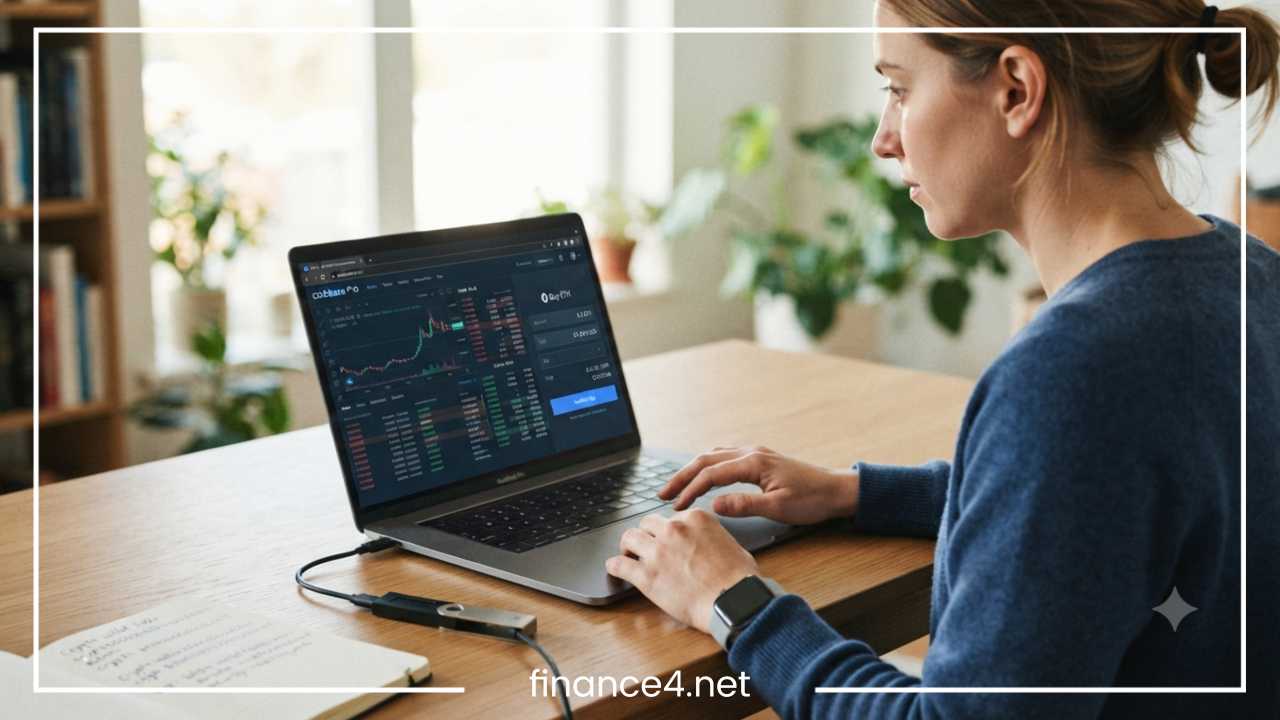
How to Buy Ethereum (ETH): A Complete Beginner’s Guide
Buying Ethereum has evolved into a streamlined and accessible process, opening up the world of decentralized finance and blockchain technology to millions of individuals globally. Whether you want to participate in decentralized applications, explore digital assets, or hold a speculative position, learning how to buy Ethereum is the first step. Entering the crypto market requires understanding digital asset exchanges, verifying your identity, setting up payment channels, and prioritizing security through proper storage. This guide covers everything you need to know to safely navigate your Ethereum purchase from start to finish.
What Is Ethereum?
Ethereum is a decentralized, open-source blockchain network featuring its own native cryptocurrency, Ether, commonly referred to by its ticker symbol ETH. Launched in the mid-2010s by Vitalik Buterin and a team of co-founders, Ethereum expanded upon the foundational concepts introduced by Bitcoin. While Bitcoin was primarily designed as a peer-to-peer digital currency and store of value, Ethereum was built to function as a global, programmable settlement layer for decentralized applications.
Understanding the distinction between Ethereum and Bitcoin helps clarify their unique roles in the cryptocurrency ecosystem. Bitcoin functions as digital gold, focused on secure, censorship-resistant monetary transactions and long-term value preservation. Ethereum, conversely, operates as a massive global computer. It allows developers to deploy immutable code and build complex applications that run autonomously without centralized intermediaries, censorship, or downtime.
It is also helpful to distinguish between Ethereum and ETH. Ethereum is the underlying blockchain network and protocol, whereas ETH is the digital asset native to that network. ETH serves two primary functions: it acts as a digital currency for peer-to-peer value transfer and functions as the fuel required to execute transactions and smart contracts on the network.
What Ethereum Is Used For
The utility of the Ethereum network is vast, driven by several core components:
-
Smart contracts: These are self-executing contracts with the terms of the agreement directly written into lines of code. They execute automatically when predetermined conditions are met, eliminating the need for trusted intermediaries like lawyers or banks.
-
Decentralized finance: Often referred to as DeFi, this sector replicates traditional financial services—such as lending, borrowing, and earning interest—on the blockchain without centralized financial institutions.
-
Non-fungible tokens: NFTs represent unique digital items, such as art, collectibles, virtual real estate, and in-game assets, securely tracked and authenticated on the blockchain.
-
Gaming: Blockchain-based gaming utilizes Ethereum and its layer-two scaling networks to give players true ownership of in-game items, currencies, and achievements.
-
Payments: Users across the globe utilize ETH to send money across international borders quickly, securely, and without traditional banking delays or exorbitant wire fees.
Why ETH Has Value
The economic value of ETH is tied directly to the utility and demand for the Ethereum network itself. Because every transaction, smart contract execution, and interaction with a decentralized application requires users to pay a transaction fee in ETH, there is perpetual organic demand for the asset. Furthermore, network upgrades have introduced tokenomics where a portion of transaction fees is permanently burned, reducing the circulating supply over time when network activity is high. This combination of utility, security, scarcity, and widespread institutional adoption underpins the economic value of ETH.
Is Ethereum a Good Investment?
Evaluating whether Ethereum is a suitable addition to your portfolio requires examining its historical growth, inherent volatility, long-term potential, and associated risks. Like all digital assets, Ethereum has experienced massive price appreciation alongside severe market corrections. There are no guaranteed returns in cryptocurrency, and past performance does not indicate future results.
Adoption and Ecosystem Growth
The fundamental thesis for Ethereum relies on its growing adoption as the premier settlement layer for web3 applications. A vast community of developers builds on Ethereum, creating a network effect that attracts more users, liquidity, and developers. Institutional interest has also surged, evidenced by the introduction of spot exchange-traded funds that allow traditional investors to gain exposure to ETH through standard brokerage accounts.
Risks and Volatility
Despite its strong market position, Ethereum carries significant risks. Price volatility is a defining characteristic of the cryptocurrency market, and sudden macroeconomic shifts or regulatory developments can trigger sharp market downturns. Additionally, technical risks, scaling challenges, and regulatory uncertainty across different global jurisdictions remain factors that investors must consider. Maintaining a balanced perspective, investing only what you can afford to lose, and viewing digital assets through a long-term lens are essential strategies for navigating the market.
What You Need Before Buying Ethereum
Before you sign up for a cryptocurrency exchange and make your first purchase, you need to gather a few essential items and prepare your information. Preparing these ahead of time ensures a smooth registration and verification process.
Identity Verification
Cryptocurrency exchanges operating legally in most jurisdictions must comply with strict Know Your Customer and Anti-Money Laundering regulations. You will need to complete a verification process to prove your identity before you can deposit fiat currency or buy ETH.
Government-Issued ID
To complete identity verification, you must provide a valid, government-issued photo identification document. Acceptable documents typically include a passport, driver license, or national identity card. You will also likely need to use a device with a camera to take a live selfie for biometric verification.
Email and Phone Number
You will need a secure, private email address and an active mobile phone number. These are used to create your account, receive transactional notifications, and set up mandatory security features like two-factor authentication.
Payment Method
Different exchanges support various funding sources. Depending on the platform you choose, you can fund your purchase using a traditional bank transfer, a debit card, a credit card, PayPal in supported regions, or mobile payment services like Apple Pay and Google Pay.
Crypto Wallet
While optional for initial purchases, having your own non-custodial crypto wallet gives you total control over your digital assets. If you choose to keep your ETH on an exchange, you rely on that company’s security measures. Setting up an independent software or hardware wallet provides an extra layer of security.
How to Buy Ethereum (Step-by-Step)
Purchasing your first fraction of ETH is straightforward when broken down into manageable steps. Follow this sequential guide to complete your acquisition safely and efficiently.
Choose a Crypto Exchange
The first step is selecting a reputable cryptocurrency exchange. Your choice should depend on factors like fee structures, supported payment methods, ease of use, security reputation, and your geographic location. Look for established platforms with high trading volume and robust regulatory compliance.
Create an Account
Once you select an exchange, navigate to their official website or download their verified mobile application. Register by providing your email address, creating a strong and unique password, and agreeing to the terms of service. Avoid using weak passwords or reusing credentials from other websites.
Verify Your Identity
To unlock full trading capabilities and fiat deposit options, complete the identity verification process. Follow the prompts on the exchange platform to upload photos of your government-issued ID and submit a real-time selfie. Verification can take anywhere from a few minutes to a couple of days depending on the platform volume.
Deposit Funds
With your account verified, you can deposit fiat currency such as USD, EUR, or GBP into your exchange account. Bank transfers typically offer the lowest deposit fees but may take a few business days to clear. Debit and credit cards allow for instant purchases but usually carry higher processing fees.
Search for ETH
Navigate to the trading, markets, or buy section of the exchange interface. Use the search bar to look for Ethereum by typing its ticker symbol, which is ETH. Ensure you select the correct trading pair, such as ETH matched against your local fiat currency like USD.
Enter Purchase Amount
Decide how much fiat currency you want to spend or how much ETH you wish to acquire. Most platforms allow you to enter a specific dollar amount, and the system automatically calculates the corresponding fraction of ETH you will receive.
Review Fees
Before confirming your transaction, carefully review the order summary. Check the exchange rate, the amount of ETH you are receiving, and any trading fees or network costs associated with the order. Transparency is standard among reputable exchanges.
Confirm Purchase
Execute the trade by clicking the buy or confirm button. Once the order is processed, the ETH will appear in your exchange wallet balance almost instantly for market orders.
Store ETH securely
Decide whether to leave your ETH on the exchange for active trading or withdraw it to a personal software or hardware wallet for long-term holding. If you plan to hold your assets for an extended period, moving them to a private wallet is widely recommended.
Best Places to Buy Ethereum
| Platform | Fees | Payment Methods | Wallet Included | Best for | Availability |
| Coinbase | Moderate to High | Bank transfer, Debit card, PayPal, Wire | Yes (Custodial) | Absolute beginners | Global / US-friendly |
| Binance | Low | Bank transfer, Credit/Debit card, P2P | Yes (Custodial) | Advanced traders & low fees | Global (Restricted in US) |
| Kraken | Low to Moderate | Bank transfer, Wire, Debit/Credit card | Yes (Custodial) | Security-conscious users | Global / US-friendly |
| Gemini | Moderate | Bank transfer, Debit card, Wire | Yes (Custodial) | Regulatory compliance | Global / US-friendly |
| Crypto.com | Moderate | Credit/Debit card, Bank transfer, Apple Pay | Yes (Custodial) | Mobile app users | Global |
| Robinhood | Spread-based | Bank transfer, Instant deposits | Yes (Custodial) | Stock & crypto combined | US-focused |
Choosing the right platform depends on your specific needs. Coinbase stands out as the premier option for absolute beginners due to its clean user interface and educational resources, though its standard trading fees can be higher unless you use its advanced trading platform. Binance offers some of the lowest fees in the industry and deep liquidity, making it ideal for cost-conscious buyers, though its availability varies by region. Kraken combines robust security practices with deep liquidity and reliable customer support, appealing to users seeking a balanced exchange. Gemini places a strong emphasis on regulatory compliance and security, while Crypto.com provides a feature-rich mobile app experience with integrated spending cards. Robinhood offers a familiar interface for individuals who already manage traditional stock portfolios, though direct withdrawal options to external wallets may vary by jurisdiction.
Different Ways to Pay for Ethereum
Purchasing Ethereum can be accomplished through several payment methods, each balancing speed, convenience, and cost differently.
Bank Transfer
Bank transfers, including automated clearing house transfers or wire transfers, represent the most cost-effective way to fund your account.
-
Pros: Lowest transaction fees; ideal for funding large purchases.
-
Cons: Deposits take several business days to clear before you can withdraw your purchased crypto.
Debit Card
Debit cards offer a balanced approach between speed and reasonable processing costs, allowing you to buy ETH instantly.
-
Pros: Instant transaction execution; funds are drawn directly from your checking account.
-
Cons: Higher processing fees compared to standard bank deposits.
Credit Card
Using a credit card allows you to buy crypto immediately, but it comes with significant financial considerations.
-
Pros: Instant purchasing power without needing immediate cash in your bank account.
-
Cons: High cash-advance fees, potential interest charges from your credit card issuer, and higher processing fees.
PayPal
Where available, PayPal integration allows users to fund crypto purchases directly through their existing PayPal balances or linked bank accounts.
-
Pros: High familiarity, security, and quick transaction times.
-
Cons: Availability is limited by region, and fees can be relatively high.
Apple Pay and Google Pay
Mobile payment services provide a frictionless checkout experience directly through supported exchange mobile apps.
-
Pros: Extremely fast, highly secure biometric authorization, no need to manually enter card numbers.
-
Cons: Subject to card processor fees and purchase limits set by the exchange.
P2P Marketplaces
Peer-to-peer marketplaces connect buyers and sellers directly, allowing for alternative payment methods such as cash deposits, regional bank transfers, or gift cards. These platforms make sense when traditional banking options are unavailable in your region, though they require careful vetting of trading partners to avoid fraud.
How Much Ethereum Should You Buy?
Determining how much Ethereum to buy is a personal decision that depends on your financial situation, risk tolerance, and investment goals. You do not need to buy a whole coin; Ethereum is divisible down to eighteen decimal places, meaning you can purchase fractions of a coin for any budget.
A popular strategy for accumulating ETH is dollar-cost averaging. Instead of investing a lump sum all at once, DCA involves buying fixed dollar amounts of Ethereum at regular intervals, such as weekly or monthly, regardless of the price. This strategy reduces the emotional impact of market volatility and eliminates the need to time market peaks and troughs.
Always adhere to the golden rule of investing: never invest money that you cannot afford to lose. Cryptocurrency markets are dynamic and speculative, so your crypto holdings should represent a calculated portion of a diversified overall portfolio tailored to your financial objectives.
Where Should You Store Ethereum?
Securing your Ethereum is just as important as buying it. Where you store your ETH depends on how frequently you plan to trade and your comfort level with managing your own security.
Exchange Wallet
An exchange wallet is provided automatically when you create an account on a cryptocurrency exchange platform.
-
Pros: Maximum convenience, easy to trade instantly, no technical setup required.
-
Cons: You do not control your private keys, meaning you rely entirely on the exchange security and solvency. If the platform experiences security breaches or insolvency, your funds could be at risk.
Software Wallet
Software wallets are applications installed on your smartphone or computer that give you complete ownership of your private keys and seed phrase.
-
Pros: Free to use, total control over your funds, easy interaction with decentralized applications and DeFi protocols.
-
Cons: Vulnerable to malware, device loss, and user error if backup phrases are compromised.
-
Examples: MetaMask, Trust Wallet, Coinbase Wallet.
Hardware Wallet
Hardware wallets are physical electronic devices designed specifically to store cryptocurrency offline, completely isolated from the internet.
-
Pros: Unmatched security against online hackers, malware, and remote attacks. Your private keys never leave the physical device.
-
Cons: Cost money to purchase, slightly less convenient for frequent day trading.
-
Examples: Ledger, Trezor.
Protecting Your Assets
When you use a non-custodial software or hardware wallet, you receive a seed phrase, which is a sequence of twelve to twenty-four random words. This seed phrase is the master key to your funds. You must write it down on physical paper or stamp it into metal, store it in a secure location, and never share it with anyone. If you lose your hardware device, your seed phrase is the only way to recover your assets.
Common Fees When Buying Ethereum
Understanding the fee structure of cryptocurrency platforms ensures you keep more of your investment. Several types of fees apply when buying and managing Ethereum:
-
Trading fees: Charged by the exchange as a percentage of your trade volume, often structured using a maker and taker model where higher volume yields lower fees.
-
Deposit fees: Charges incurred when adding fiat currency to your exchange account, which vary depending on whether you use a bank transfer or a debit card.
-
Withdrawal fees: Flat fees charged by exchanges to cover the blockchain network cost of moving your ETH out of the exchange wallet and into a private wallet.
-
Spread: The difference between the buying and selling price of an asset on retail-focused brokerages and instant-buy interfaces.
-
Network gas fees: Costs paid directly to Ethereum network validators to process transactions, execute smart contracts, and transfer tokens on the blockchain.
-
Currency conversion fees: Extra charges applied if your funding currency does not match the base trading currency of the exchange pair.
Risks of Buying Ethereum
While Ethereum represents an innovative technological asset, participating in the market involves genuine risks that every buyer must understand.
Price Volatility
Cryptocurrency markets operate twenty-four hours a day, seven days a week, and are subject to sharp price fluctuations driven by market sentiment, macroeconomic conditions, and regulatory news. Rapid downturns can result in substantial paper losses.
Exchange Hacks and Counterparty Risk
Holding your assets on centralized exchanges exposes you to counterparty risk. If an exchange suffers a security breach, operational failure, or regulatory shutdown, accessing your funds can become delayed or impossible.
Scams and Phishing
The decentralized nature of crypto means transactions are irreversible. Malicious actors frequently deploy phishing links, fake mobile applications, and deceptive social media scams to trick users into revealing their login credentials or seed phrases.
Regulatory Changes
Governments worldwide continue to evolve their regulatory stances on digital assets. Shifts in tax laws, compliance mandates, or restrictions on cryptocurrency usage in certain regions can impact market liquidity and asset accessibility.
Tips for First-Time Ethereum Buyers
Navigating your entry into the cryptocurrency market successfully requires adopting sound operational habits and security hygiene.
-
Start small: Make your first purchase with a small amount of money to familiarize yourself with the mechanics of buying, transferring, and storing crypto without high stress.
-
Enable two-factor authentication: Secure all your exchange accounts and email addresses using authenticator applications rather than SMS-based verification, which can be vulnerable to SIM swapping.
-
Double-check wallet addresses: Blockchain transactions are irreversible. Always verify destination addresses character by character, or use QR codes when transferring funds between wallets.
-
Avoid FOMO: Do not buy assets impulsively based on hype, social media trends, or sudden price spikes. Stick to your research and investment plan.
-
Keep software updated: Ensure your operating systems, wallet applications, and browser extensions are updated to the latest secure versions.
-
Beware of giveaway scams: Be skeptical of online promises offering to double your Ethereum if you send funds to a specific address. Legitimate projects never conduct these giveaways.
Final Thoughts
Buying Ethereum is a straightforward process when approached with proper preparation, careful platform selection, and robust security practices. By choosing a reputable exchange, completing identity verification, understanding the fee structures, and securing your investment in a trusted wallet, you can navigate the digital asset landscape with confidence. Prioritizing a long-term approach over emotional trading helps manage the inherent volatility of the market, ensuring you remain focused on the technological promise and long-term utility of the Ethereum ecosystem.
Frequently Asked Questions (FAQ)
What is the safest way to buy Ethereum for beginners?
The safest way for a beginner to buy Ethereum is to sign up for a regulated, reputable centralized cryptocurrency exchange that requires identity verification, enable two-factor authentication on your account, and use a standard debit card or bank transfer to complete your purchase. Once bought, transferring your ETH to a personal software or hardware wallet adds an extra layer of security.
Can I buy a fraction of an Ethereum coin or do I have to buy a whole one?
You do not need to buy a whole coin. Ethereum is divisible down to eighteen decimal places, allowing you to purchase small fractions of ETH (such as ten dollars or fifty dollars worth) on almost any major cryptocurrency exchange.
What is the best place to buy Ethereum with a debit card?
Platforms like Coinbase, Crypto.com, and Kraken allow users to link a debit card for instant purchases. While debit card purchases are processed immediately, they typically carry higher processing fees compared to standard multi-day bank transfers.
How do I avoid high network gas fees when buying and moving Ethereum?
Network gas fees fluctuate depending on blockchain congestion. To minimize costs, avoid moving small amounts of ETH off an exchange frequently, choose exchanges that batch withdrawals or support layer-two scaling options, and execute transfers during periods of lower network activity.
Do I need a crypto wallet before I can buy Ethereum?
No, you do not need an external wallet to buy Ethereum. When you create an account on a cryptocurrency exchange, a custodial wallet is automatically assigned to you. However, transferring your ETH to a self-custodial software or hardware wallet is recommended for long-term security.
What documents are required for identity verification on crypto exchanges?
To comply with global financial regulations, exchanges require Know Your Customer verification. You will typically need to provide your full legal name, an active email address, a phone number, and a valid government-issued photo identification document such as a passport or driver license.
What is dollar-cost averaging and how does it help when buying ETH?
Dollar-cost averaging is an investment strategy where you purchase a fixed dollar amount of Ethereum at regular scheduled intervals—such as weekly or monthly—regardless of the current market price. This approach helps mitigate the impact of price volatility and removes the stress of trying to time market highs and lows.
What happens if I send Ethereum to the wrong wallet address?
Blockchain transactions are completely irreversible. If you send Ethereum to an incorrect wallet address, the funds cannot be recovered by exchanges or network administrators. Always double-check destination addresses character by character or use QR codes before confirming any transfer.