NFT Aggregator Marketing Tips for Indie Artists
 by
by 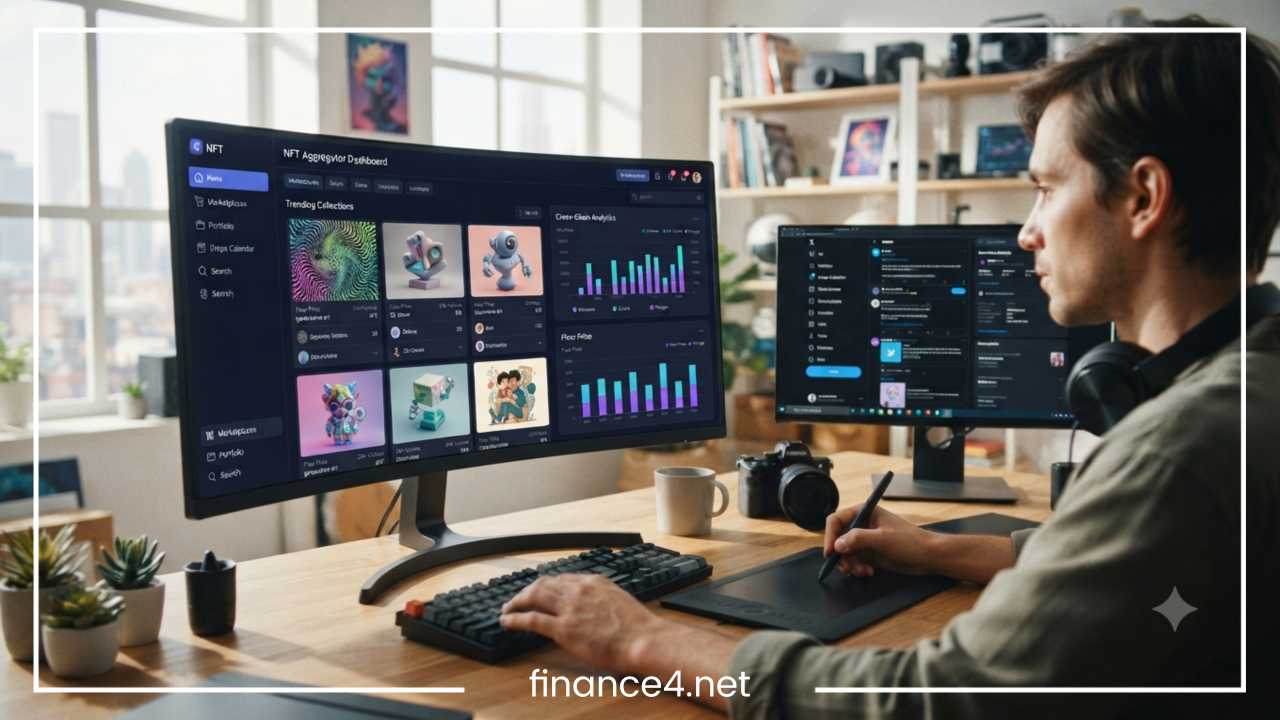
NFT Aggregator Marketing Tips for Indie Artists
Entering the digital art ecosystem as an independent creator often feels like shouting into a digital void. With millions of minted items and thousands of active collections competing for attention, discoverability remains the single greatest barrier to success. Traditional Web3 marketing advice usually tells artists to launch a collection, set up a social media profile, and hope for organic traffic to roll in. Unfortunately, decentralized platforms rarely push new creators to the front page without capital or preexisting clout. This is where understanding and leveraging NFT aggregators changes the entire equation for independent creators.
An NFT aggregator is a specialized tool or platform that pulls listings, floor prices, and collection data from multiple independent marketplaces into a single, unified interface. Instead of forcing buyers to browse individual storefronts one by one, aggregators allow collectors to search, compare, and purchase assets across different chains and platforms from one unified screen. For indie artists, this means your work can be discovered by active buyers who may never have visited your native marketplace profile. Throughout this comprehensive guide, you will learn how NFT aggregators function, why they are essential for modern web3 marketing, how to optimize your metadata and branding, and how to execute targeted promotional campaigns that turn casual browsers into loyal collectors.
What Is In An NFT Aggregator?
Definition
To market effectively on aggregators, you must first understand how they differ from traditional NFT marketplaces. A marketplace like OpenSea or Magic Eden acts as a standalone storefront where creators mint, list, and sell items directly on their proprietary platform. An NFT aggregator, by contrast, operates as a search engine and meta-market layer. It does not host its own native smart contracts for minting in the traditional sense; instead, it scrapes, indexes, and aggregates liquidity pools and order books from dozens of underlying marketplaces simultaneously.
Popular examples of NFT aggregators include Blur, Tensor for the Solana ecosystem, and historic platforms like Gem (which later integrated into OpenSea Pro). These platforms provide advanced trading tools, sweeping capabilities, and cross-market analytics that cater to high-volume traders and serious collectors alike.
How NFT Aggregators Work
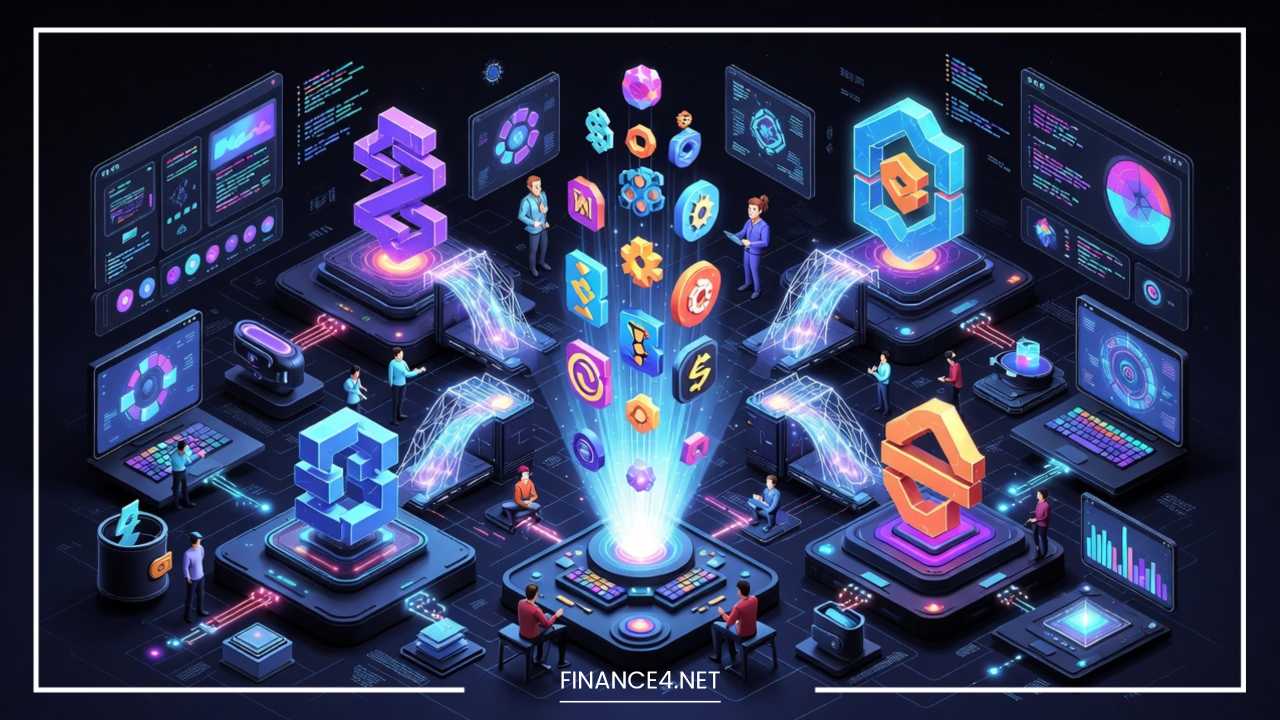
Behind the user-facing interface, aggregators rely on sophisticated indexing protocols to track real-time blockchain data. They index entire collections by scanning smart contracts across multiple networks, reading metadata, and mapping out every single token ID. Cross-market search algorithms then compile these findings so that when a collector searches for a specific keyword, theme, or creator name, the aggregator displays listings regardless of whether they were originally posted on a niche platform or a major exchange.
Furthermore, aggregators track floor prices, historical trading volume, collection analytics, and multi-chain support. They calculate the lowest available price for any given asset across all connected marketplaces. If your piece is listed on multiple platforms, the aggregator highlights the most competitive listing, optimizing the path to purchase for prospective buyers.
Benefits for Independent Artists
Independent artists gain massive advantages by aligning their distribution strategy with aggregators. The primary benefit is exponential exposure. Because aggregators pool traffic from multiple ecosystems, your art is put in front of high-intent buyers who use aggregator tools to scan the entire market daily. This makes discovery far more organic. Instead of relying solely on your personal social media reach, you benefit from the built-in traffic of users who visit aggregators specifically to find undervalued art, trending collections, and hidden gems. This structural visibility dramatically increases your market credibility.
Why NFT Aggregators Matter More Than Ever
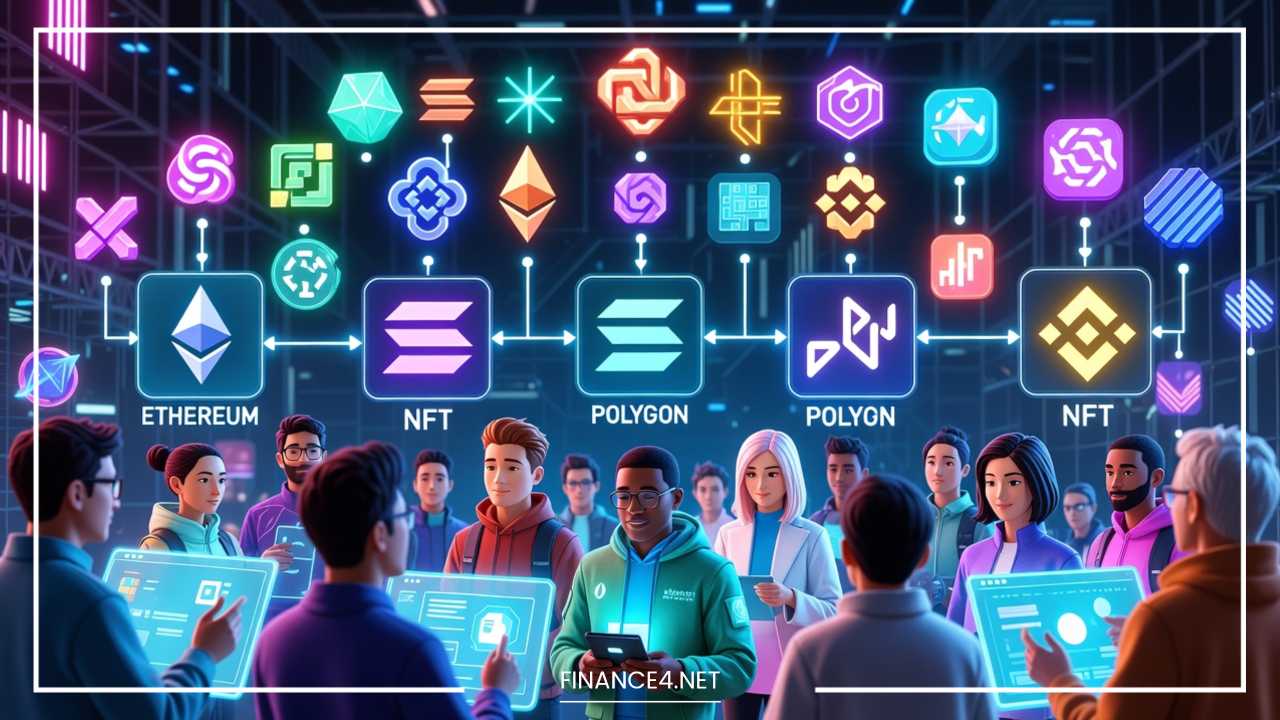
The digital asset landscape is heavily saturated. Thousands of new collections debut every week, making marketplace congestion a severe hurdle for indie creators. At the same time, the Web3 ecosystem has evolved into a multi-chain reality, with collectors spreading their capital across Ethereum, Solana, Polygon, and various Layer-2 scaling solutions. Navigating this fragmented landscape means buyers rarely stick to just one marketplace. Instead, modern collectors use aggregators to compare listings, fees, and rarity ranks before making a purchase.
This shift in buyer behavior reduces an artist’s dangerous dependence on a single marketplace. If a single marketplace experiences technical downtime, changes its fee structure, or buries your collection under algorithmic updates, your sales pipeline could completely freeze. Aggregators decouple your visibility from any single storefront. Because aggregators pull your listings automatically from wherever they are hosted, you secure increased visibility without incurring extra listing fees. Market statistics reflect this massive shift, with the global NFT market scaling into tens of billions of dollars, and cross-chain adoption accounting for a substantial percentage of total transaction volume. Understanding that buyers shop globally rather than locally is the foundation of modern NFT marketing for artists.
Choose the Right NFT Aggregators
Targeting the correct aggregator depends heavily on your blockchain of choice, target audience, and style of art.
OpenSea Aggregation
OpenSea Pro (formerly Gem) serves as a powerhouse aggregator for Ethereum-based assets. It appeals heavily to retail collectors and blue-chip investors. Its strengths lie in advanced portfolio management, sweep-to-buy features, and massive native user traffic. If you create high-end digital art or profile-picture collections on Ethereum, ensuring your work is cleanly indexed here is vital.
Magic Eden
While historically known as a dominant Solana marketplace, Magic Eden expanded into a robust cross-chain aggregator supporting Bitcoin Ordinals, Ethereum, and Polygon. It features user-friendly interfaces and active community rewards. It is an exceptional choice for multi-disciplinary indie artists launching cross-chain drops.
Blur
Blur revolutionized the aggregator space by targeting professional traders with lightning-fast execution, portfolio analytics, and zero marketplace fees. While its culture leans heavily toward financialized trading, indie artists benefit immensely when collectors use Blur’s sophisticated sweep and bidding tools to acquire pieces from emerging collections in bulk.
Tensor (Solana)
Tensor has established itself as the leading aggregator and marketplace for the Solana ecosystem. It offers pro-trading terminals, real-time data feeds, and deep liquidity. For indie artists working on Solana due to its low transaction costs, optimizing for Tensor is non-negotiable.
Reservoir-Powered Platforms
Reservoir provides open-source liquidity infrastructure that allows developers to build custom NFT aggregators and marketplaces easily. Many niche art platforms now plug into Reservoir protocol feeds, meaning your art can be pulled into specialized boutique storefronts automatically if your underlying smart contracts are formatted correctly.
Optimize Your NFT Metadata
Aggregators rely entirely on data to categorize, rank, and present your art to prospective buyers. If your metadata is messy or incomplete, search engines and aggregators will bypass your work entirely. Treating your metadata with strict SEO principles ensures your art surfaces when collectors search for specific terms.
-
Collection Title: Keep it clear, memorable, and reflective of your artistic style.
-
NFT Names: Avoid generic labels like Artwork #1. Use descriptive, evocative titles that incorporate searchable keywords.
-
Descriptions: Write rich, keyword-optimized paragraphs detailing the concept, medium, and inspiration behind the piece.
-
Traits and Attributes: Utilize detailed traits (such as color palette, mood, subject matter, and technique). Aggregators use traits to power filtering systems.
-
Categories: Assign your work to accurate categories like digital painting, generative art, or photography.
-
Royalties: Set transparent, sustainable creator earnings that comply with marketplace standards.
-
Creator Profile: Link a verified, fully fleshed-out creator profile with an artist statement.
-
External Links: Embed clean links pointing to your official personal website and verified social channels to establish absolute trust and authenticity.
Create a Strong Artist Brand
Before collectors buy art from an aggregator, they click through to research the creator behind the token. Building a cohesive, professional artist brand establishes immediate authority in the Web3 space.
Your visual identity should remain consistent across every platform. Use the same high-resolution profile image, banner art, and bio structure everywhere you appear. Your bio should succinctly explain who you are, what medium you work in, and what makes your artistic vision unique. Ensure all your links are verified to protect your collectors from impersonators and phishing scams. Maintain an easily accessible portfolio that showcases your professional background, past exhibitions, or previous digital drops. Community trust is built through consistency and transparency; when a collector sees a polished, professional brand on an aggregator, they feel secure investing in your long-term career.
Optimize Collections for Discovery
Aggregators use text-matching and attribute-filtering to serve search results to users. Optimizing your collection layout directly influences how frequently you appear in those crucial search queries.
Start with your collection naming convention. Ensure the name includes searchable terms related to your niche, such as surrealist digital art or cyberpunk photography. Craft a comprehensive collection description that weaves in terms like Web3 marketing for creators and NFT promotion strategies naturally.
Pay close attention to trait rarity and attribute consistency. If your traits are misspelled or formatted inconsistently (e.g., writing “Blue” on one token and “blue” on another), the aggregator’s filtering system will fragment your collection statistics. Furthermore, prioritize file quality. Upload crisp, high-resolution preview images, and consider incorporating smooth animated previews or looping video files if your medium allows. Clean, high-performance visual assets load faster on aggregator search pages, capturing the user’s attention instantly.
Use Social Media to Drive Aggregator Traffic
Social media platforms act as the megaphone that drives external traffic directly to your aggregator listing pages.
X (Twitter)
X remains the heartbeat of the NFT community. Use it to share behind-the-scenes process videos, teaser posts, and real-time countdowns for your upcoming drops. Pin a direct link to your aggregator collection page at the top of your profile so interested buyers can find your work instantly. Host or participate in audio spaces and live sessions to discuss your creative process.
Discord
While Discord is primarily for community retention, sharing direct drop announcements in your server with links to multi-market aggregators gives your core supporters seamless buying options.
Instagram and TikTok
Visual platforms are unmatched for indie artists. Post short-form video content documenting your creative journey, digital brush strokes, or physical-to-digital transition workflows. Use relevant web3 hashtags to capture organic discovery outside the crypto-native bubble.
Reddit and Farcaster
Engage in decentralized social networks and niche subreddits by sharing value-driven content, answering questions about your artistic niche, and subtly linking your aggregator profile when relevant.
Build a Community Before Selling NFTs
Relying entirely on cold traffic from aggregators is an uphill battle. Cultivating an engaged, tight-knit community before launching your collection creates immediate day-one momentum that algorithms notice.
Establish a central hub such as a Discord server or a Telegram channel where collectors can hang out, discuss art, and receive alpha updates. Launch a dedicated email newsletter to maintain a direct line of communication that cannot be disrupted by social media algorithm changes. Create waitlists, set up an exclusive collectors club, and host regular Ask-Me-Anything sessions to deepen your connection with early supporters. When you build anticipation through exclusive previews and whitelists, your community will rush to aggregators the moment your collection goes live, driving up your initial trading volume and triggering algorithmic trending status.
Collaborate with Other NFT Creators
Collaboration is one of the fastest growth hacks available to indie artists. By pooling audiences with fellow creators, you instantly cross-pollinate your collector bases.
Consider organizing joint drops where you and another artist release a cohesive mini-collection together. Execute artist swaps, feature guest pieces in your virtual galleries, or host shared live spaces on social media. Cross-promotions and collaborative giveaways expose your work to an entirely new set of collectors who already actively buy art within your niche. When these collaborative pieces hit aggregator search pages, they benefit from the combined promotional muscle of multiple creators.
Leverage Analytics from NFT Aggregators
Aggregators are data goldmines. Learning to read and interpret the metrics provided on these platforms allows you to make data-driven marketing adjustments.
Key metrics to monitor include the collection floor price, total trading volume, unique holder count, sales velocity, listing ratio, and wallet activity. If you notice your sales velocity stalling and your listing ratio creeping too high, it may indicate that your secondary market liquidity is drying up or your pricing needs adjustment. Conversely, if trending rankings spike, lean heavily into social media promotion right away to capitalize on the algorithmic boost. Adjusting your marketing cadence based on real-time aggregator data separates amateur creators from professional digital businesses.
Time NFT Drops Strategically
Timing can make or break an NFT release. Launching blindly during major global holidays, massive industry conferences, or competing blue-chip mega-drops can cause your work to get completely drowned out.
Analyze historical calendar trends to identify optimal days and time zones for your target audience. Generally, mid-week launches (such as Tuesday or Wednesday) often capture strong engagement before weekend distractions pull users away. Build a rigorous pre-launch marketing timeline spanning several weeks. Implement countdown campaigns, teaser schedules, and whitelist phases so that your community is primed and ready to execute the moment the clock strikes zero.
Improve Secondary Market Performance
An artist’s journey does not end when the primary mint sells out. Healthy secondary market activity is what signals to aggregators and major collectors that a collection holds long-term value.
Encourage ongoing collector engagement by offering holder incentives, such as physical print redemptions, airdrops, or access to future digital expansions. Ensure your creator royalties are properly configured so you continue earning passive income every time your work changes hands on secondary markets. Introduce limited editions or seasonal updates to keep your collection dynamic and relevant months or even years after its initial release.
SEO Tips for NFT Artists
While Web3 relies heavily on blockchain infrastructure, traditional search engine optimization still plays a massive role in long-term discoverability. Collectors frequently use Google to research artists before purchasing high-value digital assets.
Build a personal artist website that acts as your central hub. Ensure your site is indexed by Google by writing rich blog content, publishing artist statements, and maintaining clean landing pages for each of your collections. Utilize structured data markup so search engines understand your profile details. Build quality backlinks by getting featured in digital art blogs, Web3 directories, and indie creator roundups. When your personal website ranks high on search engines, it funnels high-intent traffic directly to your aggregator profile links.
Common Marketing Mistakes Indie Artists Should Avoid
Navigating the Web3 landscape involves avoiding several common traps that drain time and capital.
-
Depending on a Single Marketplace: Confining your art to one platform limits your audience reach and leaves you vulnerable to platform-specific shifts.
-
Poor Metadata Descriptions: Skipping detailed descriptions or leaving traits blank makes your collection invisible to aggregator search filters.
-
Neglecting Branding: Inconsistent visuals and empty creator profiles destroy buyer confidence instantly.
-
Buying Fake Followers: Artificially inflating social metrics is easily spotted by savvy collectors and damages your reputation permanently.
-
Overpricing: Setting unrealistic floor prices for an unproven collection halts momentum before it starts.
-
Ignoring Community: Treating Web3 like a traditional art gallery rather than a participatory ecosystem stunts organic growth.
-
Lack of Consistency: Disappearing from public view for months at a time makes collectors hesitant to invest in your long-term career.
AI Tools That Can Help NFT Artists Market Smarter
Artificial intelligence has become an invaluable co-pilot for indie creators looking to streamline their marketing operations without a massive agency budget.
-
AI Writing Assistants: Use AI tools to draft compelling social media captions, refine collection descriptions, and generate email newsletter outlines.
-
Image and Asset Enhancement: Leverage AI upscalers to ensure your visual files meet high-resolution aggregator standards.
-
Social Scheduling Tools: Automate your multi-platform posting schedules to maintain consistent visibility across X, Instagram, and Discord.
-
Analytics and Tracking: Utilize AI-driven sentiment and market tracking tools to monitor community engagement and collection momentum.
-
SEO Optimization Tools: Identify high-performing keywords related to digital art marketing to weave into your personal website and metadata.
Future Trends in NFT Aggregator Marketing
The digital asset space continues to evolve rapidly. Staying ahead of emerging trends ensures your marketing strategy remains cutting-edge.
Future developments in aggregator technology point toward AI-powered discovery engines that provide hyper-personalized art recommendations based on a collector’s wallet history and aesthetic preferences. Cross-chain search functionality will become completely seamless, allowing users to buy multi-chain assets in a single transaction. We will also see the rise of token-gated marketing campaigns deployed directly through aggregator interfaces, where exclusive discounts or hidden drops are unlocked only for verified holders of specific artist passes. Creators who adapt early to these decentralized technologies will capture outsized attention in the years ahead.
Final Checklist for NFT Aggregator Success
Review this practical implementation checklist to ensure your marketing strategy covers all essential ground:
-
List and verify your art across multiple top-tier NFT aggregators.
-
Optimize all collection metadata, traits, and keyword descriptions meticulously.
-
Establish a strong, consistent visual artist brand and verified profile links.
-
Build an engaged community via Discord, Telegram, or email newsletters.
-
Promote your drops consistently across social media platforms like X and Instagram.
-
Monitor aggregator analytics, floor prices, and trading volume metrics closely.
-
Collaborate regularly with fellow indie creators to cross-pollinate audiences.
-
Implement holder incentives to stimulate healthy secondary market sales.
-
Keep your personal website optimized for search engines to capture organic web traffic.
-
Stay active and adaptable across evolving multi-chain ecosystems.
Frequently Asked Questions
What is the best NFT aggregator for independent digital artists?
The ideal platform depends entirely on your chosen blockchain and target audience. Ethereum-focused creators often prioritize OpenSea Pro and Blur for deep liquidity and advanced trading tools, while Solana artists lean heavily toward Tensor and Magic Eden. Utilizing multi-chain aggregators ensures your digital art is visible to collectors browsing across different networks simultaneously.
How do NFT aggregators improve collection discoverability?
Aggregators pull live listings, floor prices, and metadata from multiple marketplaces into a single unified search engine. Instead of forcing buyers to browse individual storefronts manually, aggregators use cross-market indexing and attribute filters, allowing organic buyers to discover your work while searching for specific keywords or artistic traits.
How can indie artists optimize NFT metadata for search engines?
Effective optimization requires crafting descriptive collection titles, keyword-rich asset descriptions, and structured trait attributes like color palette and medium. When your metadata is properly formatted and categorized, aggregator search algorithms and traditional search engines can accurately index your work and serve it to relevant buyers.
Do NFT aggregators charge extra listing fees for creators?
No, aggregators do not typically charge extra listing fees. Because they operate as meta-market layers that scrape and index existing smart contracts, your art is displayed across multiple platforms concurrently without incurring additional upfront listing costs.
Why is cross-chain NFT marketing important for creators?
The modern Web3 ecosystem is decentralized across multiple networks, including Ethereum, Solana, Polygon, and various Layer-two solutions. Collectors frequently move capital between chains, meaning cross-chain NFT marketing ensures your art reaches a broader pool of buyers rather than being restricted to a single marketplace ecosystem.
What are the best Web3 marketing strategies for digital creators?
Successful promotion involves a blend of community building on platforms like Discord and Telegram, consistent social media storytelling on X and Instagram, strategic drop timing, and collaborative projects with fellow creators. Combining these efforts with aggregator optimization maximizes both primary sales and secondary market liquidity.