Best NFT Launchpads for Creators
 by
by 
Best NFT Launchpads for Creators: Top 10 Platforms
The digital art revolution has fundamentally altered how creators interact with their audience, turning the concept of ownership into a verifiable, programmable asset. At the heart of this transformation lies the NFT launchpad. An NFT launchpad is a specialized platform designed to help artists, developers, and brands release their digital collections to the public. Unlike a standard secondary marketplace where items are simply listed for resale, a launchpad focuses on the primary issuance—the “minting” event where a digital file officially becomes a token on the blockchain.
Creators use launchpads because they bridge the gap between technical complexity and creative vision. Launching an NFT project requires more than just high-quality art; it demands smart contract development, secure minting infrastructure, and a robust marketing strategy. Launchpads simplify these hurdles by providing no-code minting tools, whitelisting systems to reward early supporters, and immediate exposure to a built-in community of collectors.
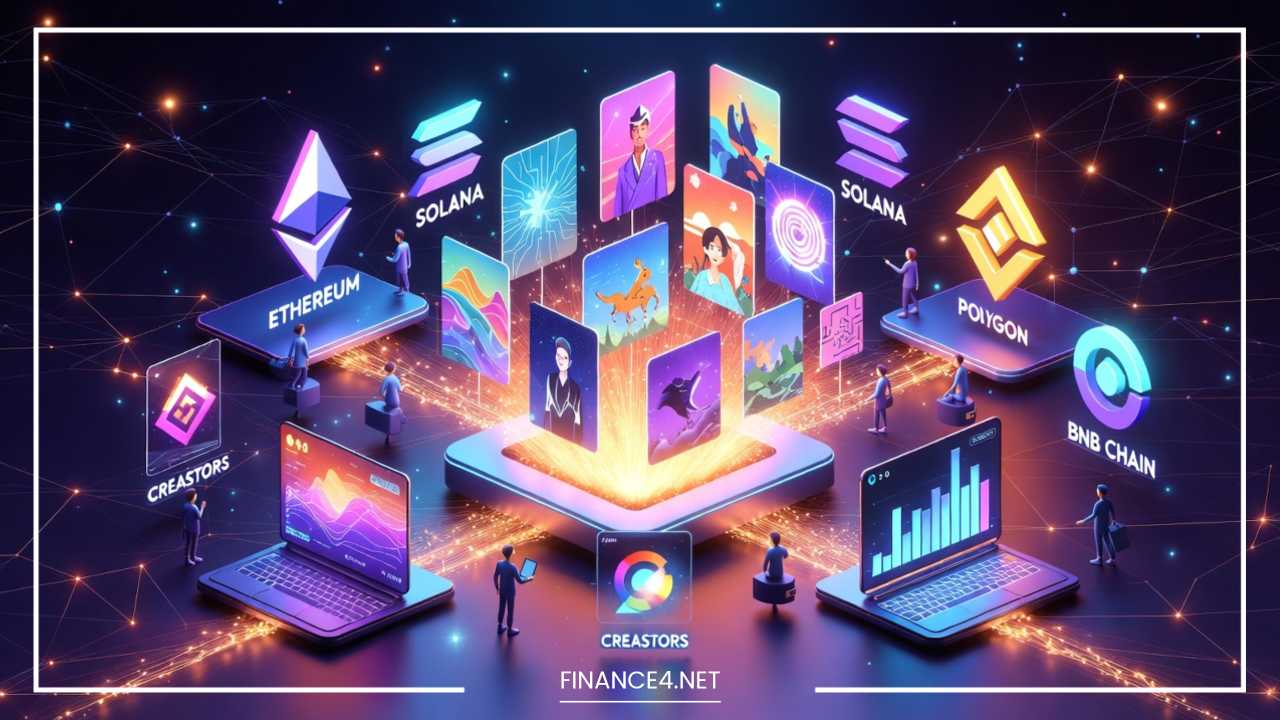
As the industry matures, we have seen the growth of multi-chain NFT ecosystems. Creators are no longer restricted to a single network; they now strategically choose platforms based on specific technical and economic needs. Modern creators prioritize low transaction fees to ensure their work remains accessible, reliable creator royalties to sustain their careers, and cross-chain support to reach a global audience. Security and community exposure have also become non-negotiable. What began as simple minting sites have evolved into complete creator ecosystems, offering everything from advanced analytics to integrated social features, ensuring that the journey from concept to a successful collection is as seamless as possible.
What Is an NFT Launchpad?
To understand the value of a launchpad, it is essential to distinguish it from other platforms in the Web3 space. While an NFT marketplace like a traditional gallery is a place where buyers and sellers trade existing assets, an NFT launchpad is the incubator or the “factory” where those assets are born. It is different from a crypto IDO (Initial DEX Offering) launchpad, which primarily focuses on launching fungible utility tokens for decentralized finance projects. An NFT launchpad is purpose-built for non-fungible assets, emphasizing visual presentation, rarity traits, and artistic community engagement.
When a creator uses a launchpad, they are guided through the process of launching an NFT collection from the ground up. This typically involves deploying a smart contract—the self-executing code that governs the NFT’s behavior, ownership, and royalty distributions. Launchpads also provide whitelisting systems, allowing creators to reserve minting slots for loyal fans or early community members. This is often followed by distinct public and private mint phases, where the community can purchase the NFTs directly from the source. By providing the technical backbone and marketing visibility, launchpads allow creators to focus on their craft while the platform handles the logistical heavy lifting of the blockchain.
How NFT Launchpads Work
The journey on an NFT launchpad follows a structured path designed to maximize the project’s chances of success. It begins with the creator application or onboarding process. Because many top-tier launchpads are curated, creators must often submit their portfolio, project roadmap, and team details for review. Once approved, the setup phase involves uploading assets—images, videos, or 3D models—and defining the metadata that gives each NFT its unique properties and rarity.
Next comes the smart contract deployment. The launchpad provides a secure, audited contract template that the creator customizes with their total supply and price points. The climax of this process is the NFT minting event, where the “drop” goes live. During this phase, collectors connect their wallets to the platform and pay a mint price plus a network fee to claim an NFT. These primary sales go directly to the creator’s wallet (minus any platform fees). Following the mint, the collection is automatically listed on the integrated marketplace for secondary trading. From this point forward, the creator continues to earn royalties from every subsequent sale, providing a long-term revenue stream that was historically impossible in the traditional art world.
Key Features to Look for in an NFT Launchpad
Selecting the right platform is a strategic decision that affects the cost, reach, and longevity of a project. Here are the critical factors creators must evaluate.
Blockchain Support
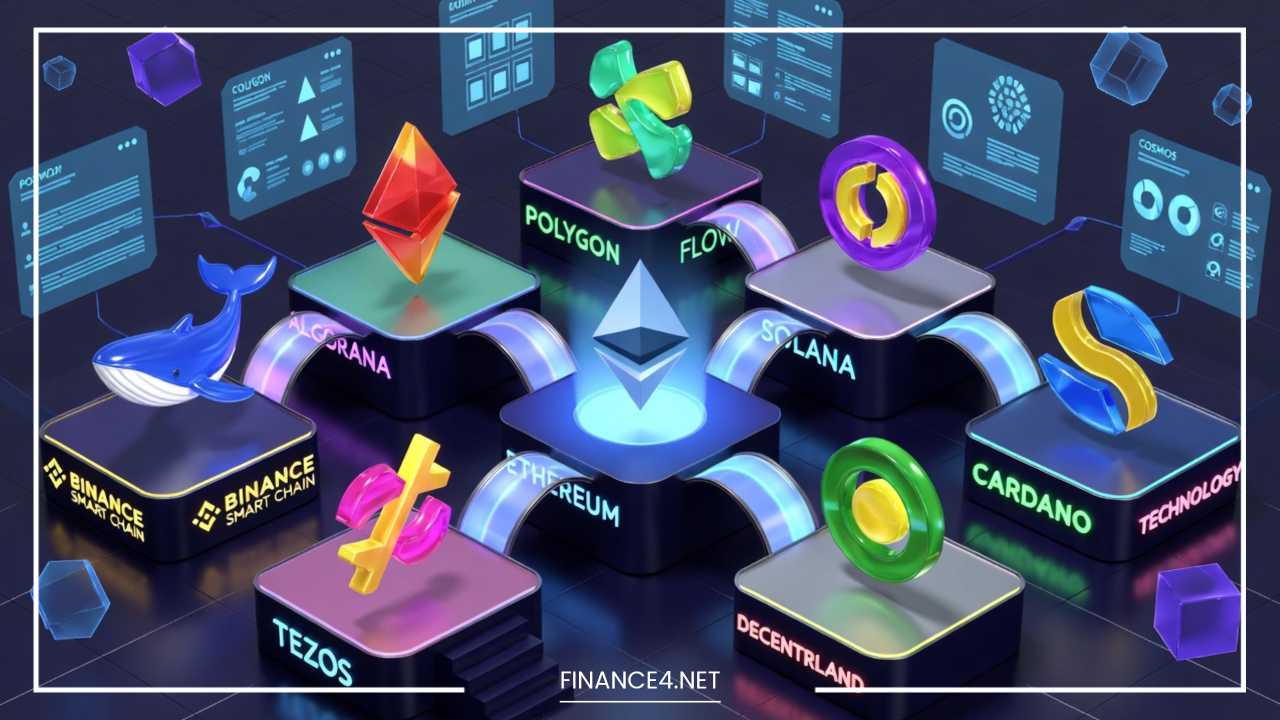
The underlying blockchain dictates the “neighborhood” your NFTs live in. High-liquidity networks like Ethereum remain the standard for high-value art, while Solana and Polygon offer high speed and significantly lower costs. Newer frontiers like Bitcoin Ordinals have introduced a unique way to inscribe data directly onto the Bitcoin network, while Base and BNB Chain provide massive ecosystems for retail-oriented projects.
Creator Fees
Creators must balance their budget against the platform’s costs. This includes minting costs (the price to put the NFT on the chain), platform commissions (usually a percentage of the primary sale), and gas fees. Some platforms offer “lazy minting,” which shifts the cost of creation from the artist to the first buyer.
Audience and Liquidity
A launchpad is only as good as the eyes it can put on your art. High marketplace traffic and an existing collector community are vital. Creators should look for platforms that offer featured sections, newsletter inclusions, or social media promotion to boost visibility for new collections.
Creator Tools
Modern launchpads should provide more than just a “mint” button. Advanced analytics dashboards help creators track sales and floor prices in real-time. Whitelist management tools are essential for community building, and flexible royalty settings ensure the artist is compensated fairly for secondary sales.
Security
In a space prone to bad actors, security is paramount. A reputable launchpad should have its smart contracts audited by third-party firms. They should also offer anti-bot protection to ensure fair minting experiences and scam prevention measures to protect both creators and collectors.
Ease of Use
Not every artist is a coder. No-code minting interfaces are essential for accessibility. The platform should offer seamless wallet integration and a beginner-friendly interface that guides the creator through the technical steps without requiring deep blockchain knowledge.
Top 10 Best NFT Launchpads for Creators
Magic Eden
Magic Eden began as the dominant force on the Solana blockchain but has since expanded into a formidable multi-chain ecosystem. It is widely recognized for its high-performance Launchpad that offers end-to-end support for creators, including dedicated minting pages and marketing assistance.
-
Supported Blockchains: Solana, Bitcoin (Ordinals), Ethereum, Polygon, and Base.
-
Best Features: The Creator Hub provides a comprehensive suite of tools for project management. Its Bitcoin Ordinals integration is currently one of the most user-friendly in the industry.
-
Pros: Massive liquidity, exceptionally low fees on Solana, and a very active community of PFP and gaming collectors.
-
Cons: Highly competitive curation process for the official launchpad.
-
Best For: Creators looking for high-speed, low-fee environments or those wanting to explore the burgeoning Bitcoin Ordinals market.
OpenSea
As the pioneer of the NFT space, OpenSea remains the largest and most recognized marketplace. While it functions primarily as a secondary market, its “Studio” feature serves as a powerful launchpad for creators who want the widest possible reach.
-
Supported Blockchains: Ethereum, Polygon, Solana, Klaytn, Arbitrum, Optimism, and Base.
-
Best Features: Lazy minting allows creators to list NFTs without paying upfront gas fees. The platform’s reach is unparalleled, often serving as the first stop for new collectors.
-
Pros: Extremely easy to use, supports almost every major chain, and requires no technical coding knowledge.
-
Cons: The sheer volume of projects makes it very difficult for new creators to get noticed without independent marketing.
-
Best For: Beginners who want a simple, cost-effective way to get started and tap into a massive global audience.
Rarible
Rarible is a community-centric platform that prides itself on decentralization and creator empowerment. It offers a unique “Multi-chain” approach and allows creators to build their own custom storefronts to maintain brand identity.
-
Supported Blockchains: Ethereum, Polygon, Tezos, and Immutable X.
-
Best Features: The ability to create a “Community Marketplace” specifically for your own collection, which helps in retaining a cohesive brand experience.
-
Pros: Strong commitment to honoring creator royalties and a decentralized governance model (RARI DAO).
-
Cons: Lower overall trading volume compared to giants like OpenSea.
-
Best For: Independent creators and brands who want to maintain their own unique aesthetic and storefront.
Binance NFT
Leveraging the massive user base of the world’s largest cryptocurrency exchange, Binance NFT offers a launchpad that brings mainstream accessibility to the digital asset space. It is deeply integrated into the Binance ecosystem.
-
Supported Blockchains: BNB Chain, Ethereum, and Polygon.
-
Best Features: The platform provides high liquidity and immediate access to millions of Binance users. It often features high-profile “Premium” drops.
-
Pros: Low transaction fees on the BNB Chain and a familiar, centralized exchange interface that lowers the barrier to entry for non-crypto natives.
-
Cons: More centralized than other platforms, which may not appeal to Web3 purists.
-
Best For: Creators looking for massive marketing exposure and a simplified experience for their collectors.
SuperRare
SuperRare positions itself as the premier destination for high-end digital art. It operates more like a curated fine-art gallery than a massive open marketplace, focusing on “1-of-1” editions rather than large generative collections.
-
Supported Blockchains: Ethereum.
-
Best Features: A highly selective onboarding process that ensures only top-tier artistic talent is featured on the platform.
-
Pros: High-value collectors, premium branding, and a strong focus on the artistic merit of the work.
-
Cons: Very difficult to get accepted; the application process is rigorous and exclusive.
-
Best For: Professional digital artists and fine artists looking to sell high-value, single-edition pieces.
Foundation
Foundation is another artist-focused platform that emphasizes the “creative economy.” It uses a unique social-driven model where artists often need an invitation from an existing member to join, creating a sense of community-led curation.
-
Supported Blockchains: Ethereum and Base.
-
Best Features: A sleek, minimalist user interface that puts the art front and center. It offers “Worlds” which allow curators to organize and promote specific groups of artists.
-
Pros: High engagement from a dedicated community of art enthusiasts and a very polished, professional brand image.
-
Cons: High gas fees due to its primary focus on Ethereum (though Base support helps mitigate this).
-
Best For: Artists who value exclusivity, aesthetic presentation, and community networking.
NFTb
NFTb is a specialized launchpad and marketplace built primarily for the BNB Chain ecosystem. It focuses on providing a full-stack solution for creators, including DeFi features and social tools.
-
Supported Blockchains: BNB Chain, Polygon, and Ethereum.
-
Best Features: The NFTb “Earn” feature allows for DeFi integrations, and the platform offers grants to help promising creators get their projects off the ground.
-
Pros: Very low minting and transaction fees, making it accessible for smaller-scale projects.
-
Cons: Smaller community compared to Ethereum-based platforms.
-
Best For: Small to mid-sized creators and developers looking for a supportive ecosystem with low entry costs.
Seedify
Seedify is a leading incubator and launchpad specifically focused on the gaming (GameFi) and metaverse sectors. It helps projects not just with minting, but with the entire lifecycle of a blockchain game.
-
Supported Blockchains: Multi-chain (primarily BNB Chain, Polygon, and Ethereum).
-
Best Features: Offers an “Initial Game Offering” (IGO) model that helps gaming projects raise funds and distribute assets to a targeted audience of gamers.
-
Pros: Provides deep industry expertise in gaming mechanics, tokenomics, and community building.
-
Cons: Not suitable for traditional digital art or PFP collections; strictly focused on gaming utility.
-
Best For: Game developers and creators building assets for the metaverse or play-to-earn games.
Enjinstarter
Enjinstarter is another heavy hitter in the gaming and metaverse niche. Built on the Enjin ecosystem, it focuses on utility-driven NFTs and helping Web3 startups build sustainable project foundations.
-
Supported Blockchains: Enjin (Efinity), Ethereum, BNB Chain, and Polygon.
-
Best Features: Strong focus on “carbon-neutral” NFTs and deep integration with Enjin’s powerful suite of development tools.
-
Pros: Excellent support for project acceleration and a community that understands the nuances of gaming utility.
-
Cons: The niche focus means it is less effective for pure art or photography.
-
Best For: Web3 startups and gaming creators who want to build complex, utility-rich NFT ecosystems.
GameFi NFT Launchpad
GameFi serves as a comprehensive hub for blockchain gamers and developers. Its NFT launchpad is designed to facilitate the fundraising and distribution of in-game assets and virtual land.
-
Supported Blockchains: BNB Chain, Polygon, Ethereum, and Avalanche.
-
Best Features: Integrated marketplace and “Yield” features that allow users to earn rewards on their gaming assets.
-
Pros: Access to a highly targeted demographic of active blockchain gamers and investors.
-
Cons: High barriers to entry for projects that do not have a clear gaming or utility roadmap.
-
Best For: Creators and studios focusing on play-to-earn assets and virtual real estate.
Comparison Table
| Platform | Supported Chains | Best For | Fees | Curation | Marketplace Access |
| Magic Eden | Solana, BTC, ETH | Cross-chain / Solana | Low | Curated & Open | Integrated |
| OpenSea | ETH, Poly, Base, SOL | Beginners | Mid | Open | Integrated |
| Rarible | ETH, Poly, Tezos | Custom Storefronts | Mid | Open | Integrated |
| Binance NFT | BNB, ETH, Poly | Mass Market | Low | Curated | Integrated |
| SuperRare | Ethereum | Fine Art | High | Highly Curated | Integrated |
| Foundation | ETH, Base | Artist Community | High | Invitation-based | Integrated |
| NFTb | BNB, Poly, ETH | Low Cost / DeFi | Low | Curated | Integrated |
| Seedify | Multi-chain | Gaming / IGOs | Varies | Highly Curated | External/Partner |
| Enjinstarter | Enjin, ETH, BNB | Metaverse Utility | Varies | Curated | Integrated |
| GameFi | BNB, Poly, ETH | P2E Assets | Varies | Curated | Integrated |
Best NFT Launchpads by Creator Type
Choosing a launchpad is much like choosing a neighborhood; you want to be where your peers and potential buyers are already spending their time.
Best for Beginners
For those just starting, OpenSea and Rarible are the clear winners. They offer “no-code” tools that allow you to create a collection in minutes without touching a single line of code. Their interfaces are intuitive, and they offer extensive documentation to help you navigate your first drop.
Best for Artists
If your focus is on the prestige and the “gallery” feel, SuperRare and Foundation are the industry standards. These platforms are designed to elevate the art, providing a clean, distraction-free environment that appeals to high-net-worth collectors who view NFTs as digital fine art.
Best for Gaming NFTs
The gaming sector requires specific technical needs, such as asset utility and tokenomics. Seedify and Enjinstarter are built specifically for this. They don’t just host your NFTs; they help you integrate them into a broader gaming economy.
Best for Solana Creators
Magic Eden remains the undisputed king of the Solana ecosystem. If you want to take advantage of Solana’s lightning-fast speeds and culture of high-energy PFP drops, this is your primary destination.
Best for Low Fees
For creators on a budget, NFTb and Binance NFT (via the BNB Chain) offer the most economical path. These platforms allow you to launch collections with minimal overhead, ensuring that more of the sale price stays in your pocket.
Common Challenges NFT Creators Face
Despite the tools available, the path of an NFT creator is filled with hurdles. High gas fees on networks like Ethereum can eat into profits, especially for lower-priced items. Furthermore, the market is increasingly oversaturated. With thousands of new NFTs minted every day, standing out requires more than just good art; it requires a unique hook and relentless self-promotion.
Visibility is perhaps the greatest challenge. Most launchpads will give you a “featured” slot for a few hours at most, after which you are responsible for driving your own traffic. There are also smart contract risks; if a contract is poorly written, it can be exploited, leading to lost funds or stolen assets. Additionally, the uncertainty surrounding secondary royalties—as some marketplaces make them optional—remains a major concern for creators looking for long-term sustainability. Building a genuine community from scratch is a full-time job that involves managing social media, Discord servers, and constant engagement.
Tips for Choosing the Right NFT Launchpad
To make the best decision for your project, start by matching the blockchain with your target audience. If your collectors are primarily crypto-rich Ethereum users, don’t force them to switch to a different chain. Conversely, if you are targeting a younger, more retail-oriented audience, a low-fee chain like Polygon or Solana is a must.
Always compare creator royalties across platforms. Look for launchpads that have a track record of enforcing royalties or providing tools to help you bake them into the contract. Evaluate the marketplace traffic—high volume means more potential buyers. Research the reputation of the launchpad; look for past successful drops and see how the platform handled technical issues or community disputes. Finally, analyze the minting costs and support tools provided. A platform that offers free marketing support might be worth a slightly higher commission than one that leaves you to fend for yourself.
Future of NFT Launchpads
The landscape of NFT launchpads is evolving rapidly. We are seeing a move toward more interactive and utility-rich assets. AI-generated NFTs are becoming more sophisticated, allowing for dynamic art that changes based on external data. The rise of Bitcoin Ordinals has proven that there is a massive appetite for “immutable” on-chain data on the world’s oldest blockchain.
Cross-chain NFT launches will likely become the norm, allowing creators to reach audiences on multiple networks simultaneously through a single portal. We are also seeing the growth of real-world asset (RWA) tokenization, where launchpads are used to drop NFTs that represent ownership of physical items like real estate, watches, or fine wine. As social and community integrations become deeper, launchpads will function more like social networks, where the act of owning an NFT is the entry key to a much larger, interactive experience.
Final Thoughts
There is no single “best” NFT launchpad that fits every creator. The right choice depends entirely on your specific goals, the nature of your art, and the budget of your target audience. While giants like OpenSea offer incredible reach, niche platforms like SuperRare or Seedify offer the specialized community and tools needed for specific genres.
For most creators, the best approach is to start small. Test your concept with a limited release on a user-friendly platform before committing to a massive, high-stakes drop on a curated launchpad. Focus on building a long-term community rather than chasing short-term hype. The technology is simply a tool; the value of your work will always come from the creativity and the connection you build with your supporters. In the ever-changing world of Web3, the most successful creators are those who stay adaptable, informed, and consistently put their community first.
Frequently Asked Questions About NFT Launchpads
What is the best NFT launchpad for creators with no coding experience?
For creators without technical backgrounds, OpenSea Studio and Rarible are the top choices. These platforms offer a “no-code” environment where you can simply upload your digital files, fill out a form with your collection details, and launch a smart contract automatically. They handle all the backend blockchain interactions, making it as easy as setting up a standard social media profile.
How do I choose between a curated and a permissionless NFT launchpad?
The choice depends on your project’s goals and your current following. A curated launchpad (like SuperRare or Magic Eden’s official launchpad) offers prestige and built-in marketing support but has a high barrier to entry and takes a larger commission. A permissionless launchpad (like the open sections of OpenSea or Rarible) allows anyone to mint immediately, giving you full control but requiring you to handle 100% of the marketing and community building yourself.
What are the typical fees for launching an NFT collection?
Launchpad fees generally fall into three categories: minting fees (network gas costs), platform commissions (usually 2.5% to 5% of primary sales), and listing fees. Some platforms offer “lazy minting,” which allows you to list your art for free, with the buyer paying the minting cost at the moment of purchase. Always check if the platform takes a cut of your secondary royalties as well.
Which blockchain is best for low-cost NFT minting?
If you want to avoid the high gas fees often associated with Ethereum, Solana, Polygon, and BNB Chain are the best alternatives. These networks offer high-speed transactions for a fraction of a cent. Specifically, Polygon is a popular choice for creators who want to stay within the Ethereum ecosystem while benefiting from the lower costs of a Layer-2 scaling solution.
How do NFT launchpads handle creator royalties?
Most reputable launchpads allow you to set a royalty percentage (typically between 5% and 10%) during the setup of your smart contract. This ensures that every time your NFT is resold on a secondary market, a portion of that sale is automatically sent to your wallet. However, it is important to note that royalty enforcement can vary between marketplaces, so choosing a platform that prioritizes creator earnings is essential.
Can I launch an NFT collection on multiple blockchains?
Yes, many modern creators use cross-chain NFT launchpads to reach a broader audience. Platforms like Magic Eden and Rarible support multiple networks, allowing you to choose the one that fits your specific collection. While an individual NFT usually exists on one chain, you can release different parts of a larger project across various networks to take advantage of different community demographics and fee structures.
What is the difference between an NFT marketplace and an NFT launchpad?
An NFT marketplace is primarily a secondary trading hub where users buy and sell existing NFTs. An NFT launchpad is focused on the “primary drop”—the moment an NFT is first created and sold by the original artist. Most top platforms now offer both services, providing a launchpad for the initial release and an integrated marketplace for subsequent trading.
How do I get my NFT project whitelisted on a major launchpad?
Getting whitelisted usually requires an application process where you demonstrate the uniqueness of your art, the strength of your community (Twitter/X and Discord following), and a clear roadmap for the project’s future. Launchpads look for creators who are active in the Web3 space and have a clear plan for how they will provide value to their collectors over the long term.