Bridging Avalanche to Binance Smart Chain
 by
by 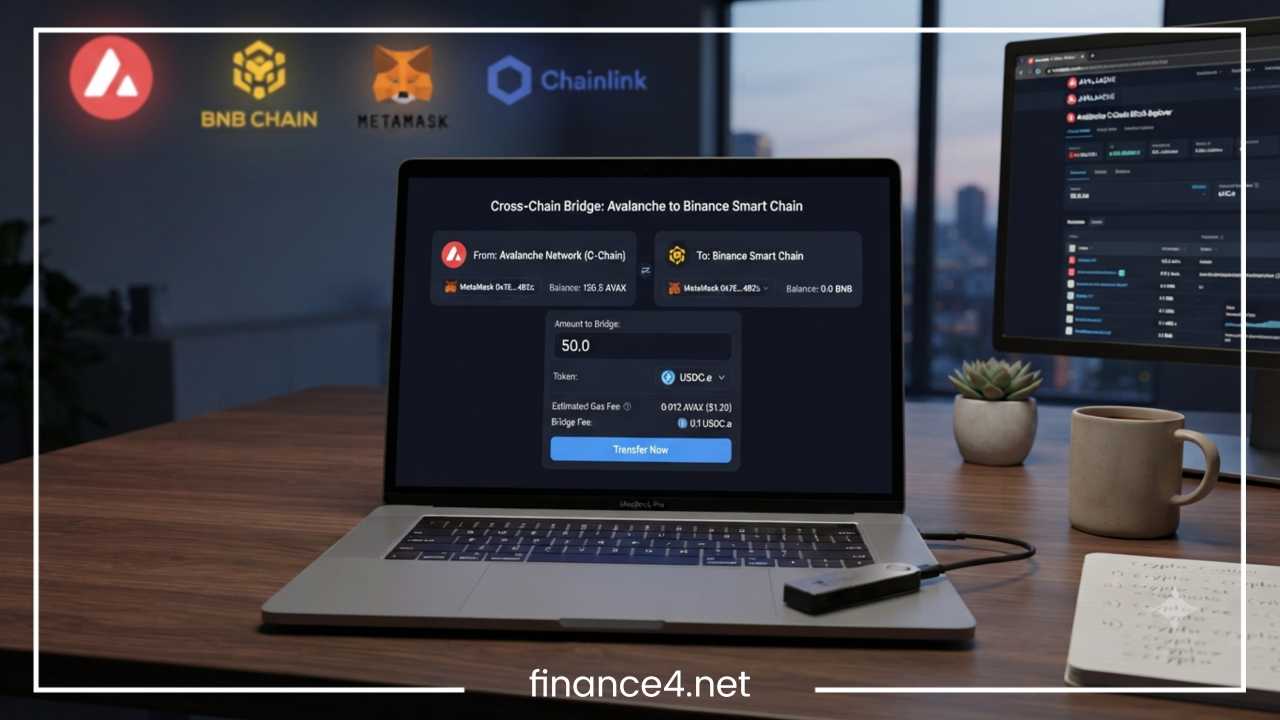
Bridging Avalanche to Binance Smart Chain: Step-by-Step Guide
In the modern landscape of decentralized finance, the ability to navigate across multiple blockchain ecosystems is no longer just an optional skill for advanced traders; it has become a fundamental requirement for anyone looking to maximize yield, access diverse liquidity pools, and utilize specialized decentralized applications. Among the various networks proliferating the cryptocurrency sphere, Avalanche and Binance Smart Chain have emerged as two of the most prominent, high-performance environments. However, because these blockchains operate as independent ledger systems, assets native to one network cannot natively circulate on the other without a specialized mechanism.
This separation creates a structural boundary, isolating capital and users within specific network silos. To overcome this limitation, users rely on blockchain bridges—specialized protocols designed to facilitate the seamless transfer of digital assets across disparate networks. By utilizing these tools, participants can move tokens from Avalanche to Binance Smart Chain, unlocking opportunities to engage with different decentralized financial platforms, lower transaction overheads, and access a wider array of cryptographic assets.
This comprehensive guide will walk you through everything you need to know about bridging assets from Avalanche to Binance Smart Chain. From understanding the underlying technology and preparing your wallet to executing the transfer, managing fees, troubleshooting common errors, and protecting your capital, this resource serves as your complete manual for cross-chain navigation.
Understanding Avalanche and Binance Smart Chain
What Is Avalanche?
Avalanche is a high-throughput, open-source smart contract platform built for decentralized applications, custom blockchain deployments, and complex financial ecosystems. Designed to solve the traditional blockchain trilemma of scalability, security, and decentralization, Avalanche utilizes a revolutionary consensus mechanism that allows it to achieve sub-second transaction finality while supporting thousands of transactions per second.
At the heart of the network is the AVAX token, which serves several vital functions, including securing the network through staking, paying transaction fees, and acting as the fundamental unit of account across Avalanche’s built-in subnets. The network is structured around multiple built-in blockchains, with the Exchange Chain, Platform Chain, and Contract Chain each serving distinct purposes. For the vast majority of decentralized finance users, interactions occur on the Avalanche C-Chain, an instance of the Ethereum Virtual Machine. Because the C-Chain is fully compatible with Ethereum-based tools, smart contracts, and developer environments, it allows applications originally built for Ethereum to run with significantly faster execution speeds and substantially lower fees. This combination of speed, cost-efficiency, and developer familiarity has propelled Avalanche into a top-tier ecosystem for decentralized lending, automated market makers, yield farming, and asset management protocols.
What Is Binance Smart Chain?
Binance Smart Chain, now integrated within the broader BNB Chain ecosystem, is a blockchain network designed to run parallel to Binance Chain. It was built specifically to introduce smart contract functionality and high-speed programmability to the Binance ecosystem. Like Avalanche, Binance Smart Chain is fully compatible with the Ethereum Virtual Machine, allowing developers to port decentralized applications seamlessly from Ethereum and other EVM-compatible networks.
The native utility and gas token of the ecosystem is BNB, which powers every transaction, smart contract execution, and interaction on the network. Binance Smart Chain gained massive popularity due to its extremely low transaction fees and fast block times, which democratized access to decentralized finance for retail traders who might otherwise be priced out by higher-fee networks like Ethereum. The network hosts a thriving ecosystem of decentralized exchanges, yield aggregators, lending markets, prediction markets, and non-fungible token marketplaces. Its massive user base and deep liquidity make it a primary destination for users seeking diverse trading pairs, high-yield farming opportunities, and active community-driven protocols.
Why Bridge Avalanche to Binance Smart Chain?
Transferring assets between Avalanche and Binance Smart Chain opens up numerous strategic advantages for crypto participants. While both networks offer high speeds and low fees compared to legacy chains, each ecosystem hosts unique protocols, proprietary tokens, and specialized yield opportunities that are exclusive to that network.
One of the primary motivations for bridging is to access different decentralized finance platforms. A user might hold assets on Avalanche but wish to deploy them into a specific liquidity pool, staking contract, or lending market available exclusively on Binance Smart Chain. Conversely, traders often look to capitalize on arbitrage opportunities, moving tokens rapidly from one network to another to take advantage of price discrepancies across decentralized exchanges.
Additionally, bridging allows users to optimize their transaction costs and find the most efficient execution environments for specific strategies. By leveraging cross-chain infrastructure, participants are no longer restricted to the liquidity confines of a single blockchain. Instead, they can fluidly maneuver their capital across ecosystems, ensuring their digital assets are always working in the most advantageous environment available.
What Is a Blockchain Bridge?
Definition of Cross-Chain Bridges
A cross-chain bridge is a technological connection that enables the transfer of information and value between two distinct blockchain networks. Because blockchains operate as isolated state machines, they possess no native awareness of external ledgers. An Avalanche node, for example, cannot inherently verify the state of the Binance Smart Chain, and vice versa.
Bridges solve this communication barrier by establishing a secure communication channel and asset transfer mechanism. They allow users to deposit tokens into a smart contract on a source chain and receive an equivalent representation of those tokens on a destination chain. This interoperability is crucial for building a cohesive multi-chain future where liquidity and data flow freely without being trapped within network boundaries.
How Bridges Transfer Assets
To move value across networks, cross-chain bridges typically employ one of two primary architectural models: the lock-and-mint mechanism or the burn-and-release mechanism.
Under the lock-and-mint model, when a user wants to bridge a native asset from Avalanche to Binance Smart Chain, they deposit their original tokens into a secure smart contract on the Avalanche network. Once the deposit is verified, a corresponding amount of wrapped tokens is minted on the Binance Smart Chain. These wrapped tokens represent the locked native assets on a one-to-one basis. When the user wishes to return their assets to Avalanche, the reverse process occurs: the wrapped tokens on Binance Smart Chain are burned, which unlocks the original native tokens on Avalanche, releasing them back to the user’s wallet.
Alternatively, some bridges utilize a liquidity network model, where decentralized pools of assets are maintained on both chains. When a user initiates a transfer, liquidity providers on the destination chain release native tokens from their pool, while the user’s deposited tokens are added to the pool on the source chain. This method often eliminates the need for wrapped tokens, providing users with native asset representations upon arrival.
Smart Contracts, Validators, and Security
Underpinning these transfer mechanisms is a complex architecture of smart contracts, validators, and relayer networks. Smart contracts act as the automated custodians of the bridge, holding funds and executing minting or burning instructions based on verified inputs. Relayers and validators monitor the source chain for user deposits, cryptographically sign off on the validity of the transactions, and submit proofs to the destination chain smart contract.
Because bridges hold substantial amounts of locked capital across multiple networks, they represent high-value targets for malicious actors. The security of a bridge relies entirely on the robustness of its smart contract code, the decentralization of its validator set, and the cryptographic verification methods it employs. Understanding these security dynamics is essential for any user engaging in cross-chain transfers, as vulnerabilities in bridge architecture have historically been targets for exploits.
Things to Prepare Before Bridging Avalanche to Binance Smart Chain
Wallet Setup
Before attempting to bridge any funds, you must ensure your digital wallet is properly configured to interact with both the Avalanche network and Binance Smart Chain. Because both networks are EVM-compatible, you can use popular self-custody wallet providers such as MetaMask, Rabby, or Trust Wallet.
To begin, install your chosen wallet extension or mobile application and complete the initial setup process. This will involve generating a new wallet or importing an existing one using your secret recovery seed phrase. It is imperative that you back up your seed phrase offline on physical paper or a metal backup plate, storing it in a secure location. Never store your seed phrase digitally or share it with anyone.
Once your wallet is active, you must manually add the Avalanche C-Chain network and Binance Smart Chain network parameters if they are not already integrated by default. For Avalanche, this includes inputting the correct RPC URL, chain ID (43114), and symbol (AVAX). For Binance Smart Chain, you will need the BSC mainnet RPC URL, chain ID (56), and symbol (BNB). Having both networks visible in your wallet interface allows you to view your balances and interact with smart contracts on either chain seamlessly.
Required Tokens for Gas Fees
A common mistake made by beginners is transferring all of their funds from one network without keeping a reserve for transaction fees, commonly known as gas. Every blockchain transaction requires a small fee paid to network validators to process and validate the transfer.
When executing a bridge transaction from Avalanche, you must hold a sufficient balance of native AVAX in your wallet to cover the gas fee for initiating the deposit contract. Similarly, once your funds arrive on Binance Smart Chain, you will need a small amount of native BNB in your wallet to pay for future transactions, swaps, or transfers on that network. Always ensure you retain enough native gas tokens on both the source and destination chains to avoid having your funds stranded due to insufficient transaction fees.
Check Token Compatibility
Not all tokens can be bridged across every available cross-chain protocol. Before initiating a transfer, verify that the specific token you wish to move is officially supported by the bridge provider you have selected. Attempting to transfer unsupported assets can result in failed transactions, locked funds, or complicated recovery processes. Furthermore, ensure you are sending tokens to the correct destination network format and address, as cross-chain transactions are irreversible once confirmed by the underlying ledgers.
Verify Bridge Platform
The cryptocurrency space contains numerous fraudulent platforms designed to mimic legitimate services through phishing websites and social engineering. Before interacting with any bridge, ensure you are visiting the official, verified website URL. Double-check domain names, bookmark trusted platforms, and avoid clicking sponsored search engine links that may lead to malicious copycat sites. Taking these precautions protects your wallet from unauthorized access and potential asset theft.
Best Bridges for Avalanche to Binance Smart Chain
Avalanche Bridge
The official Avalanche Bridge was originally developed to facilitate high-speed, secure transfers between the Avalanche network and Ethereum using cryptographic technology designed to ensure robust security. While its primary design focused on Ethereum connectivity, various iterations and ecosystem integrations have expanded cross-chain capabilities. The official bridge utilizes trusted execution environments and relayer networks to ensure high levels of security and reliability for native assets moving in and out of the Avalanche ecosystem. When available for specific asset pairs, it offers a streamlined user experience backed by the core developers of the Avalanche protocol.
Third-Party Cross-Chain Bridges
To connect Avalanche and Binance Smart Chain directly, users frequently rely on robust third-party cross-chain protocols that specialize in multi-chain liquidity and asset routing. Prominent alternatives include platforms like Stargate Finance and Synapse Protocol.
Stargate Finance is a fully composable liquidity transport protocol built on top of LayerZero technology. It allows users to swap native assets natively across different blockchains with guaranteed finality and unified liquidity pools. Stargate is widely favored for bridging stablecoins and native tokens between Avalanche and Binance Smart Chain due to its efficiency, transparent fee structure, and protection against slippage.
Synapse Protocol is another versatile cross-chain layer that supports a wide array of EVM and non-EVM blockchains. It utilizes a cross-chain liquidity network that enables users to bridge assets efficiently with minimal friction. Synapse supports various stablecoins and native tokens, making it a popular choice for traders looking to reallocate capital across multiple networks quickly.
When utilizing any third-party bridge, users should review current platform statistics, supported networks, bridge fees, transfer speeds, and overall community trust. Because bridge technologies continually evolve, always confirm active route availability directly on the provider’s official interface before proceeding.
Step-by-Step Guide: Bridging Avalanche to Binance Smart Chain
Step 1: Set Up Your Wallet
Begin by opening your preferred EVM-compatible wallet extension or mobile application. Ensure you are logged into your account and that both the Avalanche C-Chain network and Binance Smart Chain network are added and active in your network settings. Deposit or hold the tokens you wish to bridge in your Avalanche network account, alongside a small amount of AVAX to pay for the initial gas fee.
Step 2: Choose a Bridge Platform
Navigate to the official website of your chosen bridge provider, such as Stargate Finance or Synapse Protocol. Verify the URL to ensure you are on the legitimate platform. Click the connect wallet button, usually located in the top-right corner of the interface, select your wallet provider, and approve the connection request in your wallet pop-up window.
Step 3: Select Avalanche as Source Network
Once your wallet is successfully connected to the bridge application, locate the network selection menu. Set your source network, representing where your funds currently reside, to Avalanche. Next, select the specific token you wish to bridge from the drop-down menu of supported assets, such as USDC, USDT, or native tokens, and enter the exact amount you want to transfer into the input field.
Step 4: Select Binance Smart Chain as Destination
In the destination network selection field, choose Binance Smart Chain, often labeled as BSC or BNB Chain. Confirm that your receiving wallet address matches your current wallet address, or specify an alternative EVM-compatible destination address if you are sending funds to a different personal wallet. Ensure the destination network matches your intended target before moving forward.
Step 5: Review Transaction Details
Carefully examine the summary screen provided by the bridge interface before confirming the transfer. Review the estimated bridge fee, network gas fees on both chains, expected arrival time, and any applicable exchange rates or slippage tolerances. Understanding these parameters ensures you are fully aware of the total cost and execution timeline of your cross-chain transfer.
Step 6: Confirm Avalanche Transaction
Click the transfer or bridge button to initiate the process. Your wallet will prompt you to approve the transaction, displaying the required gas fee in AVAX. Review the transaction details within your wallet extension and click confirm. The bridge smart contract will lock your tokens on the Avalanche network, initiating the cross-chain relayer verification process. Wait for the transaction to receive the required block confirmations on the Avalanche ledger.
Step 7: Receive Tokens on Binance Smart Chain
Once the bridge validators verify the source transaction, the tokens will be released or minted on Binance Smart Chain. Switch your wallet network from Avalanche to Binance Smart Chain. Check your token balances on the new network. If the transferred tokens do not appear immediately, click the import token option in your wallet and enter the official token contract address for Binance Smart Chain to make your balance visible.
How Long Does It Take to Bridge Avalanche to Binance Smart Chain?
The total duration required to complete a cross-chain bridge transfer from Avalanche to Binance Smart Chain can vary depending on several operational factors. Under normal network conditions, most modern bridge protocols complete the entire transfer process within five to fifteen minutes.
Several key variables influence transaction speed:
Network congestion on the source chain plays an immediate role. If the Avalanche network experiences high transaction volume, block times and inclusion rates may experience temporary delays, affecting how quickly your initial deposit transaction is confirmed by validators.
Bridge processing time and security confirmations also dictate speed. To protect against double-spending and ensure absolute finality, reputable bridges require a specific number of block confirmations on the source chain before releasing funds on the destination chain. This security buffer typically takes a few minutes to clear.
Finally, the target destination network’s consensus speed impacts when funds become fully spendable. Binance Smart Chain features rapid block generation times, meaning once the bridge relayer dispatches the transaction to BSC, confirmation occurs almost instantaneously.
Avalanche to Binance Smart Chain Bridge Fees Explained
Avalanche Network Fees
When you initiate a bridge transaction, the first fee you encounter is paid to the Avalanche network. This fee is calculated in AVAX and covers the computational cost of executing the deposit smart contract that locks your assets on the source chain. Because Avalanche is designed for high efficiency, these gas fees are generally very low, often costing only a fraction of a dollar under normal market conditions.
Binance Smart Chain Fees
Upon arrival on Binance Smart Chain, interacting with or moving your newly bridged tokens requires payment in native BNB. Additionally, some bridge protocols deduct a destination gas fee upfront or require a small amount of BNB on the receiving address to execute the final distribution transaction. Ensuring you hold a small balance of BNB in your destination wallet prevents transactions from failing due to lack of gas.
Bridge Fees and Service Charges
Bridge providers themselves often charge a small service fee to cover operational costs, validator incentives, and liquidity management. This fee is usually calculated as a small percentage of the total transfer amount, such as zero point zero one to zero point five percent, or taken as a fixed flat fee in the native asset. Always review the fee breakdown on the bridge interface prior to confirmation to understand the exact cost structure of your transfer.
How to Reduce Fees
To minimize your overall expenditure when bridging assets, consider the following strategies:
- Transfer larger amounts less frequently rather than executing multiple small transactions, as fixed flat fees can consume a significant portion of small transfers.
- Monitor network congestion and execute your transfers during periods of lower network activity when gas prices on both Avalanche and Binance Smart Chain are subdued.
- Compare fee schedules across different reputable bridge providers to select the most cost-effective route for your specific token pair.
Common Problems When Bridging Avalanche to Binance Smart Chain
Tokens Not Showing in Wallet
A frequent point of confusion for users completing their first cross-chain transfer is finding that their tokens do not appear in their wallet balance after the bridge reports a successful completion. This typically occurs because the wallet interface has not automatically added the specific token contract address for Binance Smart Chain.
To resolve this issue, switch your wallet network to Binance Smart Chain. Locate the option to import tokens or add custom tokens. Obtain the official, verified token contract address for the asset from a trusted block explorer or the bridge interface, and paste it into the contract address field. Your wallet will recognize the token balance and display it correctly.
Transaction Pending Too Long
If your transaction remains in a pending state for an extended period, it is usually caused by network congestion or a delay in validator confirmation across the bridge network.
To troubleshoot, copy your transaction hash and check its status on the official Avalanche block explorer to verify whether the source transaction was successfully included in a block. If the source transaction succeeded, check the bridge platform’s status page or transaction tracker to monitor the relayer’s progress toward completing the destination transfer. Avoid submitting duplicate transactions while a transfer is actively processing, as this can lead to unnecessary additional gas expenses.
Insufficient Gas Fees
Running out of native gas tokens during a cross-chain operation will cause transactions to fail or stall. If you initiated a transfer from Avalanche without leaving enough AVAX to cover the smart contract interaction, the transaction will not execute. Similarly, if your Binance Smart Chain wallet lacks BNB to process incoming releases, your funds may remain paused.
To fix this, acquire a small amount of the missing native gas token through an exchange or secondary transfer, and deposit it into the affected wallet address to enable successful transaction execution.
Wrong Network Selected
Accidentally selecting an incorrect network during the bridge setup can result in halted transfers or sending assets to incompatible protocol endpoints. Always double-check that your source network is set precisely to Avalanche C-Chain and your destination network is set to Binance Smart Chain before confirming any steps. If a transaction fails due to network mismatch errors, consult the bridge provider’s recovery guidelines or support documentation.
Security Tips When Using Cross-Chain Bridges
Navigating cross-chain infrastructure safely requires constant vigilance against malicious actors, phishing attacks, and smart contract vulnerabilities. Adhering to rigorous security practices protects your digital assets from loss.
Always interact exclusively with official, verified bridge websites. Malicious actors frequently purchase sponsored search engine advertisements or create lookalike domains designed to steal user credentials and private keys. Bookmark trusted bridge URLs and verify them carefully before connecting your wallet.
Never share your secret recovery seed phrase or private keys with anyone under any circumstances. Legitimate support teams, bridge administrators, and community moderators will never ask for your seed phrase. Keep your wallet software updated to the latest secure version, and utilize hardware wallet integration for an added layer of cryptographic protection when managing large balances.
When using a bridge for the first time or testing a new protocol, always execute a small test transaction with a minimal amount of funds before transferring your entire portfolio. This verifies that the route, network configurations, and wallet connections operate correctly without risking significant capital.
Finally, remain aware of inherent bridge risks. Cross-chain bridges rely on smart contracts that can occasionally contain undiscovered vulnerabilities or code exploits. Diversifying your bridging routes, staying informed about protocol updates, and understanding the security architecture of the platforms you use are essential habits for maintaining long-term security in the multi-chain ecosystem.
Alternatives to Bridging Avalanche to Binance Smart Chain
While cross-chain bridges provide a direct, decentralized method for moving assets between Avalanche and Binance Smart Chain, users can also utilize alternative methods depending on their specific requirements for speed, cost, and convenience.
Centralized cryptocurrency exchanges offer a traditional alternative for cross-chain asset transfer. A user can deposit native tokens from Avalanche into a centralized exchange account that supports both networks, trade or convert them if necessary, and then withdraw those tokens out to Binance Smart Chain using the destination network withdrawal option. While this method bypasses the need to interact with decentralized bridge smart contracts, it requires identity verification, compliance with exchange policies, and trusting a centralized custodian with your funds during the transfer window.
Another alternative involves utilizing multi-chain swap aggregators or instant exchange services that handle cross-chain conversions behind the scenes in a single transaction. These platforms combine liquidity routing and swapping mechanics, allowing users to deposit an asset on Avalanche and receive a different asset directly on Binance Smart Chain without manually managing intermediate wrapped tokens.
When comparing these alternatives, users should weigh factors such as processing speed, platform fees, privacy considerations, and security risks. Decentralized bridges offer self-custody and autonomy, while centralized pathways offer familiarity and simplified recovery processes for users navigating complex multi-chain environments.
Final Thoughts
Bridging digital assets from Avalanche to Binance Smart Chain is a powerful capability that opens up a vast array of decentralized financial opportunities, enhanced liquidity, and specialized applications across distinct blockchain ecosystems. By understanding the underlying technology, preparing your wallet with the necessary gas tokens, selecting reputable bridge providers, and following precise step-by-step execution protocols, you can navigate cross-chain transfers with confidence and efficiency.
As the blockchain landscape continues to expand toward greater interoperability, mastering the mechanics of cross-chain navigation remains an invaluable skill. Always prioritize security by verifying official platform URLs, testing transfers with small amounts, and maintaining constant vigilance over your wallet credentials. With careful planning and adherence to best practices, you can seamlessly connect your assets across networks and fully participate in the evolving multi-chain digital economy.