Bridging Avalanche to Harmony
 by
by 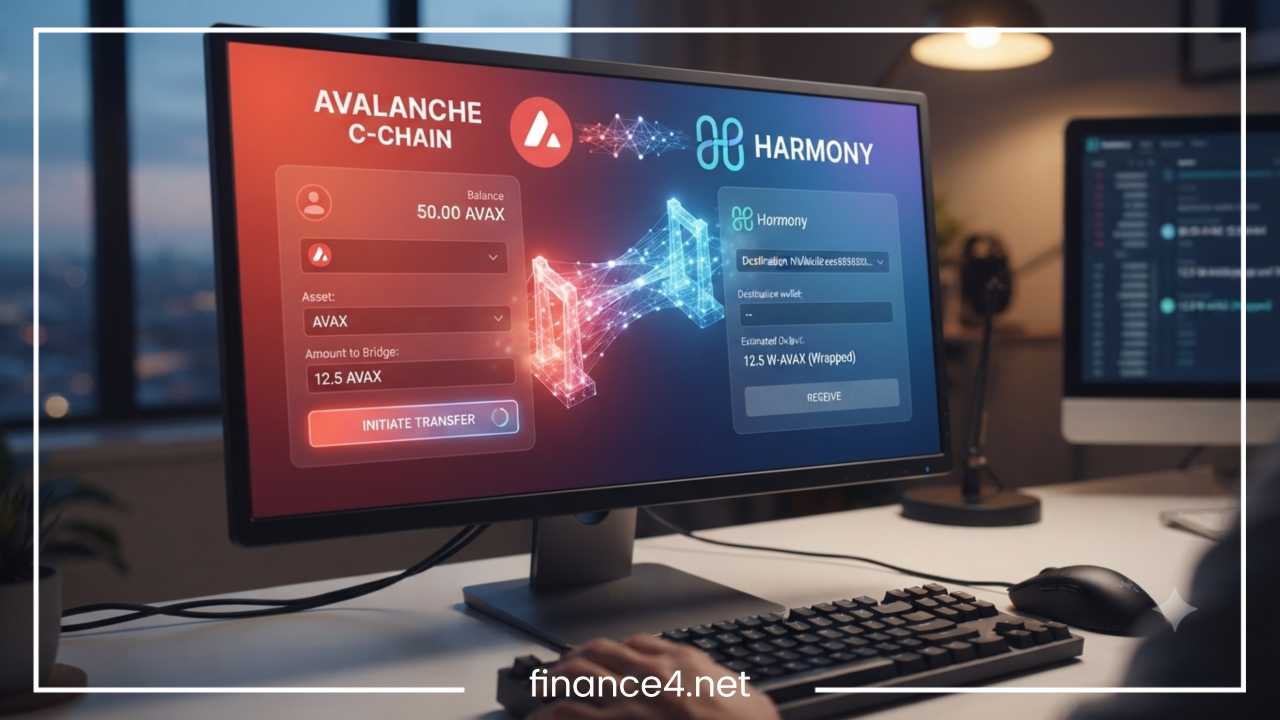
Bridging Avalanche to Harmony | Seamless Cross-Chain Guide
The modern decentralized finance landscape spans multiple distinct layer-one blockchain environments, each engineered with unique consensus rules, execution environments, and user communities. Bridging Avalanche to Harmony represents a vital pathway for participants seeking to traverse these independent ecosystems, enabling seamless cross-chain connectivity.
Avalanche and Harmony operate as separate ledger systems with isolated state machines. Without an external coordination mechanism, native tokens on one network cannot inherently travel to or interact with applications on the other. Cross-chain bridging solves this challenge by implementing cryptographic and algorithmic protocols that facilitate the secure movement of value and data across network boundaries.
Understanding how to bridge AVAX to Harmony safely involves mastering core concepts like token wrapping, validator relayers, transaction fees, network gas requirements, and cross-chain security. This guide provides a comprehensive framework for navigating an Avalanche to Harmony bridge, examining every operational phase from initial wallet preparation and token approval to destination network verification and advanced troubleshooting.
The evolution of multi-chain architectures has redefined how capital moves across the decentralized ecosystem. Historically, users were confined to silos dictated by individual blockchain networks, limiting their ability to access specialized liquidity pools, unique yield-generating protocols, or custom decentralized applications deployed on alternate chains. Cross-chain infrastructure removes these barriers, empowering users to curate their asset distribution according to utility rather than network constraint.
Understanding Avalanche and Harmony
What Is Avalanche?
Avalanche is an open-source, programmable smart-contracts platform designed for decentralized applications, custom financial primitives, and enterprise blockchain deployments. The network architecture separates execution across specialized chains: the Exchange Chain (X-Chain) for asset creation and exchange, the Platform Chain (P-Chain) for validator coordination and subnet creation, and the Contract Chain (C-Chain) for executing Ethereum Virtual Machine (EVM) compatible smart contracts.
The native utility and governance asset of the network is AVAX, which functions to pay transaction fees, secure the network through staking, and serve as the unit of account across various subnets. Users choose Avalanche primarily for its high throughput, sub-second transaction finality, and robust decentralized finance ecosystem. Transaction costs on the C-Chain remain efficient under normal network conditions, though fee markets dynamically adjust according to network demand.
Avalanche achieves its high performance through a revolutionary consensus mechanism that relies on repeated random sub-samplings rather than traditional proof-of-work mining or linear proof-of-stake validation. This design allows thousands of nodes to reach agreement instantaneously, minimizing latency and eliminating the risk of unexpected chain reorganizations. Developers and liquidity providers gravitate toward Avalanche due to its developer-friendly EVM compatibility, which allows existing smart contracts written in Solidity to be deployed without modification, alongside the freedom to spin up dedicated application-specific subnets.
What Is Harmony?
Harmony is a fast and open blockchain designed to bridge high-throughput application layers with decentralized security. The network features horizontal stake scaling and sharding, allowing blocks to be validated in seconds while maintaining low transaction costs. The native asset of the network is ONE, which powers execution, transaction fees, and staking rewards.
Participants interact with the Harmony network to access unique decentralized applications, yield opportunities, and community-driven liquidity pools. Because Harmony utilizes an EVM-compatible environment, developers can deploy Solidity-based smart contracts with minimal friction, creating a familiar development landscape that mirrors Ethereum and Avalanche.
Harmony’s sharding architecture divides the state validation process into distinct committees, distributing computational and storage loads across multiple shards. This parallel processing capability ensures that as network adoption grows, throughput scales proportionally without compromising decentralization or inflating transaction fees. The cross-shard transaction routing protocol enables seamless value transfer within the Harmony ecosystem, while external cross-chain bridges connect Harmony to other layer-one environments like Avalanche, Ethereum, and Binance Smart Chain.
What Does Bridging Avalanche to Harmony Mean?
Cross-chain bridging is the process of transferring digital assets or information from one independent blockchain network to another. Because blockchains operate as isolated state machines, tokens native to Avalanche cannot simply be sent directly to a Harmony address via a standard transfer. Doing so would result in permanent asset loss because Harmony nodes cannot process or recognize Avalanche-native transaction data natively.
Instead, a crypto bridge utilizes specialized smart contracts and relayer networks to coordinate asset availability across chains. When a user initiates a transfer, the source chain typically locks the native asset within a secure smart contract vault. Simultaneously, a corresponding representation of that asset—often structured as a wrapped token—is minted or released on the destination network.
It is essential to distinguish between a cross-chain transfer and a token swap. Transferring moves a specific asset from one network to another, preserving its valuation and token type through a wrapped representation. Swapping exchanges one distinct asset for an entirely different asset on the same or a different network. Utilizing an Avalanche to Harmony bridge focuses on moving specific tokens across chains rather than trading them for alternative cryptocurrencies.
The mechanics of bridging rely heavily on cryptographic proofs and consensus validation. When tokens are deposited into a bridge contract on Avalanche, the contract emits a verifiable event log. Relayer networks monitor these logs, cryptographic validators sign off on the state change, and a corresponding minting function is triggered on Harmony. This process ensures that the total circulating supply of the asset remains pegged across both networks, preventing inflationary exploits or unauthorized token creation.
How an Avalanche-to-Harmony Bridge Works
Executing a cross-chain transfer requires a structured sequence of operations involving user-side wallet interactions, source-chain contract locks, relayer verification, and destination-chain issuance.
Step 1: Connect Your Wallet
The process begins by connecting a compatible Web3 browser extension or hardware-backed wallet, such as MetaMask, to the bridge user interface. The user explicitly selects Avalanche as the source network, configuring the wallet environment to interact with the correct chain ID and RPC endpoints.
Step 2: Select the Destination Network
After establishing the source environment, the user designates Harmony as the destination network. The interface prompts the user to choose the specific token they wish to move, such as AVAX, USDC, or another supported asset, and define the exact transfer amount.
Step 3: Approve the Token
Before a bridge contract can custody or lock source assets, the user must execute an on-chain token approval transaction. This permissioning step grants the bridge smart contract authorization to interact with a designated quantity of the user’s tokens. This operation requires a minor gas fee paid in the native currency of the source chain.
Step 4: Initiate the Bridge Transfer
Once approved, the user confirms the primary bridge transaction. This triggers the source-chain smart contract to lock the user’s tokens securely in a escrow pool or burn them, depending on the specific architectural design of the bridge protocol.
Step 5: Complete the Destination Transaction
Following successful event emission on Avalanche, a decentralized network of validators or relayer nodes verifies the transaction. Once consensus thresholds are met, a corresponding smart contract on Harmony mints or releases the equivalent bridged asset to the user’s designated destination wallet address. Users may need to manually import the custom token contract address into their wallet interface to view the newly arrived balance.
Under the hood, this entire pipeline relies on decentralized consensus checks. Validators on the bridge network act as economic or cryptographic arbiters, listening for events on the source chain and casting signatures to prove that a deposit has successfully occurred. Once the threshold of signatures is achieved, the destination smart contract accepts the proof and releases the wrapped asset to the recipient.
Step-by-Step: How to Bridge Avalanche to Harmony
Executing a cross-chain transfer requires methodical execution to prevent common errors and asset misplacement.
-
Prepare a compatible wallet: Ensure your Web3 wallet is installed, backed up securely via seed phrases, and unlocked.
-
Keep enough AVAX for gas: Verify your source wallet holds a sufficient balance of native AVAX to cover both the token approval and the primary bridge execution fees.
-
Visit a reputable bridge: Navigate exclusively to the official, verified URL of the cross-chain bridge supporting Avalanche and Harmony routing.
-
Connect your wallet: Click the connection utility on the bridge interface and authorize your Web3 wallet.
-
Select Avalanche as the source: Set the origin network dropdown to the Avalanche C-Chain.
-
Select Harmony as the destination: Set the target network dropdown to Harmony.
-
Choose the token: Locate and select the specific asset you intend to transfer from your available balances.
-
Enter the transfer amount: Type in the precise quantity of tokens you wish to move across the network boundary.
-
Review estimated fees: Examine the breakdown of source gas costs, relayer fees, and estimated destination output.
-
Approve the token: Submit the approval prompt in your wallet to allow the bridge contract to handle the specified asset.
-
Confirm the bridge transaction: Sign the final transfer prompt to lock or deposit assets on the source chain.
-
Wait for processing: Allow the relayer network sufficient block confirmations to validate and transmit the event across chains.
-
Switch to Harmony: Change your active wallet network to the Harmony network RPC configuration.
-
Verify the received assets: Check your wallet balance or use a block explorer to confirm the arrival of the bridged tokens.
Before confirming any transaction, users must carefully double-check recipient addresses, verify token contract hashes against official documentation, and confirm that network gas limits are appropriately configured. Paying close attention to every single input field eliminates the risk of accidental fund loss due to typographical errors or incorrect network selection.
Fees When Bridging Avalanche to Harmony
Cross-chain transactions involve multiple economic touchpoints across different operational layers. Understanding these costs prevents unexpected shortfalls during execution.
-
Avalanche gas fee: Paid in native AVAX to execute the token approval and deposit transactions on the source network.
-
Bridge/service fee: Charged by the protocol operators or liquidity providers to maintain validator infrastructure and cover operational overhead.
-
Relayer fee: Incorporated into certain bridge designs to compensate third-party entities for submitting proof transactions on the destination chain.
-
Destination-chain gas fee: Paid to miners or validators on Harmony to process the minting or release of tokens into the user’s wallet.
-
Token swap fee and slippage: Applied if the bridge routes through automated market maker liquidity pools rather than direct lock-and-mint mechanisms.
For example, a user bridging an asset might pay a minor source gas fee in AVAX, a structural protocol fee deducted directly from the transferred amount, and a nominal destination execution cost. Actual totals fluctuate dynamically based on network congestion and prevailing gas markets. Users should always inspect the fee breakdown modal provided by the bridge interface prior to confirming transactions to ensure the net output aligns with their expectations.
How Long Does an Avalanche-to-Harmony Transfer Take?
Transfer durations vary depending on architectural design, network traffic, and consensus finality requirements.
Avalanche achieves rapid transaction finality, typically settling source transactions within a few seconds. However, cross-chain bridges often require a mandatory number of additional block confirmations on the source chain before initiating the relay phase to mitigate reorganization risks.
Once source validation is complete, relayer networks or validator consensus protocols must process the cross-chain message. Network congestion on either Avalanche or Harmony can introduce delays during peak usage periods. Users should anticipate waiting anywhere from a few minutes to upwards of twenty minutes for full settlement, depending on the specific infrastructure routing the transfer. Patience is critical during this window, as interrupting a pending cross-chain transaction can complicate manual recovery efforts.
Supported Tokens and Wrapped Assets
A common misconception among beginners is that every token exists natively across all blockchain networks. In reality, most tokens are native to a single chain and exist on secondary networks only as bridged representations or wrapped assets.
When an asset moves from Avalanche to Harmony, the original token remains locked on Avalanche, while a synthetic or wrapped counterpart is issued on Harmony. These wrapped tokens derive their value from the backing collateral held in the bridge smart contract.
Users must verify official token contract addresses before interacting with bridged assets. Because anyone can deploy a token contract with an identical name or ticker symbol on an EVM network, counterfeit tokens are prevalent. Interacting with unverified contract addresses can lead to permanent financial loss. Always cross-reference contract hashes with official documentation provided by project developers or block explorers.
Security Considerations When Bridging Cross-Chain Assets
Cross-chain bridges represent some of the most complex infrastructure in Web3, making them prime targets for malicious actors seeking to exploit smart contract vulnerabilities.
Bridge smart contracts control vast pools of locked collateral, elevating the impact of potential coding bugs or logic flaws. Similarly, the validator or relayer networks responsible for attesting to cross-chain events must maintain robust decentralization to prevent collusion or compromise.
Users must remain vigilant against phishing attacks, fake bridge interfaces, and malicious wallet-draining signatures. Scammers frequently deploy replica websites designed to mimic legitimate bridging portals. Always verify official URLs, check token contract addresses, and never share private keys or seed phrases under any circumstances. Implementing security hygiene—such as executing a small test transfer before moving large sums, reviewing transaction permissions carefully, and utilizing hardware wallets—significantly mitigates operational risk.
Common Problems When Bridging Avalanche to Harmony
Transaction Is Pending
If a transfer appears stuck in a pending state, verify the transaction hash on the Avalanche block explorer to ensure the source submission completed successfully. Extended processing times are frequently caused by low gas settings or temporary relayer queue congestion.
Tokens Haven’t Appeared
If the source transaction succeeded but tokens are missing on the destination, check the destination address on the Harmony block explorer. Ensure you have manually added the correct custom token contract address to your Web3 wallet interface so the balance becomes visible.
Insufficient Gas
A frequent obstacle occurs when a wallet lacks native tokens on the destination network to pay for subsequent interactions. Always ensure you retain or acquire sufficient native currency for gas requirements on both chains.
Bridge Doesn’t Support the Token
If a chosen asset lacks direct routing support, attempting a direct transfer will fail. Users must swap the asset for a supported bridging token on a decentralized exchange before initiating the cross-chain transfer.
Transaction Failed
Failed transactions usually stem from insufficient gas limits or sudden network congestion. Review error logs on the block explorer, avoid repeatedly signing unknown prompts, and adjust gas parameters before attempting a retry.
Avalanche-to-Harmony Bridge vs. Other Cross-Chain Methods
| Method | Main Advantage | Main Drawback |
| Dedicated Bridge | Direct cross-chain transfer mechanism | Smart contract and bridge security risk |
| Cross-Chain Swap | Convenient single-step asset conversion | Potential exposure to higher fees and slippage |
| Centralized Exchange | Familiar user experience and direct support | Requires custodial trust and account verification |
| DEX Aggregator | Potentially competitive routing options | Increased architectural and interface complexity |
Best Practices for Efficient Cross-Chain Transfers
-
Verify networks: Double-check that your wallet is connected to the correct source and destination chains before signing.
-
Verify token contracts: Cross-reference token contract hashes against official registry sources to avoid counterfeit assets.
-
Compare fees: Evaluate total costs across available routing options to optimize gas and protocol expenditure.
-
Check bridge liquidity: Confirm that the destination pool has adequate liquidity to fulfill your transfer request.
-
Start with a small test transfer: Send a minimal amount first to validate the entire end-to-end pipeline before transferring larger sums.
-
Keep gas funds available: Maintain adequate native token balances on both networks for transaction execution.
-
Use hardware wallet protection: Secure high-value transfers using hardware-backed cryptographic signing keys.
-
Bookmark official resources: Access bridge portals exclusively through verified bookmarks to evade phishing sites.
-
Confirm destination acceptance: Ensure the receiving decentralized application explicitly supports the bridged token variant.
-
Keep transaction hashes: Record all transaction identifiers to facilitate troubleshooting if delays occur.
Advanced Architecture and Liquidity Dynamics in Interoperability
The ongoing maturation of cross-chain connectivity demands a closer examination of how underlying liquidity pools and validation layers interact during periods of high market stress. When bridging assets across disparate environments like Avalanche and Harmony, system architecture dictates not only the speed of execution but also the resilience of the network against economic attacks. Liquidity routing models generally fall into two broad classifications: pooled liquidity architectures and lock-and-mint frameworks. Each methodology introduces distinct operational trade-offs that active market participants must evaluate.
Lock-and-mint architectures, historically favored by native protocol bridges, rely on escrow smart contracts that custody native tokens securely on the source chain while issuing cryptographic claims on the target chain. While this method prevents inflationary token minting by ensuring a strict one-to-one backing ratio, it concentrates systemic risk within the source escrow contract. If an attacker discovers a logical flaw or vulnerability in the validation mechanism governing the escrow vault, the entire backing collateral pool can become compromised. Consequently, understanding the cryptographic security assumptions of the chosen bridge is just as important as evaluating the underlying layer-one chains themselves.
Conversely, pooled liquidity models utilize decentralized market maker pools across both networks to facilitate asset exchange. Instead of moving the exact original token, these systems fulfill the transfer by releasing equivalent tokens from local inventory pools on the destination chain. This approach often accelerates transaction settlement times and mitigates the risks associated with wrapped token tracking, but it introduces exposure to impermanent loss, liquidity imbalances, and slippage during periods of asymmetric asset flow. Multi-chain participants must therefore weigh the predictability of lock-and-mint representations against the speed and flexibility offered by liquidity network aggregators.
Final Thoughts
Bridging assets between Avalanche and Harmony opens up diverse financial primitives, high-throughput applications, and unique community ecosystems. While independent networks cannot communicate natively, cross-chain bridges successfully bridge this architectural divide through cryptographic verification, relayer networks, and wrapped token minting.
Successfully navigating these transfers requires careful attention to network parameters, token contract authenticity, fee structures, and overarching security protocols. By adhering to methodical best practices—such as executing test transactions and verifying official portal URLs—participants can leverage cross-chain connectivity to expand their access to multi-chain liquidity and decentralized applications with confidence.
Frequently Asked Questions
How to bridge AVAX from Avalanche to Harmony safely?
To bridge AVAX from Avalanche to Harmony securely, you need a compatible Web3 wallet like MetaMask, native AVAX tokens for gas fees, and a trusted cross-chain bridge interface. Connect your wallet, select Avalanche as the source network and Harmony as the destination, choose your asset and amount, approve the token contract interaction, and confirm the final transfer transaction. Always verify official URLs and perform a small test transfer first.
What are the typical fees when using an Avalanche to Harmony bridge?
Transfer costs typically include the Avalanche network gas fee required for token approval and transaction submission, protocol or service charges maintained by the bridge operators, relayer fees for destination-chain validation, and Harmony gas fees needed to process the incoming token release or minting operation.
Why are my bridged tokens not showing up in my Harmony wallet?
If your source transaction succeeded but tokens have not appeared, verify your receiving address on the Harmony block explorer. Ensure you have manually imported the correct custom token contract address into your wallet interface so the newly minted or released balance is displayed correctly.
Can I transfer tokens directly from Avalanche to Harmony without wrapping them?
No. Because Avalanche and Harmony operate as independent layer-one networks with isolated state machines, tokens cannot move natively. The bridge locks the source asset in an escrow vault and issues a corresponding wrapped token representation on the Harmony network.
What should I do if my cross-chain bridge transaction is stuck pending?
If a transaction stalls, check the transaction hash on the Avalanche block explorer to verify whether the initial deposit completed successfully. Delays are usually caused by low gas fee configurations or temporary network congestion within the validator relayer queue. Avoid repeatedly signing unknown prompts.