Bridging Avalanche to BNB
 by
by 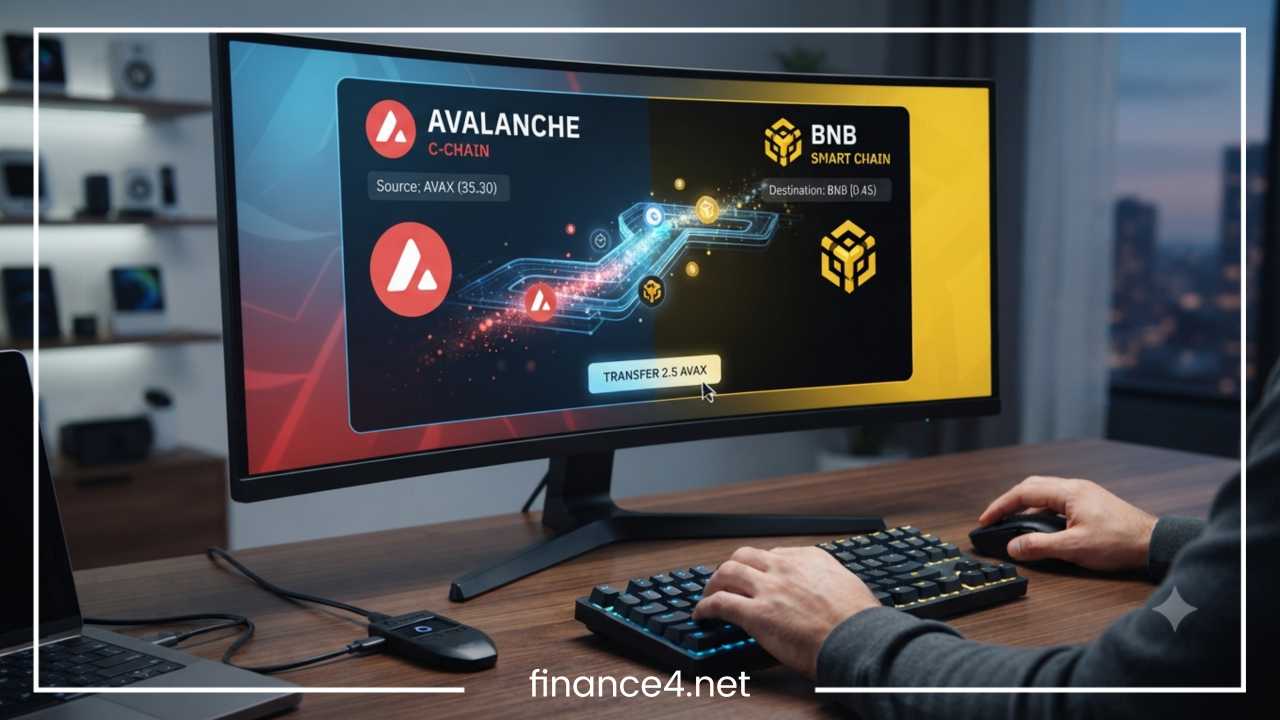
Bridging Avalanche to BNB Chain: Ultimate Guide & Cross-Chain Transfers
The modern blockchain ecosystem is characterized by its dynamic multichain reality. Instead of relying on a single network to host all decentralized applications, developers and users distribute their activities across distinct, high-performance blockchains. Two of the most prominent networks in this landscape are Avalanche and BNB Chain. Each ecosystem offers distinct structural advantages, high transaction throughput, and vibrant decentralized finance communities. However, because these networks operate on independent consensus mechanisms, state architectures, and cryptographic ledger designs, they cannot inherently communicate or share native liquidity.
This structural isolation creates a significant barrier for participants who want to move capital, tokens, or digital assets from one network to the other. To overcome this limitation, cross-chain communication protocols and bridges have emerged as essential infrastructure. A cross-chain bridge acts as a secure, programmatic conduit, allowing users to transfer value and tokens seamlessly across disparate blockchain environments.
This ultimate guide explores the intricacies of bridging assets from Avalanche to BNB Chain. Whether you are looking to yield farm on BNB Smart Chain, access unique decentralized applications, rebalance your portfolio, or capitalize on cross-chain arbitrage opportunities, understanding the mechanics of these transfers is vital. This guide covers the core differences between the two networks, the underlying technology of blockchain bridges, necessary preparation steps, a detailed walkthrough of the bridging process, comprehensive fee structures, critical security considerations, and advanced troubleshooting strategies.
Avalanche vs. BNB Chain: Understanding the Two Networks
Before initiating any cross-chain transfer, it is essential to understand the architectural and environmental differences between Avalanche and BNB Chain. While both networks share full compatibility with the Ethereum Virtual Machine, meaning they can execute smart contracts written in Solidity and support standard Ethereum developer tooling, their underlying consensus models and economic designs differ significantly.
Avalanche Architecture and the C-Chain
Avalanche is a heterogeneous platform composed of multiple custom blockchains. For the vast majority of retail users, decentralized finance participants, and traders, interactions take place on the Avalanche Contract Chain, commonly known as the C-Chain.
-
Consensus Mechanism: Avalanche utilizes the Avalanche consensus protocol, a novel family of leaderless, randomized polling algorithms that achieve high throughput and rapid finality without requiring every validator to process every transaction.
-
Gas Token: The native token of the Avalanche network is AVAX. Every transaction executed on the C-Chain requires AVAX to pay for computational gas fees.
-
Ecosystem Focus: Avalanche has built a reputation as a robust environment for institutional finance, customized application-specific subnets, high-performance decentralized exchanges, and gaming applications.
BNB Chain Architecture and BNB Smart Chain
BNB Chain is a distributed blockchain ecosystem supported by a massive global community of developers, validators, and users. The ecosystem comprises multiple components, with the BNB Smart Chain serving as the primary EVM-compatible execution layer.
-
Consensus Mechanism: BNB Smart Chain employs a hybrid consensus model known as Proof of Staked Authority, which combines elements of delegated proof of stake and proof of authority to maintain fast block times and low transaction costs.
-
Gas Token: The native token of BNB Smart Chain is BNB. Similar to AVAX on Avalanche, users must hold BNB in their destination wallet to pay for gas fees when interacting with smart contracts or transferring assets on BNB Chain.
-
Ecosystem Focus: BNB Chain is widely recognized for its deep liquidity pools, extensive decentralized exchange ecosystems, high-volume retail trading activity, and a vast array of decentralized applications spanning finance, gaming, and social infrastructure.
Comparative Overview of Networks
| Factor | Avalanche C-Chain | BNB Smart Chain |
| Native Token | AVAX | BNB |
| EVM Compatibility | Fully Compatible | Fully Compatible |
| Gas Token | AVAX | BNB |
| Typical Finality | Sub-second to a few seconds | Approximately three seconds |
| Primary Focus | Subnets, DeFi, Institutional Assets | High Liquidity, Retail DeFi, dApps |
What Does Bridging Avalanche to BNB Chain Mean?
A common misconception among crypto beginners is that digital assets literally travel across the internet from one blockchain to another, much like sending an email or an electronic wire transfer. In reality, blockchains are isolated ledgers with no native awareness of external network states. A token cannot leave its native ledger.
Instead, a cross-chain bridge creates an economic and cryptographic equivalence between assets on different networks. Understanding the foundational mechanisms of how bridges achieve this helps demystify cross-chain transfers.
The Core Mechanics of Cross-Chain Bridges
Bridges generally operate through one of three primary structural designs:
-
Lock-and-Mint: When you bridge a native token from Avalanche to BNB Chain, the bridge smart contract on Avalanche locks your original tokens in a secure vault. Once the lock is verified by decentralized validators or relayers, an equivalent amount of wrapped or minted tokens is unlocked or generated on BNB Chain. When you bridge back, the wrapped tokens on BNB Chain are burned, and your original tokens are released from the vault on Avalanche.
-
Burn-and-Mint: This mechanism is frequently used for cross-chain native assets or synthetic tokens. The asset is burned on the source chain, and an exact equivalent is minted on the destination chain.
-
Liquidity Networks: Rather than minting wrapped tokens, some modern cross-chain bridges utilize decentralized liquidity pools on both chains. When you deposit tokens on Avalanche, a liquidity provider or automated market maker protocol releases pre-existing native or standardized tokens from a pool on BNB Chain. This approach often provides cleaner token representations and eliminates the security risks associated with wrapped asset debt ceilings.
Understanding Wrapped Assets
When you bridge certain non-native tokens, you receive a wrapped representation on the destination chain. For example, bridging an asset originating on Avalanche may result in a bridged token on BNB Chain that carries a specific identifier denoting its cross-chain origin. It is crucial to verify that the token you receive on BNB Chain matches the liquidity and trading pairs you intend to use, as holding a different wrapped variant can complicate subsequent trades or swaps.
What You Need Before Bridging
Proper preparation prevents common pitfalls, stuck transactions, and unnecessary frustration during a cross-chain transfer. Before interacting with any bridge interface, ensure you have assembled the following prerequisites:
A Compatible Web3 Wallet
You will need a non-custodial Web3 wallet that supports both the Avalanche C-Chain and BNB Smart Chain. Popular options include browser extension wallets and mobile wallets that allow seamless network switching and custom RPC configuration. Ensure your wallet seed phrase or private keys are securely backed up offline before initiating any significant transaction.
Gas Tokens on Both Networks
This is the single most common oversight made by users bridging assets for the first time.
-
Source Chain Gas (AVAX): You must hold a sufficient amount of native AVAX in your Avalanche wallet to pay for the smart contract interaction fees required to initiate the bridge transfer.
-
Destination Chain Gas (BNB): When your assets arrive on BNB Chain, they will be sitting in an address that requires BNB to execute subsequent transactions, such as swapping, staking, or transferring. Many bridges now offer built-in gas drop features or native token swapping options, but it is always safest to ensure you hold a small amount of BNB on the destination address beforehand.
Correct Network Configurations and RPC Endpoints
Ensure your wallet is connected to the official and stable RPC endpoints for both Avalanche C-Chain and BNB Smart Chain. Using congested or unofficial public RPC nodes can lead to dropped transaction requests or delayed broadcasting.
Asset and Contract Verification
Verify the contract address of the token you plan to send from Avalanche and ensure the bridge supports that specific asset. Likewise, know what token you expect to receive on BNB Chain to avoid interacting with counterfeit or malicious smart contract tokens.
How to Bridge Avalanche to BNB Chain: Step-by-Step
Executing a cross-chain transfer requires methodical attention to detail. Follow this comprehensive step-by-step procedure to bridge your assets safely and efficiently from Avalanche to BNB Chain.
Step 1: Prepare Your Wallet and Network Selection
Open your non-custodial Web3 wallet and switch your active network to the Avalanche C-Chain. Confirm that your wallet displays your correct AVAX balance for gas and the specific token balance you intend to bridge.
Step 2: Navigate to a Reputable Bridge Interface
Access a trusted and audited cross-chain bridging protocol that supports direct or multi-hop routing between Avalanche and BNB Chain. Verify the URL carefully to avoid phishing websites that mimic legitimate bridge interfaces.
Step 3: Connect Your Wallet to the Bridge
Click the connect wallet button on the bridge interface, select your wallet provider, and approve the connection request. Ensure that your connected wallet address is displayed correctly in the interface dashboard.
Step 4: Select Source and Destination Networks
In the bridge transfer widget, set your Source Network to Avalanche and your Destination Network to BNB Chain (sometimes labeled as BSC or BNB Smart Chain). Double-check these dropdown fields, as reversing them will result in an error or incorrect routing.
Step 5: Choose the Asset and Specify the Amount
Select the specific token you wish to transfer from your Avalanche wallet balance. Enter the exact amount you want to bridge. Pay close attention to any minimum or maximum transfer limits displayed by the interface.
Step 6: Review Fees, Exchange Rates, and Estimated Output
The bridge interface will display a breakdown of estimated transaction fees, gas costs on both chains, relayer fees, and the exact amount of tokens you will receive on BNB Chain. Review these numbers carefully to ensure the net output aligns with your expectations.
Step 7: Approve Token Spending
If this is your first time transferring a specific token through this bridge contract, you will be prompted to sign an approval transaction. This grants the smart contract permission to interact with your token balance. Confirm this transaction in your wallet and wait for confirmation on the Avalanche network.
Step 8: Confirm the Bridge Transfer Transaction
Once approval is complete, click the transfer, bridge, or swap button. Your wallet will prompt you to confirm the main bridging transaction, which will lock or deposit your tokens on Avalanche. Review the gas fee and confirm the transaction.
Step 9: Monitor the Transfer Status
Most bridges provide a live status tracker showing the progress of your transaction. This involves waiting for a required number of block confirmations on Avalanche, relayer verification across the cross-chain network, and final execution on BNB Chain.
Step 10: Switch to BNB Chain and Verify Receipt
Once the bridge interface indicates that the transfer is complete, switch your wallet network from Avalanche to BNB Smart Chain. Check your token balance. If the tokens do not appear immediately, use the official token contract address to import or add the custom token to your wallet asset list.
Choosing a Bridge: What to Compare
Because multiple bridging protocols facilitate transfers between Avalanche and BNB Chain, selecting the right one is critical. Rather than relying on a single recommendation, evaluate bridges based on objective operational criteria.
Security History and Audits
The primary vulnerability in cross-chain transfers lies within the smart contracts and validator committees of the bridge itself. Always check whether a bridge has undergone rigorous, independent security audits by reputable smart-chain auditing firms. Review the protocol’s operational history to ensure it has not suffered past exploits or systemic vulnerabilities.
Supported Tokens and Liquidity Depth
Not all bridges support every token. Some bridges specialize in native cross-chain asset transfers, while others support a wide variety of wrapped ERC-20 and BEP-20 equivalents. Ensure the bridge has sufficient liquidity for the specific volume you intend to transfer to prevent severe price impact or slippage.
Transaction Speed and Latency
Bridge transfer speeds vary based on consensus finality requirements. Some bridges utilize optimistic verification models or decentralized validator networks that require several minutes of block confirmations, while others leverage fast finality messaging protocols to settle transfers within seconds.
Cost Efficiency and Fee Structure
Evaluate the composite cost of using a bridge, which includes source chain gas, destination chain gas, protocol fees, and relayer charges. A bridge with low interface fees may have higher destination gas requirements or less favorable exchange rates.
Fees, Exchange Rates, Slippage & Transfer Times
Understanding the economic breakdown of a cross-chain transfer prevents unexpected surprises and ensures optimal capital efficiency.
Breakdown of Bridge Fees
When bridging assets from Avalanche to BNB Chain, several cost components influence the total expense:
-
Avalanche Gas Fee: Paid in AVAX to execute the deposit or lock transaction on the source network.
-
Bridge Protocol Fee: A percentage or flat fee charged by the bridge provider to maintain relayer infrastructure and validator networks.
-
Destination Gas Fee: Some advanced bridges deduct or charge a small fee in native BNB to ensure your destination address has sufficient gas for subsequent transactions.
-
Slippage and Price Impact: If the bridge uses automated liquidity pools rather than direct 1:1 minting, large transfer volumes can cause slippage, resulting in a lower token output than anticipated.
Factors Affecting Transfer Times
While Avalanche transactions achieve finality rapidly, cross-chain transfer times depend heavily on network congestion, relayer responsiveness, and security threshold requirements. During periods of high market volatility, validator queues and network traffic on either Avalanche or BNB Chain can temporarily extend processing times.
Bridging AVAX vs. Bridging Other Tokens
The type of asset you choose to bridge dictates the technical pathway and final outcome of your transfer.
Bridging Native AVAX to BNB Chain
When you bridge native AVAX to BNB Chain, you are typically utilizing a liquidity-based bridge or a wrapped asset protocol. Because BNB Chain does not use AVAX as its native gas token, bridging AVAX results in a wrapped token on BNB Chain (such as WAVAX or a bridged variant) that can be traded, staked, or held within the BNB ecosystem, but cannot be used directly to pay for BNB Smart Chain gas.
Bridging Stablecoins and Standard Tokens
Stablecoins such as USDC or USDT are among the most frequently bridged assets between Avalanche and BNB Chain. Because these assets exist across multiple chains, choosing a bridge that supports native stablecoin issuance or deep liquidity pools ensures minimal slippage and reliable 1:1 value transfer.
Common Problems and How to Troubleshoot Them
Even with careful execution, cross-chain transfers can occasionally encounter hiccups. Knowing how to diagnose and resolve common issues ensures peace of mind.
Pending or Stuck Transactions
If a transaction remains pending for an extended period, check the transaction hash on the Avalanche C-Chain block explorer. If the transaction has successfully confirmed on Avalanche but has not arrived on BNB Chain, the delay is usually caused by relayer congestion or pending validator verification. Avoid attempting to resend or duplicate the transaction unless the original transaction has completely failed or dropped from the memory pool.
Insufficient Gas on the Destination Chain
If your assets have successfully arrived on BNB Chain but you cannot move or swap them because your wallet lacks BNB for gas, you cannot execute transactions. To resolve this, you can use a fiat on-ramp, send a small amount of BNB from another wallet or centralized exchange, or utilize a gas refuel service provided by certain bridges or third-party tools.
Tokens Not Appearing in Your Wallet
If a bridge indicates a successful transfer but your BNB Chain wallet balance appears unchanged, the issue is typically a missing custom token import. Copy the official smart contract address of the received token on BNB Chain, open your wallet, select the option to import tokens, and paste the contract address to make the balance visible.
Security: How to Bridge Safely
Cross-chain bridges represent high-value targets for malicious actors. Implementing rigorous security hygiene protects your digital assets from exploits, phishing, and unauthorized access.
Avoiding Phishing and Fake Bridge Websites
Attackers frequently purchase sponsored search engine advertisements or distribute malicious links designed to mimic popular bridge interfaces. Always access bridges through bookmarked, verified URLs or official documentation portals. Never click unverified links shared on social media or direct messaging platforms.
Managing Token Approvals
When interacting with bridge smart contracts, you must grant token spending approvals. Malicious or compromised contracts with unlimited approval permissions can drain your wallet balance. Utilize blockchain revocation tools periodically to inspect and revoke unnecessary smart contract approvals once your transfers are complete.
Practicing Test Transactions
When transferring large sums of capital across chains, always perform a small test transaction first. Send a minimal amount through the bridge to confirm that the entire workflow functions correctly, your destination address receives the funds, and you understand every step of the process before moving your primary holdings.
Best Practices for Cross-Chain Transfers
Adopting professional operational habits ensures long-term security and efficiency when navigating multichain environments.
-
Maintain Dual-Chain Gas Balances: Always keep a reserve of both AVAX and BNB in your respective wallets so you are never locked out of executing transactions due to zero gas balances.
-
Keep Detailed Records: Save transaction hashes and transfer timestamps for every cross-chain movement. In the rare event of a support inquiry, these identifiers are essential for protocol teams to trace your transaction.
-
Avoid Congested Periods: During extreme market volatility, cross-chain messaging queues can become overwhelmed, leading to delayed settlements and higher gas spikes. Plan major rebalancing transfers during periods of relative network stability.
Final Thoughts
Bridging assets from Avalanche to BNB Chain unlocks the full potential of a multichain crypto strategy, allowing you to fluidly navigate between high-performance subnets and deep retail liquidity environments. By understanding the underlying architecture of both networks, preparing your wallet with necessary gas reserves, selecting reputable and audited bridges, and adhering to strict security protocols, you can execute cross-chain transfers with confidence and precision. Approach every transfer methodically, verify your endpoints and contract addresses, and prioritize security at every step of your cross-chain journey.
Frequently Asked Questions
How to bridge AVAX from Avalanche C-Chain to BNB Smart Chain without losing funds?
To bridge assets safely without risking loss of funds, always verify that you are interacting with audited and reputable cross-chain bridge interfaces. Start by connecting a secure non-custodial wallet to the Avalanche C-Chain, selecting the correct source and destination networks, and reviewing all transaction details. Performing a small test transaction before moving larger sums ensures that the route and destination address are correct.
What is the cheapest cross-chain bridge for transferring tokens from Avalanche to BNB Chain?
Fee structures vary dynamically depending on network congestion, gas prices on both Avalanche and BNB Smart Chain, and liquidity pool utilization. To find the most cost-effective route, compare the composite expenses across multiple bridges, factoring in source chain gas fees, protocol flat or percentage charges, and any destination gas requirements.
How long does it take for a bridge transfer to settle from Avalanche to BNB Smart Chain?
Transfer times depend on the consensus finality requirements of the chosen bridge protocol and current network traffic. While Avalanche achieves rapid finality, cross-chain messaging bridges often require multiple block confirmations and relayer verifications, resulting in settlement times ranging from a few seconds to several minutes during normal network conditions.
Do I need BNB in my destination wallet to receive tokens bridged from Avalanche?
While your bridged tokens will arrive at your destination address even if your BNB Smart Chain balance is zero, you will need native BNB to execute any subsequent transactions, such as swapping, staking, or transferring those tokens. It is highly recommended to hold a small amount of BNB in your destination wallet before initiating the cross-chain transfer.
What should I do if my bridged tokens do not appear in my BNB Chain wallet?
If a bridge transaction confirms successfully but your wallet balance appears unchanged, the tokens are likely secure in your address but not visible in your interface. Copy the official token smart contract address on BNB Smart Chain, open your wallet asset management settings, and manually import the custom token using the contract details.
Is it safe to use lock-and-mint bridges for transferring stablecoins between Avalanche and BNB Chain?
Lock-and-mint bridges rely on smart contracts to lock original assets in vaults while issuing wrapped equivalents on the destination chain. While widely used, these bridges introduce smart-chain and validator security risks. Users seeking to minimize wrapped asset risk often prefer liquidity-based bridges that handle native token swaps across networks.
How do I pay gas fees on BNB Smart Chain when transferring assets from Avalanche?
Gas fees on BNB Smart Chain must always be paid in native BNB. When bridging assets from Avalanche, your source chain gas is paid in AVAX, but your destination gas must be provisioned separately or handled through integrated gas-refueling services offered by select cross-chain bridge protocols.