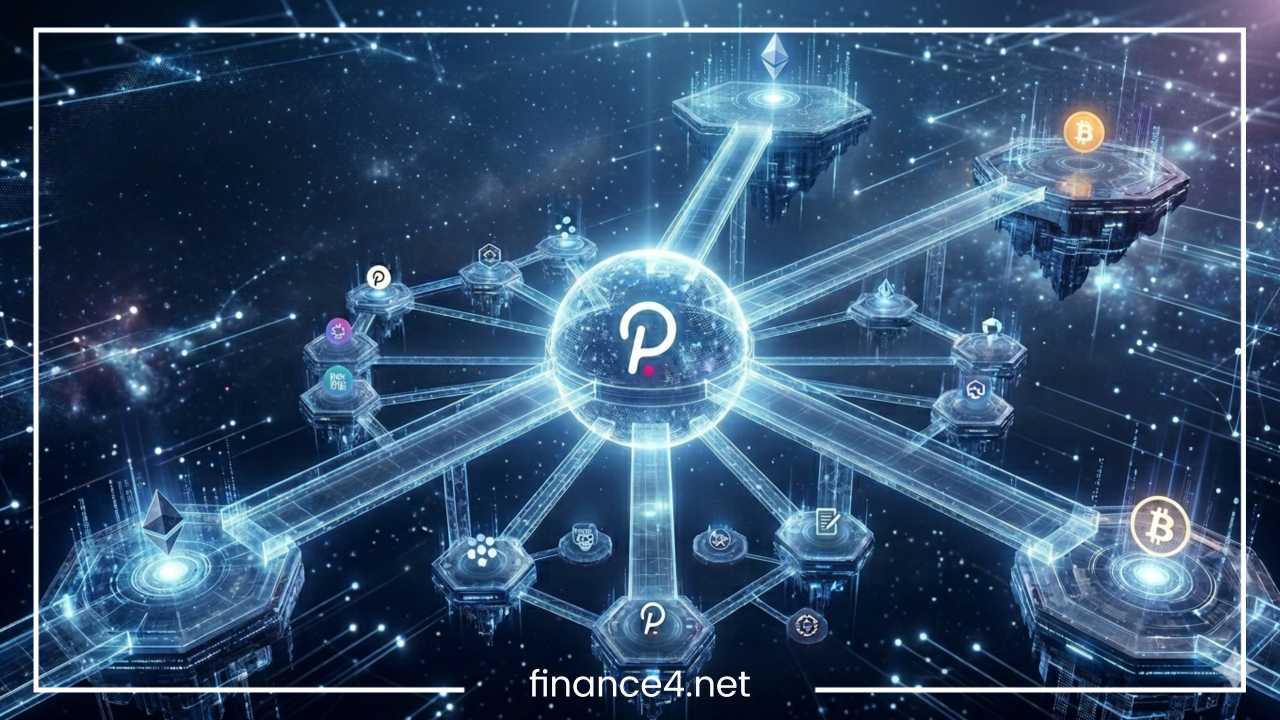
Best Aggregator for Bridging Polkadot to Cosmos
 by
by 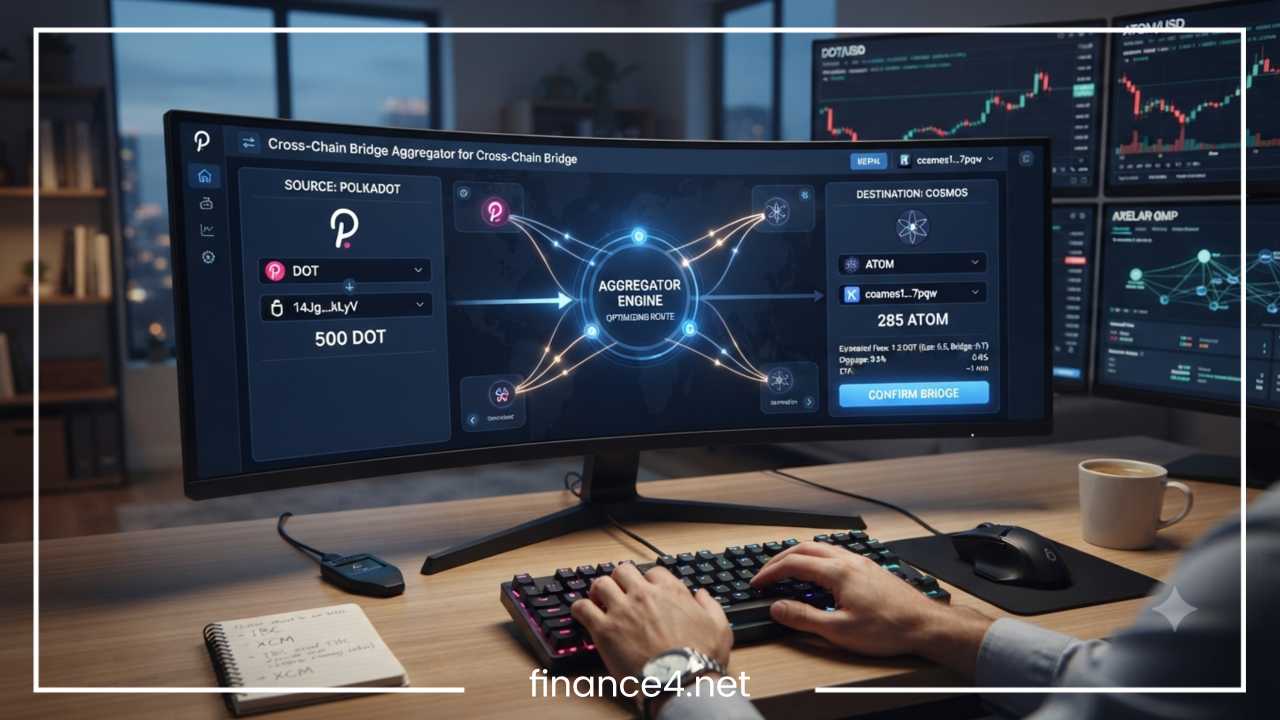
Best Aggregator for Bridging Polkadot to Cosmos: Routes, Fees, Security, and Comparison
Why Bridging Polkadot and Cosmos Is Still Complicated
The vision of a multi-chain future has moved beyond theoretical discourse into the daily reality of decentralized finance, where individual blockchains are increasingly interconnected to form a more expansive, collaborative economy. As users seek higher yields, better governance, and more specialized applications, the movement of assets across these distinct networks has become a fundamental requirement for the modern investor. Yet, while the industry has made monumental leaps in scaling, the bridges between major ecosystems remain one of the most significant bottlenecks in blockchain adoption.
Developers and users alike are increasingly operating across a web of interconnected networks rather than a single, monolithic blockchain. However, as the ecosystem has expanded, it has also become intensely fragmented. Among the most complex interactions in the current landscape are those between the Polkadot and Cosmos ecosystems.
Both Polkadot and Cosmos were built with a foundational philosophy that favors sovereignty, modularity, and interconnectedness. They both reject the idea that a single chain can host every application in existence. Yet, they pursue this vision through radically different architectural designs. Polkadot relies on a shared security model centered around a Relay Chain, while Cosmos empowers independent, sovereign application chains that communicate via the Inter-Blockchain Communication (IBC) protocol.
Moving assets, liquidity, or data between a Polkadot parachain and a Cosmos appchain has historically been a daunting experience. It often requires manual intervention: identifying compatible bridges, wrapping tokens through intermediate networks, managing disparate gas tokens, and navigating different wallet standards. For the average user, this is not just inconvenient; it is a hurdle that invites error and capital inefficiency.
This is where the cross-chain aggregator becomes essential. Rather than forcing users to navigate these silos manually, an aggregator acts as a sophisticated routing layer. It queries multiple underlying protocols in real time, identifies the optimal path based on net output, speed, and cost, and executes the transaction through a single, unified interface. This article provides a comprehensive evaluation of the best aggregators for bridging assets from Polkadot to Cosmos, examining the nuances of liquidity, transparency, fee structures, and the critical security models underlying these paths.
Polkadot vs Cosmos: Understanding the Two Ecosystems
To understand why routing transactions between Polkadot and Cosmos necessitates high-level aggregation, one must first appreciate their fundamental architectural divergence. These two ecosystems are not merely different blockchains; they represent two distinct schools of thought regarding decentralized infrastructure.
Polkadot is designed around the concept of a sharded, heterogeneous multi-chain network. At its core is the Relay Chain, which provides consensus and security for all connected parachains. Each parachain is an independent blockchain, but they share the security guaranteed by the Polkadot validator set. Within this ecosystem, interoperability is handled by the Cross-Consensus Messaging (XCM) format, which allows parachains to exchange data and assets natively. However, when a parachain needs to communicate with an external network—such as a Cosmos-based chain—it encounters a significant barrier. Substrate (the framework used to build Polkadot chains) and the Cosmos SDK are fundamentally different, meaning they do not naturally recognize each other’s cryptographic proofs.
Cosmos, by contrast, operates on the principle of horizontal sovereignty. It is often described as an internet of blockchains where each chain, or appchain, manages its own consensus, validator set, and security model using the Tendermint (now CometBFT) engine. Interoperability is achieved through the IBC protocol, a standardized communication layer that allows chains to pass messages trust-minimized. Unlike Polkadot, which is vertically integrated by shared security, the Cosmos ecosystem is a constellation of independent stars linked by the IBC.
Bridging these two worlds is not a simple matter of connecting one chain to another. It requires a translation layer—a mechanism that can bridge the gap between Substrate’s state proofs and IBC-enabled consensus. This is the primary reason why direct, simple bridges are rare or technically demanding. The complexity of these two ecosystems is exactly why aggregators have become the go-to solution for power users and institutional participants alike.
What Is a Cross-Chain Aggregator?
In the early days of multi-chain activity, bridging was a manual, often binary experience. You chose a bridge, you hoped for the best, and you navigated its proprietary interface. An aggregator transforms this experience into a dynamic, automated process.
It is vital to distinguish between a bridge and an aggregator. A bridge is a point-to-point infrastructure that locks assets on a source chain and facilitates the minting or release of those assets on a destination chain. Some bridges are centralized, relying on a multisig or a consortium of entities to manage the locked assets, while others are trust-minimized, using light clients and cryptographic verification.
A cross-chain aggregator acts as an orchestration layer above these individual bridges. Aggregators do not necessarily own the underlying bridge infrastructure; instead, they operate as a search and execution engine that polls various bridges, decentralized exchanges (DEXs), and cross-chain messaging protocols in real time.
When a user initiates a transaction from Polkadot to Cosmos through an aggregator, the process includes several key optimizations:
-
Route Discovery: The aggregator scans available infrastructure to see which pathways are currently active and secure.
-
Liquidity Aggregation: It finds the best price for your asset, potentially combining a local swap on a Polkadot DEX with a bridge transfer, ensuring that you do not lose value to inefficient liquidity pools.
-
Fee and Slippage Comparison: By calculating the total cost—including bridge fees, network gas, and exchange slippage—the aggregator provides a realistic picture of what will actually land on the destination chain.
-
Single-Transaction UX: Instead of approving multiple transactions across different frontends, the aggregator bundles the necessary permissions into a single user-facing signature, drastically reducing the room for human error.
By using an aggregator, the user is no longer tied to the performance or liquidity of a single bridge. If one bridge is congested or has low liquidity for a specific pair, the aggregator automatically switches to a more efficient route.
How Bridging Polkadot to Cosmos Works
The lifecycle of a cross-chain transaction between Polkadot and Cosmos is more involved than a standard peer-to-peer transfer. To understand why aggregators are necessary, we must walk through the technical steps required to bridge these ecosystems.
-
Source Selection: The user defines the starting point. This is typically a Polkadot parachain that has developed external connectivity, such as Moonbeam (EVM-compatible) or Astar.
-
Destination Target: The user selects a Cosmos-based chain. Since Cosmos is a network of networks, this could be the Cosmos Hub itself, or an application-specific chain like Osmosis (a liquidity hub) or Injective.
-
Route Identification: The aggregator identifies that there is no single “Polkadot-to-Cosmos” highway. Instead, it must find a route. This often involves bridging to an intermediate chain—frequently an EVM-based chain that acts as a bridge-to-bridge connector.
-
Local Execution: If the user is starting with a Substrate-native token, the aggregator may first trigger an internal swap on a Polkadot-native DEX to convert that asset into a more liquid bridge-ready token.
-
Locking and Messaging: The asset is locked into a smart contract on the source chain (or a burn-and-mint process is initiated), and a message is sent to the bridging relayer.
-
Finality and Bridging: The relayer or decentralized validator set confirms the transaction on the source chain, and the corresponding assets are minted or released on the destination chain.
-
Gas and Destination Receipt: The user must account for destination-chain gas costs. The aggregator often handles this by pre-calculating the gas required on the destination chain to finalize the claim or swap the wrapped token into a native Cosmos asset.
One critical nuance here is the distinction between “native” and “wrapped” assets. Users often end up with wrapped tokens on the destination chain, which can be less liquid and harder to use in native Cosmos protocols. A high-quality aggregator will, where possible, route through pathways that deliver native IBC-compatible assets to ensure maximum liquidity and utility on the destination chain.
Best Aggregators for Polkadot and Cosmos Routing
Because the infrastructure connecting these ecosystems is evolving at a rapid pace, the “best” aggregator is the one that stays most agile in updating its routing modules. Below is an analysis of the leading platforms currently bridging the Polkadot-to-Cosmos divide.
Squid Router
Squid is widely considered the gold standard for cross-chain liquidity and bridging, primarily because it is built natively on top of the Axelar General Message Passing (GMP) network. Axelar acts as a powerful decentralized bridge layer that can connect EVM chains to the Cosmos ecosystem via the IBC protocol. Squid effectively harnesses this power, providing a seamless user interface for moving assets across ecosystems. For users targeting Cosmos-native destinations, Squid ensures that the bridging process is as clean as possible, often delivering native IBC tokens rather than fragmented, hard-to-use wrapped IOUs. Its strength lies in its deep integration with the Axelar network, which is arguably the most robust bridge between the Ethereum-style world and the Cosmos world.
Rango Exchange
Rango is designed as a universal, multi-chain aggregator. Its approach is to be chain-agnostic, supporting a massive array of networks including EVM chains, Solana, various Cosmos zones, and Substrate-based environments. Rango is particularly useful for users who find themselves moving assets across highly disparate architectures. If you have assets on a Polkadot parachain and you need to move them to a Cosmos zone, Rango will often calculate a path that combines DEX aggregation with multi-bridge hops. It excels in transparency, showing the user exactly which bridge is being utilized, the estimated time for each hop, and the final output amount. Its interface is designed for those who want to see the underlying “plumbing” of the transaction.
Jumper Exchange (Powered by LI.FI)
Jumper Exchange, which uses the LI.FI aggregation API, is a major player in the cross-chain space. LI.FI is essentially the backbone of many other bridge frontends. While its primary strength has historically been in the EVM and L2 ecosystem, it has been expanding its support for non-EVM chains. For a user starting on a Polkadot parachain, Jumper offers a very slick, consumer-friendly experience. It is highly optimized for speed and provides excellent tracking tools. However, users should be aware that because LI.FI’s routes are often heavily weighted toward EVM liquidity, moving between Polkadot and Cosmos might occasionally involve more hops through intermediate EVM chains than a protocol like Squid might require, which could affect total gas costs.
Comparison Table: Polkadot to Cosmos Aggregators
| Aggregator | Polkadot Support | Cosmos Support | Cross-Chain Routes | Fees | Speed | Liquidity | Best For |
| Squid | Via EVM Parachains | Native (12+ Zones) | Axelar GMP & DEX hops | Moderate | Medium | Deep for Cosmos assets | Cosmos-bound transfers |
| Rango | Parachain (Moonbeam/etc.) | Broad Cosmos coverage | Multi-step DEX/Bridge | Variable | Fast | Universal multi-chain | Cross-ecosystem routing |
| Jumper | Substrate & EVM | Via underlying partners | Extensive EVM/L2 list | Low-to-Moderate | Fast | Massive on EVM | EVM-to-Polkadot workflows |
What Makes an Aggregator “Best” for Polkadot to Cosmos?
When evaluating which aggregator to use for a specific transfer, a user should look beyond marketing claims and apply a set of rigorous criteria. The “best” tool is rarely universal; it is the one that best fits the specific constraints of the current transaction.
-
Route Availability: The primary hurdle in cross-chain movement is the specific path. Does the aggregator support the exact source parachain you are using? Substrate chains are not all created equal; some have better liquidity and bridging support than others. Similarly, does it support the specific Cosmos chain you want to land on? Not all aggregators have integrated every Cosmos zone.
-
Liquidity and Execution: Liquidity is not just about having a bridge; it is about having a deep pool. If you are moving a large amount of capital, you need an aggregator that can execute that trade without excessive price impact. The best aggregators look for the deepest pools on the destination chain to swap your intermediate bridged asset into your target native token.
-
Fee Transparency: The total cost of a cross-chain transfer is often hidden. It is not just the aggregator fee. It includes bridge fees, swap fees on both ends, and the cost of gas on the intermediate chains. A superior aggregator provides an itemized breakdown, allowing you to see exactly where your capital is going.
-
Speed and Finality: Cross-chain transactions involve waiting for the source chain to finalize, the bridge to verify, and the destination chain to confirm. The best aggregators provide realistic estimates for these times, rather than just saying “fast.”
-
User Experience: This includes error handling. If a transaction fails, does the aggregator give you a way to recover your assets? Does it offer clear, easy-to-read transaction tracking? For most users, the difference between a good and great tool is the peace of mind offered by a well-designed dashboard.
Security Risks When Bridging Polkadot and Cosmos
Cross-chain activity is, by definition, an act of trust in underlying infrastructure. It is critical to understand that using an aggregator does not make an inherently risky bridge safe.
-
Smart Contract Vulnerabilities: Every bridge smart contract, liquidity pool, and relayer network is a potential target for hackers. A vulnerability in the bridge code can result in the total loss of locked assets.
-
Validator and Relayer Risks: Many cross-chain protocols rely on a decentralized set of validators to attest that funds were locked on the source chain. If that validator set is compromised or colludes, the security of the bridge is nullified.
-
Wrapped Asset Fragility: If a bridge fails, the wrapped assets on the destination chain may lose their backing, essentially becoming worthless. The value of a wrapped token is entirely dependent on the integrity of the bridge that issued it.
-
User Error: The complexity of navigating different address formats, chain identifiers, and token names is a major risk factor. It is notoriously easy to send assets to the wrong network, or to a contract that does not support the specific token format.
Aggregators reduce the risk of human error by automating the process, but they cannot eliminate the underlying risks of the bridging protocols they connect to. Users should always prioritize routes that use trust-minimized, audited, and battle-tested bridging infrastructure.
Fees, Slippage, and Transaction Speed
The price quote displayed on an aggregator’s interface is an estimate, and it is rarely the final cost. To bridge successfully without significant capital erosion, you must understand the cost stack:
When you route through multiple chains to move from Polkadot to Cosmos, you are essentially paying “toll fees” at every stop. If the route involves an intermediate EVM chain, you are paying gas to enter that chain, gas to swap on a DEX within that chain, and gas to exit that chain. For small transfers, these cumulative costs can make a cross-chain bridge completely non-viable.
Slippage is another hidden tax. If the liquidity pool on the destination chain is shallow, a large transfer will significantly drive up the price, leading to receiving fewer assets than the initial quote suggested. Always check the “minimum received” field on an aggregator before signing your transaction to ensure you are comfortable with the guaranteed floor of your trade.
Step-by-Step Guide: Bridging Assets Across Ecosystems
Following a disciplined process can mitigate many of the risks associated with cross-chain transfers.
-
Choose a Reputable Aggregator: Start by visiting a recognized platform such as Squid or Rango. Avoid unknown or untrusted frontends.
-
Connect Wallets: Securely connect your Polkadot-compatible wallet (like Polkadot.js or Talisman) and your Cosmos wallet (like Keplr or Leap). Ensure you are connected to the correct accounts.
-
Select Source and Target: Carefully select the source parachain (e.g., Moonbeam) and the specific target Cosmos appchain (e.g., Injective).
-
Compare Routes: Look at the different options provided. Does one route require fewer steps? Does another offer a better final price? Pay attention to the “estimated time.”
-
Verify Destination Parameters: Double-check the address. Since Cosmos and Polkadot have entirely different address structures, the aggregator will often require you to manually paste your destination address. Verify this character-by-character.
-
Execute and Monitor: Once you confirm the transaction, your source wallet will prompt you for approval. After signing, keep the tracking window open.
-
Verify Receipt: Once the aggregator marks the transaction as complete, check your destination wallet on the Cosmos network to ensure the assets have landed and are in the expected format (native vs. wrapped).
Which Aggregator Is Best for Different Users?
There is no single “best” aggregator for everyone; the choice depends on your specific needs and technical proficiency.
-
For the Cosmos Native: Squid is the clear winner. Its deep integration with the Axelar GMP network makes it the most reliable tool for anyone whose primary goal is moving assets directly into the Cosmos ecosystem.
-
For the Multi-Chain Power User: Rango Exchange is the go-to tool. Its ability to aggregate across almost every major ecosystem, from UTXO chains to Cosmos and Polkadot, makes it the most flexible option for users managing complex portfolios.
-
For the EVM-Adjacent User: If your Polkadot activity is centered around EVM-compatible parachains, Jumper / LI.FI offers the most polished and fast experience. Its interface is designed for the modern DeFi user who wants speed and transparency above all else.
Final Thoughts
The bridge between Polkadot and Cosmos is not a single path, but a shifting landscape of liquidity and interoperability protocols. Cross-chain aggregators serve as the essential map for this landscape, transforming what was once a highly complex, multi-day ordeal into a single, automated transaction flow.
The ultimate choice of which aggregator to use should be driven by the specific assets involved, the liquidity depth of the target chain, and your personal tolerance for risk. While protocols like Squid, Rango, and Jumper have made massive strides in simplifying these operations, the onus remains on the user to verify every address, confirm every network, and understand the cumulative cost of every hop.
As the technology behind inter-chain messaging continues to mature, we can expect these paths to become faster, cheaper, and more secure. Until then, treat every cross-chain transfer as an exercise in caution. Compare your routes, check the live quotes, and always prioritize native asset delivery to ensure your capital remains useful and liquid in its new home.
Frequently Asked Questions
What is the best cross-chain aggregator for bridging Polkadot to Cosmos?
Platforms like Squid Router and Rango Exchange are widely considered top choices, depending on whether you require direct Cosmos appchain connectivity or multi-ecosystem flexibility.
How do I bridge native Polkadot assets to a Cosmos chain without wrapped tokens?
Using aggregators powered by generalized message passing networks like Axelar ensures that assets are routed to deliver native IBC tokens on the destination chain instead of illiquid wrapped IOUs.
What fees should I expect when bridging from Polkadot to Cosmos?
The total cost structure includes source-chain gas fees, bridge or protocol fees, DEX swap fees on intermediate or destination chains, and slippage.
Can I bridge directly from Substrate to Cosmos using a single transaction?
Yes, cross-chain aggregators abstract the complex multi-step routing process—such as intermediate hops through EVM-compatible parachains—into a single user-facing signature.
What are the main security risks when bridging between Polkadot and Cosmos?
Primary risks include smart contract vulnerabilities in the underlying bridge, relayer or validator set compromises, and incorrect destination address formatting.
Why is my cross-chain transfer taking longer than expected?
Settlement time depends on source chain finality, bridge validation speeds, and the consensus mechanism of the destination Cosmos appchain.