Best Cross-Chain NFT Launch Platforms
 by
by 
Best Cross-Chain NFT Launch Platforms | Top Multi-Chain NFT Solutions
The digital art world has seen a dramatic transformation with the rise of Non-Fungible Tokens, or NFTs. What started as niche projects on the Ethereum blockchain has exploded into a multi-billion dollar industry spanning art, gaming, music, and collectibles. However, this rapid growth has led to a significant challenge: fragmentation. Projects and communities became siloed on their native blockchains, limiting their reach and the overall liquidity of the market. An NFT minted on Solana couldn’t easily be traded on an Ethereum-based marketplace without a complex, often insecure process.
This problem birthed the concept of cross-chain NFTs and the platforms designed to facilitate them. Cross-chain NFT launchpads and marketplaces are the bridges of the digital asset world, connecting disparate ecosystems like Ethereum, Solana, and Polygon. They are no longer a luxury but a necessity for projects and creators aiming to tap into a global user base, reduce high network fees, and improve the user experience. In 2025, understanding and leveraging these platforms is essential for anyone serious about the NFT space.
What Are Cross-Chain NFT Launch Platforms?
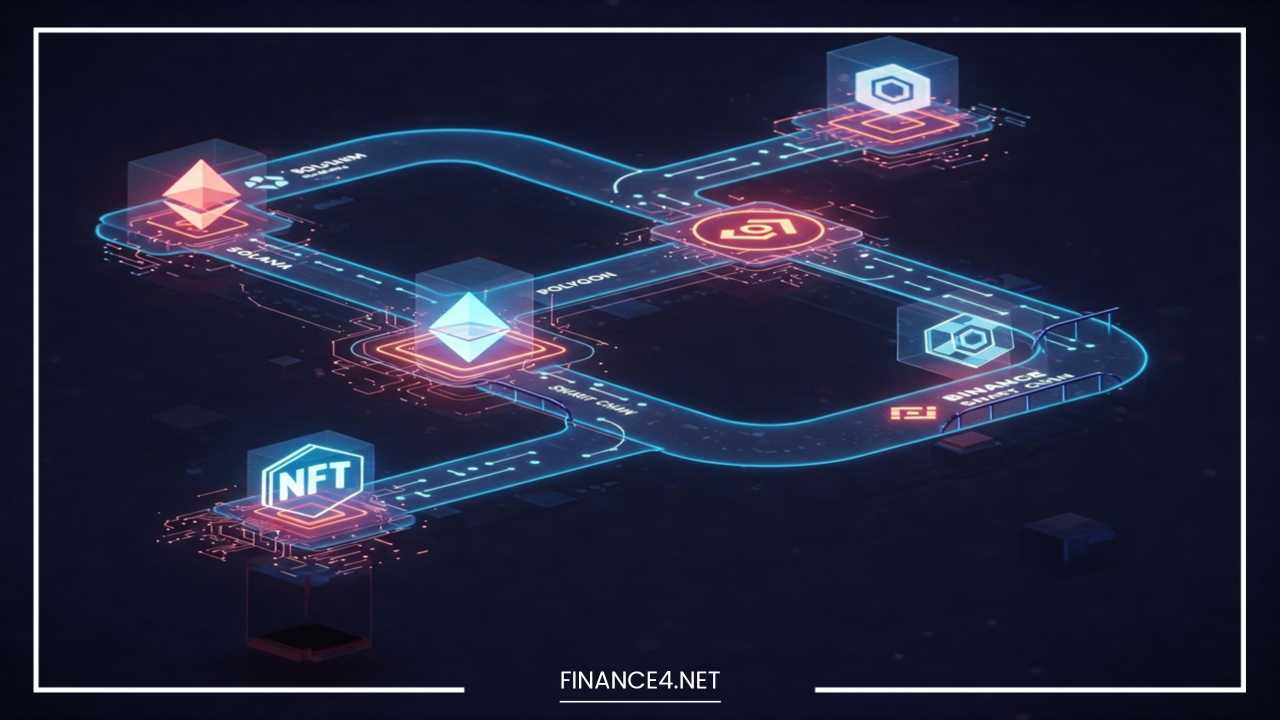
Cross-chain NFT launch platforms are protocols and marketplaces that enable the seamless creation, minting, and trading of NFTs across multiple, otherwise incompatible, blockchain networks. Unlike traditional, single-chain launchpads that are locked into one ecosystem, these platforms use sophisticated technology, primarily cross-chain bridges, to allow digital assets to move freely.
The core of their functionality lies in interoperability. When a creator launches an NFT collection on a platform like Magic Eden, it can be made available to collectors on Ethereum, Solana, and Bitcoin. The platform handles the technical complexities of token standards and smart contracts on each chain, often through a system of “wrapped” or “locked” NFTs. For example, an NFT minted on Ethereum might be locked in a smart contract on the Ethereum chain, and a corresponding “wrapped” version is then minted on Polygon to be traded there. This process ensures the original asset’s integrity and ownership are maintained, regardless of which chain it’s being traded on.
The key features that distinguish these platforms include:
- Bridge Integration: Native support for key interoperability protocols.
- Multi-Wallet Support: Compatibility with wallets from different ecosystems (e.g., MetaMask for Ethereum, Phantom for Solana).
- Unified UI/UX: A single interface for users to browse, mint, and trade NFTs from various chains without needing to switch between different platforms.
- Cross-Chain Minting: Tools that allow creators to deploy their collection on multiple blockchains simultaneously from one dashboard.
Benefits of Using Cross-Chain NFT Platforms
The rise of cross-chain platforms isn’t just a technical advancement; it’s a strategic one that offers significant benefits for the entire NFT ecosystem.
- Access to Broader User Base and Liquidity: By breaking down blockchain silos, a project launched on a cross-chain platform can reach a larger audience. A single collection can be marketed to both the low-fee-conscious user on Polygon and the high-value collector on Ethereum, dramatically increasing the potential for successful sales and secondary market liquidity.
- Reduced Network Congestion and Gas Fees: Not all blockchains are created equal in terms of transaction costs and speed. Cross-chain platforms allow creators to launch on cheaper, faster chains like Solana or BNB Chain, while still providing access to the large user base of Ethereum. This is particularly beneficial for high-volume collections or projects with frequent in-game transactions.
- Flexibility and Scalability: As the NFT market evolves, creators need the flexibility to adapt. A cross-chain launchpad gives a project the ability to migrate to a new chain or expand its footprint without having to rebuild from scratch. This future-proofs projects, ensuring they can take advantage of new technological developments as they emerge.
- Improved User Experience: For collectors, a cross-chain platform simplifies the often-confusing process of managing assets on different chains. Instead of juggling multiple marketplaces and wallets, they can view their entire portfolio in one place, leading to a more seamless and intuitive experience.
Key Criteria for Evaluating Cross-Chain NFT Platforms
Choosing the right platform is critical for a project’s success. Here are the key criteria to consider:
- Supported Blockchains and Bridges: The first question to ask is which ecosystems the platform connects. A top-tier platform should support major chains like Ethereum, Solana, Polygon, BNB Chain, and Arbitrum, and use reputable bridges like LayerZero or Wormhole.
- User Experience and UI/UX: A well-designed, intuitive interface is crucial. The process of connecting a wallet, browsing collections, and minting NFTs should be straightforward, even for non-technical users.
- Security and Smart Contract Audits: The security of a cross-chain platform is paramount. Since bridges are a common target for hackers, it’s essential to use platforms that have undergone rigorous third-party smart contract audits. The platform should also have clear security protocols in place to protect user funds and assets.
- Community Support and Marketing Features: A good launchpad is more than just a minting tool; it’s a partner. Look for platforms that offer marketing support, community management tools, and a built-in audience to help your project gain visibility and traction.
- Royalties, Minting Fees, and Launchpad Terms: Understand the fee structure. This includes minting fees for creators, commission on secondary sales, and the enforceability of royalties. Some platforms offer flexible terms, while others have a fixed model.
Top Cross-Chain NFT Launch Platforms in 2025 (Main Section – 800–1000 words)
Here are some of the leading cross-chain NFT platforms in the 2025 landscape, each with its own unique strengths and ideal use cases.
Magic Eden
Magic Eden, once the undisputed king of Solana NFTs, has successfully evolved into a multi-chain powerhouse. Its expansion has been strategic, cementing its position as a top contender for cross-chain activity.
- Supported Blockchains: Primarily Solana, with significant support for Ethereum, Polygon, Arbitrum, Bitcoin, and ApeChain.
- Key Features: A highly intuitive, user-friendly interface. It’s renowned for its low fees and fast transaction speeds on the Solana network, which it has leveraged to attract users to its other chains. It offers a suite of creator tools, including a “Launchpad” for curated drops and a “Marketplace” for secondary sales.
- Pros & Cons: The major pro is its deep liquidity and brand recognition, especially within the Solana community, which has successfully migrated to its multi-chain offerings. Its integration with Bitcoin Ordinals has also made it a major player in that burgeoning space. The main con is that its dominance on Solana can sometimes overshadow its other ecosystems, and it faces stiff competition from other multi-chain aggregators.
- Notable Projects Launched: Many of the most successful Solana collections, as well as a growing number of Ethereum and Polygon projects.
- Ideal For: Projects that want to tap into the Solana and Ethereum ecosystems simultaneously, leveraging the brand trust and liquidity that Magic Eden provides. It’s a great choice for both degen PFP projects and more established collections.
Rarible Protocol
Rarible has taken a unique approach by positioning itself as an open-source, community-governed protocol rather than just a marketplace. This allows it to be more flexible and integrated into various decentralized applications (dApps).
- Supported Blockchains: A wide range of blockchains, including Ethereum, Flow, Tezos, Polygon, Arbitrum, and most recently, Somnia (a gaming-focused chain).
- Key Features: Rarible’s core is its open-source protocol, which lets developers build custom marketplaces and experiences. It is governed by the RARI token, allowing the community to vote on key decisions. It also supports fiat currency payments, which lowers the barrier to entry for new users.
- Pros & Cons: The biggest pro is its commitment to decentralization and its open protocol, which fosters innovation. Its multi-chain capabilities are extensive and it’s constantly adding new chains. A potential con is that its focus on the protocol can make the main Rarible marketplace feel less curated and competitive than others.
- Notable Projects Launched: Rarible’s protocol has been used by various artists and brands, and it has facilitated significant sales for collections on multiple chains.
- Ideal For: Builders and creators who want to use a flexible, open protocol to create their own bespoke NFT marketplaces or integrated experiences.
LaunchMyNFT
LaunchMyNFT has gained popularity by being a highly accessible, no-code solution for creators. It simplifies the technical process, making it possible for anyone to launch an NFT collection without writing a single line of code.
- Supported Blockchains: A robust list including Ethereum, Polygon, Solana, Aptos, BNB Chain, and Avalanche.
- Key Features: The platform’s main feature is its self-service, no-code launchpad. It provides tools for everything from uploading artwork and generating randomized collections to setting up whitelists and minting pages. It also offers automatic listing on major marketplaces like Magic Eden and OpenSea.
- Pros & Cons: Its key pro is its incredible ease of use and affordability, making it the perfect entry point for new creators. The platform handles the smart contract deployment, reducing the risk of errors. However, a potential con is that it’s often associated with smaller, “degen” or free-mint projects, which can sometimes diminish the perceived prestige of a collection launched on it.
- Notable Projects Launched: It’s a favorite for many artists and smaller communities, and it’s facilitated numerous successful mints on Solana and Polygon.
- Ideal For: First-time creators and artists who want a fast, simple, and affordable way to launch an NFT collection without technical expertise.
OnePlanet
OnePlanet has established a niche for itself as a launchpad with a strong focus on the gaming and utility NFT sectors. While it initially focused on a single chain, its cross-chain strategy has expanded to meet the needs of a multi-chain gaming future.
- Supported Blockchains: Primarily Polygon, with an expanding ecosystem that connects to other gaming-focused chains and bridges.
- Key Features: OnePlanet offers a comprehensive suite of tools for game developers, including a launchpad for in-game asset NFTs and a marketplace with a strong emphasis on utility. It provides a community-centric experience with features that help projects build a dedicated fan base.
- Pros & Cons: The main pro is its specialization and strong community. By focusing on gaming, it attracts a specific, engaged audience. This specialization can also be a con, as it might not be the best platform for traditional art or collectibles.
- Notable Projects Launched: Various web3 gaming projects and in-game asset collections.
- Ideal For: Game developers and creators launching in-game NFTs, virtual land, or other utility-based digital assets.
NFTb
NFTb is a multi-chain platform that offers a broad range of services, including a marketplace, a launchpad, and a DeFi platform. This integrated approach makes it a compelling option for projects that want to leverage more than just a single launch.
- Supported Blockchains: BNB Chain, with additional support for Ethereum, Polygon, and other chains.
- Key Features: NFTb’s integrated ecosystem is its biggest strength. Projects can use the launchpad for an initial sale, sell on the marketplace, and even offer staking or farming opportunities on the platform’s DeFi arm. This provides a complete toolkit for project development.
- Pros & Cons: The pro is the comprehensive, all-in-one solution that reduces the need for multiple platforms. This can streamline the project management process. A potential con is that the platform’s focus on so many areas could dilute its brand presence in any single one.
- Notable Projects Launched: Various collections and early-stage projects, especially on the BNB Chain.
- Ideal For: Projects that want a holistic, end-to-end solution for their launch, from initial sale to secondary market liquidity and community-building.
Cross-Chain Bridges and Wallets
The seamless experience of a cross-chain platform is only possible due to the sophisticated technology that underpins it. Two critical components are cross-chain bridges and multi-chain wallets.
Cross-Chain Bridges are protocols that enable the transfer of assets and information between different blockchains. These are the digital roads and tunnels that connect blockchain islands. Key players include LayerZero, which focuses on lightweight, secure messaging between chains, and Wormhole, a powerful bridge that supports a wide array of ecosystems. Axelar and Multichain (which has faced security challenges) are also important players. For creators, these bridges are often an invisible layer, managed by the launchpad itself. For users, they are the means to transfer their NFTs to another chain if needed.
Multi-Chain Wallets are the user’s interface with this interconnected world. Wallets like MetaMask, Phantom, and Rabby have all evolved to support multiple networks, allowing users to manage their assets from a single application. WalletConnect has also become a critical tool, providing a standardized way to connect any compatible wallet to any dApp, regardless of the underlying blockchain.
Challenges & Risks
Despite the immense benefits, the cross-chain landscape is not without its risks.
- Bridge Vulnerabilities and Hacks: Cross-chain bridges have become a prime target for hackers due to the vast amounts of capital they secure. High-profile exploits, such as the one that impacted the Ronin Bridge, underscore the importance of choosing platforms that use well-audited, battle-tested bridge technology. The Force Bridge hack in 2025 serves as a recent reminder of how an attacker can exploit vulnerabilities.
- NFT Standard Inconsistencies: While token standards like ERC-721 and ERC-1155 are common on Ethereum, other chains have their own versions (e.g., Metaplex on Solana). This can lead to issues with metadata, royalty tracking, and overall interoperability if not handled correctly.
- Fragmented Liquidity: While cross-chain platforms aim to unify liquidity, it can still be a challenge. An NFT might be available on multiple marketplaces across different chains, but the depth of liquidity for that specific asset may be thin on any single chain.
- UX Challenges for Non-Technical Users: The underlying complexity of managing multiple chains and bridges can still be a hurdle for new users, despite the best efforts of platform developers to create a seamless experience.
The Future of Cross-Chain NFTs
The future of cross-chain NFTs will be defined by further innovation and a push toward a truly interoperable digital asset space.
- Chain Abstraction: This is an emerging trend where the user will no longer need to know or even care which blockchain an asset is on. The underlying complexity of managing gas fees, bridges, and wallets on different chains will be fully abstracted away, creating a single, cohesive user experience.
- Zero-Knowledge (ZK) Tech: ZK-proofs are being used to create more secure and private bridges, ensuring that transactions are valid without revealing sensitive information. This technology will be key to preventing future bridge hacks.
- Decentralized Identity and Composable NFTs: The idea of an NFT as a core component of a user’s digital identity or as a building block for other applications is gaining traction. Cross-chain identity will become crucial, allowing users to carry their reputation, credentials, and digital assets with them across different platforms and metaverses.
Final Thoughts
Cross-chain NFT launch platforms are the architects of a more connected, efficient, and accessible Web3. They have successfully addressed the initial fragmentation of the market, offering creators and collectors a more robust and flexible environment. When choosing a platform, the emphasis should be on evaluating not just its features, but also its security, community, and commitment to a truly interoperable future. As the NFT space continues to mature, these platforms will be instrumental in onboarding the next wave of creators and collectors, empowering them to explore a world of digital assets without boundaries.