How to Buy Crypto?
 by
by 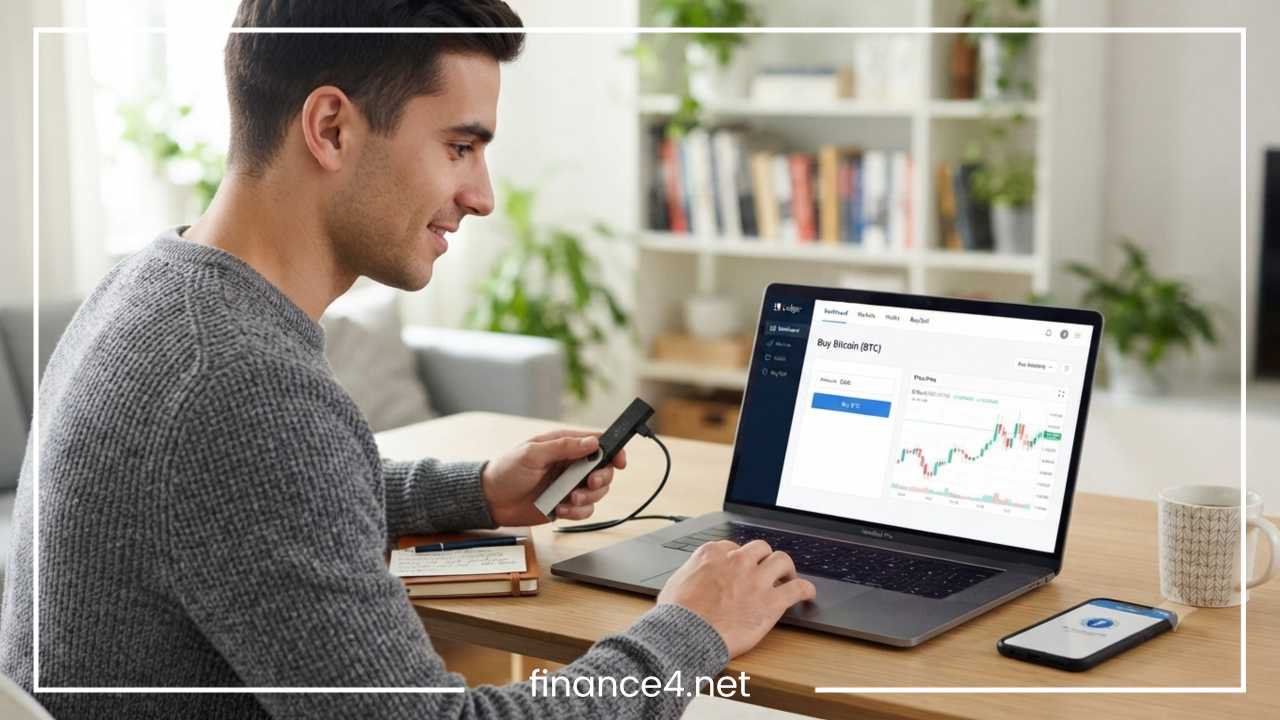
How to Buy Crypto Safely: Step-by-Step Guide for Beginners
Over the past decade, digital assets have transformed from a niche internet experiment into a global financial asset class. Millions of people around the world now invest in crypto as part of their broader financial strategies, seeking new ways to participate in the digital economy. Buying crypto has become significantly easier than it was in its early days, with streamlined applications, user-friendly interfaces, and regulated financial platforms making the entry barrier remarkably low.
However, convenience should never come at the expense of security. Because transactions in the digital asset space are largely irreversible, knowing how to buy crypto safely is the single most important skill a newcomer can develop. This comprehensive guide will walk you through the entire journey, from understanding what digital currency is to opening an account, making your first purchase, and storing your investment securely.
What Is Cryptocurrency?
At its core, cryptocurrency is a digital or virtual form of money that utilizes cryptography for security, making it nearly impossible to counterfeit. Unlike traditional fiat currencies issued by governments, such as the US Dollar or the Euro, most cryptocurrencies operate on a technology known as blockchain. A blockchain is a decentralized, distributed public ledger that records transactions across a network of computers. Because there is no central authority like a central bank controlling the network, cryptocurrency achieves decentralization, allowing individuals to transfer value directly to one another without intermediaries.
Digital ownership in this ecosystem is established through public and private keys. Think of your public key as your bank account number or email address, which you can safely share to receive funds. Your private key is akin to your password or signature, granting you absolute control over the funds associated with your public address. To interact with these assets, users rely on crypto wallets, which are digital tools that store your public and private keys. To acquire these assets, individuals use crypto exchanges, which are online platforms where fiat currency can be exchanged for digital tokens.
Prominent Digital Assets
-
Bitcoin: The first and most well-known cryptocurrency, often considered digital gold and the foundational asset of the entire ecosystem.
-
Ethereum: A decentralized platform that enables smart contracts and decentralized applications, serving as the backbone for much of the decentralized finance sector.
-
Solana: A high-performance blockchain known for its incredible transaction speeds and remarkably low fees.
-
XRP: A digital asset designed to facilitate fast, efficient cross-border payments for financial institutions.
-
Stablecoins: Cryptocurrencies whose values are pegged to a reserve asset, usually the US Dollar, providing stability amidst market volatility.
Things to Know Before Buying Crypto
Entering the world of digital assets requires a clear mindset and an understanding of key financial principles. Before you fund an account, keep the following fundamentals in mind.
Understand Volatility
Cryptocurrency markets operate twenty-four hours a day, seven days a week, and are notoriously volatile. Prices can rise and fall drastically within minutes due to market sentiment, macroeconomic news, regulatory updates, or technological developments. You must be mentally prepared to see the value of your portfolio fluctuate significantly.
Investment Goals
Define your reasons for entering the market. Are you looking for long-term investing, short-term trading, a medium of exchange for payments, or simply portfolio diversification? Your strategy will dictate which assets you buy and how you manage them.
Risk Tolerance
Never invest money you cannot afford to lose. The golden rule of crypto investing is to commit only risk capital that would not impact your daily living expenses, emergency fund, or financial security if it were to disappear entirely.
Regulations
Cryptocurrency regulations vary dramatically by country. Some nations embrace digital assets with open arms and clear legal frameworks, while others impose heavy restrictions or outright bans. Familiarize yourself with the laws governing digital assets in your specific jurisdiction.
Taxes
In many countries, purchasing cryptocurrency with fiat currency is not a taxable event, but selling, trading, or spending crypto often is. Governments typically treat digital assets as property rather than currency. You must keep meticulous records of every transaction, including purchase dates, acquisition costs, disposal dates, and fair market values, to accurately calculate capital gains or income tax where applicable.
Step-by-Step Guide: How to Buy Crypto
This section provides the practical roadmap you need to execute your very first purchase with confidence.
Choose a Cryptocurrency
Before putting money into any asset, research is essential. Evaluate potential investments based on specific criteria:
-
Market capitalization, which measures the total value of all circulating coins.
-
Real-world utility and the problem the project solves.
-
The experience and reputation of the development team.
-
The strength and engagement of the community.
-
Tokenomics, including the total supply, circulating supply, and inflation rate.
-
The project’s roadmap and future development milestones.
Choose a Crypto Exchange
A crypto exchange is the marketplace where buyers and sellers meet. When selecting an exchange, evaluate several critical factors:
-
Robust security measures, such as cold storage for customer funds.
-
Transparent and competitive fee structures.
-
A diverse selection of supported coins and trading pairs.
-
Convenient payment methods available in your region.
-
High liquidity to ensure you can buy and sell instantly without price slippage.
-
Responsive customer support.
-
Full regulatory compliance and proper licensing in your region.
Create an Account
Once you select a platform, setting up an account is straightforward. You will need to provide a valid email address and create a strong, unique password. Because virtually all reputable platforms comply with regulatory mandates, you will also need to complete identity verification, commonly known as KYC. This process requires uploading a government-issued photo identification document, such as a passport or driver’s license, and occasionally a live selfie to prove your identity.
Secure Your Account
Security must be your top priority from the moment your account is active. Always enable two-factor authentication using an authenticator application rather than SMS text messages, which can be intercepted through SIM-swapping attacks. Establish a secure password containing a mix of letters, numbers, and symbols. If your exchange offers an anti-phishing code feature, enable it so you can verify that official emails are genuinely from the platform. Save all backup recovery codes in a secure, offline location.
Deposit Funds
To buy crypto, you must first fund your exchange account. Platforms support various payment methods, each with distinct advantages and drawbacks:
-
Bank transfers generally offer the lowest fees, though they can take anywhere from a few hours to several business days to clear.
-
Debit and credit cards allow for instant purchases, letting you capitalize on market movements immediately, but they typically carry higher processing fees.
-
Electronic payment services like PayPal, Apple Pay, or Google Pay provide seamless mobile convenience where supported.
-
Existing crypto transfers let you deposit assets from another wallet or platform if you already own digital currency.
Buy Cryptocurrency
When you are ready to make a purchase, you will encounter different types of order execution:
-
A market order executes your purchase instantly at the current prevailing market price, prioritizing speed over exact price control.
-
A limit order allows you to specify the exact price at which you are willing to buy, executing only if the market reaches your target price.
-
Recurring purchases allow you to automate buying a set dollar amount of crypto daily, weekly, or monthly, removing emotion from the equation.
-
Fractional buying means you never have to buy an entire coin. For example, if Bitcoin is trading at a high price, you can purchase a fraction of a single coin for any amount you choose, such as ten dollars or fifty dollars.
Review Transaction
Before clicking the final confirmation button, review every detail of the transaction carefully. Check the trading fees, the exchange rate applied, the exact amount of cryptocurrency you will receive, and any network routing details. Once confirmed, the transaction is processed and the assets are credited to your exchange balance.
Store Your Crypto
After your purchase settles, you must decide where to keep your digital assets. While leaving them on the exchange is common for active traders, transferring them to a personal wallet provides superior security for long-term holdings.
Where Can You Buy Crypto?
Different platforms cater to different user needs, technical skill levels, and privacy preferences.
Centralized Exchanges
Centralized exchanges operate much like traditional online brokerages. They are run by a company that acts as an intermediary, matching buyers and sellers in an order book.
-
Pros: Highly user-friendly, excellent customer support, high liquidity, fiat currency integration, and convenient account recovery options.
-
Cons: You do not hold your private keys directly, meaning you rely on the platform’s security practices, and they require complete identity verification.
-
Best for: Absolute beginners who want a smooth, guided onboarding experience.
Decentralized Exchanges
Decentralized exchanges operate entirely through automated smart contracts on a blockchain without any company or intermediary managing the trades. Users connect a self-custody wallet directly to the protocol to swap tokens.
-
Pros: Complete financial privacy, no identity verification required, and you retain absolute custody of your funds at all times.
-
Cons: Steeper learning curve, no customer support if you make a mistake, and potential exposure to smart contract bugs.
Crypto Brokers
Crypto brokers act as a middleman between you and the crypto market, simplifying the buying process by selling digital assets directly to you from their own inventory at a quoted price.
-
Pros: Extremely simple interfaces and streamlined purchasing flows.
-
Cons: The convenience usually comes packaged with wider spreads and higher embedded fees compared to standard exchange order books.
Bitcoin ATMs
Physical kiosks scattered in retail locations allow users to buy digital assets using cash or card, much like a traditional automated teller machine.
-
Pros: Instant cash purchases without linking a traditional bank account.
-
Cons: Exceptionally high transaction fees and sometimes stringent identity verification requirements depending on local laws.
Peer-to-Peer Platforms
Peer-to-peer marketplaces connect buyers and sellers directly, allowing individuals to negotiate trades and use various local payment methods.
-
Pros: Flexible payment options that traditional exchanges might not support.
-
Cons: Higher risk of fraud or scams, requiring reliance on platform escrow services and cautious participant vetting.
Best Cryptocurrencies for Beginners
While thousands of digital tokens exist, beginners are generally advised to focus on established assets with strong track records, robust liquidity, and clear utility.
Bitcoin
As the undisputed pioneer of the industry, Bitcoin boasts the largest market capitalization and the highest degree of institutional adoption. It is widely regarded as a digital store of value and the safest entry point for newcomers.
Ethereum
Ethereum introduced programmable smart contracts, powering a vast ecosystem of decentralized applications, financial tools, and digital tokens. Its massive developer community and widespread economic integration make it a core holding for many participants.
Solana
Solana appeals to users seeking high-speed performance and minimal transaction costs. Its vibrant ecosystem of applications makes it a popular choice for those exploring fast-paced blockchain utility.
XRP
Designed primarily for international banking settlements, XRP offers enterprise-grade speed and efficiency, appealing to those interested in cross-border liquidity solutions.
Stablecoins
Stablecoins like USD Coin or Tether maintain a stable value tied to fiat currency. They serve as a safe harbor during volatile market downturns and act as a digital bridge for trading other assets without converting back to traditional bank currencies.
How to Store Cryptocurrency Safely
Securing your digital assets is an ongoing responsibility. To understand storage, you must understand the two primary categories of crypto wallets.
Hot Wallets
Hot wallets are digital applications connected to the internet, available as mobile apps, desktop software, or browser extensions.
-
Pros: Highly convenient, fast for making transactions, and usually free to download and use.
-
Cons: Being connected to the internet makes them theoretically vulnerable to remote malware, phishing attacks, and unauthorized device access.
Cold Wallets
Cold wallets, commonly known as hardware wallets, are physical electronic devices designed specifically to keep your private keys entirely offline, isolated from web-based threats.
-
Pros: Maximum security against online hacks, making them the gold standard for storing large amounts of wealth.
-
Cons: They cost money to purchase, require physical access to authorize transactions, and involve a slightly more involved setup process.
Essential Security Practices
-
Never share your seed phrase, which is a sequence of twelve to twenty-four random words generated when you create a wallet, with anyone under any circumstances.
-
Keep your backups entirely offline on physical paper or metal stamped plates, never in cloud storage, screenshots, or emails.
-
Always enable two-factor authentication on every platform you use.
-
Remain hyper-vigilant against phishing websites, fake customer support agents, and unsolicited messages offering giveaways.
-
Always verify wallet addresses character by character before initiating a transfer.
-
Test your setup by sending a tiny, minimal transaction amount first, and wait for confirmation before transferring large balances.
Costs of Buying Crypto
Understanding the fee structure prevents unpleasant surprises when buying digital assets. Exchanges monetize their services in various ways.
Trading Fees
Exchanges charge a small percentage fee on every trade executed. These fees often scale based on your monthly trading volume, rewarding high-volume traders with lower rates, and distinguish between makers who add liquidity and takers who remove liquidity.
Spread
The spread is the difference between the highest price a buyer is willing to pay and the lowest price a seller is willing to accept. Brokers and instant-buy features often bake a wider spread into their quoted prices as an implicit fee.
Network Fees
When you transfer cryptocurrency from an exchange to a personal wallet, you must pay a network or miner fee. This fee compensates the decentralized validators who process and secure the transactions on the blockchain network, fluctuating based on network congestion.
Withdrawal and Conversion Fees
Some platforms charge flat fees when you withdraw fiat currency back to your bank account or convert one cryptocurrency directly into another without an intervening trading pair. Payment processors may also tack on additional fees when using credit cards.
Risks of Buying Cryptocurrency
While digital assets present exciting financial opportunities, participants must navigate several distinct risk categories.
-
Market volatility can erase substantial portfolio value in a matter of hours during downward corrections.
-
Scams, fraudulent schemes, and sophisticated phishing operations target inexperienced users constantly.
-
Fake exchanges mimic legitimate platforms to steal user login credentials and deposited funds.
-
Rug pulls occur when malicious developers abandon a newly launched project and run away with investor funds.
-
Smart contract vulnerabilities can be exploited by hackers to drain decentralized finance protocols.
-
Rapidly shifting regulatory changes across different nations can impact liquidity, trading pairs, and platform accessibility.
-
Hacking attempts target both centralized servers and individual user devices.
-
Emotional investing, driven by fear of missing out or panic selling, often leads to poor financial decisions.
-
Complete and permanent loss of private keys or recovery phrases means your funds become irretrievable forever with zero possibility of password resets.
Common Beginner Mistakes
Avoiding common pitfalls will save you from unnecessary stress and financial loss.
-
Buying assets purely out of fear of missing out because of social media hype.
-
Ignoring the cumulative impact of trading, withdrawal, and network fees.
-
Failing to research a project’s fundamentals beyond its price action.
-
Leaving large amounts of crypto on centralized exchanges instead of moving them to personal cold storage.
-
Falling for classic social media giveaway scams promising double returns.
-
Sharing backup recovery phrases on untrusted websites or messaging apps.
-
Using weak, recycled passwords across multiple financial accounts.
-
Investing life savings or emergency funds into speculative digital assets.
-
Trading emotionally based on short-term price fluctuations rather than adhering to a long-term plan.
-
Neglecting to keep meticulous transaction records, leading to severe headaches during tax season.
Tips for Buying Crypto Safely
-
Start with small amounts of money to learn the ropes without high stakes.
-
Practice dollar-cost averaging by investing fixed amounts at regular intervals, smoothing out market volatility over time.
-
Diversify your investments across multiple established assets rather than putting all your capital into a single token.
-
Research every single project thoroughly before deploying capital.
-
Stick exclusively to trusted, highly regulated, and reputable exchanges.
-
Enable every available security feature on your accounts immediately.
-
Keep all device operating systems, browsers, and wallet applications updated to patch security vulnerabilities.
-
Double-check destination wallet addresses meticulously before hitting send.
-
Maintain organized records for all buying, selling, and transferring activities to simplify tax reporting.
-
Stay informed about current industry security threats, common scam vectors, and regulatory updates.
Final Thoughs
Buying cryptocurrency is a straightforward process once you understand the foundational mechanics, select a reputable platform, and prioritize security at every stage. By choosing a secure exchange, verifying your account, protecting your private keys, and starting small according to your personal financial goals and risk tolerance, you can navigate the digital asset landscape safely. As the crypto ecosystem continues to evolve, maintaining an attitude of continuous learning and cautious skepticism remains your best defense. Take your time, do your research, and approach your crypto journey with discipline and patience.
Frequently Asked Questions
What is the absolute best way for a complete beginner to buy cryptocurrency safely?
For absolute beginners, the safest entry point involves creating an account on a reputable, heavily regulated centralized cryptocurrency exchange that requires strict identity verification. Once registered, fund the account via a standard bank transfer to minimize processing fees, purchase a well-established asset like Bitcoin or Ethereum using a simple market order, and immediately transfer your holdings to a personal hardware wallet for maximum long-term security.
How much money do I need to start investing in digital currencies?
You do not need thousands of dollars or even enough money to buy an entire coin. Most major exchanges allow fractional purchasing, meaning you can buy Bitcoin, Ethereum, or other supported assets with as little as ten or twenty dollars. This fractional capability makes digital asset investing accessible to any budget while allowing newcomers to test the waters without risking significant capital.
Can I use a credit card to purchase cryptocurrency instantly?
Yes, many centralized exchanges and brokerage platforms accept Visa and Mastercard credit and debit cards for instant cryptocurrency purchases. While this method allows you to acquire assets immediately without waiting for bank clearing times, it typically incurs much higher processing fees compared to standard bank wire transfers or automated clearing house deposits.
What happens if I send my crypto to the wrong wallet address?
Cryptocurrency transactions executed on public blockchains are completely irreversible. If you send digital assets to an incorrect or mistyped destination address, there is no central bank, customer service department, or intermediary that can reverse the transaction or recover the funds for you, which is why verifying addresses character by character is vital.
Do I have to pay taxes when I buy and sell digital assets?
Tax obligations depend entirely on your local jurisdiction, but tax authorities in most major economies treat cryptocurrencies as property rather than standard fiat currency. This means that selling crypto for cash, trading one token for another, or earning rewards through staking can trigger capital gains or income tax events, requiring you to maintain detailed logs of every transaction.
What is the difference between a hot wallet and a cold wallet?
Hot wallets are software-based applications connected to the internet through mobile devices, desktops, or web browsers, making them convenient for frequent trading. Cold wallets are physical hardware devices that store your private keys completely offline, offering superior protection against online hackers, malware, and remote digital theft.
Why do crypto exchanges require ID verification or KYC?
Know-your-customer regulations are legally mandated compliance procedures used by financial institutions and cryptocurrency exchanges to verify the identity of their users. These measures help prevent illicit activities such as money laundering, terrorist financing, tax evasion, and identity theft within the global financial ecosystem.
How can I avoid falling for common cryptocurrency scams?
To protect yourself from fraud, never share your recovery seed phrase or private keys with anyone, ignore social media giveaways promising guaranteed financial returns, verify that website URLs match official exchange domains, and avoid investing in newly launched projects that lack transparent development teams or verifiable smart contract audits.