How to Create Bridging-Based Index Tokens
 by
by 
How to Create Bridging-Based Index Tokens | Step-by-Step Guide
Creating bridging-based index tokens is a complex yet rewarding endeavor in the ever-evolving landscape of decentralized finance (DeFi). These tokens represent a basket of assets from different blockchains, allowing investors to gain diversified exposure with a single token. Unlike traditional index tokens that are confined to a single chain, bridging-based index tokens leverage blockchain bridges to include assets from various networks, significantly expanding their utility and potential. This article will serve as a comprehensive guide, walking you through the foundational concepts, technical architecture, and a step-by-step process for creating these innovative financial instruments.
Understanding Index Tokens
Definition and Functionality
An index token is a single, fungible token that represents ownership of a basket of underlying digital assets. Think of it as an ETF (Exchange Traded Fund) for the crypto world. Instead of buying multiple cryptocurrencies individually, an investor can purchase one index token to get exposure to a diversified portfolio. The value of the index token is a composite of the value of its underlying assets, weighted according to a specific methodology.
The Rise of Index Tokens
The popularity of index tokens has surged due to their numerous benefits. For investors, they offer a simple way to achieve diversification, reducing the risk associated with a single asset. For example, a DeFi index token might include a mix of governance tokens from leading protocols like Uniswap (UNI), Aave (AAVE), and MakerDAO (MKR). This approach simplifies portfolio management and lowers transaction costs since you only need to perform one trade to rebalance your entire portfolio.
Examples of popular index tokens include the DeFi Pulse Index (DPI) by Index Coop, which tracks the performance of top DeFi projects, and the Metaverse Index (MVI), which focuses on tokens in the metaverse and NFT space. These examples demonstrate the power of creating targeted, thematic investment vehicles that are easily accessible to a wide audience.
The Concept of Bridging in Blockchain
Cross-Chain Interoperability
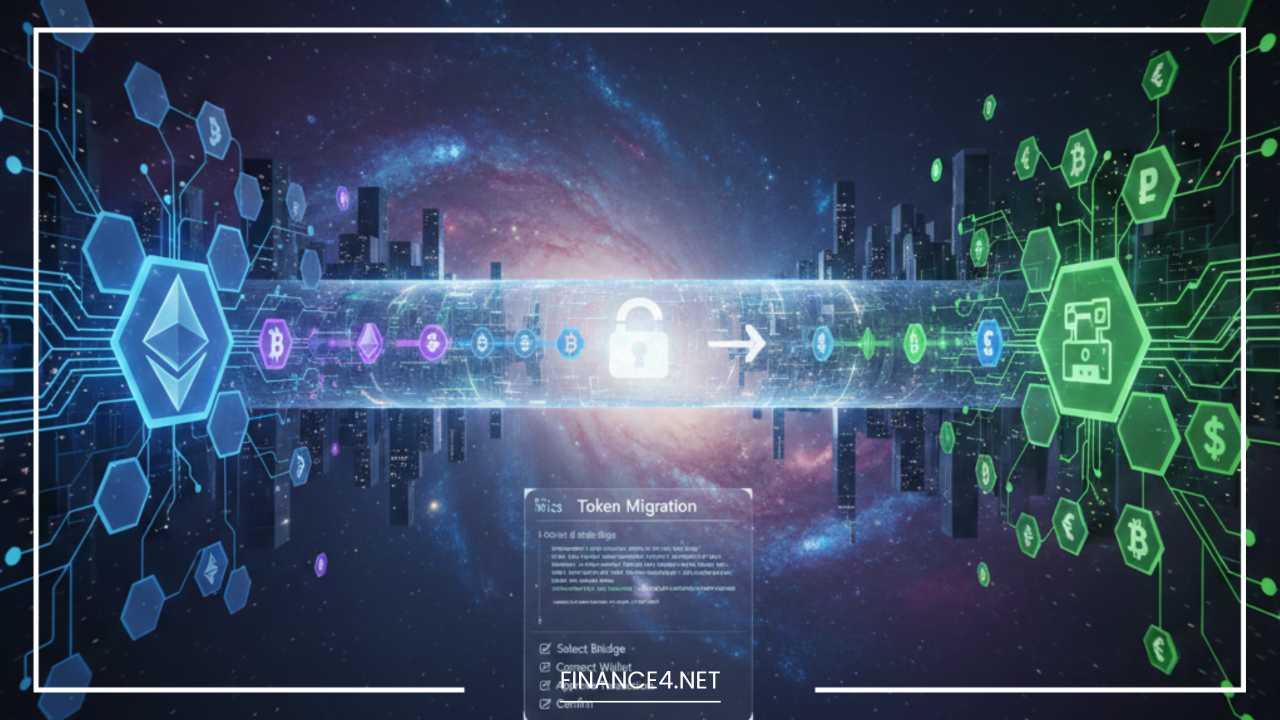
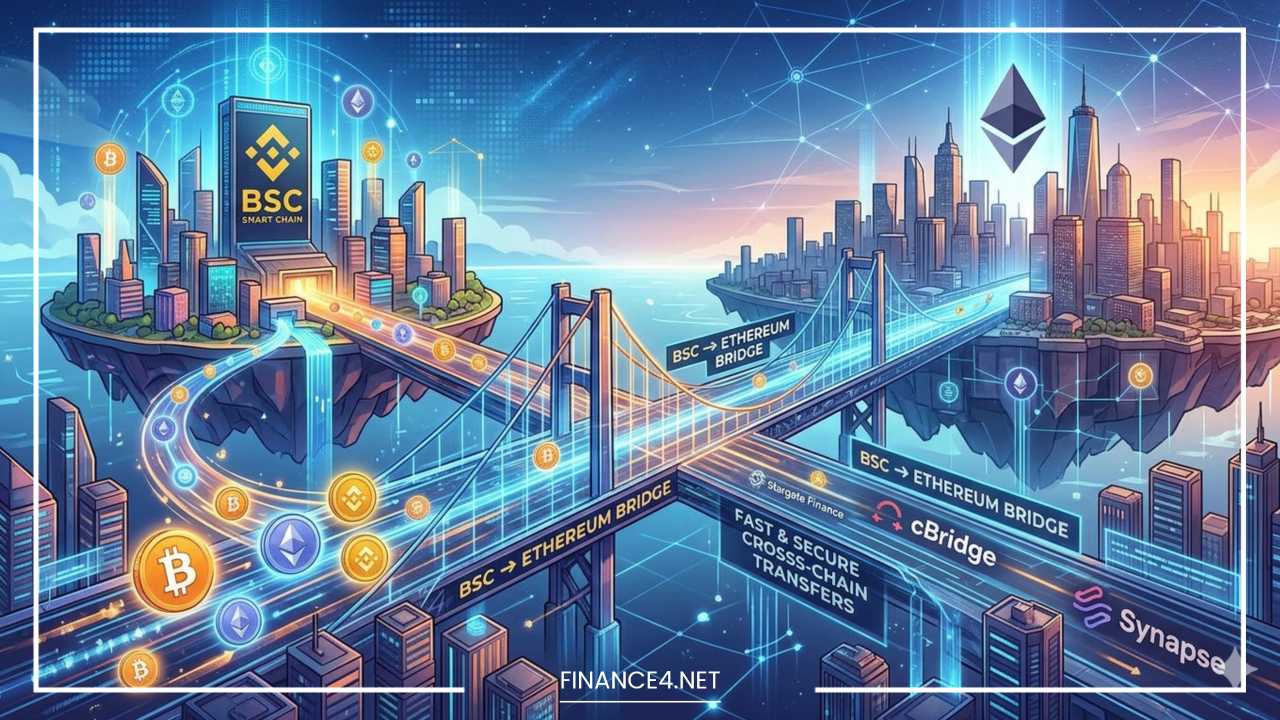
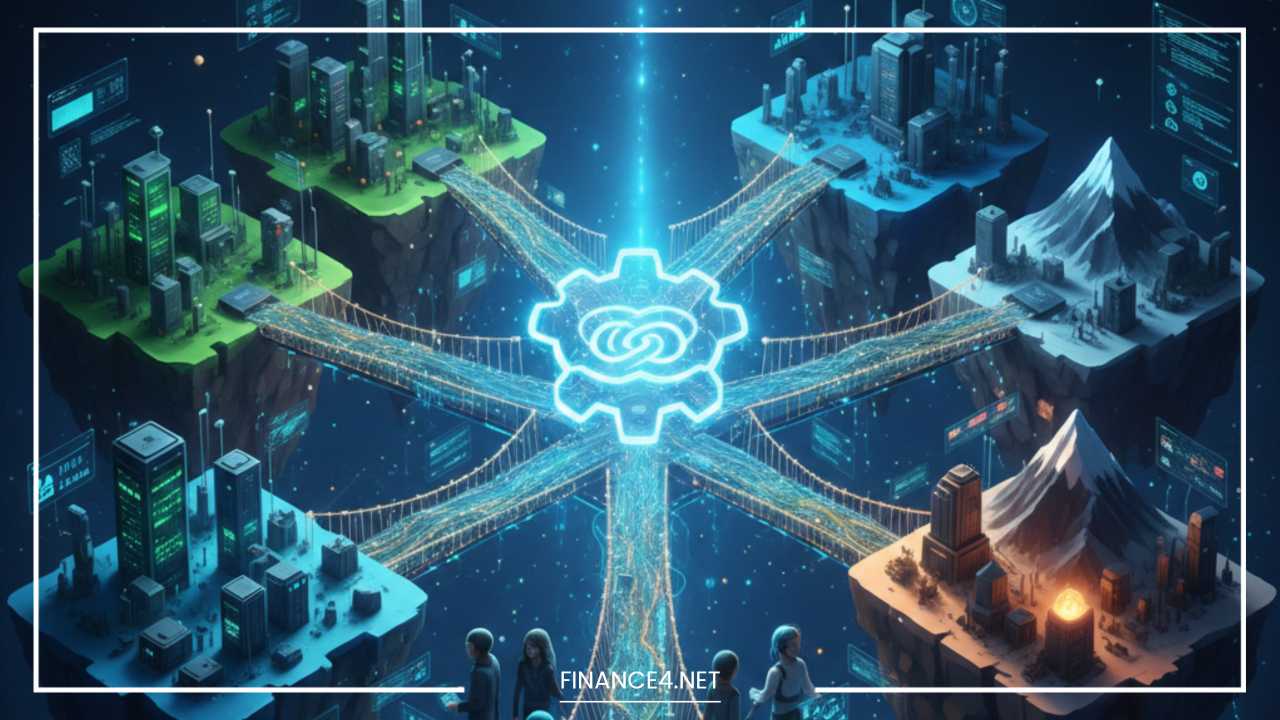
At its core, a blockchain bridge is a protocol that connects two different blockchain networks, enabling the transfer of tokens, data, and even smart contract calls between them. In the multi-chain universe of today, where networks like Ethereum, Binance Smart Chain (BSC), Polygon, and Solana operate in isolation, bridges are the critical infrastructure that allows for seamless interaction and liquidity flow.
Types of Bridges
There are several types of bridges, each with its own trade-offs regarding security, speed, and decentralization.
- Centralized Bridges: These bridges rely on a trusted third party or a multisig wallet to custody assets. While fast and efficient, they introduce a single point of failure and require users to place trust in the bridge operator.
- Decentralized Bridges: These bridges use smart contracts and a network of validators to secure and verify cross-chain transactions. They are more trustless and resilient but can be more complex to operate and may have higher transaction costs. Examples include Wormhole and Hop Protocol.
Challenges and Risks
Despite their importance, bridges are a major attack vector in the crypto space. The security of a bridge is paramount, as a single vulnerability can lead to the loss of millions or even billions of dollars in bridged assets. Other challenges include managing high fees, dealing with network congestion, and ensuring consistent transaction speeds across different chains.
What Are Bridging-Based Index Tokens?
Definition and Core Functionality
A bridging-based index token is an index token that holds assets that reside on different blockchains. This is achieved by using blockchain bridges to “wrap” or “lock” the underlying assets on their native chain and minting a representation of them on the chain where the index token’s smart contract is deployed.
For example, a bridging-based index token on the Ethereum network could hold a representation of native SOL (Solana) and AVAX (Avalanche) tokens. The native SOL and AVAX would be locked in a smart contract on their respective chains, and “wrapped” versions (e.g., wSOL and wAVAX) would be minted on Ethereum. The index token’s smart contract would then hold these wrapped tokens.
Advantages and Use Cases
Bridging-based index tokens offer unique benefits:
- Unprecedented Diversification: They enable investors to get exposure to a broader range of assets from different ecosystems, including those that are not natively available on a single chain.
- Enhanced Capital Efficiency: They allow for the creation of diversified portfolios without the need to manage multiple wallets and pay multiple transaction fees for each asset.
- New Financial Products: They open the door for creating novel investment products that track the performance of entire blockchain ecosystems or specific cross-chain sectors, such as Layer 1 tokens or interoperability protocols.
Components and Architecture
Creating a bridging-based index token requires a sophisticated architecture that involves several key components.
- Index Token Smart Contract: This is the core of the token. It is typically an ERC-20 (Ethereum) or BEP-20 (Binance Smart Chain) compatible token contract. It manages the index composition, rebalancing logic, and token minting/burning mechanisms.
- Bridge Smart Contracts: These are the contracts on different chains that manage the locking and unlocking of native assets and the minting and burning of their wrapped representations. These contracts are the foundation of the entire bridging mechanism.
- Oracle Integration: Accurate and real-time price data is essential for maintaining the value and integrity of the index token. Oracles like Chainlink and Band Protocol provide decentralized price feeds, ensuring that the index token’s value accurately reflects its underlying assets.
- Index Composition and Weighting: The index composition defines which assets are included in the basket and in what proportion. The weighting can be based on market capitalization, equal weighting, or a more complex custom formula.
- Governance and Upgradeability: A robust governance system is crucial for managing the index over time. It allows token holders to vote on proposals to add or remove assets, adjust weighting, or upgrade the smart contracts. Upgradeability features, such as a proxy contract pattern, enable the team to fix bugs and add new features without a full redeployment.
Step-by-Step Guide to Creating Bridging-Based Index Tokens
Step 1: Define the Index Composition
The first and most critical step is to define what your index token will represent.
- Select Assets: Choose a basket of assets that align with your index’s theme. Consider factors like market capitalization, liquidity, and the reputation of the underlying projects. For a “Layer 1 Index,” you might include tokens like ETH, SOL, AVAX, and DOT.
- Criteria for Inclusion: Establish clear rules for which assets can be included. This might involve setting a minimum market cap, requiring a certain level of on-chain liquidity, or ensuring that the project has a proven track record.
- Weighting Mechanism: Decide on a weighting methodology. Market cap weighting is the most common, where assets with a higher market cap have a larger share of the index. Equal weighting gives each asset an equal share, which can be useful for smaller, high-growth projects.
Step 2: Choose Blockchains and Bridges
- Select Chains: Choose the blockchains you want to support. This decision should be based on the location of the assets you’ve selected and the target audience for your token. Ethereum offers the largest DeFi ecosystem, while chains like Polygon and BSC offer lower transaction fees.
- Choose Bridges: Research and select suitable bridges for your chosen chains. The ideal bridge should be secure, have low fees, and offer high transaction speeds. Wormhole is a popular choice for connecting major L1s, while Hop Protocol is excellent for L2 rollups.
Step 3: Develop Smart Contracts
This is the most technically demanding part of the process.
- Index Token Contract: Write the smart contract for your index token, making sure it conforms to the relevant token standards (e.g., ERC-20). The contract needs to manage the locking of wrapped assets and the minting and burning of the index token.
- Bridge Contract Integration: The index token contract must be able to interact seamlessly with the bridge contracts on different chains. This involves calling functions on the bridge contracts to deposit and withdraw assets, and to verify cross-chain transactions.
- Security and Audits: Security is non-negotiable. Before deploying your contracts, they must undergo a professional security audit by a reputable firm. This will identify and fix potential vulnerabilities that could lead to a loss of funds.
Step 4: Oracle Integration
- Importance of Price Data: The value of your index token is directly tied to the value of its underlying assets. Without accurate, real-time price feeds, your token’s value will be unstable and unreliable.
- Popular Oracle Solutions: Integrate a decentralized oracle solution like Chainlink. Chainlink’s price feeds are highly reliable and resistant to manipulation. For each asset in your index, you’ll need to set up a corresponding price feed from the oracle.
Step 5: Testing and Deploying
- Testing on Testnets: Before a mainnet launch, thoroughly test your smart contracts on a testnet (e.g., Goerli for Ethereum). This allows you to simulate real-world transactions and catch bugs without risking real funds.
- Deployment Strategies: When deploying to the mainnet, consider gas optimization techniques to minimize transaction costs. Use a proxy contract pattern to make your contracts upgradeable in the future.
Step 6: Launch and Liquidity Provision
- Liquidity Pools: After deployment, you need to create liquidity pools on decentralized exchanges (DEXs) like Uniswap or Sushiswap. This allows users to easily trade your index token.
- Incentivizing Liquidity: To attract liquidity, consider offering incentives to liquidity providers (LPs), such as a portion of the trading fees or a farm where LPs can earn additional governance tokens.
Step 7: Governance and Maintenance
- Managing the Index: The index composition is not static. It needs to be rebalanced periodically to maintain the desired asset weightings. This can be done manually or through a more automated, on-chain rebalancing mechanism.
- Community Involvement: A strong community is vital for the long-term success of your project. Encourage token holders to participate in governance proposals, which can cover topics like adding new assets, changing the weighting, or updating the protocol.
Technical Challenges and Solutions
- Cross-Chain Liquidity: Managing liquidity across different chains can be a major challenge. Solutions like a multi-chain liquidity pool or a single-chain liquidity pool with wrapped assets can help mitigate this.
- Price Discrepancies: Prices for the same asset can vary slightly between different chains. Oracles can help by providing a consistent price feed from a reliable source.
- Security and Bridging Risks: The most significant risk is a bridge hack. To minimize this, use audited and time-tested bridges, and consider implementing a security-first approach with frequent audits and bug bounty programs.
Future Trends and Innovations
The space of bridging-based index tokens is ripe for innovation.
- Layer 2 Scaling: The rise of Layer 2 solutions like Arbitrum and Optimism will make cross-chain transactions faster and cheaper, further enabling the creation of complex, multi-chain financial products.
- Cross-Chain Composability: The ability for smart contracts on one chain to call functions on another will open up new possibilities for creating truly decentralized, cross-chain financial instruments.
Final Thoughts
Creating a bridging-based index token is a significant undertaking that requires a deep understanding of blockchain technology, smart contract development, and financial engineering. However, the potential rewards are immense. These tokens have the power to democratize access to diversified, multi-chain portfolios, making it easier for investors to participate in the broader DeFi ecosystem. By following the steps outlined in this guide and paying close attention to security and governance, developers can build the next generation of financial products that will shape the future of decentralized finance.