How to Set Up a Multi-Chain NFT Marketplace
 by
by 
Building the Borderless Bazaar: A Comprehensive Guide to Setting Up a Multi-Chain NFT Marketplace
The digital landscape is in a perpetual state of evolution, and Non-Fungible Tokens (NFTs) are at the heart of this transformation. What started primarily as an Ethereum-based phenomenon has grown into a vibrant, interconnected web of blockchains, each fostering unique NFT communities and use cases.
Networks like Polygon, Solana, BNB Chain, Avalanche, and others are carving out their niches, offering distinct advantages in scalability, cost, or speed.
However, with innovation comes complexity: assets are now fragmented across isolated ecosystems, making discovery, trading, and ownership verification challenging for users and creators alike.
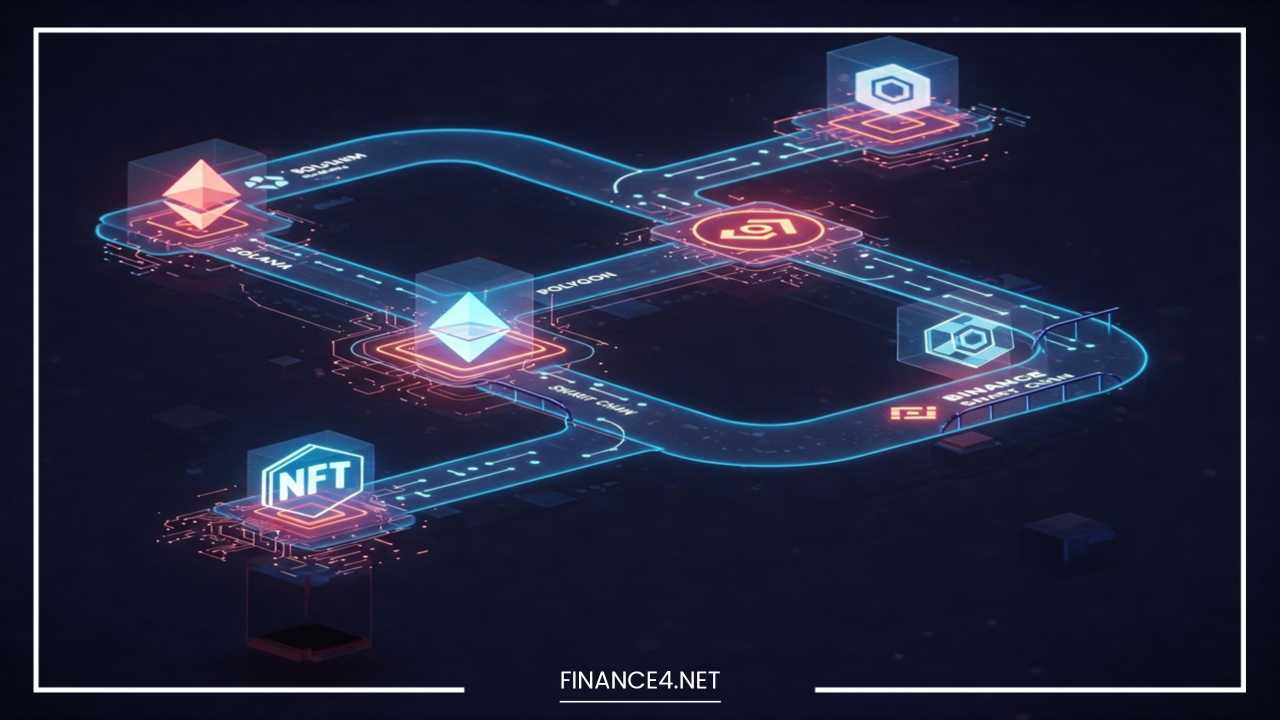
Enter the multi-chain NFT marketplace—a visionary solution designed to eliminate these silos. Imagine a single interface where collectors can explore NFTs from multiple blockchains, creators can reach cross-network audiences, and transactions flow seamlessly regardless of their origin.
It’s more than convenience—it’s about reimagining NFT trading as chain-agnostic, frictionless, and truly borderless.
But building such a platform isn’t trivial. It requires a harmonious blend of blockchain interoperability, intuitive user experience, secure smart contracts, and clear strategic vision. Let’s break down what it takes to construct this next-generation marketplace.
Laying the Foundation: Understanding the Multi-Chain Paradigm
NFTs and Their Diverse Blockchain Ecosystems
At the heart of any NFT marketplace lies the NFT itself—a unique digital asset representing ownership of art, collectibles, in-game items, music, virtual land, and more. While Ethereum’s ERC-721 and ERC-1155 standards paved the way, other blockchains have innovated their own:
- Solana: Uses Metaplex’s Token Metadata standard.
- BNB Chain: Offers BEP-721 and BEP-1155.
- Tezos, Avalanche, Flow, Cardano: Each with their own implementations and nuances.
These standards differ in structure, minting behavior, and metadata handling. For a marketplace to work across them, it must support these standards natively or through abstraction layers that normalize interactions.
The Interoperability Challenge
Blockchains are self-contained systems, each with unique consensus mechanisms, programming languages, and wallet infrastructure.
Ethereum uses Solidity, while Solana runs Rust or C; wallet architectures like MetaMask and Phantom are incompatible out of the box. Enabling these systems to “talk” to each other requires deep technical integration.
Bridging Blockchains: The Role of Cross-Chain Protocols
Cross-chain bridges enable the transfer of tokens and data across blockchains. There are several approaches:
- Trusted Bridges: Built and maintained by centralized teams or foundations (e.g., Polygon Bridge, Wormhole for Solana).
- Trustless Bridges: Rely on smart contracts and validators (e.g., Axelar, LayerZero, deBridge).
- Custom Bridges: Tailored protocols for specific marketplaces or ecosystems.
Your choice of bridge influences latency, security, and user experience—critical factors in a real-time NFT platform.
Wrapped NFTs: Expanding Market Access
Wrapped NFTs are a popular way to trade assets cross-chain. They work by locking the original NFT on Chain A and minting a corresponding “wrapped” version on Chain B. Users can buy, sell, and trade the wrapped version, which can later be unwrapped to retrieve the original.
However, wrapping introduces risks (e.g., bridge failures, de-pegging) and UX challenges. Marketplaces should automate and abstract this process to minimize user friction.
Aggregators vs. Native Multi-Chain Marketplaces
Two architectural models dominate:
- Aggregators: Display listings from various chains via APIs or SDKs (e.g., Reservoir, OpenSea’s multi-chain frontend). They often redirect users to native marketplaces for transactions.
- Native Multi-Chain Marketplaces: Integrate smart contracts and bridging directly to facilitate seamless on-platform cross-chain operations.
For a truly borderless experience, the native approach is the gold standard—and also the most technically demanding.
Strategic Blueprint: Defining Your Marketplace’s Vision
Identifying Your Audience and Niche
A clear user persona anchors your strategy. Are you targeting:
- Digital artists looking for royalties across chains?
- Web3 gamers trading in-game assets from various ecosystems?
- Metaverse landowners and builders?
- Institutional collectors seeking liquidity?
Your audience determines your feature set, marketing channels, and UI/UX priorities. Niche marketplaces often enjoy stronger community loyalty and clearer brand identity.
Selecting Supported Blockchains (Launch and Beyond)
Your initial chain selections should balance:
- Popularity and NFT activity: Ethereum and Polygon remain top-tier.
- Gas fees: Solana and BNB Chain offer cost-efficient alternatives.
- Ecosystem compatibility: Look for SDKs, bridges, and wallet support.
- Community: Consider developer community size and potential partnership opportunities.
Plan for scalable integration using a modular architecture so you can plug in new chains as your marketplace grows.
Defining Core Functionalities
A robust multi-chain marketplace needs a well-rounded feature set tailored for both creators and collectors:
User Profiles and Multi-Wallet Integration
- Allow account creation via email, social login, or wallet connection.
- Support multiple wallet types (MetaMask, Phantom, WalletConnect).
- Enable cross-chain wallet mapping to unify user identity across blockchains.
NFT Creation and Listing
- Support single and batch minting.
- Implement lazy minting (on-demand minting upon purchase).
- Allow cross-chain minting with metadata consistency.
Marketplace Operations
- Support for fixed-price sales, auctions, and offers.
- Real-time transaction monitoring and confirmations.
- Escrow mechanisms for cross-chain transactions.
Advanced Discovery Tools
- Filters by chain, category, price, rarity, artist, and attributes.
- Trending collections and personalized recommendations.
- Multi-chain activity feed and analytics dashboard.
Royalties and Creator Earnings
- On-chain royalty enforcement using standards like EIP-2981.
- Cross-chain royalty tracking with distributed payout contracts.
- Optional support for creator DAOs and fund splits.
Community Features
- Social features (follows, likes, comments).
- Collection curation tools.
- Support for community drops and token-gated access.
Establishing a Unique Selling Proposition (USP)
A saturated market demands differentiation. Consider these angles to stand out:
Cross-Chain Swaps and Bundles
Enable users to trade NFTs across chains directly—e.g., swap a Solana NFT for an Ethereum NFT with built-in valuation and slippage protection.
Community Governance and DAO Integration
Give power users governance rights—e.g., voting on featured drops, royalties, or fees. Token-based voting mechanisms add transparency and decentralization.
Metaverse and GameFi Integration
Allow users to view, transfer, or use NFTs in popular metaverses or games—think wearable previews in Decentraland or linking NFTs to in-game avatars.
Advanced Creator Tools
Offer analytics dashboards, drop scheduling, cross-chain airdrops, or dynamic NFTs that change based on chain interactions.
Monetization Strategy: Fueling Sustainable Growth
Revenue models must align with user incentives and market behavior:
Transaction Fees
A standard fee (e.g., 2-3%) on every sale. Offer reduced fees for native token holders or high-volume traders.
Premium Features
Offer analytics tools, boosted visibility, or exclusive collections under a subscription or one-time unlock model.
Launchpad or Curated Drops
Host exclusive launches for NFT creators or brands, charging a listing or promotional fee.
Token Economy
Introduce a native utility token for staking, rewards, governance, and discounts. Ensure strong tokenomics and utility to avoid dilution.
Legal and Regulatory Compliance: Navigating the Grey Zones
NFT regulation varies dramatically by region and continues to evolve. Consider:
Intellectual Property (IP) Protection
Ensure that creators verify ownership of content. Implement DMCA takedown procedures and licensing disclosures.
Financial Regulations
Avoid mechanisms that resemble securities (e.g., fractionalized ownership with profit-sharing). Understand AML/KYC requirements if enabling fiat on/off ramps.
Taxation and Reporting
Support user-friendly tax tools or integration with crypto tax platforms. Some jurisdictions may require reporting for NFT trades.
Data Privacy
If collecting user data, comply with GDPR, CCPA, and other relevant privacy frameworks.
Consulting with legal professionals from the beginning will prevent costly setbacks later. Document clear terms of service and user agreements that outline rights and responsibilities.
Architecting the Platform: The Technical Blueprint
With a well-defined vision and strategic foundation laid, the next step in building your multi-chain NFT marketplace is designing a resilient and scalable technical architecture.
This architecture should accommodate the unique requirements of multiple blockchains while ensuring a seamless, secure, and engaging experience for users.
A multi-chain marketplace isn’t just a frontend interface layered over several blockchains—it’s a complex orchestration of smart contracts, APIs, data infrastructure, and user interactions, all of which must be robust and interoperable.
Frontend Development: Crafting the Cross-Chain User Experience
Selecting a Modern UI Framework
The user interface is the face of your marketplace. It must be fast, responsive, and intuitive across devices while supporting multi-chain functionality under the hood.
- React.js is a popular choice due to its ecosystem, flexibility, and performance.
- Vue.js offers simplicity and a reactive design pattern that suits smaller or more agile teams.
- Angular is robust and structured, great for teams familiar with enterprise-level applications.
Combine these with UI libraries like TailwindCSS, Material UI, or Chakra UI to accelerate development and maintain design consistency.
Multi-Wallet Integration
Supporting wallet connections across blockchains is a fundamental requirement:
- For Ethereum-compatible chains, integrate MetaMask, WalletConnect, and Coinbase Wallet.
- For Solana, integrate Phantom, Solflare, or Backpack Wallet.
- Use SDKs like
web3.js,ethers.js,solana/web3.js, orviemdepending on the blockchain and wallet type.
Ensure the frontend can detect the connected chain and prompt users to switch networks when necessary.
Cross-Chain NFT Display and Metadata Handling
NFT metadata is often stored off-chain using decentralized storage protocols like IPFS or Arweave, and the structure varies by chain and token standard.
You’ll need:
- Flexible data-fetching components to parse and render NFT metadata from different chains.
- Fallbacks for missing metadata and support for dynamically loading media (images, 3D models, videos).
- Preloading and caching mechanisms to ensure fast image rendering and smooth scrolling in large collections.
Transaction UX and Error Handling
Blockchain transactions can be unpredictable—gas spikes, wallet disconnects, or user rejection are common. Design your transaction flows with:
- Clear prompts before signing.
- Progress indicators for pending transactions.
- Helpful error messages (not just “Transaction Failed”).
Use libraries like web3modal, wagmi, or use-wallet to streamline wallet interactions.
Bridging and Wrapping UI
When users perform cross-chain actions, UX becomes more complex. Create guided workflows with:
- Chain selection menus.
- Real-time gas estimation and approval tracking.
- Clear representation of original and wrapped NFT relationships.
Use animations and UI steps to demystify these processes for non-technical users.
Backend Development: Powering the Cross-Chain Engine
Choosing the Right Tech Stack
Your backend handles user data, transaction logic, blockchain communication, and internal APIs. Popular stacks include:
- Node.js: Fast and event-driven, great for real-time interactions.
- Python (Flask or Django): Ideal for data-heavy applications and rapid prototyping.
- Golang: High performance and concurrency—well-suited for high-load blockchain indexing tasks.
Choose based on team expertise and project scope.
Designing a Flexible, Multi-Chain Aware Database
Your data model must reflect the complexity of NFTs:
- Store chain ID, token standard, contract address, token ID, metadata URI, and ownership data.
- Use relational databases like PostgreSQL for structured relationships (users, collections, sales) and NoSQL options like MongoDB for flexible metadata.
Consider chain-agnostic identifiers to unify NFT records across chains.
API Layer and Microservices Architecture
Expose modular APIs to serve:
- NFT metadata and listings
- User wallet activity
- Marketplace statistics
- Transaction history
Design these APIs with REST or GraphQL depending on frontend requirements. For scalability, break components into microservices (e.g., metadata service, user service, listing engine) and manage them via containers with Docker and Kubernetes.
Indexing and Data Sync
Real-time performance demands fast access to blockchain data. Build or integrate an indexing layer that:
- Monitors blockchain events (mint, transfer, sale)
- Updates your internal database
- Normalizes NFT metadata
Use tools like The Graph, Moralis, Reservoir Protocol, or build custom indexers for chains not covered by these platforms.
Off-Chain Storage
Most NFT media and metadata are stored off-chain:
- IPFS: Immutable, decentralized file storage.
- Arweave: Permanent and archive-quality storage.
- Pinata, NFT.storage, or Filebase can simplify IPFS integration.
Ensure media links are correctly stored and replicated to avoid broken content.
Smart Contract Development: Adding On-Chain Trust
While a marketplace can function using external contracts, building your own contracts gives you flexibility and control.
Core Smart Contracts
- Listing Contracts: Manage fixed-price sales, bids, and auction mechanics.
- Royalty Contracts: Implement ERC-2981 or custom logic to ensure consistent creator royalties across chains.
- Escrow and Settlement Contracts: Secure multi-party transactions, particularly for auctions or delayed settlements.
Deploy these on all supported blockchains using consistent patterns and modular contract design.
Cross-Chain Interoperability
Implement cross-chain communication using:
- Bridging protocols (e.g., LayerZero’s OFT/ONFT standards)
- Event-based synchronization, where a contract on Chain A emits an event listened to by an off-chain oracle that triggers a contract on Chain B.
Maintain parity in contract functionality across chains to avoid fragmented UX.
Smart Contract Security
Security is non-negotiable. Follow best practices:
- Use audited libraries like OpenZeppelin.
- Implement comprehensive unit and integration tests.
- Undergo third-party audits before going live.
- Monitor contracts post-deployment with tools like Tenderly, Forta, or OpenZeppelin Defender.
Blockchain Interaction Layer: Communicating with the Chain
Node Infrastructure
Reliable blockchain access is critical. Use providers like:
- Infura (Ethereum, Polygon, Avalanche)
- Alchemy (Ethereum, Arbitrum, Optimism)
- Ankr (multi-chain support)
- QuickNode or Chainstack for scalable node solutions.
Deploy fallbacks and load balancing to avoid downtime.
SDKs and Tools
Use blockchain-specific SDKs to read and write data:
ethers.js,web3.jsfor Ethereum-compatible chains@solana/web3.jsfor Solana- Official SDKs for chains like Near, Flow, or Tezos
Handle nuances such as different transaction confirmation times and gas mechanisms.
Event Subscriptions and Logs
Create listeners to monitor:
- NFT transfers
- Listings and sales
- Bids and auctions
- Wallet connections and interactions
Use WebSocket endpoints or subscribe to blockchain logs depending on the chain.
Multi-Chain Integration Mechanisms: Connecting the Ecosystems
Leveraging Bridging Protocols
Rather than reinventing the wheel, tap into mature bridging ecosystems:
- Wormhole: Connects Ethereum, Solana, BNB, Polygon, and others.
- LayerZero: Ultra-light client bridging with support for NFTs via ONFT standard.
- Axelar: Provides a generalized message-passing protocol with EVM support.
- deBridge, Celer IM, Synapse: Alternatives with varying chain support and fees.
Ensure proper verification of bridged assets to prevent fraud or duplication.
Implementing Wrapped NFTs
Wrapped NFTs allow cross-chain representation of an NFT by:
- Locking the original NFT in a contract on the source chain.
- Minting a wrapped version on the destination chain with metadata copied or referenced.
- Allowing redemption or “unwrapping” to retrieve the original.
You’ll need to implement or integrate custodial smart contracts and ensure asset authenticity through unique IDs and cryptographic proofs.
Enabling Cross-Chain NFT Swaps
This advanced functionality involves allowing users to:
- Swap NFTs directly between blockchains.
- Swap an NFT for another NFT, or for a token, across different chains.
This may require:
- Valuation oracles to assess fair value.
- Escrow contracts to hold both assets during the transaction.
- Atomic swap logic or time-locked contracts to prevent loss.
This feature adds massive UX value but must be designed with great care to prevent race conditions and slippage errors.
Hybrid Integration Strategies
Not all blockchains or NFTs behave the same. Consider a hybrid model:
- Use bridging protocols for high-volume chains (Ethereum, Polygon, BNB).
- Use wrapped NFTs for less interoperable or niche blockchains.
- Offer view-only aggregation for chains not yet integrated, with future support on the roadmap.
This approach lets you launch quickly while building toward a fully-native multi-chain platform.
Security First: Protecting Your Platform and Users
Security is the backbone of any blockchain-based platform, but it’s especially critical for NFT marketplaces where valuable assets and financial transactions are at stake. A single vulnerability can result in millions lost and irreparable damage to user trust.
Building a robust security architecture from the outset ensures your platform—and your users—remain protected.
Smart Contract Audits
Smart contracts are immutable once deployed, meaning bugs can’t be easily patched. Therefore:
- Hire reputable third-party audit firms like CertiK, Trail of Bits, or OpenZeppelin to thoroughly audit your contracts.
- Conduct internal code reviews before external audits to catch common issues early.
- Follow audit recommendations meticulously and document changes for transparency.
Regular re-audits are recommended after major upgrades or when new functionality is added.
Secure Backend Infrastructure
The backend often becomes a target for attackers looking to compromise user data or admin privileges. Secure it with:
- Role-based access control (RBAC) and least privilege principles for admin accounts.
- TLS/SSL encryption for all internal and external communication.
- Environment variable protection for private keys and API secrets.
- Firewalls and network isolation, especially for sensitive services like database instances.
Automate infrastructure security with tools like AWS IAM, HashiCorp Vault, or Google Secret Manager.
Wallet Security Guidance
Most attacks in Web3 stem from user-side vulnerabilities. Educate and empower users:
- Offer step-by-step wallet setup guides with a focus on phishing prevention.
- Warn users against storing seed phrases in cloud services or screenshots.
- Provide visual cues to confirm wallet connections and signing requests.
- Encourage use of hardware wallets for high-value users and creators.
Two-Factor Authentication (2FA)
Even in decentralized platforms, central accounts for user profiles, preferences, and off-chain activity are common.
- Integrate 2FA via authenticator apps (e.g., Google Authenticator) or email/SMS verification.
- Offer optional biometric login for mobile users.
- Require 2FA for high-risk actions like withdrawals, password changes, or linked wallet updates.
Continuous Monitoring and Threat Detection
Proactive monitoring allows you to catch threats before they escalate:
- Deploy intrusion detection systems (IDS) and real-time logging of wallet interactions and unusual activity.
- Use services like Sentry, Datadog, or New Relic for application-level monitoring.
- Set up alert systems for unusual spikes in gas usage, wallet connections, or failed transactions.
For smart contracts, platforms like Tenderly, Blocknative, or Forta can offer real-time blockchain analytics and anomaly detection.
Bug Bounty Programs
Tap into the ethical hacking community to strengthen your platform:
- Launch a public or private bug bounty via platforms like HackerOne, Immunefi, or HackenProof.
- Offer tiered rewards based on severity and novelty of discovered bugs.
- Ensure timely communication and acknowledgment to build trust with the security community.
Deployment and Maintenance: Bringing Your Vision to Life
Deployment is more than just launching a website—it’s about ensuring that your platform operates smoothly, remains secure, and adapts to user needs over time.
Choosing the Right Hosting Stack
Scalability and reliability are critical. Choose cloud providers that offer:
- Auto-scaling compute (e.g., AWS EC2 Auto Scaling, Google App Engine).
- Load balancing for frontend/backend services.
- High availability databases like Amazon RDS or Google Cloud SQL.
- Geo-distributed content delivery via CDNs like Cloudflare.
Use container orchestration with Docker and Kubernetes for easier deployments and rollbacks.
Smart Contract Deployment
Deploy contracts on all supported blockchains using verified tools like:
- Hardhat, Foundry, or Truffle for EVM-compatible chains.
- Solana CLI and Anchor for Solana.
- Tezos CLI, Near CLI, etc., depending on the chain.
Maintain a deployment script library and version contracts via Git for reproducibility.
Comprehensive Testing and QA
Before going live:
- Conduct cross-chain functionality tests, ensuring that wrapping, bridging, and cross-chain listing features work as intended.
- Perform browser and device testing to ensure a consistent experience.
- Run load tests to gauge performance under traffic spikes.
- Involve community members in beta testing to get real-world feedback.
Monitoring, Analytics, and Feedback Loops
Once live, insights are key to improving your marketplace:
- Use tools like Google Analytics, Mixpanel, or Amplitude to monitor user journeys.
- Track conversion funnels, abandoned transactions, and wallet connection drop-offs.
- Implement error logging dashboards and a public status page to inform users during downtimes.
Ongoing Maintenance and Iteration
The NFT and blockchain space evolves rapidly:
- Keep your tech stack updated and dependencies patched.
- Monitor upcoming blockchain hard forks, SDK changes, and deprecation notices.
- Maintain a changelog and communicate updates transparently with users.
- Establish a sprint-based roadmap for feature releases and bug fixes.
Marketing and Community Building: Spreading the Word
No matter how advanced your platform is, without users, it’s just code. An effective go-to-market strategy combined with community-building efforts creates momentum and long-term loyalty.
Audience and Brand Clarity
Start by identifying your audience:
- Are they digital artists, collectors, gamers, or metaverse participants?
- Tailor messaging to reflect their goals—whether it’s exposure, revenue, or utility.
Develop a brand that resonates:
- A memorable name, cohesive visual identity, and clear tone of voice will help establish presence in a crowded space.
- Make your value proposition (multi-chain, lower fees, advanced analytics, etc.) immediately apparent.
Community Engagement and Growth
A strong community is a self-sustaining marketing engine:
- Host Twitter Spaces, Discord AMAs, or creator showcases.
- Offer early supporters NFT badges, governance privileges, or airdrops.
- Use Telegram bots and Discord integrations to keep users informed and engaged.
Influencers and Strategic Partnerships
Build credibility and exposure through:
- Influencer collaborations with trusted NFT creators and YouTubers.
- Strategic partnerships with blockchain protocols, metaverse platforms, or NFT projects for co-branded drops or events.
- Apply for ecosystem grants or incubation programs from blockchain foundations (e.g., Polygon Studios, Solana Foundation).
Launch Strategy and PR
A successful launch should feel like an event:
- Offer limited-time incentives (e.g., fee waivers, featured drops).
- Build pre-launch hype via teaser content, allowlists, and early access sign-ups.
- Reach out to Web3 media outlets, Reddit communities, and newsletter editors for coverage.
Final Thoughts: The Future of NFT Trading is Multi-Chain
Launching a multi-chain NFT marketplace is not just a technical challenge—it’s a mission to reshape how people engage with digital assets.
By bridging chains, educating users, and building a secure, scalable platform, you create a space where artists, collectors, and communities can thrive without borders.
From smart contract audits to multi-wallet UX, from deployment pipelines to social campaigns, every piece plays a critical role in your platform’s success.
The future of NFTs is not bound by a single blockchain. It’s collaborative, interoperable, and user-centric—and it’s being built now by innovators like you.