How to Set Up Cross-Chain Watchlists
 by
by 
How to Set Up Cross-Chain Watchlists | Step-by-Step Guide
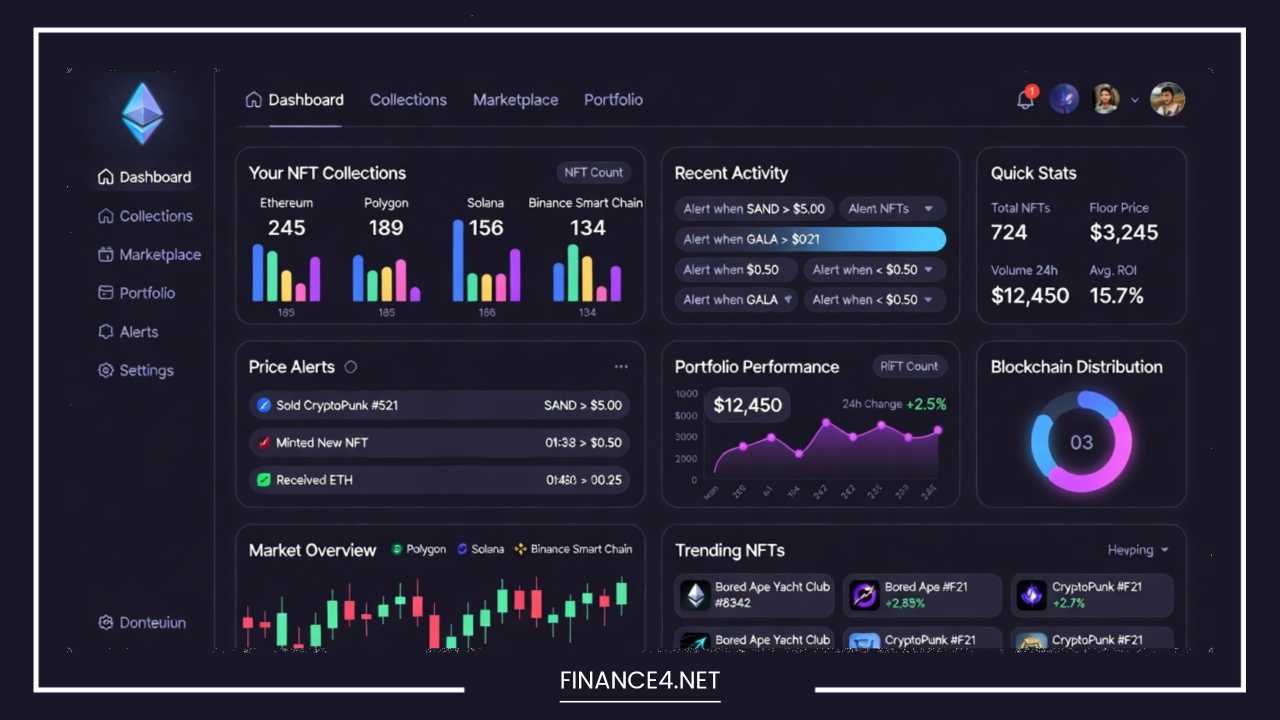
In the fast-paced and ever-expanding world of cryptocurrencies, managing digital assets has become a complex task. With hundreds of blockchains, thousands of tokens, and countless decentralized applications (dApps), a new challenge has emerged: keeping track of your assets and market opportunities across multiple chains. This is where a cross-chain watchlist becomes an indispensable tool. A cross-chain watchlist is a centralized dashboard or application that allows you to monitor assets, wallets, and market data across various blockchains from a single interface.
The importance of monitoring assets across multiple blockchains cannot be overstated. For DeFi traders, it means identifying arbitrage opportunities or tracking liquidity pools on different chains. For NFT collectors, it’s about monitoring floor prices on Ethereum and Solana simultaneously. Analysts and portfolio managers, meanwhile, can gain a holistic view of the market, track whale movements, and manage portfolio risk more effectively. This article will guide you through the process of setting up and using a cross-chain watchlist, providing you with the tools and knowledge needed to navigate the multi-chain ecosystem.
Understanding Cross-Chain Ecosystems
To appreciate the need for a cross-chain watchlist, you first need to understand the underlying infrastructure. Cross-chain interoperability refers to the ability of different blockchains to communicate and interact with each other. Historically, blockchains operated as isolated silos. Ethereum’s ecosystem was separate from Solana’s, and BNB Chain was distinct from Avalanche. This fragmentation made it difficult to transfer assets or data between them.
The landscape has changed dramatically with the rise of various interoperability solutions. Bridges are one of the most common solutions, allowing users to lock up tokens on one chain and mint a “wrapped” or representative version on another. For example, a user can bridge ETH from the Ethereum mainnet to a wrapped version on Polygon to take advantage of lower gas fees. Layer 0s, such as Polkadot and Cosmos, take a different approach by providing a foundational network upon which other blockchains can be built, ensuring native interoperability from the start. Wrapped tokens are a critical component of this ecosystem, representing an asset from a different blockchain and enabling its use in a new environment.
However, this interconnectedness also creates a challenge for data aggregation. Monitoring asset prices and on-chain activity requires fetching data from multiple, disparate sources, which can be a time-consuming and manual process. A single user might have assets on Ethereum, BNB Chain, and Avalanche, making it difficult to get a consolidated view of their portfolio’s performance without using a specialized tool.
What Is a Watchlist in Crypto?
At its core, a crypto watchlist is a curated list of cryptocurrencies or other digital assets that you want to track. The purpose is to monitor key metrics such as price, volume, and market capitalization without having to search for each asset individually.
A traditional, single-chain watchlist might focus exclusively on Ethereum-based tokens or a specific set of NFTs on one blockchain. These are useful but are no longer sufficient for the modern crypto user. A cross-chain watchlist, by contrast, aggregates data from multiple blockchains into one unified view. For example, you could track the price of ETH, SOL, AVAX, and MATIC side-by-side, along with specific tokens on each of those chains. The use cases extend beyond just price tracking to include wallet activity, where you can monitor a specific address’s movements, and NFT floor prices across different marketplaces.
Why You Need a Cross-Chain Watchlist
The primary reason for using a cross-chain watchlist is to avoid fragmented data views. Without one, you’d be forced to manually check multiple block explorers (like Etherscan, Solscan, and Avalanche Explorer), portfolio trackers, and dApps to get a full picture of your assets. This is inefficient and can lead to missed opportunities or poor decision-making.
A cross-chain watchlist also addresses the issue of centralized vs. decentralized tracking. While some centralized exchanges offer multi-asset watchlists, they often lack the ability to track on-chain data like DeFi positions or specific wallet activities. Decentralized tools, on the other hand, connect directly to the blockchains, providing a more comprehensive and real-time view of your holdings and the market.
This unified perspective is crucial for portfolio risk management and arbitrage opportunities. By seeing all your assets in one place, you can quickly identify which chains are performing well, where you might be over-exposed, and where potential arbitrage opportunities exist. For instance, if a token’s price is significantly different on a decentralized exchange (DEX) on Ethereum versus one on BNB Chain, you can spot that discrepancy and potentially profit from it. The ability to set real-time alerts and notifications for price changes, wallet movements, or new token listings across chains is a powerful feature that allows you to react quickly to market events.
Tools & Platforms for Cross-Chain Watchlists
The market for cross-chain tracking tools has grown significantly. Each platform has its own strengths and weaknesses, so the best choice depends on your specific needs.
- Zapper: Known for its simple, user-friendly interface, Zapper excels at providing a comprehensive overview of your DeFi portfolio. You can connect your wallet and see all your assets, liquidity pool positions, and staked tokens across dozens of chains. It’s a great tool for quickly visualizing your total net worth and checking your DeFi positions without a deep dive.
- DeBank: A powerful and widely used tool for tracking DeFi portfolios and wallet addresses. DeBank offers detailed analytics on assets, positions, and transactions across a vast number of blockchains. It’s particularly popular for its social features, allowing users to follow and analyze the portfolios of other addresses, including prominent “whales” and project teams.
- DefiLlama: While primarily known as a data aggregator for Total Value Locked (TVL) across all DeFi protocols and chains, DefiLlama also offers a portfolio tracking feature. It’s an excellent resource for users who want to stay on top of the broader DeFi landscape and dive into specific protocol data while also keeping an eye on their own holdings.
- Arkham: Arkham is an on-chain intelligence platform that focuses on providing detailed analytics for specific addresses and entities. While it can function as a watchlist by allowing you to “label” and track addresses of interest, its primary strength lies in its deep analytical capabilities, such as identifying wallets of venture capitalists, exchanges, or major projects. It’s a more advanced tool for serious researchers and analysts.
- DexTools / DEX Screener: These platforms are primarily for real-time price charts and data for tokens on decentralized exchanges. While they are not traditional portfolio trackers, they are essential for traders who need to monitor price movements, liquidity, and trading volume for specific token pairs across multiple chains. You can save your favorite pairs to a watchlist for quick access.
- Nansen (for on-chain intelligence): Nansen is a premier on-chain analytics platform that goes far beyond a simple watchlist. It uses AI to label wallets and provide deep insights into on-chain activity, sentiment, and smart money movements. It’s a powerful but expensive tool aimed at professional traders and institutions. While it can track your own assets, its real value is in providing a macro view of the market and identifying key trends.
- CoinStats: A multi-platform portfolio tracker that supports both centralized exchange accounts and decentralized wallets. CoinStats is a good choice for users who want a single dashboard to manage their entire crypto portfolio, regardless of where the assets are held. It offers a free tier with basic tracking and a paid plan for more advanced features.
Choosing the right tool often comes down to balancing functionality, cost, and ease of use. While free tools like DeBank and DefiLlama are excellent for most users, professional traders and analysts might find the subscription-based, advanced features of platforms like Nansen or Arkham to be a worthwhile investment.
Step-by-Step Guide: Setting Up Your Cross-Chain Watchlist
Setting up a cross-chain watchlist is a straightforward process, but following a structured approach will ensure you get the most out of your chosen platform.
Step 1: Define what you want to track
Before you begin, decide on your primary goal. Are you a trader focused on volatile tokens and NFT floor prices? Or are you a long-term investor monitoring your staked assets and DeFi positions? Your goals will determine which assets to add and which tool to use. For example, if you’re an NFT collector, you’ll want to track specific collections on Ethereum and Solana, while a DeFi farmer will focus on liquidity pool tokens and staked positions across chains like Polygon and Avalanche.
Step 2: Choose the right platform/tool
Based on your goals from Step 1, select a platform that best suits your needs.
- For a simple, holistic view of your portfolio, Zapper or CoinStats are great starting points.
- For advanced DeFi tracking and wallet analysis, DeBank is an excellent choice.
- For real-time price monitoring of newly launched tokens, DexTools or DEX Screener are a must.
- For in-depth on-chain intelligence, consider Arkham or Nansen.
Step 3: Connect your wallet(s)
Most cross-chain tracking tools are read-only, meaning they don’t require you to grant them permission to spend your funds. This is a critical security feature. Using a tool like MetaMask or a mobile wallet with WalletConnect, you can securely connect your wallet to the platform. The platform will then automatically pull data from all the chains you have assets on. Be sure to use the “read-only” or “view-only” connection option whenever available.
Step 4: Add assets across different chains
Once your wallet is connected, most platforms will automatically detect your assets. However, you may want to add assets that you don’t hold but want to monitor. To do this, you can:
- Search by token name or symbol: For example, search for “WETH” or “Wrapped Ethereum” on different chains.
- Paste the contract address: This is the most reliable method for adding specific tokens, especially for newer or less common assets.
- Import a list: Some platforms allow you to import a list of assets from a CSV or other file format.
Step 5: Set up alerts and notifications
This is one of the most powerful features of a cross-chain watchlist. Most platforms offer a variety of alerts, including:
- Price alerts: Get notified when a token crosses a specific price threshold.
- Wallet movement alerts: Be alerted when a whale address you are tracking makes a significant transaction.
- NFT floor price alerts: Get a notification when the floor price of your favorite NFT collection changes.
Take the time to configure these alerts to your specific needs. They can provide a significant edge in a volatile market.
Step 6: Customize your dashboard
A well-organized dashboard is key to effective monitoring. Customize your view by:
- Grouping assets by chain: This helps you see the performance of each ecosystem at a glance.
- Grouping by asset class: Separate your NFTs from your DeFi positions and your liquid tokens.
- Using tags or labels: Labeling assets by risk level (e.g., “high-risk,” “stable”) or purpose (e.g., “trading,” “long-term hold”) can help with quick decision-making.
Step 7: Regular maintenance and updating
The crypto landscape is constantly evolving. Make it a habit to regularly review and update your watchlist. Prune inactive assets, add new tokens or wallets you’ve discovered, and keep an eye out for new chains or protocols that you might want to integrate into your monitoring.
Tips for Effective Cross-Chain Monitoring
An effective watchlist is more than just a list of assets; it’s a strategic tool.
- Organize by purpose: Create separate sections for assets you’re actively trading versus those you are holding for the long term. This helps prevent emotional decisions and keeps your focus clear.
- Color-code or tag assets: Use a simple color-coding system (e.g., red for high-risk, green for low-risk) or tags to quickly identify the characteristics of an asset.
- Set regular review periods: Whether it’s daily, weekly, or monthly, schedule a specific time to review your watchlist, analyze performance, and make any necessary adjustments.
- Integrate with mobile apps or browser extensions: Many of these platforms offer mobile apps or browser extensions that make it easy to check your watchlist on the go.
Security and Privacy Considerations
While most cross-chain tracking tools are secure, it’s essential to follow best practices to protect your assets.
- Be cautious with wallet connections: Always ensure you are on the official website of the platform. Phishing sites are common and can trick you into connecting your wallet to a malicious contract.
- Use read-only wallet features: Whenever possible, use a view-only or read-only connection. This allows the platform to see your assets but not interact with them.
- Avoid unnecessary permissions: Never grant a platform permissions to spend your tokens unless it is absolutely necessary for a specific transaction you are initiating.
- Backup and 2FA where applicable: If you’re using a platform with a login, enable two-factor authentication (2FA) and back up your credentials securely.
Future of Cross-Chain Watchlists
The future of cross-chain watchlists is set to be more intelligent and integrated. We can expect to see:
- AI and predictive analytics integration: Tools will move beyond simply showing data to using AI to predict price movements, identify potential risks, and suggest opportunities based on your portfolio and market trends.
- On-chain reputation scores and wallet profiling: Platforms will likely develop more sophisticated methods for scoring wallets based on their past activity, helping users to identify “smart money” and avoid addresses associated with scams.
- Real-time social sentiment analysis: Integrating social media data to gauge market sentiment for specific tokens or NFT collections will become a standard feature, providing another layer of analysis for traders.
- Role in DAO treasury tracking: As decentralized autonomous organizations (DAOs) become more prominent, cross-chain watchlists will be essential for tracking and managing multi-chain DAO treasuries.
Final Thoughts & Key Takeaways
A cross-chain watchlist is no longer a luxury but a necessity for anyone serious about navigating the multi-chain crypto ecosystem. By consolidating data from various blockchains into a single, organized interface, it allows you to manage your portfolio more effectively, identify opportunities, and mitigate risk.
The key benefits are clear: a unified data view, enhanced risk management, and the ability to make informed decisions in real-time. The first step is to pick a tool that aligns with your needs, connect your wallet securely, and start building your custom watchlist today. The tools are continuously evolving, so staying updated on new features and platforms is a continuous process. Embrace the power of cross-chain monitoring and gain a significant edge in the dynamic world of crypto.