NFT Forging for Brand Expansion
 by
by 
NFT Forging for Brand Expansion: Scale Your Web3 Presence
The digital landscape is undergoing a fundamental shift from the centralized structures of Web2—characterized by platform-owned data and rented attention—to the decentralized ethos of Web3. At the heart of this transition lie Non-Fungible Tokens (NFTs). While the initial mainstream exposure to NFTs was dominated by high-profile digital art sales and speculative collectibles, the underlying technology represents something far more profound for the corporate world: a programmable layer of ownership, identity, and community governance.
Web3 is defined by the transition from “read-write” to “read-write-own.” For brands, this means moving beyond simply broadcasting messages to an audience and instead fostering a participatory ecosystem where consumers become stakeholders. NFTs are the primary vehicle for this transformation. They are unique digital assets verified on a blockchain, ensuring scarcity, provenance, and interoperability across various digital environments. In an era where digital noise is at an all-time high, NFTs offer a way for brands to cut through the static by offering something tangible in a virtual space.
As traditional digital marketing faces headwinds from increased privacy regulations, the decline of the third-party cookie, and the rising cost of customer acquisition on social media platforms, forward-thinking brands are exploring NFT forging as a strategic tool for expansion. This process goes beyond the mere creation of a digital image; it involves crafting a digital extension of the brand’s soul. By leveraging NFTs, companies can build deeper loyalty, create exclusive tiered experiences, and establish a permanent, verifiable presence in the burgeoning metaverse. This article explores how NFT forging serves as a foundational pillar for scaling brand presence in the decentralized era, moving the needle from short-term hype to long-term strategic value.
Understanding NFT Forging
In the context of brand strategy, NFT forging refers to the intentional process of designing, minting, and deploying non-fungible tokens that are specifically engineered to support a brand’s ecosystem. The term “forging” is used deliberately here; it implies a sense of craftsmanship and permanence. It is about creating a digital asset that carries the weight of a brand’s reputation while offering tangible or intangible value to the holder. It is the architectural work of building the “smart” components of a brand’s digital future.
Traditional vs. Brand NFTs
Traditional NFTs often focus on artistic expression, generative randomness, or speculative value within a niche community of collectors. In contrast, brand NFTs serve as functional tools. While they may possess aesthetic appeal, their primary purpose is to act as a bridge between the physical and digital worlds. A brand-forged NFT is often a “living” asset that evolves over time, providing ongoing benefits rather than a one-time transaction. It is a relationship-starter rather than a mere product.
The Taxonomy of Brand NFTs
To effectively forge an NFT, a brand must understand the different functional types available:
-
Utility NFTs: These provide the holder with specific functional benefits, such as early access to product launches, discounts, or voting rights on future brand designs. They turn a purchase into a utility.
-
Membership NFTs: Acting as digital “black cards,” these tokens grant access to gated communities, private forums, or exclusive real-world events. They replace traditional login systems with decentralized ownership.
-
Collectible NFTs: These focus on digital storytelling and historical significance, often celebrating brand milestones or iconic heritage designs. They allow fans to own a piece of the brand’s history.
-
Experiential NFTs: These are “keys” to unique experiences, such as a virtual meet-and-greet with a founder, a digital twin of a luxury item for use in virtual worlds, or backstage passes at a sponsored event.
Key Benefits for Brands
The benefits of forging these assets are manifold. First, it enables direct consumer engagement. By bypassing intermediaries like social media algorithms, brands can interact directly with the wallets of their most loyal fans. Second, it creates a sense of ownership and exclusivity. When a customer owns a piece of the brand, their psychological tie to that brand strengthens—they become an advocate with a vested interest in the brand’s success. Finally, it serves as an innovative marketing channel, allowing brands to reach “crypto-native” audiences who prioritize digital-first interactions and decentralized values, effectively future-proofing the brand’s demographics.
Why NFTs Are Powerful for Brand Expansion
Expansion in the Web3 era is not measured solely by market share, but by “community share.” NFTs are the ultimate engine for this because they transform a passive consumer base into an active, incentivized community. When a brand forges an NFT, it is essentially issuing a digital passport that follows the user throughout the internet, creating a persistent brand touchpoint.
Community-Building and Loyalty
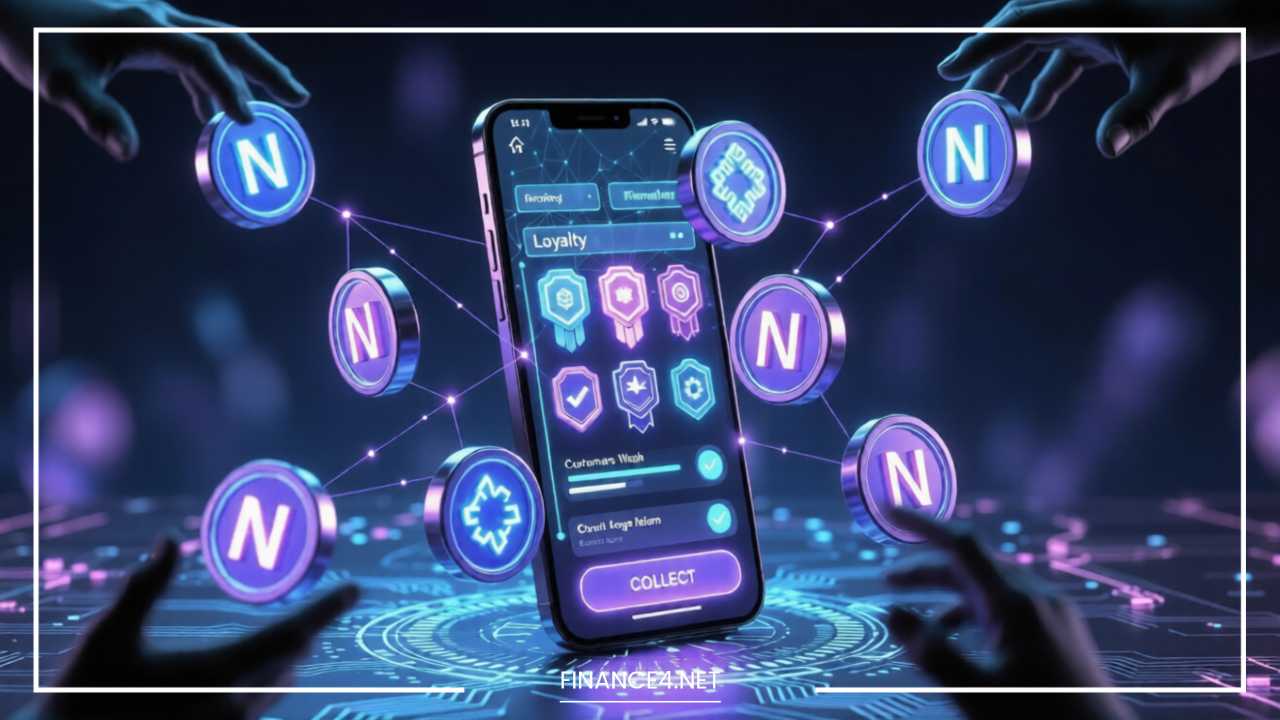
Traditional loyalty programs are often siloed and stagnant. Points expire, and the value is trapped within a single vendor’s app. NFT-based loyalty, however, is dynamic and interoperable. Because the token lives on a public ledger, other platforms can recognize a user’s status. A brand can partner with another company to offer “cross-brand” perks to NFT holders, effectively expanding its reach through a shared ecosystem. This creates a “network effect” where the value of being part of the brand community increases as more partners join the Web3 space.
Social Proof and Digital Prestige
In the digital age, identity is curated through digital signals. Just as luxury fashion provides social signals in the physical world, NFTs provide digital prestige. Owning a limited-edition NFT from a globally recognized brand acts as a badge of status within digital social circles, virtual galleries, and decentralized platforms. This “social proof” is a powerful marketing tool that drives organic brand awareness as users display their assets as social media profile pictures (PFPs) or within virtual hangouts. It turns the customer into a billboard, but one that is proud to carry the message.
Case Studies of Successful Brand NFT Campaigns
Several heritage brands have already demonstrated the power of this expansion:
-
Nike: Through the acquisition of RTFKT and the launch of the .SWOOSH platform, Nike has moved beyond footwear into “virtual creations.” They allow users to co-create and own digital versions of sneakers, blurring the line between designer and consumer. This has generated hundreds of millions in revenue while solidifying their dominance in digital fashion.
-
Gucci: By creating digital clothing and immersive experiences in platforms like Roblox and the Sandbox, Gucci has ensured its brand remains relevant to younger generations who spend more time in virtual environments than in physical malls.
-
Coca-Cola: Their “Friendship Box” NFT drop raised significant funds for charity while creating a buzz around digital collectibles that mirrored their iconic physical vending machines, proving that even “physical-only” products can have a digital soul.
These campaigns highlight the concept of digital scarcity. By limiting the number of forged assets, brands create a competitive environment that drives value and rewards the “true believers” in their community.
Designing Your Brand’s NFT Strategy
Forging NFTs without a clear strategy is a recipe for a “pump and dump” perception that can damage brand equity. A successful expansion requires a holistic approach that aligns with the core business model.
Define Brand Objectives
The first step is identifying the “Why.” Is the goal to drive immediate revenue, or to increase long-term brand affinity? Common objectives include:
-
Loyalty Enhancement: Turning repeat buyers into a gated community.
-
Brand Awareness: Reaching a new, tech-savvy demographic.
-
Data Ownership: Gathering first-party data directly from wallet interactions.
-
Revenue Diversification: Creating a new stream of digital product sales.
Identifying Target Audience
Understanding the target audience is critical for technical implementation. “Crypto-native” users require technical transparency, decentralized storage, and a deep understanding of Web3 culture. “Mainstream” consumers, however, need a seamless user experience (UX) that hides the complexities of blockchain, such as gas fees and wallet setups. For the latter, “custodial wallets” (where the brand holds the keys for the user) might be the better entry point.
Choosing the Right Infrastructure
The choice of blockchain is a foundational decision that impacts the brand’s image and the NFT’s utility:
-
Ethereum: The most secure and widely used for high-value assets, but can be expensive due to transaction (gas) fees.
-
Polygon/Solana: Ideal for high-volume, low-cost NFTs (like loyalty points or mass-market collectibles) due to their speed and efficiency.
-
Tezos/Flow: Often favored by the art and sports communities for their lower energy consumption and user-friendly onboarding.
Integration with Existing Marketing Channels
NFTs should not exist in a vacuum. They must be integrated with existing marketing channels. An email campaign might trigger an NFT drop, or a physical purchase might come with a “digital twin” NFT accessible via a QR code on the packaging. The most successful strategies ensure the NFT aesthetics and utility are a perfect reflection of the brand story and identity. If a brand is known for sustainability, its NFT strategy must prioritize eco-friendly blockchains.
Technical and Creative Considerations
The actual “forging” process is where the technical meets the creative. This requires a multidisciplinary team capable of navigating smart contract logic while maintaining high design standards.
The NFT Creation Process
Every NFT consists of three main components: the digital asset (image, video, 3D model), the metadata (the description and traits), and the smart contract (the code that governs ownership, royalties, and transfers).
-
Minting: This is the act of publishing the NFT on the blockchain. Brands must decide between “on-chain” and “off-chain” storage. While on-chain is more permanent, off-chain storage (like IPFS or Arweave) is often necessary for high-resolution 3D files.
-
Smart Contract Logic: Brands can program royalties into their contracts, ensuring that every time an NFT is resold on a secondary market, the brand receives a percentage of the sale. This is a revolutionary shift in brand economics.
Creative Strategies and Gamification
Innovation in NFT forging often comes through gamification. Brands can create “evolving” NFTs that change appearance based on the holder’s actions—such as attending a certain number of events or “burning” two lower-tier NFTs to “forge” a single higher-tier one.
Collaborations are another powerful creative lever. By partnering with established Web3 artists or influencers, a brand can “borrow” credibility and tap into the artist’s existing community, facilitating a faster expansion into the space.
Security and Authenticity
The decentralized nature of Web3 brings risks. Brands must ensure that their smart contracts are audited by third-party security firms to prevent hacks. Furthermore, verifying ownership is essential for protecting the brand’s intellectual property. Using “Verified Collections” on marketplaces ensures that consumers are buying authentic forged assets rather than counterfeit copies. This layer of trust is the bedrock of any successful brand expansion.
Marketing and Launching NFTs
A successful NFT launch is more akin to a product drop or a film premiere than a traditional advertising campaign. It requires building intense community anticipation and maintaining momentum post-launch.
Pre-Launch Hype and Whitelisting
The “Pre-launch” phase is critical. Brands often use “whitelists” (allow-lists) to reward their most active community members or existing customers with guaranteed access to the mint. This creates a sense of exclusivity and “FOMO” (fear of missing out). Teasers on social media should focus on the utility and narrative of the NFT rather than just the price.
Community Engagement: Discord and Beyond
Unlike Web2 marketing, which is often a one-way broadcast, Web3 marketing happens in the trenches of Discord, Telegram, and X (Twitter). Brands must have dedicated community managers who can answer technical questions, facilitate discussions, and foster a sense of belonging. Hosting “Twitter Spaces” or live AMAs (Ask Me Anything) with the project’s creators helps humanize the brand and builds the transparency that Web3 audiences crave.
Post-Launch Marketing and Secondary Markets
The work does not end after the initial “mint.” A brand’s Web3 presence is often judged by its secondary market activity. Brands can incentivize holders not to sell by promising future “airdrops” (free NFTs or tokens) or ongoing utility. Partnerships with other Web3 projects can also keep the collection relevant, ensuring that the brand’s forged assets continue to circulate and provide value long after the initial launch. The goal is to maintain a “floor price” that reflects the brand’s prestige.
Measuring ROI and Brand Impact
Measuring the success of an NFT campaign requires a shift in mindset from traditional KPIs. While immediate revenue from a “mint” is easily calculated, the true value of brand expansion lies in deeper, more qualitative metrics.
Metrics to Track Success
-
Secondary Market Volume: Total sales on platforms indicate the ongoing demand and perceived value of the brand’s assets.
-
Holder Retention: The “diamond hand” ratio (percentage of users who hold the NFT for a long period) measures community loyalty and trust.
-
Utility Redemption: How many holders are actually using their NFTs to access events, discounts, or digital experiences? This measures real-world impact.
-
Community Growth and Sentiment: Monitoring the increase in social members and the sentiment of the conversation provides a window into brand health.
Assessing Long-Term Impact
A brand might see a modest profit from an NFT sale but gain a significant increase in customer lifetime value (CLV) because those NFT holders feel a deeper connection to the company. ROI in the Web3 space should be viewed through the lens of customer acquisition cost (CAC) reduction. If an NFT community becomes self-sustaining and drives organic word-of-mouth marketing, the brand’s reliance on expensive paid ads decreases, representing a massive win for long-term expansion.
Challenges and Risks
The path to Web3 expansion is not without its pitfalls. Brands must navigate a volatile and often misunderstood landscape with caution.
Market Volatility and Sentiment
The value of cryptocurrencies and NFTs can fluctuate wildly. If a brand’s NFT collection loses significant floor price value, it can lead to negative community sentiment. Brands must clearly communicate that their NFTs are utility-driven assets, not speculative investments, to manage expectations and protect their reputation.
Environmental and Regulatory Concerns
The carbon footprint of certain blockchains remains a point of contention for consumers. Brands must be prepared to defend their choice of blockchain and, ideally, opt for Proof-of-Stake (PoS) networks. Additionally, the regulatory environment for NFTs is still evolving. Issues regarding Intellectual Property (IP) rights, tax implications, and securities laws require thorough legal vetting before any assets are forged.
Maintaining Trust
The “Wild West” nature of the crypto space means that scams and phishing attacks are common. If a brand’s community is targeted by a scammer, it can tarnish the brand’s reputation even if the brand was not at fault. Education is the best defense; brands must proactively teach their community how to stay safe in the Web3 environment.
Future of NFTs for Brands
The current state of NFT forging is only the beginning. As technology matures, the “NFT” label may even fade into the background, replaced by seamless “digital collectibles” or “smart memberships” that users interact with without needing to understand the underlying blockchain.
Metaverse and AR/VR Integration
The future lies in the “phygital”—the blurring of physical and digital realities. We will see more brands forging NFTs that act as “digital twins” for physical goods, allowing owners to wear their purchases in both the real world and the metaverse. Augmented Reality (AR) will allow users to “project” their digital assets into their physical space, further deepening the sense of ownership and making the brand a part of the user’s literal environment.
Tokenized Loyalty and Sustainability
NFTs will become a sustainable, long-term brand asset. They will move from being experimental “drops” to being the standard backend for all loyalty and membership programs. This “tokenization of everything” allows brands to create granular, personalized experiences for every customer, based on their unique history of interactions recorded on the blockchain.
Final Thoughts
NFT forging represents a fundamental evolution in how brands interact with their audience. It is a transition from viewing customers as statistics to treating them as a community of owners and co-creators. By creating assets that offer genuine utility, exclusivity, and digital prestige, companies can scale their presence in the decentralized web in ways that were previously impossible.
The journey into Web3 is not just about adopting new technology; it is about embracing a new philosophy of transparency and shared value. Brands that start forging their digital identity today are not just selling collectibles—they are building the infrastructure for the next century of commerce. NFTs are the gateway; the destination is a more connected, immersive, and ownership-driven brand experience. The time to forge your future in Web3 is now, moving beyond the collectible to a strategic, scalable brand presence.