Tips for Bridging Your NFT from BSC to Ethereum
 by
by 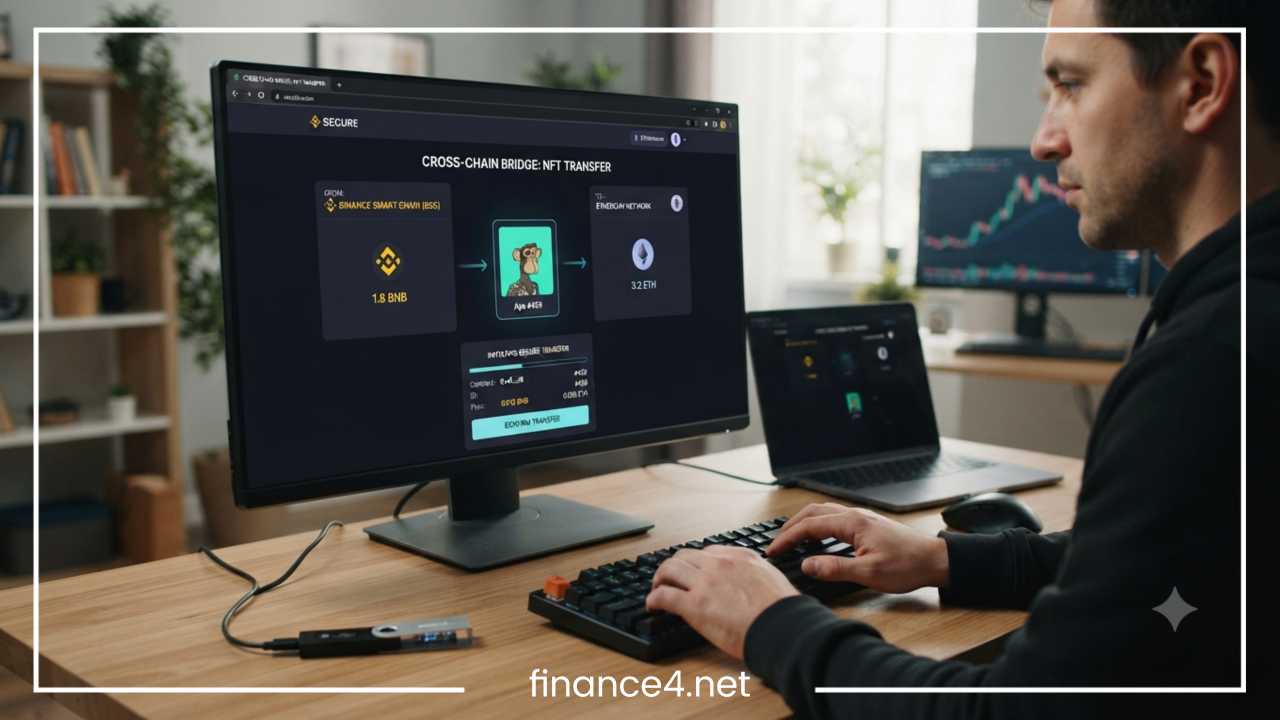
Tips for Bridging Your NFT from BSC to Ethereum | Secure Transfer Guide
The landscape of decentralized technology has evolved dramatically over the past few years, shifting away from isolated blockchain networks toward an interconnected, highly collaborative multi-chain ecosystem. In this dynamic environment, digital asset creators, active traders, and passionate collectors frequently find the need to move their valuable tokens across different execution layers, consensus mechanisms, and virtual machine environments. When it comes to non-fungible tokens, a cross-chain transfer allows a unique digital collectible minted on one blockchain to exist, trade, or find representation on another network entirely. Specifically, many project founders, digital artists, and investors look for secure, reliable methods to bridge an NFT from BSC to Ethereum to leverage different network properties, user bases, financial markets, and decentralized application ecosystems.
Moving digital assets between the BNB Smart Chain and the Ethereum network highlights the growing interoperability within the broader Web3 space. While the BNB Smart Chain offers high throughput, fast block times, and remarkably low transaction costs, Ethereum remains a dominant global hub for high-value digital art, premium marketplaces, and deep decentralized finance liquidity. However, bridging unique assets across these distinct blockchain environments is not as simple as sending a standard fungible currency coin. Non-fungible tokens carry complex metadata arrays, specific token identifiers, and detailed provenance histories that must be preserved with absolute precision across distinct token standards. Understanding how to navigate this cross-chain migration successfully requires careful planning, technical awareness, and a strong emphasis on operational security.
Throughout this comprehensive guide, readers will explore what NFT bridging entails fundamentally, why users and creators make the cross-chain migration, the essential technical checks required before initiating a transfer, a detailed step-by-step execution framework, associated costs and fee structures, potential risks, and proven best practices. By adopting a methodical, security-conscious approach, participants can ensure their valuable digital assets arrive safely at their destination without falling victim to common user errors, network anomalies, or malicious exploits. Furthermore, exploring the underlying mechanics of cross-chain communication empowers participants to make informed decisions about protocol selection and long-term asset management in an increasingly multi-chain world.
What Does It Mean to Bridge an NFT?
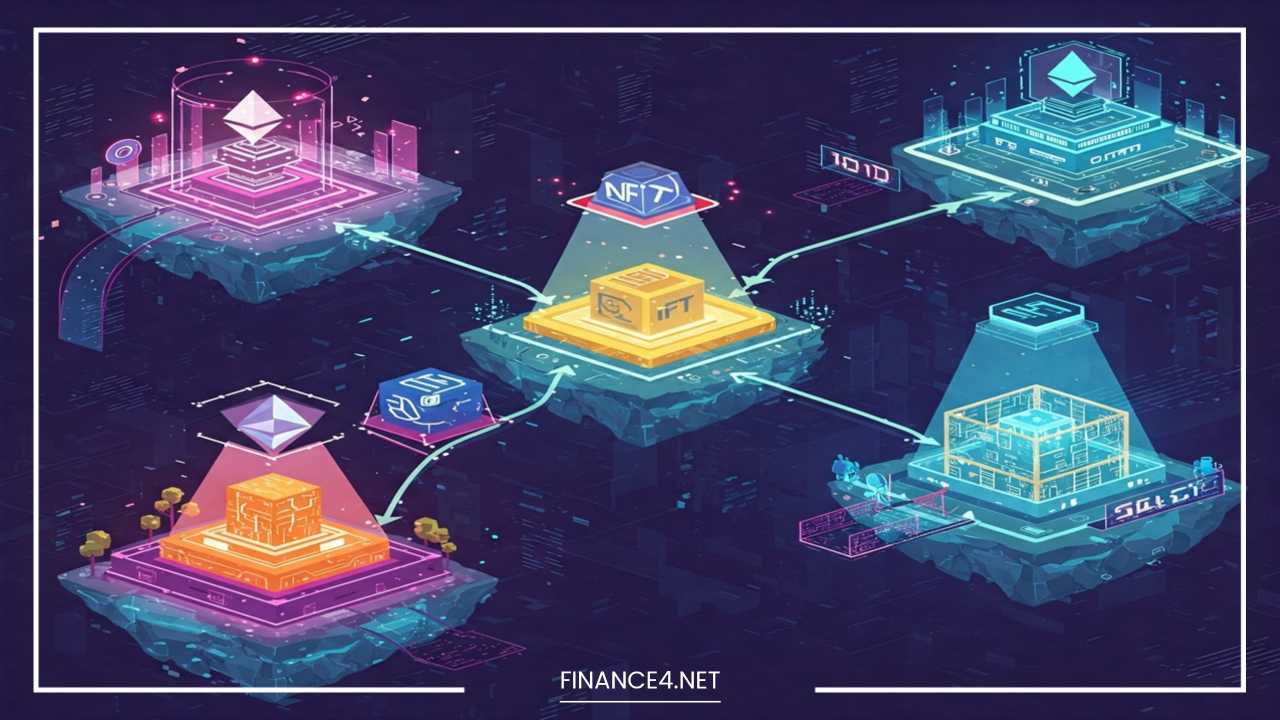
NFT bridging is the advanced technological process of transferring a non-fungible token from one independent blockchain network to another. Because blockchains operate as sovereign systems with isolated state machines and consensus rules, an asset natively minted on the BNB Smart Chain cannot natively exist on the Ethereum network without an intermediary mechanism. To achieve true cross-chain functionality, blockchain developers rely on specialized bridge protocols that establish secure communication channels, cryptographic proofs, and validation layers between disparate ledgers.
The foundational architecture of an NFT bridge typically relies on one of two primary methodologies: the lock-and-mint mechanism or the burn-and-mint mechanism. In the lock-and-mint model, when a user initiates a cross-chain transfer, the original NFT on the source blockchain is deposited into a secure, audited smart contract where it is locked securely in escrow. Once network validators, oracle networks, and relayer nodes cryptographically verify this deposit, a corresponding wrapped version of the NFT is minted on the destination blockchain.
Conversely, the burn-and-mint mechanism involves permanently destroying or burning the original asset on the source chain while minting an identical, verified digital representation on the target chain. When the user wishes to reverse the process and bring the asset back to its home network, the wrapped token on the destination chain is burned, triggering the release of the original locked asset from escrow on the source chain.
Wrapped NFTs function as synthetic representations of the original asset. While the primary asset remains safely locked in a smart contract vault, the wrapped version allows the owner to interact with decentralized applications, virtual worlds, and marketplaces on the secondary network. It is also vital to distinguish between bridging NFTs and moving standard cryptocurrencies. While fungible tokens like native coins or stablecoins can be pooled, fractionally divided, and exchanged dynamically for identical units of liquidity, unique digital collectibles retain specific metadata attributes, unique token IDs, and creator provenance data that must be mapped accurately across distinct token standards during every cross-chain movement.
Why Bridge NFTs from BSC to Ethereum?
Migrating digital collectibles from the BNB Smart Chain to the Ethereum network offers several distinct strategic and financial advantages for creators, traders, and serious collectors looking to expand their footprint across the Web3 economy.
Access to Larger NFT Marketplaces
Ethereum hosts some of the longest-standing, most recognized digital art and collectible marketplaces in the blockchain industry. By moving an asset to this ecosystem, owners gain immediate access to a broader global audience, greater market visibility, and significantly higher trading liquidity compared to specialized or niche networks.
Better DeFi and Web3 Integration
The Ethereum ecosystem boasts the most mature and expansive decentralized finance landscape in existence. Bridging digital collectibles allows owners to utilize their unique assets as collateral for instant loans, participate in specialized NFT liquidity pools, or integrate them seamlessly into complex Web3 gaming, metaverse, and virtual real estate applications that natively support Ethereum token standards.
More Buyers and Collectors
Ethereum remains a primary destination for serious digital art collectors, institutional participants, and high-net-worth investors. Migrating an asset opens up direct channels to a denser concentration of potential buyers who operate exclusively within the Ethereum network and rarely explore alternative chains.
Premium NFT Ecosystem
The historical prestige, cultural footprint, and established community backing of Ethereum make it a vital focal point for high-profile digital art exhibitions, curated genesis drops, and exclusive community memberships that often require verifiable proof of ownership native to the network.
Improved Utility Across dApps
Many decentralized applications, virtual worlds, and utility platforms are built exclusively or primarily for the Ethereum ecosystem. Bridging ensures that a digital collectible is fully compatible with a wider array of software environments, opening up diverse utility use cases that would otherwise be inaccessible on BSC.
Things to Check Before Bridging Your NFT
Before initiating any cross-chain transfer, conducting thorough pre-flight checks can prevent costly mistakes, transaction failures, and permanent asset loss.
Verify NFT Compatibility
Ensure that the token standard of your digital asset is fully supported by the chosen bridge protocol. Standard formats like BEP-721 or BEP-1155 on the BNB Smart Chain usually map smoothly to ERC-721 or ERC-1155 standards on Ethereum, but checking exact technical mapping rules in advance is essential.
Supported Wallets
Confirm that your Web3 wallet, such as MetaMask or another compatible provider, is capable of managing both source and destination networks simultaneously and that you hold administrative control over the correct account addresses on both chains.
Supported Bridge
Select a reputable, thoroughly audited cross-chain bridge protocol that explicitly supports the transfer route from the BNB Smart Chain to the Ethereum network for your specific token standard and collection type.
Network Availability
Check the operational status, current block times, and overall network health of both BSC and Ethereum. High congestion, pending hard forks, or network upgrades on either chain can cause cross-chain transactions to stall, timeout, or fail entirely.
Gas Fees
Ensure you hold sufficient native cryptocurrency balances on both networks. You will need BNB on the source chain to pay for the initial locking transaction, and you must hold ETH on the destination chain to cover the final minting or claiming steps.
Smart Contract Verification
Review the bridge protocol smart contract addresses through official documentation, community security repositories, or blockchain explorers to ensure you are interacting with legitimate protocol contracts rather than malicious clones.
NFT Metadata
Check that your NFT metadata, including high-resolution images, traits, and attribute arrays, is hosted securely on decentralized storage networks like IPFS rather than centralized web servers that could experience downtime during your cross-chain transition.
Step-by-Step Process to Bridge an NFT from BSC to Ethereum
Executing a secure cross-chain transfer requires a disciplined, methodical approach. Follow these sequential steps carefully to ensure a seamless migration.
Step 1
Choose a reputable, audited cross-chain bridging protocol that facilitates reliable transfers between the BNB Smart Chain and the Ethereum network.
Step 2
Connect your Web3 wallet to the official bridge user interface, ensuring you are initially connected to the BNB Smart Chain network.
Step 3
Configure the bridging dashboard interface so that the BNB Smart Chain is explicitly designated as the origin blockchain where your NFT currently resides.
Step 4
Choose Ethereum as the destination network, verifying that the interface recognizes your target receiving address accurately.
Step 5
Browse your wallet inventory directly within the bridge interface and select the specific digital collectible you wish to migrate.
Step 6
Approve the transaction by granting permission for the bridge smart contract to interact with your NFT, authorizing the protocol to lock your asset securely.
Step 7
Confirm and execute the transaction by paying the required network transaction fees in BNB on the source chain to initiate the locking phase.
Step 8
Wait patiently for the underlying blockchain networks, oracle validators, and relayer nodes to process, cross-verify, and validate the required block confirmations.
Step 9
Switch your wallet network configuration to Ethereum, navigate to your profile on a compatible marketplace or block explorer, and confirm that your asset has arrived successfully.
Common Risks When Bridging NFTs
Cross-chain transfers involve inherent technological complexities that introduce specific risk factors for digital asset owners and collectors.
Smart Contract Risks
Bridges rely on complex, multi-chain smart contracts to lock and mint assets. Any underlying coding vulnerability, logic flaw, or zero-day exploit in these contracts can result in the catastrophic loss of locked funds or digital collectibles.
Bridge Hacks
Because cross-chain bridges frequently hold substantial pools of locked assets and high-value collateral, they represent prime targets for sophisticated malicious actors. Historical industry exploits demonstrate that compromised bridge infrastructure can drain user assets instantly.
Fake Bridge Websites
Phishing campaigns and malicious search engine advertisements frequently replicate popular bridging platforms pixel by pixel. Interacting with these fraudulent sites can grant scammers direct approval access to drain your entire wallet.
Lost Transactions
Network dropouts, incorrect gas price settings, or relayer node failures can occasionally cause cross-chain transactions to hang indefinitely or fail mid-process, requiring manual support intervention or recovery procedures.
High Ethereum Gas Fees
Unpredictable network congestion and high demand on Ethereum can cause gas fees to spike unexpectedly during the claiming phase, sometimes exceeding the financial market value of the NFT being transferred.
Unsupported NFT Standards
Attempting to bridge custom token implementations, non-standard smart contracts, or dynamic NFTs without protocol support can result in the asset becoming permanently locked in the bridge contract escrow with no mechanism for recovery.
Network Congestion
Heavy transaction traffic on either the BNB Smart Chain or Ethereum can severely delay transaction finality, disrupting the expected timeline of the transfer process and causing user anxiety.
Security Tips for Safe NFT Bridging
Protecting your digital collectibles during a cross-chain migration requires maintaining strict operational security habits and vigilance at every single step.
-
Use official bridge websites by navigating exclusively through verified links provided in official project documentation or trusted security aggregators.
-
Double-check browser URLs carefully to avoid sophisticated typosquatting and homograph attacks designed to mimic legitimate protocol domains.
-
Verify smart contracts independently using public blockchain explorers to confirm interacting addresses match official records.
-
Keep your Web3 wallet software updated to the latest version to ensure compatibility and protection against known security vulnerabilities.
-
Never share your secret seed phrase or private keys with anyone under any circumstance, including purported customer support staff or community moderators.
-
Start with a low-value NFT or a test asset if you are using a new or unfamiliar bridge protocol for the very first time.
-
Confirm destination network addresses manually character by character before authorizing final asset release transactions.
-
Beware of malicious phishing links advertised prominently on social media search results or direct messaging channels.
-
Revoke unnecessary smart contract approvals immediately after your cross-chain transfer is complete using token management tools.
-
Use hardware wallets for valuable NFTs to keep private keys entirely offline and secure from remote software exploits and browser malware.
Understanding Gas Fees and Costs
Navigating cross-chain transfers involves multiple distinct cost layers that must be calculated and accounted for in advance to prevent running out of funds mid-process.
BSC transaction fees are generally very affordable, typically costing only a fraction of a dollar in native BNB to initiate the locking transaction and approve smart contract interactions. Conversely, Ethereum gas fees fluctuate widely depending on real-time network demand and block space utilization. These Ethereum fees are required to process the final minting or claiming transaction on the destination chain and must be paid in native ETH.
Bridge service fees may also apply depending on the protocol chosen. Many cross-chain platforms charge a flat percentage or a fixed fee in native tokens to cover the operational costs of their relayer network and cryptographic validation infrastructure. Additionally, once the asset successfully arrives on Ethereum, listing or selling the collectible on secondary marketplaces will incur standard platform commissions and creator royalty deductions.
To estimate total costs accurately, check current gas trackers for both networks before starting your transfer. To reduce overall fees, consider executing your bridging operations during off-peak hours when network traffic on Ethereum is historically lower, such as weekends or late UTC hours.
Common Mistakes to Avoid
Avoiding operational errors ensures a smooth bridging experience and protects your digital assets from permanent loss or extended delays.
-
Choosing the wrong network in your wallet interface can cause transaction failures or route assets to incorrect protocol destinations.
-
Bridging unsupported NFTs without checking protocol requirements can result in tokens becoming permanently stuck in escrow vaults.
-
Sending NFTs directly to a bridge contract address instead of using the official user interface will bypass necessary protocol logic and trap the asset.
-
Ignoring gas requirements on the destination network leaves you unable to pay for the final claim transaction once your asset arrives on Ethereum.
-
Not waiting for sufficient block confirmations can lead to premature network switching and incomplete cross-chain transfers.
-
Using unofficial bridges found through unverified search engine advertisements exposes you to total asset theft and wallet draining.
-
Forgetting to switch wallet networks between transaction steps causes signing errors and failed execution prompts.
-
Skipping transaction verification leaves you unaware of hidden errors, failed events, or incomplete smart contract steps.
Best Practices for Cross-Chain Management
Maintaining long-term security and organization for multi-chain digital assets requires disciplined portfolio management habits and ongoing vigilance.
-
Keep detailed transaction records, hashes, and receipts for every cross-chain transfer you execute for auditing, tax reporting, and tracking purposes.
-
Monitor bridge status dashboards closely until the transfer is fully completed, verified, and confirmed on both ends of the bridge.
-
Store NFTs securely by moving high-value items into cold storage hardware solutions once the migration process is finalized on Ethereum.
-
Track wrapped NFTs carefully to understand their status relative to their locked originals residing on the source chain.
-
Stay informed about bridge updates, protocol migrations, and security patches by following official community communication channels.
-
Understand how royalties and metadata are handled across chains to ensure your creator rights and asset attributes remain intact.
-
Regularly review wallet permissions and revoke old smart contract approvals that are no longer actively required for your daily operations.
Popular NFT Bridges That Support Cross-Chain Transfers
Selecting the right bridging protocol depends heavily on your specific technical requirements, asset token standard, and personal risk tolerance. Below is a balanced overview of popular options operating within the cross-chain ecosystem.
| Bridge Protocol | Supported Chains | Security Approach | Typical Transfer Time | Key Considerations |
| Wormhole | BSC, Ethereum, Solana, and others | Validator network consensus | Fast to moderate | High multi-chain reach; verify asset support |
| LayerZero-based bridges | BSC, Ethereum, Polygon, and others | Ultra-light node messaging | Fast | Developer-focused messaging framework |
| XP.NETWORK | BSC, Ethereum, Flow, and others | Specialized NFT-focused routing | Moderate | Built specifically for non-fungible tokens |
| ChainPort | BSC, Ethereum, Polygon, and others | Custodial-free security model | Fast | User-friendly interface with multi-chain capability |
| Native Ecosystem Bridges | Specific paired networks | Direct protocol validation | Varies | Often limited to specific partner collections |
Conclusion
Bridging your digital collectibles from the BNB Smart Chain to Ethereum opens up valuable opportunities for enhanced liquidity, broader audience reach, and deeper integration into advanced decentralized finance applications. However, navigating cross-chain infrastructure requires careful attention to technical details, smart contract mechanics, and rigorous security practices.
By maintaining a security-first mindset, thoroughly verifying asset compatibility, and utilizing trusted, audited bridging protocols, you can successfully migrate your digital assets across networks while minimizing risks. Always plan for gas fees across both ecosystems, double-check addresses and network settings, and prioritize hardware wallet protection to ensure your digital art portfolio remains safe and accessible in the multi-chain Web3 space.
Frequently Asked Questions
What is the safest cross-chain bridge to transfer an NFT from BSC to Ethereum?
When migrating digital collectibles between chains, prioritizing audited and decentralized protocols minimizes risk. While many platforms exist, users often evaluate bridges like Wormhole, LayerZero-based solutions, and ChainPort for their security models, validator consensus mechanisms, and track records. Always verify that the protocol explicitly supports your specific token standard before initiating a transfer.
How much do Ethereum gas fees cost when claiming a bridged NFT?
Ethereum gas fees fluctuate dynamically based on real-time network congestion, gas limits, and block space demand. Because the final minting or claiming transaction occurs on the Ethereum mainnet, users must hold native ETH in their destination wallet. Checking live gas trackers before starting the process helps determine optimal times—such as weekends or late UTC hours—to execute the transaction affordably.
Can I bridge custom or dynamic NFTs from BNB Smart Chain to Ethereum?
Bridging custom, multi-edition, or dynamic NFTs depends entirely on whether the chosen bridge protocol and destination smart contracts support advanced token implementations like ERC-1155 or complex metadata arrays. Attempting to transfer unverified or non-standard token formats without protocol support can cause the asset to become permanently locked in the bridge escrow contract.
What happens if my cross-chain NFT transfer fails or gets stuck?
If a transaction stalls due to network congestion, incorrect gas settings, or relayer node delays, do not panic or attempt unauthorized workarounds. Check the official bridge status dashboard using your transaction hash. Most protocols provide support channels or automated recovery mechanisms for pending transfers once underlying blockchain finality catches up.
Do I need BNB and ETH in my wallet at the same time to bridge NFTs?
Yes, cross-chain transfers between the BNB Smart Chain and Ethereum require holding native cryptocurrency on both networks. You need a small amount of BNB on the source chain to pay for the initial locking transaction and smart contract approval, and you must have ETH on the destination chain to cover the final claim or minting fees.