Top Gaming NFT Projects to Watch
 by
by 
Top Gaming NFT Projects to Watch: Reshaping the Digital Frontier
The gaming industry, a colossal and ever-evolving landscape, is undergoing a seismic shift. For decades, players were consumers in a closed ecosystem, spending billions on in-game items they never truly owned. Now, a new paradigm is emerging, one where digital assets are no longer just lines of code on a server but verifiable, tradable, and valuable assets. This revolution is powered by non-fungible tokens, or NFTs. Gaming NFTs are not just a fleeting trend; they represent a fundamental change in how games are created, monetized, and experienced. They are the building blocks of a new digital economy, empowering players to become true stakeholders and co-creators.
This article delves deep into the heart of this transformation, exploring the top gaming NFT projects that are not only capturing the imagination of players but also building the infrastructure for the future of digital entertainment. We’ll examine what makes these projects unique, analyze their community strength and future potential, and provide a guide for anyone looking to enter this dynamic space.
The Rise of NFTs in the Gaming Industry
The marriage of gaming and blockchain technology was inevitable. The traditional gaming model is built on a “pay-to-play” or “free-to-play with in-app purchases” structure, where all ownership remains with the game developer. Players might “buy” a rare sword or a unique skin, but they are only purchasing a license to use it within that specific game. If the game’s servers shut down, the item is gone. NFTs change this equation entirely.
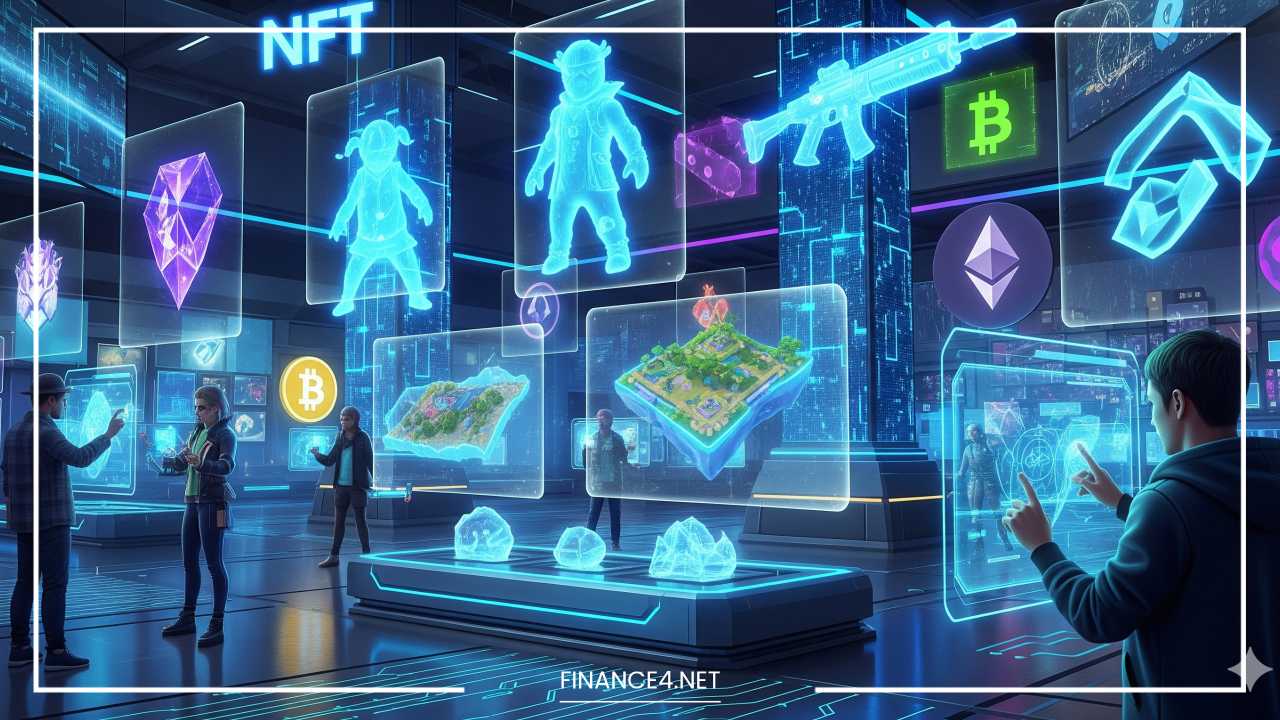
An NFT is a unique digital asset that proves ownership of an item, whether it’s a character, a weapon, a plot of virtual land, or a cosmetic. Because it’s on a blockchain, this ownership is immutable and transparent. It can’t be taken away, and it can be freely traded on open marketplaces, independent of the game developer. This single innovation unlocks a world of possibilities, including the groundbreaking “play-to-earn” (P2E) model.
The P2E model allows players to earn real value through gameplay. By completing quests, winning battles, or creating content, they can acquire NFTs or cryptocurrencies that have tangible worth in the real world. This transforms gaming from a pure leisure activity into a potential source of income.
However, the journey has not been without its challenges. Early P2E projects faced issues with economic sustainability, often relying on a constant influx of new players to keep token prices afloat. The environmental impact of some blockchains and regulatory uncertainty have also been points of contention. Yet, the industry is rapidly maturing, with new projects focusing on sustainable tokenomics, improved technology, and, most importantly, compelling gameplay that stands on its own, beyond the financial incentives.
Criteria for Selecting Top Gaming NFT Projects
To identify the leading gaming NFT projects, we’ve established a set of key criteria. A project’s success is not just about its market capitalization or the hype it generates; it’s about its long-term viability and ability to deliver a truly engaging experience. The projects on our list excel in several areas:
- Innovation and Gameplay: Is the game fun to play? Does it offer unique mechanics or a fresh take on a popular genre? We prioritize projects that are building high-quality games, not just simple token-generating mechanisms.
- NFT Utility: How are the NFTs used in the game? Do they offer a real, in-game advantage, or are they purely cosmetic? The best projects integrate NFTs seamlessly into the core gameplay loop, making them essential for progression, customization, and strategy.
- Community and Ecosystem Strength: A strong, engaged community is the lifeblood of any Web3 project. We look for projects with active, supportive communities, a clear governance model, and a vibrant marketplace.
- Technology and Scalability: The blockchain a project is built on is crucial. We consider projects that have addressed scalability issues, offering fast and low-cost transactions through Layer-2 solutions or custom-built blockchains.
- Roadmap and Future Potential: A clear, ambitious, and realistic roadmap is a sign of a project with a strong vision. We evaluate the team’s ability to execute on their promises and their plans for future development, partnerships, and expansion.
Based on these criteria, here are the top gaming NFT projects poised to define the future of the industry.
Top Gaming NFT Projects to Watch
Axie Infinity
No discussion of gaming NFTs is complete without mentioning Axie Infinity. As the pioneer of the P2E movement, Axie Infinity exploded onto the scene, bringing the concept of earning a living through gaming to millions of people, particularly in developing nations. While it has faced significant challenges, including a major security breach and a volatile token economy, it remains a cornerstone of the industry.
Project Overview: Axie Infinity is a Pokémon-inspired digital pet universe where players collect, breed, battle, and trade fantasy creatures called Axies. Each Axie is a unique NFT with different stats and abilities. The game is built on the Ronin Network, an Ethereum-linked sidechain created by developer Sky Mavis to facilitate faster and cheaper transactions. The game’s economy revolves around two primary tokens: Axie Infinity Shards (AXS), the governance token, and Smooth Love Potion (SLP), which is earned through gameplay and used for breeding new Axies.
Unique Features and Gameplay: The gameplay is a turn-based, card-based battler where players use their team of three Axies to fight opponents in both player-versus-environment (PvE) and player-versus-player (PvP) modes. The strategic depth comes from the unique combination of body parts, abilities, and classes of each Axie, making team composition and card management key to victory. The breeding system adds a layer of economic strategy, as players must decide whether to sell their newly minted Axies or use them to expand their roster. The game is in a continuous state of evolution, with the “Origins” battle system representing a significant overhaul to improve gameplay and address economic sustainability.
NFT Utility: The utility of Axie Infinity NFTs is central to the game. An Axie isn’t just a collectible; it’s a functional asset required to play and earn. Players must own at least three Axies to participate, and these assets can be leveled up, sold, or lent to other players through “scholarship” programs. The virtual land plots in the game’s world, Lunacia, are also NFTs, allowing landowners to build, farm resources, and earn rewards from their property.
Community and Ecosystem Strength: Axie Infinity boasts one of the largest and most dedicated communities in Web3. Its user base, while having fluctuated, has been the engine behind its success, with grassroots scholarship programs allowing new players to enter the ecosystem without a significant upfront investment. The community’s influence extends to governance through the AXS token, which allows holders to vote on key decisions affecting the game’s future.
Roadmap and Future Potential: Sky Mavis has a long-term vision to build a “digital nation” with Axie at its core. Their roadmap includes the expansion of the game’s universe, the launch of new game modes, and further decentralization of the platform. The ongoing focus is on balancing the in-game economy and creating a more sustainable and engaging experience that moves beyond pure financial speculation.
The Sandbox
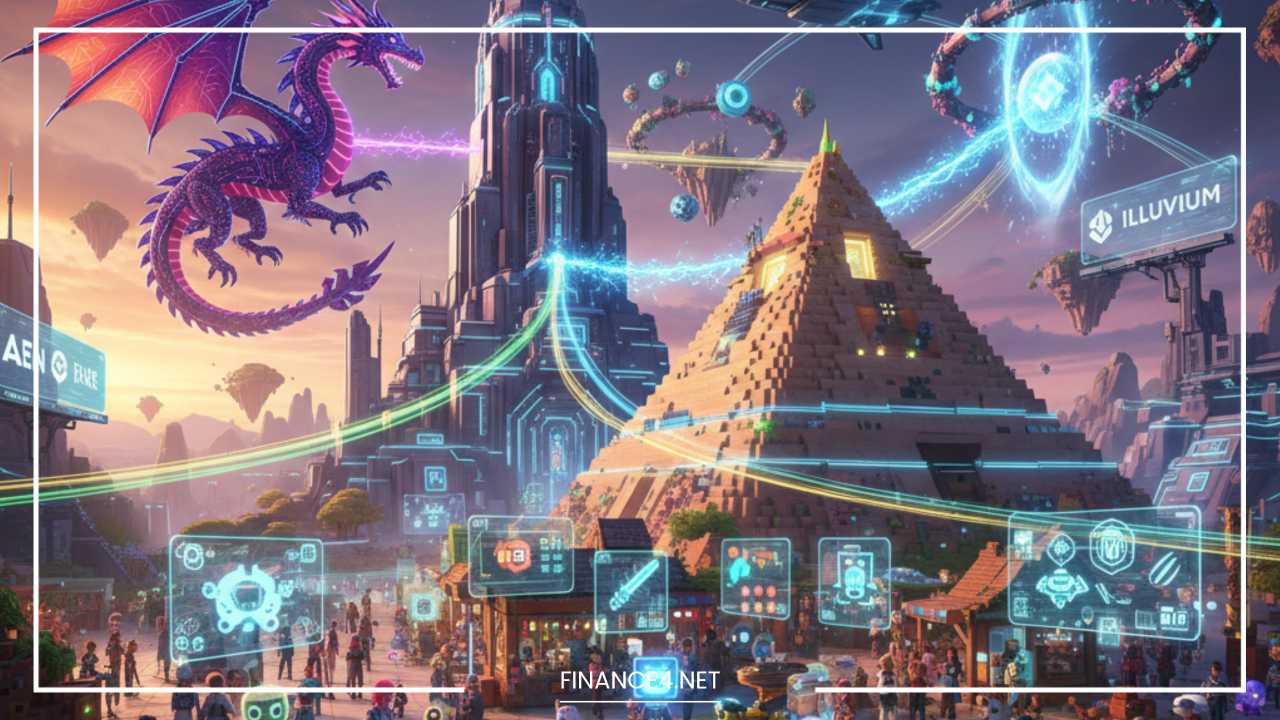
While Axie Infinity defined P2E, The Sandbox is a frontrunner in the “metaverse” category. It’s not just a game but a virtual world where players can own, create, and monetize their own experiences. The Sandbox empowers creators, essentially turning players into architects and entrepreneurs.
Project Overview: The Sandbox is a decentralized, community-driven virtual world built on the Ethereum blockchain. It’s a massive digital canvas where users can build, own, and monetize their gaming experiences and assets. Its primary token, SAND, is the utility token used for all transactions within the ecosystem, from buying and selling LAND to purchasing virtual items.
Unique Features and Gameplay: The core of The Sandbox is its user-generated content (UGC) model. Players can purchase virtual plots of land, known as LAND, which are NFTs. On these plots, they can build custom experiences using the Game Maker and VoxEdit tools. This includes creating games, art galleries, social hubs, and virtual events. The ability to create and share custom content is what sets The Sandbox apart from a traditional game; it’s a platform for creativity with infinite possibilities.
NFT Utility: NFTs in The Sandbox have a wide range of utility. LAND is the most fundamental NFT, representing real estate in the metaverse. Users can also create and mint “ASSETS,” which are user-generated voxel models that can be used to build on their LAND or sold on the marketplace. This includes everything from characters and avatars to buildings and environmental objects. The combination of LAND and ASSETS creates a dynamic and self-sustaining economy.
Community and Ecosystem Strength: The Sandbox has attracted a diverse array of partnerships, from celebrities like Snoop Dogg to major brands like Gucci and Adidas. These collaborations have brought a high level of visibility and a vibrant user base. The community is deeply invested in the platform, participating in a wide range of events and sales. The Sandbox DAO (Decentralized Autonomous Organization) further empowers token holders to vote on key decisions, ensuring a community-driven approach to development.
Roadmap and Future Potential: The Sandbox’s roadmap is focused on expanding its partnerships, improving its creator tools, and enhancing the social and interactive aspects of the metaverse. The long-term vision is to become the premier virtual world for digital co-creation, where users can build their own digital legacies and participate in a new form of digital economy.
Decentraland
Another titan of the metaverse, Decentraland, has been at the forefront of the virtual world revolution since its inception. It’s an immersive 3D world that functions as a a decentralized platform for artists, creators, and brands.
Project Overview: Decentraland is a virtual world where users can buy, sell, and manage virtual plots of land. It is built on the Ethereum blockchain and is governed by its users through a DAO. The platform has two tokens: MANA, the in-world currency used for transactions, and LAND, the NFT that represents ownership of a virtual plot.
Unique Features and Gameplay: Similar to The Sandbox, Decentraland’s primary feature is its user-owned and operated nature. Players can explore a vast, interconnected virtual world, attending events, visiting art galleries, playing games, and building their own experiences on their LAND plots. The platform supports a wide range of content, from simple 3D scenes to complex interactive applications, all of which are created by the community.
NFT Utility: LAND is the central NFT in Decentraland, giving owners the ability to build and host anything they desire on their property. This can range from an art gallery to a virtual store or a mini-game. The platform also has a robust marketplace for wearables, names, and other digital assets, all of which are NFTs that can be used to customize a player’s avatar. This creates a vibrant economy where creators can monetize their unique items.
Community and Ecosystem Strength: Decentraland has a strong and well-established community. It hosts regular virtual events, from music festivals to conferences, attracting a diverse audience of artists, crypto enthusiasts, and businesses. The DAO governance model ensures that MANA and LAND holders have a direct say in the platform’s future, fostering a deep sense of ownership among its users.
Roadmap and Future Potential: The Decentraland DAO continues to fund and approve community proposals for new features and projects. Their roadmap focuses on improving the user experience, integrating new technologies, and expanding the platform’s utility as a hub for art, entertainment, and business. The goal is to evolve the platform into a self-sustaining digital society.
Illuvium
Illuvium is a testament to the maturation of the gaming NFT space, moving from simple P2E concepts to AAA-quality gaming experiences. It’s a massive, open-world RPG that combines elements of exploration, creature collecting, and auto-battler gameplay.
Project Overview: Illuvium is an open-world fantasy RPG and auto-battler game built on the Ethereum blockchain. It is known for its stunning graphics and complex gameplay, aiming to deliver a console-quality experience in the Web3 space. The game’s native token is ILV, which is used for staking and governance, and it also utilizes a second, in-game token, sILV, as a reward token.
Unique Features and Gameplay: Illuvium’s gameplay is divided into several modes. In the open world, players explore a vast landscape, searching for and capturing powerful creatures called Illuvials. The capture and collection mechanics are reminiscent of Pokémon, but with a more sophisticated graphical style. These Illuvials are NFTs that can be used in the game’s auto-battler arena, where players strategically position their creatures to defeat opponents. The game also features a variety of environments, each with its own unique Illuvials to discover, adding a strong element of exploration.
NFT Utility: Illuvials are the primary NFTs in the game. Each one has unique stats, affinities, and classes, making them valuable assets for battling and trading. Players can also find NFT items like weapons, armor, and skins, all of which are tradable on the IlluviDEX, the game’s native marketplace. The game’s use of Immutable X, a Layer-2 scaling solution, ensures that players can mint and trade their NFTs with zero gas fees and instant transactions.
Community and Ecosystem Strength: Illuvium has built a strong reputation based on the high quality of its visuals and gameplay. The community is composed of both traditional gamers and crypto enthusiasts, drawn to the promise of a truly immersive blockchain game. The team, which includes industry veterans, has been transparent with their development process, building trust and excitement within the community.
Roadmap and Future Potential: Illuvium’s roadmap is focused on a phased launch of its various game modes, including the open-world explorer, the auto-battler, and a city-builder game. The long-term vision is to create an interconnected ecosystem of Web3 games where assets are interoperable across different experiences, a concept they are calling the world’s first “interoperable blockchain game.”
Gala Games
Gala Games is not just a single project but a decentralized gaming platform that hosts a variety of titles, aiming to give players true ownership of their in-game assets. It’s a platform built for gamers by gamers, with a focus on fun, high-quality experiences.
Project Overview: Gala Games is a blockchain-based gaming platform that offers a range of different games, from city-builders to fantasy RPGs. It operates on a decentralized network of “Founder’s Nodes,” which are operated by the community. The native token is GALA, which is used for in-game purchases, node ownership, and governance.
Unique Features and Gameplay: What makes Gala Games unique is its portfolio approach. Instead of a single game, it’s a platform with multiple titles, including the popular city-builder Town Star, the fantasy RPG Mirandus, and the PvP brawler Spider Tanks. This variety attracts a broader audience and creates a more robust ecosystem. The core philosophy is to create games that are genuinely fun to play, with blockchain integration as an enhancement, not the main selling point.
NFT Utility: NFTs in the Gala Games ecosystem are diverse, ranging from virtual land in Town Star and Mirandus to unique characters and skins. These NFTs provide real utility, offering in-game advantages or exclusive access to content. They can be freely traded on the Gala marketplace, allowing players to monetize their hard-earned assets.
Community and Ecosystem Strength: The Gala Games community is a core part of its model. The Founder’s Node operators are an essential component of the network, securing transactions and earning rewards in return. This decentralized model gives the community a direct say in the platform’s future, fostering a strong sense of ownership and collaboration.
Roadmap and Future Potential: Gala Games is continuously expanding its portfolio of games and its ecosystem. Its roadmap includes the launch of new titles, improvements to its platform’s technology, and partnerships with established game developers. The project’s vision is to become the leading decentralized gaming platform, empowering players and creators to build the games of tomorrow.
Gods Unchained
Gods Unchained is a a strategic trading card game that gives players complete ownership of their cards, a stark contrast to traditional digital card games where players never truly own their collection.
Project Overview: Gods Unchained is a free-to-play digital trading card game built on the Ethereum blockchain. It’s a competitive game where players build decks and battle against each other, with each card being a unique NFT. The game is led by Chris Clay, the former game director of Magic: The Gathering Arena, which has given it a strong foundation in a genre beloved by millions. It’s built on Immutable X, a Layer-2 solution that enables gas-free and instant card trading.
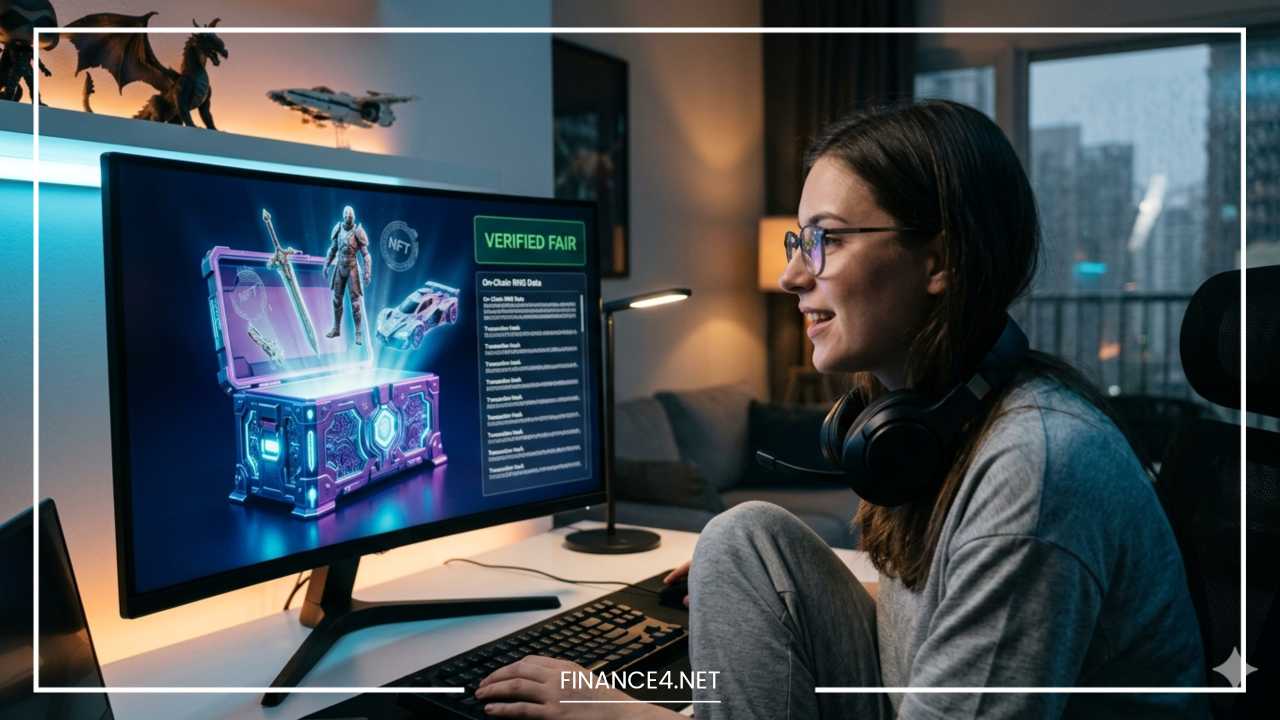
Unique Features and Gameplay: The gameplay is a classic turn-based card game with a deep layer of strategy. Players must outwit their opponents by using a mix of powerful creatures, spells, and relics. Unlike other digital card games, players earn card packs by simply playing and winning. These cards are minted as NFTs, giving players true ownership. The “Forging” system allows players to combine duplicate cards to create a higher-quality, more valuable NFT version.
NFT Utility: Every card in Gods Unchained is an NFT. This means players can truly own, trade, and sell their cards on open marketplaces, something that is impossible in games like Hearthstone or Magic: The Gathering Arena. The value of the cards is determined by their rarity and utility in the game’s competitive meta. This creates a real, player-owned economy around the game.
Community and Ecosystem Strength: Gods Unchained has a dedicated community of card game enthusiasts who are drawn to the concept of real ownership. The competitive scene is vibrant, with tournaments and a strong emphasis on a skill-based, fair-to-play model. The transparency of the Immutable X blockchain also builds trust and encourages trading.
Roadmap and Future Potential: Gods Unchained’s roadmap includes a mobile version of the game, a continuous release of new card sets, and an expansion of its competitive scene. The long-term goal is to become the leading digital trading card game, offering a superior model of ownership and a more rewarding experience than its centralized counterparts.
Ember Sword
Ember Sword is an upcoming free-to-play, player-driven MMORPG that is looking to combine the best of traditional MMOs with the innovative power of blockchain technology. It’s an ambitious project that has been in development for several years.
Project Overview: Ember Sword is a fantasy MMORPG that is being developed by Bright Star Studios. It’s an open-world, sandbox game where players can explore, fight monsters, and collect valuable in-game items. What sets it apart is that all cosmetics and land plots are NFTs, owned by the players. The game uses its own proprietary game engine to ensure a seamless experience on PC, browser, and mobile.
Unique Features and Gameplay: The game’s core feature is its player-driven economy. All cosmetic items and land plots are tokenized as NFTs. This means that a player who earns a rare sword skin or finds a piece of virtual land can truly own and sell it. The game is designed to be completely free-to-play, with no pay-to-win mechanics. Players gain abilities by equipping different weapons and armor, and there is no class system. This gives players the freedom to develop their characters in any way they choose.
NFT Utility: NFTs in Ember Sword are primarily cosmetic items and plots of land. While they don’t offer a direct gameplay advantage, they hold significant value due to their scarcity and aesthetic appeal. The ownership of virtual land plots, in particular, is a major feature, as landowners can rent out their plots to other players, build structures, and create unique experiences. The game’s token, $Ember, will be used as the in-game currency.
Community and Ecosystem Strength: Ember Sword has built a dedicated community through its early access and alpha tests. The team has been transparent with its development process, hosting frequent livestreams and providing updates. The community is eagerly awaiting the full launch, and the promise of a true player-owned economy in a classic MMO setting has created a lot of buzz.
Roadmap and Future Potential: The project is currently in early access with its “Prologue” chapter and has a clear roadmap for future content releases, including new biomes, monsters, and gameplay features. The long-term vision is to create a living, breathing virtual world where players have a real stake in its economy and evolution.
How to Get Started with Gaming NFTs
For those new to the space, entering the world of gaming NFTs can seem daunting. Here’s a simple guide to help you get started:
1. Set up a Digital Wallet: The first step is to set up a non-custodial cryptocurrency wallet like MetaMask. This wallet will serve as your digital identity and a secure place to store your NFTs and cryptocurrencies. It’s essential to keep your private key or seed phrase safe and never share it with anyone.
2. Acquire Cryptocurrency: To participate in most Web3 games, you’ll need to acquire the native cryptocurrency of the blockchain it’s built on. This is usually Ethereum (ETH), or for some of the projects mentioned, tokens like AXS, SAND, or GALA. You can buy these on a reputable cryptocurrency exchange like Coinbase or Binance.
3. Explore Marketplaces: The NFTs for these games are traded on a variety of marketplaces. OpenSea and Immutable X are two of the largest. These marketplaces allow you to browse, buy, and sell in-game assets. Make sure you are using the official marketplace for the game you are interested in to avoid scams.
4. Start Small and Do Your Own Research (DYOR): The NFT gaming space is high-risk and volatile. It’s crucial to start with a small investment and never invest more than you can afford to lose. Before investing in a project, do your own research. Read their whitepaper, check their team, join their community on Discord or Telegram, and evaluate their roadmap. A strong community and a transparent team are often good indicators of a project with long-term potential.
Future Trends and Predictions in Gaming NFTs
The gaming NFT space is just scratching the surface of its potential. Here are some of the key trends and predictions for the coming years:
1. Focus on Gameplay: The days of “games” that are just glorified clicks on a website are over. The industry is moving towards a model where gameplay is the primary focus, with NFTs and blockchain technology as a seamless, value-adding layer. We can expect more AAA-quality titles with deep, engaging narratives and sophisticated mechanics.
2. Interoperability and the Metaverse: The concept of the metaverse is evolving, and interoperability will be a key component. Projects will increasingly work to allow players to use their NFTs across different games and virtual worlds. This will unlock a new level of utility and a more interconnected digital economy.
3. AI-Driven Gameplay: The integration of AI will add a new layer of personalization and dynamism to games. Imagine AI-powered NPCs that learn and adapt based on player interactions, or AI-generated quests and worlds that are unique to each player. This could lead to truly infinite and personalized gaming experiences.
4. Mobile Adoption: While many of the current top projects are PC-based, the future of gaming NFTs lies in mobile adoption. The majority of gamers play on mobile devices, and projects that can deliver a smooth, accessible, and fun experience on mobile will be the ones to reach the mainstream.
5. Improved Scalability and Sustainability: As the technology matures, we will see continued improvements in blockchain scalability and efficiency. Layer-2 solutions and new, more environmentally friendly blockchains will make transactions cheaper, faster, and more accessible, addressing a major criticism of early projects.
Final Thoughts
The gaming industry is at a pivotal moment. The introduction of NFTs and the play-to-earn model is not just a passing trend; it is a fundamental shift in the relationship between players, developers, and the games they create. The top projects we’ve explored are leading this charge, building innovative and engaging experiences that empower players with true digital ownership.
While challenges remain, the future of gaming NFTs is bright. As the technology evolves, we will see new business models, more immersive worlds, and a more equitable gaming landscape where players are no longer just consumers but valuable participants and owners in the digital economies they help to create. The projects on this list are the ones to watch, as they are actively shaping this new and exciting frontier. For anyone who believes in the power of digital ownership and the future of gaming, the time to get involved is now.