Top NFT Aggregator for Gaming Assets
 by
by 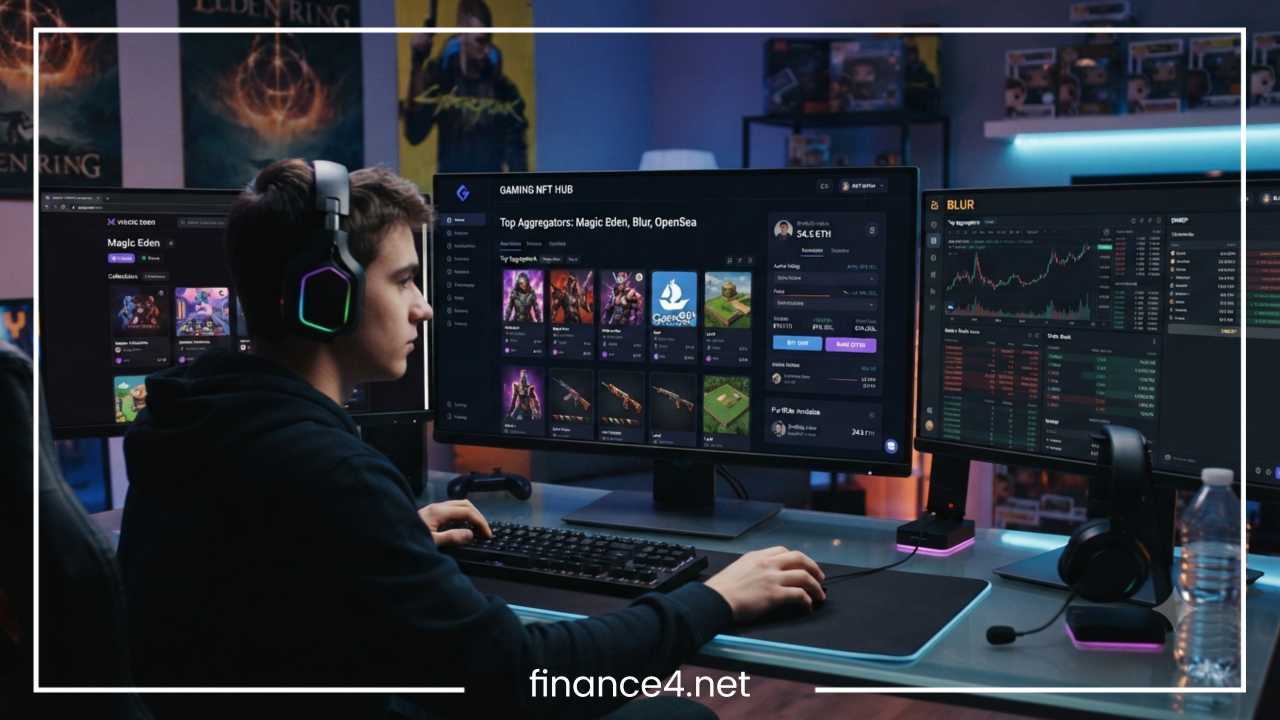
Top NFT Aggregator for Gaming Assets | Buy, Sell & Trade NFTs
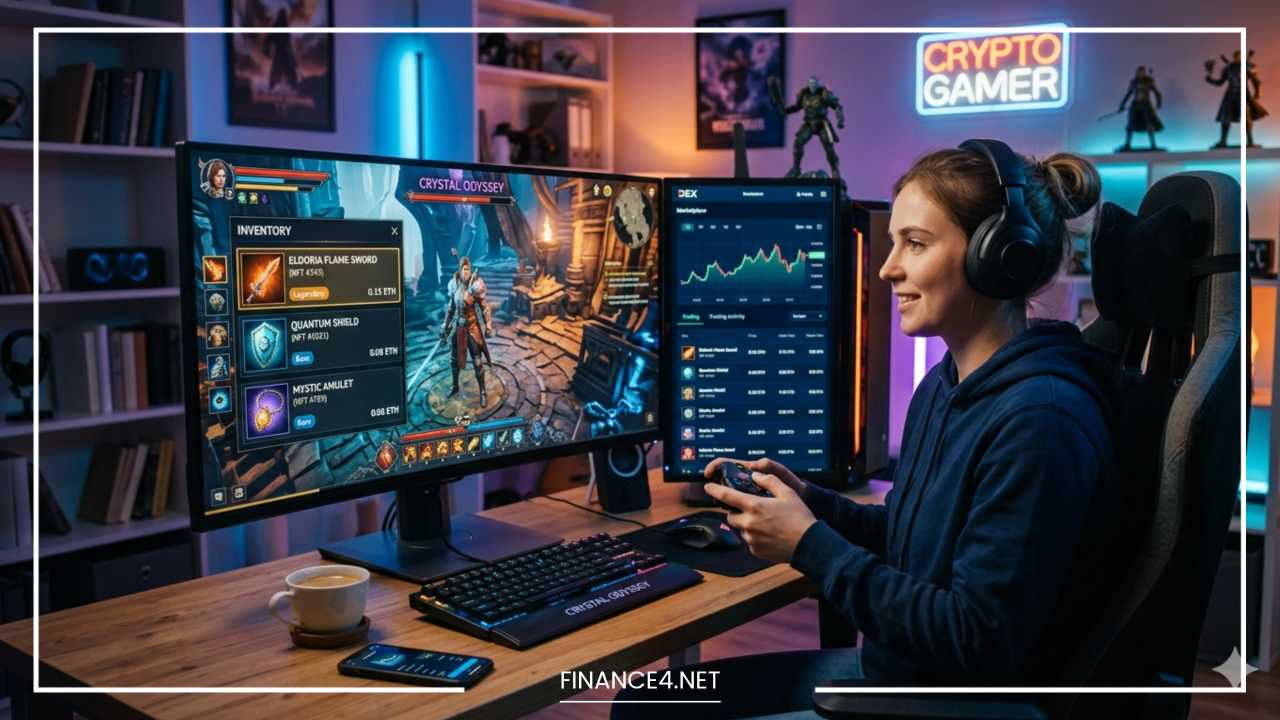
The intersection of blockchain technology and the gaming industry has birthed a revolutionary paradigm shift: true digital ownership. In traditional gaming ecosystems, players spend countless hours and billions of dollars acquiring in-game items, skins, weapons, and virtual land. However, these assets remain confined within closed, centralized databases. If a game server shuts down, or if a developer changes its terms of service, the player’s hard-earned inventory can vanish instantly. Blockchain gaming transforms these virtual goods into non-fungible tokens (NFTs), granting players verifiable ownership, interoperability, and the freedom to trade their assets on open markets.
As Web3 gaming has expanded, the infrastructure supporting it has grown exponentially. What began as a handful of isolated crypto-collectible projects has evolved into a vast network of decentralized games spanning multiple blockchain networks, including Ethereum, Solana, Polygon, Immutable X, and Avalanche. This rapid expansion has created a highly fragmented marketplace. A player looking for a specific legendary sword or an elite avatar might have to browse through dozens of independent marketplaces, individual game stores, and decentralized platforms to find the best deal. This fragmentation introduces friction, increases transaction costs, and wastes valuable time.
This is where an NFT aggregator becomes indispensable. Functioning much like travel search engines that scan hundreds of airlines to find the cheapest flight, an NFT aggregator compiles listings from various independent marketplaces into a single, unified interface. For Web3 gamers and collectors, utilizing a top NFT aggregator for gaming assets is no longer just a luxury; it is a fundamental strategy to optimize asset acquisition, maximize liquidity, and streamline trading workflows. This comprehensive guide explores how NFT aggregators operate, why they are essential for blockchain gaming assets, the key features to prioritize, and the leading platforms dominating the market today.
What Is an NFT Aggregator?
An NFT aggregator is a specialized platform that sources, compiles, and displays NFT listings from multiple independent marketplaces across various blockchain networks into a centralized dashboard. Instead of requiring a user to manually open separate browser tabs for OpenSea, Magic Eden, Blur, and specialized game-specific marketplaces, an aggregator pulls all this real-time data into a single point of access.
To understand the utility of an NFT aggregator, it is helpful to look at how it differs from a traditional NFT marketplace. A traditional marketplace operates as a standalone venue where users mint, list, buy, and sell NFTs. Examples include primary platforms where creators launch their collections or secondary peer-to-peer marketplaces. These platforms rely entirely on their own internal liquidity pools and user-submitted listings. If an asset is listed on Marketplace A but not on Marketplace B, a user browsing only Marketplace B will never see it.
An NFT aggregator does not compete directly with these traditional marketplaces; rather, it sits on top of them as a discovery and execution layer. It relies on advanced smart contracts and Application Programming Interfaces (APIs) to index the order books of numerous external marketplaces simultaneously. When a user executes a purchase through an aggregator, the underlying smart contract routes the transaction to the specific marketplace where the NFT is hosted, completing the transaction seamlessly on behalf of the user.
By consolidating the entire Web3 ecosystem into a single interface, an NFT aggregator offers several transformative benefits:
-
Better prices: Because the aggregator scans every available platform, users can instantly identify the absolute lowest price for a specific gaming asset or collection floor, eliminating the risk of overpaying on an isolated marketplace.
-
More inventory: Aggregators eliminate marketplace silos, offering users access to the deepest possible liquidity pool and the largest available selection of in-game items.
-
Faster buying: Speed is critical in gaming and trading. Aggregators allow users to find, evaluate, and purchase assets across different platforms within seconds.
-
Reduced search time: Instead of cross-referencing multiple websites to track down rare traits or competitive pricing, players can execute complex queries from one unified search bar.
Why NFT Aggregators Matter for Gaming Assets
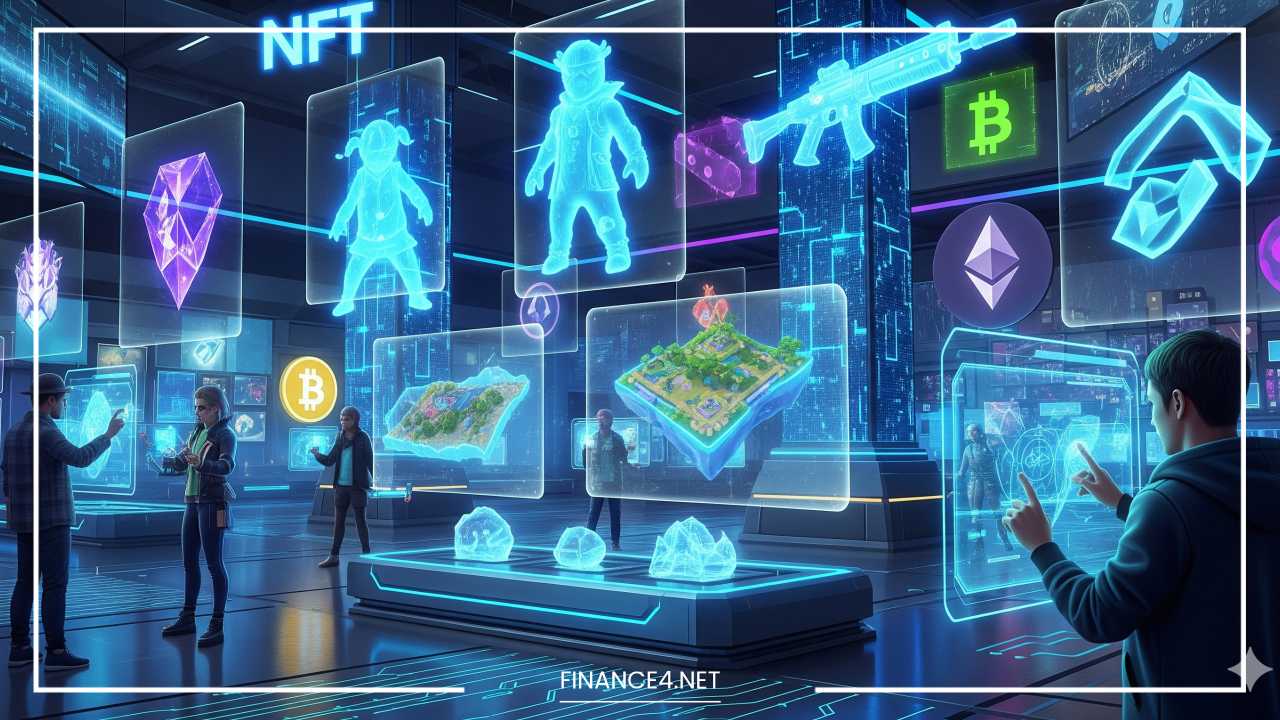
The utility of an NFT aggregator becomes amplified when applied to blockchain gaming assets. Unlike digital art or simple profile picture (PFP) collections, gaming NFTs serve an active, functional purpose within complex virtual economies. These assets represent tangible utility, performance metrics, and competitive advantages within their respective games.
Gaming tokens and items manifest in several core categories:
-
In-game weapons: Swords, guns, magical staffs, and shields that possess specific attributes, damage values, and rarity tiers that directly influence gameplay outcomes.
-
Characters: Unique heroes, champions, or creatures with distinct leveling stats, abilities, and evolutionary paths.
-
Land NFTs: Virtual real estate within metaverses or strategy games that yields passive income, serves as a base of operations, or allows players to build custom experiences.
-
Skins: Aesthetic modifications for characters and weapons that allow players to express their identity and prestige without altering core game mechanics.
-
Avatars: Interoperable digital identities used across multiple virtual worlds, social spaces, and gaming lobbies.
-
Collectibles: Commemorative badges, tournament trophies, and lore-related artifacts that hold historical or sentimental value within a gaming community.
Given the sheer volume, velocity, and diversity of these items, a dedicated NFT trading platform equipped with aggregation features offers immense advantages.
First, players can compare prices instantly across platforms. In gaming economies, prices can fluctuate rapidly based on game updates, balance patches, or meta shifts. If a specific weapon gets a performance buff, demand skyrockets. An aggregator ensures that a player looking to buy that weapon can scan every marketplace to secure the best rate before the rest of the market catches up.
Second, aggregators provide unprecedented access to rare gaming NFTs. Finding a character with a highly specific, rare combination of stats or traits can be incredibly difficult on a single marketplace. Aggregators allow users to filter through the combined inventory of the entire Web3 space, ensuring that rare, high-tier assets are easily discoverable.
Third, the consolidated nature of aggregators helps players avoid overpaying due to artificial price discrepancies or low liquidity on individual platforms. It ensures efficient market pricing by encouraging arbitrageurs to quickly correct price gaps across marketplaces.
Finally, aggregators unlock superior liquidity and faster trading. For players looking to cash out their rewards or liquidate an entire inventory of game assets after completing a season, listing or selling via an aggregator ensures maximum exposure to potential buyers, leading to faster execution times and optimized capital efficiency.
Features to Look for in a Gaming NFT Aggregator
Not all NFT aggregators are built equal. To effectively navigate the fast-paced world of blockchain gaming assets, an aggregator must offer specialized tools tailored to both casual players and high-volume traders. When evaluating the top NFT aggregator for gaming assets, look for the following core features.
Multi-marketplace integration
The foundational metric of any aggregator is the breadth of its data sourcing. A premier platform must integrate with all major general marketplaces as well as specialized, gaming-centric marketplaces. If an aggregator fails to index the specific niche marketplaces where certain Web3 games host their assets, its utility drops significantly.
Fast transaction execution
In gaming asset trading, seconds can mean the difference between securing a cheap item or losing it to a rival player or an automated bot. The aggregator’s underlying smart contracts must be highly optimized for speed, fetching real-time order book updates and executing trades with minimal latency.
Lowest gas optimization
Every blockchain transaction requires a network fee, or gas fee. High-quality aggregators utilize advanced smart contract architecture, such as batch routing and custom execution scripts, to minimize the computational power required for transactions. This can save users a significant percentage on gas fees, which is particularly beneficial when trading lower-priced in-game items like common skins or consumable resources.
Bulk buying
Also known as “sweeping,” bulk buying allows a user to select dozens or even hundreds of NFTs across different collections and marketplaces and purchase them all simultaneously in a single blockchain transaction. For gaming guilds or investors looking to establish a massive footprint in a new game, sweeping the floor of a land or item collection efficiently is mandatory.
Bulk listing
Just as buying in bulk saves time and gas, the ability to list multiple assets for sale at the same time across various marketplaces is an invaluable feature for players looking to liquidate their inventory or adjust their pricing strategy dynamically across the entire ecosystem.
Wallet compatibility
A versatile gaming NFT aggregator should support a wide array of cryptocurrency wallets. This includes popular browser extensions, hardware wallets, and mobile applications across multiple blockchain ecosystems, ensuring that players can connect securely regardless of their preferred setup.
Cross-chain support
The modern blockchain gaming landscape is fragmented across multiple networks. A top-tier aggregator must feature cross-chain capabilities, allowing users to browse and trade assets hosted on Ethereum, Polygon, Solana, Arbitrum, Immutable X, and more from a single interface, ideally with integrated cross-chain swapping modules.
Real-time price updates
Gaming economies move fast. Static data leads to failed transactions and missed opportunities. Aggregators must offer live, sub-second data feeds that reflect instant price changes, new listings, and completed sales across all indexed platforms.
Advanced filters
Gaming NFTs are defined by complex metadata, such as level, character class, durability, elemental affinity, and specific skills. Standard marketplace filters are often too generic. A robust gaming aggregator provides deeply granular filtering tools tailored to the specific attributes of individual gaming collections.
Collection analytics
To make informed decisions, traders and players need historical data. Essential analytical features include historical price charts, volume tracking, depth charts, floor price trends, and holder distribution statistics. These metrics empower users to spot trends, detect market manipulation, and determine the optimal times to buy or sell.
Top NFT Aggregators for Gaming Assets
| Platform | Supported Blockchains | Key Strengths | Best For |
| Blur | Ethereum, L2s | Ultra-fast execution, zero marketplace fees, advanced sweeping tools | High-volume professional traders and guilds |
| OpenSea | Multi-chain (Ethereum, Solana, Polygon, Base, etc.) | Massive built-in liquidity, user-friendly interface, native aggregation | Casual gamers and general collectors |
| Magic Eden | Multi-chain (Solana, Bitcoin, Ethereum, Polygon, Base) | Deep gaming ecosystem integration, dedicated launchpads, multi-chain liquidity | Multi-chain Web3 gamers and Solana enthusiasts |
| Tensor | Solana | Real-time Solana data, AMM features, deep liquidity for Solana game assets | Active Solana gaming asset traders |
| Gem (OpenSea Pro) | Ethereum | Advanced power-user tools, deep gas optimization, comprehensive analytical insights | Analytical traders seeking maximum gas efficiency |
| Element Marketplace | Multi-chain (10+ networks) | Massive cross-chain support, low gas consumption, specialized gaming sections | Budget-conscious and multi-chain ecosystem players |
| OKX NFT Marketplace | Multi-chain (15+ networks) | Zero-fee trading, comprehensive multi-chain wallet integration, robust security | Users seeking a centralized-decentralized hybrid ecosystem |
Blur
Blur has established itself as an elite powerhouse in the NFT space, specifically engineered for professional traders and high-volume market participants. Launched with a focus on speed, efficiency, and zero marketplace fees, Blur revolutionized how individuals interact with the Ethereum NFT market.
-
Strengths: Blur operates at speeds significantly faster than traditional marketplaces, offering real-time data feeds and instant refreshing of order books. Its advanced sweeping functionality allows users to purchase multiple gaming assets instantly across various platforms. Furthermore, Blur provides integrated portfolio management tools and advanced charts that give traders a granular look at market depth and listing walls.
-
Weaknesses: The platform is heavily tailored toward power users, meaning its interface can be overwhelming and confusing for casual gamers. Additionally, its asset coverage is primarily focused on Ethereum and its leading Layer-2 solutions, meaning it may miss out on isolated gaming ecosystems thriving on alternative layer-1 chains.
-
Best for: Professional traders, gaming guilds, and whales who require instant execution, deep analytical data, and bulk buying tools to manage large-scale gaming asset portfolios.
OpenSea
As one of the pioneers of the Web3 revolution, OpenSea has evolved from a standalone marketplace into a massive hybrid platform that incorporates robust native aggregation features. It remains a foundational pillars for buying, selling, and trading digital items.
-
Strengths: OpenSea offers an incredibly user-friendly, clean interface that serves as an excellent entry point for beginners. It boasts massive native liquidity and natively aggregates listings from various independent platforms. It features broad multi-chain support, covering Ethereum, Polygon, Solana, Klaytn, Arbitrum, Optimism, Avalanche, and Base. This widespread support makes it incredibly easy to find mainstream Web3 gaming NFTs.
-
Weaknesses: OpenSea features standard platform transaction fees on its primary marketplace layer that can make high-volume trading more expensive compared to zero-fee platforms. Its filtering options, while broad, are sometimes less responsive to real-time metadata shifts in complex gaming systems compared to hyper-specialized gaming tools.
-
Best for: Casual gamers, mainstream collectors, and individuals looking for a dependable, trusted, and highly intuitive ecosystem to manage diverse gaming collectibles across multiple chains.
Magic Eden
Magic Eden began its journey as the undisputed king of the Solana NFT ecosystem before strategically expanding into a comprehensive, multi-chain powerhouse. The platform has positioned itself deliberately at the epicenter of the Web3 gaming movement.
-
Gaming ecosystem: Magic Eden features a dedicated gaming hub that showcases top-tier Web3 games, provides deep integrations with specific game launchers, and hosts primary minting launchpads for upcoming gaming assets. It actively partners with gaming studios to offer custom storefronts and rewards ecosystems tailored specifically to players.
-
Multi-chain support: Magic Eden seamlessly bridges the gap between major gaming networks, supporting Solana, Bitcoin (Ordinals), Ethereum, Polygon, and Base. This extensive multi-chain integration allows players to jump between a high-speed Solana strategy game and an Ethereum-based metaverse project without switching platforms.
Tensor (Solana)
Tensor is to Solana what Blur is to Ethereum. It is an ultra-fast, professional-grade trading platform designed specifically to handle the high-throughput, low-cost nature of the Solana blockchain.
-
Gaming NFTs on Solana: Solana has become a major breeding ground for fast-paced blockchain games due to its near-instant finality and minimal transaction costs. Tensor provides an advanced interface packed with automated market maker (AMM) pools, real-time candle charts, and instant sweeping mechanisms. This makes it an exceptional tool for tracking down and trading high-velocity Solana gaming assets, such as virtual land, access keys, and in-game cosmetics.
Gem (OpenSea Aggregator)
Gem was one of the earliest dedicated NFT aggregators to achieve massive critical acclaim, later acquired by OpenSea and integrated into their advanced ecosystem infrastructure (often operating as OpenSea Pro).
-
Aggregation benefits: Gem specializes in consolidating liquidity from every major Ethereum-based marketplace into a pristine, hyper-efficient interface. It stands out for its exceptional gas optimization, allowing users to save up to one-third or more on network transaction fees when buying assets in bulk. Its deep analytical features, clean collection sweeps, and advanced filtering make it an essential tool for tracking down gaming assets across the fragmented Ethereum landscape.
Element Marketplace
Element Marketplace is an innovative, community-driven aggregator designed to provide multi-chain accessibility with a strong emphasis on user rewards and cost reduction.
-
Gaming-focused collections: Supporting over ten major blockchain networks, Element offers an extensive playground for cross-chain NFT trading. It features a dedicated gaming asset portal that highlights trending Web3 games, tracks game-specific asset volume, and offers optimized gas-saving smart contracts. Its commitment to low fees and high-speed multi-marketplace indexing makes it a favorite among budget-conscious players looking for niche gaming assets on networks like Polygon, BNB Chain, and Avalanche.
OKX NFT Marketplace
Operating as a key component of the broader OKX Web3 ecosystem, the OKX NFT Marketplace is a robust, non-custodial multi-chain aggregator built directly into a secure Web3 wallet framework.
-
Multi-chain aggregation: The platform aggregates listings from over 15 distinct blockchain networks and dozens of independent marketplaces. It boasts zero platform service fees for trading, allowing users to buy and sell gaming assets at the absolute true market rate. Combined with its top-tier mobile application and comprehensive wallet integration, it provides an all-in-one hub where gamers can store their crypto assets, swap tokens cross-chain, and manage their gaming NFT inventories seamlessly.
How to Buy Gaming NFTs Using an Aggregator
Navigating an NFT aggregator is a straightforward process, but following a structured approach ensures you secure the asset you want safely and efficiently.
-
Connect wallet: Navigate to your chosen NFT aggregator platform and click the “Connect Wallet” button. Select your preferred wallet provider (such as MetaMask, Phantom, or Coinbase Wallet) and sign the secure connection prompt. Ensure your wallet holds sufficient native tokens of the target blockchain to cover the asset cost and gas fees.
-
Choose blockchain: Select the specific blockchain network that hosts the game or collection you are targeting. Multi-chain aggregators will allow you to switch networks via a simple dropdown menu.
-
Search collection: Use the centralized search bar to enter the exact name of the Web3 game or NFT collection. Double-check the collection name or look for a verified checkmark badge to avoid falling victim to fraudulent copycat listings.
-
Compare listings: Utilize the advanced analytical dashboard to browse available items. You can sort listings by price, recent activity, or specific metadata attributes (e.g., sorting by “Legendary” rarity or filtering for characters with a specific attribute score). The aggregator will clearly display which underlying marketplace each asset is sourced from.
-
Review price: Once you find the desired gaming asset, review the final pricing carefully. Pay attention to the listed price, the underlying marketplace fees (if any), and the estimated network gas cost associated with the transaction route chosen by the aggregator.
-
Buy NFT: Click the “Buy Now” or “Add to Cart” button. If you are purchasing multiple items, add all of them to your cart to utilize the platform’s bulk sweeping feature.
-
Confirm transaction: Review the final summary screen on the aggregator interface, then click “Proceed to Checkout.” Your connected crypto wallet will generate a pop-up window detailing the transaction parameters. Review the gas limits and total costs, then click “Confirm” to authorize the smart contract execution. Once confirmed on-chain, the gaming asset will appear directly in your private wallet and be ready for use in-game.
Benefits of Using an NFT Aggregator Instead of Multiple Marketplaces
Relying on a premium NFT aggregator rather than hopping between individual, fragmented marketplaces offers distinct structural and economic advantages for Web3 participants.
-
One interface: Instead of cluttering your web browser with dozens of tabs, managing multiple user accounts, or adjusting to vastly different user interfaces, an aggregator provides a single home base to oversee the entire global digital asset ecosystem.
-
Better prices: Because aggregators pull data from every corner of the market, they reveal pricing anomalies instantly. Users can find sellers who may have mistakenly underpriced an asset on a smaller, less-frequented marketplace.
-
More listings: Deep liquidity means finding what you need faster. Aggregators ensure you see 100% of the available market supply, giving you the best chance to track down rare items or complete specific sets.
-
Faster purchases: In volatile gaming markets, delays lead to missed trades. Aggregators consolidate the discovery and execution steps into a unified pipeline, maximizing your operational speed.
-
Bulk transactions: Buying or selling an entire inventory of common cards, potions, or weapon skins one by one is an exhausting chore that drains your capital through repeated base transaction fees. Aggregators let you bundle dozens of trades into a single block transaction.
-
Lower gas costs: Through advanced programming techniques, specialized routing paths, and transaction batching, top aggregators minimize gas consumption, saving players real money over the long term.
-
Portfolio management: Managing assets scattered across multiple games and blockchains is inherently chaotic. Aggregators feature centralized portfolio dashboards where you can track your total net worth, monitor individual floor prices, evaluate historical profit and loss, and list items for sale across multiple venues instantly.
Risks and Things to Consider
While NFT aggregators offer incredible power and utility, users must remain vigilant and understand the unique risks associated with trading digital assets on aggregated platforms.
-
Fake collections: Malicious actors frequently create counterfeit collections that mimic popular Web3 gaming assets, using identical artwork and metadata names to trick unsuspecting buyers. While top aggregators implement strict verification protocols, always double-check the smart contract addresses, total trading volume, and official social media verification links before completing a high-value purchase.
-
Smart contract risks: Aggregators rely on complex, custom smart contracts to execute multi-marketplace routing and batch transactions. Even well-audited contracts can possess undiscovered vulnerabilities or edge-case bugs. Stick to established, heavily tested platforms with proven security track records.
-
High gas fees: During periods of extreme network congestion—such as a highly anticipated game launch or a surprise asset drop—underlying blockchain network fees can skyrocket dramatically. Always review your wallet’s confirmation screen to ensure you do not pay a gas fee that exceeds the actual economic value of the item you are buying.
-
Market volatility: Virtual economies and gaming assets are subject to intense, rapid price fluctuations driven by shifting game metas, development delays, or broader macroeconomic trends. Never invest more capital than you can afford to lose.
-
Wallet security: Your connected crypto wallet remains your ultimate line of defense. Never share your private seed phrase with any platform, beware of phishing websites disguised as popular aggregators, and utilize a dedicated hardware wallet to secure your most valuable gaming assets.
-
Verify collections: Take advantage of the analytical tools provided by the aggregator. Look closely at historical transaction volumes and liquidity depth charts to ensure that you are buying into an active, healthy gaming ecosystem rather than a stagnant or dying market.
Future of Gaming NFT Aggregators
As the Web3 gaming sector continues to mature, the technology underpinning NFT aggregators is poised to undergo significant evolution. The future will likely see a move away from simple listing curation toward deep, native integration with the games themselves.
One major trend is the rise of comprehensive cross-chain gaming. As games deploy their assets across a wider array of specialized Layer-2 subnets and independent application-specific chains (AppChains), aggregators will need to implement increasingly sophisticated cross-chain abstraction layers. Future platforms will allow a user to buy an item on Polygon using funds held on Arbitrum or Solana, executing the swap, bridge, and purchase automatically behind the scenes in a single user action.
Artificial Intelligence (AI) will also play a transformative role, providing personalized, AI-powered recommendations based on a player’s in-game habits, competitive playstyles, and historical trading patterns. For instance, an aggregator could automatically alert a strategy gamer when a rare character asset that perfectly complements their current tournament deck becomes available at an underpriced rate.
Furthermore, we can anticipate deeper integrations with emerging Web3 financial mechanisms, such as decentralized NFT rental protocols and instant peer-to-peer liquidity pools. This will allow players to not only buy and sell assets via aggregators but also rent out their high-tier inventory to other players for passive yield or access instant liquidity loans using virtual land as collateral. As metaverses expand and asset interoperability becomes a baseline reality, the top NFT aggregator for gaming assets will transition from a simple trading tool into the essential economic dashboard for the entire digital frontier.
Final Thoughts
The expansion of blockchain gaming has unlocked incredible opportunities for true digital ownership, but navigating this vast, decentralized landscape requires the right tools. Fragmented marketplaces, disparate pricing structures, and varying liquidity pools can turn the process of acquiring and trading digital items into a complex, inefficient hassle.
By choosing a top NFT aggregator for gaming assets, players and professional traders alike can break down these digital silos. These platforms consolidate global inventory, optimize transaction costs, and provide the deep analytical insights necessary to make smart, informed decisions within virtual economies. Whether you prioritize the raw, unadulterated speed of Blur, the massive multi-chain reach of Magic Eden and OpenSea, or the hyper-efficient cost savings of Element, utilizing an aggregator maximizes your competitive advantage.
As you navigate the exciting world of Web3 gaming, remember to prioritize platform security, carefully verify contract authenticity, and choose the aggregator that aligns precisely with your specific gaming and trading needs. By mastering these cutting-edge aggregation platforms, you can optimize your asset portfolios, secure the best possible market rates, and take complete, unfettered control of your digital destiny.
Frequently Asked Questions
What is the best NFT aggregator for gaming assets on the market?
The best platform depends entirely on your preferred blockchain and trading volume. For high-volume professional traders and gaming guilds trading on Ethereum and Layer-2 networks, Blur offers the fastest execution speeds, advanced sweeping mechanics, and zero creator royalties or platform fees. For users focused on the high-speed Solana ecosystem, Tensor serves as the premier real-time professional trading aggregator. If you are looking for a highly secure, all-in-one ecosystem with massive multi-chain support spanning over 15 networks, the OKX NFT Marketplace provides excellent native aggregation features with zero service fees.
How do I buy gaming NFTs across multiple marketplaces simultaneously?
You can buy items from different platforms at the same time by utilizing the “bulk buying” or “sweeping” feature of a multi-chain NFT marketplace aggregator. Once you connect your crypto wallet to the platform, you can select items hosted on separate venues (such as OpenSea, Magic Eden, or X2Y2) and add them to a single checkout cart. The underlying smart contracts bundle the routing paths, allowing you to finalize the entire purchase in one block transaction, which cuts down on time and reduces base network fees.
Can using an NFT marketplace aggregator lower my gas fees for blockchain gaming assets?
Yes, using an optimized aggregator can lower your gas costs significantly compared to purchasing assets individually. Leading platforms use custom smart contract architectures designed for batch routing and deep optimization. When you sweep the floor price of a gaming collection or purchase multiple skins, weapons, or avatars at once, the aggregator bundles these actions into a single blockchain interaction. This limits the total computational power required, saving you up to 30% to 40% on cumulative network transaction fees.
What are the top features to look for in a cross-chain NFT trading platform for Web3 games?
When evaluating an aggregator for Web3 gaming NFTs, prioritize platforms that offer real-time sub-second data feeds, broad multi-marketplace indexing, and advanced attribute filtering based on in-game item metadata (such as character levels, durability, or rarity tiers). Additionally, ensure the platform supports bulk listing capabilities, wallet compatibility across multiple ecosystems, deep collection analytics, and optimized batch routing to save on network gas overhead.
How do NFT aggregators protect players from purchasing fake in-game item collections?
Top aggregators implement rigorous verification protocols, pulling verification data and badges directly from primary marketplaces like OpenSea and Magic Eden. They flag unverified or suspicious copycat contracts instantly on the user interface. However, because aggregators automatically index external decentralized order books, players must still remain careful. Always check the official smart contract address against the game developer’s official channels, look at the historical volume depth, and analyze holder distribution metrics before finalizing high-value asset purchases.
Why should I use an NFT portfolio management tool instead of standard individual marketplaces?
Standard individual marketplaces only display your inventory and order books native to their own isolated platform liquidity. An aggregator equipped with a unified portfolio management dashboard lets you track, view, and analyze your entire digital asset inventory across multiple blockchain networks and secondary storefronts simultaneously. This centralized approach enables you to track real-time floor price variations, evaluate overall portfolio profit and loss, adjust your pricing strategies dynamically, and list your gaming assets for sale across multiple independent venues instantly.