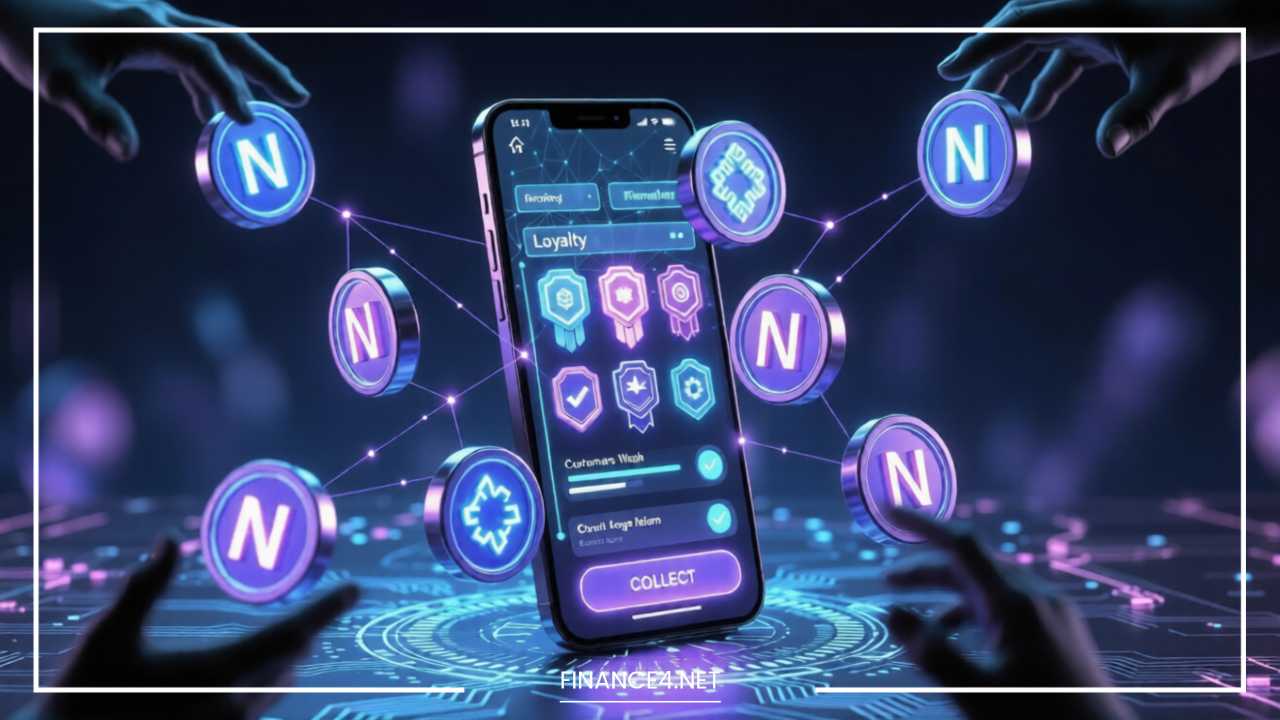
Best Cross-Chain NFT Loyalty Benefits
 by
by 
The Unchained Future of Rewards: Unlocking Best Cross-Chain NFT Loyalty Benefits
In an increasingly digitized world, customer loyalty remains the cornerstone of successful businesses. From airline mileage programs to retail discount cards, traditional loyalty schemes have long served as a vital mechanism for fostering repeat engagement. However, these systems often suffer from inherent limitations: centralization, opaque reward structures, and a lack of true ownership for the consumer. Enter Non-Fungible Tokens (NFTs), unique digital assets secured by blockchain technology, which have begun to revolutionize the concept of loyalty by offering verifiable ownership, tradability, and enhanced transparency. Yet, even NFT-based loyalty programs have faced a significant hurdle: the siloed nature of individual blockchains.
This is where cross-chain functionality emerges as a game-changer. By enabling NFTs to transcend the boundaries of a single blockchain, cross-chain technology unlocks a new era of loyalty benefits, promising a more flexible, liquid, and user-centric reward ecosystem. This article will delve into the profound impact of cross-chain NFTs on loyalty, exploring their mechanics, advantages, challenges, and the exciting future they portend for both brands and consumers.
What Are Cross-Chain NFTs?
At its core, cross-chain interoperability refers to the ability of different blockchain networks to communicate, share data, and execute transactions with one another. Historically, blockchains have operated as isolated ecosystems, making it challenging to transfer assets or information between them. This fragmentation has limited the true potential of decentralized applications.
Cross-chain NFTs are non-fungible tokens that are designed to operate across multiple, distinct blockchain networks. This means an NFT originally minted on, say, Ethereum, could potentially be used, traded, or interact with applications on Solana, Avalanche, Polygon, or other chains. This cross-chain movement is typically facilitated through various technological solutions:
- Bridges: These are protocols that connect two different blockchains, allowing assets to be “wrapped” or “locked” on one chain and a corresponding representation minted on another. For instance, an Ethereum NFT could be locked in a smart contract on Ethereum, and a wrapped version of that NFT would then be minted on a different chain.
- Layer 0 Protocols: Projects like Polkadot and Cosmos are built as foundational layers designed specifically to facilitate interoperability between various blockchains. They provide a framework for creating interconnected networks, making cross-chain communication more inherent and seamless.
- Interoperability Protocols: Newer, more advanced protocols such as LayerZero, Wormhole, and Axelar are emerging to provide general message passing between chains. These protocols aim to allow arbitrary data and messages (not just asset transfers) to flow securely across different blockchain environments, opening up more sophisticated cross-chain applications.
These tools and protocols are crucial for breaking down the walls between blockchains, paving the way for a truly interconnected web3 experience, particularly in the realm of NFT-based loyalty.
Traditional Loyalty Programs vs. NFT-Based Loyalty
To appreciate the transformative power of cross-chain NFTs, it’s essential to understand the limitations of traditional loyalty programs and the advancements offered by their NFT counterparts.
Traditional Loyalty Programs: These are typically centralized systems managed by individual companies. Think frequent flyer miles, supermarket points, or coffee shop punch cards. While effective in encouraging repeat business, they possess several drawbacks:
- Centralized Control: The issuing company holds all the power, dictating rules, redemption options, and often devaluing rewards at will.
- Lack of Ownership: Consumers don’t truly “own” their loyalty points; they are merely granted a revocable privilege.
- Siloed Ecosystems: Points earned with one airline cannot be used with another, nor can they be easily transferred or sold.
- Opaque Value: The real monetary value of points can be unclear, and redemption processes can be cumbersome.
- Limited Tradability: Points generally have no secondary market value, limiting their utility.
NFT-Based Loyalty: Leveraging blockchain technology, NFTs introduce a paradigm shift:
- True Ownership: NFTs are digital assets owned by the consumer, recorded on a public, immutable ledger. This means the loyalty “points” or “badges” belong to the user, not the brand.
- Enhanced Transparency: All transactions and reward distributions are recorded on the blockchain, providing a transparent and auditable history.
- Tradability and Liquidity: Unlike traditional loyalty points, loyalty NFTs can be bought, sold, or traded on secondary marketplaces, potentially gaining real monetary value based on their rarity or utility. This transforms a passive reward into an active asset.
- Immutable Benefits: Once encoded in a smart contract, the benefits associated with an NFT are difficult for a brand to unilaterally revoke or devalue.
However, even with these significant advantages, siloed NFT loyalty systems (operating on a single blockchain) still face constraints. A loyalty NFT issued on Ethereum might only be usable within the Ethereum ecosystem, limiting its reach and utility for users who engage with other blockchain networks. This is precisely where cross-chain functionality becomes indispensable.
Why Cross-Chain Matters in NFT Loyalty
The promise of NFTs in loyalty is amplified exponentially when cross-chain capabilities are introduced. Here’s why cross-chain interoperability is crucial for the evolution of NFT loyalty:
- Broader Reach: More Users, More Ecosystems: The blockchain landscape is diverse, with various chains catering to different needs in terms of transaction speed, cost, and developer communities. By enabling cross-chain functionality, brands can tap into a wider pool of users across different blockchain ecosystems (e.g., Ethereum, Solana, Avalanche, Polygon, BNB Chain, etc.). This expands their potential customer base and makes their loyalty programs accessible to a broader audience, regardless of their preferred blockchain.
- Enhanced Liquidity and Usability of Loyalty Rewards: A loyalty NFT confined to a single chain has limited liquidity. If it can move freely across chains, its potential for trading and utilization expands dramatically. Users can access more marketplaces and dApps, making their loyalty rewards more valuable and versatile.
- Easier Partnerships Between Brands on Different Chains: Imagine a travel loyalty program on Avalanche partnering with a gaming platform on Polygon. Cross-chain NFTs facilitate seamless collaboration, allowing brands operating on disparate blockchains to co-create loyalty campaigns, shared reward pools, or even offer cross-promotional benefits. This was previously a logistical nightmare.
- Lower Friction for Users: For users who interact with multiple blockchains, siloed loyalty NFTs create a fragmented experience. They might need different wallets, navigate complex bridging processes manually, or even incur multiple gas fees to access their benefits. Cross-chain solutions aim to abstract away this complexity, offering a more unified and frictionless experience, regardless of the underlying chain where a loyalty NFT resides. This improves user adoption and engagement.
In essence, cross-chain technology transforms loyalty NFTs from isolated digital collectibles into truly interoperable assets, mirroring the interconnectedness of the modern digital economy.
Top Cross-Chain NFT Loyalty Benefits
The integration of cross-chain capabilities elevates NFT loyalty programs to unprecedented levels, offering a myriad of benefits that empower both consumers and brands.
a. Interoperability & Flexibility
The most fundamental benefit of cross-chain NFT loyalty is the ability for users to redeem rewards and utilize their loyalty NFTs across a diverse range of decentralized applications (dApps) or even entirely different blockchain networks. Imagine earning a loyalty NFT for frequent purchases at a fashion brand on Ethereum, and then being able to use that same NFT to unlock exclusive discounts at a partner hotel chain running its operations on Solana, or gain access to a special event in a metaverse built on Polygon. This level of flexibility was previously unimaginable in traditional loyalty schemes, where rewards were strictly confined to the issuing entity.
b. Unified User Experience
While the underlying technology is complex, the goal of cross-chain NFT loyalty is to simplify the user experience. This means the development of wallets and interfaces that can seamlessly track and display multichain loyalty NFTs. Users wouldn’t need to juggle multiple wallets or constantly bridge assets to see their entire loyalty portfolio. Imagine a single dashboard where all your loyalty NFTs, regardless of their native chain, are visible, their benefits clearly outlined, and redemption options readily available. This streamlined experience reduces friction and encourages broader participation.
c. Enhanced Earning Opportunities
Cross-chain functionality opens doors for innovative earning opportunities. Loyalty points or NFTs earned on one chain can be designed to be redeemable or gain utility on another. For example, a gaming loyalty NFT earned by achieving a certain rank in a game on Avalanche could grant players exclusive access to a presale for a new collection of digital art on Ethereum, or unlock special in-game items in another game on Polygon. This creates a broader value proposition for loyalty rewards, incentivizing deeper engagement across interconnected ecosystems.
d. Reduced Ecosystem Lock-In
One of the significant limitations of single-chain dApps and NFTs is the “walled garden” effect, where users are effectively locked into a specific blockchain ecosystem. Cross-chain loyalty combats this by freeing users from being tied to a single chain or a single brand’s specific blockchain implementation. If a user prefers the lower gas fees of Polygon or the speed of Solana, they can still participate in a loyalty program initiated on Ethereum, knowing their loyalty NFTs retain their value and utility across chains. This empowers user choice and reduces the risk of being stranded on a less popular or less efficient chain.
e. Improved Secondary Market Liquidity
The tradability of NFTs is a key differentiator for blockchain-based loyalty. Cross-chain interoperability significantly improves the secondary market liquidity of loyalty NFTs. If a loyalty NFT can be easily traded across multiple marketplaces on different chains, it naturally attracts a wider pool of potential buyers and sellers. This increased liquidity not only provides a tangible value to the loyalty reward itself but also fosters a more dynamic and engaging loyalty ecosystem, where users can choose to hold, trade, or even collect loyalty NFTs as speculative assets.
f. Brand Collaborations and Cross-Promotions
Perhaps one of the most exciting prospects of cross-chain NFT loyalty is the facilitation of seamless brand collaborations and cross-promotions. Brands on different blockchains, or even traditional brands looking to enter the web3 space, can easily create joint loyalty campaigns. A fashion brand issuing loyalty NFTs on Arbitrum could partner with a music festival minting access tokens on Base, allowing loyalty NFT holders from one to receive exclusive benefits from the other. This unlocks unprecedented opportunities for co-marketing, shared customer acquisition, and the creation of rich, interconnected loyalty experiences that extend far beyond a single product or service.
Real-World Examples / Case Studies
While still an evolving field, several initiatives and projects hint at the immense potential of cross-chain NFT loyalty:
-
Starbucks Odyssey (Limited Multichain Implication): While Starbucks Odyssey, which recently shuttered its beta, primarily operated on Polygon (an Ethereum Layer 2), its initial ambition to blend traditional loyalty with Web3 elements offered a glimpse into the future. It utilized NFTs (Journey Stamps) as collectibles tied to loyalty. The implication for multichain was clear: had it succeeded in full, the ability to seamlessly integrate these “stamps” or their benefits with other blockchain-based experiences would have been a natural next step, broadening its appeal beyond a single chain’s user base. The challenges faced by Odyssey highlight the importance of simplifying user experience and clearly communicating value, even within a single-chain environment, which becomes even more critical in a multichain setting.
-
GameFi Loyalty Examples (e.g., Aavegotchi, Gala Games): The GameFi sector is a natural fit for NFT loyalty, and many projects are actively pursuing cross-chain strategies.
- Aavegotchi: While Aavegotchi is primarily built on the Polygon network (a sidechain to Ethereum), its nature as a collectible, playable NFT project inherently leads to discussions of how its “Gotchis” or associated “Wearables” could interact with other chains for broader utility or partnerships. While direct cross-chain loyalty programs are still nascent for them, the underlying technology exists for such integrations.
- Gala Games: Gala Games has made significant strides in cross-chain interoperability. In April 2025, they announced that their native token, $GALA, became bridgeable between GalaChain and Solana via Gala Connect. This move opens up the Gala ecosystem to Solana’s vibrant DeFi and NFT communities, allowing $GALA holders to move freely and unlock new use cases. While this is primarily token bridging, it lays the groundwork for cross-chain NFT loyalty where in-game assets or loyalty-based NFTs on GalaChain could eventually confer benefits or be traded on Solana-based platforms.
-
Projects Enabling NFT Interoperability:
- OmniFlix: This network positions itself as an interoperable peer-to-peer network for creators and communities to mint, manage, monetize, and distribute NFTs. Its focus on providing a foundational layer for NFT activity across various chains makes it a key enabler for future cross-chain NFT loyalty initiatives. Brands could leverage OmniFlix’s infrastructure to issue loyalty NFTs that are inherently multichain.
- XP Network: XP Network is a pioneering force with its NFT bridge, facilitating seamless connectivity across more than 30 EVM and non-EVM blockchains. By providing the plumbing for NFTs to move effortlessly between diverse ecosystems, XP Network directly addresses the need for cross-chain liquidity and reach crucial for effective cross-chain loyalty programs. A brand could issue a loyalty NFT on one chain and know it can be bridged and used on many others through XP Network’s solutions.
-
LayerZero-powered loyalty initiatives: While LayerZero itself is a general message passing protocol, its technology can underpin sophisticated cross-chain loyalty programs. Imagine a brand using LayerZero to issue a loyalty NFT on Ethereum, and then, without complex bridging, a user could redeem a specific benefit associated with that NFT on a dApp running on Arbitrum or Optimism. This direct message passing avoids the complexities and risks often associated with traditional bridges, making for a much smoother cross-chain loyalty experience. While specific mainstream examples are still emerging, the underlying tech is ready.
-
Multichain Loyalty NFTs in Travel, Gaming, or Entertainment: While specific, widely adopted examples are still in their early stages, the theoretical applications are compelling.
- Travel: A hotel chain could issue a “Gold Tier” NFT on Polygon. Through cross-chain tech, this NFT could grant express check-in at a partner airline operating a loyalty program on Arbitrum, or free lounge access at an airport connected via a decentralized autonomous organization (DAO) on Avalanche.
- Gaming: A game developer could issue a “Legendary Player” NFT on Immutable X. This NFT could, via cross-chain mechanisms, unlock exclusive cosmetic items in a completely different game on BNB Chain, or grant voting rights in the governance of a GameFi guild on Ethereum.
- Entertainment: A music label might issue a “Super Fan” NFT on Base. This NFT could provide token-gated access to exclusive content on a streaming platform built on Solana, or early bird tickets for a concert series managed through a smart contract on Avalanche.
These examples highlight the burgeoning landscape where cross-chain technology is actively being built and integrated to facilitate a more interconnected and valuable NFT loyalty experience.
Challenges & Considerations
Despite the undeniable benefits, the path to widespread adoption of cross-chain NFT loyalty is not without its hurdles:
- Security Risks in Bridging: Cross-chain bridges, while essential, introduce new attack vectors. The locking and minting process, or the reliance on validators, can be vulnerable to exploits. High-profile bridge hacks have underscored the need for robust security audits and decentralized bridge designs. Ensuring the integrity of loyalty NFTs as they traverse chains is paramount.
- User Experience Issues (Wallet Compatibility, Gas Fees): While the goal is a unified experience, the current reality can still be complex for average users. Managing different blockchain networks within a single wallet, understanding varying gas fee structures, and navigating potential delays in cross-chain transfers can be intimidating for those new to Web3. Streamlining these interactions is critical for mainstream adoption.
- Fragmented Infrastructure: The blockchain space is still highly fragmented, with numerous chains, Layer 2 solutions, and interoperability protocols competing for market share. This can lead to a lack of standardization and increased complexity for brands looking to implement multichain loyalty programs. A truly seamless experience requires greater infrastructure maturity and interoperability standards.
- Regulatory or Brand Adoption Hurdles: The regulatory landscape for NFTs and cryptocurrencies is still evolving, creating uncertainty for large brands. Additionally, integrating complex blockchain technology into existing legacy loyalty systems requires significant investment and a willingness to embrace new paradigms. Overcoming corporate inertia and legal ambiguities will be crucial for widespread brand adoption.
The Future of Cross-Chain NFT Loyalty
The outlook for cross-chain NFT loyalty is overwhelmingly positive. As interoperability solutions mature and become more robust, we can expect a significant growth in truly interconnected loyalty programs.
- Growth of Interoperable Loyalty Programs: The demand for seamless user experiences and enhanced utility will drive brands to adopt cross-chain strategies. We will see a shift from single-chain loyalty initiatives to those that inherently support multiple networks, maximizing reach and value.
- Predictions for Mainstream Adoption: While technical hurdles remain, the long-term trend points towards mainstream adoption. As user interfaces become more intuitive and the benefits of ownership and portability become clearer, consumers will increasingly demand these types of loyalty programs. We can anticipate major brands in retail, travel, entertainment, and even finance exploring and implementing cross-chain NFT loyalty in the coming years, moving beyond experimental phases.
- Role of AI, DePIN, or Identity Verification in Future Loyalty Ecosystems:
- AI: Artificial intelligence can personalize loyalty experiences further, analyzing cross-chain engagement data to offer highly tailored rewards and predictions. AI could also power smart contracts that dynamically adjust loyalty benefits based on user behavior across multiple chains.
- DePIN (Decentralized Physical Infrastructure Networks): Imagine loyalty NFTs tied to real-world infrastructure. For instance, a loyalty NFT earned from using decentralized energy networks could unlock benefits in a smart city’s transportation system, with both systems communicating via cross-chain protocols.
- Identity Verification: Decentralized identity solutions will play a crucial role in enabling secure and private cross-chain loyalty. Users could verify their identity once and have that attestation recognized across various chains and loyalty programs, enhancing trust and streamlining onboarding.
The convergence of these technologies with cross-chain NFTs will create hyper-personalized, secure, and truly borderless loyalty ecosystems.
Final Thoughts
The evolution of loyalty programs from traditional points systems to NFT-based models represents a significant leap forward, granting consumers true ownership and tradability of their rewards. However, the true potential of this revolution is unlocked by cross-chain functionality. By breaking down the barriers between disparate blockchains, cross-chain NFTs promise a future where loyalty rewards are no longer confined to isolated ecosystems but can flow freely, offering unprecedented interoperability, enhanced liquidity, and a unified user experience.
While challenges related to security, user experience, and regulatory clarity persist, the rapid advancements in cross-chain technology are paving the way for a more integrated and valuable loyalty landscape. For brands, embracing cross-chain NFT loyalty means broader reach, richer partnerships, and a deeper, more transparent engagement with their customers. For users, it signifies a future where their loyalty is truly owned, portable, and capable of unlocking benefits across a vast and interconnected digital world. Staying ahead in this multichain future will be critical for businesses looking to cultivate lasting customer relationships in the age of Web3.