Best BSC Bridging Tools
 by
by 
5 Best BSC Bridging Tools for Fast and Secure Transfers
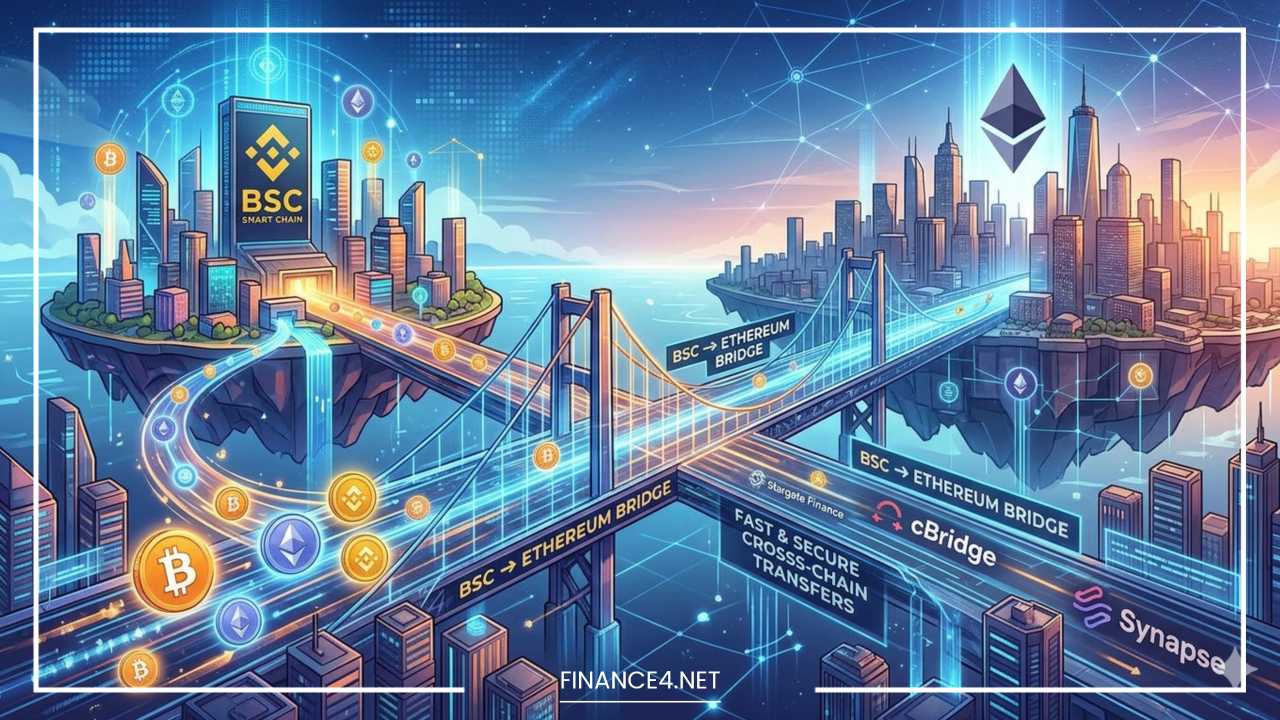
The evolution of decentralized finance has transformed the way we interact with digital assets, moving us away from isolated blockchain networks toward a highly interconnected ecosystem. At the center of this movement is the BNB Chain, originally known as Binance Smart Chain (BSC). Known for its high throughput and significantly lower fees compared to the Ethereum mainnet, BSC has become a primary hub for traders, yield farmers, and NFT collectors. However, the true power of BSC is only realized when users can move their capital freely between it and other major networks like Ethereum, Polygon, or Arbitrum.
Cross-chain bridges are the essential infrastructure that makes this fluid movement possible. Without bridges, an asset on BSC would be trapped within that specific ledger, unable to participate in the broader DeFi landscape. As the industry matures, the demand for bridging solutions that prioritize both speed and security has skyrocketed. Users no longer want to wait hours for a transfer, nor do they want to risk their life savings on unverified protocols.
Navigating the world of bridging is not without its perils. The crypto industry has witnessed significant bridge exploits and technical failures that emphasize the need for due diligence. This guide aims to demystify the process of moving assets to and from the BNB Chain. We will explore the technical foundations of bridging, the specific advantages of using BSC-based tools, and a detailed analysis of the top five platforms currently leading the market in reliability and performance.
What is a Crypto Bridge?
A blockchain bridge is a protocol that allows for the transfer of data or assets between two distinct blockchain environments. Because blockchains are inherently siloed—meaning the Ethereum network cannot natively communicate with the BNB Chain—a bridge acts as a neutral third party or a set of smart contracts that facilitates the exchange of value.
The Mechanics of Bridging
Most bridges do not actually “move” cryptocurrency from one chain to another in the physical sense. Instead, they use a process often referred to as lock-and-mint or burn-and-redeem.
When you send an asset from Chain A to Chain B through a bridge, the following typically occurs:
-
Locking: Your original assets are sent to a smart contract on Chain A, where they are locked and held as collateral.
-
Minting: Once the bridge confirms the assets are secured on Chain A, it triggers a smart contract on Chain B to mint an equivalent amount of “wrapped” or “synthetic” assets.
-
Redeeming: When you want to move back, the wrapped assets on Chain B are “burned” (destroyed), and the original assets on Chain A are released back to your wallet.
Types of Bridges
Bridges are generally categorized based on their level of decentralization and how they manage security.
Centralized Bridges (Trusted) rely on a central authority, such as an exchange, to hold the assets and manage the transfer. While these are often user-friendly and offer high liquidity, they require users to trust the entity managing the funds.
Decentralized Bridges (Trustless) use smart contracts and algorithms to manage the process. Security is maintained through mathematical proofs or a decentralized network of validators. These are preferred by users who prioritize self-custody and transparency.
Think of a bridge as a digital passport. When you enter a new country (blockchain), you don’t change who you are, but you need a recognized document (wrapped token) to interact with the local economy. Once you return home, you trade that document back for your original status.
Why Use BSC Bridges?
The BNB Chain has solidified its position as a top-tier network for several reasons, making it a frequent destination for bridged assets.
Efficiency and Accessibility
The most immediate benefit of bridging to BSC is the cost efficiency. While Ethereum gas fees can spike to prohibitive levels during periods of high activity, BSC remains consistently affordable. This allows smaller investors to engage in DeFi activities like swapping, staking, and providing liquidity without seeing their profits eaten by transaction costs.
Furthermore, BSC offers rapid block times. Transactions are confirmed in seconds rather than minutes, providing a user experience that feels closer to traditional fintech applications. This speed is crucial for traders looking to capitalize on fast-moving market opportunities or for those moving stablecoins to take advantage of yield discrepancies between chains.
Ecosystem Depth
BSC is fully compatible with the Ethereum Virtual Machine (EVM). This means that popular tools like MetaMask work seamlessly with the network, and developers can easily port their decentralized applications (dApps) from Ethereum to BSC. By bridging to the BNB Chain, users gain access to a massive array of:
-
DeFi Protocols: High-yield liquidity pools and lending markets.
-
NFT Marketplaces: Vibrant communities for digital art and collectibles.
-
GameFi: One of the largest ecosystems for play-to-earn gaming.
However, users must remain aware of the risks. The “bridge” is often the weakest link in the security chain. Because bridges hold large amounts of locked liquidity, they are prime targets for hackers. Understanding the security model of your chosen tool is just as important as checking the transaction fee.
Key Factors to Choose a Good BSC Bridge
Selecting a bridging tool should not be a snap decision based solely on the lowest fee. To ensure your assets arrive safely and efficiently, evaluate each platform based on several critical criteria.
Security and Reputation
The first question should always be: Has this bridge been audited? Reputable bridges undergo multiple security audits by firms like Trail of Bits, PeckShield, or CertiK. Beyond audits, look at the project’s history. A bridge that has been operational for years without a major exploit often carries more “Lindy” value (longevity implying reliability) than a brand-new protocol promising impossible speeds. Some advanced bridges even maintain insurance funds to reimburse users in the event of a smart contract failure.
Speed and Liquidity
Speed is a product of both the underlying blockchain and the bridge’s internal validation process. Some bridges utilize optimistic models that may have longer withdrawal periods, while others use liquidity providers to offer near-instant transfers. Liquidity depth is equally vital; if you are trying to bridge a large amount of a specific stablecoin and the bridge lacks liquidity on the destination chain, you may experience significant slippage, resulting in fewer tokens than you expected.
Supported Networks and Assets
A versatile bridge should connect BSC to a wide variety of ecosystems. While most support Ethereum, the best tools also offer pathways to Layer 2 solutions like Arbitrum and Optimism, as well as non-EVM chains like Solana or Avalanche. Additionally, verify that the bridge supports the specific token you wish to move. While stablecoins (USDT, USDC, DAI) are universally supported, niche project tokens may only be available on specific platforms.
User Experience and Fees
For many, the interface is the deciding factor. A clean UI that clearly shows the expected fee, the estimated time of arrival, and the transaction hash is essential for peace of mind. Regarding fees, consider both the bridge fee (usually a percentage of the transfer) and the gas fees on both the source and destination chains. Some bridges optimize gas usage to save users money, which is particularly beneficial when bridging from expensive networks like Ethereum.
The 5 Best BSC Bridging Tools
Based on the criteria of security, speed, and ecosystem support, the following five tools represent the current gold standard for bridging to and from the BNB Chain.
Celer cBridge
Celer cBridge is a high-performance decentralized bridging solution built on top of the Celer Inter-chain Message (CelerIM) framework. It has gained immense popularity for its focus on speed and its ability to facilitate transfers across dozens of different blockchains.
How it Works
cBridge uses a specialized liquidity pool model. Instead of the traditional lock-and-mint mechanism for all assets, it often utilizes existing liquidity on the destination chain to provide users with native tokens immediately. This avoids the creation of “wrapped” tokens that might lack liquidity on secondary markets.
Key Features
-
Instant Transfers: By leveraging a network of State Channel nodes, cBridge often completes transfers in under five minutes.
-
Low Fees: The protocol is highly optimized for gas efficiency, making it one of the more affordable options for frequent bridgers.
-
Non-Custodial: Users retain full control of their assets throughout the process.
Pros and Cons
-
Pros: Exceptionally fast; supports a massive range of tokens; user-friendly dashboard.
-
Cons: Liquidity for certain niche tokens can occasionally be thin, leading to higher slippage for large orders.
Supported Chains
BSC, Ethereum, Polygon, Avalanche, Fantom, Arbitrum, Optimism, and many more.
Binance Bridge (and Direct Exchange Integration)
For many users, particularly those just starting their crypto journey, the Binance ecosystem offers the most intuitive bridging experience. While the original standalone Binance Bridge has evolved, the core functionality remains accessible through the Binance exchange and its Web3 Wallet.
How it Works
This is a centralized or “trusted” bridge model. When you deposit an asset into the Binance exchange and withdraw it to the BNB Chain, the exchange handles the technical “bridging” behind the scenes. They hold the native asset and send you the BSC-compatible version.
Key Features
-
High Liquidity: As the world’s largest exchange, Binance has nearly bottomless liquidity for major assets.
-
Simplified UX: There is no need to interact with complex smart contracts; if you can use an exchange withdrawal form, you can bridge assets.
-
Security: Backed by the robust security infrastructure of Binance.
Pros and Cons
-
Pros: Most reliable for large transfers; extremely easy to use; excellent customer support.
-
Cons: Requires account verification (KYC); custodial nature means you do not control the keys during the transfer.
Supported Chains
Most major Layer 1 and Layer 2 networks that are listed on the Binance exchange.
Synapse Protocol
Synapse is an interoperability protocol that provides an extensible cross-chain messaging system. It is widely regarded as one of the best tools for bridging stablecoins and mainstream assets with minimal friction.
How it Works
Synapse utilizes a cross-chain AMM (Automated Market Maker). When a user bridges assets, the protocol swaps the asset on the source chain into a “canonical” bridge asset, which is then swapped for the desired asset on the destination chain. This ensures that users receive native or highly liquid assets.
Key Features
-
Deep Stablecoin Liquidity: Synapse is a favorite for whales moving large amounts of USDC or USDT because of its efficient stableswap algorithms.
-
Bridge Explorers: They provide a dedicated explorer to track the exact status of your cross-chain transaction in real-time.
-
Incentivized Liquidity: The protocol attracts liquidity providers through yield, ensuring that pools remain deep.
Pros and Cons
-
Pros: Low slippage on stablecoins; transparent transaction tracking; strong community governance.
-
Cons: The interface is slightly more technical than some competitors.
Supported Chains
BSC, Ethereum, Polygon, Avalanche, Arbitrum, Aurora, and Harmony.
Wormhole (Portal Bridge)
Wormhole is a generic message-passing protocol that has become a cornerstone of the multi-chain world. Its primary bridging interface, known as Portal, allows for the seamless transfer of tokens and NFTs across diverse networks.
How it Works
Wormhole relies on a set of nodes called “Guardians.” These Guardians monitor the state of supported blockchains. When they see an asset locked on one chain, they sign a message (VAA) that authorizes the minting of the asset on the destination chain.
Key Features
-
NFT Bridging: Unlike many competitors, Wormhole has a robust system for moving non-fungible tokens across chains.
-
High Security Standards: Wormhole is used by institutional-grade projects and has undergone rigorous testing.
-
Solana Connectivity: It is one of the premier ways to move assets between the Solana ecosystem and BSC.
Pros and Cons
-
Pros: Supports a wide variety of asset types (including NFTs); connects non-EVM and EVM chains; highly decentralized Guardian network.
-
Cons: The process can sometimes involve multiple steps (transfer then redeem), which can be confusing for novices.
Supported Chains
BSC, Ethereum, Solana, Terra Classic, Polygon, Avalanche, and Oasis.
Stargate Finance
Built on the LayerZero protocol, Stargate Finance represents the next generation of bridging. It aims to solve the “bridging trilemma” by providing instant guaranteed finality, unified liquidity, and native asset swaps.
How it Works
Stargate uses LayerZero’s “omnichain” technology, which allows blockchains to communicate without the need for an intermediate chain or a centralized party. This allows for the transfer of native assets rather than wrapped tokens.
Key Features
-
Native Asset Transfers: Users receive actual USDT or USDC on the destination chain, not a “Stargate-wrapped” version.
-
Composability: Other DeFi protocols can build on top of Stargate, allowing for “one-click” cross-chain swaps within other apps.
-
Shared Liquidity: All chains access the same liquidity pool, making the system much more capital-efficient.
Pros and Cons
-
Pros: No wrapped token risk; extremely high security via LayerZero; native asset swaps are highly convenient.
-
Cons: Currently supports a more limited selection of tokens (mostly blue-chip assets and stablecoins).
Supported Chains
BSC, Ethereum, Avalanche, Polygon, Arbitrum, Optimism, and Fantom.
Comparison Table
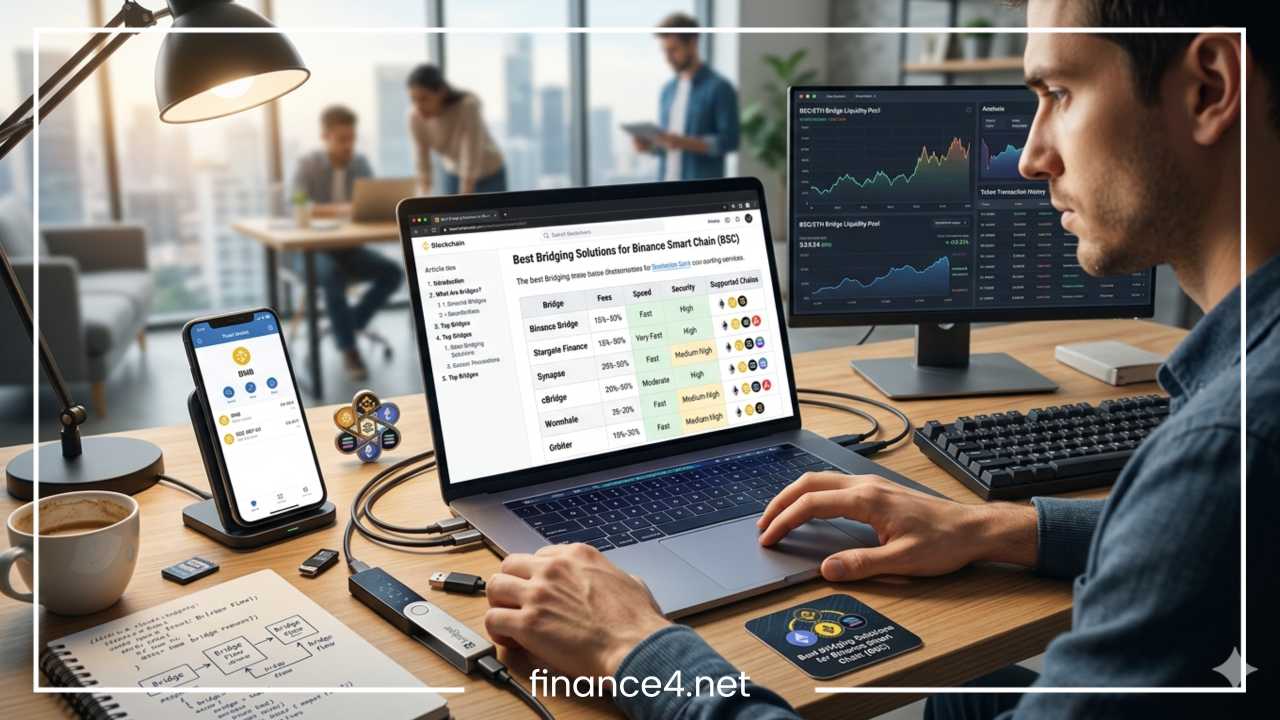
| Tool | Fee Structure | Avg. Speed | Best For | Security Type |
| cBridge | Low (Gas + 0.04%) | 2-5 Mins | Speed & Small Caps | Decentralized Nodes |
| Binance | Variable (Withdrawal) | 5-10 Mins | Beginners & Large Caps | Centralized (Trusted) |
| Synapse | Moderate (Slippage) | 3-8 Mins | Stablecoins | Cross-chain AMM |
| Wormhole | Low (Gas) | 10-15 Mins | NFTs & Solana | Guardian Network |
| Stargate | Competitive | 1-3 Mins | Native Assets | LayerZero Omnichain |
Risks of Using BSC Bridges
While bridges provide immense utility, they are among the most complex and targeted pieces of infrastructure in crypto. Users must understand the risks involved to protect their capital.
Technical and Smart Contract Risks
Bridges are powered by complex code. If there is a bug in the smart contract that governs the “locking” of assets, a hacker could find a way to “unlock” those assets without burning the corresponding tokens on the other chain. This has happened several times in the past, leading to hundreds of millions of dollars in losses.
Custodial and Centralization Risks
In centralized bridges, you are trusting a third party to hold your money. If that party goes bankrupt, gets hacked, or is shut down by regulators, your funds could be frozen or lost. Even in “decentralized” bridges, sometimes the admin keys are held by a small number of people. If those keys are compromised, the bridge can be drained.
Operational Risks: Slippage and Phishing
Beyond the code itself, there are user-level risks. Slippage occurs when there isn’t enough liquidity to fulfill your transfer at the market price, causing you to lose a percentage of your value. More dangerously, phishing is rampant. Scammers create fake versions of popular bridge websites. If you connect your wallet to a fake site, they can drain your entire balance.
Tips for Safe and Efficient Bridging
To minimize risk and maximize the efficiency of your transfers, follow these best practices:
-
Start Small: If you are using a bridge for the first time, send a small “test” amount. Only send the full balance once you have confirmed the test arrived safely.
-
Verify the URL: Always access bridges through official links found on their Twitter profiles or CoinMarketCap. Bookmark the correct site to avoid falling for “sponsored” Google ad scams.
-
Check Liquidity: Before initiating a large transfer, look at the bridge’s liquidity for that specific asset on the destination chain. If liquidity is low, consider breaking your transfer into smaller chunks over time.
-
Monitor Network Conditions: Bridging involves transactions on two different networks. If Ethereum is congested, your bridge might get “stuck” halfway through. Use gas trackers to ensure you are paying enough to get your transaction processed.
-
Revoke Permissions: After you are finished bridging, it is a good habit to use a tool like Revoke.cash to remove the bridge’s permission to spend your tokens.
Future of Cross-Chain Bridging
The goal for the future of the crypto industry is to make bridging invisible. We are moving toward a “modular” or “omnichain” future where the user doesn’t even need to know they are moving assets between chains.
Protocols like LayerZero and Axelar are working on back-end messaging that allows a user on BSC to buy an NFT on Ethereum with a single click, with the bridging happening automatically in the background. As security models improve and liquidity becomes more unified, the risks associated with “wrapped tokens” will likely fade, replaced by native cross-chain communication.
We are also seeing the rise of “intent-based” bridging. In this model, a user expresses an intent (e.g., “I want 100 USDC on Polygon”), and a network of solvers competes to fulfill that request for the best price and speed. This abstracts the complexity away from the user, making DeFi as simple as a traditional bank transfer.
Final Thoughts
The ability to move assets quickly and securely is what gives the BNB Chain its competitive edge. Whether you are seeking the speed of cBridge, the deep liquidity of Binance, the native assets of Stargate, the stablecoin efficiency of Synapse, or the NFT versatility of Wormhole, there is a tool suited to your specific needs.
However, the golden rule of crypto remains: Security over everything. While low fees and fast speeds are attractive, they should never come at the expense of using an unverified or poorly secured protocol. By understanding the underlying mechanics of how bridges work and following strict safety protocols, you can navigate the multi-chain landscape with confidence. As the technology continues to evolve, the bridges of today are laying the groundwork for a truly unified and global digital economy.
Frequently Asked Questions
What is the cheapest bridge from BSC to Ethereum for stablecoins?
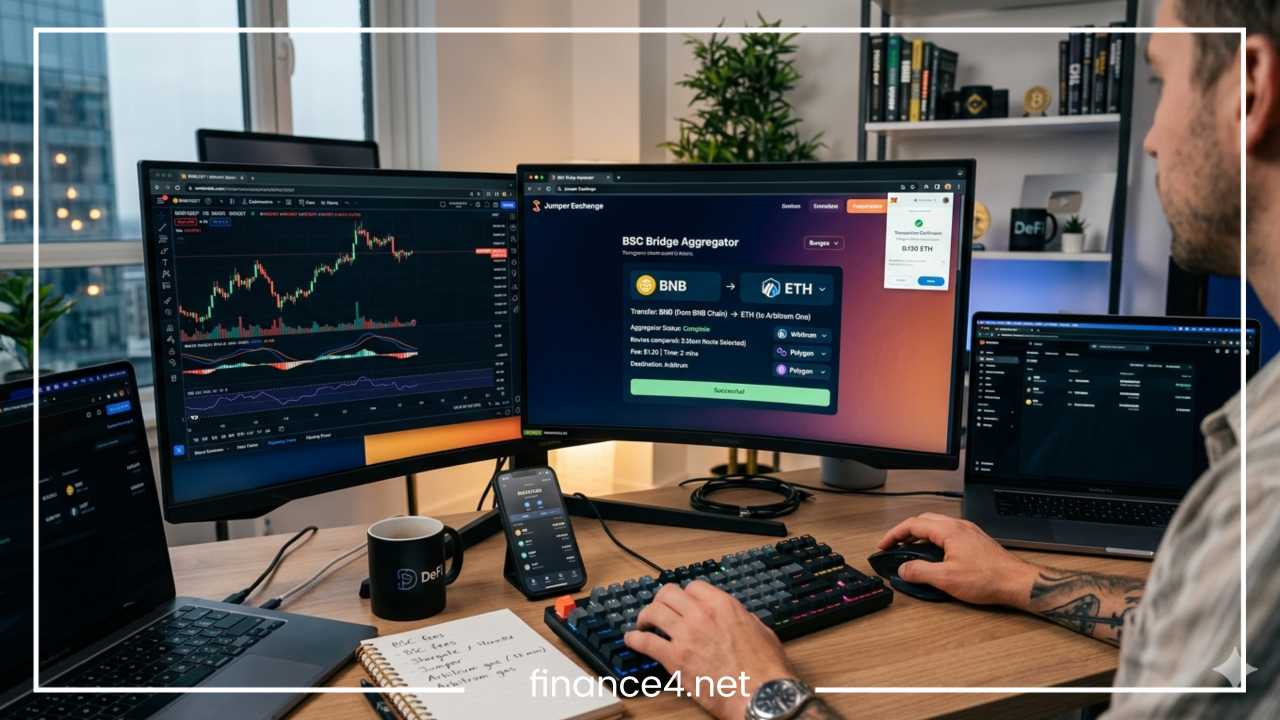
The cost of bridging varies based on network congestion, but protocols like Stargate Finance and Synapse are often cited as the most cost-effective for stablecoins. Because they use unified liquidity pools rather than complex minting processes, they minimize the “slippage” that can eat into your capital. To find the absolute lowest fee at any given moment, many traders use bridge aggregators like LI.FI or Bungee to compare real-time rates.
How do I bridge assets from BNB Chain to Ethereum safely?
To ensure a secure transfer, always start by verifying the official URL of the bridge to avoid phishing sites. Connect a reputable wallet like MetaMask, select BNB Chain as the source and Ethereum as the destination, and perform a small test transaction first. Using established tools like cBridge or Wormhole provides an extra layer of security through their audited smart contracts and decentralized validator sets.
How long does a cross-chain transfer from BSC take?
Transaction speeds depend on the bridge’s architecture. Liquidity-based bridges like cBridge can often complete a transfer in 2 to 5 minutes. However, bridges that rely on extensive validator confirmations or “optimistic” security models may take anywhere from 10 to 30 minutes. Always check the “estimated time” provided by the bridge interface before confirming the transaction in your wallet.
Can I bridge NFTs from BSC to other blockchains?
Yes, but not all bridges support non-fungible tokens. Wormhole (via the Portal Bridge interface) is one of the leading tools for moving NFTs across chains. It allows you to lock your NFT on the BNB Chain and mint a wrapped version on networks like Ethereum or Polygon, maintaining the metadata and provenance of your digital collectible.
What should I do if my bridged tokens are not showing in my wallet?
If your transaction is marked as “complete” on the bridge but the tokens aren’t visible, you likely need to manually add the token contract address to your wallet. Each chain has a unique contract address for the same token (e.g., the USDC address on Ethereum is different from USDC on BSC). You can find the correct contract addresses on block explorers like BscScan or Etherscan.
Are decentralized bridges safer than centralized exchange bridges?
It depends on your priority. Centralized bridges (like using the Binance withdrawal feature) offer high insurance and ease of use but require you to trust a single entity. Decentralized bridges eliminate that “middleman” risk but expose you to smart contract vulnerabilities. For large, institutional-sized transfers, many prefer the custodial security of an exchange, while DeFi native users often prefer the transparency of decentralized protocols.