How to Stake Your Bridging Aggregator LP Tokens
 by
by 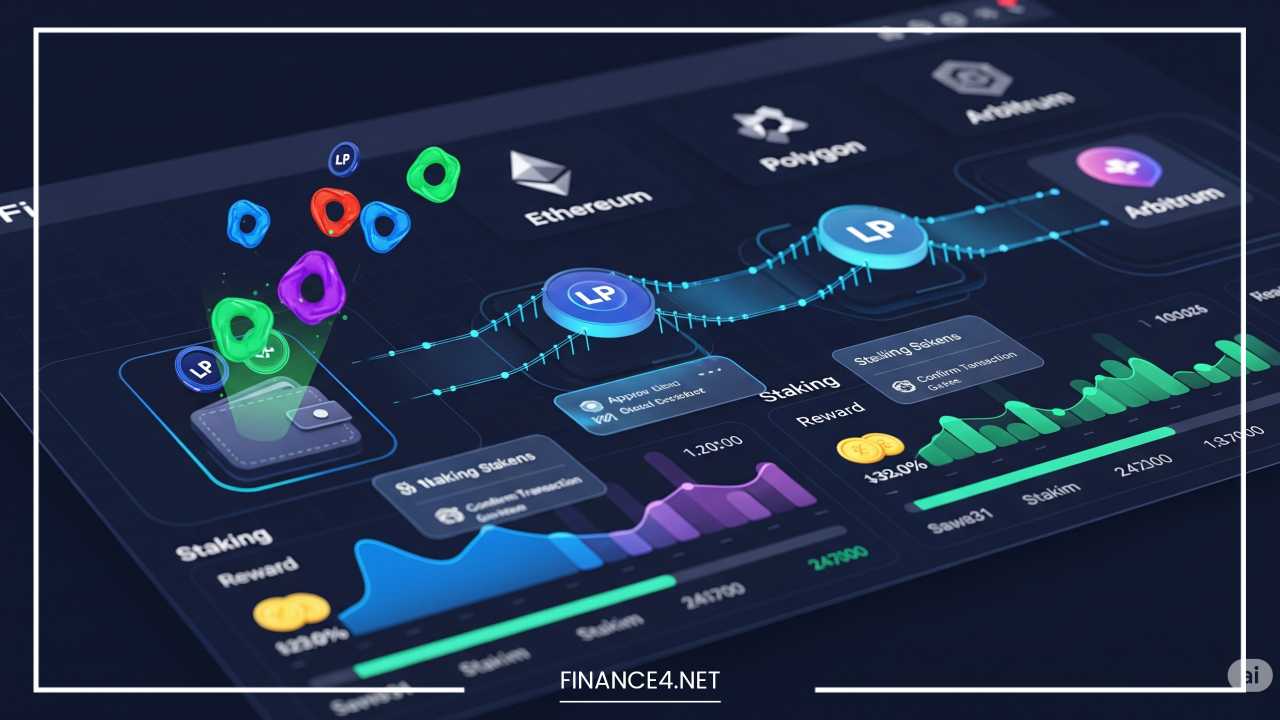
How to Stake Your Bridging Aggregator LP Tokens | Step-by-Step Guide & Tips
The decentralized finance (DeFi) landscape has rapidly evolved from isolated blockchains to a vibrant, interconnected multichain ecosystem. Bridging aggregators have emerged as crucial infrastructure, streamlining the process of transferring assets and data across different networks. As a vital part of this ecosystem, liquidity providers (LPs) play a critical role in ensuring the seamless operation of these bridges by supplying assets to liquidity pools. In return for their contribution, LPs receive LP tokens representing their share of the pool.
This article delves into the increasingly popular practice of staking these bridging aggregator LP tokens. We will explore what these tokens are, the compelling reasons to stake them, the associated risks and benefits, and provide a comprehensive, step-by-step guide to navigating this exciting opportunity within the multichain DeFi space. Understanding how to effectively stake your bridging aggregator LP tokens is becoming increasingly important for maximizing yield and actively participating in the growth of a truly interoperable decentralized future.
What Are Bridging Aggregator LP Tokens?
To understand the value of staking bridging aggregator LP tokens, it’s essential to first grasp their origin and purpose. Bridging aggregators, such as LI.FI, Socket, and Across Protocol, aim to simplify cross-chain interactions by routing users’ transfer requests through the most efficient and cost-effective bridging solutions available. These aggregators often rely on underlying liquidity pools on various blockchains to facilitate the actual asset transfers.
Liquidity providers contribute their digital assets (e.g., stablecoins like USDC or DAI, or native tokens like ETH or AVAX) to these liquidity pools on different chains. This liquidity enables the smooth and timely execution of cross-chain swaps and transfers. In exchange for providing this crucial liquidity, LPs receive LP tokens. These tokens are essentially receipts or representations of their share in the specific liquidity pool they contributed to.
For instance, if you provide USDC to a liquidity pool on a cross-chain decentralized exchange (DEX) that is utilized by a bridging aggregator, you will receive LP tokens specific to that pool (e.g., a token pair representing your share of USDC and the other asset in the pool). These LP tokens reside in your cryptocurrency wallet and act as proof of your deposited assets and the accrued fees from transactions within that pool. The value of these LP tokens fluctuates based on the underlying assets in the pool and the trading activity that generates fees. Understanding this fundamental relationship is the first step towards appreciating the potential benefits of staking these LP tokens.
Why Stake Your LP Tokens?
While simply holding LP tokens allows you to earn a portion of the transaction fees generated by the underlying liquidity pool, staking these tokens can unlock additional layers of rewards and benefits. One of the primary motivations for staking bridging aggregator LP tokens is the potential to earn additional yield on top of the regular LP rewards. This additional yield often comes in the form of the platform’s native token or other incentive tokens designed to encourage participation and long-term commitment.
Furthermore, some platforms may offer governance power to those who stake their LP tokens. This allows stakers to participate in the decision-making processes of the protocol, influencing its future development and direction. This level of engagement can be particularly appealing to users who want to actively contribute to the growth and decentralization of the bridging aggregator ecosystem.
The combination of earning passive income through both LP rewards and staking rewards creates a powerful compounding effect. By staking your LP tokens, you are essentially putting your earnings to work, potentially leading to a higher overall return on your initial liquidity provision. This passive income potential makes staking an attractive strategy for users looking to maximize their earnings within the DeFi space.
Risks and Considerations
While staking bridging aggregator LP tokens presents attractive opportunities, it is crucial to be aware of the inherent risks involved. Impermanent loss remains a significant concern for liquidity providers, especially in volatile cross-chain environments. Fluctuations in the prices of the paired assets within the liquidity pool can lead to a decrease in the dollar value of your deposited assets compared to simply holding them outside the pool.
Smart contract risks are also prevalent in the DeFi space. Both the bridging contracts and the staking contracts themselves are susceptible to vulnerabilities or exploits, potentially leading to the loss of funds. It is essential to choose platforms with a strong security track record and evidence of thorough security audits by reputable firms.
Be mindful of potential lock-up periods associated with staking. Some platforms may require your LP tokens to be locked for a specific duration, during which you cannot access or withdraw them. Additionally, withdrawal penalties might apply if you unstake your tokens before the designated period ends.
In some proof-of-stake (PoS) mechanisms that might underlie certain bridging technologies, there is also the risk of slashing. This occurs when validators or stakers fail to act in accordance with the network’s rules, leading to a portion of their staked assets being penalized. While less common with direct LP token staking on aggregators, it’s a concept worth understanding in the broader context of blockchain security. Thoroughly researching the specific staking mechanism and the platform’s security measures is paramount before committing your assets.
Prerequisites Before Staking
Before embarking on the process of staking your bridging aggregator LP tokens, several prerequisites must be met to ensure a smooth and secure experience. Firstly, you will need a compatible cryptocurrency wallet such as MetaMask or one supported by WalletConnect. Ensure that your wallet is properly set up and connected to the correct blockchain network where your LP tokens reside.
Secondly, you will need to have a sufficient amount of the native asset of the network in your wallet to cover transaction fees (gas). For example, if you are staking LP tokens on Ethereum, you will need ETH for gas fees.
It is crucial to understand which blockchain network the staking of your specific LP token happens on. Bridging aggregators operate across multiple chains, and the staking mechanism for a particular LP token will likely be on one specific chain.
Finally, you must ensure that the LP tokens you intend to stake are already in your wallet. This implies that you have previously provided liquidity to a relevant pool on a platform integrated with the bridging aggregator and have received the corresponding LP tokens. Double-checking your wallet balance and the correct token contract address is a vital step before proceeding with staking.
Step-by-Step Guide: How to Stake Your LP Tokens
The exact steps for staking your bridging aggregator LP tokens can vary slightly depending on the specific platform you are using. However, the general process typically follows these steps:
- Choose a Platform: Identify a platform that allows staking of the specific LP tokens you hold. Some bridging aggregators themselves might offer staking programs for certain LP tokens, or you might need to interact with a separate DeFi platform that supports staking those specific LP tokens. Examples could include Bungee (which has features related to liquidity and bridging) or certain DEXs where the liquidity pools utilized by aggregators are located. Research and choose a reputable platform with a user-friendly interface and transparent staking mechanisms.
- Navigate to the Staking Dashboard (or Relevant Section): Once you have chosen a platform, navigate to their website or decentralized application (dApp). Look for sections labeled “Stake,” “Earn,” “Farm,” or similar terms. This will typically lead you to the staking dashboard where you can view available staking opportunities.
- Connect Your Wallet: On the staking dashboard, you will usually find a “Connect Wallet” button. Click on this and select your preferred wallet provider (e.g., MetaMask, WalletConnect). Follow the prompts to authorize the platform to connect to your wallet. Ensure you are connecting to the legitimate website of the platform to avoid phishing scams.
- Select the LP Token to Stake: Once your wallet is connected, you should see a list of available LP tokens that can be staked on the platform. Locate the specific LP token that you hold and wish to stake. The platform should display information about the potential yield (APR/APY) associated with staking that token.
- Approve Transaction (Gas Fee Explanation): Before you can stake your LP tokens, the platform will likely require you to “approve” the contract to interact with your tokens. This is a standard procedure in DeFi that grants the staking contract permission to access and manage your LP tokens. You will need to sign an approval transaction using your wallet, which will involve paying a gas fee. Understand that gas fees vary depending on the blockchain network and network congestion.
- Confirm and Stake: After the approval transaction is confirmed, you will be able to proceed with the actual staking process. Enter the amount of LP tokens you wish to stake (you might have the option to stake all or a specific amount). Click the “Stake,” “Deposit,” or similar button. Your wallet will prompt you to sign another transaction to confirm the staking action. This transaction will also require a gas fee.
- Viewing Staked Position & Rewards: Once the staking transaction is confirmed on the blockchain, you should be able to view your staked LP tokens and any accrued rewards on the platform’s staking dashboard. The dashboard will typically display the amount of LP tokens you have staked, the current yield, and the amount of rewards you have accumulated.
How Rewards Work
Understanding the mechanics of how staking rewards are generated and distributed is crucial for effectively managing your staked LP tokens. The yield sources for staking bridging aggregator LP tokens can vary depending on the platform and the specific staking program. Common sources include:
- Platform Fees: A portion of the fees generated by the bridging aggregator or the underlying liquidity pools might be allocated as staking rewards.
- Incentive Tokens: Platforms often issue their native tokens as staking rewards to incentivize participation and bootstrap liquidity. These tokens may have utility within the platform’s ecosystem, such as governance rights or discounted fees, and can often be traded on cryptocurrency exchanges.
- Protocol Emissions: Some protocols have built-in token emission schedules that allocate a certain amount of tokens as rewards for various activities, including staking.
The advertised Annual Percentage Rate (APR) and Annual Percentage Yield (APY) represent the potential annual return on your staked assets. APR is a simple interest rate, while APY takes into account the effect of compounding, where earned rewards are reinvested to generate further rewards. Be sure to understand whether the displayed rate is APR or APY.
Platforms may offer different options for managing your earned rewards. Harvesting typically involves manually claiming your accumulated rewards, which you can then choose to reinvest, sell, or hold. Auto-compounding is a feature where the platform automatically reinvests your earned rewards back into the staking pool, potentially leading to higher APY over time without manual intervention.
Claiming rewards usually involves navigating to the staking dashboard and clicking a “Claim” or “Harvest” button. This will initiate a transaction on the blockchain, requiring a gas fee to be paid. The frequency with which you claim rewards should be balanced against the cost of gas fees. It might be more economical to claim rewards less frequently if gas fees are high. Always check the platform’s documentation or community resources to understand the specific reward claiming process and schedule.
Platform Comparison
The landscape of platforms offering staking opportunities for bridging aggregator-related LP tokens is evolving. While direct staking of aggregator-issued LP tokens might be less common, various platforms that host the underlying liquidity pools or have partnerships with aggregators may offer staking options.
For instance, a DEX that hosts a significant liquidity pool used by a bridging aggregator might offer its own staking program for the LP tokens issued for that pool. The staking models, yield rates, and supported chains can vary significantly across these platforms. Some platforms might offer higher APRs but with higher associated risks or longer lock-up periods. Others might prioritize security and stability over maximizing yield.
It’s also important to consider the security and audit status of the platforms you are evaluating. Look for platforms that have undergone thorough security audits by reputable third-party firms, as this provides a degree of assurance regarding the safety of their smart contracts.
When comparing platforms, consider factors such as the reputation of the platform, the transparency of their reward mechanisms, the user interface and ease of use, the available LP token pairs for staking, and the associated risks. Conducting thorough research and reading reviews from other users can help you make an informed decision about where to stake your LP tokens.
Best Practices for Staking LP Tokens
To enhance the security and profitability of your LP token staking activities, consider implementing these best practices:
- For significant holdings, consider using a hardware wallet to further secure your private keys and protect against online threats.
- Regularly monitor contract changes and protocol updates announced by the platform. Stay informed about any potential risks or changes to the staking terms.
- If the platform offers manual harvesting of rewards, reinvest or compound your rewards wisely, taking into account gas fees and your overall investment strategy.
- Utilize DeFi analytics tools like DeFiLlama or Token Terminal to track the performance of different platforms, compare yield rates, and assess the overall health of the protocols you are interacting with.
- Diversify your staked assets across different reputable platforms and LP token pairs to mitigate the risk associated with any single platform or asset.
Common Mistakes & Troubleshooting
Encountering issues during the staking process is not uncommon. Here are some common mistakes and troubleshooting tips:
- LP token not showing up in the staking interface? Ensure your wallet is connected to the correct network where the LP tokens reside. You might also need to manually import the LP token’s contract address into the platform’s interface or your wallet.
- Unable to stake? Double-check if you have already approved the staking contract to interact with your LP tokens. Also, ensure you have a sufficient balance of the native token for gas fees and that your LP token balance meets any minimum staking requirements. Network congestion can also sometimes cause transaction failures, so try again later.
- Rewards not appearing as expected? Understand the platform’s reward distribution schedule. Some platforms distribute rewards in real-time, while others might have periodic distribution cycles. Check the platform’s documentation or FAQs for details. If the issue persists, contact the platform’s support team.
Future of Cross-Chain LP Staking
The future of cross-chain LP staking appears promising, driven by advancements in interoperability technologies. Projects like Chainlink’s Cross-Chain Interoperability Protocol (CCIP) and LayerZero are working to create more secure and seamless ways for blockchains to communicate and transfer value. These advancements could lead to more efficient and integrated cross-chain staking opportunities.
We may also see the emergence of multi-chain auto-compounders that automatically optimize and reinvest staking rewards across different chains, simplifying the process for users and potentially maximizing returns. New staking incentives tied to the growth and adoption of bridging protocols are also likely to emerge as the multichain ecosystem matures. As the DeFi space continues to innovate, cross-chain LP staking is poised to play an increasingly significant role in fostering a truly interconnected and capital-efficient decentralized economy.
Final Thoughts
Staking bridging aggregator LP tokens offers a compelling opportunity to earn additional yield and actively participate in the growing multichain DeFi ecosystem. By understanding the nature of LP tokens, the potential benefits of staking, and the associated risks, users can make informed decisions and navigate this exciting space effectively. While the process involves certain complexities and requires careful consideration of security and platform-specific mechanics, the potential rewards and the contribution to a more interconnected DeFi future make it a worthwhile endeavor for those comfortable with the evolving landscape of decentralized finance. Remember to always conduct thorough research, manage your risk appropriately, and stay informed about the latest developments in the world of cross-chain interoperability and staking.