Best Cross-Chain NFT Aggregator Apps
 by
by 
Best Cross-Chain NFT Aggregator Apps | Top Multi-Chain Marketplaces
The world of Non-Fungible Tokens (NFTs) has exploded, transforming digital ownership and artistic expression. From generative art and profile picture (PFP) collections to in-game assets and virtual real estate, NFTs have carved out a significant niche in the burgeoning Web3 landscape. However, this vibrant ecosystem, while innovative, has also introduced a significant challenge: fragmentation. NFTs are inherently tied to the blockchain they were minted on, creating isolated markets and limiting liquidity. Imagine a world where your favorite physical art pieces could only be bought or sold in galleries dedicated to a single country – that’s the digital equivalent of NFT fragmentation across different blockchains.
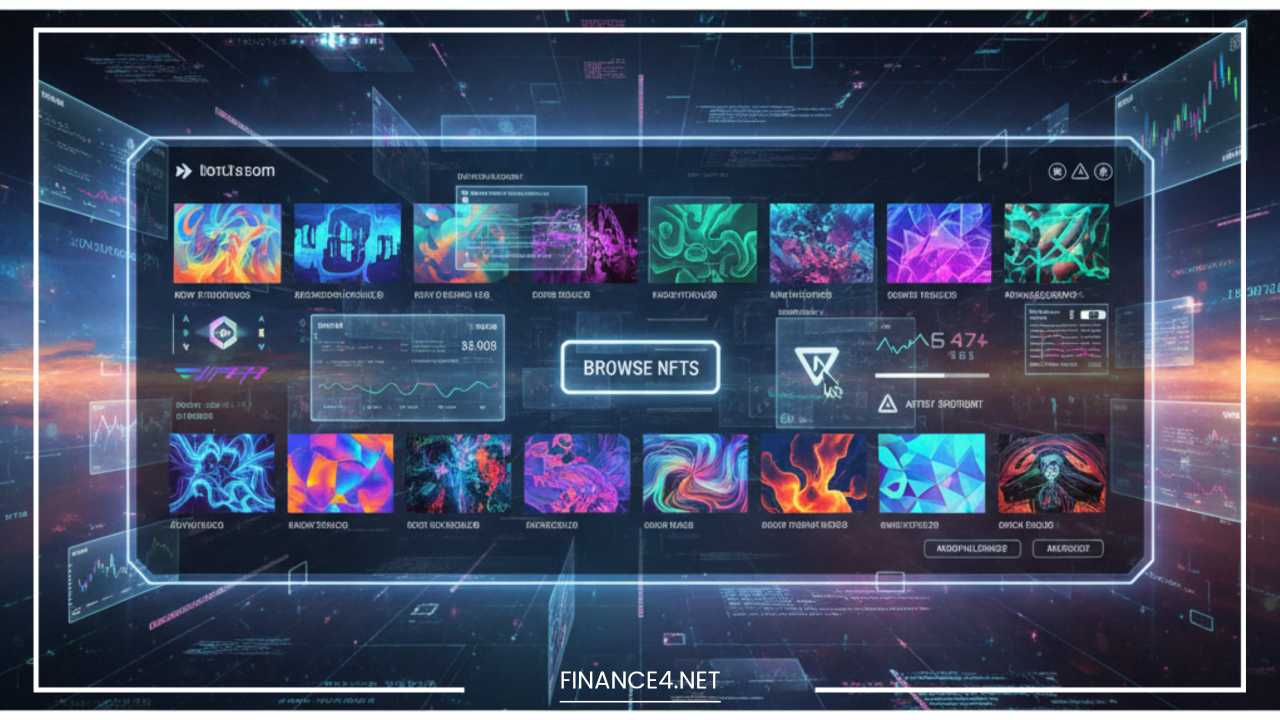
This is where cross-chain NFT aggregators emerge as indispensable tools. These platforms act as universal search engines and trading desks, pulling listings from various marketplaces and blockchains into a single, cohesive interface. Their mission is to democratize access, enhance liquidity, and simplify the NFT trading experience for everyone. This article will delve into the realm of cross-chain NFT aggregators, exploring their significance, key features, and highlighting the leading applications that are shaping the future of NFT discovery and trading. Our goal is to equip you with the knowledge to navigate this complex yet exciting landscape, enabling seamless engagement with the multi-chain NFT universe.
What is a Cross-Chain NFT Aggregator?
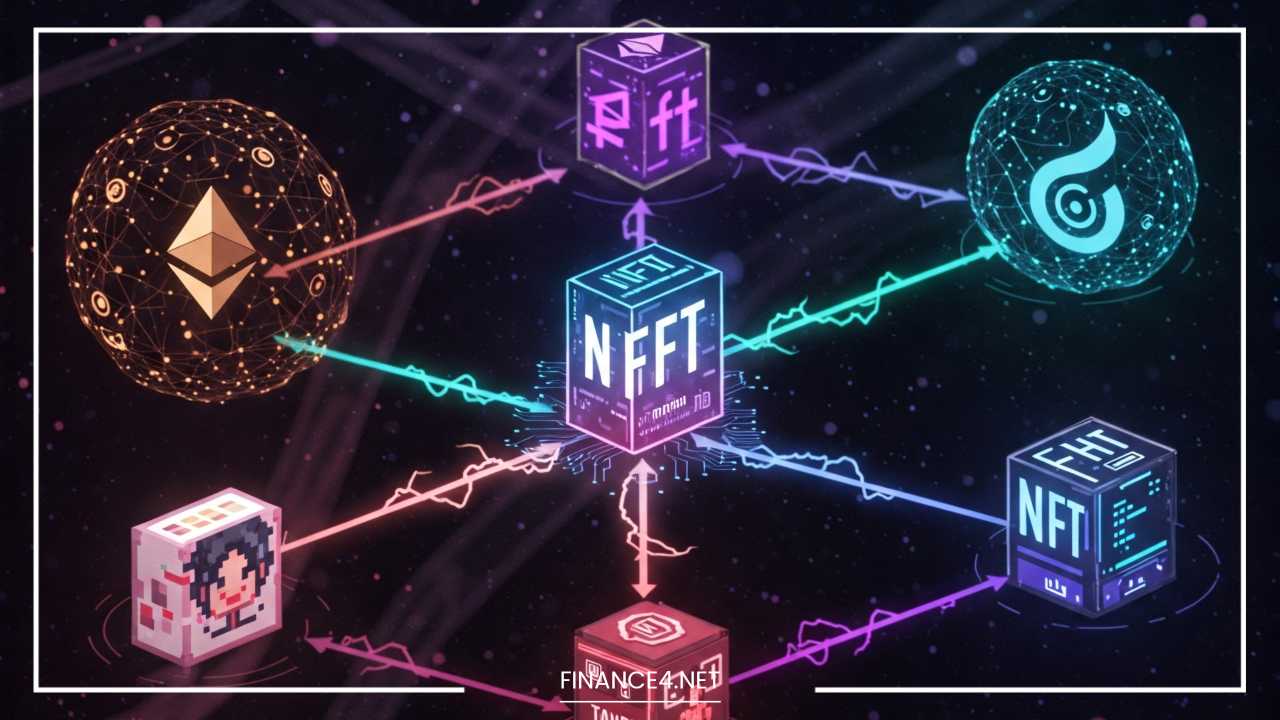
At its core, a cross-chain NFT aggregator is a platform designed to consolidate NFT listings from multiple marketplaces and blockchains into one unified interface. Instead of hopping between OpenSea (Ethereum), Magic Eden (Solana), TofuNFT (BNB Chain), and other chain-specific platforms, an aggregator allows users to browse, compare prices, and execute trades from a single dashboard.
The fundamental difference between single-chain and multi-chain platforms lies in their scope. A single-chain marketplace, like the original OpenSea, is primarily focused on NFTs residing on a specific blockchain (e.g., Ethereum). While many have expanded to include some layer-2 solutions, their aggregation capabilities across truly distinct blockchains (like Ethereum and Solana) have historically been limited. Multi-chain aggregators, on the other hand, are built from the ground up to be chain-agnostic, integrating with various blockchain networks and their respective NFT protocols.
The benefits of this aggregated approach for users are manifold. Firstly, it significantly enhances liquidity. By pooling listings from numerous sources, aggregators create a deeper order book, making it easier for buyers to find the NFTs they want and for sellers to offload their assets more quickly. Secondly, they offer unparalleled convenience. The days of managing multiple wallets and constantly switching networks are minimized, streamlining the entire trading process. Thirdly, aggregators facilitate better price discovery. Users can instantly compare prices for the same NFT or similar collections across different chains, ensuring they get the best deal. Finally, some aggregators can even help in reducing gas fees through optimized transaction batching, although this benefit often depends on the underlying blockchain and the aggregator’s specific features. Popular chains supported by these platforms often include Ethereum, Solana, Polygon, Arbitrum, Optimism, BNB Chain, Avalanche, and many more, reflecting the diverse and expanding blockchain ecosystem.
Why Cross-Chain Aggregation is Important in the NFT Ecosystem
The current state of the NFT market, characterized by its rapid growth, has also exposed its most pressing vulnerability: fragmentation. Each blockchain operates as a distinct silo, housing its own set of NFTs, marketplaces, and user communities. This creates several problems:
- Limited Exposure and Discovery: Artists minting on a less popular chain might struggle to gain visibility from collectors primarily active on Ethereum, and vice-versa. This limits an artist’s audience and a collector’s potential finds.
- Inefficient Price Discovery: Without a consolidated view, it’s difficult for traders to identify arbitrage opportunities or ensure they are buying at the most competitive price across different chains. An NFT available on Solana might be significantly cheaper than a similar one on Polygon, but without aggregation, this information remains hidden.
- Reduced Liquidity: Spreading NFTs across multiple marketplaces and chains dilutes the overall liquidity for any given collection. This can make it harder for sellers to find buyers quickly and for buyers to acquire rare assets.
- Increased Friction for Users: Managing multiple wallets, bridging assets, and navigating different marketplace UIs adds significant complexity and a steep learning curve for new entrants, hindering mainstream adoption.
Cross-chain aggregation directly addresses these challenges, fostering a more interconnected and efficient NFT ecosystem. For artists, it means broader exposure for their creations, reaching collectors across various blockchain communities without needing to re-mint or manage multiple collections. For collectors, it unlocks a vast universe of NFTs, allowing them to discover unique pieces regardless of their native blockchain. For traders, it offers enhanced price transparency, facilitating arbitrage strategies and more informed decision-making.
Furthermore, cross-chain aggregation is pivotal for the broader concept of interoperability in Web3. As the internet evolves into a decentralized network of interconnected applications and blockchains, the ability for assets and data to flow seamlessly between these networks becomes paramount. NFTs, as fundamental digital assets, are at the forefront of this movement. Aggregators are not just tools; they are building blocks for a truly global, interconnected digital economy where the underlying blockchain becomes an implementation detail rather than a barrier to interaction. This vision extends to cross-chain royalties, where creators can earn from secondary sales no matter where their NFT is traded, and to enabling broader audiences to participate in the NFT space, ultimately driving innovation and growth.
Key Features to Look for in a Cross-Chain NFT Aggregator
Choosing the right cross-chain NFT aggregator can significantly impact your trading experience. Here are the critical features to consider:
- Supported Chains and Protocols: This is arguably the most important factor. A robust aggregator should support a wide array of popular blockchains (Ethereum, Solana, Polygon, Arbitrum, Optimism, Avalanche, BNB Chain, etc.) and their respective NFT standards (ERC-721, ERC-1155, Solana’s Metaplex, etc.). The more chains supported, the broader your access to the NFT market.
- Wallet Compatibility: Seamless integration with various popular wallets is crucial. Look for support for MetaMask, WalletConnect (for a multitude of EVM-compatible wallets), Phantom (for Solana), Keplr (for Cosmos-based chains), and other chain-specific wallets that align with your holdings.
- UI/UX and Search Filters: An intuitive and user-friendly interface is non-negotiable. The platform should be easy to navigate, with powerful and granular search filters (e.g., by collection, trait, price range, rarity, blockchain, marketplace) that allow you to quickly pinpoint the NFTs you’re looking for.
- Real-time Pricing and Listing Aggregation: The aggregator must provide up-to-the-minute data from all integrated marketplaces. This includes accurate floor prices, last sale prices, and the ability to view listings directly from their source. Delays in data can lead to missed opportunities or overpaying.
- Gas Optimization and Batching: For EVM-compatible chains, gas fees can be substantial. Some aggregators offer features like batch buying (purchasing multiple NFTs in a single transaction) or optimized smart contract interactions to potentially reduce gas costs.
- Security and Audit Transparency: You are connecting your wallet and potentially interacting with smart contracts. Therefore, the aggregator must prioritize security. Look for platforms that have undergone independent security audits, openly publish their audit reports, and employ robust security measures to protect user funds and data.
- NFT Rarity Tools, Analytics, and Portfolio Tracking: Beyond simple aggregation, the best platforms offer advanced tools. Rarity rankings help identify undervalued gems, comprehensive analytics (volume, sales history, unique holders) provide market insights, and integrated portfolio tracking allows you to monitor your NFT assets across all supported chains in one place.
- Alerts and Notifications: The ability to set up alerts for specific collections, price drops, or new listings can be invaluable for active traders.
Top Cross-Chain NFT Aggregator Apps in 2025
The landscape of NFT aggregators is dynamic, with new platforms emerging and existing ones evolving rapidly. Here’s a look at some of the leading players in 2025:
1. Gem.xyz (Now part of OpenSea Pro)
- Overview: Gem rapidly gained prominence as a premier NFT aggregator before being acquired by OpenSea and subsequently rebranded as OpenSea Pro. It offered a streamlined experience for buying NFTs from multiple marketplaces on Ethereum and Polygon.
- Supported Chains: Primarily Ethereum and Polygon.
- Unique Features: Batch buying (significant gas savings), rarity rankings, sweep functionality (buying multiple NFTs from a collection below a certain price), and an intuitive interface designed for power users.
- Pros: Excellent UI/UX, powerful sweeping tools, integrated rarity, strong reputation for efficiency.
- Cons: Limited to EVM chains (Ethereum, Polygon), now deeply integrated with OpenSea, which might deter users looking for fully independent solutions.
- UX/UI Summary: Clean, professional, and performance-oriented. Easy to navigate for bulk actions.
- Best for: Power traders, flippers, and collectors focusing on Ethereum and Polygon who value efficiency and gas optimization.
2. Blur
- Overview: Blur burst onto the scene with a trader-centric approach, combining an aggregator with its own marketplace. It quickly became known for its aggressive loyalty program, airdrops, and focus on providing real-time data and tools for professional NFT traders.
- Supported Chains: Primarily Ethereum (with some support for integrated layer-2s).
- Unique Features: Real-time data feeds, advanced analytics, highly competitive fee structure (often zero marketplace fees), and a powerful bidding system that allows users to bid across multiple collections.
- Pros: Extremely fast interface, designed for high-frequency trading, strong community incentives, comprehensive data.
- Cons: Can be overwhelming for beginners, primarily focused on Ethereum, and its competitive nature can lead to intense “gas wars.”
- UX/UI Summary: Dense with information, but highly functional for experienced traders. Emphasizes speed and data.
- Best for: Professional NFT traders, market makers, and those seeking the fastest execution and most detailed analytics on Ethereum.
3. Reservoir.tools
- Overview: Reservoir is not just an aggregator but an open-source protocol and API that powers many NFT aggregation experiences. It provides infrastructure for developers to build their own marketplaces and aggregators, but also offers a public-facing explorer.
- Supported Chains: Extensive list including Ethereum, Polygon, Arbitrum, Optimism, Avalanche, BNB Chain, Goerli, Sepolia, and more.
- Unique Features: Developer-first approach, robust API, broad chain support, highly customizable. The public UI demonstrates the power of their underlying infrastructure.
- Pros: Decentralized infrastructure, broad chain support, excellent for developers, provides a solid backend for custom solutions.
- Cons: The public-facing UI might not be as polished or feature-rich for casual users compared to dedicated consumer apps.
- UX/UI Summary: Functional and data-rich, but less focused on a consumer-friendly aesthetic.
- Best for: Developers, builders, and users who appreciate the open-source nature and robust underlying infrastructure of a protocol.
4. Rarible (Aggregator + Marketplace)
- Overview: Rarible started as a prominent NFT marketplace and has evolved to include significant aggregation features. It allows users to list and discover NFTs not only from its own platform but also from OpenSea and other integrated marketplaces, across multiple blockchains.
- Supported Chains: Ethereum, Flow, Tezos, Polygon, Immutable X, and more.
- Unique Features: Combined marketplace and aggregator experience, strong focus on creator tools, multi-chain minting capabilities, and a user-friendly interface.
- Pros: Comprehensive solution for creators and collectors, good multi-chain support beyond EVM, relatively intuitive.
- Cons: Aggregation features, while robust, might not be as hyper-optimized for speed as Blur for active traders.
- UX/UI Summary: Clean, artistic, and accessible. Balances marketplace functions with aggregation effectively.
- Best for: Artists looking for multi-chain minting, collectors wanting a consolidated view across diverse chains (including Flow/Tezos), and users who prefer a combined marketplace/aggregator.
5. OKX NFT Marketplace
- Overview: The OKX NFT Marketplace is an all-in-one platform from the major cryptocurrency exchange, OKX. It functions as a powerful aggregator, pulling listings from top marketplaces like OpenSea, Magic Eden, LooksRare, and others across numerous blockchains, alongside its own marketplace listings.
- Supported Chains: Ethereum, Solana, Polygon, Arbitrum, Optimism, BNB Chain, Avalanche, OKC, Immutable X, Aptos, and more.
- Unique Features: Extremely broad chain support, zero fees on many transactions, integrated with the OKX ecosystem (wallet, exchange), powerful analytics and rarity tools.
- Pros: One of the most extensive lists of supported chains, robust analytics, user-friendly for existing OKX users, competitive fee structure.
- Cons: Centralized exchange affiliation might be a concern for some decentralization maximalists.
- UX/UI Summary: Polished, professional, and familiar for crypto users. Designed for efficiency and comprehensive market overview.
- Best for: Users seeking the broadest possible chain support, those already within the OKX ecosystem, and traders who value a feature-rich platform with low fees.
6. Uniswap NFT Aggregator
- Overview: Building on its dominance in decentralized finance (DeFi), Uniswap integrated NFT aggregation into its platform. Leveraging the acquisition of Genie, Uniswap provides a seamless experience for swapping tokens and buying NFTs from various marketplaces on Ethereum and Polygon.
- Supported Chains: Primarily Ethereum and Polygon.
- Unique Features: Deep liquidity integration with Uniswap’s core DEX, batch buying, gas optimization, and a familiar interface for DeFi users.
- Pros: Trusted brand in DeFi, strong focus on gas efficiency, combines token swapping and NFT buying, intuitive for existing Uniswap users.
- Cons: Limited to EVM chains, not as broad in scope as some dedicated NFT aggregators.
- UX/UI Summary: Clean, minimalist, and consistent with the Uniswap brand. Prioritizes clear information and efficient execution.
- Best for: DeFi users, those who frequently swap tokens and buy NFTs on Ethereum and Polygon, and users who value a decentralized trading experience.
7. Element Market
- Overview: Element is a leading aggregated NFT marketplace that offers extensive multi-chain support and a user-friendly experience. It aggregates listings from major marketplaces and provides tools for trading, analyzing, and discovering NFTs across various networks.
- Supported Chains: Ethereum, BNB Chain, Polygon, Arbitrum, Klaytn, Avalanche, and more.
- Unique Features: Focus on Asian markets, powerful search and filter options, real-time data, and a robust trading interface.
- Pros: Excellent multi-chain support, intuitive design, good for discovering regional collections, competitive fees.
- Cons: Less recognized in Western markets compared to some competitors.
- UX/UI Summary: Modern, visually appealing, and easy to navigate, with a focus on data presentation.
- Best for: Users looking for broad multi-chain support, particularly those interested in collections popular in Asian markets, and general NFT collectors.
8. Tenso.gg
- Overview: Tenso.gg is an up-and-coming platform with a strong focus on simplifying the cross-chain NFT trading experience, particularly for emerging networks and Layer 2s. It aims to provide comprehensive aggregation and unique features for fast-moving markets.
- Supported Chains: Growing list, including Ethereum, Arbitrum, Optimism, ZkSync, Base, and others, with an emphasis on Layer 2s.
- Unique Features: Advanced analytics specifically tailored for L2s, potential for unique social trading features, and a focus on providing early access to trending collections.
- Pros: Forward-looking, strong focus on new and emerging chains, potentially innovative features.
- Cons: As a newer platform, its long-term stability and feature set are still evolving. Might have fewer integrated marketplaces compared to established players.
- UX/UI Summary: Modern, sleek, and designed for efficiency, particularly appealing to early adopters.
- Best for: Early adopters, traders focused on Layer 2 ecosystems, and users looking for cutting-edge analytics and tools in emerging markets.
9. Mintify
- Overview: Mintify positions itself as an all-in-one platform for NFT minting, analytics, and cross-chain trading. It provides sophisticated data tools to help users identify profitable mints and secondary market opportunities across multiple chains.
- Supported Chains: Ethereum, Solana, Polygon, Arbitrum, Optimism, and more.
- Unique Features: Pre-mint analytics, real-time gas tracking, comprehensive market data, wallet profiling, and integrated trading capabilities.
- Pros: Powerful analytical tools for both minting and trading, good for identifying trends, multi-chain support.
- Cons: Can be overwhelming for beginners due to the sheer volume of data, some advanced features might require subscriptions.
- UX/UI Summary: Data-rich and functional, designed for informed decision-making. Less emphasis on aesthetics, more on utility.
- Best for: Serious NFT traders, analysts, and minters who rely heavily on data and real-time insights to make strategic decisions.
10. Unique Network
- Overview: While not an aggregator in the same vein as the others (i.e., it doesn’t aggregate listings from external marketplaces like OpenSea), Unique Network is crucial if focusing on the Polkadot/Kusama ecosystem. It’s an NFT chain built for interoperability within Polkadot, providing a platform for cross-chain NFT functionalities within that ecosystem.
- Supported Chains: Polkadot, Kusama, and parachains within their ecosystem.
- Unique Features: Advanced NFT capabilities (re-fungible NFTs, nested NFTs, scheduled mints), carbon-neutral footprint, and designed for true interoperability within the Polkadot ecosystem.
- Pros: Native cross-chain capabilities within Polkadot, robust feature set for complex NFTs, environmentally friendly.
- Cons: Limited to the Polkadot ecosystem; does not aggregate from Ethereum, Solana, etc.
- UX/UI Summary: Professional, developer-friendly, and focused on showcasing the network’s technical capabilities.
- Best for: Developers and users specifically interested in the Polkadot/Kusama ecosystem, building sophisticated NFT projects, and exploring true cross-chain functionality within a specific network.
Security and Risks with Cross-Chain NFT Trading
While cross-chain NFT aggregators offer incredible convenience, it’s crucial to understand the inherent security risks involved. Interacting with multiple blockchains and bridging protocols introduces new vectors for potential vulnerabilities:
- Smart Contract Vulnerabilities: Aggregators and bridging solutions rely on complex smart contracts. A bug or exploit in these contracts could lead to significant loss of funds or NFTs. Even audited contracts can have undiscovered vulnerabilities.
- Risks with Bridging NFTs: Moving NFTs between different blockchains (e.g., from Ethereum to Polygon) often involves “wrapping” the NFT or locking the original on one chain while an equivalent is minted on another. The security of these bridges is paramount. A compromised bridge could result in lost assets.
- Phishing and Scams: The aggregated nature of these platforms can sometimes make it harder to discern legitimate listings from scam projects. Malicious actors often try to impersonate popular collections or create fake aggregator sites. Always double-check URLs and verify project legitimacy.
- Improper Wallet Management: As always in Web3, your wallet is your first line of defense. Phishing attacks that trick you into signing malicious transactions remain a significant threat. Never approve transactions from unknown sources or connect your wallet to untrusted websites.
How to verify aggregator legitimacy:
- Look for Security Audits: Reputable aggregators will proudly display audit reports from well-known blockchain security firms. Review these reports.
- Check Open-Source Contracts: If the aggregator’s smart contracts are open-source, it allows for community scrutiny and verification.
- Community Reputation and Longevity: Newer platforms carry more risk. Established aggregators with a proven track record and strong community backing generally offer more security.
- Beware of “Too Good to Be True” Offers: Unusually low fees or incredibly high returns are often red flags for scams.
Always conduct your own due diligence. Never invest more than you can afford to lose, and be skeptical of unsolicited offers or promises.
Future of Cross-Chain NFT Aggregation
The evolution of cross-chain NFT aggregation is intrinsically linked to the broader development of Web3 interoperability. The future promises even more seamless, intelligent, and integrated experiences:
- Growing Role of Interoperability Protocols: Technologies like LayerZero, Wormhole, Axelar, and IBC are foundational for true cross-chain communication. As these protocols mature and become more robust, aggregators will leverage them to offer even more fluid NFT transfers and transactions between disparate blockchains. Imagine buying an NFT on Solana and having it seamlessly appear in your Ethereum-compatible wallet, without manual bridging.
- AI + NFT Aggregators for Personalized Recommendations: Artificial intelligence and machine learning will play an increasingly significant role. AI algorithms can analyze your past purchases, browsing history, and market trends to provide highly personalized NFT recommendations, helping collectors discover new art or profitable trading opportunities tailored to their preferences.
- Potential Integration with Gaming/Metaverse: As metaverses and blockchain-based games gain traction, cross-chain NFT aggregators could become vital hubs for managing in-game assets across different virtual worlds and gaming ecosystems. Imagine a single interface to buy, sell, and track your skins, land parcels, and unique items from various metaverse platforms, regardless of their underlying blockchain.
- Enhanced Financialization of NFTs: As NFTs become more liquid and their value more easily determined across chains, aggregators will facilitate more advanced financial instruments, such as NFT collateralized loans, fractionalization, and sophisticated derivatives.
- User-Generated Aggregation and Customization: Future aggregators might empower users to create their own custom aggregation dashboards, selecting specific marketplaces, chains, and analytical tools that matter most to them.
Final Thoughts
Cross-chain NFT aggregators are not merely convenient tools; they are essential catalysts for the maturation of the NFT ecosystem. They are breaking down the artificial barriers of blockchain fragmentation, unlocking unprecedented liquidity, enhancing price discovery, and significantly improving the user experience for everyone from casual collectors to professional traders. By providing a unified window into the vast and diverse world of digital assets, these platforms are democratizing access and paving the way for a truly interoperable Web3.
However, as with any rapidly evolving technology, vigilance is key. While we encourage you to explore the powerful capabilities of platforms like OpenSea Pro, Blur, OKX NFT, and others, always prioritize security. Educate yourself on smart contract risks, verify the legitimacy of platforms, and practice responsible wallet management. The journey through the NFT space is exhilarating, and cross-chain aggregators are your trusty guide, empowering you to navigate its complexities and participate more fully in the exciting evolution of digital ownership. The future of NFTs is cross-chain, and these aggregators are building the bridges to get us there.