How to Run NFT Auctions
 by
by 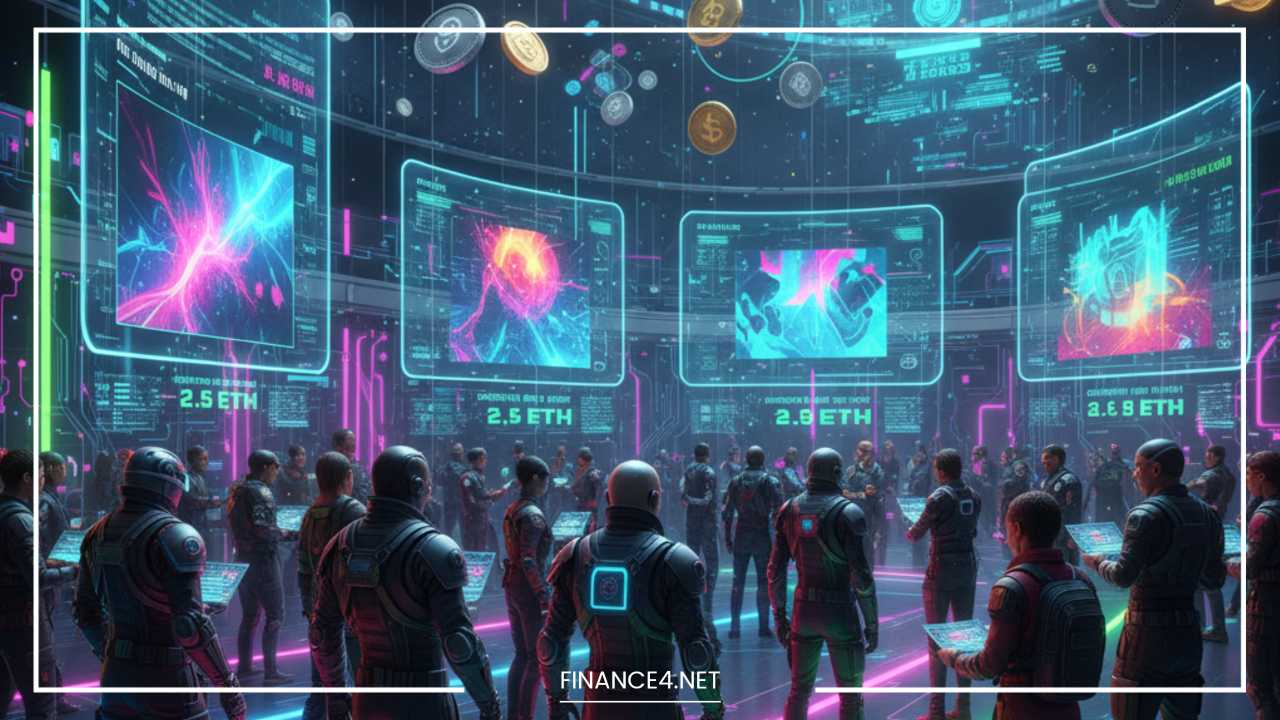
How to Run Successful NFT Auctions: The Definitive Guide
The world of Non-Fungible Tokens (NFTs) has fundamentally reshaped how digital scarcity, ownership, and value are perceived. At the core of the multi-billion dollar NFT economy is the auction—a dynamic, exciting, and sometimes volatile mechanism for price discovery. Running an NFT auction is more than just listing a digital file; it’s a strategic process involving technical preparation, market understanding, community engagement, and legal awareness. This definitive guide breaks down every step, from minting your first NFT to successfully transferring it to the highest bidder.
Introduction to NFT Auctions
What are NFTs?
Non-Fungible Tokens, or NFTs, are unique cryptographic tokens that exist on a blockchain and represent ownership of a specific asset, most commonly digital art, music, collectibles, or in-game items. Unlike cryptocurrencies such as Bitcoin or Ether, which are “fungible” (meaning any unit is interchangeable with another), an NFT is one-of-a-kind and cannot be directly replaced by another. This inherent uniqueness is what drives their value, turning infinitely reproducible digital content into verifiable, scarce digital assets.
What are NFT Auctions?
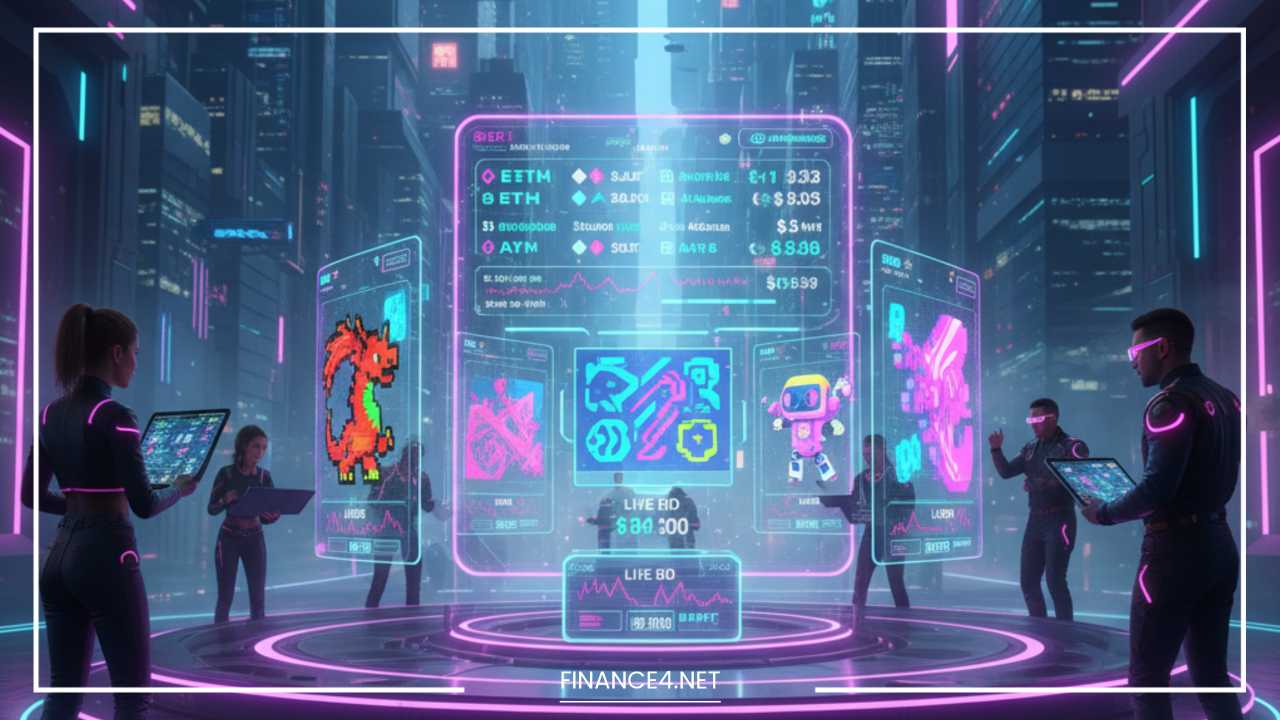
An NFT auction is a structured, time-bound sale event where potential buyers place bids on an NFT. The goal is to determine the highest possible market price for the unique asset. These auctions are typically conducted on specialized NFT marketplaces, which provide the smart contract infrastructure to manage the bidding process, secure the asset, and automate the final transfer upon payment.
Why are NFT Auctions Important?
Auctions are crucial to the NFT ecosystem because they facilitate price discovery. Since most NFTs are novel, there is no pre-existing market price. An auction allows the market—the collective of interested bidders—to organically determine the asset’s fair market value. They also generate excitement and urgency, maximizing visibility and often leading to higher final sale prices than fixed-price sales.
How NFT Auctions Differ from Traditional Auctions
While the principle remains the same (highest bidder wins), NFT auctions introduce unique, decentralized elements.
- Transparency: Every bid, transaction, and ownership history is permanently recorded on a public blockchain, ensuring unparalleled transparency and provenance.
- Automation: Smart contracts automatically execute the rules of the auction (e.g., locking the NFT, managing bids, transferring ownership upon successful payment) without the need for a human intermediary or central authority.
- Global Reach: Bidders can participate from anywhere in the world, 24/7, provided they have a cryptocurrency wallet and the necessary funds.
- Payment: Transactions are typically settled using cryptocurrencies like Ethereum (ETH) or Solana (SOL), rather than fiat currency.
Types of NFT Auctions
The selection of an auction format is a critical strategic decision that impacts bidder psychology and the final price.
English Auctions (Standard/Open Bid)
This is the most common and familiar format. Bidders publicly compete by placing increasingly higher bids until the clock runs out or a reserve price is met. The highest bidder at the end wins the NFT. This format is excellent for generating excitement and achieving the highest possible price through competitive bidding.
Dutch Auctions (Reverse Auction)
In a Dutch auction, the price of the NFT starts high and gradually decreases at predetermined intervals. The first person to accept the current, falling price wins the NFT at that price. This format is often used for large collections or “drops” where the creator wants to sell a high volume quickly while mitigating “gas wars” (high network fees caused by many people bidding at once).
Sealed-Bid Auctions
In this less common format, bidders submit their bids privately, and no one knows what others have offered. At the end of the auction period, the seller opens all the bids and the highest one wins. This can lead to bidders offering their true valuation, but it lacks the excitement and price-pushing competition of an English auction.
Reserve Price Auctions
A reserve price is the minimum amount the seller is willing to accept for the NFT. If the bidding does not reach the reserve price, the auction ends without a sale, and the seller retains the NFT. Reserve prices protect the seller from having to part with a valuable asset for a low price, though they must be set carefully to encourage initial bidding.
Fixed-Price Sales vs. Auctions
While not an auction, fixed-price sales are the alternative. The seller sets a definitive price, and the first buyer to agree to pay that price instantly acquires the NFT. This provides speed and certainty but sacrifices the potential for a high price discovery achieved through a competitive auction environment.
Preparing for Your NFT Auction
Successful auctions are built on a solid foundation of preparation. Technical and strategic steps must be completed before the listing goes live.
Creating Your NFT (Minting Basics)
“Minting” is the process of creating a unique token on the blockchain that links a digital asset (e.g., an image file) to a verifiable smart contract.
- Asset Finalization: Ensure your digital asset is final, high-quality, and adheres to the platform’s file size and format requirements.
- Platform Choice: Select a platform (e.g., OpenSea, Foundation, SuperRare) that supports the blockchain you’ve chosen.
- Metadata: Prepare the metadata, which includes the NFT’s name, description, traits (for collections), and a link to the media file. This information is crucial for discovery.
- The Mint: Connect your wallet and initiate the minting process. This involves paying a gas fee (a transaction fee) to the network validators to record the new NFT on the blockchain.
Choosing the Blockchain
The choice of blockchain dictates the transaction speed, gas fees, and the market accessible to your NFT.
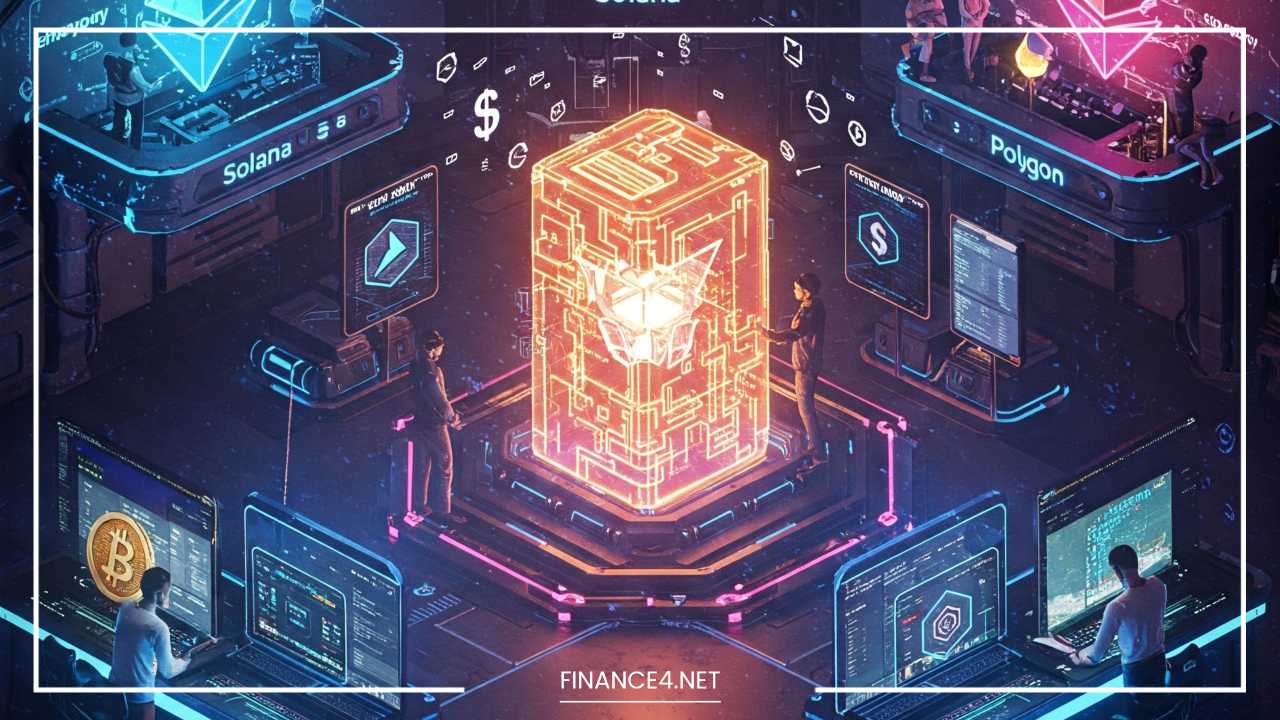
- Ethereum (ETH): The most popular choice, offering the largest collector base and highest security, but often subject to high, variable gas fees.
- Solana (SOL): Known for low transaction costs and extremely fast speeds, making it ideal for large, high-volume drops.
- Polygon (MATIC): An Ethereum Layer 2 solution that offers near-zero gas fees, making it popular for beginners and lower-priced collectibles.
- Tezos (XTZ): A rising choice known for its low energy consumption and lower barrier to entry.
Selecting the Auction Platform
The marketplace is where the auction takes place. The choice affects visibility, user experience, and the fee structure.
- Open Marketplaces (e.g., OpenSea, LooksRare): Open to everyone, offering high volume and maximum exposure, but with more competition.
- Curated Marketplaces (e.g., SuperRare, Foundation): Often require an application or invite, offering higher prestige but a smaller, more focused audience.
- Self-Sovereign Platforms (e.g., Manifold): Allows creators to mint and manage their contracts directly, offering maximum control but requiring more technical skill.
Thoroughly review the platform’s listing fees, transaction fees, and royalty structure (the percentage you earn on future secondary sales).
Setting Up Your Digital Wallet
A non-custodial digital wallet (like MetaMask, Phantom, or Coinbase Wallet) is mandatory.
- Security: Always use a strong password and, ideally, a hardware wallet (like Ledger or Trezor) for maximum security. Crucially, never share your seed phrase.
- Funding: Ensure the wallet is funded with the necessary cryptocurrency to cover the minting and listing gas fees, as well as any platform listing fees. This is often the native coin of the chosen blockchain (e.g., ETH for Ethereum).
Understanding Gas Fees
Gas fees are the transaction costs paid to the blockchain network to process and validate your actions (minting, listing, transferring).
- Volatility: Gas prices fluctuate dramatically based on network congestion. Listing at an off-peak time (e.g., late night/early morning UTC on weekdays) can significantly reduce costs.
- Fee budget: Always budget for gas fees, which can sometimes exceed the expected sale price of the NFT. They must be paid before the auction starts.
Setting Up the Auction
Once the NFT is minted, the strategic setup of the auction parameters is vital for maximizing the final sale price.
Listing Your NFT
On your chosen platform, you will navigate to the newly minted NFT and select the “Sell” or “Auction” option. This step requires the seller to grant the marketplace smart contract permission to hold and transfer the NFT if the auction succeeds.
Starting Bid and Reserve Price
These are two of the most important psychological levers.
- Starting Bid: The lowest amount accepted to initiate the auction. A low starting bid can be a powerful marketing tool, drawing many eyes and initial bids, creating momentum and FOMO (Fear of Missing Out). However, if no one else bids, you risk selling low.
- Reserve Price: The hidden minimum price you are willing to accept. If the reserve price is not met, the NFT remains unsold. The general recommendation is to set a reserve price that is just high enough to be acceptable, but not so high that it discourages early bidding. Many platforms require the reserve price to be met before the auction clock begins its final countdown.
Auction Duration
The length of the auction affects both hype and bidder commitment.
- Short Duration (24-48 hours): Ideal for highly anticipated drops, generating intense focus and urgency, often leading to a bidding frenzy right before the end.
- Medium Duration (5-7 days): Provides a broader window for international bidders to discover the listing and make purchasing decisions, which is generally standard for high-value art.
- Long Duration (14+ days): Generally only used for very niche items or as a continuous listing, sacrificing urgency for maximum exposure time.
Bidding Increments
This is the minimum amount a new bid must exceed the current highest bid. Setting an appropriate increment ensures the bidding process is efficient and prevents a flurry of tiny, insignificant price bumps. For example, an increment might be set at 5% or a minimum of 0.05 ETH.
Promoting Your Auction
The greatest NFT in the world will not sell well without proper promotion. This is where most of the work is done.
- Social Media Campaigns: Utilize platforms like X (formerly Twitter) and Instagram. Create visually appealing previews and behind-the-scenes content.
- Community Engagement: Announce the auction in relevant Discord and Telegram groups. Engage with potential buyers and answer questions in real-time. NFT communities are essential for driving sales.
- Collaborations: Partner with well-known collectors, influencers, or other artists to cross-promote the event to their followers.
- Exclusive Content: Offer a small “utility” or benefit to the auction winner, such as a physical print, a custom message, or future whitelist access, to increase perceived value.
- Press and Media: Aim for coverage in NFT-focused news outlets or newsletters for maximum reach.
Running the Auction
Once the auction is live, the focus shifts to active monitoring, engagement, and managing the bidding dynamics.
How Bidding Works
When a collector places a bid, the necessary cryptocurrency is typically locked in their wallet or a smart contract associated with the marketplace. This ensures that the funds are available immediately if they win. Bids are secured and recorded instantly on the blockchain. The platform’s smart contract automatically recognizes the highest bid and sets the new floor price.
Monitoring Bids
Constant monitoring is crucial for understanding the market’s response.
- Momentum Tracking: Observe the pace of bidding. A quick succession of bids in the early stages suggests strong market interest.
- Bidder Profiles: Try to research the wallets of the bidders. Are they known collectors? Are they active members of the community? High-profile bidders can attract more attention to the auction.
- Answering Queries: Be available to immediately answer questions from potential bidders about the NFT, its utility, or its technical specifications. Prompt and transparent communication builds trust.
Handling Outbids and Bid Sniping
- Outbids: When a bidder is outbid, their previously locked funds are typically released back to their wallet (minus any gas fees they incurred for placing the bid). Platforms notify outbid users via email or within the platform interface, often prompting them to re-enter the competition.
- Bid Sniping: This is the practice of placing a winning bid in the final seconds of an auction to prevent others from having time to counter-bid. To counter this, many major NFT platforms (e.g., OpenSea) employ a dynamic extension feature. If a bid is placed in the final minutes (e.g., the last 10 minutes), the auction timer automatically extends by a short period (e.g., 10 minutes). This ensures the final price is the result of genuine competition, not just timing, and is essential for maximizing the final price.
After the Auction Ends
The moment the timer hits zero, the technical process of settlement begins, which is almost entirely automated by the smart contract.
Determining Winners
The smart contract automatically identifies the highest bid that successfully met the reserve price (if one was set) as the definitive winning bid. The winner is instantly determined by the blockchain record, eliminating any disputes.
Payment and Settlement
- Automatic Transfer: Since the winner’s cryptocurrency (e.g., ETH) was locked by the bidding process, the smart contract automatically initiates the payment process.
- Fee Collection: The marketplace transaction fee and the seller’s pre-set royalty percentage (for the original creator) are automatically deducted and routed to the respective smart contract wallets.
- Seller Payout: The remaining funds (the final bid amount minus all fees) are automatically transferred from the marketplace’s contract to the seller’s wallet.
Transferring Ownership
Simultaneously with the payment, the smart contract executes the transfer of the NFT ownership token from the seller’s wallet to the winner’s wallet. This is a single, atomic, and irrevocable transaction on the blockchain, making the winner the new official owner of the unique token and its associated metadata/rights. The new owner can immediately see the NFT in their wallet and on the platform.
Handling Unmet Reserve Prices
If the auction ends and the highest bid is below the seller’s reserve price, the sale is voided.
- NFT Retention: The NFT remains in the seller’s wallet and is generally delisted from the auction page.
- Bidder Refunds: The funds locked by the bidders are automatically released back to their wallets.
- Next Steps: The seller has several options:
- Relist the NFT with a lower, more realistic reserve price.
- Convert the listing to a fixed-price sale.
- Attempt to negotiate a private sale with one of the top bidders.
- Hold the NFT, choosing to wait for a stronger market.
Legal and Ethical Considerations
The intersection of decentralized technology and traditional law can be complex. Understanding these points protects the seller and the buyer.
Intellectual Property Rights (IPR)
Selling an NFT generally means transferring ownership of the token and a limited license to the underlying digital asset. It typically does not transfer the underlying copyright or intellectual property rights, unless explicitly stated and coded into the smart contract. The creator usually retains the right to create derivatives, commercialize the art, or reproduce it. Clear terms in the NFT’s description are essential to avoid future disputes.
Copyright Issues
Sellers must ensure they have the full legal right to create and sell the NFT. Minting an NFT based on copyrighted material (e.g., a cartoon character, a famous logo, or another artist’s work) without permission is a direct violation of copyright law and can lead to legal action, a takedown from the platform, and loss of the asset and funds.
Authenticity and Provenance
One of the core benefits of NFTs is verifiable provenance. The seller must ensure the NFT is genuinely created by them or that they have the clear right to resell it. The blockchain records only verify the token’s history, but the initial artist claim must be truthful. Platforms have implemented measures to flag or remove counterfeit items, but due diligence rests with the creator.
Avoiding Scams
The NFT space is unfortunately rife with scams.
- Phishing: Sellers must be vigilant against messages that prompt them to click suspicious links or “verify” their wallet on a fake site. Never input a seed phrase anywhere.
- Wash Trading: This involves a seller using multiple wallets to artificially bid up their own NFT to create the illusion of high demand. Platforms actively monitor for and ban this unethical practice.
- Impersonation: Ensure all communication regarding the auction comes from official, verified channels and accounts.
Tips for Successful NFT Auctions
Success is rarely a coincidence; it is the result of careful strategy and execution.
Building Community and Hype
An NFT’s value is often intrinsically tied to its community.
- Active Engagement: Host AMAs (Ask Me Anything) on Discord or X to discuss the art and vision.
- “Whitelist” Spots: For collections, offer early access or guaranteed mint spots to loyal community members.
- Teasers: Release high-quality previews, behind-the-scenes content, and countdown graphics leading up to the auction.
Collaborations and Partnerships
Work with a respected name in the space, whether an artist, a musician, or a well-known collector. A collaborator’s endorsement can immediately lend credibility and expose your work to a much wider, engaged audience. A collaborative project can also leverage the combined skills of multiple parties.
Storytelling
The most successful NFTs are not just files; they are narratives.
- Narrative Arc: Explain the why behind the art. What inspired it? What is the deeper meaning or utility?
- The Drop: Frame the auction as a unique event. Is this the first piece of a new collection? The final piece of a series? The context enhances perceived value.
Timing
Market timing is crucial.
- General Market Conditions: Launch during periods of general optimism and high trading volume in the broader crypto and NFT markets.
- Day and Time: Avoid launching or ending on a Sunday evening when most people are preparing for the work week. Mid-week (Tuesday-Thursday) is generally active. Be mindful of international time zones if targeting a global audience.
Using Analytics
Post-auction analysis is vital for improvement.
- Platform Data: Review the marketplace’s data on views, watchlists, traffic sources, and bidding patterns.
- Community Feedback: Collect feedback on the auction format (e.g., reserve price, duration) for future drops.
- Price Mapping: Track the secondary market activity of your NFTs to understand collector retention and long-term valuation.
Case Studies & Examples
Examining past successes and failures offers invaluable lessons for future sellers.
Famous NFT Auctions
- Beeple’s “Everydays: The First 5000 Days”: Sold at Christie’s for $69.3 million. This proved that digital art could command traditional fine art prices and legitimized the concept of NFT art. The success was driven by 13 years of consistent work and a high-profile traditional auction house endorsement.
- CryptoPunks: One of the earliest NFT projects. An auction of nine Punks at Christie’s for $16.9 million highlighted the value of historical significance, rarity traits, and community-driven brand recognition.
Successful Strategies
- Timed Releases (Drips): Many artists release a series of NFTs over a set period, maintaining community engagement and hype rather than flooding the market all at once.
- Utility Integration: Projects that offer the winner more than just a JPEG—such as access to exclusive events, future airdrops, or voting rights—often achieve higher valuations.
- Physical Pairing: Linking the NFT to a unique physical object (e.g., a physical painting, a high-end statue) provides tangible value and attracts traditional collectors.
Common Mistakes
- Overpriced Reserve: Setting a reserve price that is too high for the current market and resulting in an unmet reserve, which can deflate future interest.
- Poor Promotion: Listing an NFT and expecting it to sell itself, leading to zero bids and an embarrassing failure.
- Ignoring Gas Fees: Forgetting to account for variable gas costs, leading to a net loss even on a small successful sale.
Future Trends in NFT Auctions
The NFT landscape is still rapidly evolving, promising new and exciting formats for price discovery.
Emerging Formats
- Hybrid Auctions: Combining elements of English and Dutch auctions to create new bidding dynamics.
- Bid-to-Earn Models: Experimentation where even losing bidders might receive a small reward (e.g., a micro-token or an access pass) to incentivize participation.
Blockchain Evolution
- Cross-Chain Auctions: As bridging technology improves, auctions may allow bidding using multiple cryptocurrencies from different blockchains, expanding the available bidder pool exponentially.
- Layer 2 Dominance: The transition to more efficient, low-gas Layer 2 solutions on Ethereum (like Arbitrum or Optimism) will make the auction process cheaper and more accessible for artists and collectors globally.
Metaverse Integration
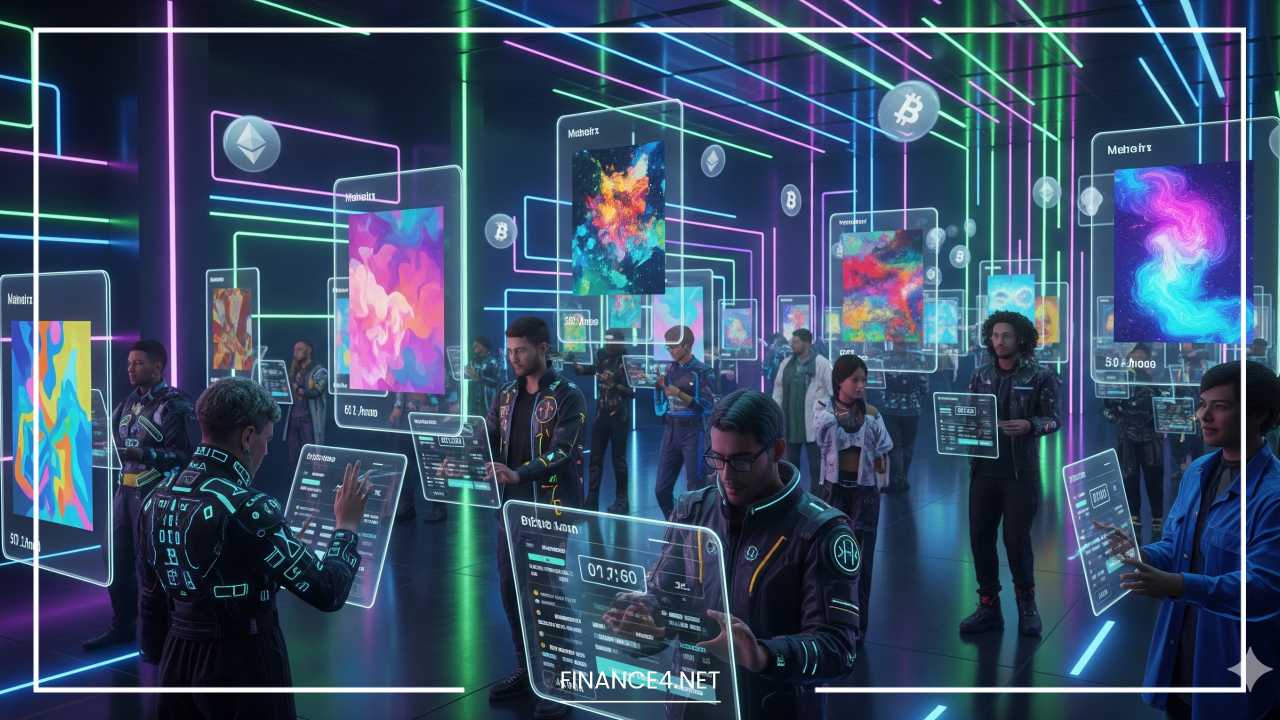
Auctions will increasingly take place within virtual worlds (metaverses). NFTs will be displayed in virtual galleries, and bidding will occur live in a shared digital space, adding a layer of immersive, social experience to the sale process.
Final Thoughts
Running an NFT auction is a multi-faceted process that sits at the thrilling intersection of art, technology, and finance. Success is ultimately a blend of great art, technical precision, and a robust marketing strategy. Understand your market, master the technical setup of minting and wallet security, and most importantly, invest heavily in building a community around your work. Start small, learn from every drop, and refine your approach. The tools are available; the moment to create and sell the future of digital ownership is now.