What Is an NFT Aggregator?
 by
by 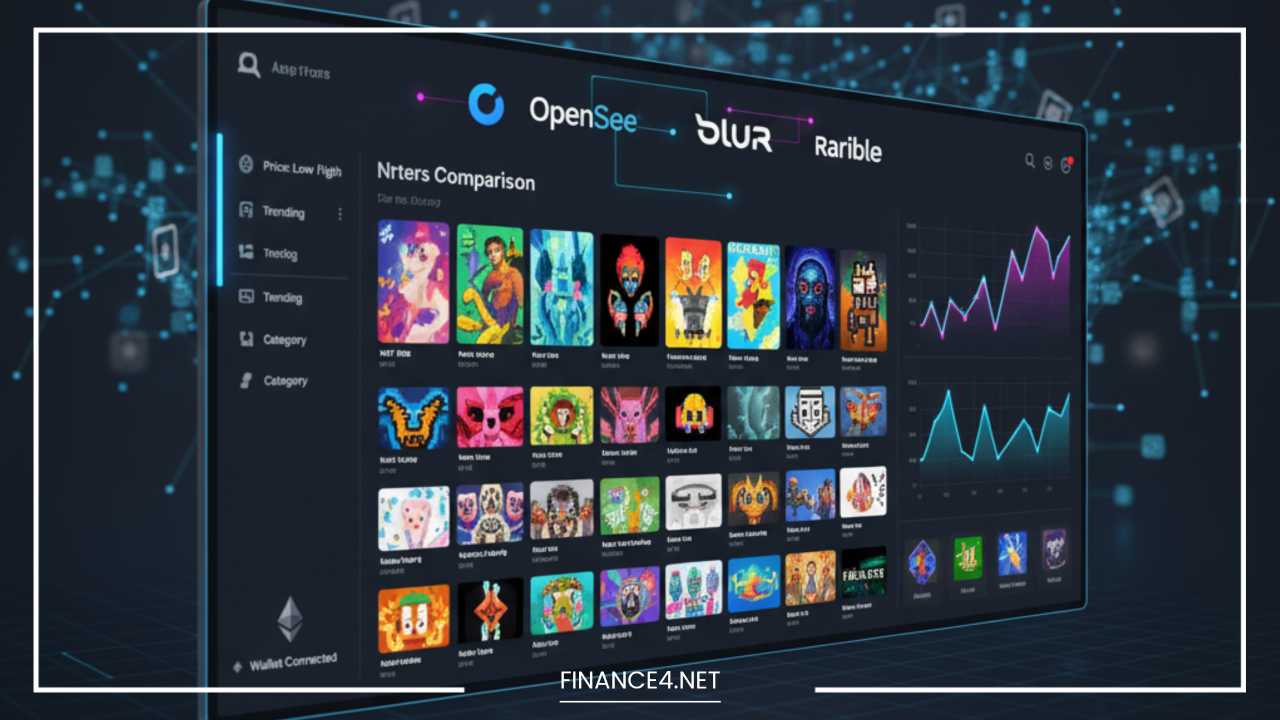
What Is an NFT Aggregator? | Definition & How It Works
The Non-Fungible Token (NFT) market has exploded from a niche corner of the crypto world into a multi-billion dollar ecosystem. Born primarily on the Ethereum blockchain with the introduction of the ERC-721 standard, NFTs have evolved from simple digital collectibles into complex financial, gaming, and identity assets. This growth has been mirrored by a proliferation of platforms where these assets are bought and sold.
The early days were dominated by a few major players, most notably OpenSea. However, as new blockchains like Solana, Polygon, and Immutable X gained traction, and as new competitors like Blur, LooksRare, and Magic Eden emerged, the ecosystem rapidly became fragmented. A user looking for the best deal on a particular NFT collection often had to navigate four or five separate websites, each with different prices, fees, and user experiences. This fractured landscape created inefficiency, price disparities, and a poor experience for both seasoned traders and newcomers.
Enter the NFT aggregator. These platforms were conceived as the necessary solution to the market’s fragmentation, creating a crucial infrastructure layer that streamlines the entire NFT trading experience. They are, in essence, the single destination point that brings order and efficiency to the decentralized chaos of the global NFT market.
What Is an NFT Aggregator?
An NFT aggregator is a platform or tool that automatically gathers, indexes, and displays Non-Fungible Token (NFT) listings from a multitude of independent NFT marketplaces and sources into a single, unified interface.
A Clear Definition
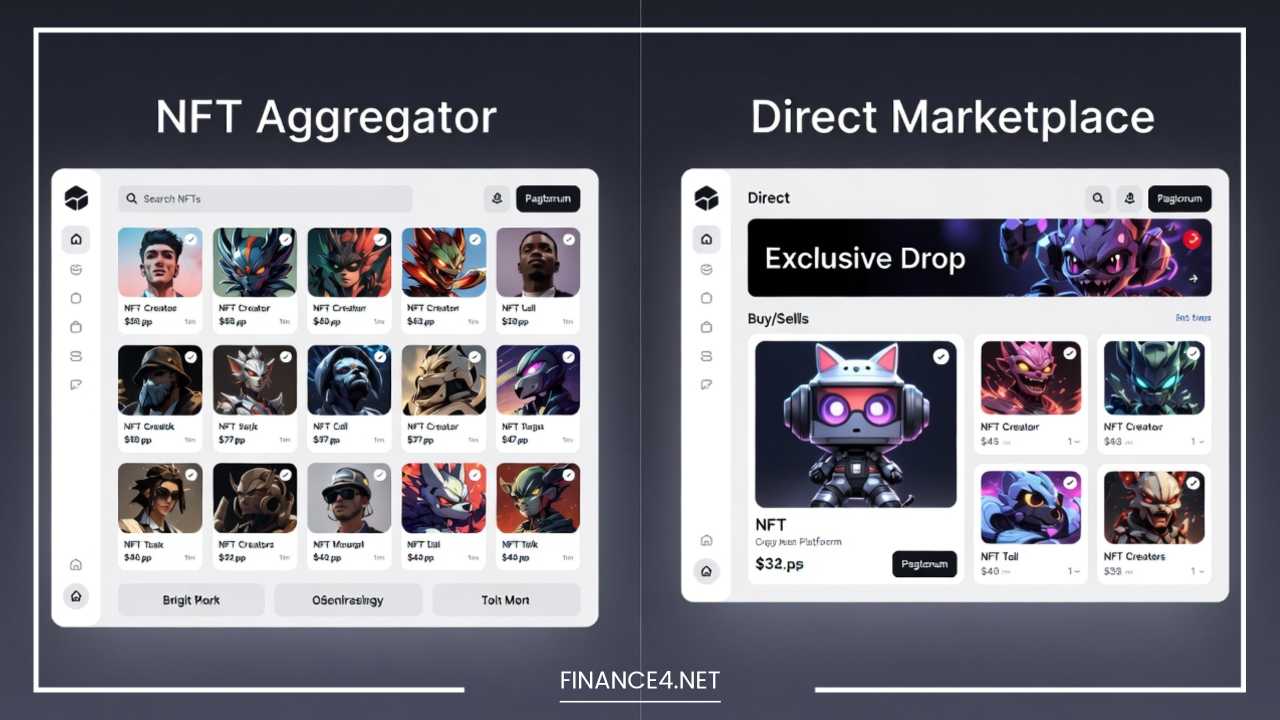
In simple terms, an NFT aggregator is a “one-stop shop” for NFT trading. Instead of visiting OpenSea to see its listings, Blur to see theirs, and Rarible to check another, a user visits the aggregator and instantly sees all available listings for a specific NFT or collection from all connected marketplaces. This consolidation of inventory and data is the core function of the aggregator.
How It Works: Pulling the Data
The operation of an NFT aggregator can be understood through an analogy common in other digital industries: the price comparison website.
- Comparison to Traditional Aggregators: An NFT aggregator is to NFT marketplaces what Kayak or Skyscanner are to airline websites, or what Trivago is to hotel booking sites. When you search for a flight on Kayak, it doesn’t sell the ticket itself; it instantly queries dozens of airline and booking agency websites, presents you with all the options side-by-side, and highlights the best prices before routing you to the original site (or processing the transaction on its behalf).
- The Aggregator’s Role: Similarly, an NFT aggregator uses sophisticated APIs (Application Programming Interfaces) and, in some cases, its own smart contracts to pull real-time data, including listing prices, rarity scores, and metadata, from integrated marketplaces. The user benefits by seeing the most competitive price, regardless of which marketplace initially posted the NFT for sale.
The aggregator is not usually the final resting place for the NFT; the actual digital asset remains on the blockchain, and the purchase transaction is often routed directly to the original marketplace’s smart contract, or executed via a bespoke, gas-optimized contract deployed by the aggregator itself.
Why Are NFT Aggregators Important?
The importance of NFT aggregators transcends mere convenience; they are a vital piece of the infrastructure that allows the NFT market to function efficiently and scale responsibly.
1. Fragmentation of NFT Marketplaces
As the NFT market matured, multiple chains and multiple platforms emerged on each chain. This led to liquidity fragmentation, meaning the total number of available sellers was split across many sites. Aggregators solve this by virtually reuniting the total liquidity of a collection, providing buyers with the deepest possible pool of inventory.
2. Price Discrepancies Across Platforms
One of the most critical services an aggregator offers is mitigating price arbitrage. Marketplaces often have different fee structures (e.g., trading fees, royalty enforcement), leading to the same NFT being listed at slightly different effective prices across various platforms. By comparing listings side-by-side, the aggregator ensures the buyer gets the best possible price after accounting for all fees, or at least has the transparency to choose the most cost-effective option.
3. Gas Fee Optimizations
On blockchains like Ethereum, gas fees (transaction costs) can be substantial. A core competitive advantage of modern aggregators is their ability to significantly reduce these costs. They achieve this by using highly optimized smart contracts that can bundle multiple individual purchases into a single, highly efficient blockchain transaction—a feature known as batch buying or “sweeping.”
4. Single Interface for Better User Experience
For users, the mental and operational overhead of juggling multiple browser tabs, comparing prices manually, and authorizing wallet connections on multiple sites is eliminated. The aggregator provides a unified dashboard for discovery, trading, and portfolio management, transforming a complex, multi-step process into a single, smooth workflow.
5. Enhanced Liquidity for Sellers and Buyers
For buyers, aggregation means access to more listings and better prices. For sellers, it means their NFTs gain immediate exposure across a vastly larger audience, increasing the likelihood and speed of a sale. By concentrating liquidity, aggregators improve overall market efficiency and discoverability.
Key Features of NFT Aggregators
Modern NFT aggregators compete heavily on features, constantly innovating to attract the most active and “power” traders. Their feature sets go far beyond simple search and comparison.
Multi-Marketplace Listings and Price Comparisons
This is the foundational feature. The aggregator’s primary dashboard instantly shows listings from all integrated marketplaces (OpenSea, Blur, X2Y2, etc.). It displays the final, all-in price, allowing for real-time, accurate comparisons to find the cheapest available NFT for a given collection—the floor price.
Batch Buying / Sweeping the Floor Functionality
This is perhaps the most defining feature for active NFT traders. “Sweeping the floor” refers to buying multiple NFTs, typically the lowest-priced ones, within a single collection to quickly acquire a significant position or raise the collection’s floor price. Aggregators enable users to select ten or more floor NFTs from different marketplaces and purchase them all in one single, gas-optimized transaction.
Gas Optimization
Aggregators use specialized smart contracts for bulk transactions. By executing multiple purchases with a single, highly efficient contract call instead of several standard transactions, they can provide substantial cost savings on gas fees, often ranging from 30% to 50% or more, depending on network congestion.
Portfolio Management Tools
Most advanced aggregators include a dashboard where users can connect their crypto wallets (e.g., MetaMask, Trust Wallet) and see a consolidated view of their entire NFT portfolio. This includes:
- Total floor value of all owned NFTs.
- Profit and loss (P&L) tracking based on purchase price.
- Real-time updates on floor price movements.
- Batch listing/delisting capabilities across multiple marketplaces.
Filtering and Sorting Options
To aid in discovery, aggregators provide sophisticated filtering tools that go beyond the basic marketplace functionality:
- Filter by Rarity Rank: Buyers can instantly filter to see only NFTs above a certain rarity threshold (e.g., top 10%).
- Filter by Traits: Search for NFTs with specific, desirable attributes.
- Filter by Market: Exclude listings from a specific marketplace or only show listings with zero marketplace fees.
Rarity and Analytics Integration
Aggregators often integrate with specialized rarity-ranking services (like Rarity Tools or Traitsniper) and analytical platforms (like Nansen or Dune Analytics). This allows users to view the rarity of any listed NFT directly on the aggregator’s interface, helping them make data-driven purchasing decisions without switching tools.
Wallet Compatibility
A key feature is broad support for various Web3 wallets, ensuring seamless connection and transaction signing for users regardless of their preferred digital wallet.
How NFT Aggregators Work Technically
The “magic” of an NFT aggregator lies in its technical architecture, which is a blend of traditional web infrastructure and cutting-edge blockchain technology.
Use of APIs and Smart Contracts
At the core of an aggregator’s operation are two main components:
- Marketplace APIs (Off-Chain): Aggregators rely on the publicly available or private APIs provided by major NFT marketplaces (OpenSea, Rarible, etc.). These APIs allow the aggregator’s backend servers to constantly poll for new listings, price changes, and sales history in real-time. This is where the price comparison data is sourced.
- Proprietary Smart Contracts (On-Chain): When a user decides to purchase an NFT, the aggregator often uses its own optimized Smart Contract (e.g., the Gem or Blur contract). This contract is the key to batch buying and gas optimization.
- The Transaction Route: Instead of the user’s wallet sending a separate transaction to each marketplace’s contract, the user sends a single transaction to the aggregator’s smart contract.
- The Contract’s Role: The aggregator’s contract then automatically interacts with the underlying marketplace contracts on behalf of the user, executing all necessary purchase calls within that single, consolidated transaction. This routing ensures the most efficient use of blockchain resources.
Real-Time Data Fetching and Syncing
Maintaining accurate, real-time data is the biggest technical challenge. Prices can change instantly, and an NFT sold on one marketplace must be reflected as sold out on the aggregator and all other connected marketplaces almost instantaneously. Aggregators deploy sophisticated data syncing mechanisms to minimize stale listings—listings that appear available but have already been bought—which is critical for maintaining user trust.
Listing Transactions Routing
When a purchase is made on an aggregator, the actual token transfer happens directly on the blockchain. The aggregator’s smart contract essentially acts as a highly efficient middleman, directing the user’s payment to the seller’s wallet and authorizing the transfer of the NFT from the seller to the buyer, adhering to the royalty and fee structures of the original listing marketplace (or the aggregator’s policy).
Handling Metadata and Media
The metadata (traits, description) and the media (image, video) for an NFT are often stored off-chain on decentralized services like IPFS (InterPlanetary File System). The aggregator aggregates the various marketplace APIs and then uses the token ID and contract address to fetch the final, accurate metadata and media from the official source, ensuring a consistent and rich display for the user.
Pros and Cons of Using NFT Aggregators
While they offer substantial advantages, aggregators are not without their trade-offs, particularly in a landscape that values decentralization.
Pros of Using NFT Aggregators
| Advantage | Description |
| Convenience | A single interface for browsing, buying, selling, and portfolio tracking across the entire NFT market. |
| Cost Savings | Direct reduction in total transaction costs via smart contract-enabled gas optimization and by ensuring the purchase of the lowest-priced listing (best effective price). |
| Transparency | Instant and transparent comparison of floor prices, listing fees, and royalty payments across all competing marketplaces. |
| Liquidity Access | Access to the maximum possible liquidity and inventory for a collection, significantly speeding up “sweeping” or bulk trading strategies. |
| Time Efficiency | Traders save immense amounts of time by automating the process of cross-checking multiple sites and executing complex transactions in one click. |
Cons of Using NFT Aggregators
| Disadvantage | Description |
| Centralization Risk | The entire market can become reliant on a few dominant aggregators, leading to a de facto centralization of trading volume and power, which runs counter to the Web3 ethos. |
| Dependency on External APIs | Aggregators are only as good as the APIs they rely on. If a marketplace changes its API or experiences downtime, the aggregator’s data can become incomplete or stale. |
| Possible Delays in Listing Updates | In highly volatile markets, the milliseconds it takes for a sale on a separate platform to register on the aggregator can lead to a user attempting to buy an already-sold asset (known as an “out-of-date listing”). |
| UX Complexity for Beginners | While aiming for simplicity, some of the advanced features (e.g., complex filters, batch bidding, gas optimization settings) can still be overwhelming for new users unfamiliar with Web3 trading jargon. |
| Routing Risks | Any reliance on a complex smart contract introduces a theoretical, though usually audited, risk of a smart contract vulnerability during the transaction routing process. |
Popular NFT Aggregators in 2024–2025
The aggregator landscape is highly competitive and is constantly shifting based on acquisitions, new features, and the ebb and flow of market activity.
1. Blur
- Focus: A dominant, trader-focused platform that launched with a sophisticated airdrop strategy to gain market share. It functions as both a marketplace and a powerful aggregator.
- Key Features: Zero marketplace fees, high-speed trading interface, advanced analytics, and a lending protocol feature called Blend that allows users to collateralize their NFTs. It’s the preferred choice for whales and high-frequency traders on Ethereum.
2. OpenSea Pro (Formerly Gem)
- Focus: OpenSea’s dedicated aggregator platform, built upon its acquisition of the successful independent aggregator, Gem.xyz. It is positioned as the choice for the advanced collector and power user.
- Key Features: Aggregates over 170 marketplaces, offers gas-optimized batch buying, and provides advanced inventory management tools. It benefits from the brand recognition and wallet integrations of the core OpenSea ecosystem.
3. Reservoir Protocol
- Focus: A decentralized, open-source protocol rather than just a front-end. It allows any project or platform to build their own custom marketplace or aggregator using its API infrastructure.
- Key Features: Highly flexible, supports multiple chains (Ethereum, Polygon, BNB Chain, etc.), and allows for the aggregation of both on-chain and off-chain order books, making it a critical backend solution for many new Web3 applications.
4. Rarible Aggregator API
- Focus: While Rarible is a traditional marketplace, it offers an Aggregator API that serves as a tool for other developers. It showcases the trend of marketplaces incorporating or offering aggregation as a core service.
- Key Features: Provides broad multi-chain support (Ethereum, Flow, Tezos, etc.) and is used by various third-party applications to quickly onboard NFT listings across diverse ecosystems.
5. JPG Store (for Cardano)
- Focus: A prime example of a chain-specific aggregator. JPG Store is the dominant marketplace and aggregator for the Cardano blockchain ecosystem.
- Key Features: It aggregates listings from the various Cardano NFT platforms, providing the same crucial “sweep the floor” functionality and liquidity benefits, demonstrating that aggregation is a cross-chain necessity, not just an Ethereum-centric solution.
Use Cases and Who Should Use NFT Aggregators
NFT aggregators are essential tools for anyone engaging in serious NFT commerce, from casual collectors to institutional traders.
1. NFT Traders / Flippers
Individuals who buy and sell NFTs rapidly to profit from short-term price movements are the primary beneficiaries. Gas optimization is paramount for them, as reduced transaction costs directly increase their profit margins. The ability to sweep the floor and instantly sell for a higher floor price is a critical trading strategy enabled by aggregators.
2. Whales Sweeping the Floor
Whales” (large-scale collectors and institutional funds) use aggregators to acquire a significant number of assets from a collection quickly. By buying the lowest-priced listings across all marketplaces in one go, they can instantly drive up the floor price and establish a dominant market position.
3. Analytics-Based Buyers
Collectors who rely on rarity scores and historical data use aggregators to instantly compare the market price of a desirable, high-trait NFT against its rarity rank across all marketplaces simultaneously. This ensures they don’t overpay simply because an item was listed on an expensive, low-volume platform.
4. NFT Collectors
Even those who simply want to buy a single collectible benefit from knowing they secured the best possible price. They use the aggregator’s single interface for a convenient, hassle-free buying experience.
5. Institutions Entering NFTs
Investment firms and venture capital funds with large mandates use the robust APIs of aggregators (like Reservoir) to build proprietary, high-speed trading bots and portfolio management systems. The aggregator becomes their data feed and execution layer for large-scale, automated investment strategies.
Future of NFT Aggregators
The evolution of NFT aggregators is tightly coupled with the broader trajectory of Web3, moving towards seamless integration and superior data intelligence.
Integration with DeFi and GameFi
The next wave of innovation will see aggregators fully integrate with Decentralized Finance (DeFi) and GameFi protocols.
- DeFi: Users will be able to see the best marketplace price alongside the best loan collateral value for the same NFT, allowing them to instantly decide whether to sell the asset or use it to take out a loan, all from one dashboard.
- GameFi: Aggregators will incorporate in-game utility data, allowing traders to see not only the floor price of a gaming asset but also its in-game yield or effectiveness score, making trading more informed.
AI-Powered Personalization and Recommendation
Future aggregators will leverage Artificial Intelligence (AI) to move beyond simple comparison. AI will analyze a user’s wallet activity, past purchases, and current P&L to offer personalized, predictive recommendations. For example, an AI might alert a trader that a whale just moved a large amount of capital into a specific collection, or suggest the optimal time to buy based on predicted gas fee fluctuations.
Cross-Chain Aggregation
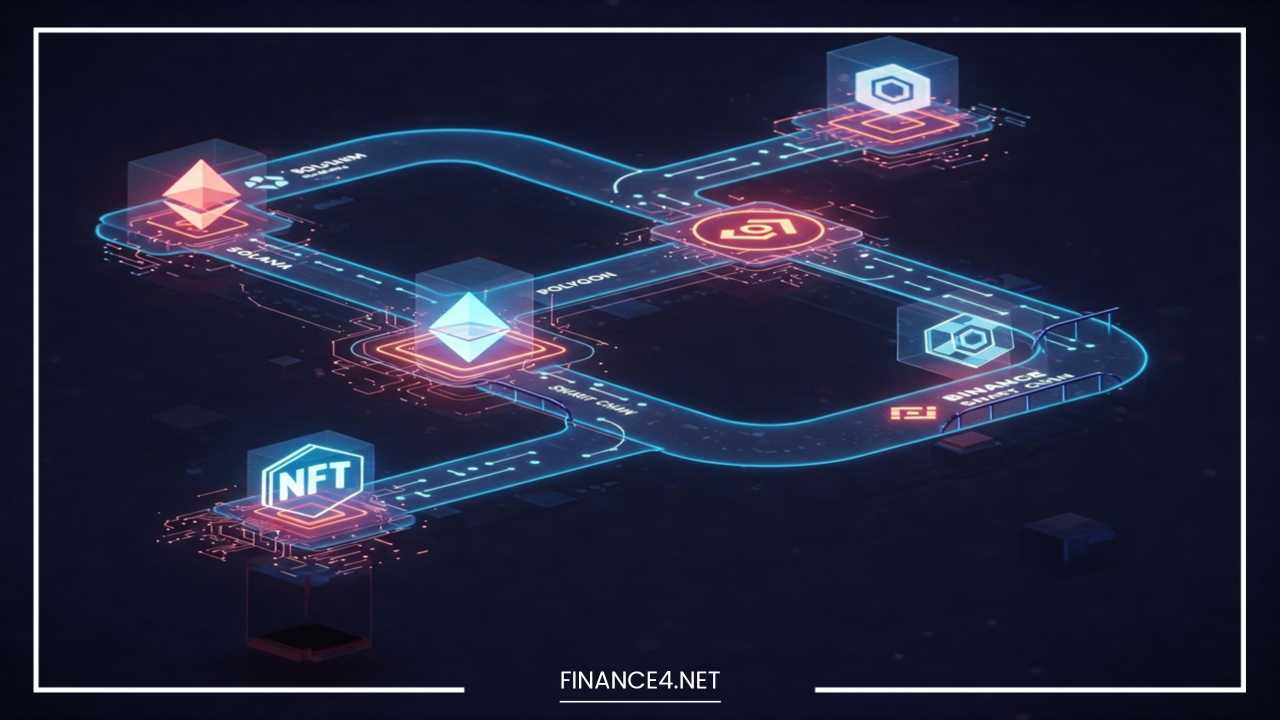
Currently, many aggregators are dominant on one or two major chains (e.g., Ethereum/Polygon). The true future lies in Omnichain aggregation. Protocols like LayerZero and Wormhole are making it possible to trade NFTs across different blockchain ecosystems (e.g., buying a Solana NFT with Ethereum) through a single, unified interface. Aggregators will become the frontend for this seamless cross-chain liquidity.
Evolution Toward Web3-Native Super Apps
The eventual vision for the aggregator is to evolve into a “Web3 Super App.” This app would not only aggregate NFTs but also DEX swaps, token staking opportunities, portfolio management, on-chain identity (DID) services, and stablecoin transfers—a singular, all-encompassing gateway into the entire decentralized economy.
Final Thoughts
The NFT aggregator has cemented its place as a critical infrastructure layer in the decentralized digital economy. Born out of necessity to solve the fundamental problem of marketplace fragmentation, these platforms have evolved from simple comparison tools into sophisticated trading engines. They have democratized access to the best prices, significantly reduced the crippling burden of high gas fees through batch buying, and fundamentally streamlined the entire NFT acquisition and management workflow.
For anyone serious about participating in the NFT market—from the casual collector to the professional floor-sweeper—aggregators are no longer a luxury; they are a necessity. They represent the convergence of high-speed trading, analytical intelligence, and seamless user experience, proving that as Web3 grows more complex, the tools designed to navigate it will become simpler, faster, and more powerful. To thrive in the next evolution of digital asset ownership, exploring and leveraging a cutting-edge NFT aggregator is the indispensable first step.