How to Create NFT Merch Store
 by
by 
How to Create an NFT Merch Store: The Definitive Guide to Blending Digital Ownership and Physical Commerce
The convergence of Non-Fungible Tokens (NFTs) and physical merchandise is one of the most exciting developments in the commerce landscape. An NFT merch store is an eCommerce platform that sells physical or digital products exclusively or preferentially to owners of a specific NFT. It’s a powerful new form of token-gated commerce, where the digital asset (the NFT) serves as a key, granting the holder access, discounts, or special edition goods that the general public cannot acquire.
This innovative model transforms passive consumption into active participation. For creators, it unlocks a potent revenue stream and a deeper way to reward their loyal community. For the community, it provides tangible proof of their digital allegiance and status. Real-world pioneers like the Bored Ape Yacht Club (BAYC) demonstrated this early on, offering exclusive streetwear drops. Similarly, RTFKT (now part of Nike) built an entire brand around bridging digital wearables with physical sneaker counterparts.
In this comprehensive guide, you’ll learn the entire process, from understanding the fundamentals of digital ownership to setting up your token-gated eCommerce platform, crafting a robust brand, and scaling your operation. We’ll cover the tech, the branding, the legalities, and the practical implementation necessary to launch a successful NFT merch store.
Understanding NFTs and Digital Ownership
Before selling merch tied to a digital asset, you must grasp the core concept that makes this entire ecosystem function: the Non-Fungible Token (NFT).
What are NFTs?
At its simplest, an NFT is a unique digital identifier recorded on a blockchain. Unlike a cryptocurrency like Bitcoin, which is fungible (meaning any one Bitcoin is interchangeable with another), an NFT is non-fungible, representing one-of-a-kind digital or physical assets. This record proves verifiable ownership and the provenance of a specific item—be it a piece of digital art, a song, a collectible, or, in our case, a membership pass or identity linked to a merch brand.
NFT Use in Branding and Exclusive Access
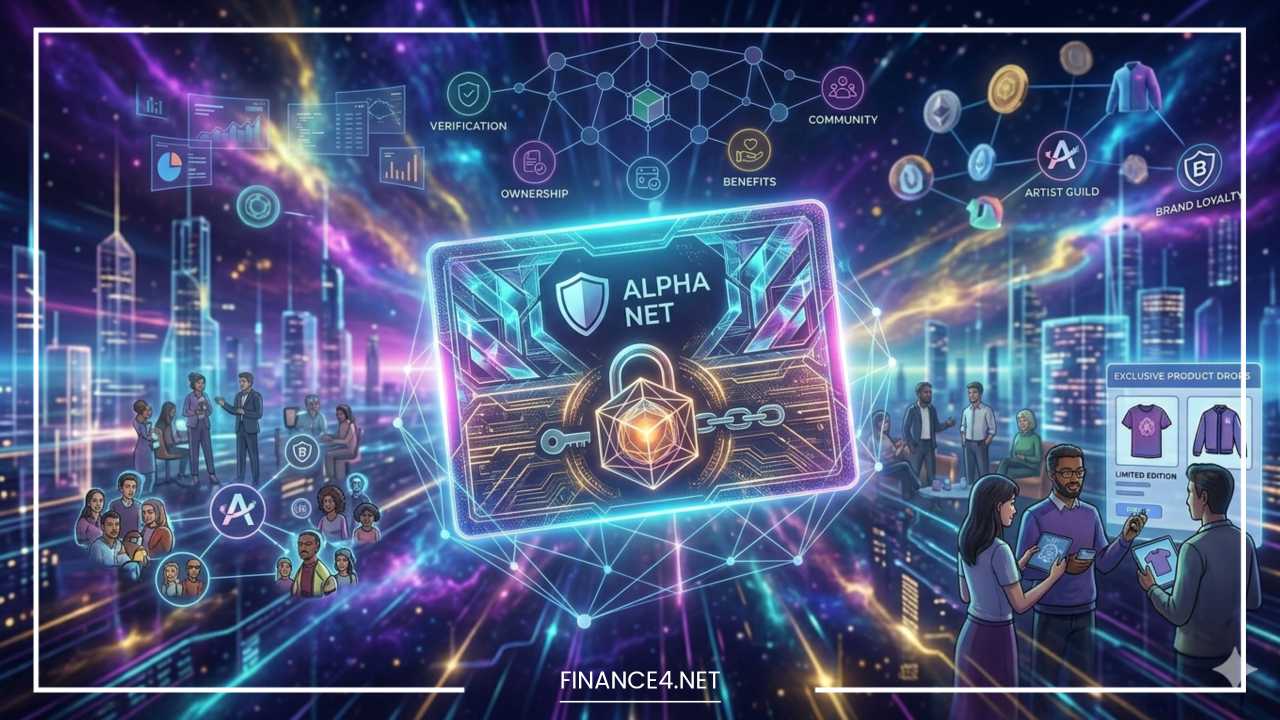
For a merch brand, the NFT is more than just a collectible; it’s a digital membership card. Holding the NFT signifies that the user is an insider. This transforms a customer relationship into a community membership. The digital asset grants exclusive access to certain perks, drops, or events, creating a strong sense of status and belonging. The NFT itself becomes a core part of the brand identity and narrative.
Why NFTs Work Well with Merch
The synergy between NFTs and physical merchandise is due to a few key factors:
- Scarcity and Exclusivity: NFTs are inherently scarce, and linking merch to them allows for verifiable scarcity in the physical world. If only 1,000 people own the token, only 1,000 can access the exclusive merch.
- Community Building: Providing tangible goods tied to the digital asset strengthens the bond within the community. The merch acts as a physical uniform or badge of honor.
- Proof of Status: Wearing or using NFT merch signals to the world that you are a holder of a specific, exclusive digital asset, elevating the product’s perceived value beyond its material cost.
Planning Your NFT Merch Brand
A successful NFT merch store is built on a solid foundation of brand identity and legal clarity.
Identify Your Niche and Audience
The first step is defining who you are serving. Are you targeting:
- Art Enthusiasts: Merch tied to high-end 1/1 digital art.
- Gaming Communities: Apparel and accessories featuring in-game characters or logos.
- Music Fans: Exclusive vinyl, posters, or clothing only available to NFT concert ticket or album holders.
- Meme/PFP (Profile Picture) Projects: Streetwear and lifestyle goods that feature the token’s art.
Understanding your audience’s existing spending habits, preferred style, and community hangouts (Discord, Twitter) is crucial.
Branding: Logo, Mission, Style Guide
Your merch brand needs a cohesive aesthetic that aligns with your NFT collection.
- Mission: Why does this brand exist? Is it a statement, a lifestyle, or a utility?
- Logo and Visuals: Develop a standalone brand identity for the merch that complements, but isn’t solely reliant on, the NFT art. This ensures your apparel appeals to a broader style audience.
- Style Guide: Define colors, fonts, and acceptable uses of your NFT art on physical products to maintain consistency and quality.
Choosing NFT Types
The type of NFT you launch will determine the merch strategy:
- 1/1 Art: Merch is often a limited-run, high-quality good mirroring the exclusivity of the art.
- Collections (PFP/Generative): The merch features traits or the overall brand identity, often with options for holders to customize a product with their specific token’s image.
- Utility NFTs (Keys/Passes): The NFT itself may not be art but a membership token. Merch is a primary perk of holding this token, often granting permanent discounts or early access.
Legal Basics: IP Rights, Resale Rights, Licensing for Merch
This is the most critical area. Consult a legal professional.
- Intellectual Property (IP) Rights: You must clearly define what rights NFT holders have regarding the art. Are they allowed to use their specific token’s image to create and sell their own merch? Or does the original creator retain all commercial rights?
- Common Licenses: Many projects use licenses like CC0 (public domain) or custom licenses (like the BAYC license) that grant broad commercial rights to holders. Clarity here prevents future legal disputes and dictates how your community can engage with the brand.
- Licensing for Merch: If you retain commercial rights, ensure your terms of service explicitly permit you to use the NFT art to create and sell physical merchandise, even if that art is linked to a token a collector owns.
Designing Your NFT Collection
The NFT collection’s design is intrinsically linked to the merch’s appeal. The visual language of your tokens must translate effectively onto physical goods.
Tools and Platforms
Design tools are essential for creating high-quality, print-ready art:
- Vector Graphics: Adobe Illustrator is ideal for scalable logos and PFP traits.
- Raster Graphics: Adobe Photoshop or Procreate are used for detailed art or mockups.
- Prototyping: Figma is excellent for organizing traits and planning the collection’s structure.
Generative vs. Custom Art
- Custom/1-of-1 Art: Requires high-resolution design that may feature complex details. Merch often focuses on this single, iconic image.
- Generative Art: Collections are built from multiple layers (traits), such as backgrounds, bodies, heads, and accessories. The goal is to design traits that look good both digitally and when printed on a T-shirt or hoodie. Ensure high resolution for all layers.
Traits, Rarities, and Community Appeal
Traits are the building blocks of generative collections and should inform your merch strategy.
- Rarity: You might offer super-exclusive merch drops only available to holders of the rarest trait(s) (e.g., a “Gold Fur” trait gets access to a special gold-embroidered jacket).
- Community Appeal: Designs should be recognizable and desirable, acting as conversation starters. The merch is a physical advertisement for the digital asset.
Smart Contract Basics (ERC-721 vs. ERC-1155)
This is the technical backbone:
- ERC-721: The standard for most unique NFTs (e.g., PFP collections). Each token is unique and non-interchangeable. Ideal for a one-of-a-kind access key.
- ERC-1155: A multi-token standard that can represent both unique and semi-fungible items (e.g., batches of tickets, limited edition prints). It’s more gas-efficient for issuing large numbers of identical utility tokens or vouchers that grant merch access. Choose the standard that best fits your collection’s scale and utility.
Minting and Launching Your NFTs
Once the art and contract are ready, the NFTs must be deployed to a blockchain.
Choosing a Blockchain
The blockchain choice affects transaction fees, speed, and audience.
- Ethereum (ETH): The most established, highest security, and largest market share. Best for high-value projects, but it has high gas fees (transaction costs).
- Polygon (MATIC): An Ethereum Layer 2 solution. Offers near-zero transaction fees and fast speeds, making it excellent for large collections or utility tokens where low fees are crucial.
- Solana (SOL): Fast, low-cost network with a distinct user base. Ideal for projects that prioritize speed and accessibility over the largest market size.
Minting Platforms
These platforms simplify the deployment of your smart contract.
- OpenSea/Rarible: Good for simple contract creation and marketplace integration. They offer tools for lazy minting (creating the NFT record only when it’s purchased, saving upfront gas fees).
- Manifold: Offers greater control by allowing you to deploy your own custom smart contract, which is essential for advanced token-gating and complex utility features.
- Custom Smart Contract: For maximum control and unique features, hiring a developer to write and deploy a bespoke contract is the gold standard.
Launch Strategy
A successful launch builds hype and rewards early adopters.
- Pre-sale/Whitelist: Allowing dedicated community members or early investors to mint the NFT at a lower price or with guaranteed access before the public. This rewards loyalty.
- Public Mint: The main event where the remaining tokens are offered to the general public.
- Pricing: Carefully set the mint price (in ETH, SOL, or the native coin) to balance accessibility with brand value.
Wallet Setup (MetaMask, Phantom, etc.)
Your community will need a compatible crypto wallet to interact with your store.
- MetaMask: The dominant wallet for Ethereum and Polygon (EVM-compatible chains).
- Phantom: The primary wallet for the Solana ecosystem.Your storefront’s token-gating system must be able to securely connect with these common wallets to verify ownership.
Setting Up Your Merch Store
The merch store is the bridge between the digital world of NFTs and the physical world of commerce. It needs to be professional, reliable, and integrated with Web3 tools.
Choose an eCommerce Platform
The platform needs to be robust enough to handle standard eCommerce logistics and flexible enough for Web3 integration.
- Shopify: The market leader. It’s user-friendly, scalable, and has the largest ecosystem of apps, including excellent token-gating tools. Highly recommended for its simplicity and reliability.
- WooCommerce (WordPress): Offers maximum flexibility and is open-source, but requires more technical expertise and maintenance.
- BigCommerce: A scalable platform for larger enterprises, offering strong native features.
NFT Integration Tools
This is the core differentiator of an NFT merch store. You need a way to check, in real-time, if a user’s connected wallet holds the required NFT.
- Shopify Token-Gating Apps: Several third-party apps (e.g., Tokenproof, Thirdweb) exist in the Shopify App Store. These allow you to designate specific products or collections as “token-gated” and require a wallet connect/verification before a user can even see or purchase the item.
- NFT API Plugins: For custom solutions (e.g., on WooCommerce), you’ll use services like Alchemy or Moralis to query the blockchain for wallet-holder data and build a custom verification layer.
Product Types
Your product line should reflect the brand’s style and the community’s preferences.
- Standard Apparel: T-shirts, hoodies, and hats are the staples. They are easy to produce and distribute.
- Premium Goods: Limited-edition jackets, accessories, or collectibles that justify the exclusivity and price point associated with a rare NFT.
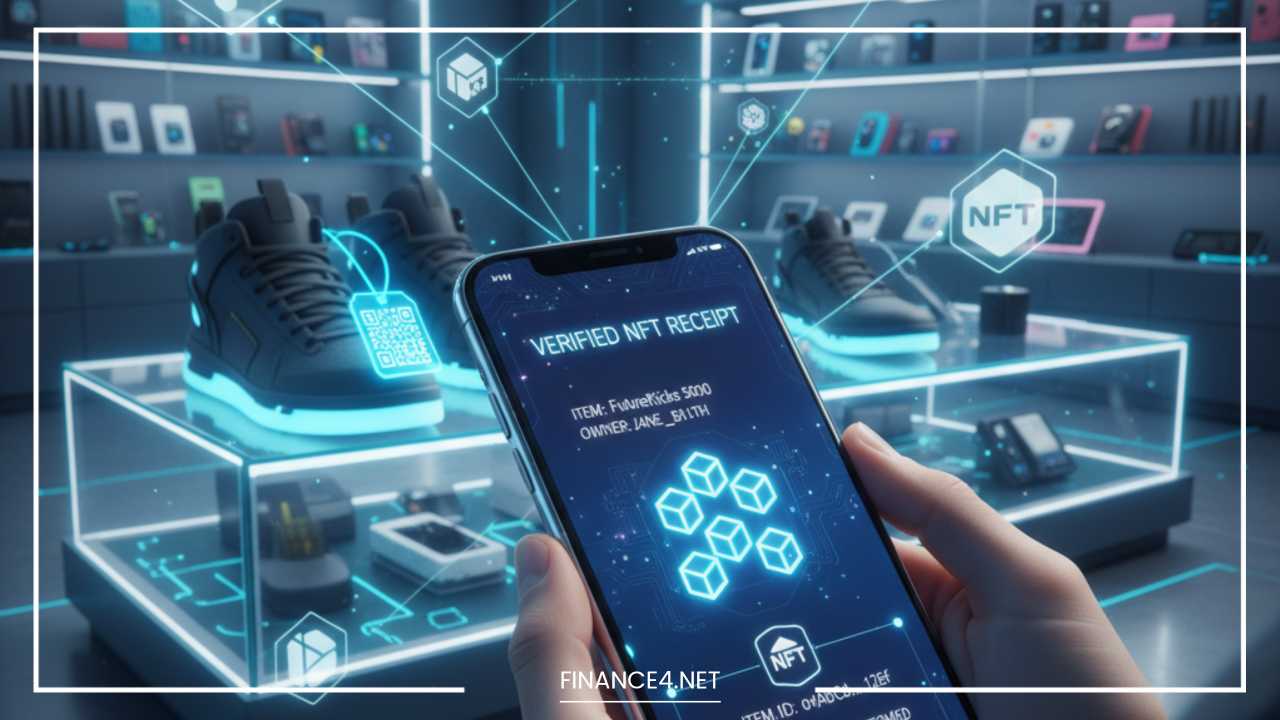
- Physical + Digital Bundles: Selling a physical item that comes with a new, secondary NFT (e.g., a digital collectible, a future access pass) or that includes an NFC tag linking back to the owner’s wallet or the digital asset.
Print-on-Demand (POD) Options
For maximum simplicity and minimal inventory risk, POD services are ideal.
- Printful/Printify: These services integrate directly with platforms like Shopify and handle printing, packaging, and shipping automatically when an order is placed. This is the best approach for a starting store as it requires no upfront inventory investment.
- Pros: Low risk, automated fulfillment, vast product catalog.
- Cons: Higher per-item cost, less control over quality/packaging, and slower fulfillment times than in-house.
Design-to-Product Pipeline
Ensure your high-resolution NFT art is correctly formatted for printing:
- Art Preparation: Convert vector art to PNG or high-DPI raster art (300 DPI minimum).
- Mockups: Use POD tools to generate digital mockups to showcase how the design looks on the chosen garment.
- Product Listing: Upload the mockups and descriptions to your eCommerce platform.
- Token-Gate: Apply the necessary token-gating rule to the product (e.g., “Must hold an NFT from Contract X to purchase”).
Connecting NFTs with Merch Access
The magic of an NFT merch store lies in token-gated commerce—the mechanism that enforces exclusivity.
Token-Gated Commerce Explained
Token-gating is the act of restricting access to content, products, or experiences based on a user’s cryptographic proof of holding a specific NFT in their connected wallet.
How to Verify NFT Ownership (Wallet Connection)
The process is seamless for the user:
- Wallet Connect: The user clicks a “Connect Wallet” button on the store’s website.
- Signature Request: The wallet prompts the user to digitally sign a non-transactional message (no fees or funds are moved). This signature proves they control the wallet without exposing private keys.
- Blockchain Query: The token-gating app or custom code takes the public wallet address and queries the blockchain (via an API like Etherscan, Polygonscan, or a service like Alchemy) to confirm the wallet holds at least one NFT from the required collection (smart contract address).
- Access Granted: If the verification is successful, the user is automatically granted a discount code, shown hidden product pages, or allowed to complete the checkout process for the token-gated item.
Shopify Token-Gating or Custom Web3 Solutions
- Shopify Integration: Apps like Tokenproof are the easiest route. You specify the contract address, the collection, and the gate (e.g., “Must hold NFT ID #1-100” or “Must hold any NFT from contract X”). The app handles the entire connection and verification process.
- Custom Solutions: For total control, developers can use Web3 libraries (like ethers.js or web3.js) to integrate a wallet-connect button and build a custom server-side function to query the blockchain and apply logic (e.g., generate a unique, single-use discount code for verified holders).
Exclusive Merch Drops, Discounts, or Early Access
Token-gating is versatile:
- Exclusive Drops: Hiding the entire product line except for holders. This is the purest form of exclusive merch.
- Discounts: Offering a permanent or rotating discount code (e.g., 20% off) to all token holders, encouraging repeat purchases.
- Early Access: Granting holders a 48-hour head start on a new, high-demand product before it is released to the general public.
Marketing and Community Building
In the NFT space, community isn’t a strategy; it’s the product. Marketing your merch store requires a community-first, Web3-native approach.
Social Media Strategy (Twitter/X, Discord, Instagram)
- Twitter/X: The primary channel for NFT news, hype, and announcements. Use high-quality visuals of the merch (real models preferred) and leverage the authority of your NFT brand. Run polls and launch countdowns.
- Discord: The community’s home base. Create a dedicated, token-gated channel for your NFT holders (using verification bots like Collab.Land or Guild) to announce exclusive drops first. Run contests and gather feedback on future merch designs.
- Instagram/TikTok: Focus on lifestyle content, showing people wearing the merch. Use these visual platforms to attract customers who might be new to the NFT aspect but love the style.
Community-First Marketing
- AMAs (Ask Me Anything): Regular sessions with the brand founder/artist to discuss the merch design, collection roadmap, and utility.
- Collaborations (Collabs): Partner with complementary NFT projects, Web3 influencers, or established streetwear brands. Cross-pollinate communities by offering exclusive merch only accessible to holders of both projects’ tokens.
- Giveaways and Airdrops: Give away a few key pieces of merch to random NFT holders or airdrop a “merch voucher” NFT that can be redeemed for a specific item, generating excitement.
Email List Building with NFT Tools
Even in Web3, email remains a reliable channel.
- Wallet-to-Email Integration: Use tools that allow a user to connect their wallet and opt-in their email address. This creates a highly segmented list of verified token holders for targeted email marketing about exclusive drops.
Using NFT Metadata to Engage Holders
The data stored within the NFT’s contract can be used for highly personalized marketing.
- Dynamic Traits: If your NFT has dynamic traits (e.g., a trait that changes based on a holder’s activity), you can launch merch that mirrors those changes.
- Unlockables: Use the “Unlockable Content” feature on secondary marketplaces (like OpenSea) to include a hidden link, a special discount code, or a unique one-time-use password for a secret merch page that only the current owner of the token can access.
Managing Orders, Fulfillment & Customer Service
Logistics and customer care are essential for maintaining a professional image.
Print-on-Demand vs. In-House
- Print-on-Demand (POD): Minimal effort, no storage, but lower profit margins and quality control is delegated to the POD provider. Best for starting out.
- In-House/3PL (Third-Party Logistics): Higher profit margins, better quality control, faster shipping (if local), and custom packaging. Requires significant upfront investment in inventory, warehouse space, and staff. Scale up to this once you have proven demand.
Handling Returns, Delays, and Quality Control
Establish clear policies. For POD, ensure your terms of service outline the separate return policy of the fulfillment partner.
- Delays: Be transparent, especially in the early stages or during a large drop. The crypto community values honesty. Use Discord to give frequent updates.
- Quality Control (QC): If using POD, always order a sample of every product and design before launch to verify print quality and fit. QC is your brand’s reputation.
Customer Service for Crypto vs. Non-Crypto Buyers
You will have two distinct customer bases.
- Crypto Buyers (NFT Holders): These customers may use pseudonyms, communicate primarily via Discord, and expect fast, digital-native support. Be prepared to answer questions about the token-gating process or blockchain transaction issues.
- Non-Crypto Buyers: These customers expect traditional customer service channels (email, phone, chat) and may need simple explanations about product fit, returns, and shipping.
Shipping Globally and Managing Expectations
The NFT community is global. Use fulfillment partners (especially POD) that offer robust international shipping options. Clearly state shipping costs, delivery estimates, and customs/duties liabilities before checkout to avoid surprises.
Scaling Your NFT Merch Brand
Once the core store is operational, focus on growth, deepening utility, and expanding the ecosystem.
Collaborations with Artists or Other NFT Projects
Strategic partnerships are the quickest path to scale your audience.
- Artist Collabs: Work with established physical artists or designers to create a limited-edition capsule collection.
- Project Collabs: Release an exclusive merch drop that requires holding an NFT from two different collections (a “dual-gated” product). This incentivizes holders of both projects to buy and cross-promotes your brand.
Launching New Collections or Merch Drops
Keep the offerings fresh and scarce.
- “Seasons” or “Generations”: Launch new, limited-run merch collections tied to milestones in your NFT project’s roadmap (e.g., “Genesis Merch Collection,” “V2: The Evolution Drop”). The scarcity maintains demand.
- “Burn to Redeem” Mechanics: Introduce a utility where holders can permanently “burn” (destroy) a lower-tier NFT to redeem a super-exclusive physical item, reducing the circulating supply of the NFT and increasing the perceived value of the physical item.
Expanding Utility
Physical merch should eventually lead to deeper digital and real-world value.
- Event Access: Merch purchases could come with a physical NFC tag that serves as a ticket or access pass to a token-gated community meetup or IRL event.
- Loyalty Tokens: Reward repeat customers with an airdrop of a specific $LOYALTY token for every $X spent. This token can then be used for future discounts or voting on upcoming merch designs.
Analytics: Tracking Sales, NFT Holder Engagement
Go beyond standard eCommerce analytics.
- NFT Holder Tracking: Track which specific NFTs (by Token ID) are connecting and purchasing. This reveals your most engaged holders.
- Secondary Market Impact: Monitor if a successful merch drop increases the floor price or trading volume of your underlying NFT collection. A rising floor price is the ultimate validation of your utility.
Final Thoughts
Creating an NFT merch store is a journey that sits at the intersection of technology, community, and commerce. The NFT is not just a digital picture; it’s the ultimate proof of loyalty and a membership credential that grants exclusive rights in the physical world.
The key takeaways are:
- Legal Clarity is Paramount: Define your NFT holder’s IP rights from day one.
- Token-Gating is the Core: Use a reliable platform like Shopify with a robust token-gating app to enforce exclusivity.
- Community-First Marketing: Use Discord and Twitter/X as your primary sales channels.
- Start Simple: Use a Print-on-Demand (POD) model initially to test demand without incurring inventory risk.
The future of brand loyalty and premium commerce is token-gated. Start small, be transparent, test your designs, and focus relentlessly on rewarding your most dedicated digital citizens. Your NFT merch store is the ultimate expression of your brand’s presence in both the metaverse and the physical world.